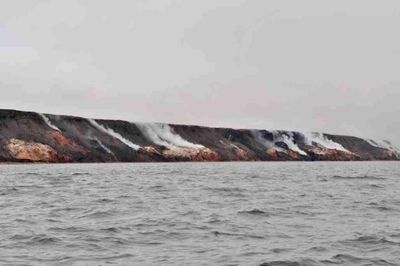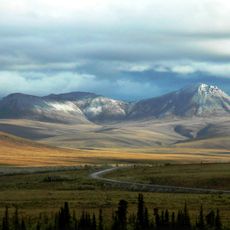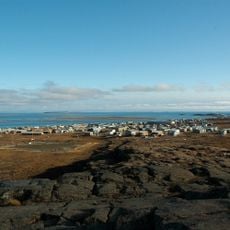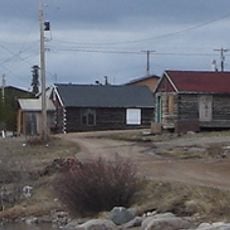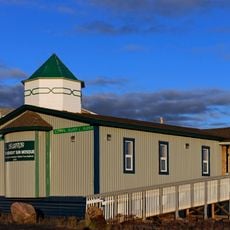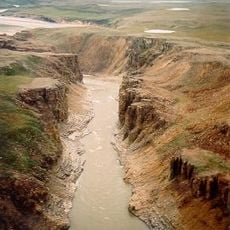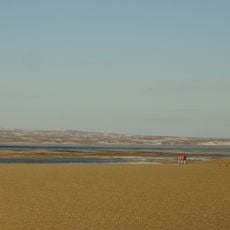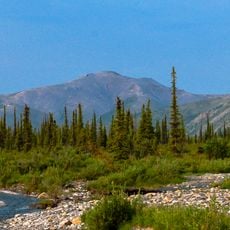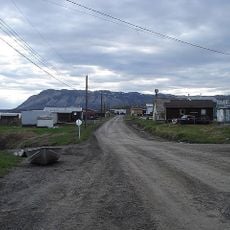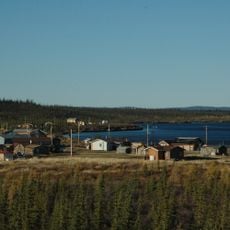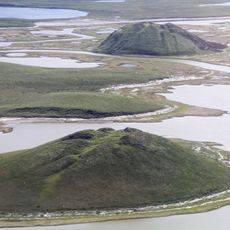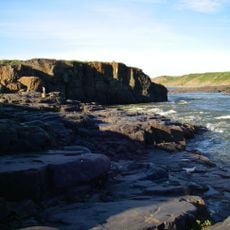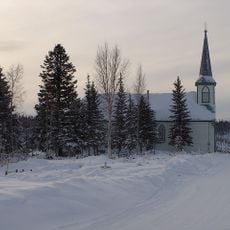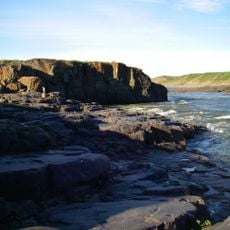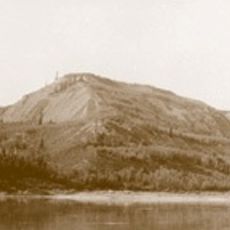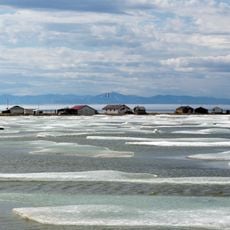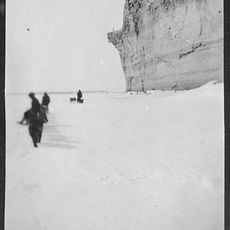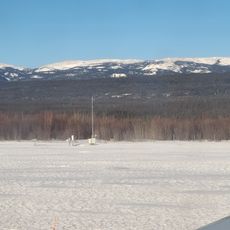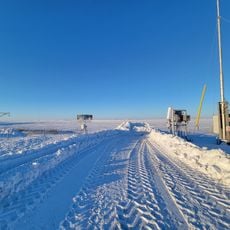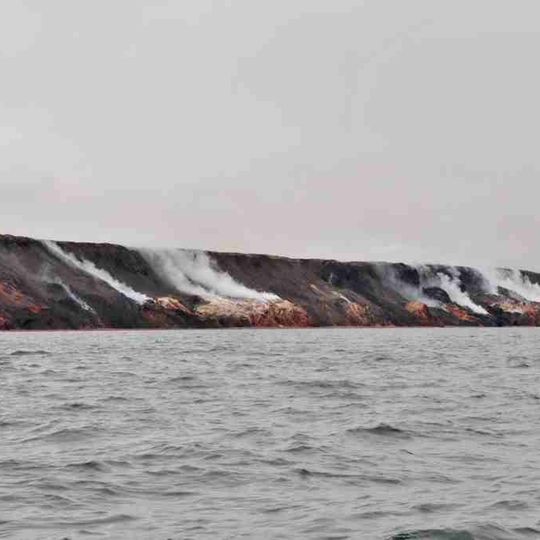
Smoking Hills, Hill group on Cape Bathurst, Northwest Territories, Canada.
Smoking Hills is a group of hills on Cape Bathurst on the Arctic Ocean coast, where subterranean oil shales release continuous plumes of smoke. Sulfur-rich deposits within the ground self-ignite, creating a constant visual phenomenon visible above the sparse tundra landscape.
Explorer John Franklin first documented these hills during his Mackenzie River Expedition between 1825 and 1827 while mapping the Horton River region. This early European observation brought the phenomenon to the attention of Western science.
The Inuvialuit people wove these hills into their oral traditions, interpreting the smoke as evidence of underground fire-makers living beneath the earth. This cultural memory shapes how visitors today understand and experience the landscape.
Access is possible only by helicopter or boat due to the remote coastal location. Visitors must bring protective equipment to avoid the toxic fumes produced by the burning sulfur-rich deposits.
The continuous combustion of lignite creates highly acidic ponds with pH levels below 2, hosting specialized algae species adapted to these extreme conditions. These unusual water bodies represent one of the few known examples of life thriving in such harsh environments.
The community of curious travelers
AroundUs brings together thousands of curated places, local tips, and hidden gems, enriched daily by 60,000 contributors worldwide.