Wudang Mountains, Taoist mountain range in Shiyan, China
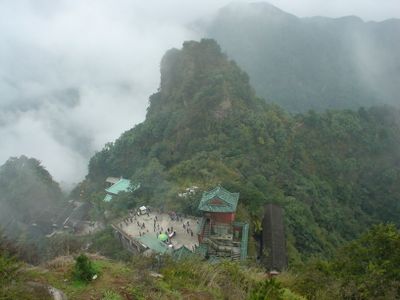
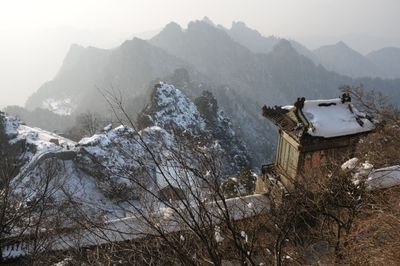
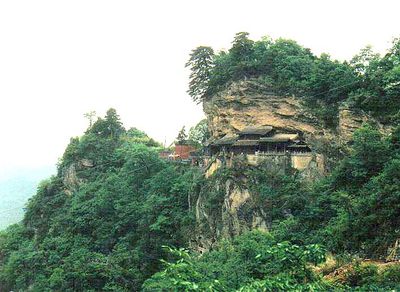
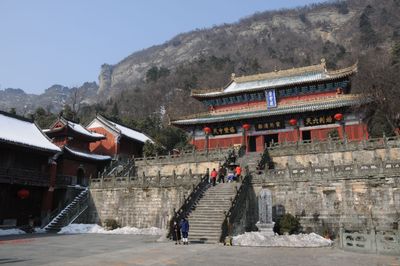
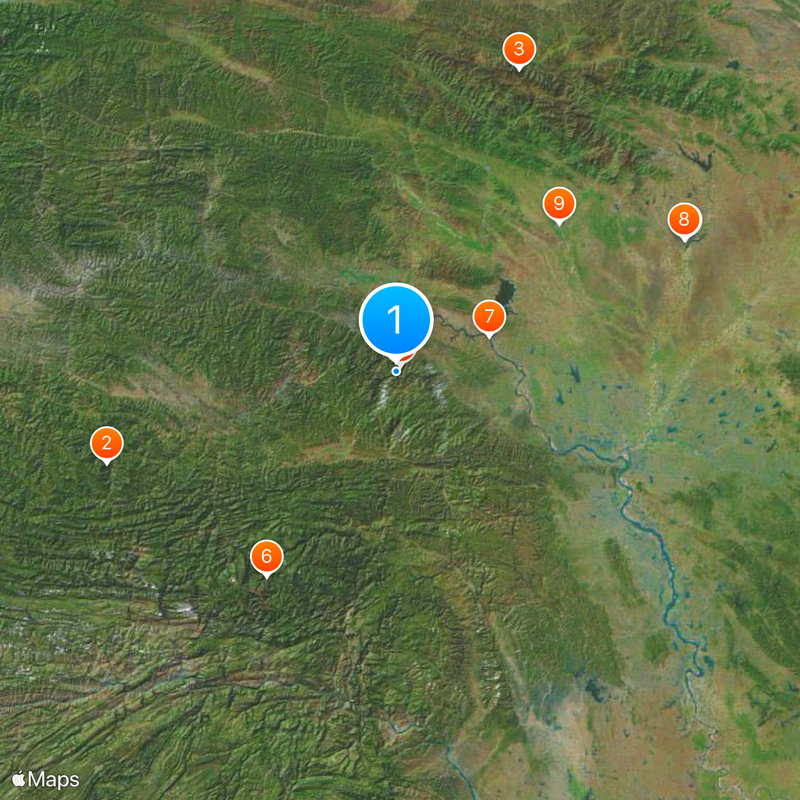
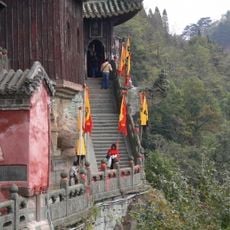
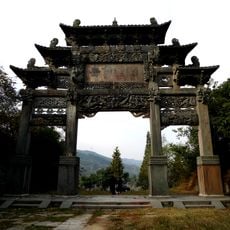
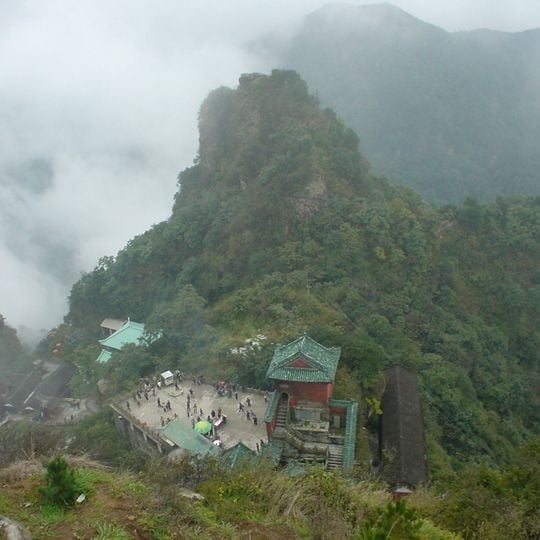
Wudang Mountains consist of 72 peaks spreading over 312 square kilometers in the northwestern part of Hubei Province, reaching an elevation of 1,612 meters (5,289 feet). Across the slopes and summits, numerous temple complexes and monasteries are connected by stone pathways.
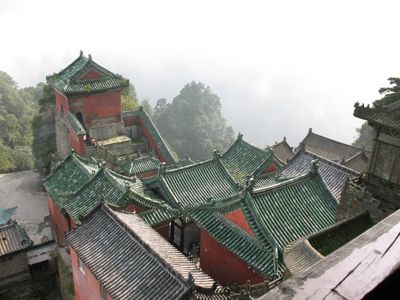
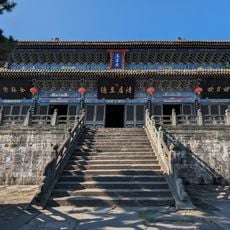
Emperor Zhu Di commissioned the construction of 53 structures during the Ming Dynasty, including nine palaces, eight temples, and 36 religious buildings. The work lasted about twelve years and transformed the area into a major spiritual center.
The range serves as an important center for Taoist practice, where monks still live and pass on martial art techniques to students. In the temple courtyards, visitors can often watch people training in Tai Chi early in the morning, performing movements that were developed here.
The area is accessible through Shiyan Wudangshan Airport or by train connections from Wuhan, with the best visiting period between March and November. Paths between the temples can be steep, so comfortable shoes are recommended and time for breaks should be planned.
The Golden Hall at Tianzhu Peak is the largest copper structure in China and houses a five-meter (16-foot) statue of the Heavenly Upper Emperor. The entire structure was built without nails or wood, held together only by copper joints.
The community of curious travelers
AroundUs brings together thousands of curated places, local tips, and hidden gems, enriched daily by 91,058 contributors worldwide.