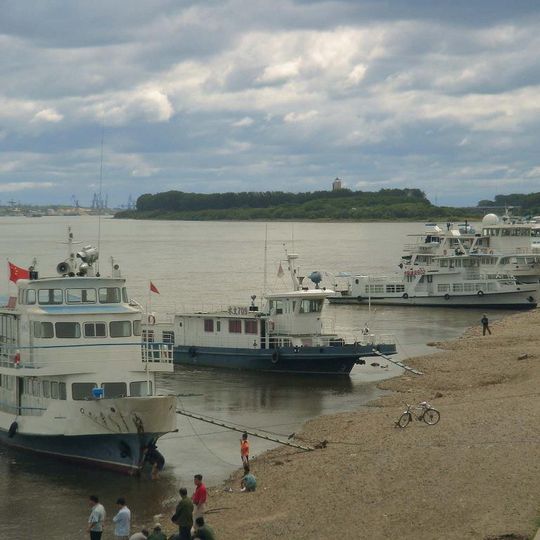
Amur River, Transboundary river in Far East Russia
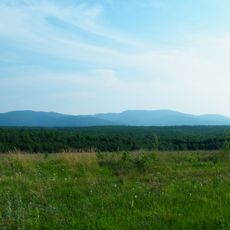
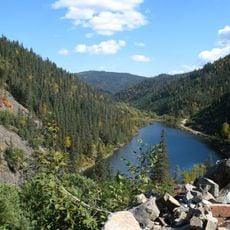
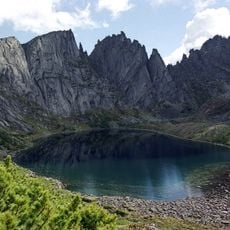
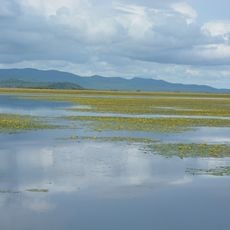
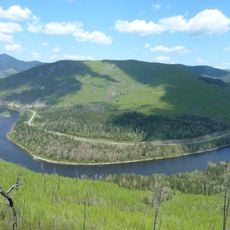
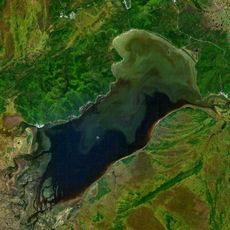
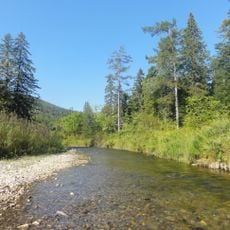
The Amur stretches 2,824 kilometers across northeastern Asia, forming a natural border between Russia and China before emptying into the Strait of Tartary. Its basin includes steppes, wetlands, and boreal forests that support numerous fish and bird species.
Cossacks explored the region during the 17th century, establishing forts like Albazin, which led to conflicts with China. The Treaty of Aigun in 1858 shifted the border along the river and opened Russian settlement in the Far East.
The waterway carries names from different local peoples, including Heilong Jiang, meaning Black Dragon River, rooted in Chinese legends. Fishing villages along the banks still preserve techniques and rituals passed down through centuries by Nanai communities.
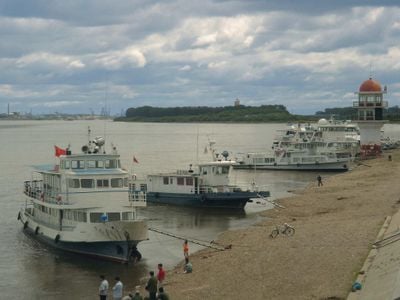
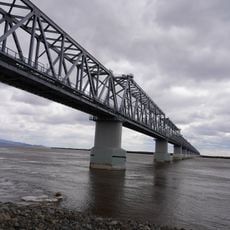
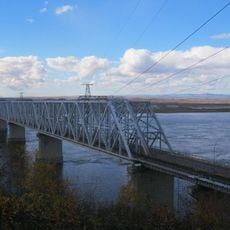
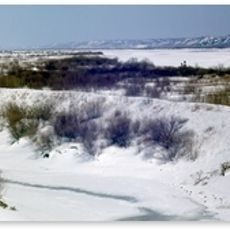
Crossings occur at several bridges, with the Khabarovsk Bridge from 1916 among the most recognized. Boat trips are possible in summer, while winter often brings thick ice that makes the water difficult to access.
The kaluga sturgeon, one of the largest freshwater fish worldwide, inhabits these waters and can grow beyond five meters. This species lives extremely slowly and can reach over a century in age, making it vulnerable to overfishing.
The community of curious travelers
AroundUs brings together thousands of curated places, local tips, and hidden gems, enriched daily by 91,717 contributors worldwide.