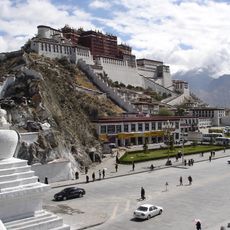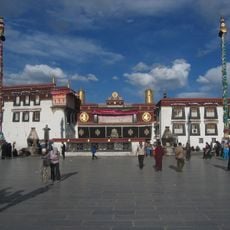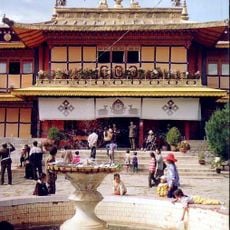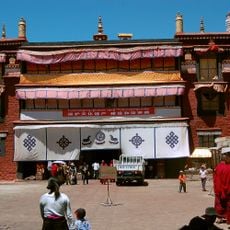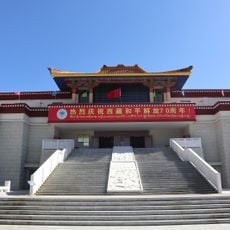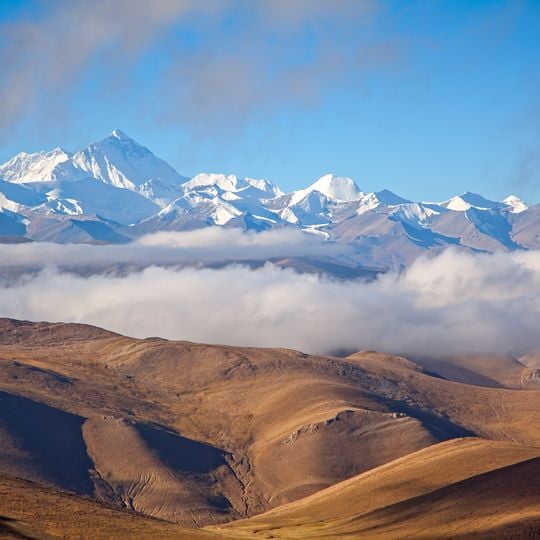
Tibet, Cultural region in western part of East Asia, China.
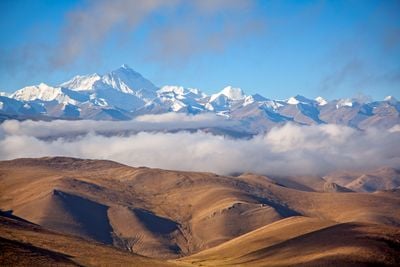
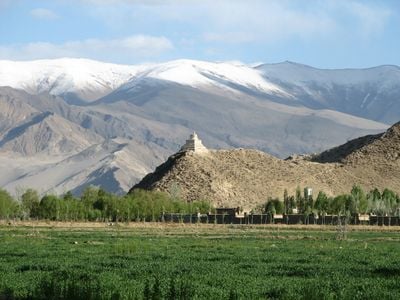
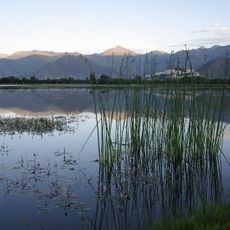
Tibet is a highland region in the western part of East Asia, centered on the Tibet Autonomous Region in China and extending into neighboring provinces. The plateau rises to an average elevation of 4380 meters and covers roughly 2.5 million square kilometers with mountain ranges, lakes, and wide grasslands.
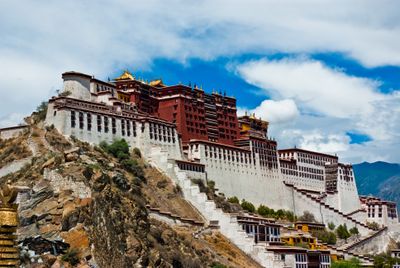
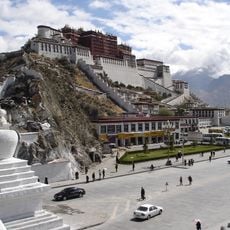
The Tibetan Empire reached its greatest extent in the 9th century and controlled large parts of Central Asia before fragmenting into competing kingdoms. Later centuries brought shifting influences from Mongolian and Chinese dynasties, while Buddhist monasteries rose to become centers of both political and spiritual power.
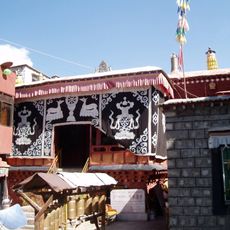
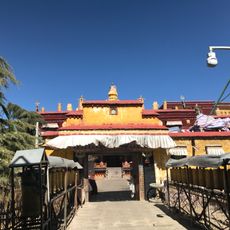
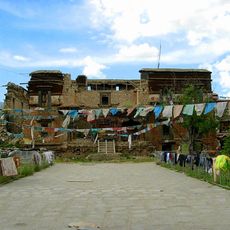
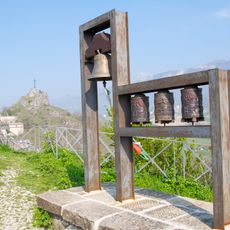
Tibetan Buddhism shapes daily life through prayer wheels lining paths, incense burners outside temples, and colorful prayer flags fluttering across passes and valleys. Pilgrims walk clockwise around sacred sites and prostrate themselves during long devotional journeys, while monks debate philosophy in courtyards, punctuating their arguments with rhythmic clapping.
The thin air at high elevation requires slow movement and time to adjust, especially during exertion or in the first days after arrival. Roads cross high passes and connect towns in wide valleys, with weather and visibility changing quickly.
The plateau holds numerous salt lakes whose shores form shallow crusts in summer that crack underfoot and gleam white in the sun. Beneath these lakes lie significant lithium deposits, among the largest in the world, giving the mineral water a faintly bitter taste.
The community of curious travelers
AroundUs brings together thousands of curated places, local tips, and hidden gems, enriched daily by 91,057 contributors worldwide.