Thirteen Factories, Historical trading district in Guangzhou, China
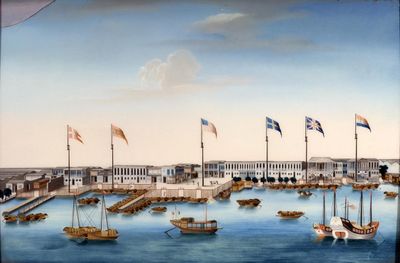
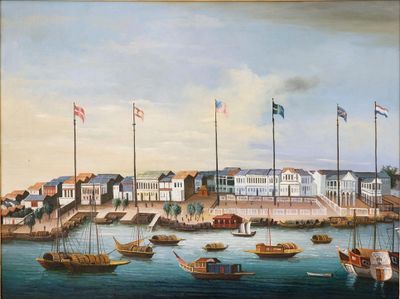
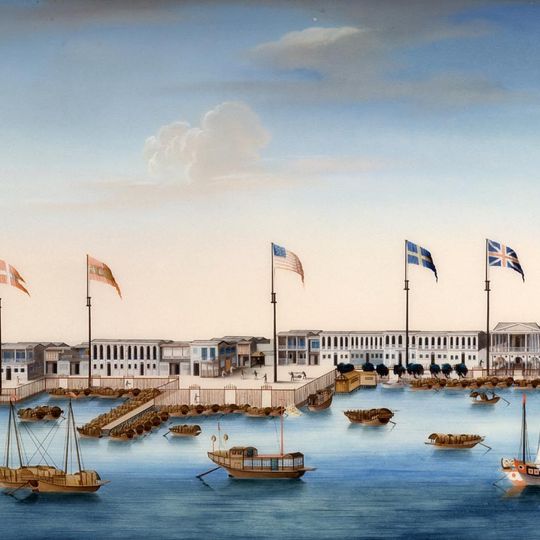
Thirteen Factories formed a row of two-story buildings along the Pearl River waterfront, serving as a closed trading zone for foreign merchants in Guangzhou. The structure included separate areas for storage, office space, and living quarters under one shared roof.
Emperor Qianlong decreed in 1757 that all Western trade business in Guangzhou would take place within this restricted zone to centralize control over foreign activities. After the First Opium War ended in 1842, this monopoly dissolved as several Chinese ports opened to international trade.
Each warehouse displayed a different national emblem above its entrance, making it easy for merchants to identify their assigned trading zones. Traders followed strict rules regarding personal interactions, with social contact outside business hours kept to a minimum.
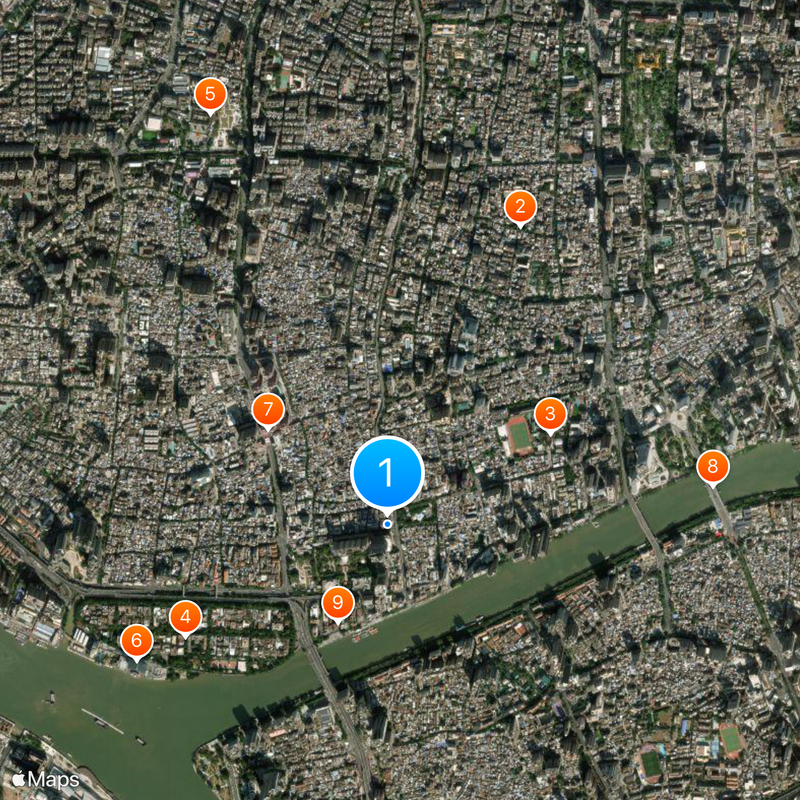
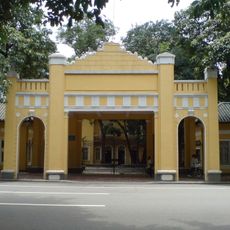
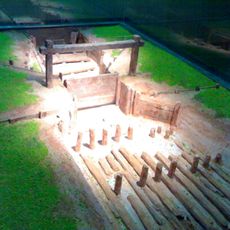
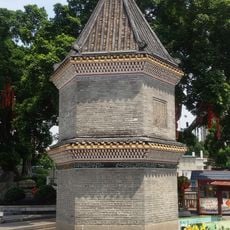
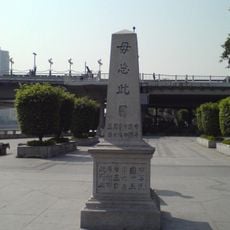
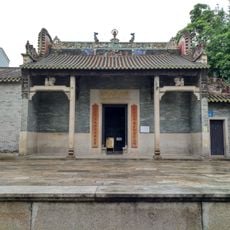
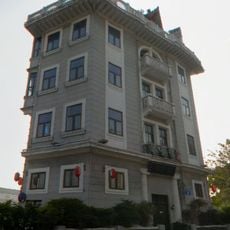
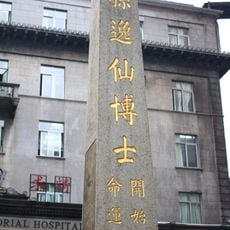
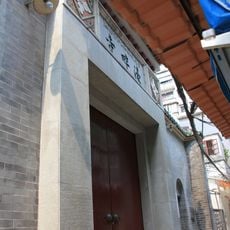
The area is best explored on foot, as the original buildings no longer stand and only replicas or historical markers remain visible. Visitors will find information panels in Chinese and English explaining the former use of each site.
Traders were permitted to enter the enclosed area only during trading season, which typically lasted from October to January, and had to return to Macau afterward. An exception existed for some Protestant missionaries who stayed longer and operated chapels on upper floors of certain factories.
The community of curious travelers
AroundUs brings together thousands of curated places, local tips, and hidden gems, enriched daily by 92,395 contributors worldwide.