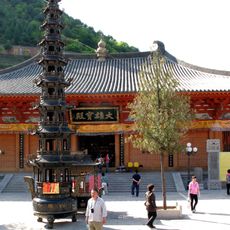
Longxing Monastery, Buddhist monastery in Zhengding, China
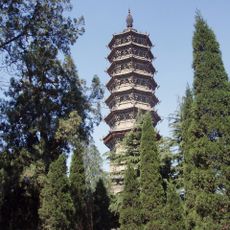
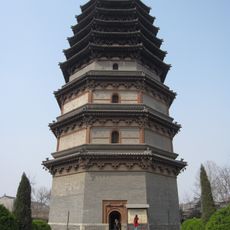
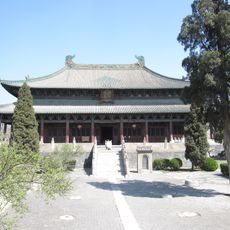
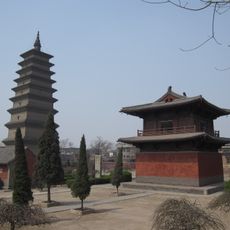
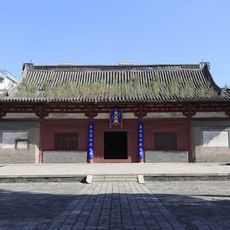
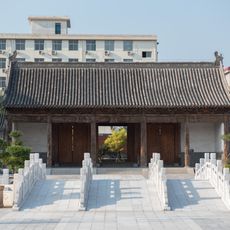
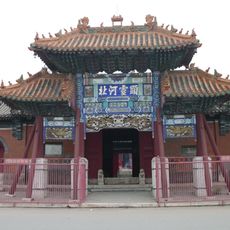
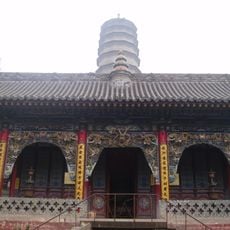
Longxing Monastery is a Buddhist temple complex in Zhengding that spreads across multiple halls and pavilions connected by a central axis running through the site. The buildings display traditional Chinese architectural features including carved wooden brackets, stone carvings, and painted ceiling beams that have survived over the centuries.
The monastery was founded in 586 during the Sui Dynasty and underwent major reconstruction between 960 and 1279 during the Song Dynasty. This extensive rebuilding shaped the complex as it appears today and made it an important example of architectural practices from that period.
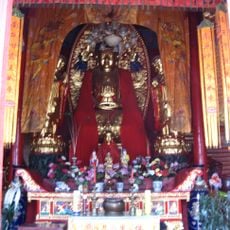
The Mani Hall displays numerous Buddhist statues and detailed frescoes depicting religious stories that show how artists of ancient China represented their spiritual beliefs. Visitors can observe the artistic techniques and symbolic imagery that people used to express their faith.
The site is straightforward to walk through since the layout is clear and main pathways are well marked. Plan to spend at least two to three hours to explore the halls at a comfortable pace and examine the architectural details and displayed objects.
The Guanyin in the Dabei Pavilion was cast in 971, the fourth year of the Kaibao era, under an order from Emperor Taizu of Song, at the same time the pavilion was built. It stands 21.3 m tall and is the largest surviving ancient bronze statue in China; its hands are damaged, but the body's proportions and drapery lines remain intact.
The community of curious travelers
AroundUs brings together thousands of curated places, local tips, and hidden gems, enriched daily by 92,787 contributors worldwide.