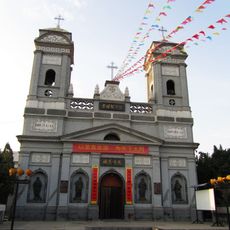
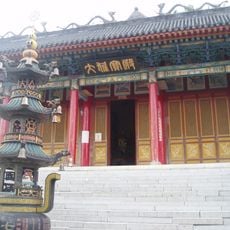
Yong'an Temple, Buddhist temple at Heng Shan foothills, Hunyuan, China
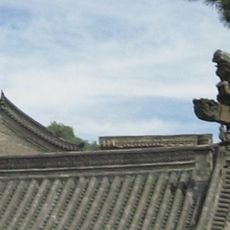
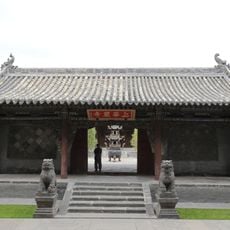
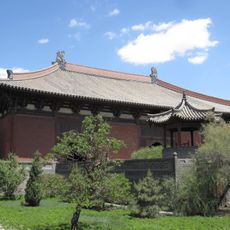
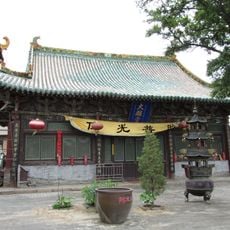
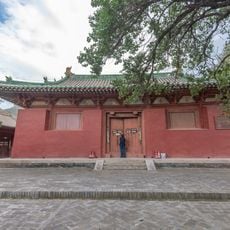
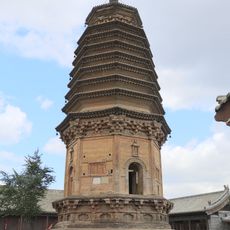
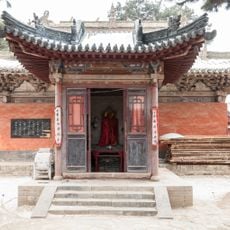
Yong'an Temple stands in the northeast of Hunyuan county town, on Gulou North Lane. Its main hall, Chuanfa Zhengzong Hall, is a Yuan building with a single-eave hip roof and yellow glazed tiles; the gate, Heavenly Kings Hall and side halls are Ming and Qing structures. The hall's walls carry 170 square metres of murals.
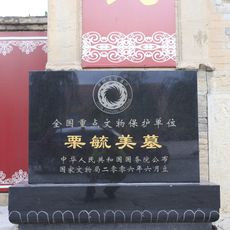
Yong'an Temple was first built in the Jin dynasty and later destroyed in war. In the early Yuan era, Gao Ding, commander of the Yong'an army, invited the monk Guiyun to serve as abbot and rebuild it; in 1315 Gao Pu restored it again, and later dynasties kept repairing it. The main hall, Chuandha Zhengzong Hall, is Yuan work, while the gate, Heavenly Kings Hall and side halls are Ming and Qing structures. It became a national key cultural relic in 2001.
The wall paintings inside depict Buddhist teachings, religious ceremonies, and scenes of daily life from different social classes. They offer a window into how ordinary people lived and interacted in medieval Chinese society as seen through the artists' eyes.
Yong'an Temple stands in the Drum Tower North Lane, northeast of Hunyuan county seat, in Shanxi. The surviving main hall, Chuancheng Zhengzong Hall, is a Yuan building; the gate, Heavenly Kings Hall and side halls are Ming and Qing work. The hall's murals cover 170 square metres and are best seen in daylight, so plan a daytime visit.
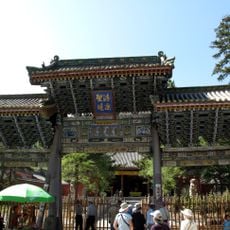
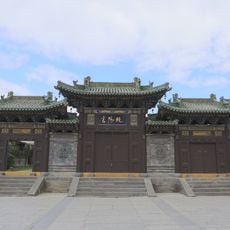
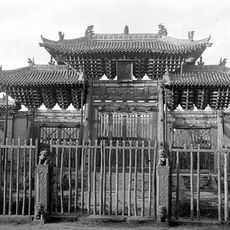
The temple's gate has five doorways, an uncommon arrangement: three in the centre and a small one on each side. Its glazed ridge ornament is described as showing Nestorian Christian features, possibly linked to Yuan imperial patronage. The main hall's yellow glazed tiles were reserved for imperial use, an exception for a non-imperial temple.
The community of curious travelers
AroundUs brings together thousands of curated places, local tips, and hidden gems, enriched daily by 93,799 contributors worldwide.