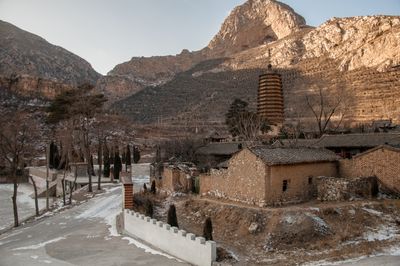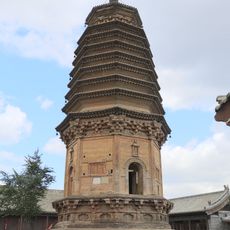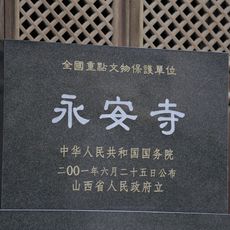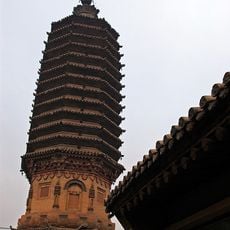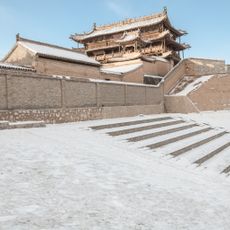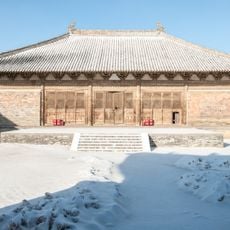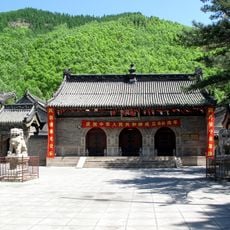
Pagoda of Jueshan Temple, Ancient Buddhist pagoda in Lingqiu County, China
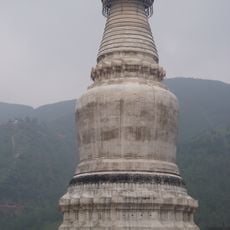
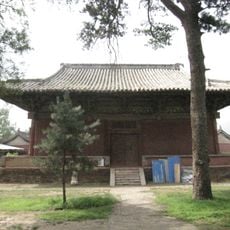
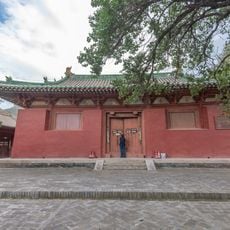
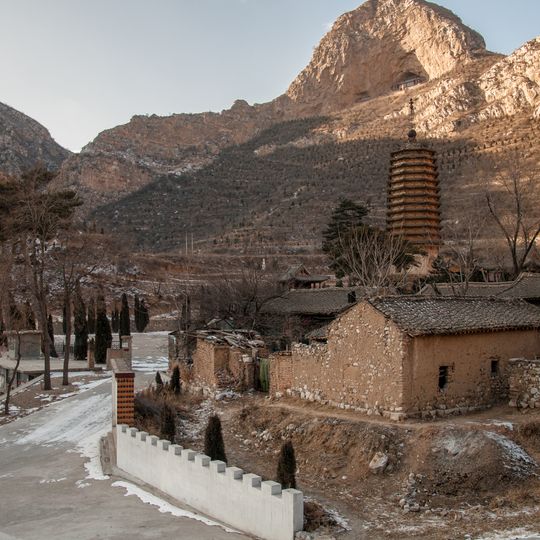
The Pagoda of Jueshan Temple is a thirteen-level structure rising from a mountainous setting in Lingqiu County, built using classical Chinese construction methods. The building combines stone and wood elements throughout, creating a solid framework that has supported the structure from its origins to the present day.
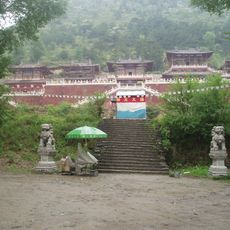
The temple was established in the late 5th century when a Buddhist monk named Liaoran chose this mountain location for spiritual practice. Over subsequent generations, the complex grew and developed, with the pagoda becoming the focal point of the site and a symbol of the Buddhist presence in the region.
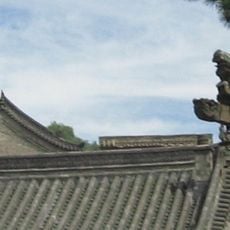
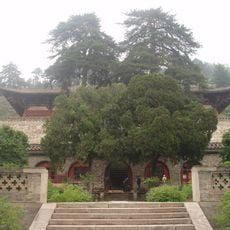
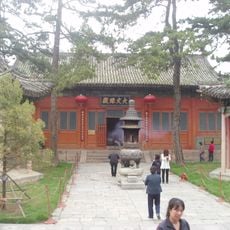
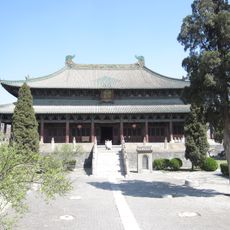
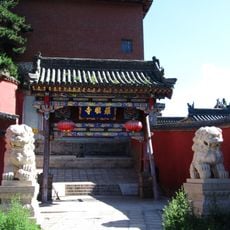
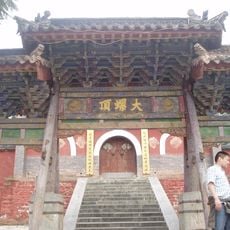
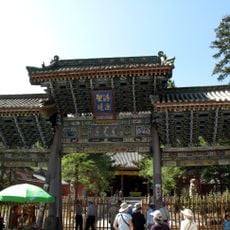
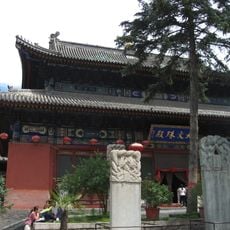
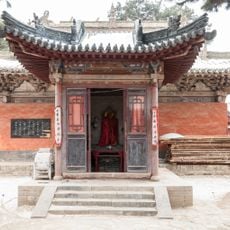
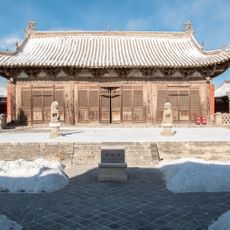
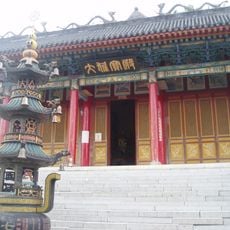
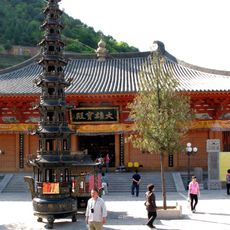
The temple reflects how Buddhist beliefs shaped the design of this sacred site, visible in the religious symbols and decorative details throughout the structure. Walking around the complex, you can see how people have gathered here for centuries to honor these traditions.
The site sits on a mountainous location and is most easily reached from the nearby city of Datong, where bus services connect to Lingqiu County. Good walking shoes are advisable since reaching the temple involves climbing steps and navigating uneven paths around the grounds.
The wooden structural components of the pagoda were joined using rare traditional techniques that allowed the building to withstand earthquakes and severe weather for over 1500 years without modern repairs. This ancient construction method remains largely intact and represents one of the oldest continuously maintained building systems in the region.
The community of curious travelers
AroundUs brings together thousands of curated places, local tips, and hidden gems, enriched daily by 92,359 contributors worldwide.