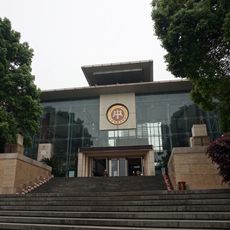
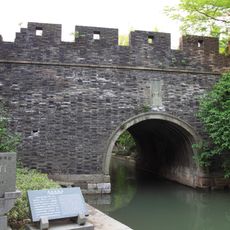
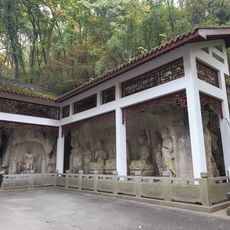
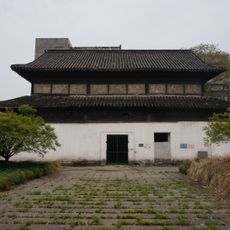
Tiger Cave Kiln, Archaeological site in Hangzhou, China.
Tiger Cave Kiln is an archaeological site near Hangzhou with remains of multiple ancient ceramic production facilities nestled in a valley between two mountains. The excavated ruins show the structure of the workshops, storage areas, and the arrangement of kilns used for firing pottery.
The kiln developed during the Southern Song Dynasty and became the primary source of ceramics for the imperial household from around 1127 to 1279. Archaeological teams rediscovered and excavated the site in the late 1990s, revealing its forgotten production history.
This kiln was dedicated to making ceremonial pottery for the imperial court, items that were used in important rituals and ceremonies. Visitors can see how the craftsmanship reflected the tastes and values of the ruling class at that time.
The site sits on a hillside with uneven ground, so comfortable walking shoes are important for exploring the ruins. A museum on the grounds offers guided tours that explain the excavated structures and how the kilns functioned.
The pottery fragments found here feature a distinctive greenish-gray glaze known for its thickness and subtle color variations. This glazing technique was difficult to perfect and demonstrated the skill of the finest craftspeople working at the time.
The community of curious travelers
AroundUs brings together thousands of curated places, local tips, and hidden gems, enriched daily by 60,000 contributors worldwide.