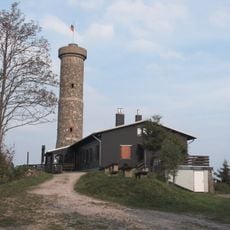
Osterode, former district in Lower Saxony, Germany
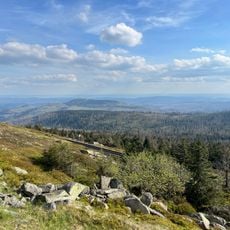
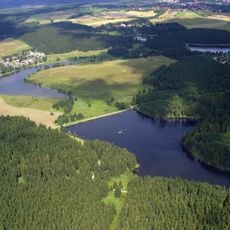
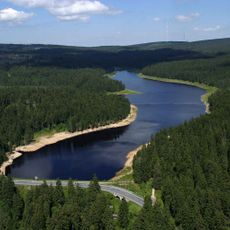
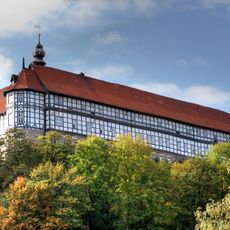
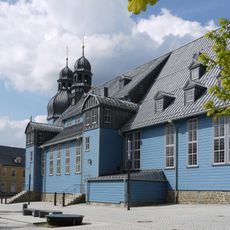
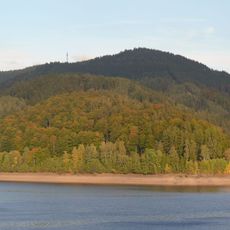
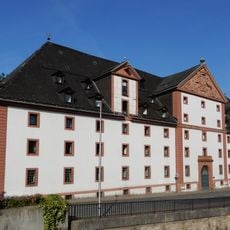
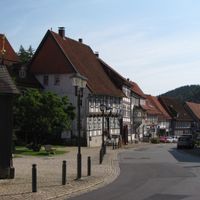
Osterode is a small town at the edge of the Harz region with a tight layout and old stone and timber buildings. The town is surrounded by lakes, hills, and forests, and the townscape is marked by narrow streets with craft shops, cafes, and various small businesses.
The town probably arose in the 10th century around a small chapel but was destroyed in 1152 during conflicts between the Welfs and Ascanians, then rebuilt at a new location around St. Aegidian Church. During the 13th century it gained town rights, built city walls, and became an important trading post on old caravan routes.
The name Osterode comes from the Ose river and the forest clearings in the area. Today the town still shows signs of its trading past everywhere: half-timbered houses with decorated windows shape the streetscape, and narrow alleyways invite you to explore this heritage.
Osterode is easy to reach by car and has parking areas in town plus bus stops and train connections to larger places. The town is a good starting point for hikes since several walking routes like the Harzer-Hexen-Stieg begin or pass through here.
The town has several metallic statues of talking people standing in its squares, such as the figures at Kornmarkt and near the old town hall, depicting moments from everyday life. These artworks show the talkativeness and liveliness of the citizens and are favorite spots to discover while exploring the town.
The community of curious travelers
AroundUs brings together thousands of curated places, local tips, and hidden gems, enriched daily by 92,436 contributors worldwide.