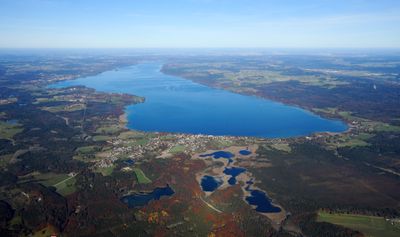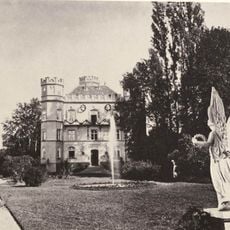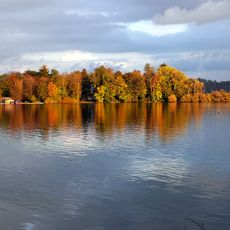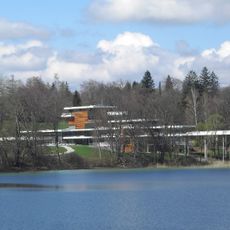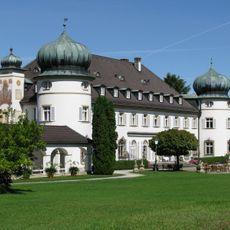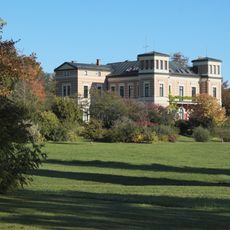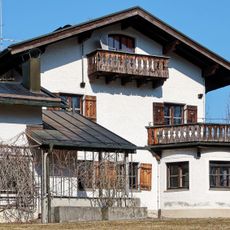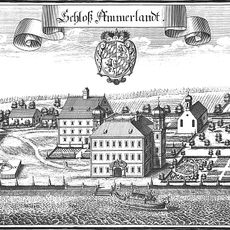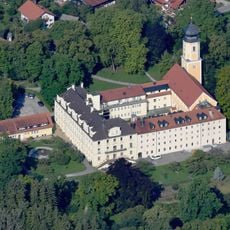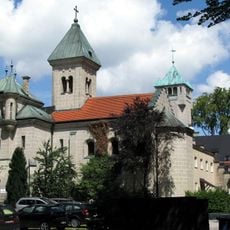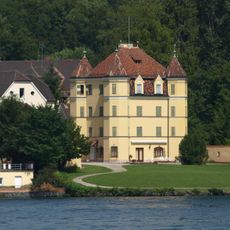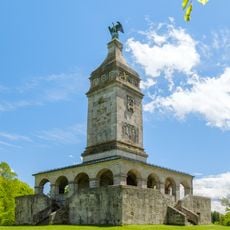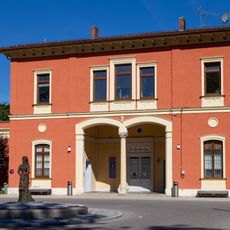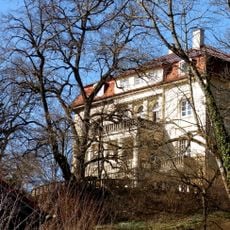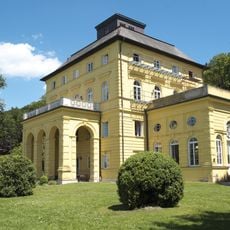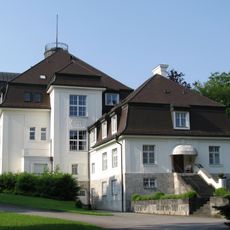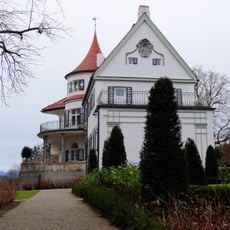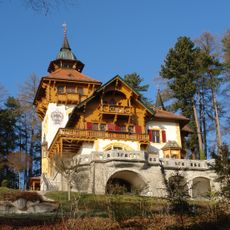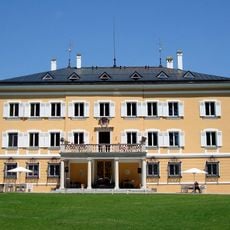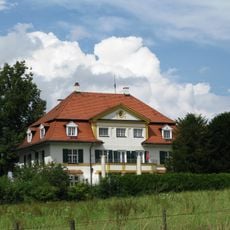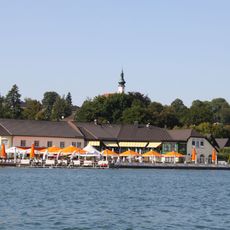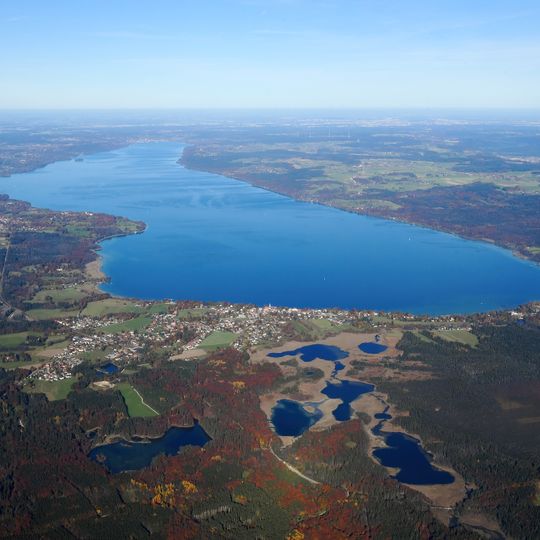
Lake Starnberg, Ramsar wetland site in Bavaria, Germany.
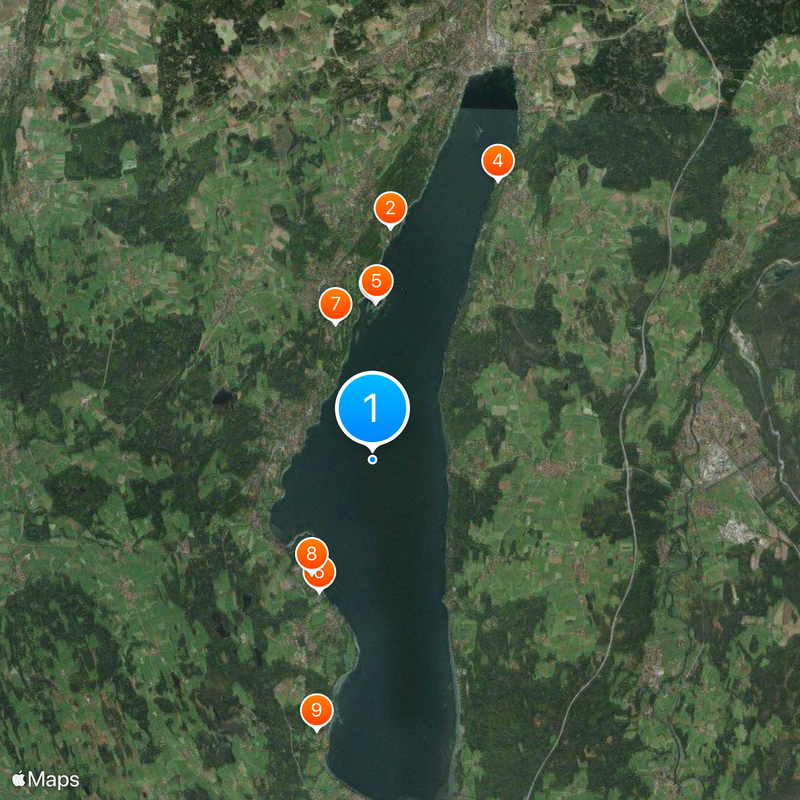
Lake Starnberg is a body of water in the Bavarian Alpine foothills that stretches roughly 25 kilometers southwest of Munich and ranks among the largest in the region. Its longest extension runs about 20 kilometers from north to south, while the maximum depth in the central areas exceeds 120 meters.
This body of water formed after the last ice age through the retreat of glaciers that left deep basins in the Alpine foothills. In 1886 King Ludwig II drowned under unclear circumstances near the shore at Berg, an event that continues to fuel speculation and legend to this day.
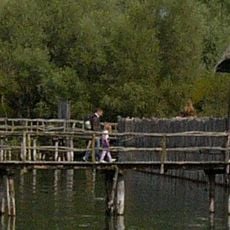
Locals still call this body of water Würmsee, an old name that refers to the outflowing river and remains in everyday use throughout the region. Along the shores you will find several landing stages used by residents and visitors alike, especially on warm days when sailing dinghies and rowing boats glide across the water.
Several towns along the shores offer access to the water and landing stages for boats that run regularly between the different places. The best time to visit is from spring through autumn when the weather is mild and the nature along the shore is in full bloom.
The Steinbach flows into the body of water from the south bringing clear mountain water, while the Würm serves as the only natural outflow in the north channeling excess water toward the Amper. This hydrological arrangement ensures a steady exchange and maintains water quality over the decades.
The community of curious travelers
AroundUs brings together thousands of curated places, local tips, and hidden gems, enriched daily by 60,000 contributors worldwide.