Berchtesgaden National Park, National park in Bavarian Alps, Germany
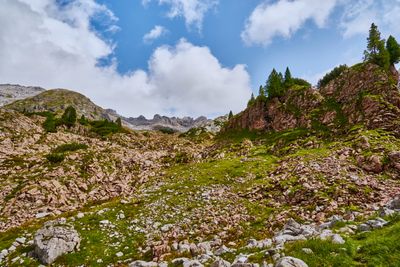
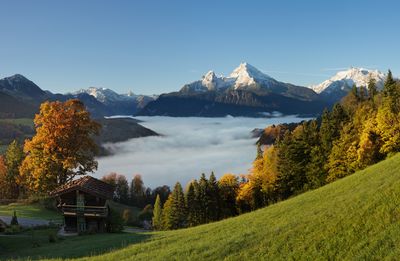
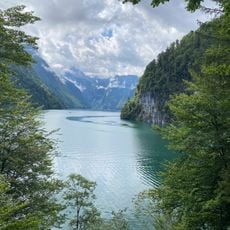
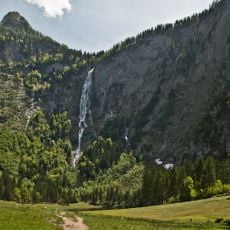
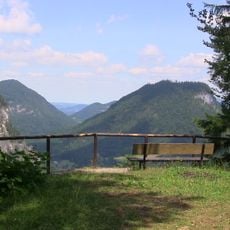
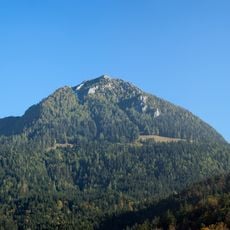
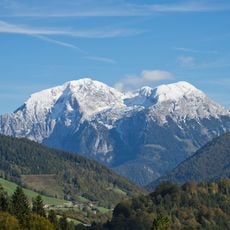
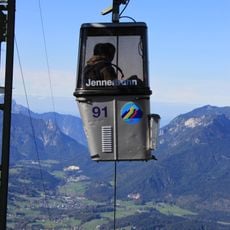
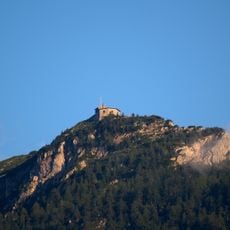
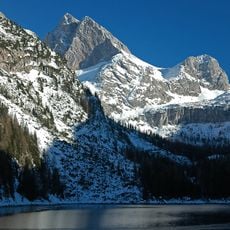
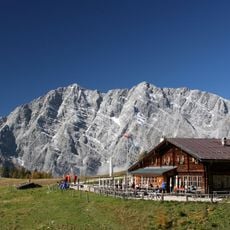
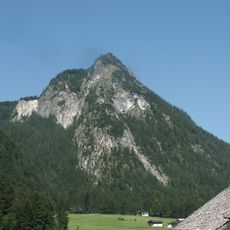
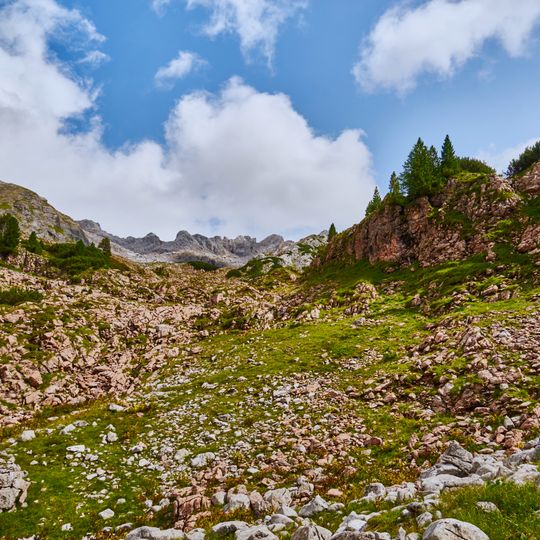
Berchtesgaden National Park is a protected area in the Bavarian Alps that stretches along the Austrian border and contains mountains, forests, lakes, and glaciers. The terrain displays steep limestone cliffs, forested slopes, and clear waters surrounded by snow-capped peaks throughout the seasons.
Protection began in 1910 with a reserve area and expanded in 1978 to become a national park, aiming to preserve the alpine landscape and its wilderness. This shift reflected increasing interest in safeguarding mountain regions from industrial development and resource extraction.
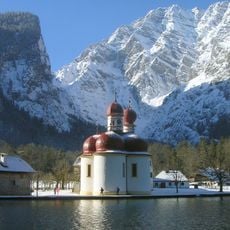
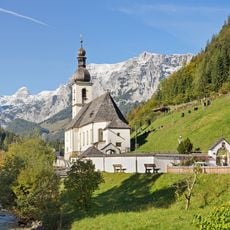
The St. Bartholomew Church on Königssee Lake displays traditional alpine architecture and is a place where visitors experience mountain life as it has been lived for generations. The white chapel with its red roof has shaped the lake's character for centuries and remains significant to local communities.
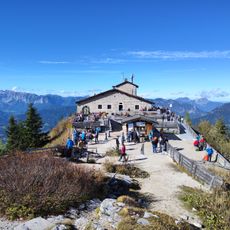
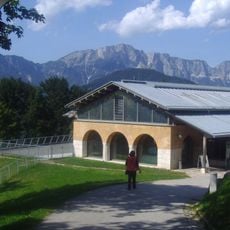
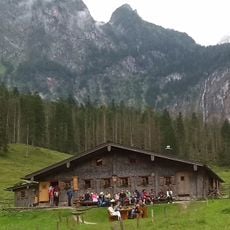
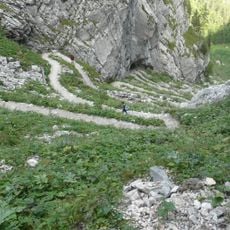
The park offers hundreds of kilometers of marked trails ranging from easy to demanding routes suited to all fitness levels. Multiple information centers at various entry points help visitors plan their time and provide guidance on weather conditions and safe routes.
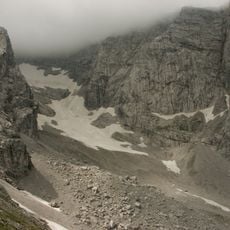
The park is home to two of Germany's few remaining active glaciers, including the Watzmann Glacier and Blaueis, which represent a rare natural feature in this region. These ice masses are remnants from colder periods and draw visitors seeking to explore this distinctive alpine environment.
The community of curious travelers
AroundUs brings together thousands of curated places, local tips, and hidden gems, enriched daily by 91,408 contributors worldwide.