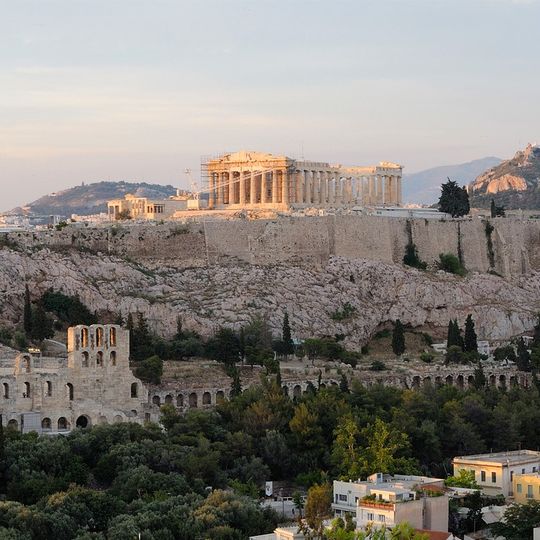
Classical Athens, Ancient city-state in Attica, Greece
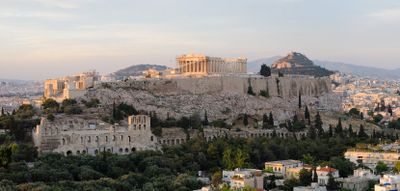
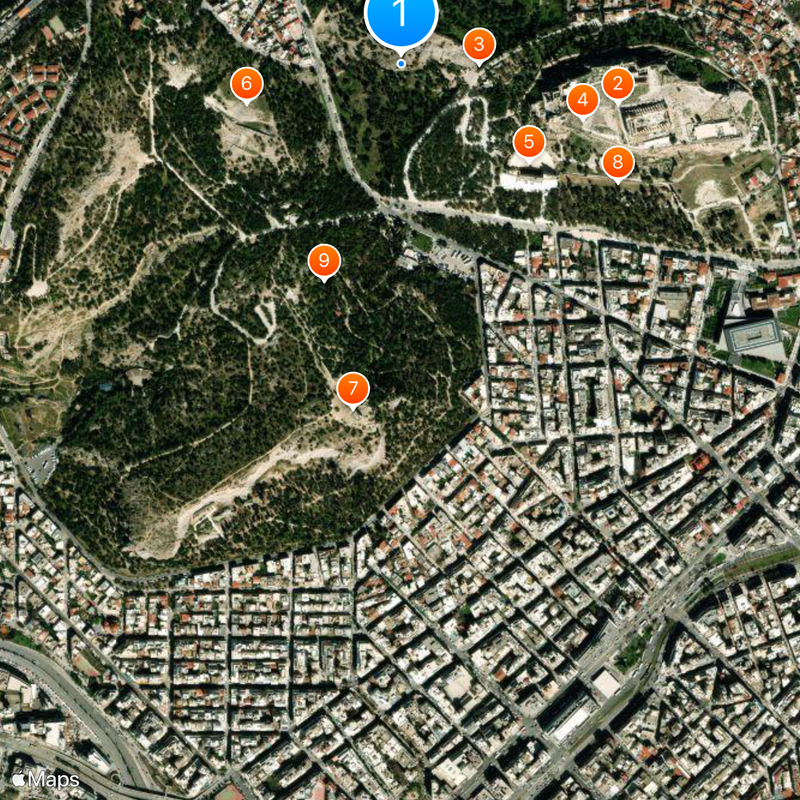
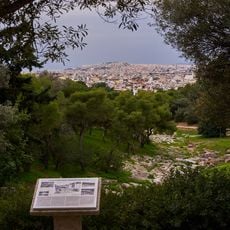
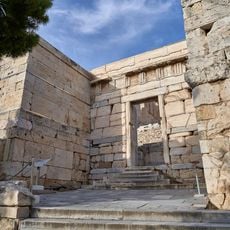
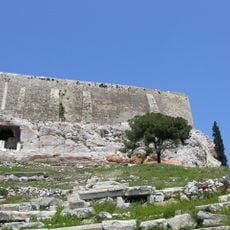
Classical Athens was a city-state settlement in Attica that grew around a fortified hill topped with temple complexes. Residential quarters, public structures, and market areas spread across the surrounding plain down to the harbor.
In the 5th century BCE, the settlement defeated Persian invasion forces and led an alliance of Greek poleis. Under Pericles, it reached its height and introduced democratic government forms that directly involved citizens.
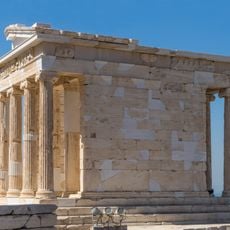
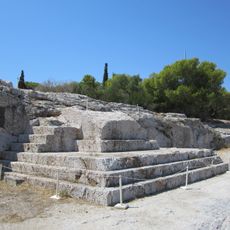
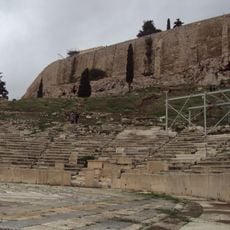
The name comes from the patron goddess Athena, who won a contest against Poseidon in myth. Citizens gathered in the agora for discussion, attended theater on the south slope of the Acropolis, and joined processions honoring the gods.
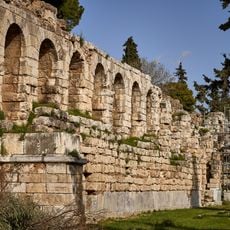
Fortified walls linked the settlement to the port of Piraeus and secured access to the sea during conflicts. Protection of this connection enabled trade routes and fleet supply over extended periods.
The population divided into ten administrative tribes, each representing different geographic areas. Every tribe sent representatives to council assemblies and ensured regionally balanced participation in political life.
The community of curious travelers
AroundUs brings together thousands of curated places, local tips, and hidden gems, enriched daily by 91,942 contributors worldwide.