Parc naturel régional des Baronnies provençales, Natural regional park in Drôme and Hautes-Alpes, France.
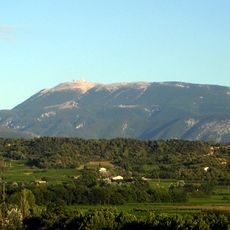
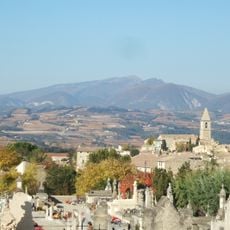
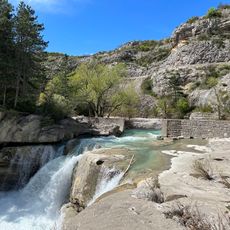
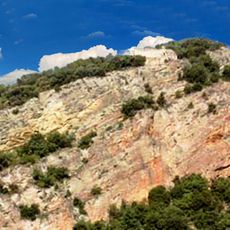
The Parc naturel régional des Baronnies provençales is a protected area spanning two departments that covers several hundred square kilometers. The landscape transitions from Mediterranean climate in lower elevations to Alpine conditions in higher zones, supporting diverse plant and animal life across these zones.
The area emerged as a protection initiative in the late 1990s and gained official status as a regional nature park in 2015. This establishment reflected a commitment to preserving the landscape while supporting local communities.
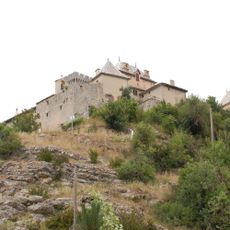
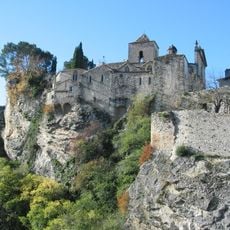
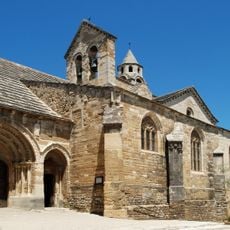
The name Baronnies comes from the medieval lordship of the Barons of Mévouillon and Montauban, who held the area from the 11th to the 13th century. Few major monuments survive; visitors find simple Romanesque village churches and numerous castle ruins. Spelt (épeautre) cultivation has been revived, alongside apricot, cherry and apple orchards and lavender fields first grown on a large scale in the 17th and 18th centuries.
The park is accessible through several gateway towns that serve as starting points for exploration and offer local services. Visitors should plan for multiple days to fully explore the different landscape zones and walking routes.
The park's name comes from the Barons of Mévouillon and Montauban, who ruled the area de facto from the 11th to the 13th century while it legally belonged to the Holy Roman Empire. The territory was later part of the Dauphiné, which is why the 'provençales' label was debated: 19th-century geographers counted the Baronnies among the nine historic pays of the Dauphiné.
The community of curious travelers
AroundUs brings together thousands of curated places, local tips, and hidden gems, enriched daily by 94,657 contributors worldwide.