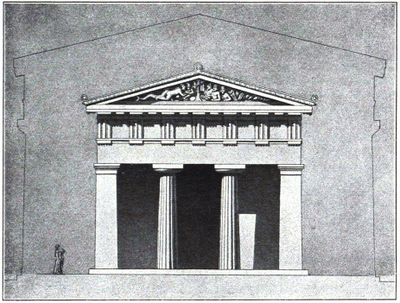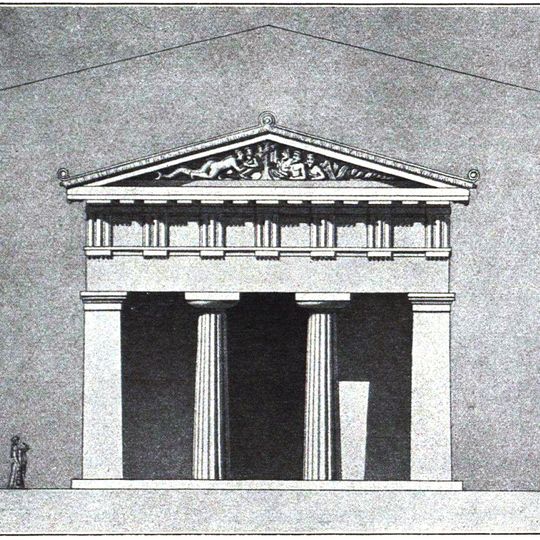
Hekatompedon temple, Temple in Greece
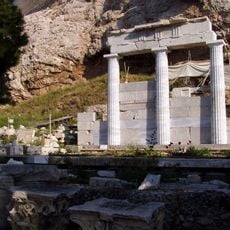
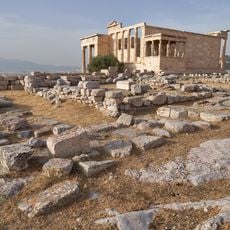
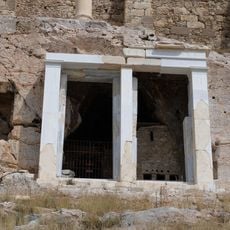
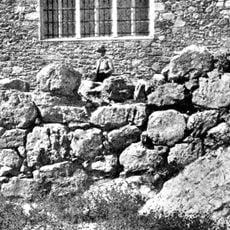
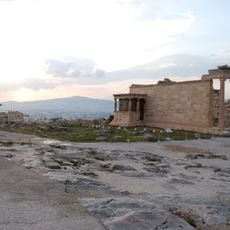
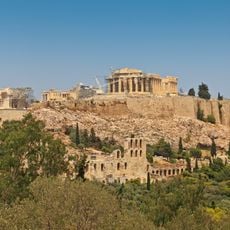
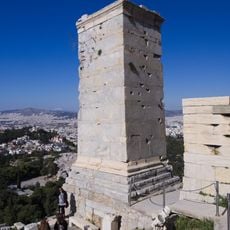
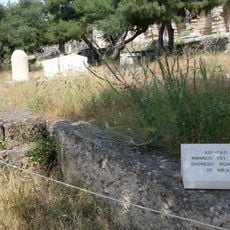
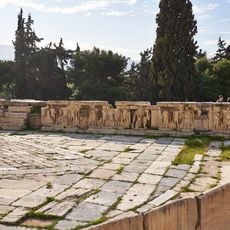
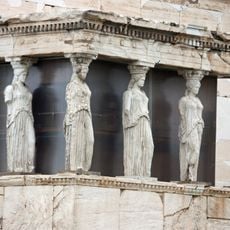
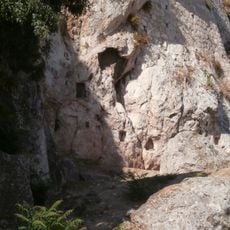
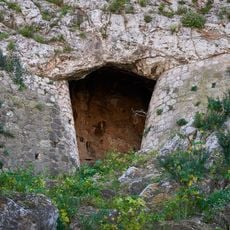
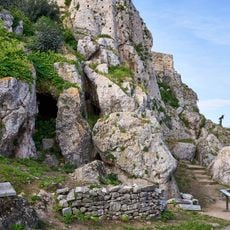
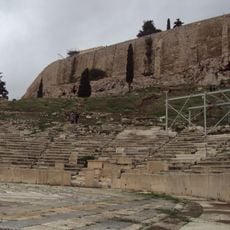
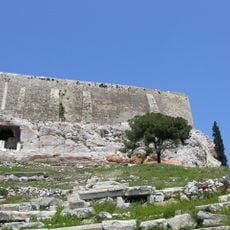
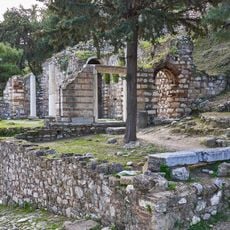
The Hekatompedon Temple was an early religious structure on the Acropolis of Athens, built before the Parthenon replaced it. Today its remains lie buried and concealed beneath later construction, with only portions of the original structure visible to visitors.
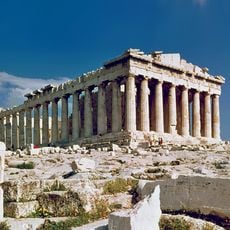
The temple was built in the 6th century BC and was one of the first major sanctuaries on the Acropolis. About a century later it was demolished to make way for the Parthenon, marking a shift in how Athens built its religious architecture.
The name means 'one hundred feet long' and reflects how the ancient Greeks measured and named their sacred buildings. Visitors can see how this naming tradition connected physical dimensions to the identity of the temple.
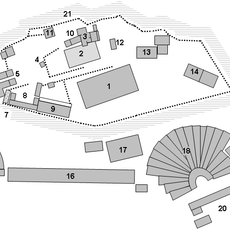
The site is located within the Acropolis grounds and can only be visited as part of the larger archaeological site. Visitors who study the history beforehand will better understand the few visible remains scattered among later structures.
The temple was never fully excavated because it lies strategically beneath the Parthenon, which actually protects it from damage. This layering makes it an archaeological time capsule showing how one sacred building was replaced by another on the same ground.
The community of curious travelers
AroundUs brings together thousands of curated places, local tips, and hidden gems, enriched daily by 92,722 contributors worldwide.