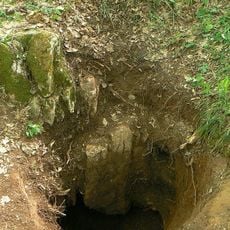
Aggtelek Karst, Protected karst region in Borsod-Abaúj-Zemplén County, Hungary.
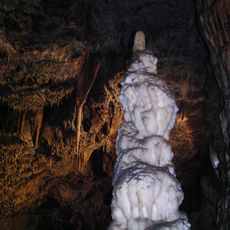
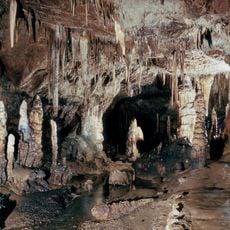
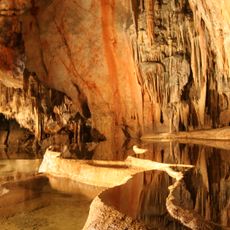
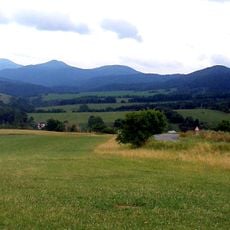
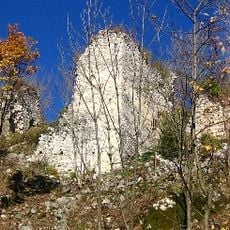
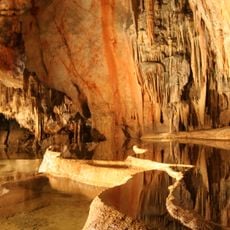
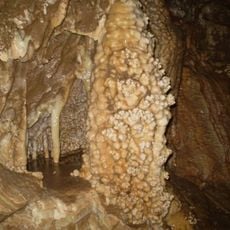
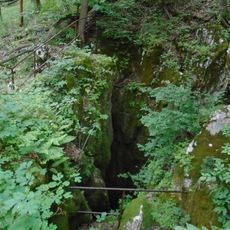
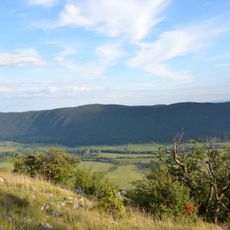
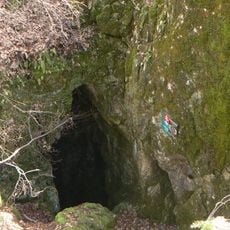
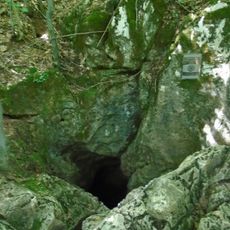
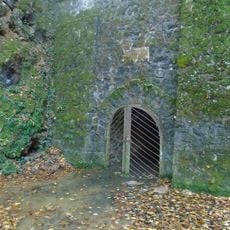
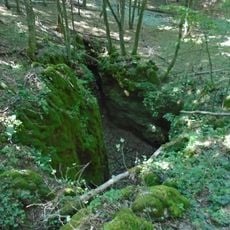
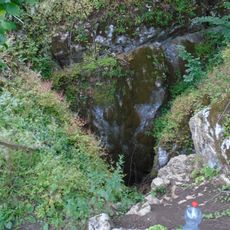
Aggtelek Karst is a karst area in northern Hungary, mostly covered by the Aggtelek National Park, founded in 1985. Its surface is largely bare limestone, where water sinks underground instead of flowing on the surface, forming plateaus, sinkhole rows and blind valleys. The Jósva valley separates the two largest plateaus, and the Baradla Cave, 26 km long with 8 km in Slovakia, is the largest stalactite cave in Europe.
Human settlement in the area dates back to prehistoric times, as shown by archaeological discoveries found within the cave systems. These findings reveal that people have inhabited and used these caves for thousands of years.
The name karst comes from the limestone bedrock that surfaces across most of the area, and the Hungarian term Aggteleki-karszt refers to this exposed rock. The caves were inscribed on the UNESCO World Heritage list on 6 December 1995 in Berlin, together with those of the Slovak Karst, as the Caves of Aggtelek Karst and Slovak Karst. They are the only Hungarian natural sites on that list.
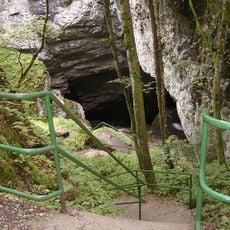
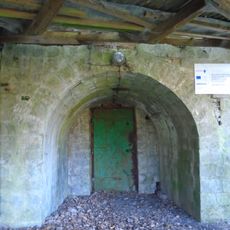
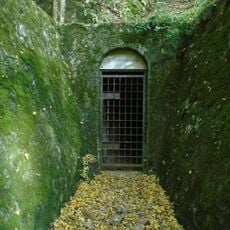
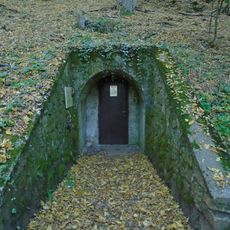
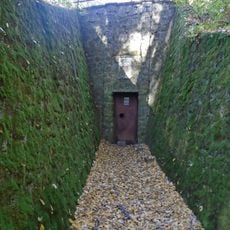
The Baradla Cave is entered on guided tours from Aggtelek and from Jósvafő, and the Slovak section, Domica, has its own entrance across the border. The cave passages are cool and damp, so wear sturdy shoes and bring a jacket. The karst lies in Hungary's coldest region, with an annual mean of 9.1 °C and 120–130 frosty days.
The Baradla Cave is 26 km long, with 8 km lying in Slovakia, where it is known as Domica. It is the largest stalactite cave in Europe. The Hungarian and Slovak sections were jointly inscribed as a UNESCO World Heritage Site in 1995.
The community of curious travelers
AroundUs brings together thousands of curated places, local tips, and hidden gems, enriched daily by 93,244 contributors worldwide.