Kolkata, State capital in West Bengal, India
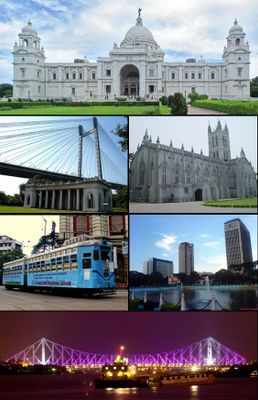
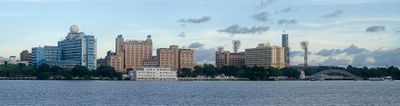
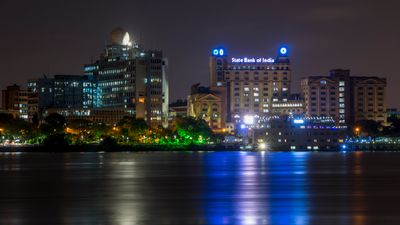
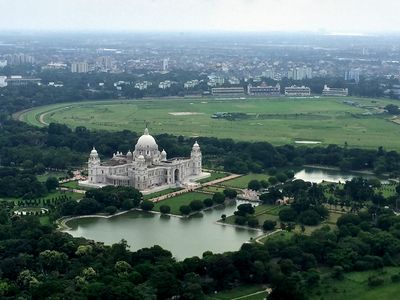
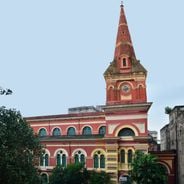
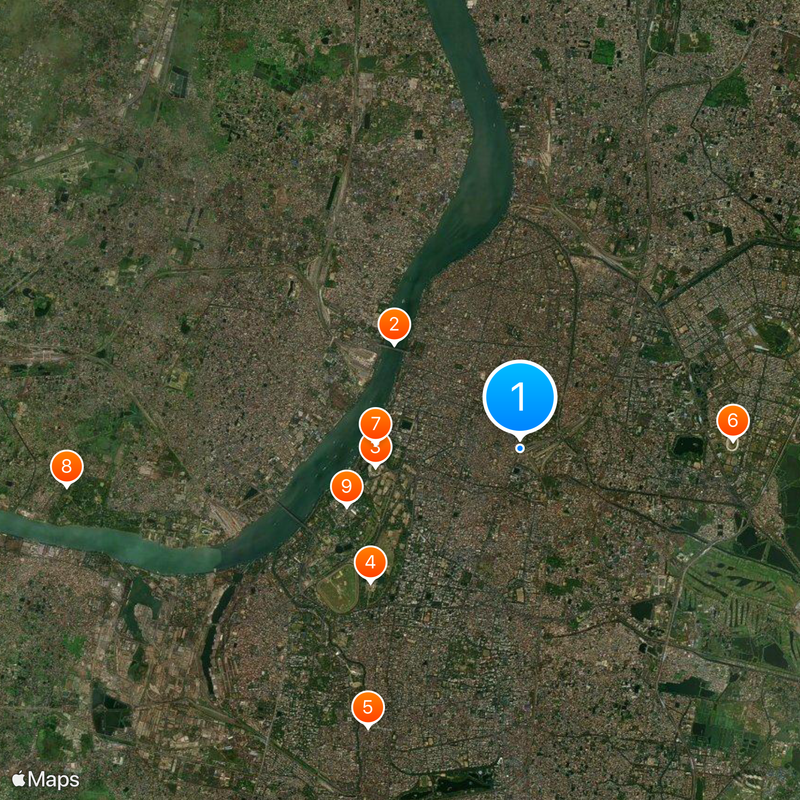
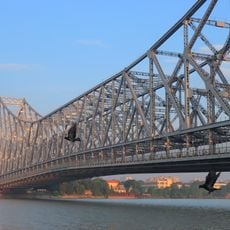
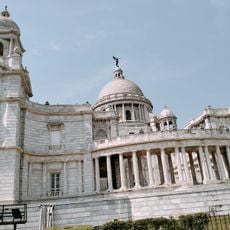
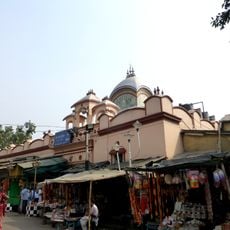
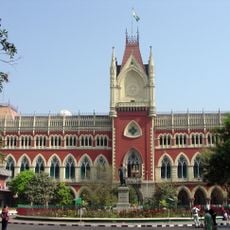
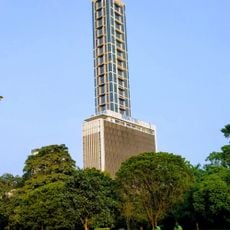
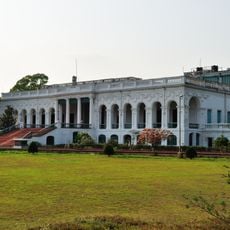
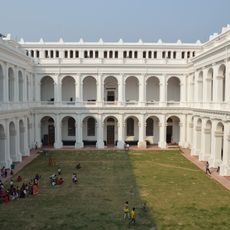
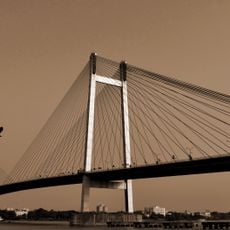
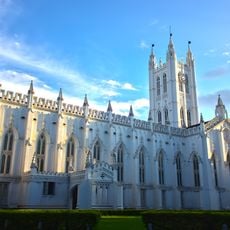
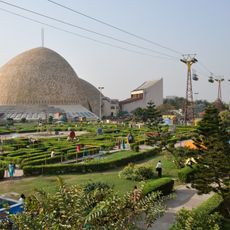
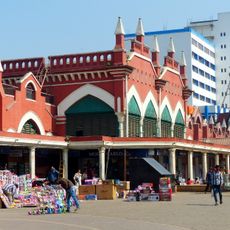
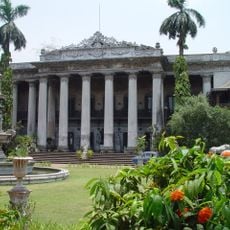
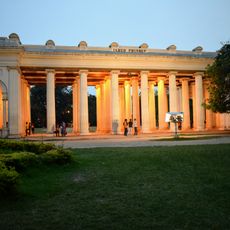
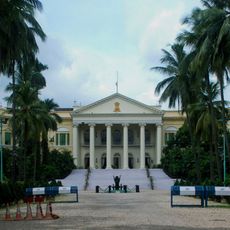
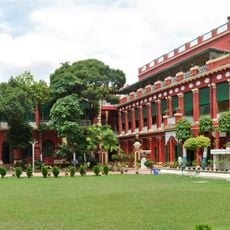
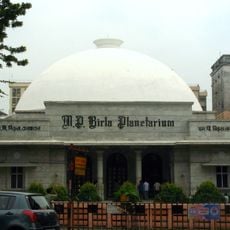
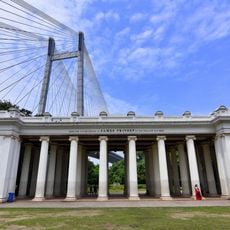
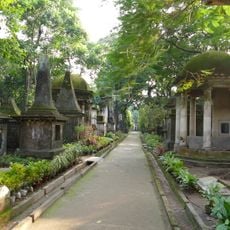
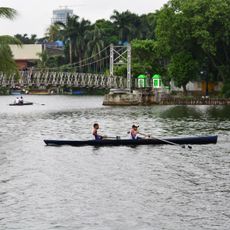
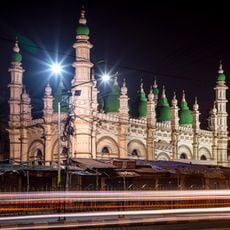
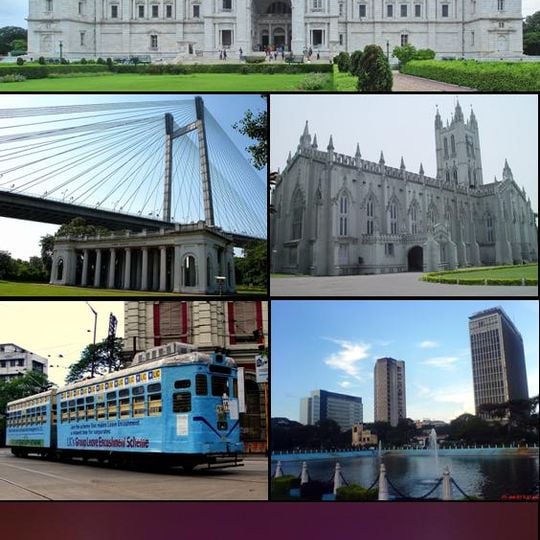
Kolkata is the capital of West Bengal and extends along the Hooghly River with colonial buildings, modern high-rises and densely populated neighborhoods distributed across multiple districts. Wide boulevards run through business areas, while narrow lanes connect residential sections with markets, temples and craft workshops.
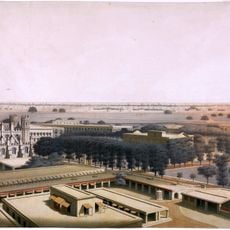
British traders purchased three villages in 1690 and developed them into a fortified trading post that grew into the second city of the British Empire. The metropolis lost its status as capital of British India in 1911, but remained a center for trade and industry through the 20th century.
In tea houses and at street corners, locals gather for adda sessions where they drink tea, discuss literature and exchange views on current topics. At markets, temples and cultural events, many people wear traditional clothes such as kurta-pyjama or sari, visible in everyday life across the city.
Metro lines, buses and yellow taxis form the public transport network and connect different city districts with each other. Attractions can be explored on foot if you focus on one or two neighborhoods per day and plan breaks in parks or tea houses.
The metropolis houses the only remaining Chinatown in India, along with historic Jewish synagogues and Armenian churches from the 18th century. Hand-pulled rickshaws transport passengers daily through narrow alleys, a practice that has disappeared in most other Indian metropolises.
The community of curious travelers
AroundUs brings together thousands of curated places, local tips, and hidden gems, enriched daily by 91,312 contributors worldwide.