Satavahana dynasty, Historical empire in Deccan region, India
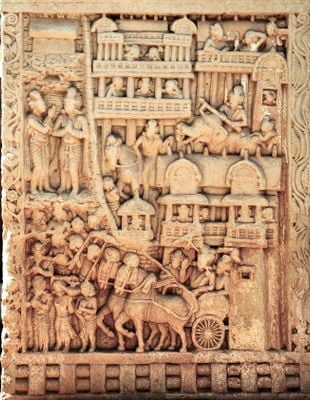
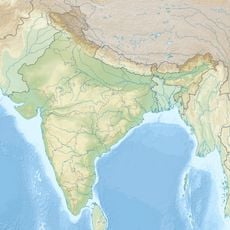
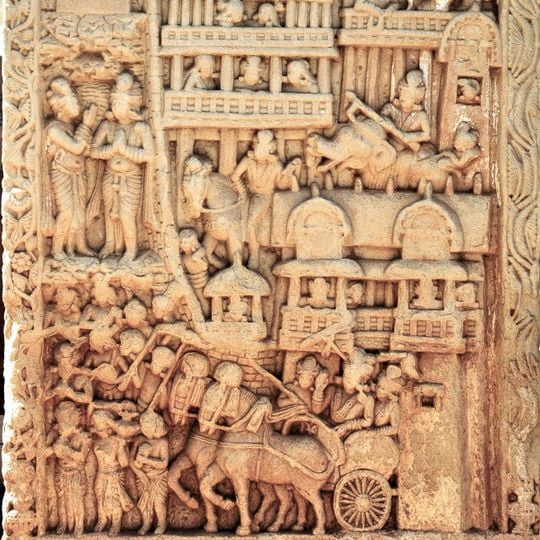
The Satavahana Dynasty was a power that ruled extensive territories across the Deccan region from their headquarters at Amaravathi between roughly 230 BCE and 200 CE. Their realm stretched from Rajasthan to Andhra Pradesh and from Gujarat to Kalinga, giving them command over major trade corridors connecting different parts of the subcontinent.
The realm emerged after the Mauryan Empire collapsed around 230 BCE and built its strength through military conflicts with the Western Kshatrapas. These struggles allowed it to secure and expand dominance across its scattered holdings.
The rulers issued coins bearing their portraits with inscriptions in multiple languages including Prakrit, Tamil, Telugu, and Kannada, reflecting the cultural diversity across their territories. These coins circulated widely and showed how power was displayed through images and words that people in different regions could understand.
Visitors can explore traces of this realm through rock inscriptions at places like Nanaghat, Nashik, Karli, and Kanheri, which reveal details about its governance system. These scattered archaeological sites span the Deccan region and visiting multiple locations requires some travel planning.
The administration included specialized positions such as Maharathis, Mahasenapati, and Mahatalavara, reflecting a sophisticated system of organized control across territories. This structured approach proved essential for managing the extensive trade networks that connected Roman merchants with southern ports and inland markets.
The community of curious travelers
AroundUs brings together thousands of curated places, local tips, and hidden gems, enriched daily by 91,675 contributors worldwide.