Yamuna, Sacred river in northern India
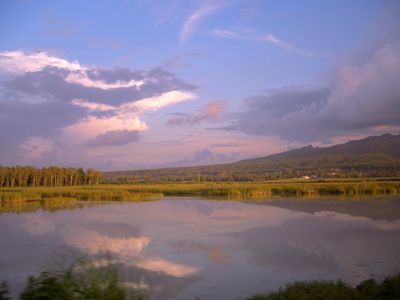
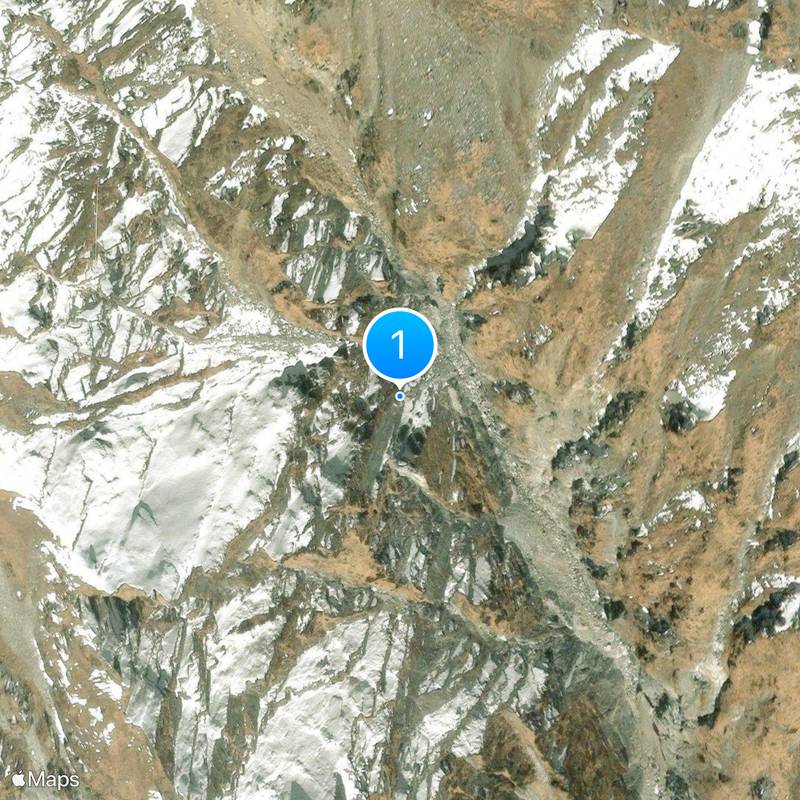
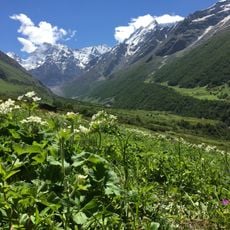
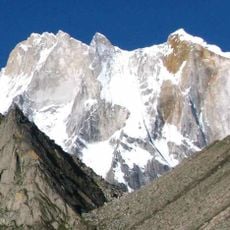
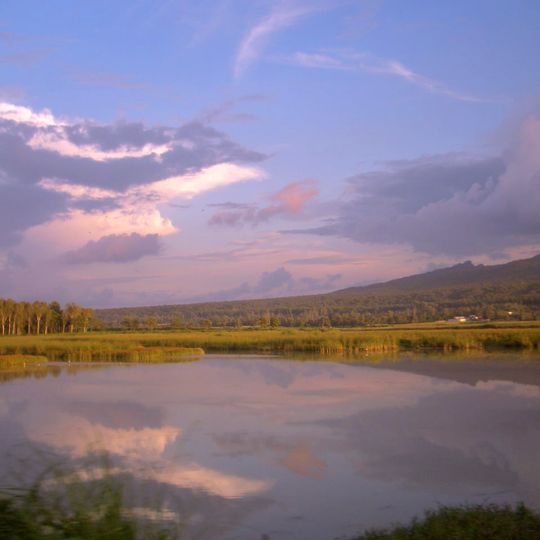
The Yamuna is a river in northern India flowing roughly 1376 kilometers (855 miles) from the Yamunotri Glacier in the Himalayas through several states until it merges with the Ganges at Allahabad. Its waters traverse wide plains and urban centers where the riverbed shifts between narrow channels and broad flows depending on the monsoon season.
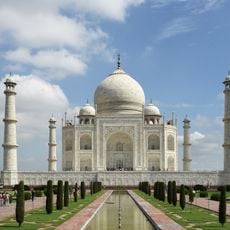
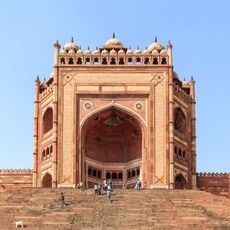
The river appears in Vedic scriptures from the second millennium before Christ and served for centuries as a natural boundary for kingdoms in northwest South Asia. Later major centers of Mughal rule developed along its course including the old capital of Agra where the Taj Mahal stands on its bank.
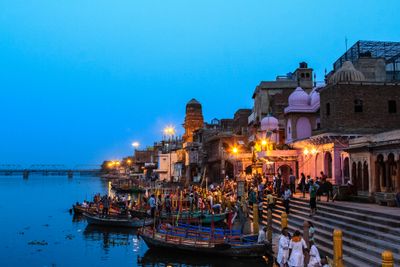
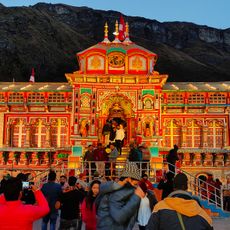
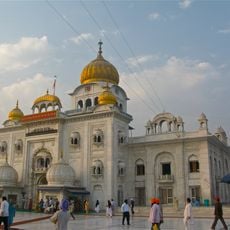
Along the banks people gather daily for ritual bathing and prayer, especially during religious festivals and full moon nights. In towns like Mathura and Vrindavan temples and pilgrimage sites shape community life where residents treat the river as a living goddess, offering flowers and oil lamps in floating ceremonies.
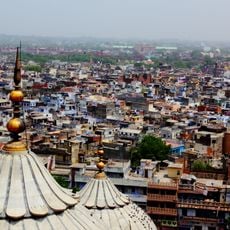
Along the course travelers reach many landing sites and riverside paths, most near temples and urban ghats in Mathura, Delhi and Agra. The best months for visiting are October through March when water levels are lower and heat less intense, though riverside zones remain accessible year round.
The river provides Delhi with more than seventy percent of its drinking water while simultaneously receiving roughly two million liters of sewage daily from the metropolitan area. This situation makes it one of the most polluted large rivers in South Asia yet its religious status has not diminished.
The community of curious travelers
AroundUs brings together thousands of curated places, local tips, and hidden gems, enriched daily by 91,584 contributors worldwide.