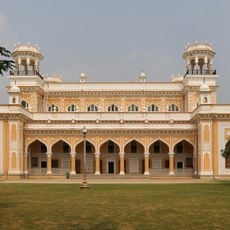
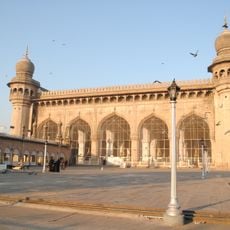
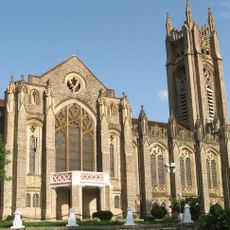
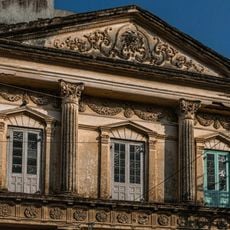
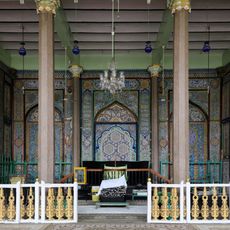
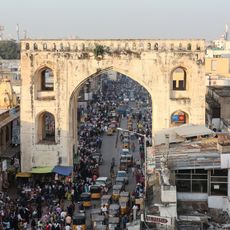
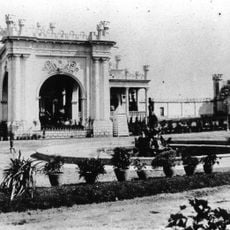
Hyderabad State, Historical principality in South-Central India.
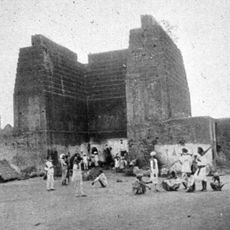
Hyderabad State was a principality in South-Central India that spread across the Deccan plateau, encompassing territories now in Telangana, Karnataka, and Maharashtra. The administration shifted from Aurangabad to Hyderabad in 1763, becoming the primary seat of power for the rulers.
The principality was established in 1724 by Mir Qamar-ud-din Khan as an independent power in the Deccan region. It remained self-governed until military intervention brought it into the Indian Union in 1948.
The population spoke Telugu, Marathi, Kannada, and Urdu, with residents known as Mulki regardless of ethnic background. This linguistic diversity shaped daily life and community identity across the territory.
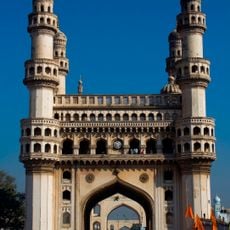
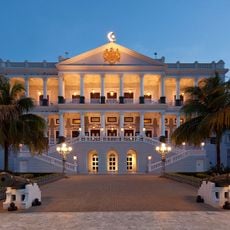
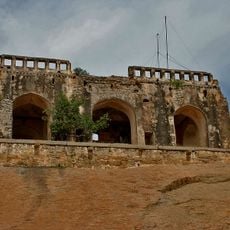
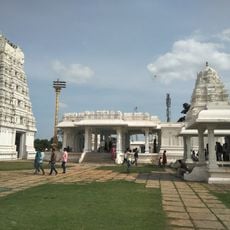
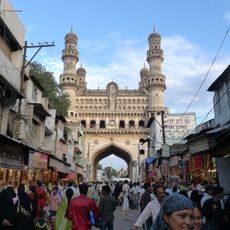
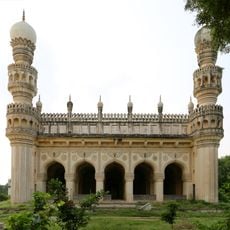
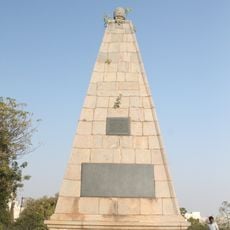
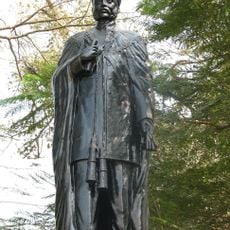
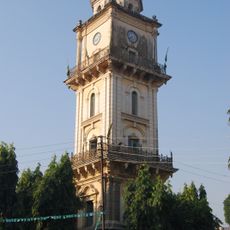
Visitors should understand that the former principality is now spread across multiple states with no continuous boundaries today. Hyderabad city serves as a reference point to explore historical sites and monuments connected to this period.
During the early 1900s, the state generated annual revenues around 4.17 million rupees under British rule, making it one of India's wealthiest principalities. This prosperity allowed the rulers to develop infrastructure and institutions that shaped the region for decades.
The community of curious travelers
AroundUs brings together thousands of curated places, local tips, and hidden gems, enriched daily by 90,986 contributors worldwide.