Koldihwa, Archaeological site in Uttar Pradesh, India
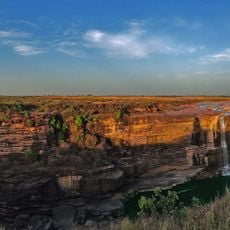
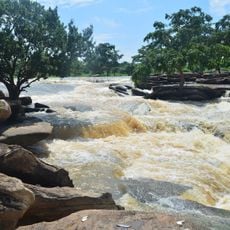
Koldihwa is an archaeological site along the Belan River near Devghat village, where excavations uncovered the remains of circular huts built with wooden posts and thatch. The investigations revealed stone tools, pottery fragments, and animal bones from the ground.
The settlement here began around 7000 BCE and shows archaeological traces from several periods spanning the Mesolithic through the Iron Age. These transitions document fundamental changes in how people lived across thousands of years.
The findings here show how early communities shifted from hunting to farming and developed rice cultivation techniques. These traces reveal the daily life of people who chose to settle in one place for the first time.
The site sits in a rural area near a village and is more suited to researchers and history enthusiasts than casual visitors. Access is best arranged through local contacts who can guide you through what remains visible today.
Carbon dating of pottery and rice remains shows one of the earliest examples of rice domestication on the Indian subcontinent. This archaeological evidence makes the location significant for understanding how farming began in South Asia.
The community of curious travelers
AroundUs brings together thousands of curated places, local tips, and hidden gems, enriched daily by 90,744 contributors worldwide.