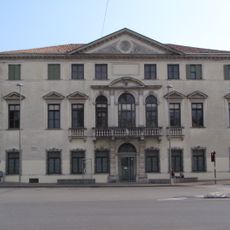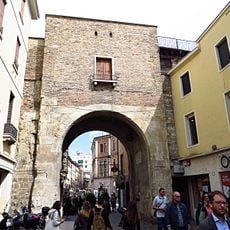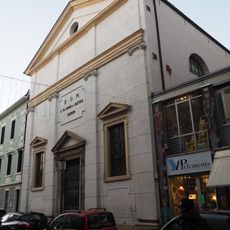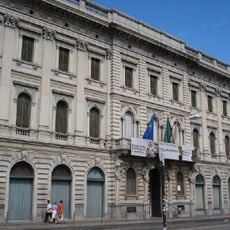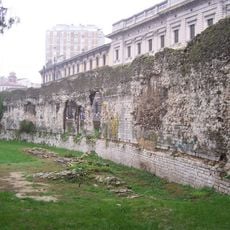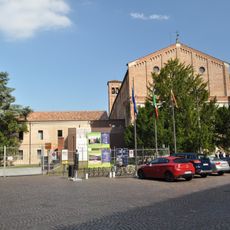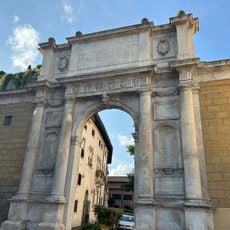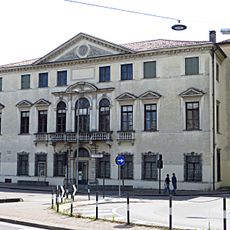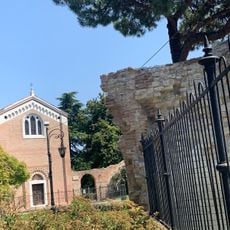
Padua's fourteenth-century fresco cycles, Medieval fresco cycles in Padua, Italy
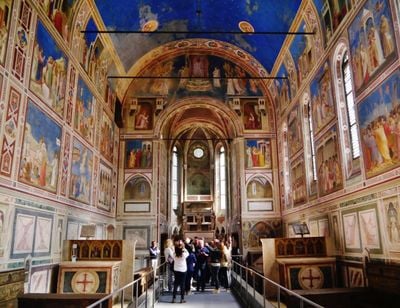
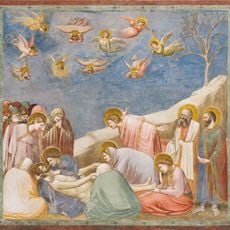
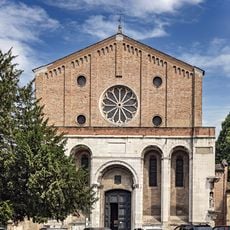
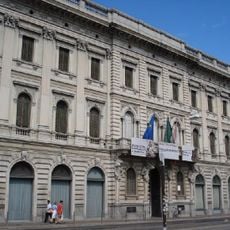
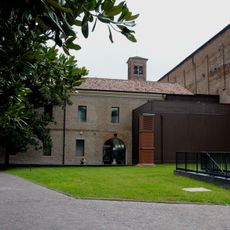
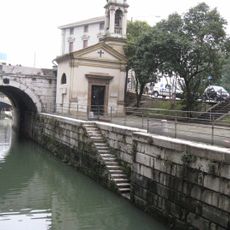
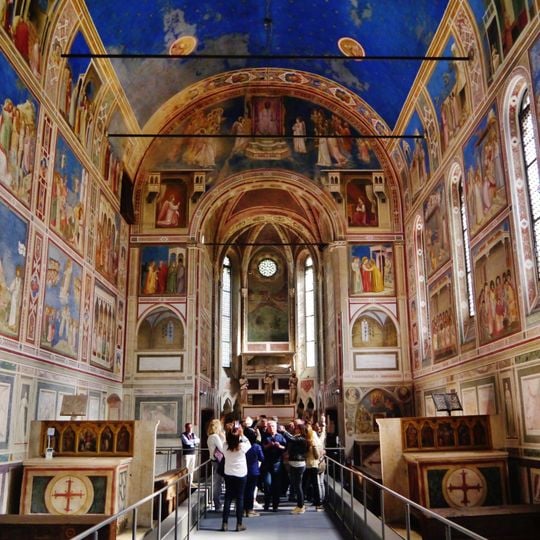
Padua's fresco cycles are eight buildings containing large-scale wall paintings created between 1302 and 1397 that depict religious and secular narratives. The works feature detailed human figures and spatial depth that reflect the artistic development of this period.
These works were created during a time when artists were finding new ways to move beyond Byzantine traditions toward modern thinking. Masters like Giotto, Guariento di Arpo, and Giusto de' Menabuoi shaped this transformation through their innovative painting techniques.
The frescoes show religious and worldly stories painted to help people see themselves within the spiritual realm. This approach encouraged artists to create more lifelike and expressive figures than before.
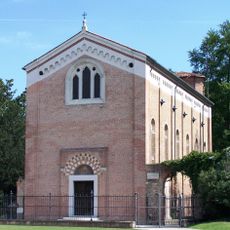
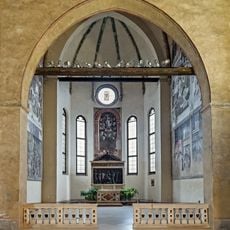
The fresco locations lie close together in Padua's center, with the Scrovegni Chapel and Basilica of Saint Anthony being the most visited sites. Plan for multiple visits since each building may have different opening hours.
Some of these wall paintings show patrons directly integrated into holy scenes, creating a direct link between the everyday person and the sacred. This was a rare practice that emphasized the social standing of the commissioners.
The community of curious travelers
AroundUs brings together thousands of curated places, local tips, and hidden gems, enriched daily by 92,635 contributors worldwide.