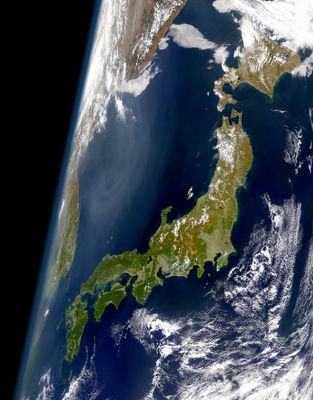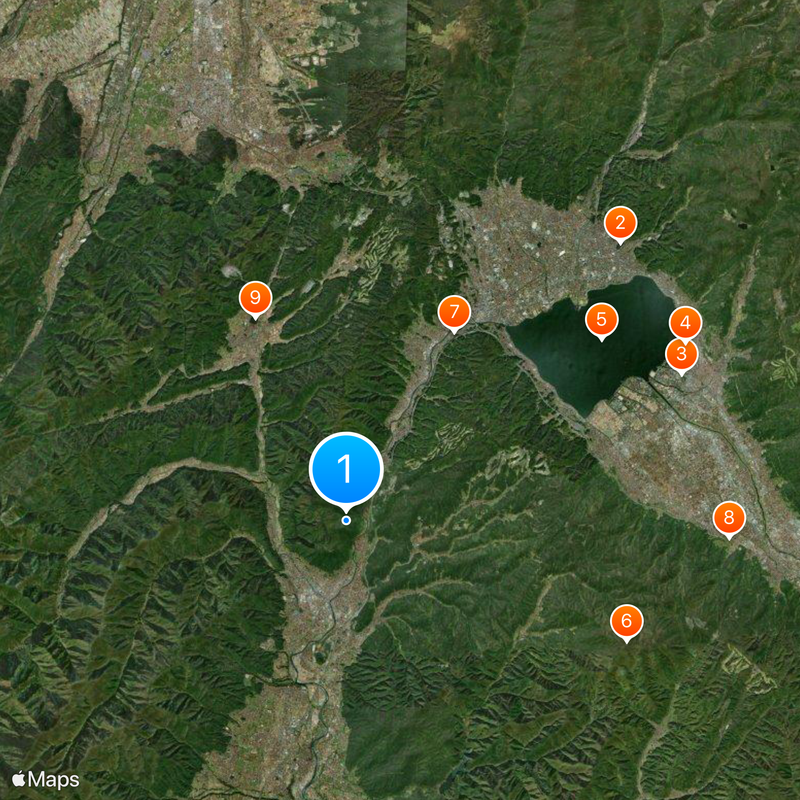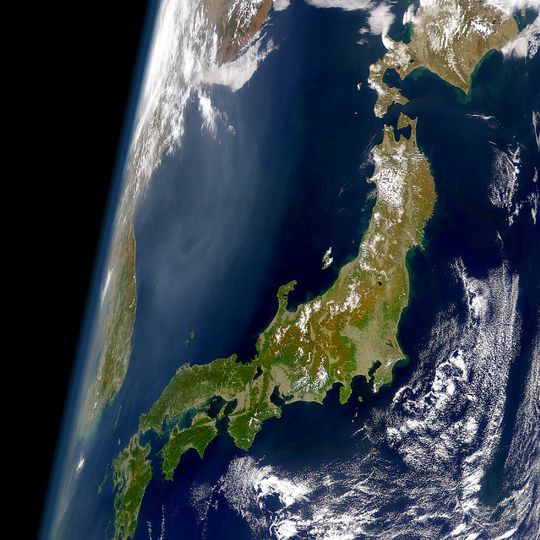
Japanese archipelago, Island chain in East Asia, Japan.
This archipelago is a chain of more than 6800 islands in East Asia stretching roughly 3000 kilometers from northeast to southwest. The four largest landmasses are Honshu, Hokkaido, Kyushu, and Shikoku, connected by bridges, tunnels, and ferry routes.
The isolation of these islands over many centuries allowed a distinct civilization to develop while selectively absorbing knowledge from China and Korea. Contact with European traders began in the 16th century, leading later to a long period of seclusion until the mid-1800s reopening.
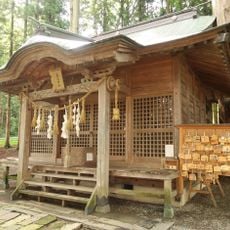
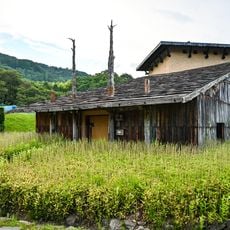
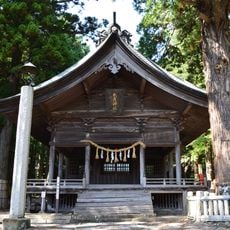
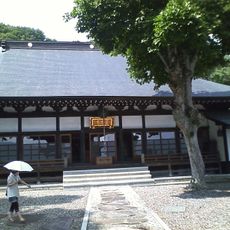
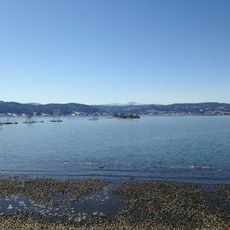
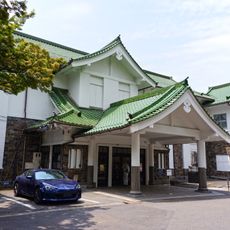
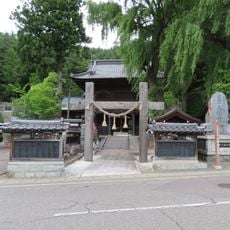
Many coastal communities in this island chain still follow seasonal fishing calendars and celebrate harvest festivals tied to the sea. Visitors notice how local architecture responds to typhoons and earthquakes, with low rooflines and flexible wooden frames designed to move with the ground.
Travel between the main islands relies on a network of high-speed trains and ferries that also reach smaller inhabited islands. Visitors should keep an eye on weather conditions, as typhoons in late summer and early autumn can interrupt connections.
More than 100 volcanoes in this island chain remain active, shaping the landscape and providing hot springs used for bathing in many regions. The location on the Pacific Ring of Fire causes frequent earthquakes, so buildings and infrastructure are specially designed to respond.
The community of curious travelers
AroundUs brings together thousands of curated places, local tips, and hidden gems, enriched daily by 92,334 contributors worldwide.