Shikotsu-Tōya National Park, National park with volcanic lakes in Hokkaido, Japan
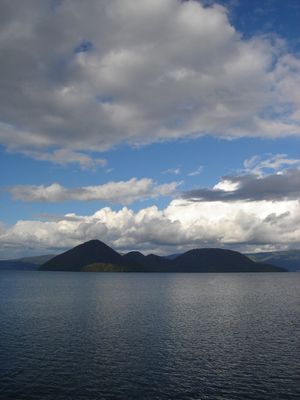
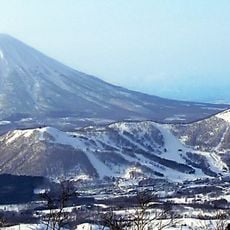
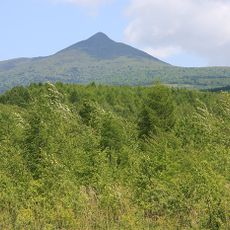
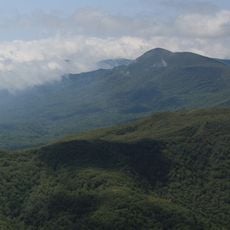
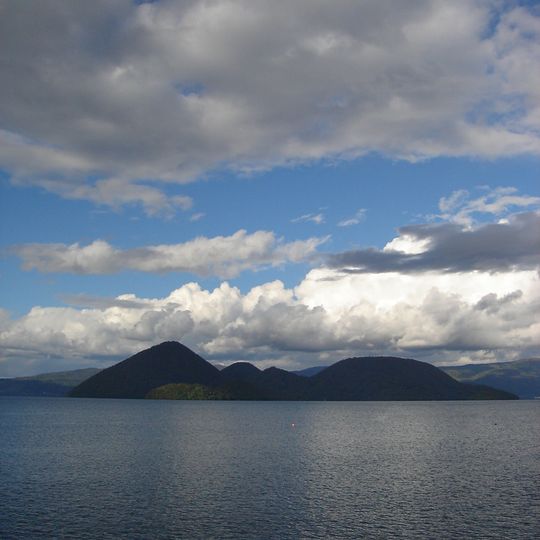
Shikotsu-Tōya National Park spans roughly 993 square kilometers and centers on two volcanic caldera lakes: Lake Shikotsu and Lake Toya, ringed by forested mountains and ridges. The park also contains Mount Showa-shinzan, a peak that rose suddenly from farmland in 1944 through volcanic action.
The national park was established in 1949 as a protected area of volcanic interest in Japan. The emergence of Mount Showa-shinzan in 1944, one of the world's most recent documented cases of a mountain rising from flatland, profoundly marked the region's geological identity.
The hot spring towns like Noboribetsu and Jozankei serve as gathering places where local and visiting communities practice traditional thermal bathing. These places reflect how volcanic warmth has shaped daily life and social customs in the region.
The park covers a vast area, so it helps to plan ahead and decide which lakes or mountains you want to explore. Bus services connect train stations with different entry points throughout the park and lead to the thermal spring towns.
Lake Shikotsu holds a steady temperature of 4 degrees Celsius year-round and never freezes despite its northern position. This peculiarity allows divers and researchers to study underwater life even during winter months.
The community of curious travelers
AroundUs brings together thousands of curated places, local tips, and hidden gems, enriched daily by 91,799 contributors worldwide.