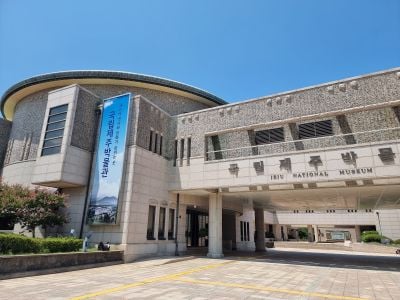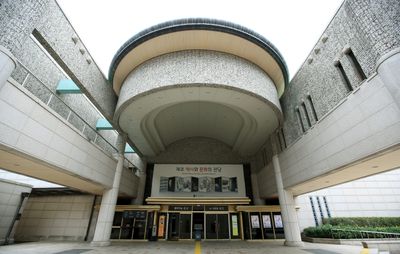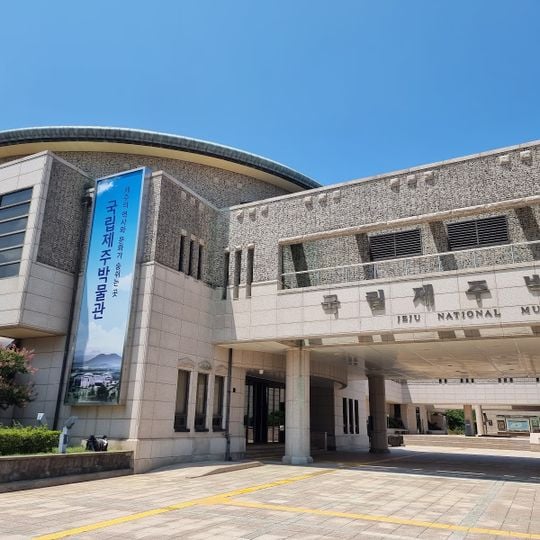
Jeju National Museum, Archaeological museum in Jeju, South Korea.
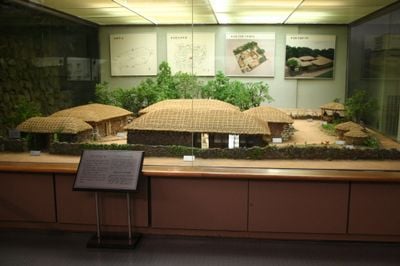
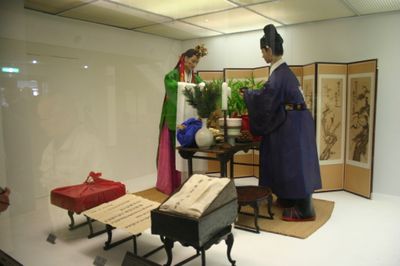
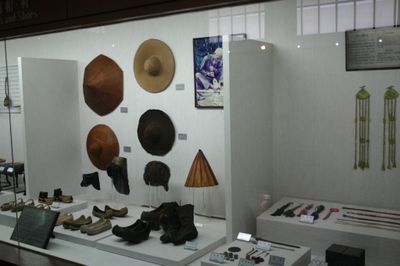
The Jeju National Museum is an archaeological institution on the South Korean island of Jeju that displays objects and artifacts from different periods. The collections span from ancient discoveries to more recent items, presenting the development of the island's societies over time.
The museum was established in 2001 and has since focused on researching and preserving discoveries that document Jeju's past. The founding allowed archaeological findings to be systematically collected and made available to the public.
The museum displays how Jeju residents traditionally lived and worked with the sea in daily life. The exhibits help visitors understand the central role that maritime traditions played in the island's everyday culture.
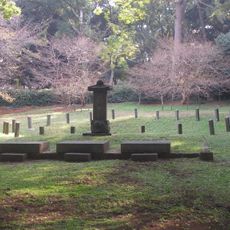
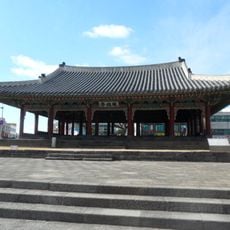
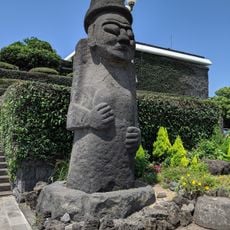
The building stands at 17 Iljudong-ro in Jeju City, and construction of the museum ran from December 1992 to 28 December 2000 at a cost of ₩38.6 billion. The permanent galleries run from the central hall through the island's prehistory, Tamna, Goryeo and Joseon periods to a gallery of donated cultural heritage, with a special exhibition room and an outdoor display area beyond. Allow time for both the indoor halls and the grounds.
The museum has a dedicated area where visitors can make paper-print rubbings of historical maps and objects. This hands-on activity combines viewing with a tactile experience that connects to traditional techniques.
The community of curious travelers
AroundUs brings together thousands of curated places, local tips, and hidden gems, enriched daily by 93,982 contributors worldwide.