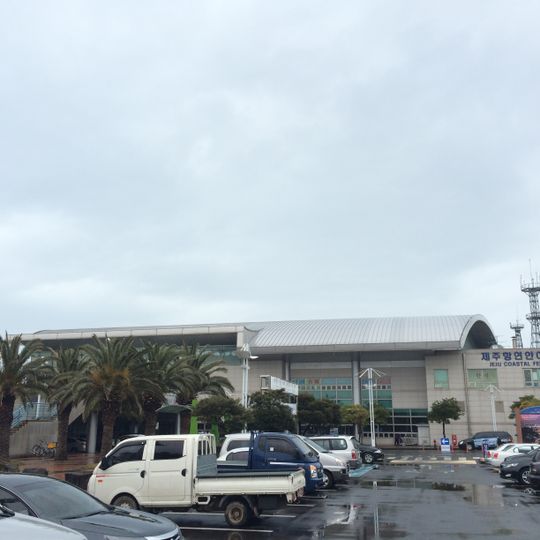
Port of Jeju, Maritime gateway in Jeju City, South Korea
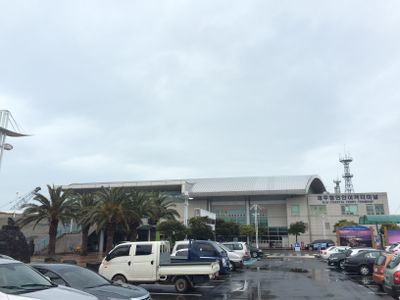
The Port of Jeju is a maritime hub that handles cargo and passenger vessels, linking the island with mainland South Korea through multiple working terminals. The facility operates as a gateway managing traffic between local and regional shipping routes.
The port originated as a natural harbor and was developed into a structured facility in 1913 to handle rising maritime traffic. Its gradual expansion shows how Jeju became increasingly connected to Korean and regional trade routes.
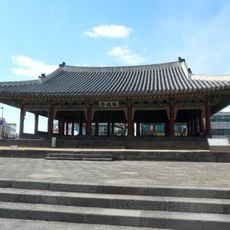
The port area holds meaning rooted in Jeju's founding narratives, connecting visitors to stories passed down through generations. This layered identity shapes how locals and travelers perceive the waterfront's role beyond simple transportation.
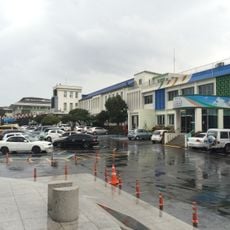
The passenger terminal is easy to reach on foot and provides direct connections to buses and taxis for onward travel. Comfortable waiting zones with dining options featuring local food make longer stays manageable.
The facility underwent major upgrades in 2016 and features dual civilian and military infrastructure operating simultaneously. This combined approach creates unusual operational capacity that most visitors overlooking the technical details do not fully appreciate.
The community of curious travelers
AroundUs brings together thousands of curated places, local tips, and hidden gems, enriched daily by 91,733 contributors worldwide.