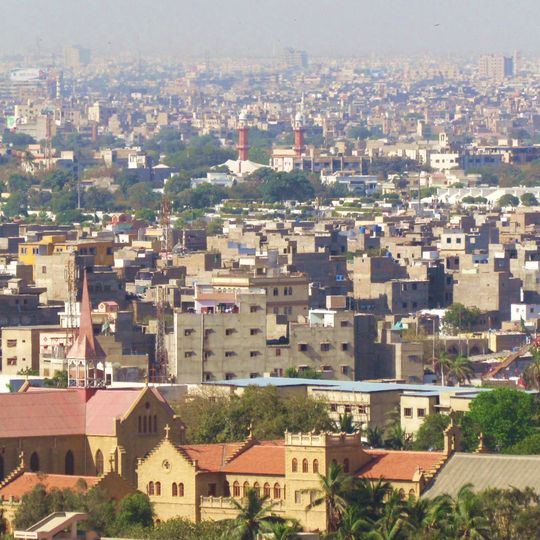
Karachi, Largest port city in Pakistan
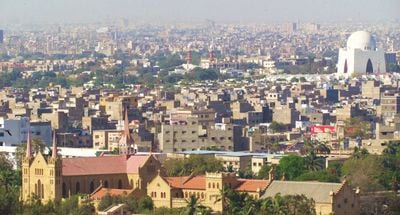
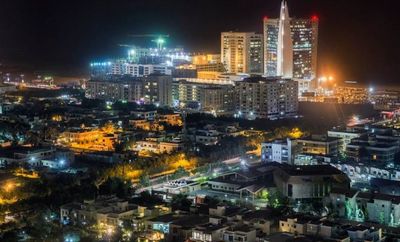
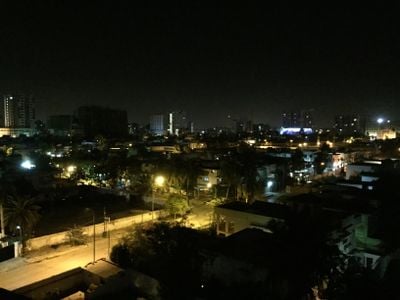
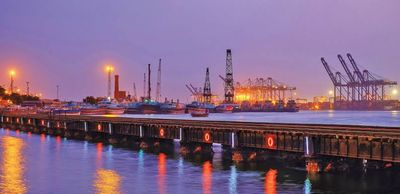
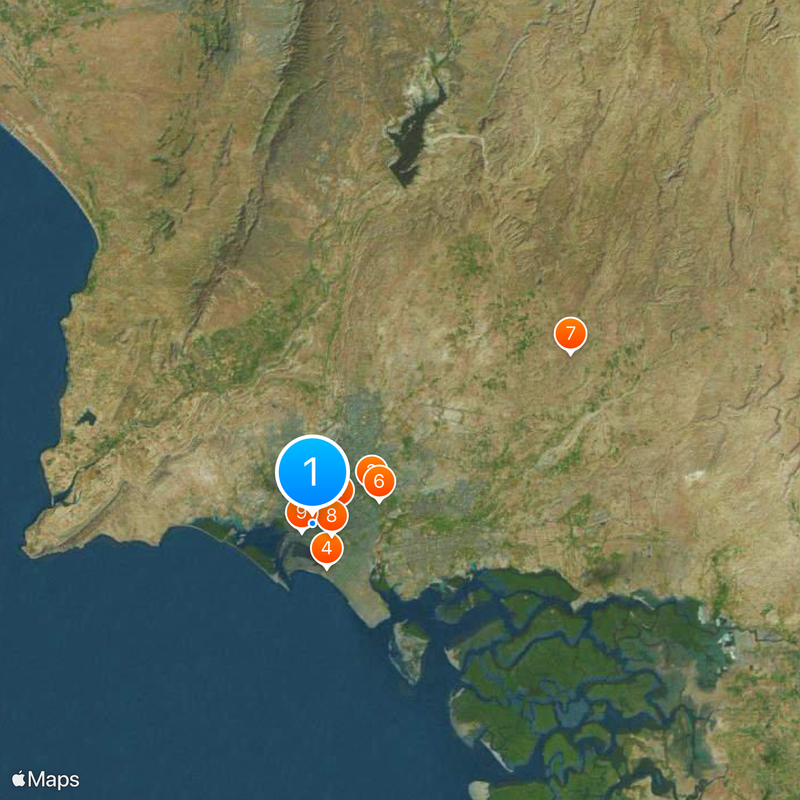
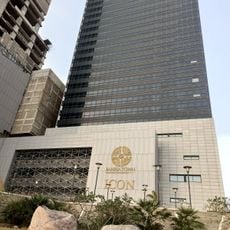
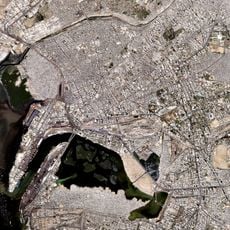
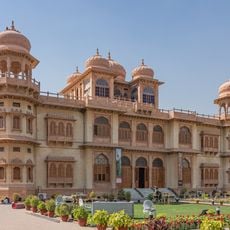
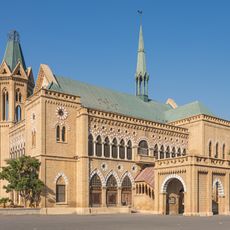
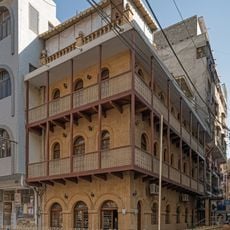
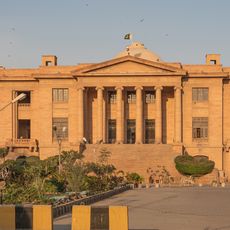
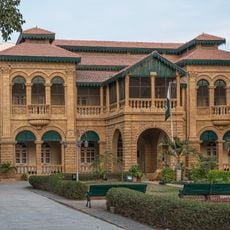
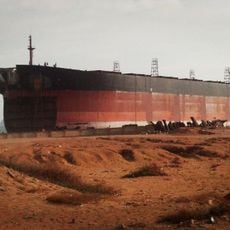
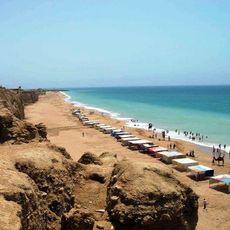
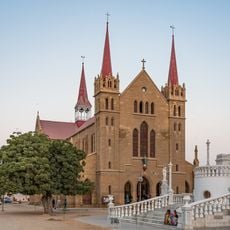
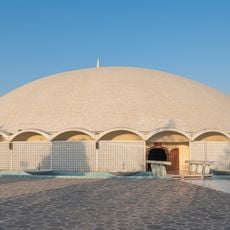
The metropolis stretches along the Arabian Sea for roughly 100 miles (160 kilometers), with neighborhoods spreading from coastal zones inland toward arid hills. Two large seaports anchor the southern and western edges, surrounded by industrial zones that process goods and raw materials. Wide avenues cross through business districts filled with office towers, shopping plazas, and residential blocks built in different decades. Older neighborhoods near the historic center display narrow lanes and low-rise buildings, while newer areas feature planned layouts and apartment complexes.
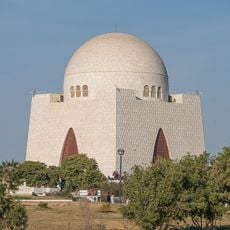
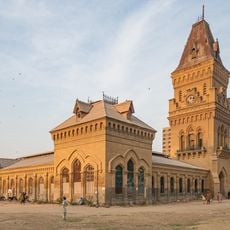
A small fishing village along the coast grew into a port under British administration during the mid-1800s, when harbor facilities were built to support maritime trade. After independence in 1947, the settlement became the first capital of the newly formed nation, a role it held for roughly a decade. Migration from different regions transformed the population and economy, bringing in communities that established businesses and neighborhoods across the expanding territory.
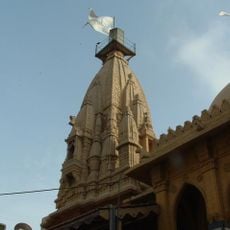
Local markets sell handwoven textiles and traditional clothing that reflect regional styles, while street vendors offer snacks prepared according to recipes passed through generations. Families gather along seafront promenades during evenings, creating a social atmosphere where children play and adults stroll. Tea houses in older neighborhoods remain meeting spots where people discuss daily events over cups of chai. Religious festivals bring communities together with processions, decorated streets, and public celebrations that draw participants from different backgrounds.
The international airport connects to many destinations across Asia, the Middle East, and beyond, making arrival straightforward for travelers from different regions. Public transport operates through buses and shared vans on main routes, though smartphone apps for ride services offer more direct options. November through March brings cooler weather and less humidity, which most visitors find easier for exploring. Many shops and smaller vendors prefer cash, so having local currency on hand simplifies daily transactions.
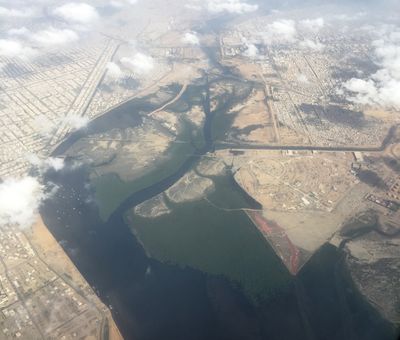
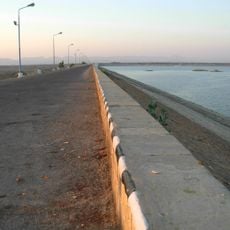
The harbor area includes mangrove swamps that protect sections of the coastline, creating a contrast between natural wetlands and nearby industrial zones. These coastal mangroves serve as habitat for migratory birds that stop along the Arabian Sea flyway, visible during certain seasons when flocks gather among the vegetation. Fishermen still launch small boats from sandy stretches between the commercial port facilities, continuing practices passed down over generations.
The community of curious travelers
AroundUs brings together thousands of curated places, local tips, and hidden gems, enriched daily by 90,813 contributors worldwide.