Timiș County, Administrative district in western Romania.
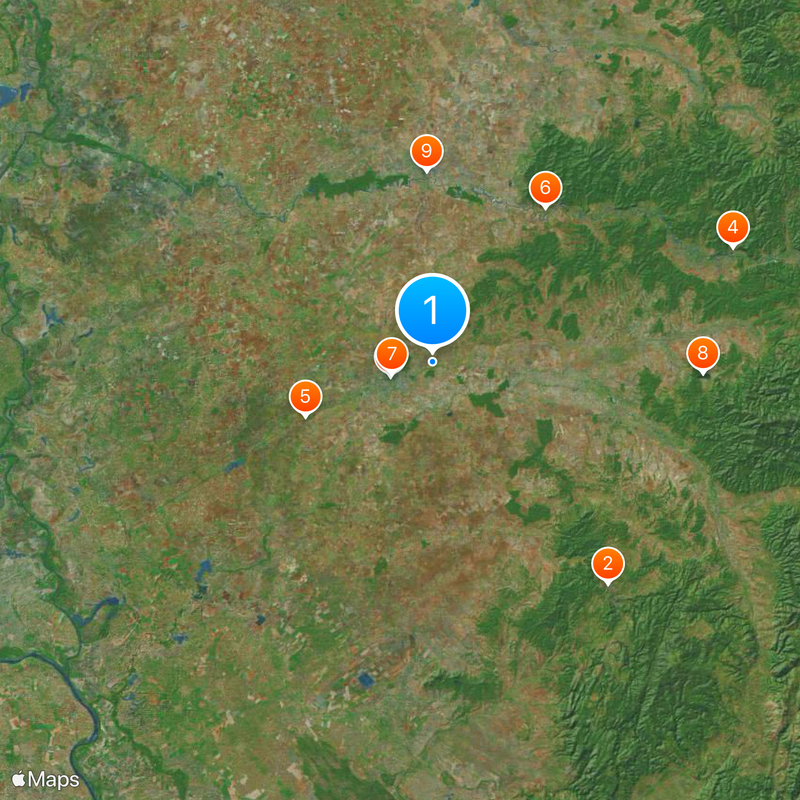
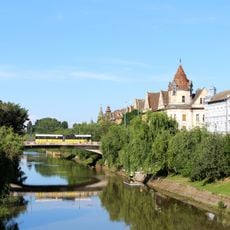
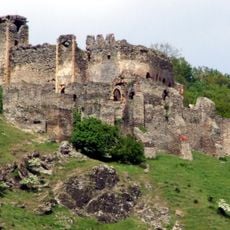
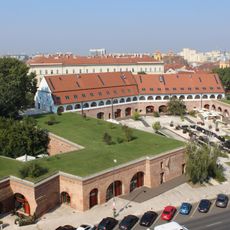
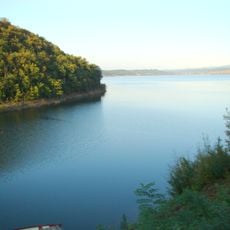
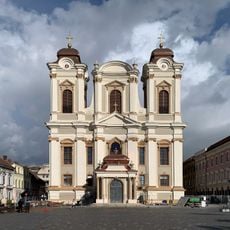
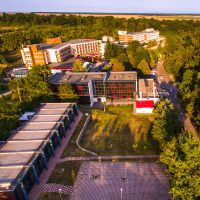
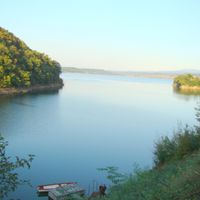
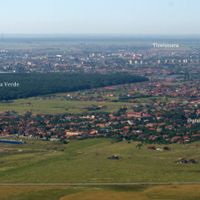
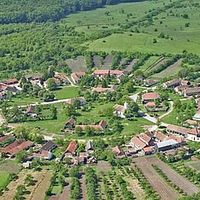
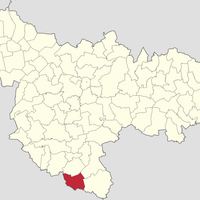
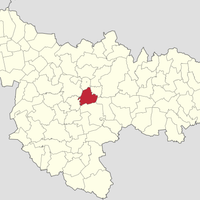
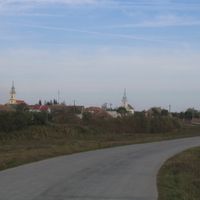
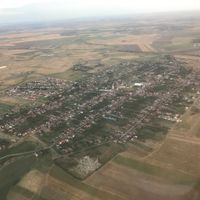
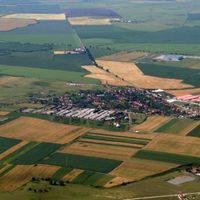
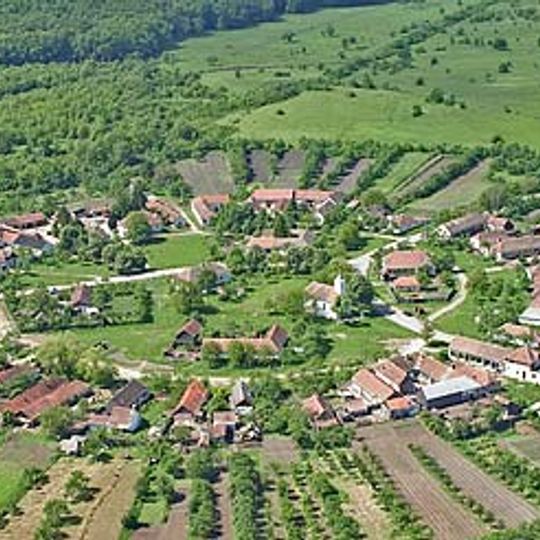
Timiș County is an administrative district in western Romania that covers 8,697 square kilometers and includes two city centers, eight towns, and eighty-four villages. The territory combines flatlands with mountain regions, creating a varied landscape with distinct geographic characteristics.
The district became part of Romania after the Treaty of Trianon in 1920, though a smaller portion was allocated to the Kingdom of Serbs, Croats, and Slovenes. This redrawing of boundaries defined the region's borders and political status for the following decades.
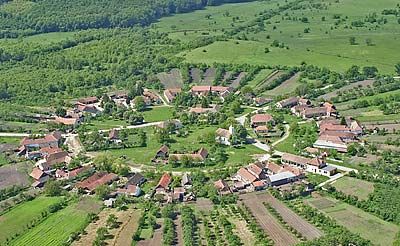
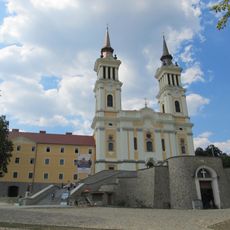
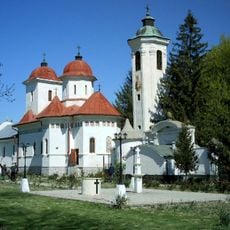
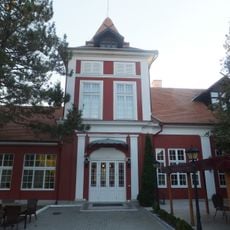
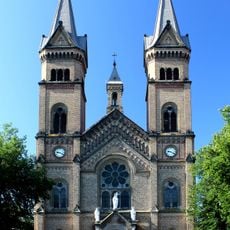
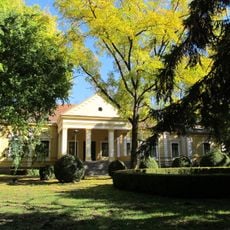
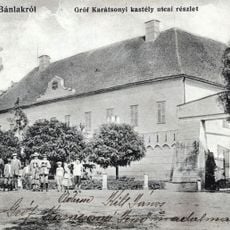
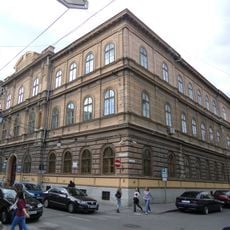
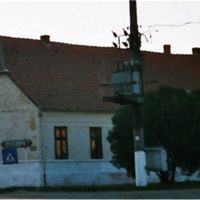
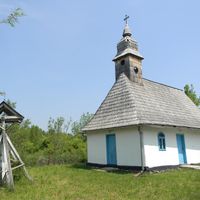
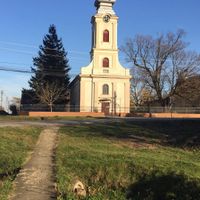
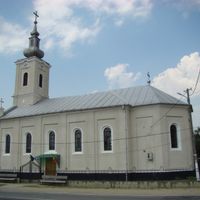
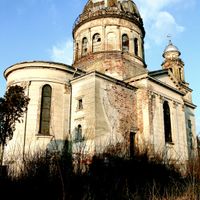
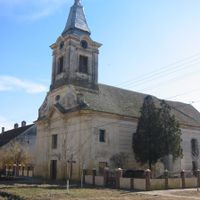
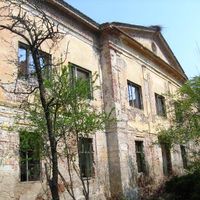
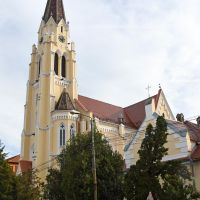
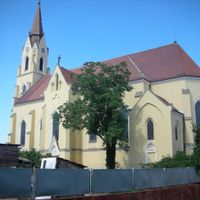
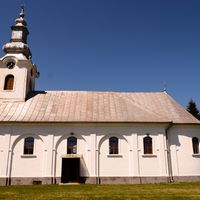
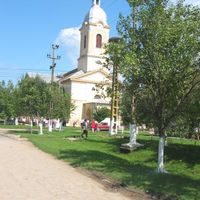
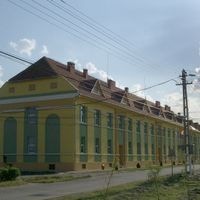
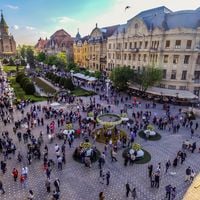
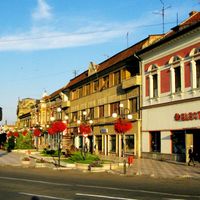
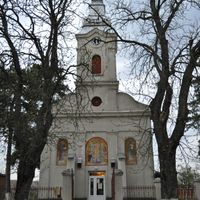
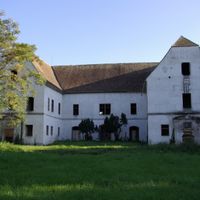
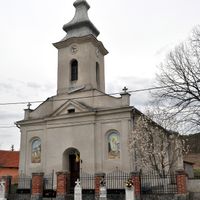
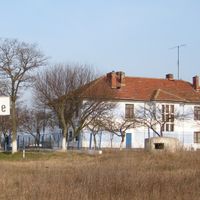
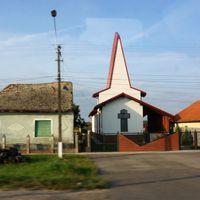
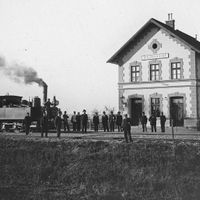
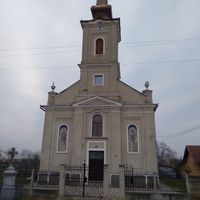
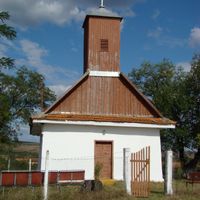
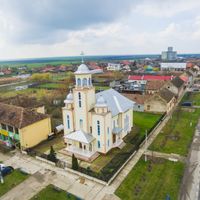
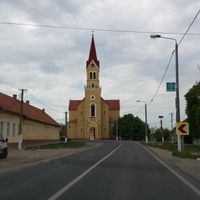
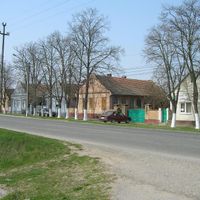
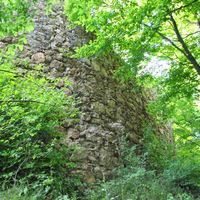
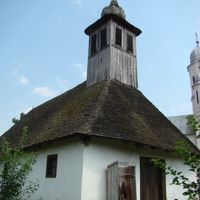
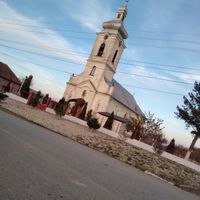
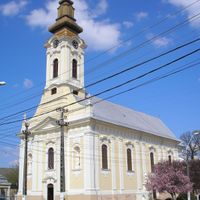
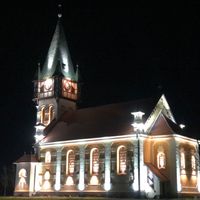
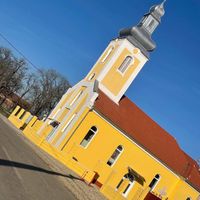
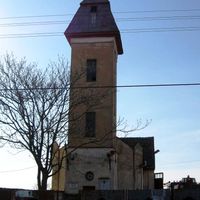
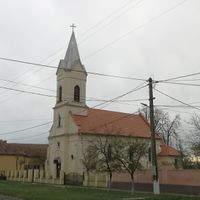
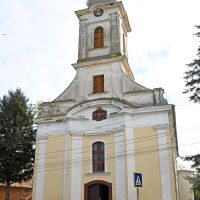
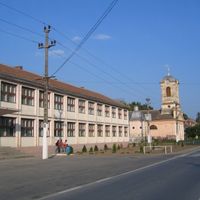
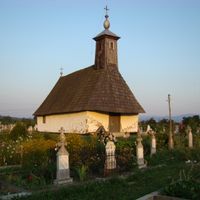
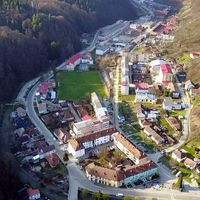
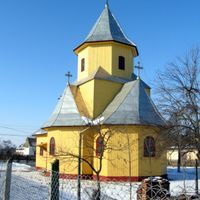
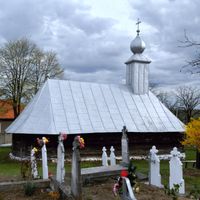
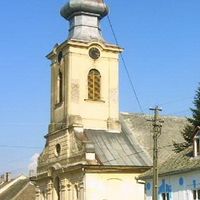
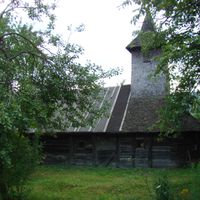
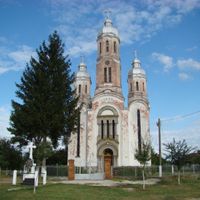
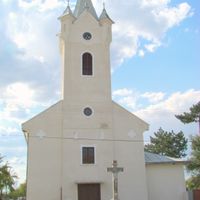
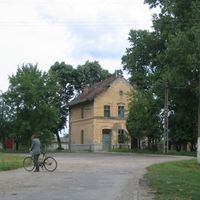
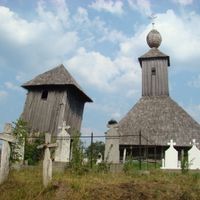
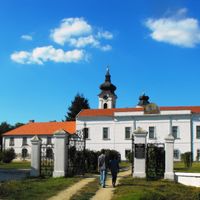
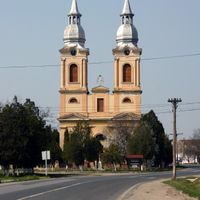
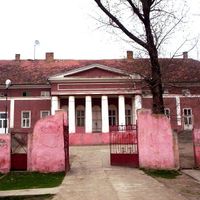
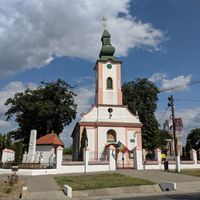
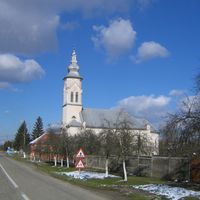
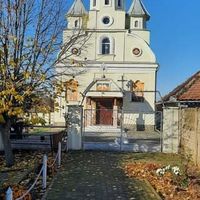
The region is home to a mixed population of Romanians, Hungarians, and Germans whose traditions remain visible in local celebrations and craftsmanship. This cultural blend appears in village architecture, where different building styles stand side by side and reflect the history of these communities.
The region holds substantial mineral resources including lignite, manganese, basalt, and clay, along with oil and natural gas deposits. Visitors should be aware that mining activities shape the landscape in various parts of the district and affect local infrastructure.
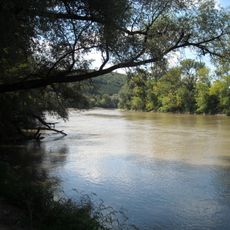
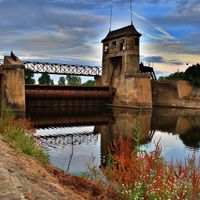
The name comes from the Timiș River, which Romans called Tibisis, meaning marshy in the ancient Dacian language. This historical name shows how early inhabitants described the wetlands that characterized this territory.
The community of curious travelers
AroundUs brings together thousands of curated places, local tips, and hidden gems, enriched daily by 92,530 contributors worldwide.