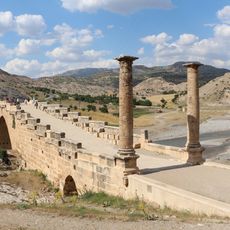
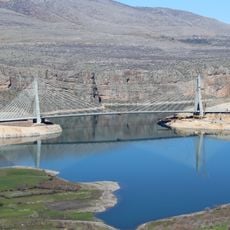
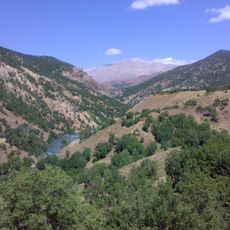
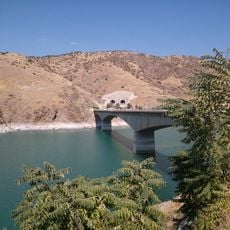
Karamagara Bridge, Roman bridge in Cappadocia, Turkey.
Karamagara Bridge is an ancient Roman stone structure that crossed the Arapgir Çayı river using a single pointed arch spanning about 17 meters. The construction used carefully fitted stones without mortar and bore Greek inscriptions on its downstream face.
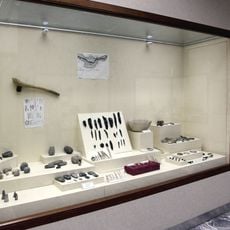
The bridge was built in the 5th or 6th century and formed part of an ancient Roman road system connecting to Melitene. It submerged beneath the Keban Dam reservoir in 1975, but stones with inscriptions were moved to Elazığ Museum in 1972 for safekeeping.
The Greek inscription found on the downstream side contained text from Psalm 121, displaying the integration of Christian elements in Roman architecture.
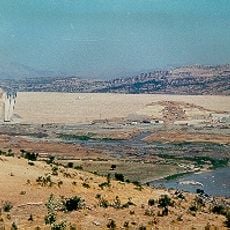
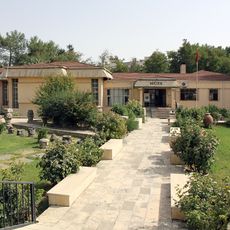
The bridge now lies submerged beneath the reservoir, making a direct visit to the site impossible. However, visitors interested in the structure can see the preserved stones with inscriptions displayed at Elazığ Museum, where more context about the ancient work is available.
The structure is considered one of the earliest examples of a pointed arch used in bridge construction, breaking away from traditional Roman round arch designs. This architectural innovation merged Roman engineering with technical elements that became common in later medieval bridge building.
The community of curious travelers
AroundUs brings together thousands of curated places, local tips, and hidden gems, enriched daily by 60,000 contributors worldwide.