United States National Radio Quiet Zone, Radio interference protection area in West Virginia and Virginia, United States.
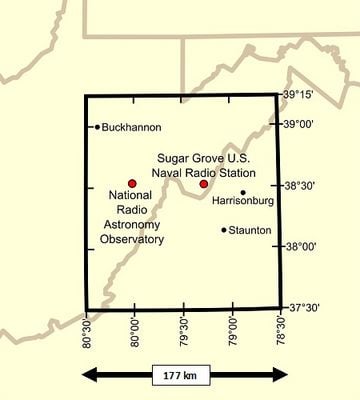
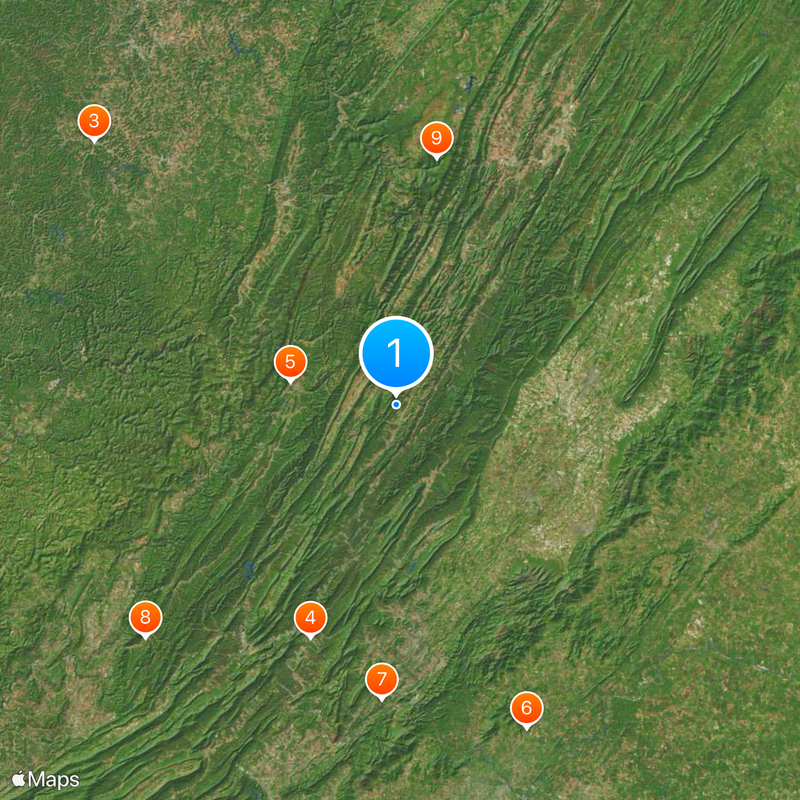
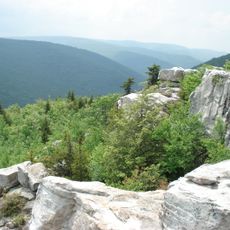
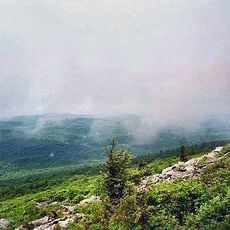
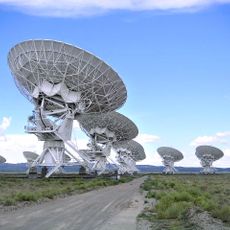
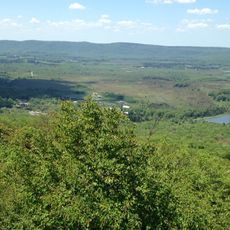
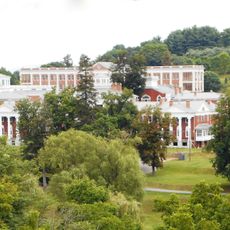
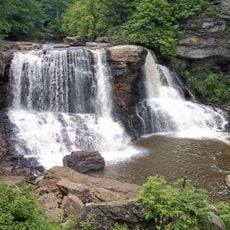
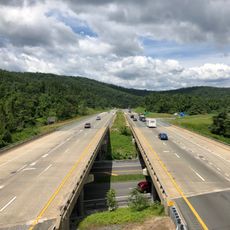
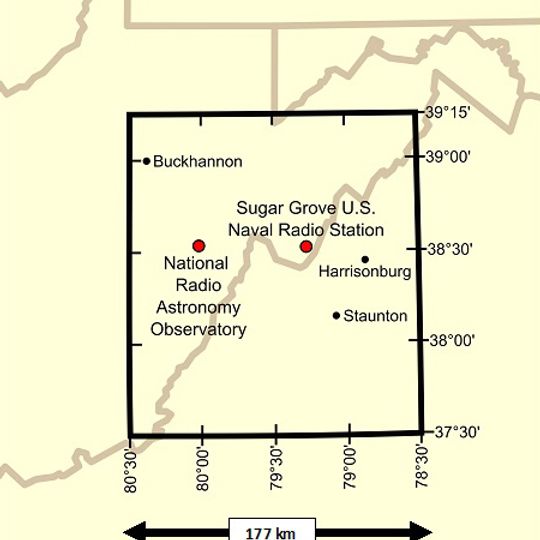
This protected area covers parts of West Virginia, Virginia, and Maryland, encompassing mountainous terrain where strict limits on radio transmissions and electronic devices apply. It shields sensitive telescopes from electromagnetic interference and supports scientific work across the region.
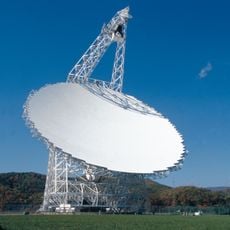
Authorities designated this radio silence area in 1958 to protect the Green Bank radio telescope from interference by commercial transmitters and everyday electronics. Later, regulations expanded to include neighboring research facilities that depend on clean radio signals.
The name stems from the goal of minimizing radio interference for astronomical research, leading residents to rely heavily on wired connections and avoid wireless devices in their homes. Some communities remain without mobile coverage, which shapes daily routines in ways visitors can observe as they pass through towns with landline phones and wired internet still in regular use.
Travelers entering the zone should switch off mobile devices or set them to airplane mode to avoid accidental interference. Some sections have no cellular coverage, so bringing printed maps or other analog tools for navigation is helpful.
In especially sensitive sectors around Green Bank, only diesel vehicles may operate, because spark plugs in gasoline engines produce sparks that act as interference sources. This restriction also applies to lawn mowers and other garden equipment, shaping how residents manage everyday technical tasks.
The community of curious travelers
AroundUs brings together thousands of curated places, local tips, and hidden gems, enriched daily by 90,778 contributors worldwide.