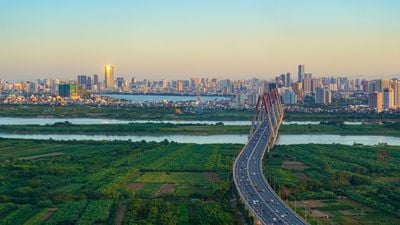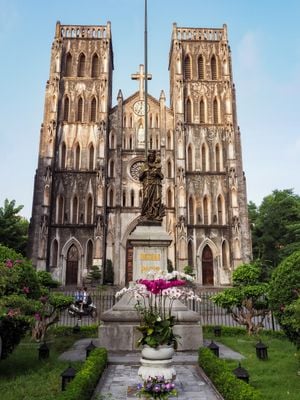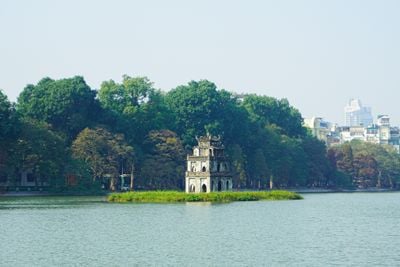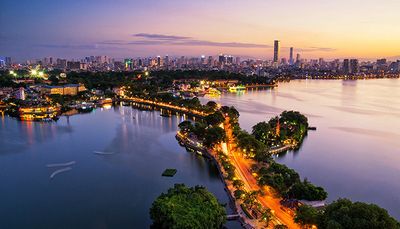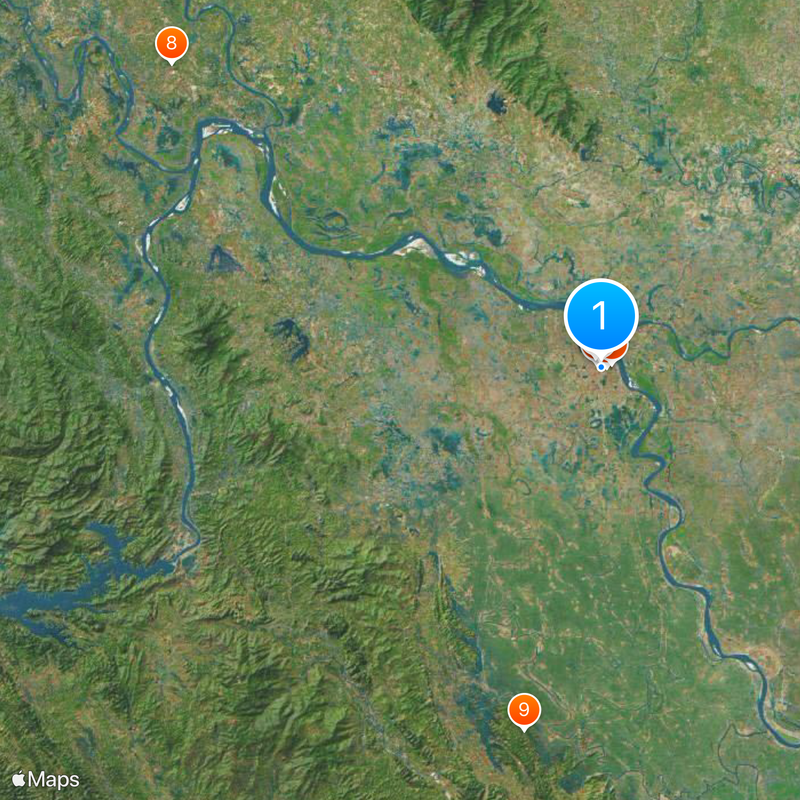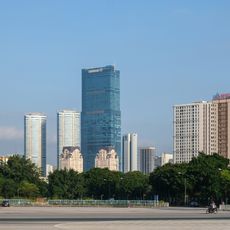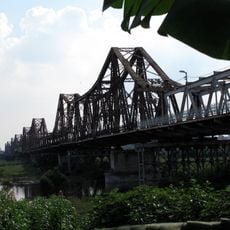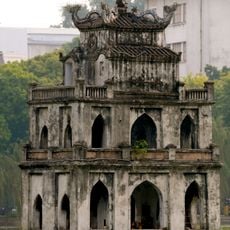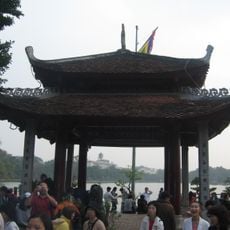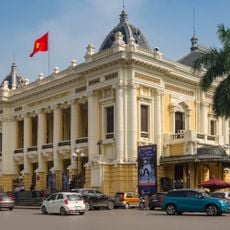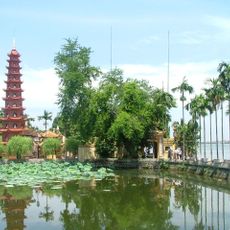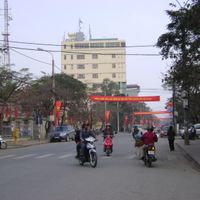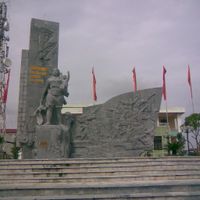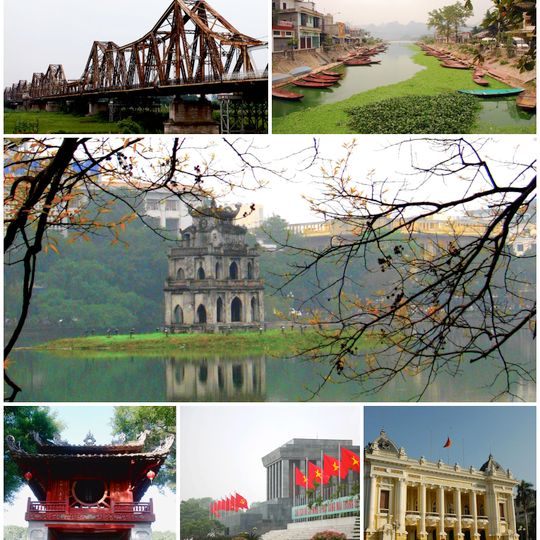
Hanoi, Administrative capital in Northern Vietnam.
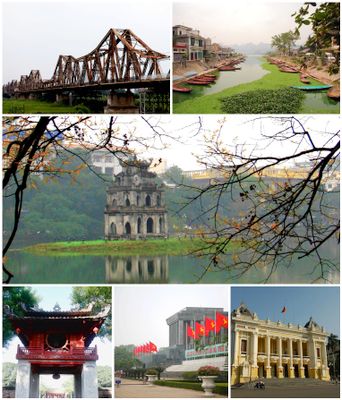
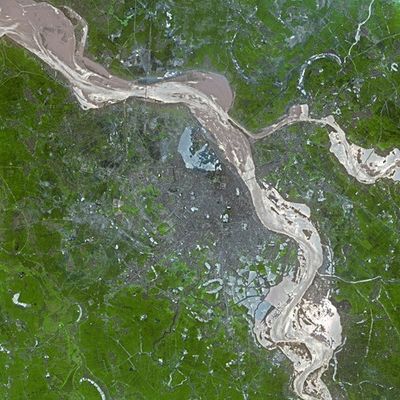
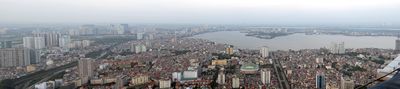
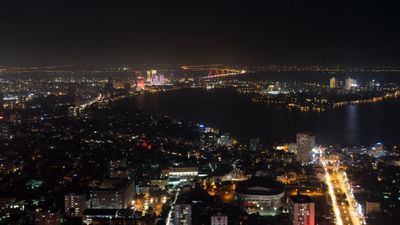
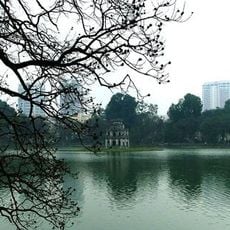
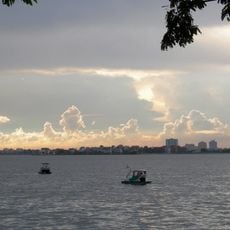
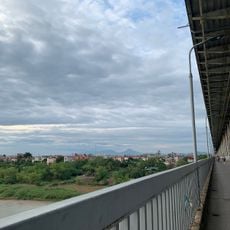
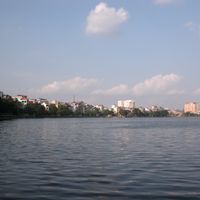
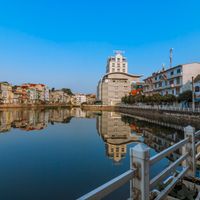
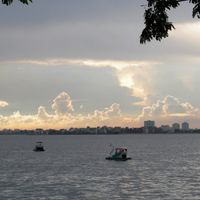
The metropolis covers 3,359 square kilometers on the western bank of the Red River, incorporating twelve urban districts and seventeen rural districts. Lakes punctuate the urban area, including Hoan Kiem Lake in the historic core and the larger West Lake in the northern section of the city.
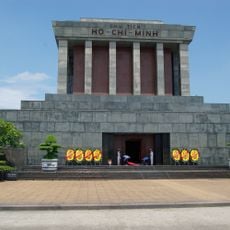
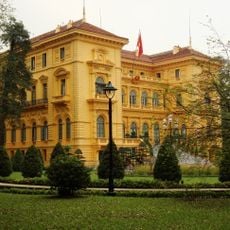
Emperor Ly Thai To founded Thang Long in 1010 as the capital of Dai Viet, initiating its thousand-year history. French colonial rule from 1883 reshaped urban architecture, while the name changed to Hanoi in 1831. Following independence in 1954, the city served as capital of North Vietnam and from 1976 of the reunified nation.
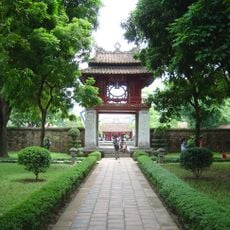
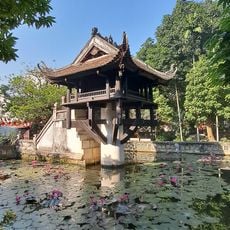
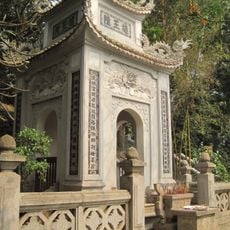
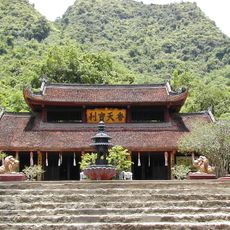
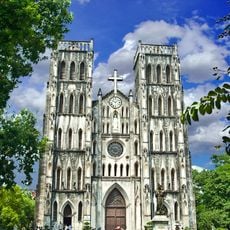
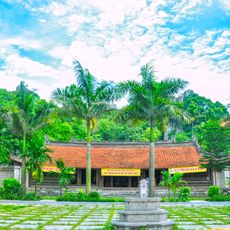
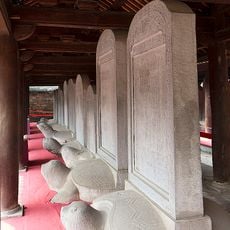
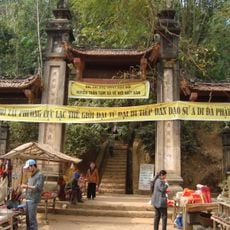
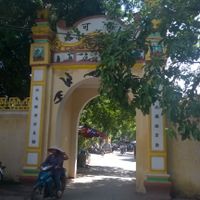
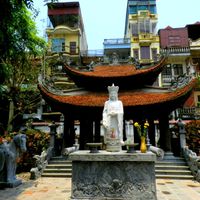
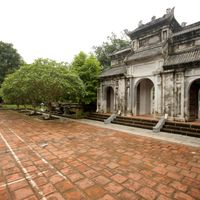
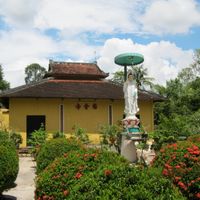
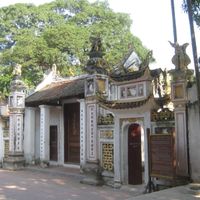
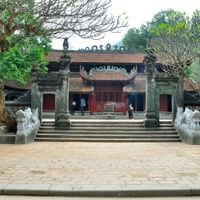
The city center combines French colonial buildings with Confucian temples, while water puppet theaters present a traditional art form from the Red River Delta that exists nowhere else in Southeast Asia in this form. Scholars' temples and pagoda-filled neighborhoods demonstrate centuries of service as Vietnam's intellectual center.
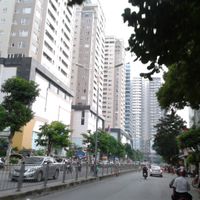
The administrative center operates two airports, extensive railway connections, and a developing metro system for eight million residents. Noi Bai International Airport sits 45 kilometers (28 miles) north of downtown, while buses, taxis, and motorbike taxis handle inner-city transport. The drier months from November through April offer more comfortable visiting conditions.
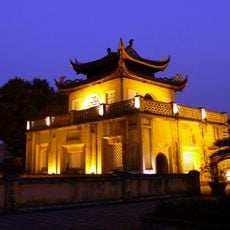
The Imperial Citadel of Thang Long contains archaeological remains from multiple Vietnamese dynasties with structures from the eleventh century. Excavations beginning in 2002 uncovered foundations of royal palaces, ceramic fragments, and bronze objects documenting continuous occupation for over a thousand years, earning the site UNESCO World Heritage status in 2010.
The community of curious travelers
AroundUs brings together thousands of curated places, local tips, and hidden gems, enriched daily by 90,851 contributors worldwide.