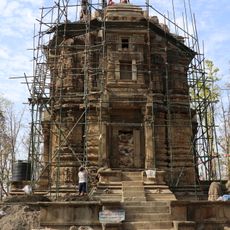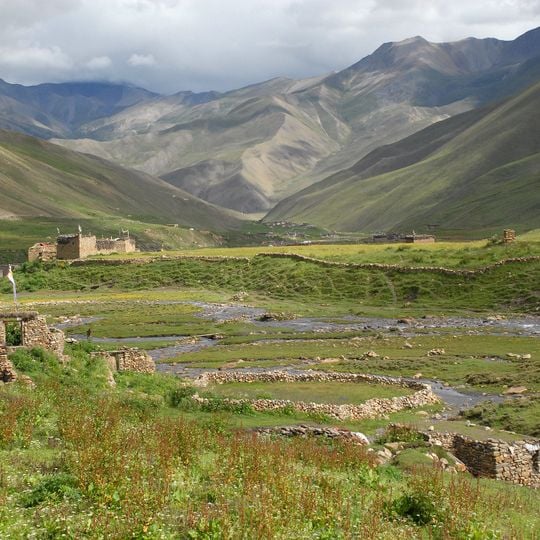
Dolpa District, Administrative district in Karnali Province, Nepal
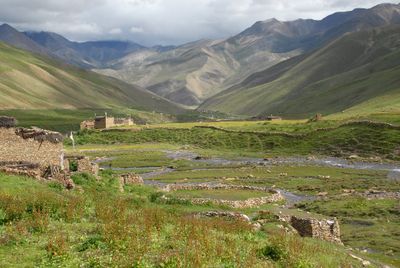
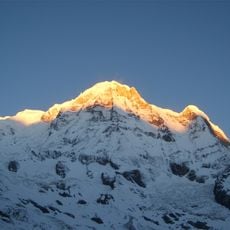
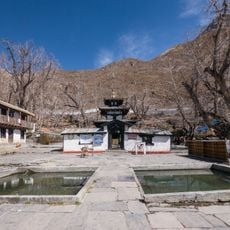
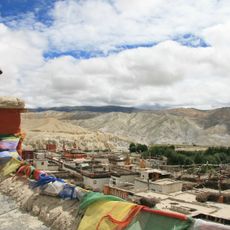
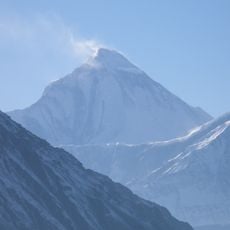
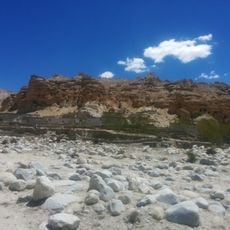
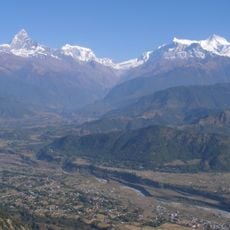
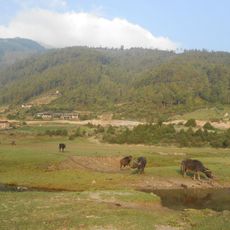
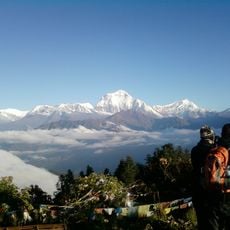
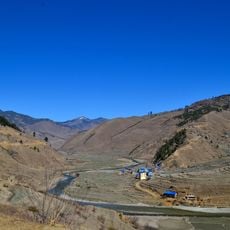
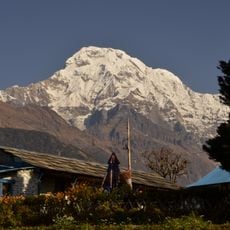
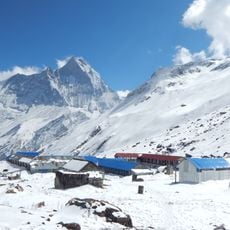
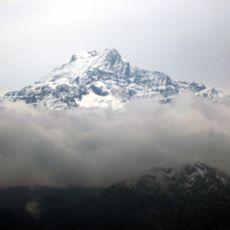
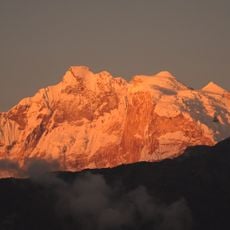
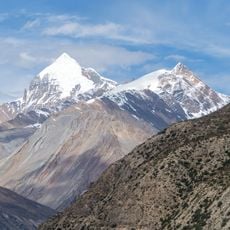
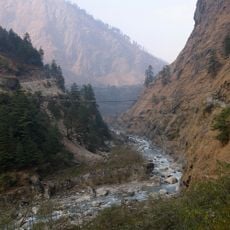
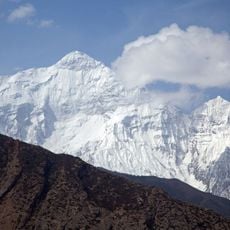
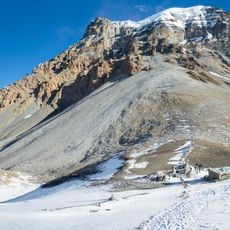
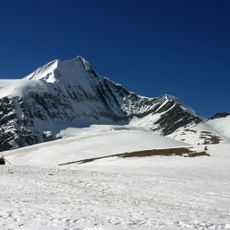
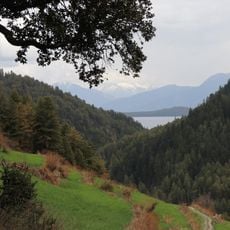
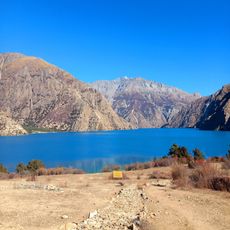
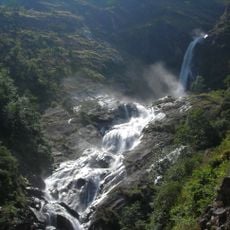
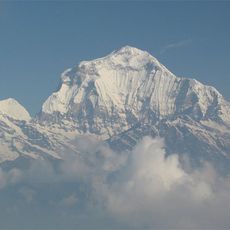
Dolpa District stretches across mountainous terrain with deep valleys and high peaks in northern Nepal. The land rises from forested lower areas to snow-covered summits where vegetation thins and rugged landscapes take over.
The district was established in 1962 and developed along ancient trading routes between Nepal and Tibet. These trade connections shaped how settlements are arranged and their role in the region.
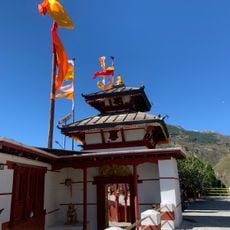
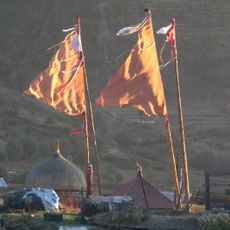
The communities here practice Buddhism and use their monasteries as gathering places woven into everyday life. Local groups maintain distinct traditions reflected in how they build their homes and celebrate throughout the year.
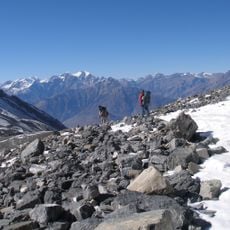
Travel here requires special permits and registration documents, particularly for remote northern areas. It makes sense to hire experienced local guides and prepare for challenging trekking conditions at high altitude.
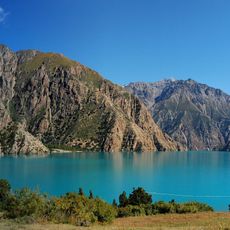
The area holds one of Nepal's deepest lakes within a protected national park. Rare animals like snow leopards and Tibetan wolves roam their natural habitat here.
Location: Karnali Zone
Location: Karnali Province
Website: http://ddcdolpa.gov.np
GPS coordinates: 28.93333,82.90000
Latest update: December 6, 2025 16:02
Nepal offers photographers an exceptional range of subjects, from the highest mountains on Earth to centuries-old religious sites. The Himalayan range dominates the northern regions, where trekkers head to Everest Base Camp and Annapurna Base Camp. At middle elevations, traditional mountain villages like Namche Bazaar and Manang Village provide cultural contexts, while Kali Gandaki Gorge ranks among the deepest in the world. High-altitude lakes including Gokyo Lakes, Rara Lake and Gosaikunda Lake lie in remote areas and attract photographers seeking untouched landscapes. The historic cities of the Kathmandu Valley preserve a rich architectural tradition. Boudhanath Stupa stands as one of the largest Buddhist structures of its kind, while Swayambhunath sits atop a hill overlooking the capital. In Bhaktapur, the five-tiered Nyatapola Temple rises above the townscape, and Durbar Square displays examples of Newari architecture. Lalitpur contains Patan Durbar Square with its temples and palaces. Beyond the valley, Lumbini marks the birthplace of Buddha, and Janaki Temple in Janakpur represents Hindu temple architecture. Phewa Lake in Pokhara reflects the Annapurna range, while viewpoints such as Sarangkot, Poon Hill and Nagarkot provide panoramas of multiple peaks above 26,000 feet (8,000 meters).
Annapurna Circuit
102.3 km
Annapurna
97.3 km
Muktinath Temple
95.5 km
Mustang
100.4 km
Dhaulagiri
63.2 km
Bala Tripura Sundari Temple
15.2 km
Mustang Caves
108.9 km
Annapurna Conservation Area
105.3 km
Dhorpatan Hunting Reserve
33.9 km
Gurja Himal
46.6 km
Sinja Valley
99.3 km
Annapurna South
99.8 km
Annapurna I East
98.1 km
Kanjiroba
55.5 km
Annapurna I Middle
98.3 km
Chandannath Temple
79.3 km
Khatung Kang
100.8 km
Kali Gandaki Gorge
76.9 km
Nilgiri North
86.7 km
Yakawa Kang
102.5 km
Sita Chuchura
59.4 km
Rara National Park
101.6 km
Phoksundo Lake
29.6 km
Shey Phoksundo National Park
47.6 km
Tilicho Peak
93.2 km
Rupse Falls
83.3 km
Dhaulagiri II
51.2 km
Kankre Bihar
81.2 kmReviews
Visited this place? Tap the stars to rate it and share your experience / photos with the community! Try now! You can cancel it anytime.
Discover hidden gems everywhere you go!
From secret cafés to breathtaking viewpoints, skip the crowded tourist spots and find places that match your style. Our app makes it easy with voice search, smart filtering, route optimization, and insider tips from travelers worldwide. Download now for the complete mobile experience.
A unique approach to discovering new places❞
— Le Figaro
All the places worth exploring❞
— France Info
A tailor-made excursion in just a few clicks❞
— 20 Minutes