See the monuments around you in AROpen chests in the app
Around Us is built for your phone — point your camera at the streets and discover the monuments and places around you in augmented reality.Around Us is built for your phone — chests unlock when you walk, explore and capture nearby places.
Nepal offers photographers an exceptional range of subjects, from the highest mountains on Earth to centuries-old religious sites. The Himalayan range dominates the northern regions, where trekkers head to Everest Base Camp and Annapurna Base Camp. At middle elevations, traditional mountain villages like Namche Bazaar and Manang Village provide cultural contexts, while Kali Gandaki Gorge ranks among the deepest in the world. High-altitude lakes including Gokyo Lakes, Rara Lake and Gosaikunda Lake lie in remote areas and attract photographers seeking untouched landscapes.
The historic cities of the Kathmandu Valley preserve a rich architectural tradition. Boudhanath Stupa stands as one of the largest Buddhist structures of its kind, while Swayambhunath sits atop a hill overlooking the capital. In Bhaktapur, the five-tiered Nyatapola Temple rises above the townscape, and Durbar Square displays examples of Newari architecture. Lalitpur contains Patan Durbar Square with its temples and palaces. Beyond the valley, Lumbini marks the birthplace of Buddha, and Janaki Temple in Janakpur represents Hindu temple architecture. Phewa Lake in Pokhara reflects the Annapurna range, while viewpoints such as Sarangkot, Poon Hill and Nagarkot provide panoramas of multiple peaks above 26,000 feet (8,000 meters).
Nepal offers photographers an exceptional range of subjects, from the highest mountains on Earth to centuries-old religious sites. The Himalayan range dominates the northern regions, where trekkers head to Everest Base Camp and Annapurna Base Camp. At middle elevations, traditional mountain villages like Namche Bazaar and Manang Village provide cultural contexts, while Kali Gandaki Gorge ranks among the deepest in the world. High-altitude lakes including Gokyo Lakes, Rara Lake and Gosaikunda Lake lie in remote areas and attract photographers seeking untouched landscapes.
The historic cities of the Kathmandu Valley preserve a rich architectural tradition. Boudhanath Stupa stands as one of the largest Buddhist structures of its kind, while Swayambhunath sits atop a hill overlooking the capital. In Bhaktapur, the five-tiered Nyatapola Temple rises above the townscape, and Durbar Square displays examples of Newari architecture. Lalitpur contains Patan Durbar Square with its temples and palaces. Beyond the valley, Lumbini marks the birthplace of Buddha, and Janaki Temple in Janakpur represents Hindu temple architecture. Phewa Lake in Pokhara reflects the Annapurna range, while viewpoints such as Sarangkot, Poon Hill and Nagarkot provide panoramas of multiple peaks above 26,000 feet (8,000 meters).
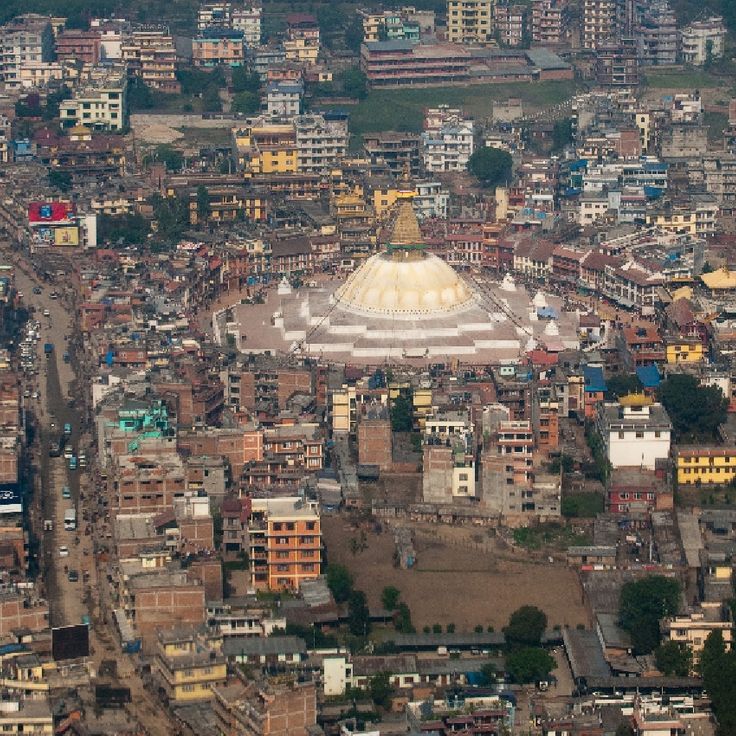
This 14th century Buddhist temple combines Nepali and Tibetan architecture in one of the largest stupas in Asia. Boudhanath serves as the center of Kathmandu's Tibetan community, surrounded by monasteries and prayer flags moving in the wind as pilgrims perform the ritual walk around the white dome.
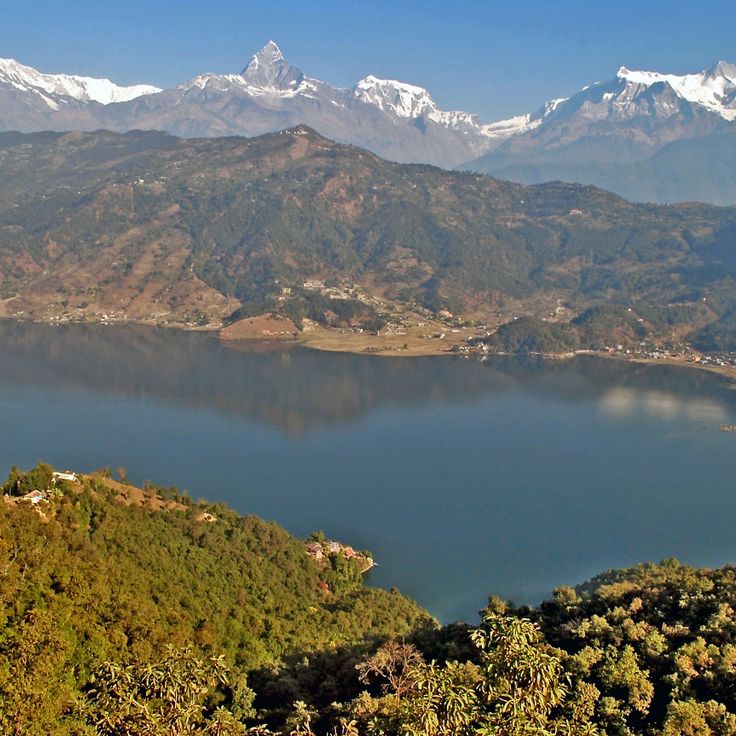
Phewa Lake sits at the base of the Annapurna range and reflects the snow-capped peaks across its surface. The lake offers photographers a characteristic combination of mountain vistas and calm waters. Its proximity to Pokhara provides straightforward access, while changing light conditions throughout the day create varied shooting opportunities for capturing Nepal's Himalayan landscape.
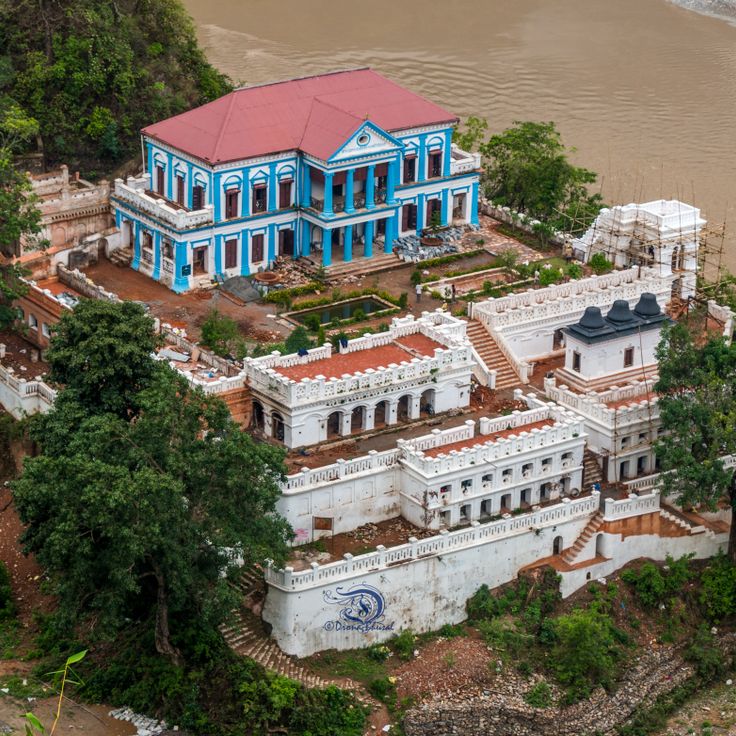
This palace on the banks of Kali Gandaki River was built in 1893 and combines Nepalese and European architectural styles, making it a distinctive subject for Nepal's historic architecture photography. The riverside setting provides photographers with multiple perspectives of the facade and surrounding grounds.
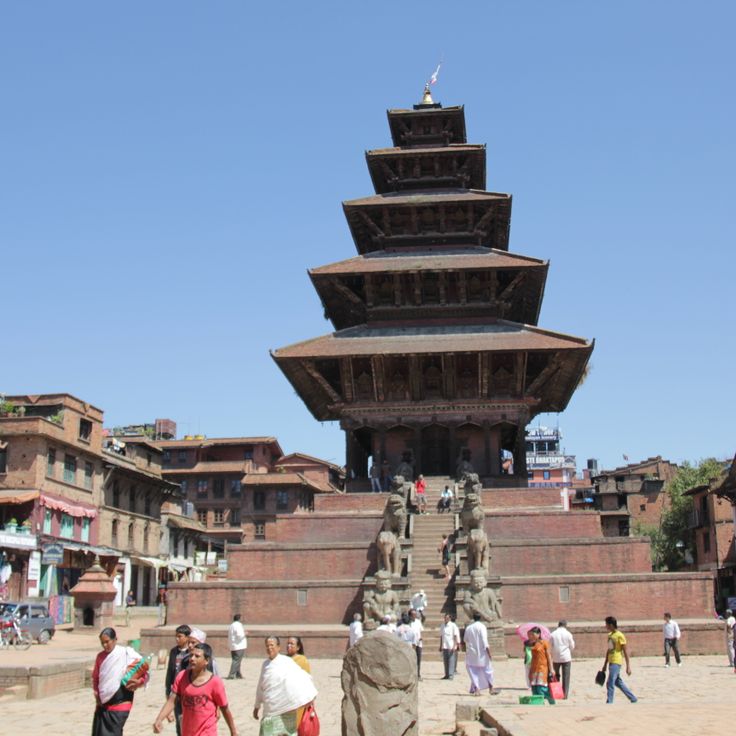
The Nyatapola Temple was built in 1702 as Bhaktapur's tallest Hindu structure, reaching a height of 98 feet (30 meters). This five-story temple represents the craftsmanship of Newari architecture and provides photographers with an exceptional subject among Nepal's historic temple sites. The symmetrical structure with its carved wooden struts stands on a tiered platform and is flanked by stone guardian figures.
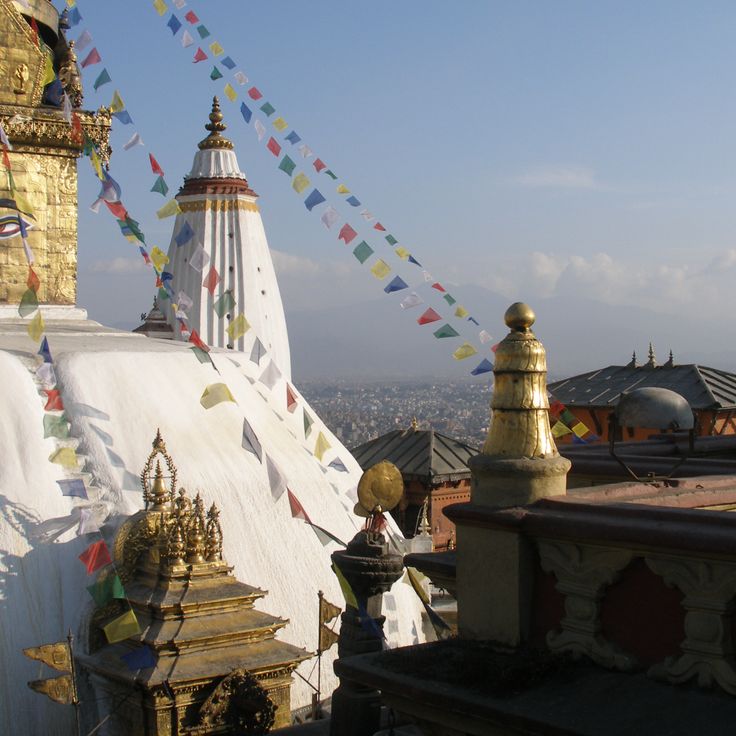
This temple complex stands on a hill west of central Kathmandu and offers photographers multiple levels with gilded structures, prayer flags, and wide views across the Kathmandu Valley. The centuries-old site combines Buddhist and Hindu elements and draws pilgrims as well as visitors who photograph the numerous shrines, the central stupa, and the free-roaming monkeys.
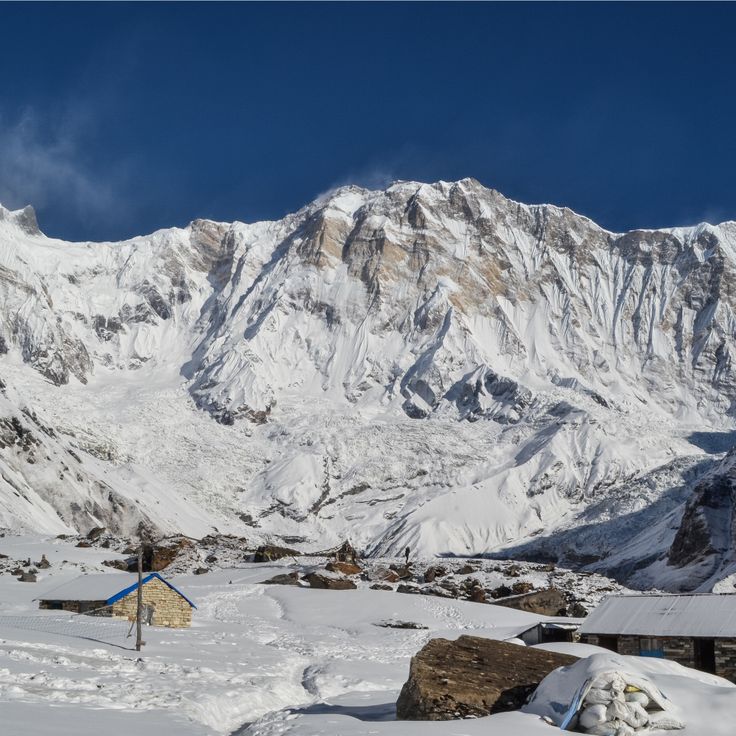
Annapurna Base Camp sits at 13,550 feet (4,130 meters) and serves as a staging point for climbers. The site provides direct views of the Annapurna summit and neighboring eight-thousanders. Photographers find subjects in glaciers, steep rock faces and surrounding Himalayan formations, particularly during morning light.
This hill near Pokhara draws photographers seeking sunrise shots of the Himalayan range. Sarangkot sits at 5,223 feet (1,592 meters) elevation and provides unobstructed views of Dhaulagiri, Annapurna and Machhapuchhre. The Pokhara Valley spreads below while snow-covered peaks become visible in morning light. The site works for wide-angle shots of the mountain chain and telephoto captures of individual summits.
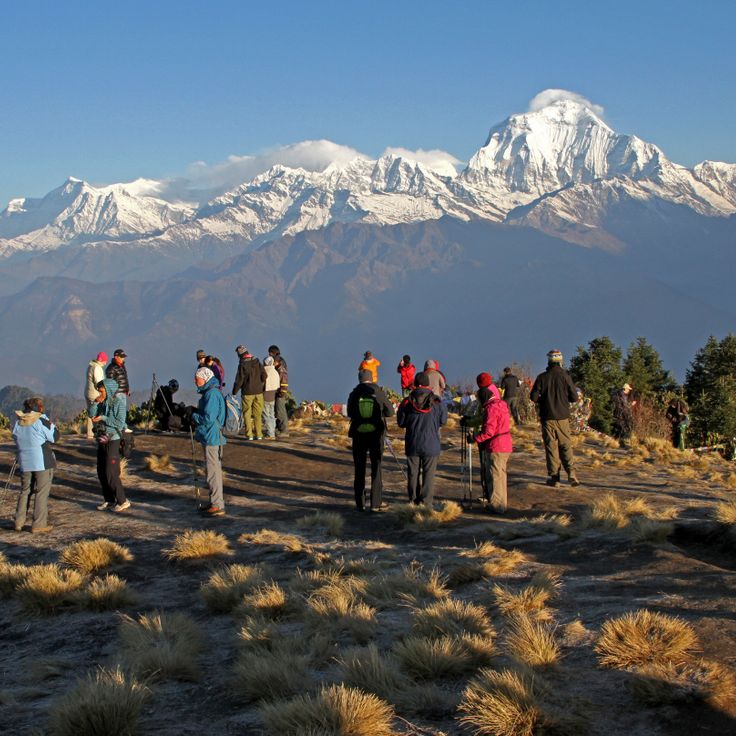
Poon Hill sits in the Annapurna Region and serves as a favored trekking destination for mountain photography. From here, photographers gain a broad panorama of several 26,000-foot (8,000-meter) peaks, including Dhaulagiri, Annapurna and Machapuchare. This viewpoint stands at 10,531 feet (3,210 meters) and offers particularly clear views of the snow-covered summits at sunrise. Photographers find optimal conditions for wide-angle shots of the Himalayan range and the changing light across the mountains.
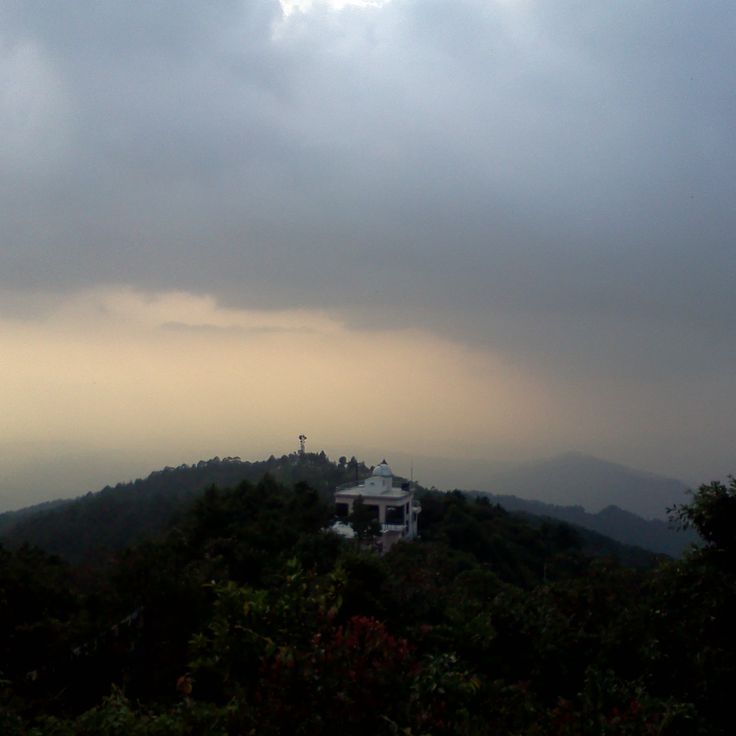
This observation point at 7130 feet (2175 meters) elevation provides clear views of the Himalaya mountain range at dawn and dusk. Nagarkot sits in Bhaktapur District and serves photographers as a location for capturing several peaks above 26000 feet (8000 meters), including Mount Everest on clear days. The elevated position above the Kathmandu Valley allows unobstructed views across forested hills to the snow covered mountain range.
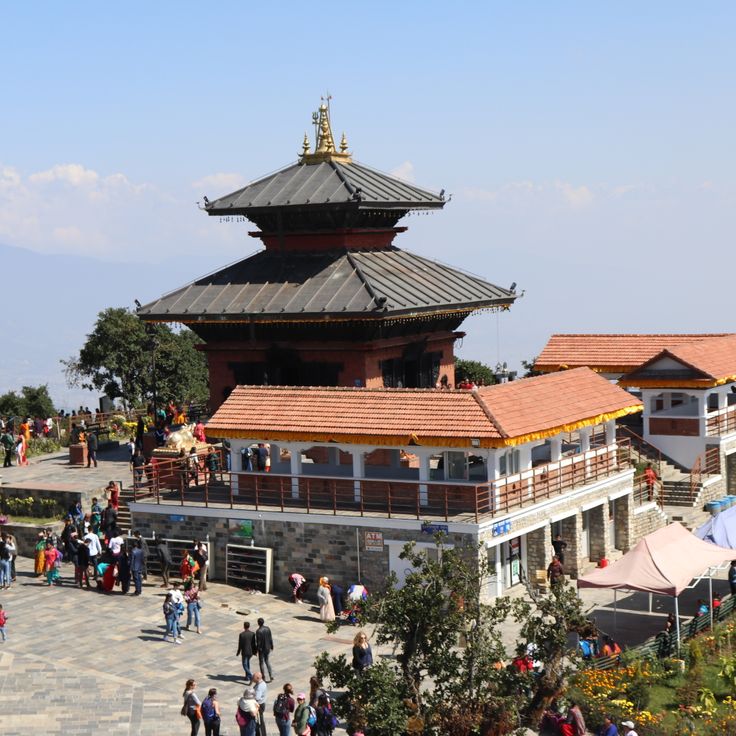
Chandragiri Hills reaches 2,551 feet elevation and offers views across the Kathmandu valley and the snow-covered peaks of the Himalayan range. This location enables photographers to combine urban structures in the valley with distant mountain ridges, particularly during clear weather in early morning or late afternoon hours.
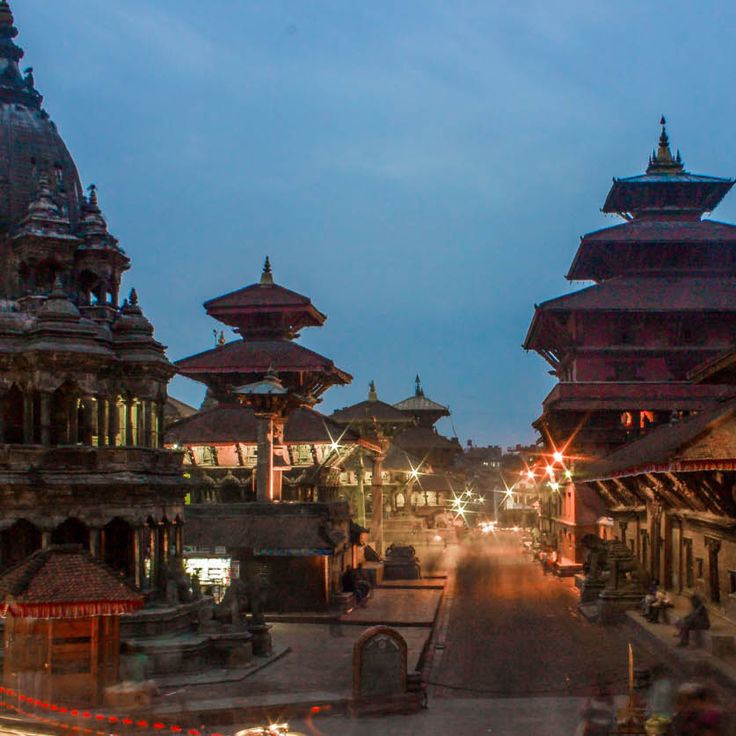
Patan Durbar Square in Lalitpur features temples and palaces from the 16th to 18th centuries with stone carvings and woodwork in the traditional Newar style. This historic square provides photographers with detailed architectural elements and religious structures that document Nepal's cultural heritage and show the richness of craftsmanship across several centuries.
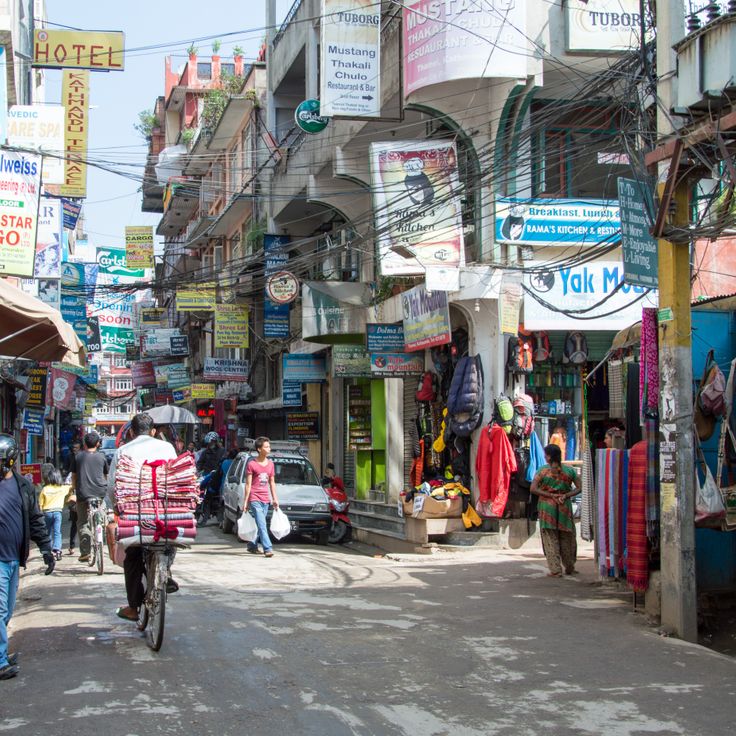
Thamel sits in central Kathmandu and draws travelers with its concentration of shops, restaurants and accommodations. This district allows photographers to capture the activity of its lanes, where vendors display goods and visitors move through narrow streets. The architecture combines traditional and modern elements, documenting how Nepal's capital has evolved over the years.
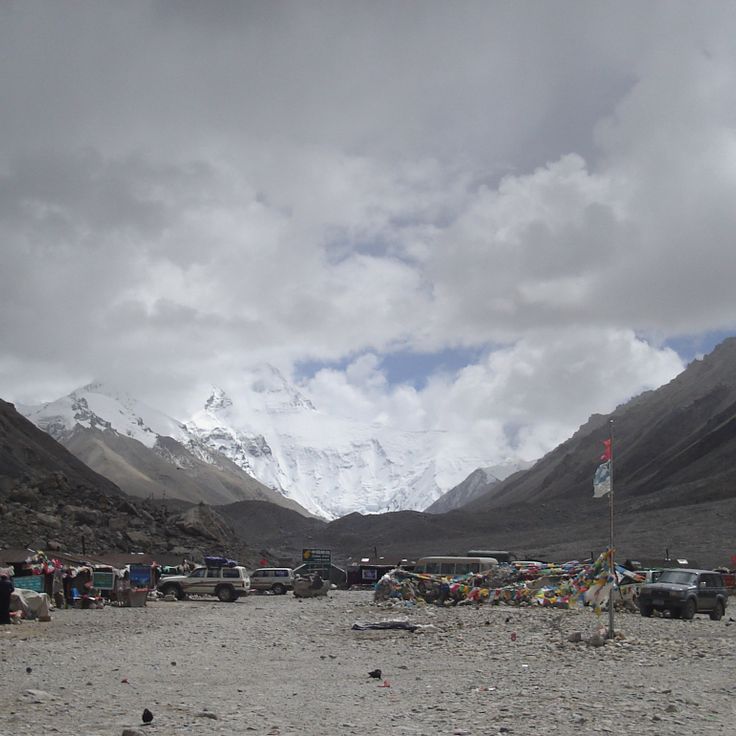
Everest Base Camp sits at 17,598 feet (5,364 meters) elevation and serves as the staging point for climbers attempting Mount Everest. This temporary tent settlement gives photographers opportunities to document expedition life, logistical infrastructure, and the barren high-altitude landscape of the Himalayas. Between ice fields and glaciers, images capture supply tents, base camp structures, and the initial routes toward the highest mountain on Earth.
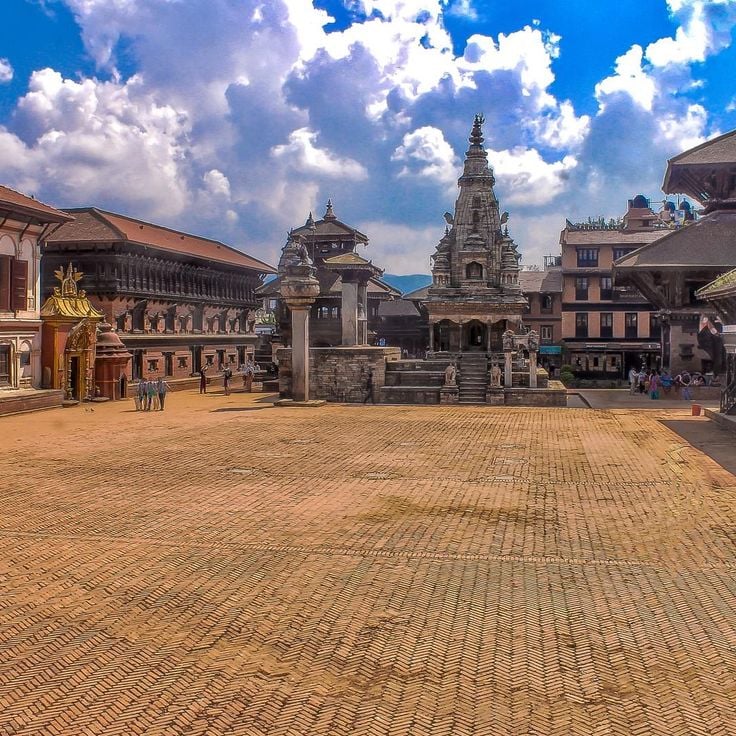
Durbar Square in Bhaktapur is a medieval royal palace from the 15th century featuring wooden carvings, stone statues and religious temples. This historic complex offers photographers architectural details, traditional Newari craftsmanship and a living example of royal urban planning in the Kathmandu Valley. The preserved structures showcase building techniques from centuries past.
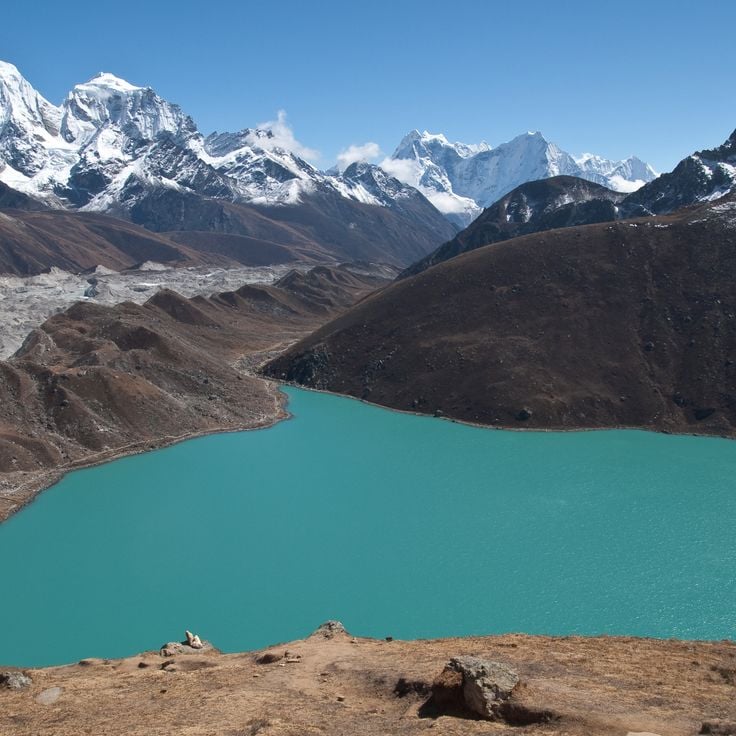
The Gokyo Lakes sit at altitudes between 15,420 and 16,400 feet (4,700 to 5,000 meters), fed by meltwater from the Ngozumpa Glacier. These six lakes in Nepal offer photographers turquoise water framed by glaciated peaks. Located within Sagarmatha National Park, the lakes are reached after several days of trekking along high-altitude trails, with views extending to Cho Oyu and other eight-thousanders.
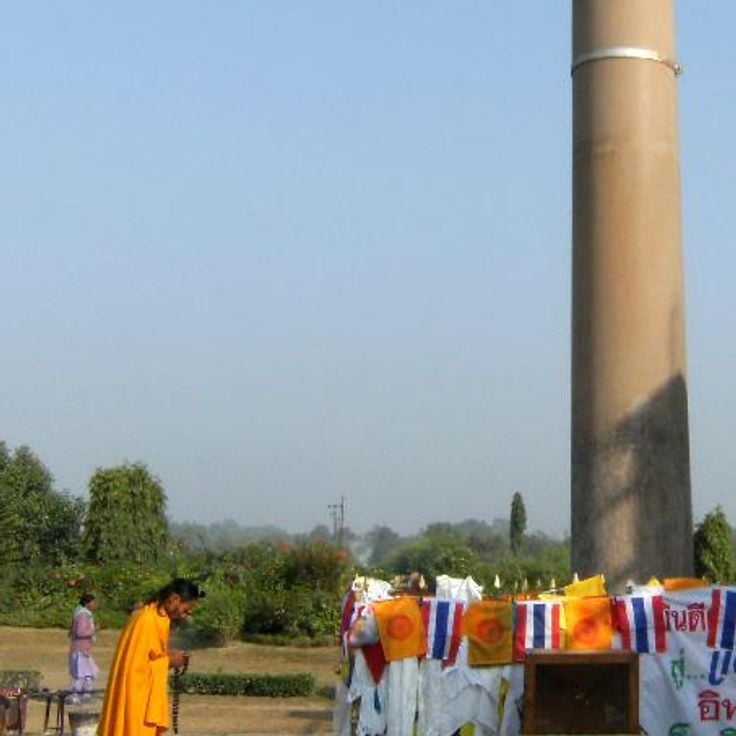
This historical site marks the birthplace of Siddhartha Gautama and features the Mayadevi Temple, excavation areas displaying archaeological remains, and Buddhist monasteries built by different nations. Lumbini offers photographers religious architecture, pilgrims performing rituals, and the atmosphere of a UNESCO World Heritage Site in Nepal's southern plains.
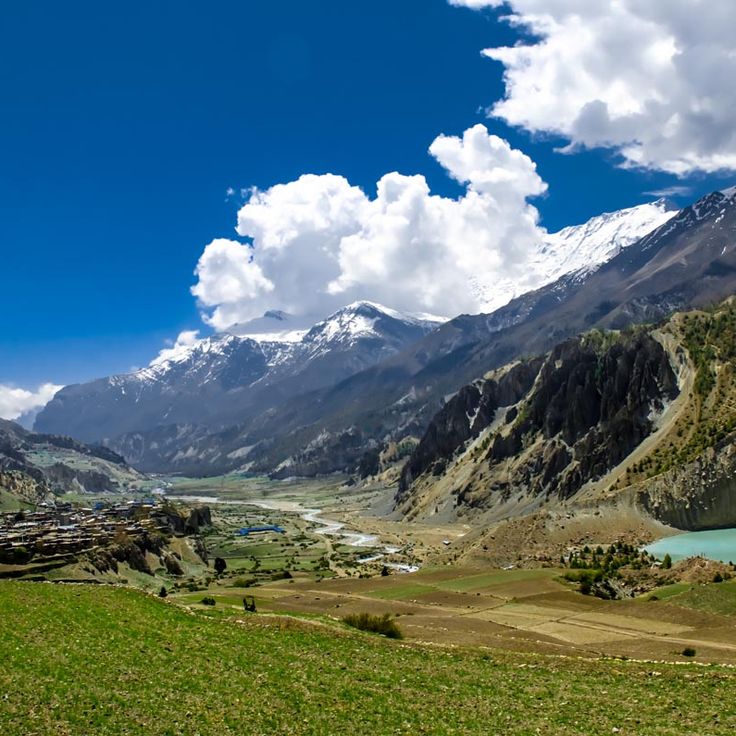
This mountain village at 11,614 feet (3,540 meters) serves as a key acclimatization point for trekkers on the Annapurna Circuit. The location in Nepal's Himalayas offers photographers opportunities to capture traditional stone architecture and snow-covered peaks. The surroundings of Manang Village present terraced fields, Buddhist monasteries, and views of the Annapurna range as trekkers prepare for higher passes.
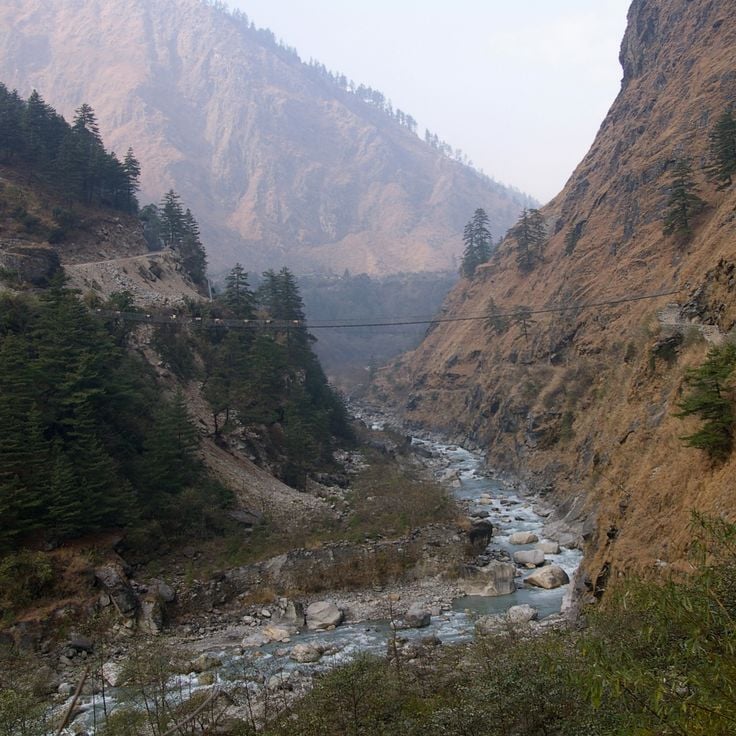
The Kali Gandaki Gorge cuts more than 18,000 feet (5,500 meters) between the Dhaulagiri and Annapurna massifs, forming one of the deepest gorges on Earth. This geological formation offers photographers dramatic perspectives on the surrounding peaks and demonstrates the erosive power of the river carving through the Himalayan range.
This 17 kilometer (10.5 mile) glacier in the high Himalayas flows between Mount Everest and the Lhotse ridge, starting at 7600 meters (24900 feet) above sea level. Khumbu Glacier offers photographers ice formations, crevasses and mountain panoramas. The fractured ice and surrounding eight-thousanders create changing light conditions from early morning through late afternoon.
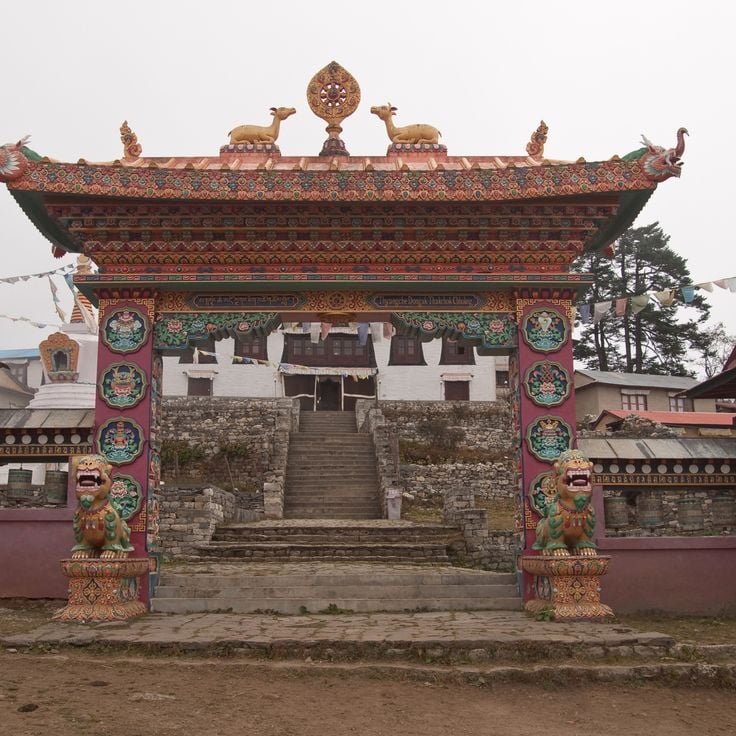
Tengboche Monastery sits at 12,687 feet (3,867 meters) in the Khumbu region and offers photographers views of Buddhist architecture framed by Mount Everest and Ama Dablam, two of Nepal's most photographed peaks that provide subjects for documentary and landscape photography.
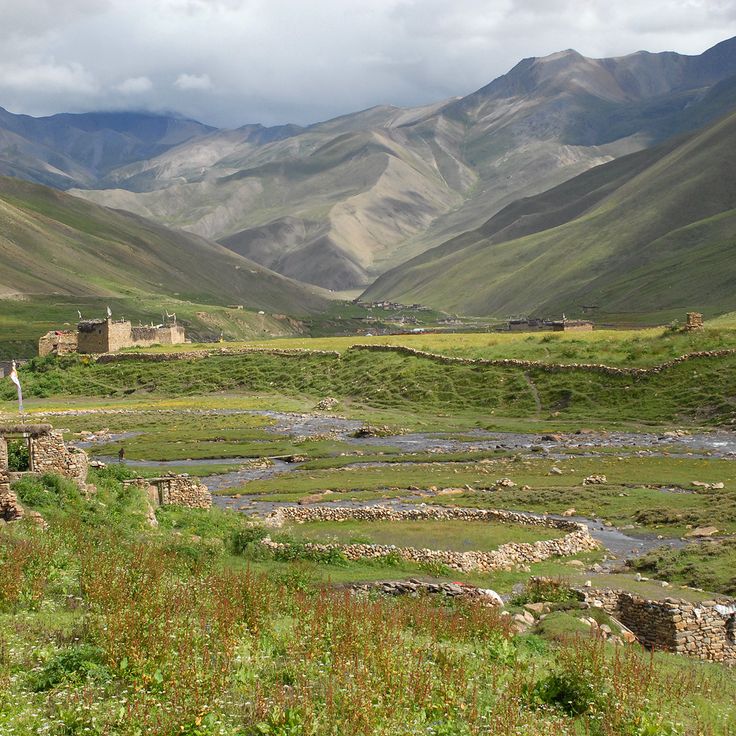
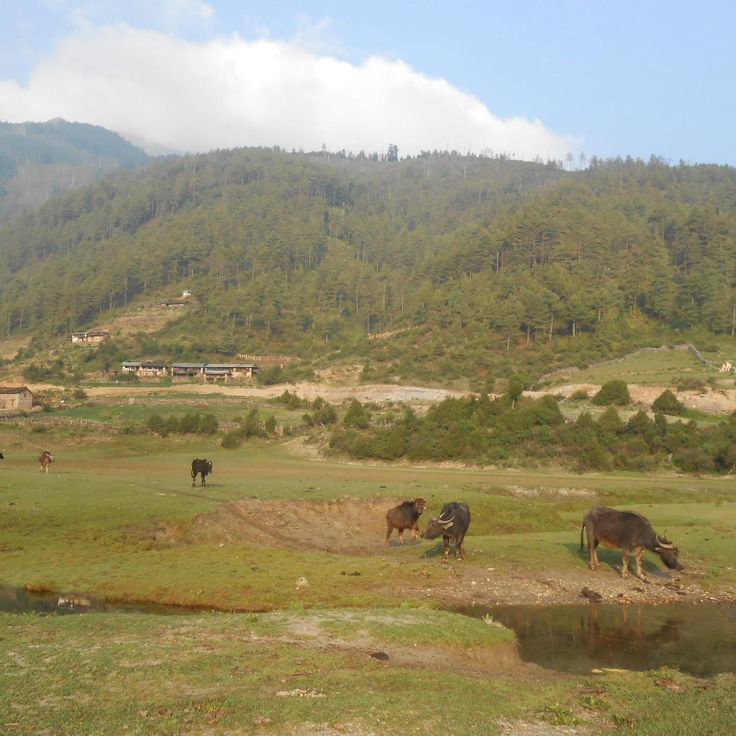
Dolpa sits among high mountain peaks and provides habitat for snow leopards, Himalayan tahrs and blue sheep. This remote valley ranks among the highest inhabited regions of Nepal and offers photographers access to Buddhist monasteries, Tibetan culture and undisturbed mountain terrain in the western Himalayas.
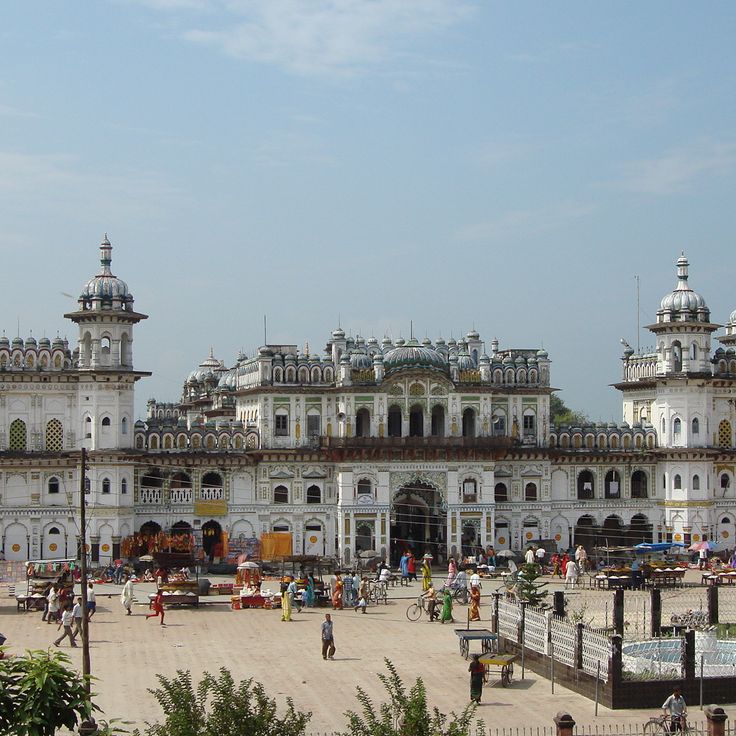
This marble temple in Janakpur was built in 1911 and combines Mughal and Nepali architecture across a complex with 60 rooms. The Janaki Temple serves as a Hindu pilgrimage site and displays intricate carvings and multistory structures. As a photography subject for this collection, the temple offers opportunities to capture religious architecture and cultural traditions in Nepal.
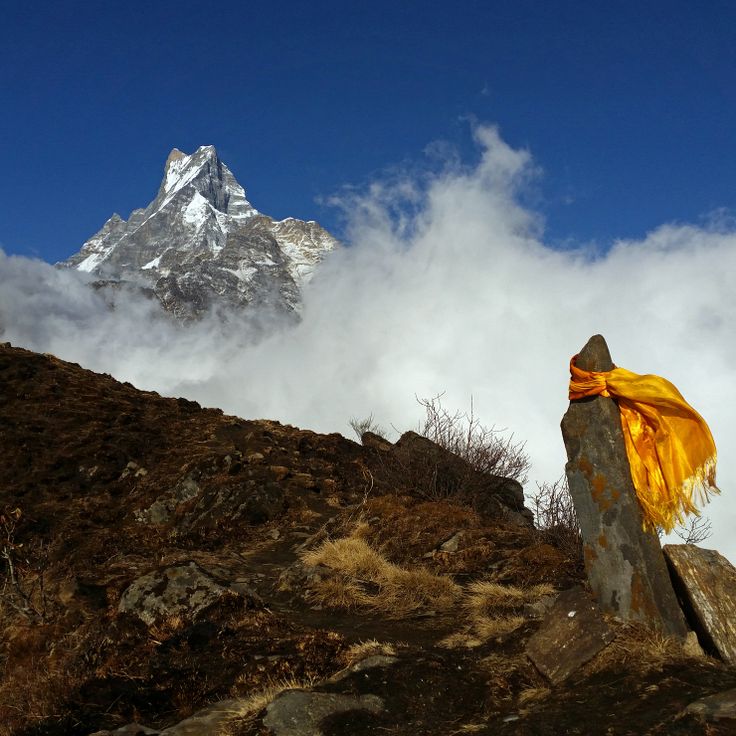
Mardi Himal is a trekking destination in the Annapurna region where the trail passes through rhododendron forests and offers direct views of the Annapurna and Machapuchare massifs. Photographers find subjects ranging from dense mountain vegetation and village settlements to the glaciated peaks of the Himalayan range, which stand out clearly against the sky in favorable weather conditions.
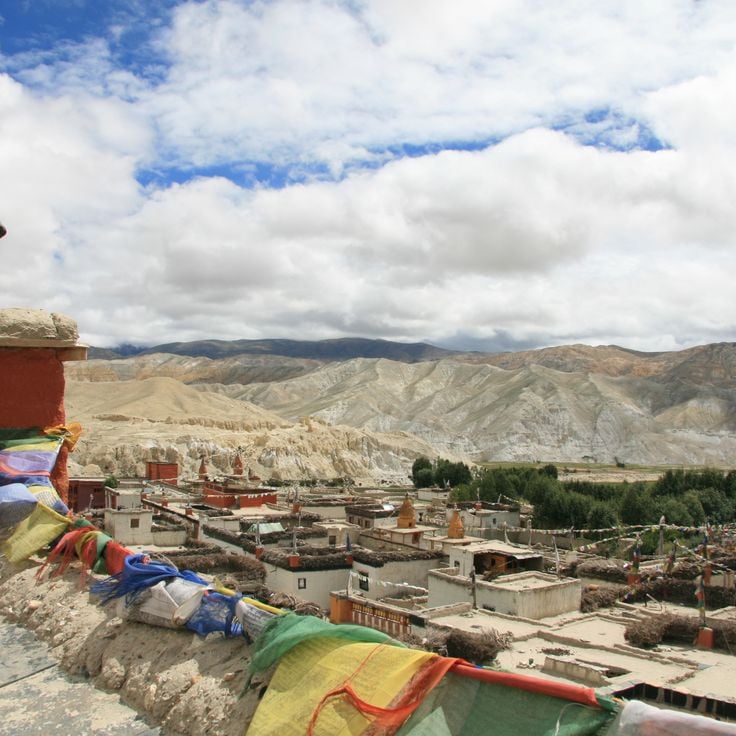
This former kingdom on the Tibetan border offers photographers high desert valleys, adobe settlements and Buddhist monasteries from the 15th century. Upper Mustang contains over 10,000 cave chambers carved into cliff faces, used by monks and traders. The windswept plateaus sit at roughly 12,000 feet (3,600 meters) and display erosion formations, Tibetan murals and stupas along historic trade routes between Tibet and Nepal.
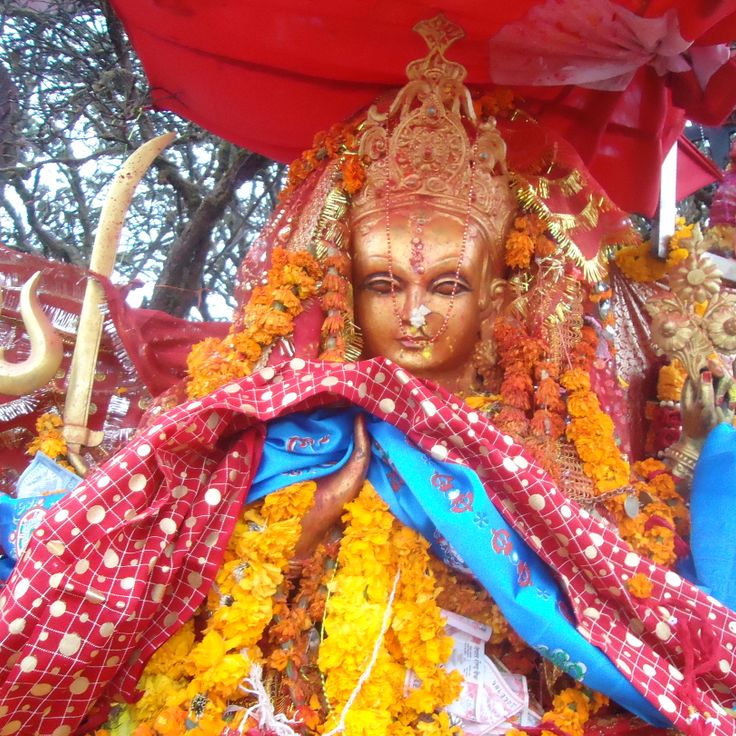
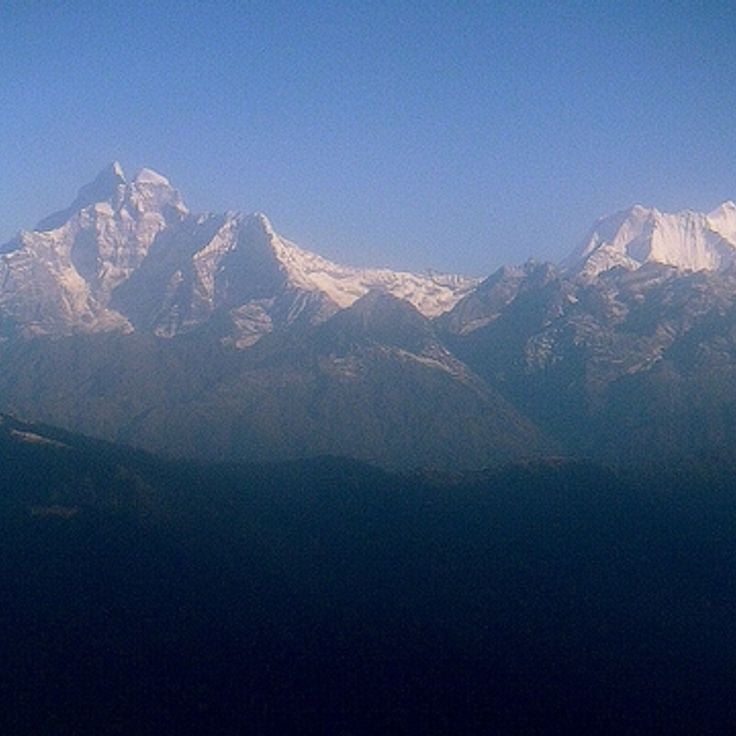
This Hindu shrine sits at 12,438 feet (3,794 meters) elevation and offers photographers views of Kangchenjunga and the mountain ranges of eastern Nepal. Pathivara Devi Temple draws pilgrims from across the subcontinent and combines religious significance with alpine landscapes typical of Nepal's high-altitude sanctuaries.
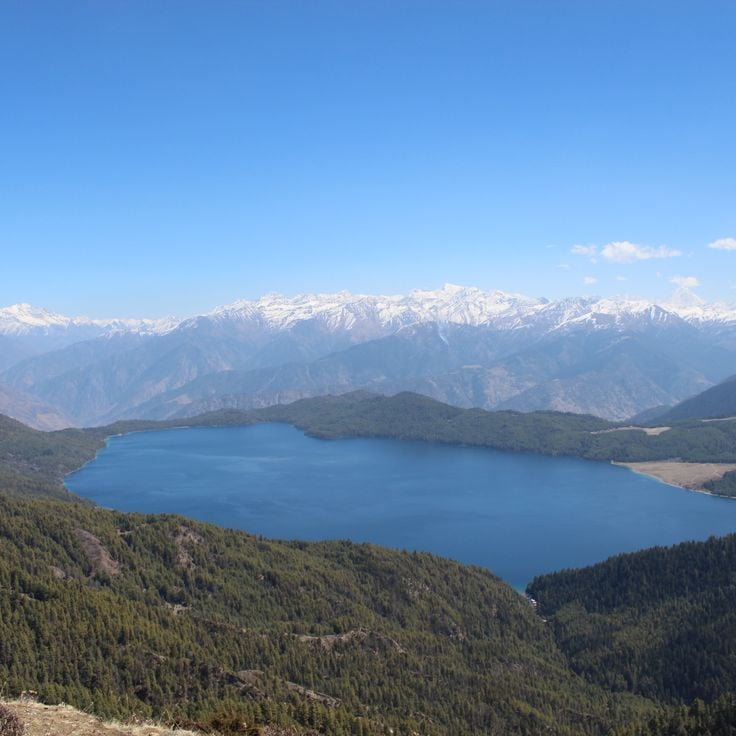
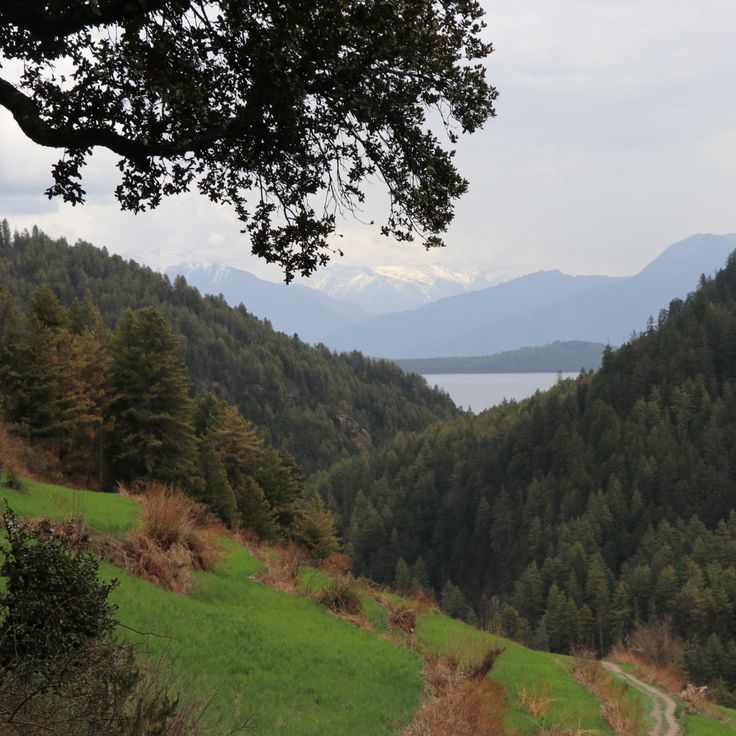
This lake sits at 9,810 feet (2,990 meters) in Rara National Park and covers an area of roughly 4.2 square miles (10.8 square kilometers). Rara Lake offers photographers clear reflections of surrounding forested slopes and the peaks of the western Himalayas. The remote body of water attracts migratory birds and presents different lighting conditions throughout the day, while the surrounding wilderness provides perspectives on Nepal's less visited landscapes.
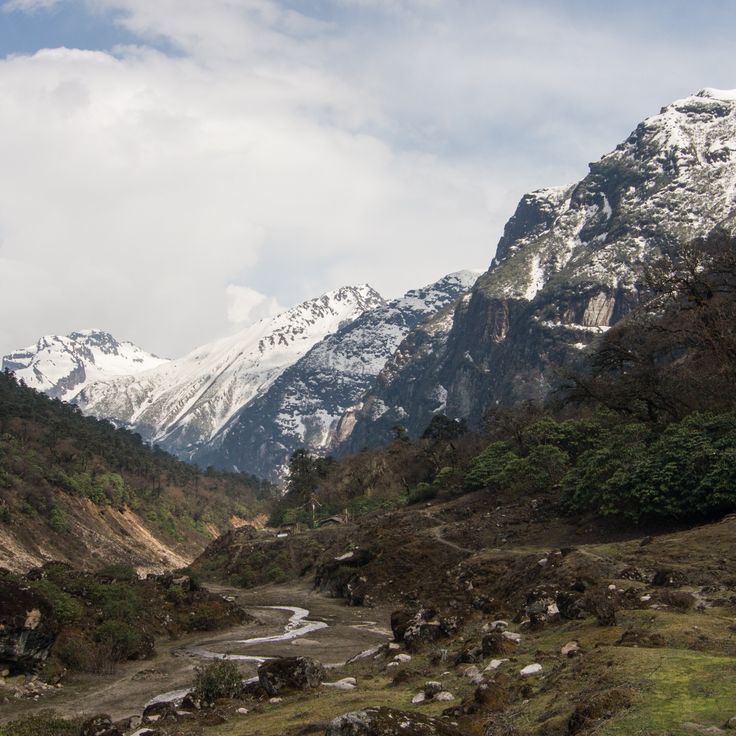
This remote valley sits between the Everest and Langtang regions and offers photographers trails through dense forests, traditional settlements and glacier terrain rising to 20,000 feet (6,000 meters), showcasing the untouched high mountain landscapes of Nepal.
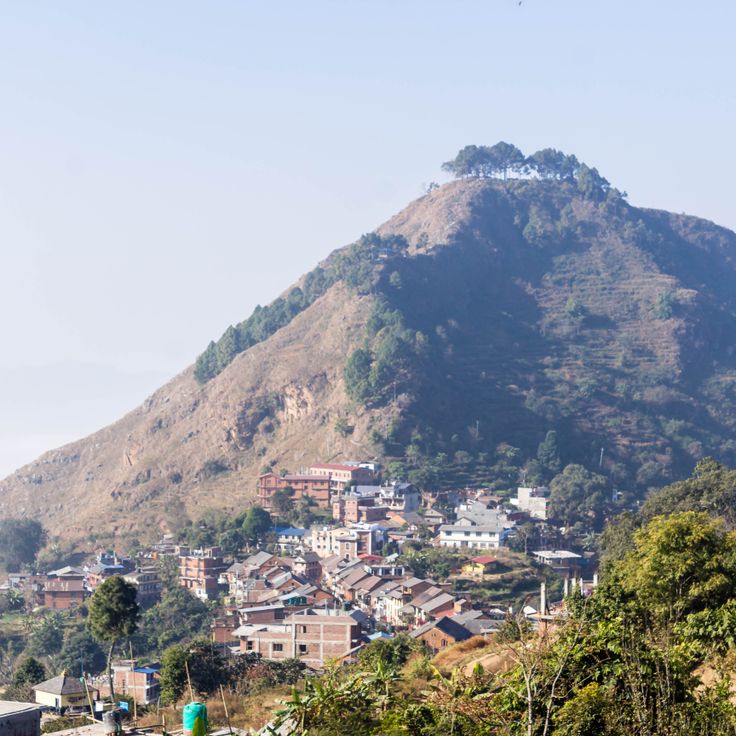
This historic town at 3,379 feet (1,030 meters) is known for its 18th-century Newari architecture and views of the Himalayan mountains, offering photographers both traditional buildings and mountain panoramas that are characteristic of Nepal's architectural heritage and natural landscapes.
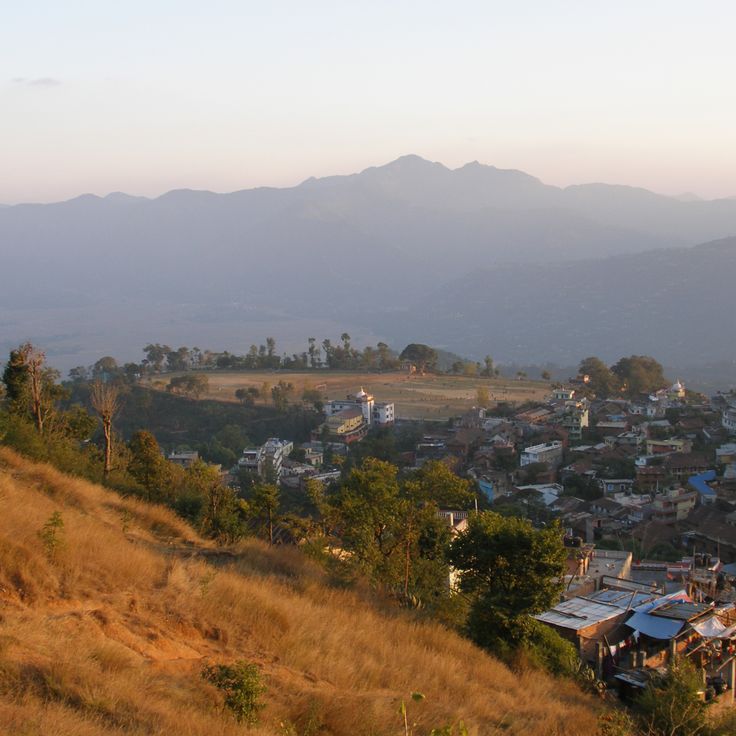
This hillside town at 4400 feet (1350 meters) elevation contains numerous examples of Newar architecture with brick buildings and narrow lanes, offering photographers traditional Nepali building styles and mountain panoramas. Tansen combines historic structures with views of the surrounding Himalayan foothills and presents authentic urban landscapes away from the main tourist circuits.
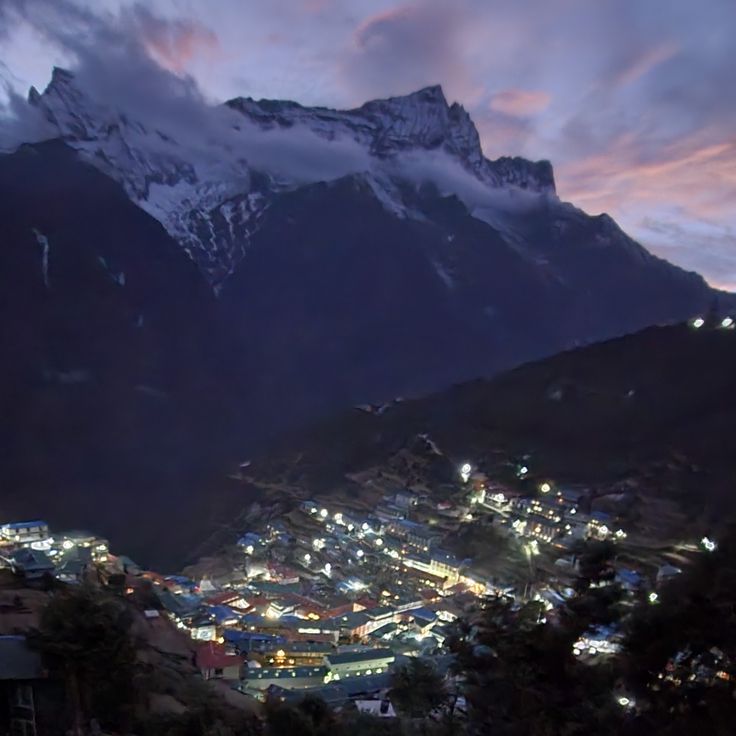
This main trading center and rest point for expeditions in the Khumbu region sits at 11,286 feet (3,440 meters) elevation and offers views toward Mount Everest. Namche Bazaar presents photographers with traditional Sherpa architecture, lodges along terraced streets, and the convergence of trade routes in eastern Nepal. The town serves as an acclimatization stop for mountaineers and documents daily life in one of the highest permanently inhabited settlements in the Himalayas.
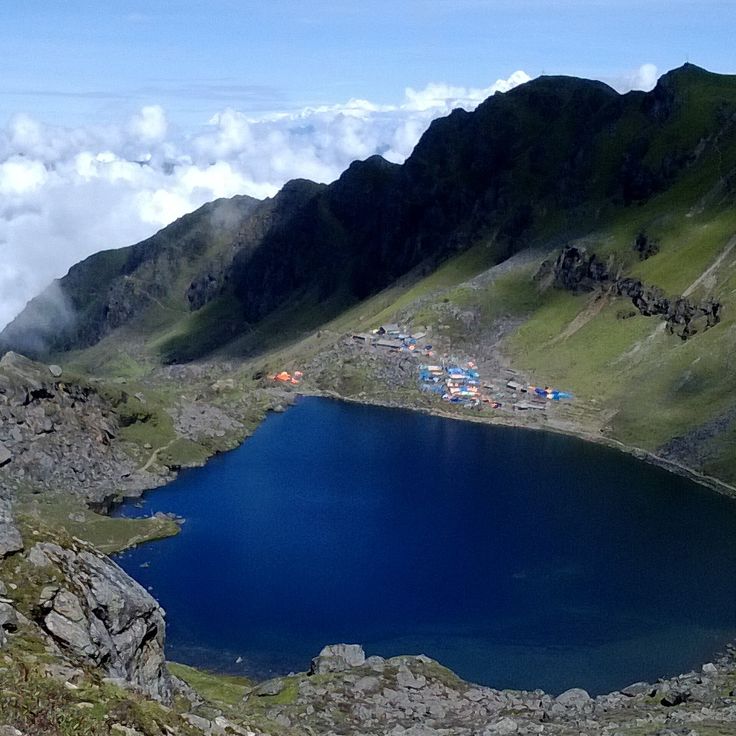
This alpine lake at 14,370 feet (4,380 meters) ranks among Nepal's most important Hindu pilgrimage sites and draws thousands of devotees during the Janai Purnima festival each August. Gosaikunda Lake offers photographers clear water reflections of surrounding peaks, religious ceremonies along its shores, and the stark high-altitude terrain of the Himalayas within Langtang National Park.
The Barun Valley extends across elevations between 1,300 and 22,300 feet (400 and 6,800 meters), offering photographers waterfalls, forests and habitats for red pandas, snow leopards and Himalayan black bears. This remote valley within Makalu Barun National Park demonstrates the biological diversity of the Nepalese Himalayas, connecting subtropical vegetation with high alpine zones in one of the country's least visited protected areas.
Dhorpatan Wildlife Reserve spans 1,325 square kilometers (512 square miles) and offers photographers high-altitude landscapes with blue sheep, snow leopards and medicinal plants. This protected area sits at elevations between 9,350 and 18,050 feet (2,850 and 5,500 meters), combining alpine meadows with rhododendron forests. The expanse of valleys and the presence of rare wildlife species make this reserve a destination for nature photography in Nepal.
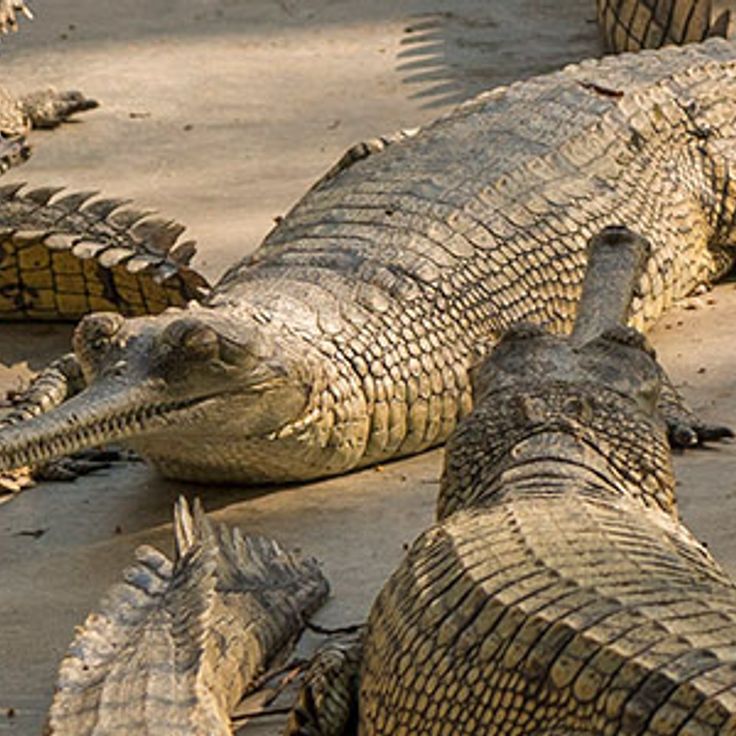
Chitwan National Park spans 932 square miles (2,400 square kilometers) of subtropical lowlands in the Terai region and provides photographers with opportunities to document Bengal tigers, one-horned rhinoceros, and gharial crocodiles in their natural habitat. Grasslands, sal forests, and riverine ecosystems define this park, which ranks among the significant conservation areas for endangered species in South Asia.
This park in western Nepal encompasses Rara Lake at an elevation of 9,810 feet (2,990 meters), the largest lake in the country. The surrounding forests provide habitat for rare species including red pandas, musk deer and snow leopards. The park combines alpine landscapes with biological diversity and stands away from main tourist routes in Karnali Province.
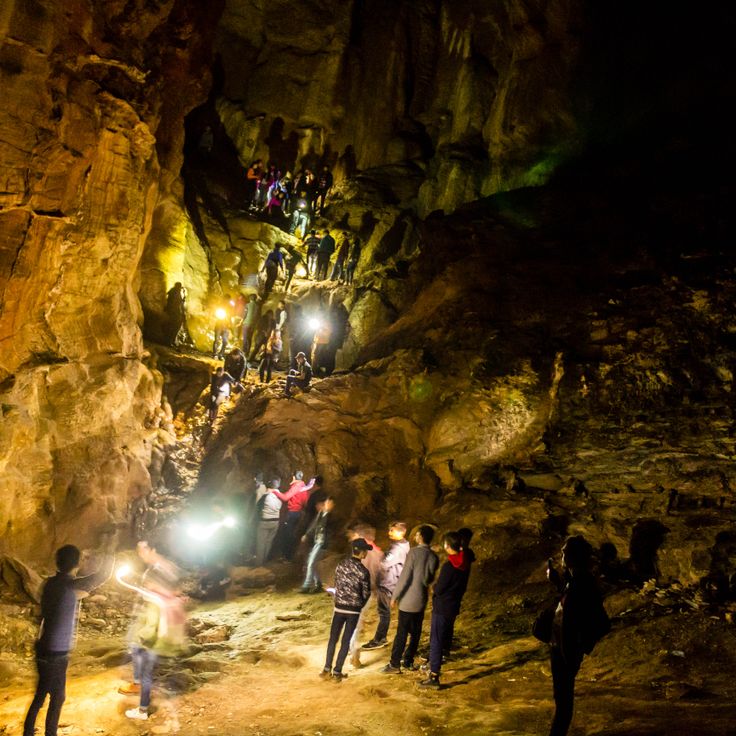
This limestone cave near Bandipur extends 437 meters (1,434 feet) deep and offers photographers calcite formations, underground streams and bat colonies within the chambers. Siddha Cave ranks among Nepal's longest caves and combines geological structures with natural lighting effects at the entrances.
This 14th century Buddhist temple combines Nepali and Tibetan architecture in one of the largest stupas in Asia. Boudhanath serves as the center of Kathmandu's Tibetan community, surrounded by monasteries and prayer flags moving in the wind as pilgrims perform the ritual walk around the white dome.
Phewa Lake sits at the base of the Annapurna range and reflects the snow-capped peaks across its surface. The lake offers photographers a characteristic combination of mountain vistas and calm waters. Its proximity to Pokhara provides straightforward access, while changing light conditions throughout the day create varied shooting opportunities for capturing Nepal's Himalayan landscape.
This palace on the banks of Kali Gandaki River was built in 1893 and combines Nepalese and European architectural styles, making it a distinctive subject for Nepal's historic architecture photography. The riverside setting provides photographers with multiple perspectives of the facade and surrounding grounds.
The Nyatapola Temple was built in 1702 as Bhaktapur's tallest Hindu structure, reaching a height of 98 feet (30 meters). This five-story temple represents the craftsmanship of Newari architecture and provides photographers with an exceptional subject among Nepal's historic temple sites. The symmetrical structure with its carved wooden struts stands on a tiered platform and is flanked by stone guardian figures.
This temple complex stands on a hill west of central Kathmandu and offers photographers multiple levels with gilded structures, prayer flags, and wide views across the Kathmandu Valley. The centuries-old site combines Buddhist and Hindu elements and draws pilgrims as well as visitors who photograph the numerous shrines, the central stupa, and the free-roaming monkeys.
Annapurna Base Camp sits at 13,550 feet (4,130 meters) and serves as a staging point for climbers. The site provides direct views of the Annapurna summit and neighboring eight-thousanders. Photographers find subjects in glaciers, steep rock faces and surrounding Himalayan formations, particularly during morning light.
This hill near Pokhara draws photographers seeking sunrise shots of the Himalayan range. Sarangkot sits at 5,223 feet (1,592 meters) elevation and provides unobstructed views of Dhaulagiri, Annapurna and Machhapuchhre. The Pokhara Valley spreads below while snow-covered peaks become visible in morning light. The site works for wide-angle shots of the mountain chain and telephoto captures of individual summits.
Poon Hill sits in the Annapurna Region and serves as a favored trekking destination for mountain photography. From here, photographers gain a broad panorama of several 26,000-foot (8,000-meter) peaks, including Dhaulagiri, Annapurna and Machapuchare. This viewpoint stands at 10,531 feet (3,210 meters) and offers particularly clear views of the snow-covered summits at sunrise. Photographers find optimal conditions for wide-angle shots of the Himalayan range and the changing light across the mountains.
This observation point at 7130 feet (2175 meters) elevation provides clear views of the Himalaya mountain range at dawn and dusk. Nagarkot sits in Bhaktapur District and serves photographers as a location for capturing several peaks above 26000 feet (8000 meters), including Mount Everest on clear days. The elevated position above the Kathmandu Valley allows unobstructed views across forested hills to the snow covered mountain range.
Chandragiri Hills reaches 2,551 feet elevation and offers views across the Kathmandu valley and the snow-covered peaks of the Himalayan range. This location enables photographers to combine urban structures in the valley with distant mountain ridges, particularly during clear weather in early morning or late afternoon hours.
Patan Durbar Square in Lalitpur features temples and palaces from the 16th to 18th centuries with stone carvings and woodwork in the traditional Newar style. This historic square provides photographers with detailed architectural elements and religious structures that document Nepal's cultural heritage and show the richness of craftsmanship across several centuries.
Thamel sits in central Kathmandu and draws travelers with its concentration of shops, restaurants and accommodations. This district allows photographers to capture the activity of its lanes, where vendors display goods and visitors move through narrow streets. The architecture combines traditional and modern elements, documenting how Nepal's capital has evolved over the years.
Everest Base Camp sits at 17,598 feet (5,364 meters) elevation and serves as the staging point for climbers attempting Mount Everest. This temporary tent settlement gives photographers opportunities to document expedition life, logistical infrastructure, and the barren high-altitude landscape of the Himalayas. Between ice fields and glaciers, images capture supply tents, base camp structures, and the initial routes toward the highest mountain on Earth.
Durbar Square in Bhaktapur is a medieval royal palace from the 15th century featuring wooden carvings, stone statues and religious temples. This historic complex offers photographers architectural details, traditional Newari craftsmanship and a living example of royal urban planning in the Kathmandu Valley. The preserved structures showcase building techniques from centuries past.
The Gokyo Lakes sit at altitudes between 15,420 and 16,400 feet (4,700 to 5,000 meters), fed by meltwater from the Ngozumpa Glacier. These six lakes in Nepal offer photographers turquoise water framed by glaciated peaks. Located within Sagarmatha National Park, the lakes are reached after several days of trekking along high-altitude trails, with views extending to Cho Oyu and other eight-thousanders.
This historical site marks the birthplace of Siddhartha Gautama and features the Mayadevi Temple, excavation areas displaying archaeological remains, and Buddhist monasteries built by different nations. Lumbini offers photographers religious architecture, pilgrims performing rituals, and the atmosphere of a UNESCO World Heritage Site in Nepal's southern plains.
This mountain village at 11,614 feet (3,540 meters) serves as a key acclimatization point for trekkers on the Annapurna Circuit. The location in Nepal's Himalayas offers photographers opportunities to capture traditional stone architecture and snow-covered peaks. The surroundings of Manang Village present terraced fields, Buddhist monasteries, and views of the Annapurna range as trekkers prepare for higher passes.
The Kali Gandaki Gorge cuts more than 18,000 feet (5,500 meters) between the Dhaulagiri and Annapurna massifs, forming one of the deepest gorges on Earth. This geological formation offers photographers dramatic perspectives on the surrounding peaks and demonstrates the erosive power of the river carving through the Himalayan range.
This 17 kilometer (10.5 mile) glacier in the high Himalayas flows between Mount Everest and the Lhotse ridge, starting at 7600 meters (24900 feet) above sea level. Khumbu Glacier offers photographers ice formations, crevasses and mountain panoramas. The fractured ice and surrounding eight-thousanders create changing light conditions from early morning through late afternoon.
Tengboche Monastery sits at 12,687 feet (3,867 meters) in the Khumbu region and offers photographers views of Buddhist architecture framed by Mount Everest and Ama Dablam, two of Nepal's most photographed peaks that provide subjects for documentary and landscape photography.
Dolpa sits among high mountain peaks and provides habitat for snow leopards, Himalayan tahrs and blue sheep. This remote valley ranks among the highest inhabited regions of Nepal and offers photographers access to Buddhist monasteries, Tibetan culture and undisturbed mountain terrain in the western Himalayas.
This marble temple in Janakpur was built in 1911 and combines Mughal and Nepali architecture across a complex with 60 rooms. The Janaki Temple serves as a Hindu pilgrimage site and displays intricate carvings and multistory structures. As a photography subject for this collection, the temple offers opportunities to capture religious architecture and cultural traditions in Nepal.
Mardi Himal is a trekking destination in the Annapurna region where the trail passes through rhododendron forests and offers direct views of the Annapurna and Machapuchare massifs. Photographers find subjects ranging from dense mountain vegetation and village settlements to the glaciated peaks of the Himalayan range, which stand out clearly against the sky in favorable weather conditions.
This former kingdom on the Tibetan border offers photographers high desert valleys, adobe settlements and Buddhist monasteries from the 15th century. Upper Mustang contains over 10,000 cave chambers carved into cliff faces, used by monks and traders. The windswept plateaus sit at roughly 12,000 feet (3,600 meters) and display erosion formations, Tibetan murals and stupas along historic trade routes between Tibet and Nepal.
This Hindu shrine sits at 12,438 feet (3,794 meters) elevation and offers photographers views of Kangchenjunga and the mountain ranges of eastern Nepal. Pathivara Devi Temple draws pilgrims from across the subcontinent and combines religious significance with alpine landscapes typical of Nepal's high-altitude sanctuaries.
This lake sits at 9,810 feet (2,990 meters) in Rara National Park and covers an area of roughly 4.2 square miles (10.8 square kilometers). Rara Lake offers photographers clear reflections of surrounding forested slopes and the peaks of the western Himalayas. The remote body of water attracts migratory birds and presents different lighting conditions throughout the day, while the surrounding wilderness provides perspectives on Nepal's less visited landscapes.
This remote valley sits between the Everest and Langtang regions and offers photographers trails through dense forests, traditional settlements and glacier terrain rising to 20,000 feet (6,000 meters), showcasing the untouched high mountain landscapes of Nepal.
This historic town at 3,379 feet (1,030 meters) is known for its 18th-century Newari architecture and views of the Himalayan mountains, offering photographers both traditional buildings and mountain panoramas that are characteristic of Nepal's architectural heritage and natural landscapes.
This hillside town at 4400 feet (1350 meters) elevation contains numerous examples of Newar architecture with brick buildings and narrow lanes, offering photographers traditional Nepali building styles and mountain panoramas. Tansen combines historic structures with views of the surrounding Himalayan foothills and presents authentic urban landscapes away from the main tourist circuits.
This main trading center and rest point for expeditions in the Khumbu region sits at 11,286 feet (3,440 meters) elevation and offers views toward Mount Everest. Namche Bazaar presents photographers with traditional Sherpa architecture, lodges along terraced streets, and the convergence of trade routes in eastern Nepal. The town serves as an acclimatization stop for mountaineers and documents daily life in one of the highest permanently inhabited settlements in the Himalayas.
This alpine lake at 14,370 feet (4,380 meters) ranks among Nepal's most important Hindu pilgrimage sites and draws thousands of devotees during the Janai Purnima festival each August. Gosaikunda Lake offers photographers clear water reflections of surrounding peaks, religious ceremonies along its shores, and the stark high-altitude terrain of the Himalayas within Langtang National Park.
The Barun Valley extends across elevations between 1,300 and 22,300 feet (400 and 6,800 meters), offering photographers waterfalls, forests and habitats for red pandas, snow leopards and Himalayan black bears. This remote valley within Makalu Barun National Park demonstrates the biological diversity of the Nepalese Himalayas, connecting subtropical vegetation with high alpine zones in one of the country's least visited protected areas.
Dhorpatan Wildlife Reserve spans 1,325 square kilometers (512 square miles) and offers photographers high-altitude landscapes with blue sheep, snow leopards and medicinal plants. This protected area sits at elevations between 9,350 and 18,050 feet (2,850 and 5,500 meters), combining alpine meadows with rhododendron forests. The expanse of valleys and the presence of rare wildlife species make this reserve a destination for nature photography in Nepal.
Chitwan National Park spans 932 square miles (2,400 square kilometers) of subtropical lowlands in the Terai region and provides photographers with opportunities to document Bengal tigers, one-horned rhinoceros, and gharial crocodiles in their natural habitat. Grasslands, sal forests, and riverine ecosystems define this park, which ranks among the significant conservation areas for endangered species in South Asia.
This park in western Nepal encompasses Rara Lake at an elevation of 9,810 feet (2,990 meters), the largest lake in the country. The surrounding forests provide habitat for rare species including red pandas, musk deer and snow leopards. The park combines alpine landscapes with biological diversity and stands away from main tourist routes in Karnali Province.
This limestone cave near Bandipur extends 437 meters (1,434 feet) deep and offers photographers calcite formations, underground streams and bat colonies within the chambers. Siddha Cave ranks among Nepal's longest caves and combines geological structures with natural lighting effects at the entrances.
This 14th century Buddhist temple combines Nepali and Tibetan architecture in one of the largest stupas in Asia. Boudhanath serves as the center of Kathmandu's Tibetan community, surrounded by monasteries and prayer flags moving in the wind as pilgrims perform the ritual walk around the white dome.
Phewa Lake sits at the base of the Annapurna range and reflects the snow-capped peaks across its surface. The lake offers photographers a characteristic combination of mountain vistas and calm waters. Its proximity to Pokhara provides straightforward access, while changing light conditions throughout the day create varied shooting opportunities for capturing Nepal's Himalayan landscape.
This palace on the banks of Kali Gandaki River was built in 1893 and combines Nepalese and European architectural styles, making it a distinctive subject for Nepal's historic architecture photography. The riverside setting provides photographers with multiple perspectives of the facade and surrounding grounds.
The Nyatapola Temple was built in 1702 as Bhaktapur's tallest Hindu structure, reaching a height of 98 feet (30 meters). This five-story temple represents the craftsmanship of Newari architecture and provides photographers with an exceptional subject among Nepal's historic temple sites. The symmetrical structure with its carved wooden struts stands on a tiered platform and is flanked by stone guardian figures.
This temple complex stands on a hill west of central Kathmandu and offers photographers multiple levels with gilded structures, prayer flags, and wide views across the Kathmandu Valley. The centuries-old site combines Buddhist and Hindu elements and draws pilgrims as well as visitors who photograph the numerous shrines, the central stupa, and the free-roaming monkeys.
Annapurna Base Camp sits at 13,550 feet (4,130 meters) and serves as a staging point for climbers. The site provides direct views of the Annapurna summit and neighboring eight-thousanders. Photographers find subjects in glaciers, steep rock faces and surrounding Himalayan formations, particularly during morning light.
This hill near Pokhara draws photographers seeking sunrise shots of the Himalayan range. Sarangkot sits at 5,223 feet (1,592 meters) elevation and provides unobstructed views of Dhaulagiri, Annapurna and Machhapuchhre. The Pokhara Valley spreads below while snow-covered peaks become visible in morning light. The site works for wide-angle shots of the mountain chain and telephoto captures of individual summits.
Poon Hill sits in the Annapurna Region and serves as a favored trekking destination for mountain photography. From here, photographers gain a broad panorama of several 26,000-foot (8,000-meter) peaks, including Dhaulagiri, Annapurna and Machapuchare. This viewpoint stands at 10,531 feet (3,210 meters) and offers particularly clear views of the snow-covered summits at sunrise. Photographers find optimal conditions for wide-angle shots of the Himalayan range and the changing light across the mountains.
This observation point at 7130 feet (2175 meters) elevation provides clear views of the Himalaya mountain range at dawn and dusk. Nagarkot sits in Bhaktapur District and serves photographers as a location for capturing several peaks above 26000 feet (8000 meters), including Mount Everest on clear days. The elevated position above the Kathmandu Valley allows unobstructed views across forested hills to the snow covered mountain range.
Chandragiri Hills reaches 2,551 feet elevation and offers views across the Kathmandu valley and the snow-covered peaks of the Himalayan range. This location enables photographers to combine urban structures in the valley with distant mountain ridges, particularly during clear weather in early morning or late afternoon hours.
Patan Durbar Square in Lalitpur features temples and palaces from the 16th to 18th centuries with stone carvings and woodwork in the traditional Newar style. This historic square provides photographers with detailed architectural elements and religious structures that document Nepal's cultural heritage and show the richness of craftsmanship across several centuries.
Thamel sits in central Kathmandu and draws travelers with its concentration of shops, restaurants and accommodations. This district allows photographers to capture the activity of its lanes, where vendors display goods and visitors move through narrow streets. The architecture combines traditional and modern elements, documenting how Nepal's capital has evolved over the years.
Everest Base Camp sits at 17,598 feet (5,364 meters) elevation and serves as the staging point for climbers attempting Mount Everest. This temporary tent settlement gives photographers opportunities to document expedition life, logistical infrastructure, and the barren high-altitude landscape of the Himalayas. Between ice fields and glaciers, images capture supply tents, base camp structures, and the initial routes toward the highest mountain on Earth.
Durbar Square in Bhaktapur is a medieval royal palace from the 15th century featuring wooden carvings, stone statues and religious temples. This historic complex offers photographers architectural details, traditional Newari craftsmanship and a living example of royal urban planning in the Kathmandu Valley. The preserved structures showcase building techniques from centuries past.
The Gokyo Lakes sit at altitudes between 15,420 and 16,400 feet (4,700 to 5,000 meters), fed by meltwater from the Ngozumpa Glacier. These six lakes in Nepal offer photographers turquoise water framed by glaciated peaks. Located within Sagarmatha National Park, the lakes are reached after several days of trekking along high-altitude trails, with views extending to Cho Oyu and other eight-thousanders.
This historical site marks the birthplace of Siddhartha Gautama and features the Mayadevi Temple, excavation areas displaying archaeological remains, and Buddhist monasteries built by different nations. Lumbini offers photographers religious architecture, pilgrims performing rituals, and the atmosphere of a UNESCO World Heritage Site in Nepal's southern plains.
This mountain village at 11,614 feet (3,540 meters) serves as a key acclimatization point for trekkers on the Annapurna Circuit. The location in Nepal's Himalayas offers photographers opportunities to capture traditional stone architecture and snow-covered peaks. The surroundings of Manang Village present terraced fields, Buddhist monasteries, and views of the Annapurna range as trekkers prepare for higher passes.
The Kali Gandaki Gorge cuts more than 18,000 feet (5,500 meters) between the Dhaulagiri and Annapurna massifs, forming one of the deepest gorges on Earth. This geological formation offers photographers dramatic perspectives on the surrounding peaks and demonstrates the erosive power of the river carving through the Himalayan range.
This 17 kilometer (10.5 mile) glacier in the high Himalayas flows between Mount Everest and the Lhotse ridge, starting at 7600 meters (24900 feet) above sea level. Khumbu Glacier offers photographers ice formations, crevasses and mountain panoramas. The fractured ice and surrounding eight-thousanders create changing light conditions from early morning through late afternoon.
Tengboche Monastery sits at 12,687 feet (3,867 meters) in the Khumbu region and offers photographers views of Buddhist architecture framed by Mount Everest and Ama Dablam, two of Nepal's most photographed peaks that provide subjects for documentary and landscape photography.
Dolpa sits among high mountain peaks and provides habitat for snow leopards, Himalayan tahrs and blue sheep. This remote valley ranks among the highest inhabited regions of Nepal and offers photographers access to Buddhist monasteries, Tibetan culture and undisturbed mountain terrain in the western Himalayas.
This marble temple in Janakpur was built in 1911 and combines Mughal and Nepali architecture across a complex with 60 rooms. The Janaki Temple serves as a Hindu pilgrimage site and displays intricate carvings and multistory structures. As a photography subject for this collection, the temple offers opportunities to capture religious architecture and cultural traditions in Nepal.
Mardi Himal is a trekking destination in the Annapurna region where the trail passes through rhododendron forests and offers direct views of the Annapurna and Machapuchare massifs. Photographers find subjects ranging from dense mountain vegetation and village settlements to the glaciated peaks of the Himalayan range, which stand out clearly against the sky in favorable weather conditions.
This former kingdom on the Tibetan border offers photographers high desert valleys, adobe settlements and Buddhist monasteries from the 15th century. Upper Mustang contains over 10,000 cave chambers carved into cliff faces, used by monks and traders. The windswept plateaus sit at roughly 12,000 feet (3,600 meters) and display erosion formations, Tibetan murals and stupas along historic trade routes between Tibet and Nepal.
This Hindu shrine sits at 12,438 feet (3,794 meters) elevation and offers photographers views of Kangchenjunga and the mountain ranges of eastern Nepal. Pathivara Devi Temple draws pilgrims from across the subcontinent and combines religious significance with alpine landscapes typical of Nepal's high-altitude sanctuaries.
This lake sits at 9,810 feet (2,990 meters) in Rara National Park and covers an area of roughly 4.2 square miles (10.8 square kilometers). Rara Lake offers photographers clear reflections of surrounding forested slopes and the peaks of the western Himalayas. The remote body of water attracts migratory birds and presents different lighting conditions throughout the day, while the surrounding wilderness provides perspectives on Nepal's less visited landscapes.
This remote valley sits between the Everest and Langtang regions and offers photographers trails through dense forests, traditional settlements and glacier terrain rising to 20,000 feet (6,000 meters), showcasing the untouched high mountain landscapes of Nepal.
This historic town at 3,379 feet (1,030 meters) is known for its 18th-century Newari architecture and views of the Himalayan mountains, offering photographers both traditional buildings and mountain panoramas that are characteristic of Nepal's architectural heritage and natural landscapes.
This hillside town at 4400 feet (1350 meters) elevation contains numerous examples of Newar architecture with brick buildings and narrow lanes, offering photographers traditional Nepali building styles and mountain panoramas. Tansen combines historic structures with views of the surrounding Himalayan foothills and presents authentic urban landscapes away from the main tourist circuits.
This main trading center and rest point for expeditions in the Khumbu region sits at 11,286 feet (3,440 meters) elevation and offers views toward Mount Everest. Namche Bazaar presents photographers with traditional Sherpa architecture, lodges along terraced streets, and the convergence of trade routes in eastern Nepal. The town serves as an acclimatization stop for mountaineers and documents daily life in one of the highest permanently inhabited settlements in the Himalayas.
This alpine lake at 14,370 feet (4,380 meters) ranks among Nepal's most important Hindu pilgrimage sites and draws thousands of devotees during the Janai Purnima festival each August. Gosaikunda Lake offers photographers clear water reflections of surrounding peaks, religious ceremonies along its shores, and the stark high-altitude terrain of the Himalayas within Langtang National Park.
The Barun Valley extends across elevations between 1,300 and 22,300 feet (400 and 6,800 meters), offering photographers waterfalls, forests and habitats for red pandas, snow leopards and Himalayan black bears. This remote valley within Makalu Barun National Park demonstrates the biological diversity of the Nepalese Himalayas, connecting subtropical vegetation with high alpine zones in one of the country's least visited protected areas.
Dhorpatan Wildlife Reserve spans 1,325 square kilometers (512 square miles) and offers photographers high-altitude landscapes with blue sheep, snow leopards and medicinal plants. This protected area sits at elevations between 9,350 and 18,050 feet (2,850 and 5,500 meters), combining alpine meadows with rhododendron forests. The expanse of valleys and the presence of rare wildlife species make this reserve a destination for nature photography in Nepal.
Chitwan National Park spans 932 square miles (2,400 square kilometers) of subtropical lowlands in the Terai region and provides photographers with opportunities to document Bengal tigers, one-horned rhinoceros, and gharial crocodiles in their natural habitat. Grasslands, sal forests, and riverine ecosystems define this park, which ranks among the significant conservation areas for endangered species in South Asia.
This park in western Nepal encompasses Rara Lake at an elevation of 9,810 feet (2,990 meters), the largest lake in the country. The surrounding forests provide habitat for rare species including red pandas, musk deer and snow leopards. The park combines alpine landscapes with biological diversity and stands away from main tourist routes in Karnali Province.
This limestone cave near Bandipur extends 437 meters (1,434 feet) deep and offers photographers calcite formations, underground streams and bat colonies within the chambers. Siddha Cave ranks among Nepal's longest caves and combines geological structures with natural lighting effects at the entrances.