See the monuments around you in AROpen chests in the app
Around Us is built for your phone — point your camera at the streets and discover the monuments and places around you in augmented reality.Around Us is built for your phone — chests unlock when you walk, explore and capture nearby places.
Chugoku stretches across five prefectures where floating torii gates, mountain castles, and quiet temple towns reveal layers of Japanese history still alive today.
Chugoku spreads across five prefectures in western Japan, holding a collection of places that reveal different layers of Japanese history and nature. You will find sacred shrines with gates that seem to float on water, castles perched on mountainsides, small towns that look much as they did centuries ago, and coastlines with rocky cliffs and clear waters. These are not the crowded destinations everyone knows. Instead, they are places where you can walk through gardens, climb to temple summits, cycle across islands, and encounter landscapes you might not expect to find in Japan.
The region offers a mix of experiences across its five prefectures. Hiroshima contains sites of deep historical weight alongside peaceful gardens in the city center. The area around Miyajima draws visitors to its famous shrine and the quiet temple grounds nearby. Along the coasts and islands of the Seto Inland Sea, you can find fishing villages, cycling routes, and smaller shrines away from the main crowds. In the mountains and rural areas, you will discover volcanic peaks, limestone plateaus with caves beneath them, and hiking trails that lead to temples built into cliff faces.
What makes Chugoku worth visiting is this range of experiences in one region. You can spend time at places tied to major events in Japanese history, walk through samurai towns with narrow streets and old houses still standing, see castles that have survived centuries, and explore natural landscapes from sand dunes to dramatic coastlines. Whether you prefer temples and gardens, historical towns, or outdoor activities like hiking and cycling, Chugoku offers something that connects you to how people have lived in Japan across different times and places.
Chugoku stretches across five prefectures where floating torii gates, mountain castles, and quiet temple towns reveal layers of Japanese history still alive today.
Chugoku spreads across five prefectures in western Japan, holding a collection of places that reveal different layers of Japanese history and nature. You will find sacred shrines with gates that seem to float on water, castles perched on mountainsides, small towns that look much as they did centuries ago, and coastlines with rocky cliffs and clear waters. These are not the crowded destinations everyone knows. Instead, they are places where you can walk through gardens, climb to temple summits, cycle across islands, and encounter landscapes you might not expect to find in Japan.
The region offers a mix of experiences across its five prefectures. Hiroshima contains sites of deep historical weight alongside peaceful gardens in the city center. The area around Miyajima draws visitors to its famous shrine and the quiet temple grounds nearby. Along the coasts and islands of the Seto Inland Sea, you can find fishing villages, cycling routes, and smaller shrines away from the main crowds. In the mountains and rural areas, you will discover volcanic peaks, limestone plateaus with caves beneath them, and hiking trails that lead to temples built into cliff faces.
What makes Chugoku worth visiting is this range of experiences in one region. You can spend time at places tied to major events in Japanese history, walk through samurai towns with narrow streets and old houses still standing, see castles that have survived centuries, and explore natural landscapes from sand dunes to dramatic coastlines. Whether you prefer temples and gardens, historical towns, or outdoor activities like hiking and cycling, Chugoku offers something that connects you to how people have lived in Japan across different times and places.
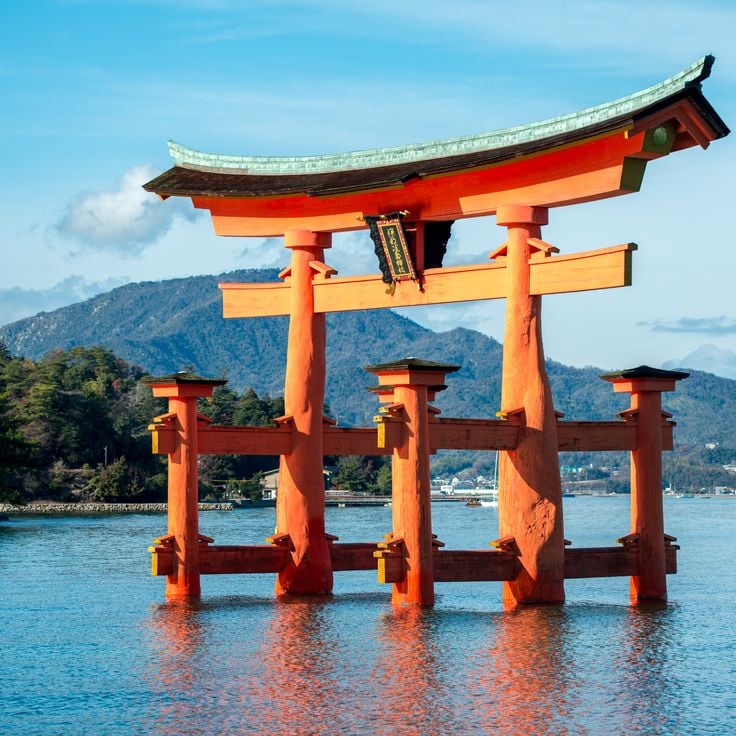
Itsukushima Shrine stands on the island of Miyajima and is one of the most recognized shrines in Japan. Its large red torii gate appears to float on the water at high tide. The wooden pavilions and corridors of the shrine also extend over the water, creating a different view at each tide. This shrine is a centerpiece of this collection exploring Chugoku's temples, castles, and coastal paths.
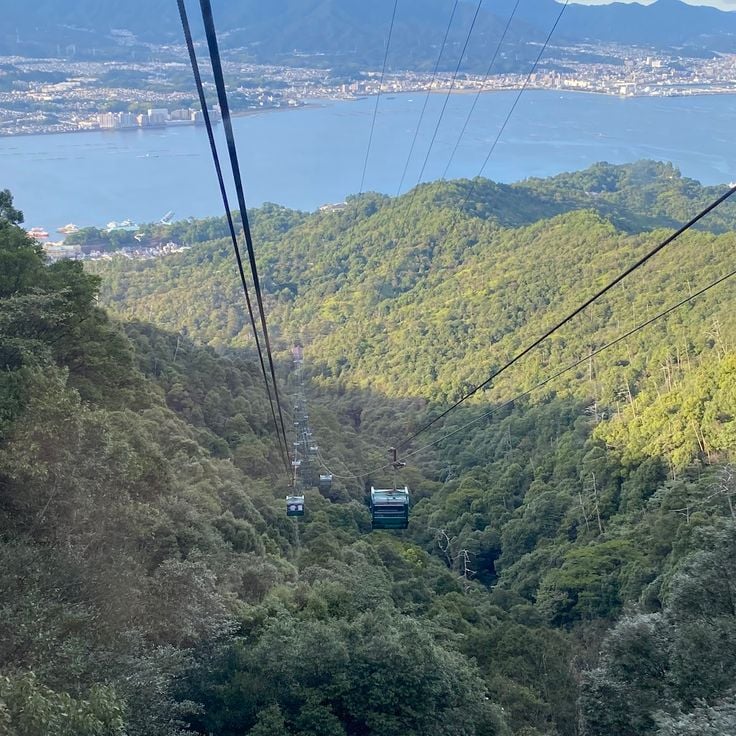
Mount Misen is the highest peak on Miyajima island and has been considered sacred for centuries. The path to the top passes through dense forest, past old temples and rocks that pilgrims have long venerated. From the summit, you look out over the Seto Inland Sea and the islands scattered around it.
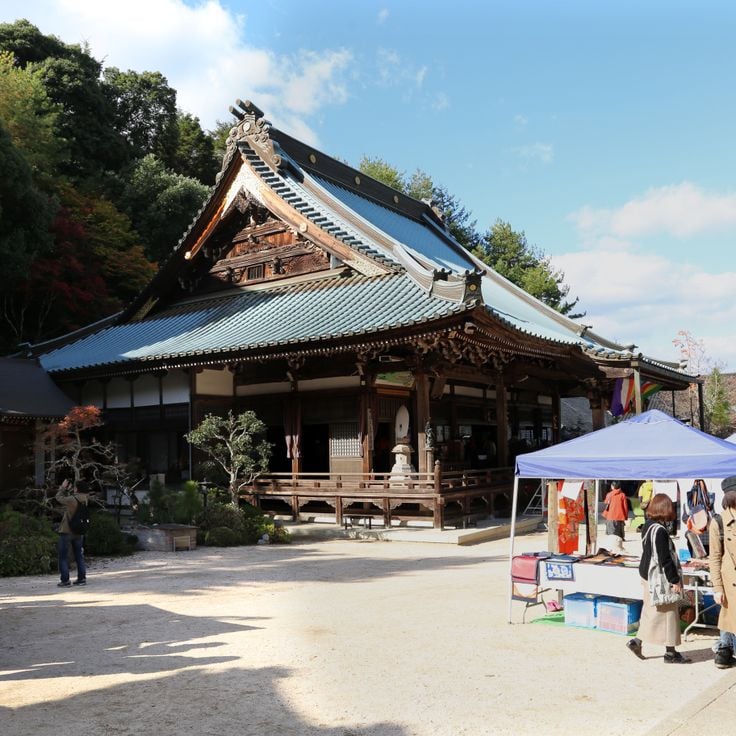
Daisho-in Temple sits on the slopes of Mount Misen on Miyajima island, a short walk from the busy ferry landing. The path up passes rows of small stone figures and spinning prayer wheels, and the temple grounds include several halls, cave shrines, and old stone lanterns. Fewer visitors come here compared to Itsukushima Shrine, so the pace is slower. In autumn, the trees around the temple turn red and orange.
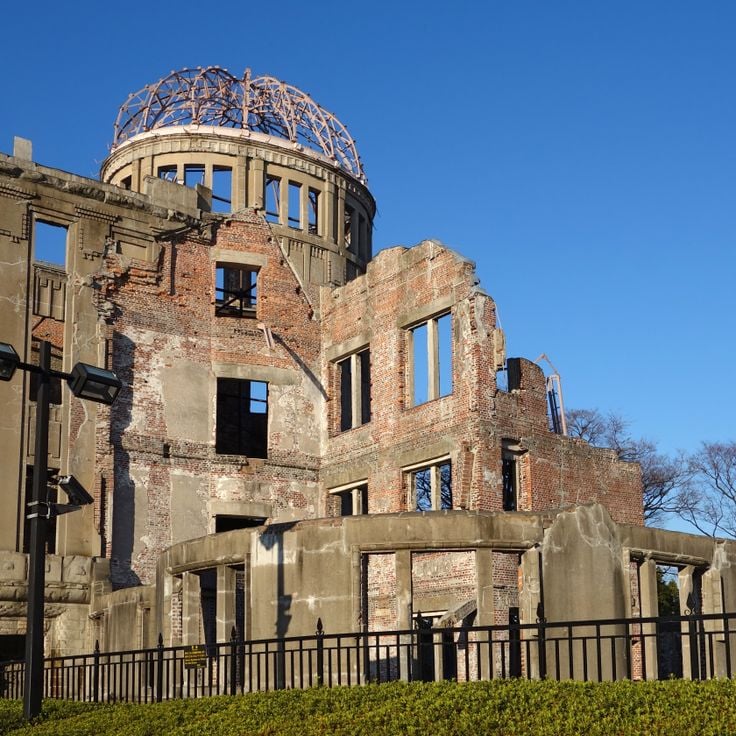
The Hiroshima Peace Memorial and Genbaku Dome stand at the center of Hiroshima as a direct reminder of the atomic bombing of August 1945. The dome is the only structure near the hypocenter that survived partially standing. It has been a UNESCO World Heritage site since 1996. Visitors walk through a park with monuments and an eternal flame, and many come to leave paper cranes as a gesture of hope. The nearby museum tells the story of the city and its people with honesty and care.
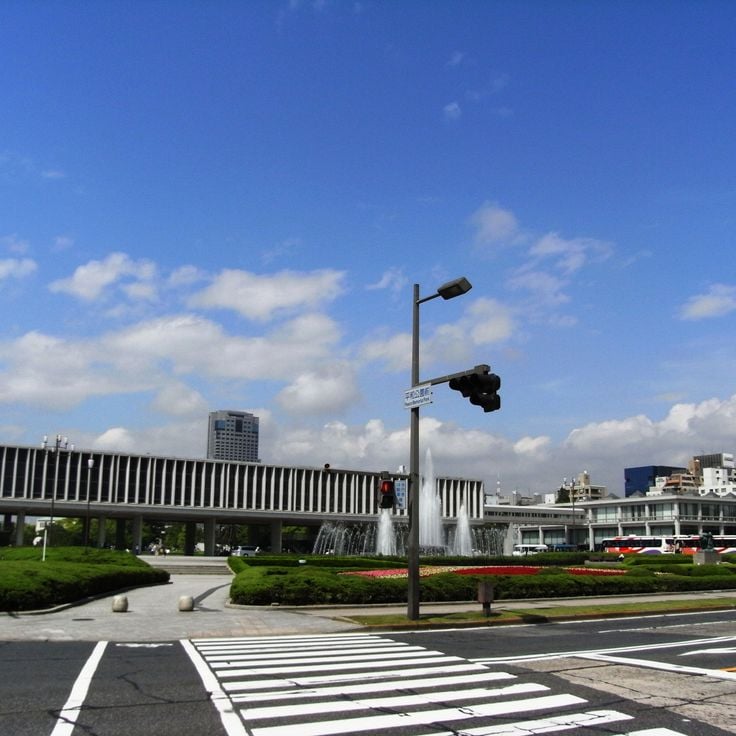
The Hiroshima Peace Memorial Museum tells the story of August 6, 1945, the day an atomic bomb was dropped on the city. The exhibits show personal belongings, photographs, and survivor accounts that bring the human reality of that day close to the visitor. Walking through its halls is one of the most sobering experiences in the Chugoku region.
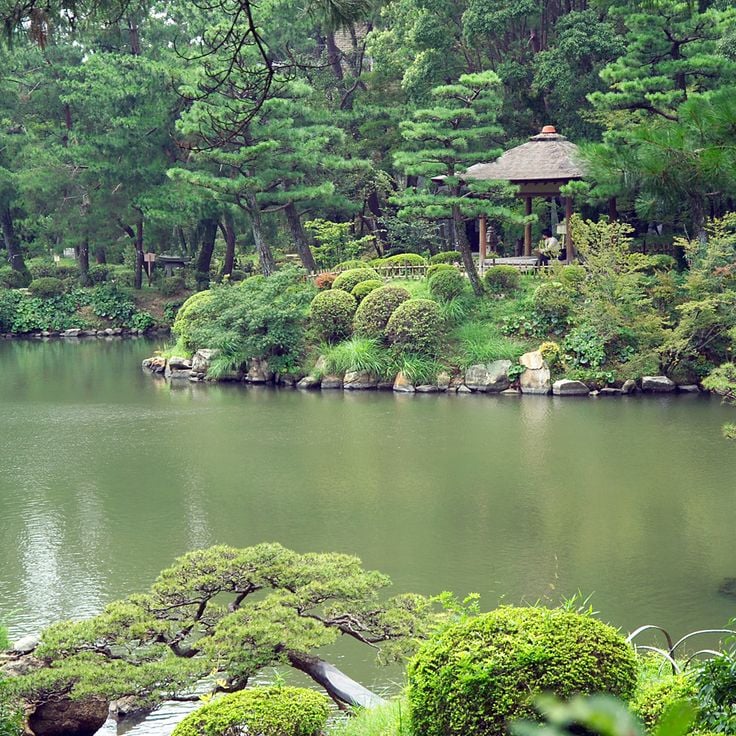
Shukkeien Garden sits in the heart of Hiroshima and is one of the oldest gardens in the region. Designed in the 17th century, it follows the classic style of Japanese landscape gardens, with a central pond, small bridges, and carefully placed stones. After the events of 1945, the garden was restored and has since become a place where city residents come to walk and rest. For visitors to Hiroshima, it offers a clear contrast to the modern city that surrounds it.
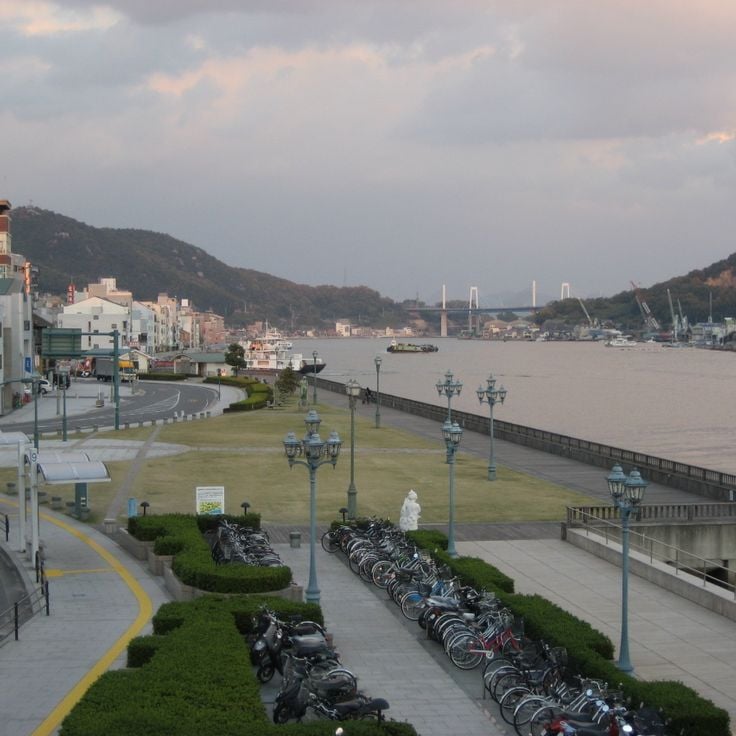
Onomichi is a small town in Hiroshima Prefecture, built along hillsides that face the Seto Inland Sea. Narrow streets wind between old wooden houses and temples, many of which sit high on the slopes with views over the water below. The town has a lived-in feel, with local cafes, small shops, and a slow daily pace that gives it a character unlike larger cities. It is also a starting point for cycling routes that cross the islands of the Seto Inland Sea.
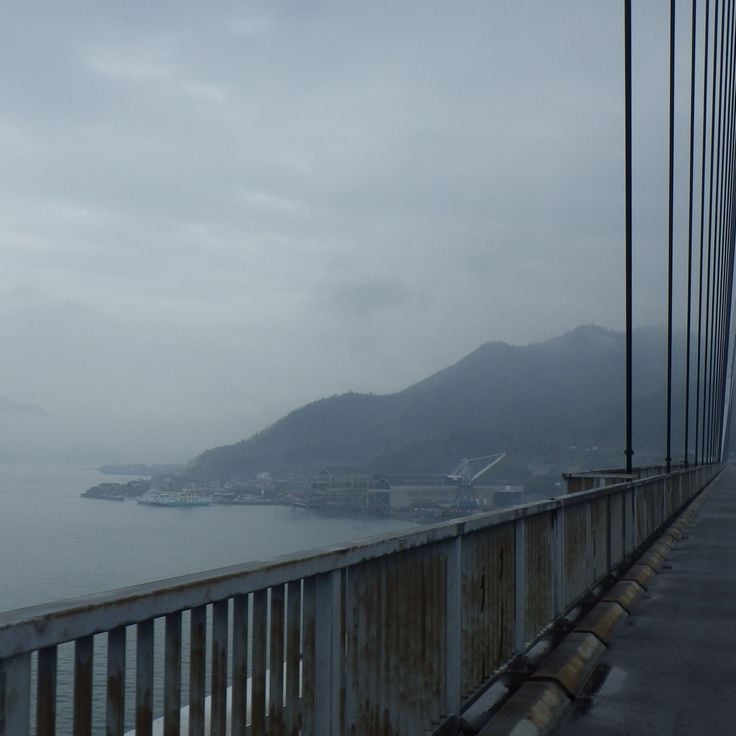
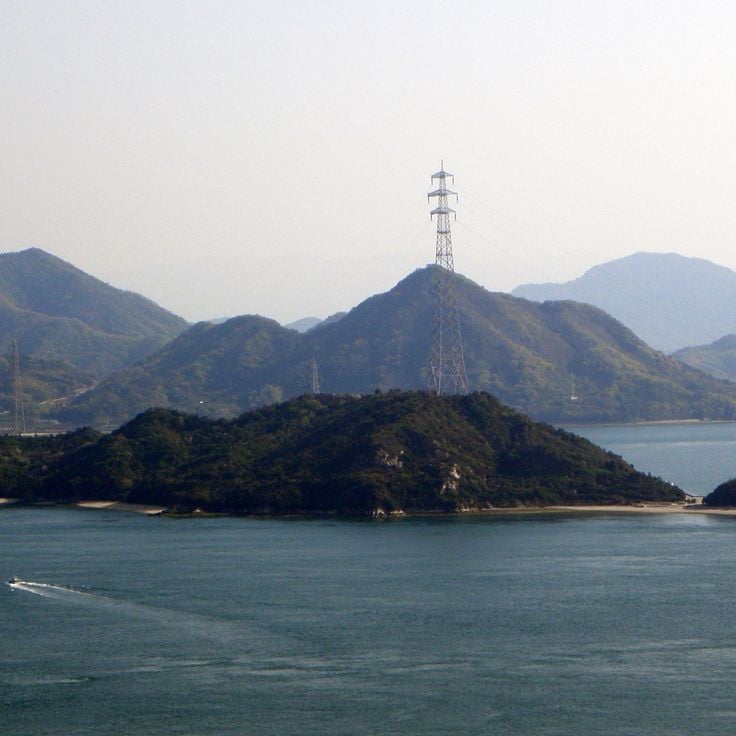
Shimanami Kaido is a cycling route that links Hiroshima to the island of Shikoku by passing through a chain of islands in the Seto Inland Sea. The path crosses a series of bridges above the water, offering views of fishing villages, wooded hills, and the open sea. Along the way, riders can stop at small ports and explore corners of the islands that most travelers never reach.
Okunoshima is a small island in the Seto Inland Sea where hundreds of tame rabbits roam freely. The animals approach visitors without fear, making a walk across the island a genuinely unusual experience. The island also carries a darker chapter from World War II, documented in a small museum on site.
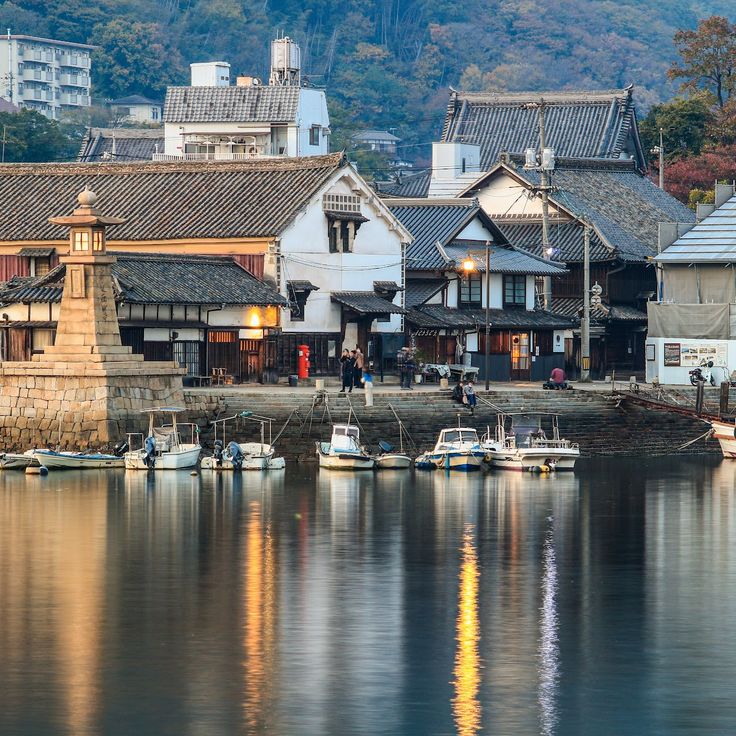
Tomonoura is a former port town on the coast of the Seto Inland Sea in Hiroshima Prefecture. Narrow lanes run past old storehouses and fishing boats, with views of the sea never far away. The town has kept much of its historical character, which sets it apart from many other coastal spots in Japan. Walking through Tomonoura feels like stepping into a place where time has moved slowly.
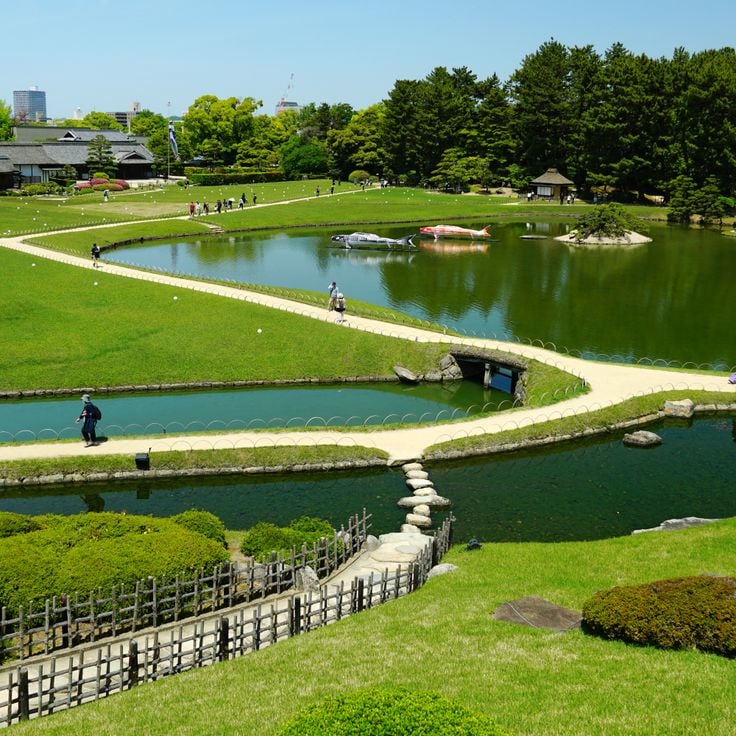
Korakuen Garden is one of three celebrated traditional landscape gardens in Japan. Located in the heart of Okayama, it invites visitors to walk through open lawns, ponds, tea fields, and small pavilions that reflect the garden design of the Edo period.
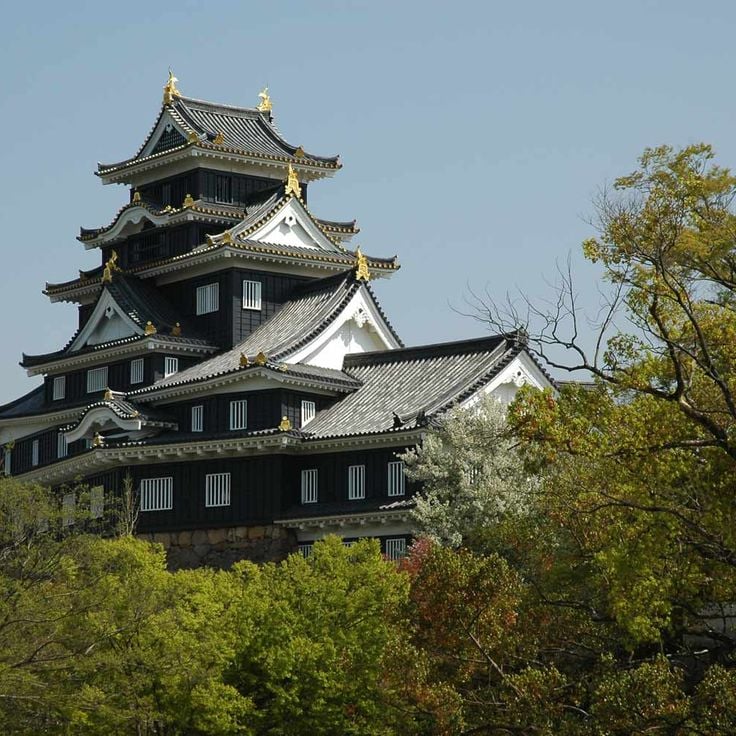
Okayama Castle stands on the bank of the Asahi River, its exterior covered in black lacquered wood panels that give it a dark and distinctive look. This is why locals have long called it the Crow Castle. The building visible today is a postwar reconstruction, but it reflects the original design closely. Just across the river sits Korakuen Garden, one of Japan's most celebrated traditional gardens, making the two easy to visit together.
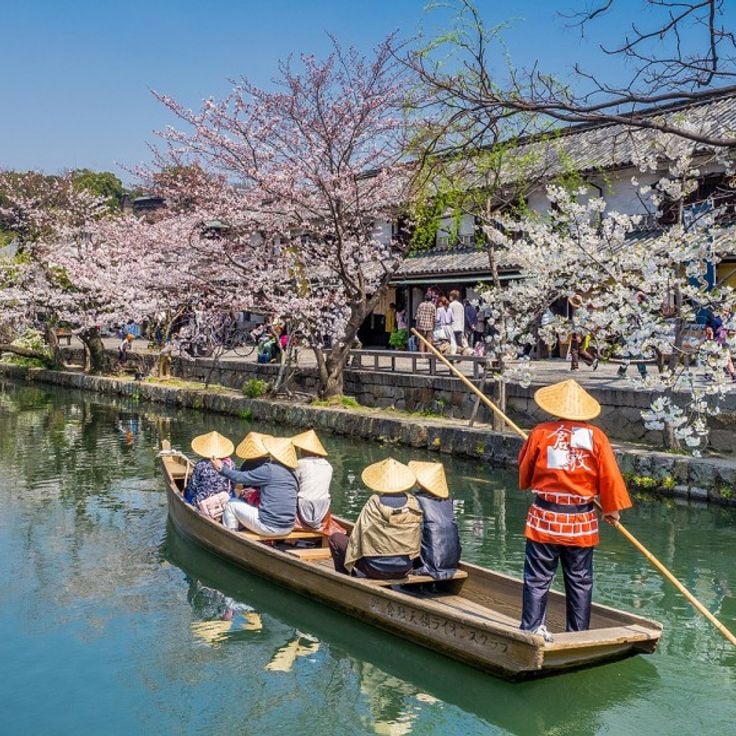
The Kurashiki Bikan Historical Quarter sits in the center of Okayama and gives a clear picture of what a Japanese merchant town looked like during the Edo period. White-walled storehouses line the canals, willow trees hang over the water, and flat-bottomed boats drift slowly past old wooden merchant houses. The area is now home to small galleries, cafes, and museums set inside the original buildings, making it easy to spend a half day walking its stone-paved lanes.
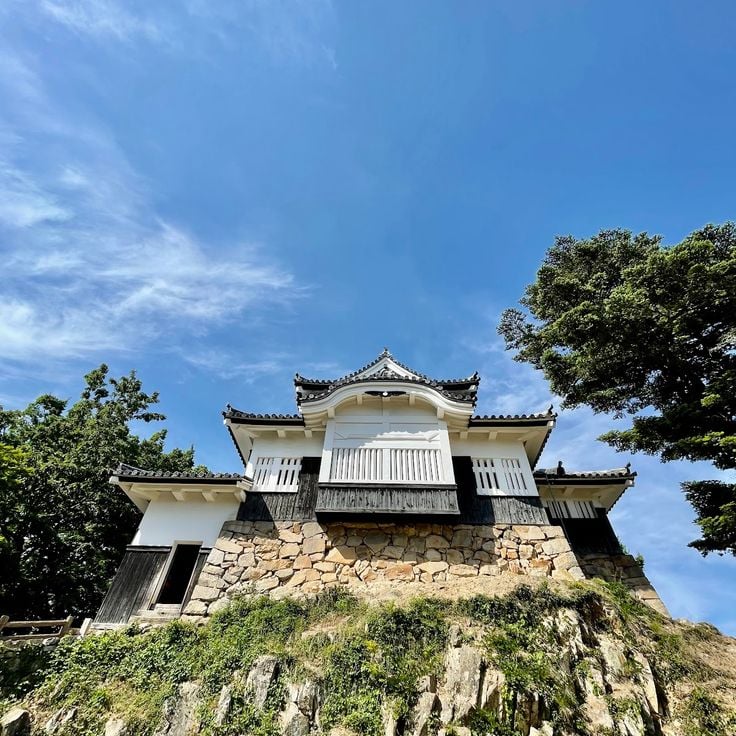
Bitchu Matsuyama Castle sits on a mountain peak near the town of Takahashi in Okayama Prefecture. It is one of the few castles in Japan where the original wooden keep still stands. Getting there means a walk through forest, and the path ends with a wide view over the surrounding mountains and valleys. The castle dates to the 13th century and feels like very little has changed since then.
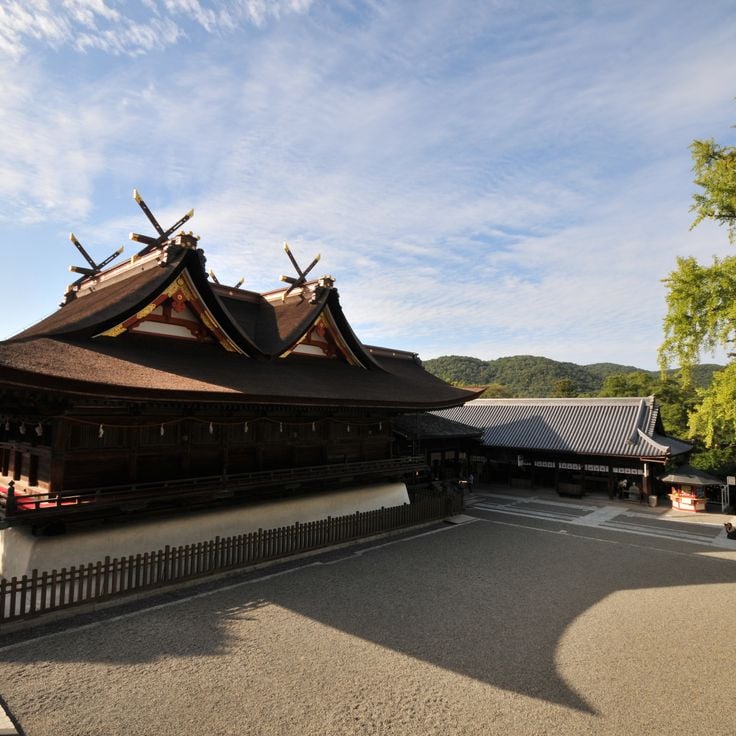
Kibitsu-jinja Shrine in Okayama is one of the oldest Shinto shrines in Japan and is tied to the legend of Momotaro, the folklore hero born from a peach. Its long covered corridor winding through the trees is one of the most recognizable features of the grounds, giving visitors a sense of stepping into an old story.
The Hiruzen Plateaus show a rural and mountainous side of Okayama Prefecture that most travelers never see. Open pastures, rolling hills, and wide mountain views give this area a calm, unhurried feel that contrasts with the better-known parts of the Chugoku region.
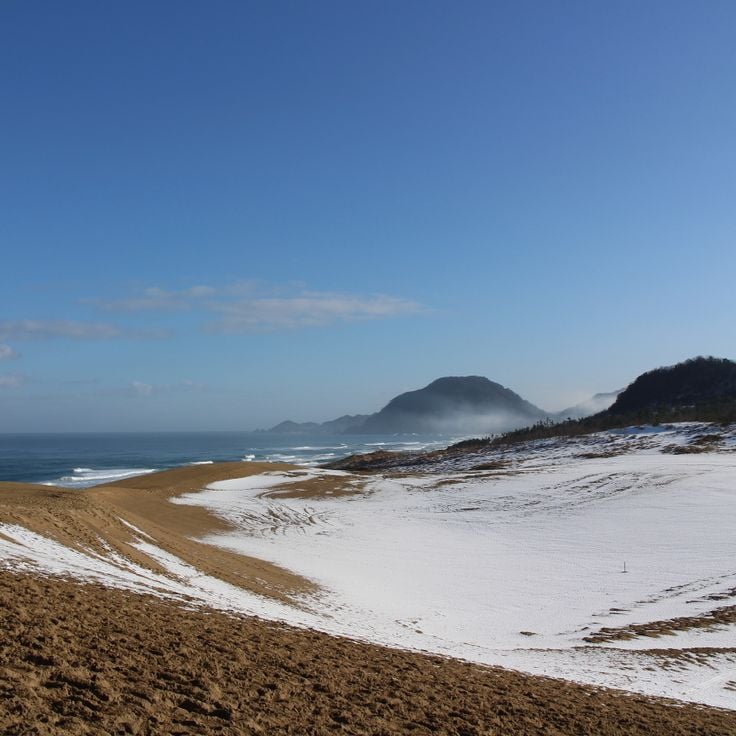
The Tottori Sand Dunes run along the Sea of Japan coast and offer a landscape that feels out of place in Japan. Wind shapes the dunes into rolling forms, leaving lines and ridges that shift from day to day. Visitors can walk across the sand, take camel rides, or climb to higher points for a wide view of the coast. This is one of the more surprising natural spots along the Chugoku region.
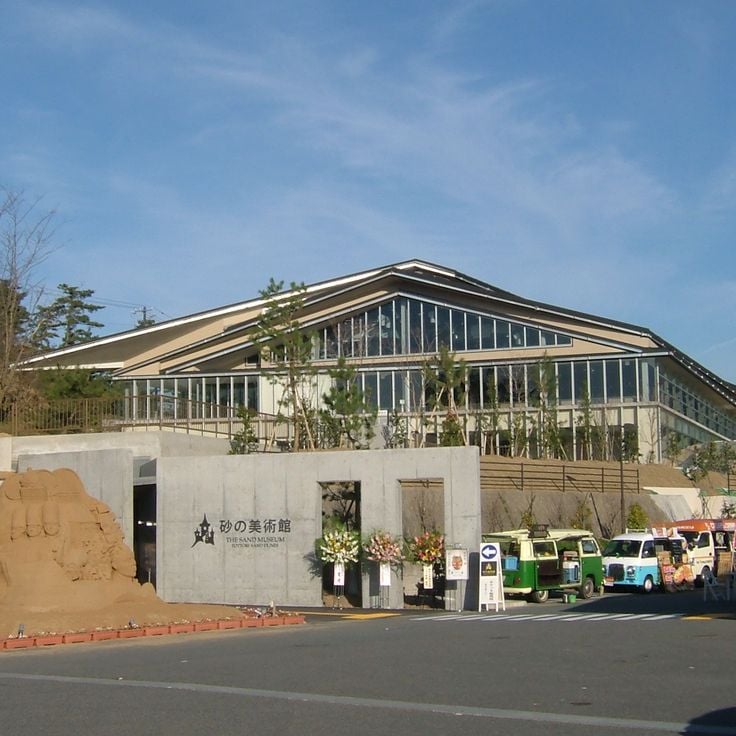
The Tottori Sand Museum sits close to the famous dunes and displays large sculptures carved entirely from sand. Each year, artists from around the world gather here to build works around a single theme, which changes annually. The sculptures are shown inside a covered building, so they are protected from rain and wind. A visit here pairs naturally with a walk through the dunes nearby.
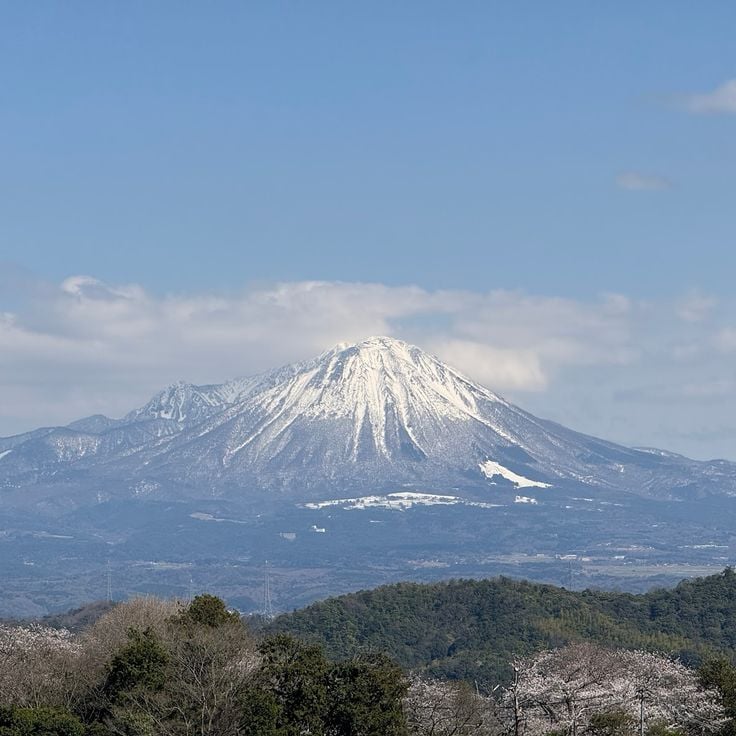
Mount Daisen is the highest peak in the Chugoku region and one of the most recognizable mountains in western Japan. Its rounded volcanic shape has often been compared to Mount Fuji. From its slopes, you can see across Tottori and toward the coast. Hikers come here to reach the summit and to visit the old temple grounds at the base, which have drawn pilgrims for centuries.
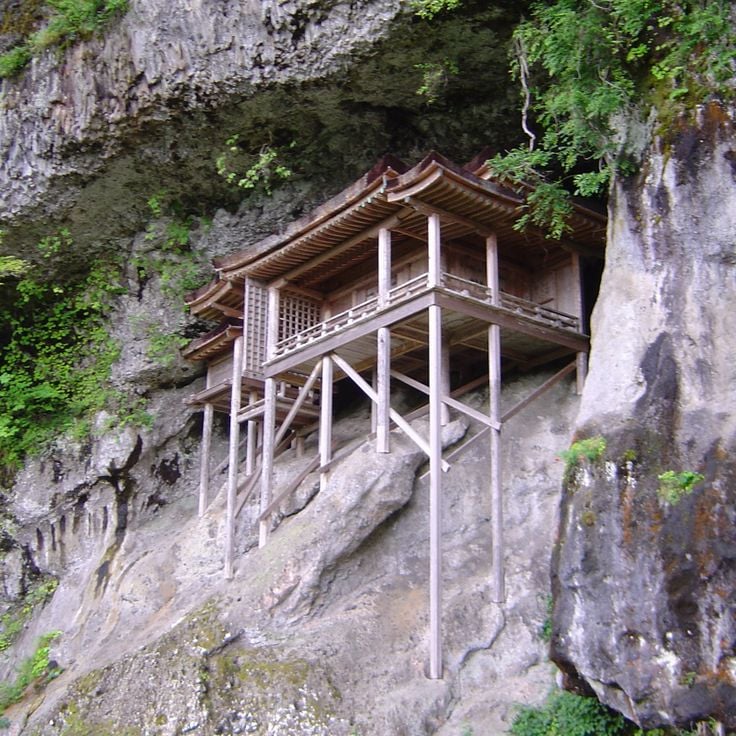
Sanbutsu-ji Temple sits on the slopes of Mount Mitoku in Tottori Prefecture and is known for its Nageiredo, a small hall built directly into a hollow in the cliff face. Reaching it requires following a steep forest trail with chains and bare rock underfoot. At the top, the hall appears to hang in mid-air against the cliff.
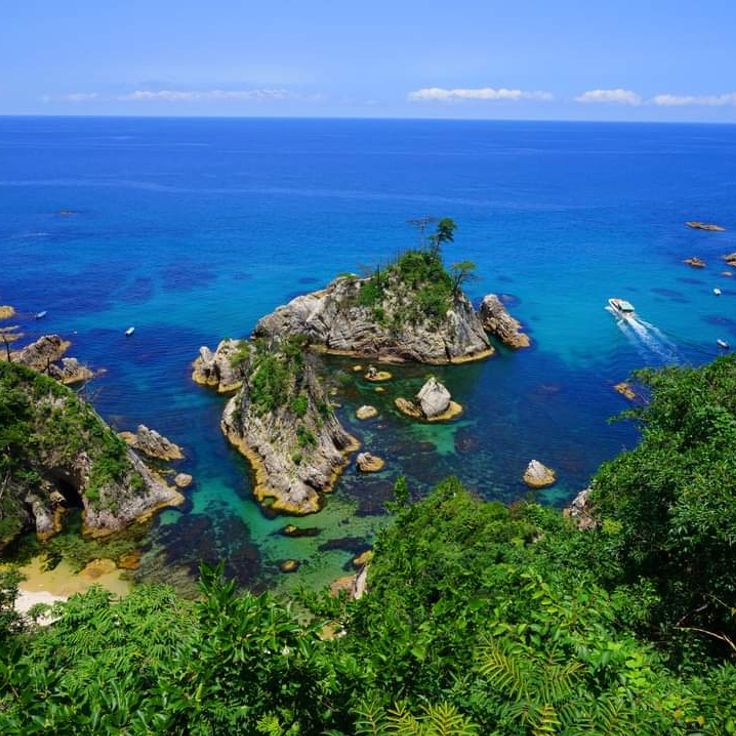
The Uradome Coast is a stretch of shoreline in Tottori Prefecture where tall cliffs drop into the sea, rock arches frame the water, and small sandy coves sit between rocky headlands. The water here is notably clear, with shades of blue and green that change through the day. You can explore by boat or walk the coastal trail, which follows the edge of the cliffs and opens up views across the Sea of Japan.
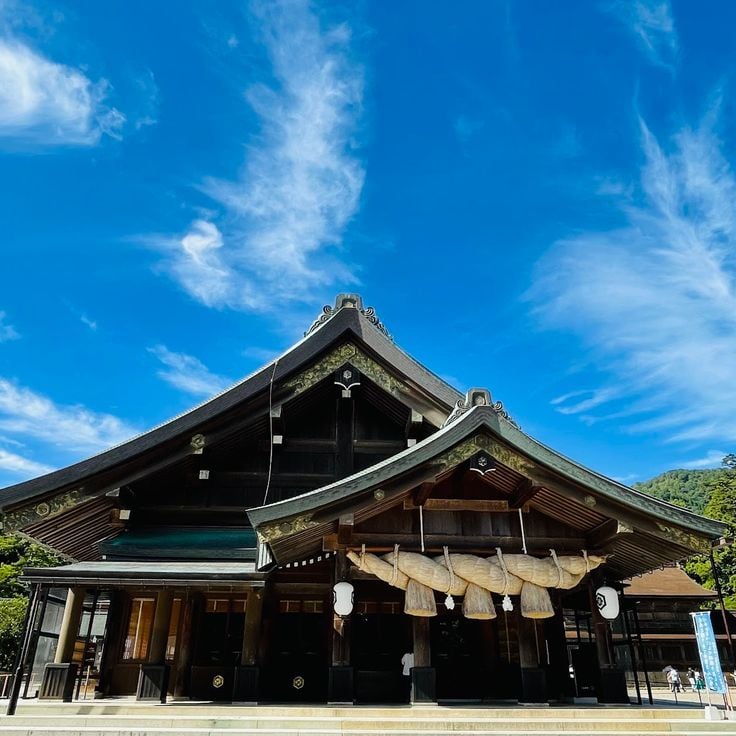
Izumo Taisha Shrine is one of the oldest Shinto shrines in Japan, and it holds a central place in the country's religious life. It is dedicated to the deity of love and marriage, and people travel from across Japan to pray here. The wooden buildings are built in an ancient style, and the thick rope hangings at the entrances are unlike anything found at other shrines.
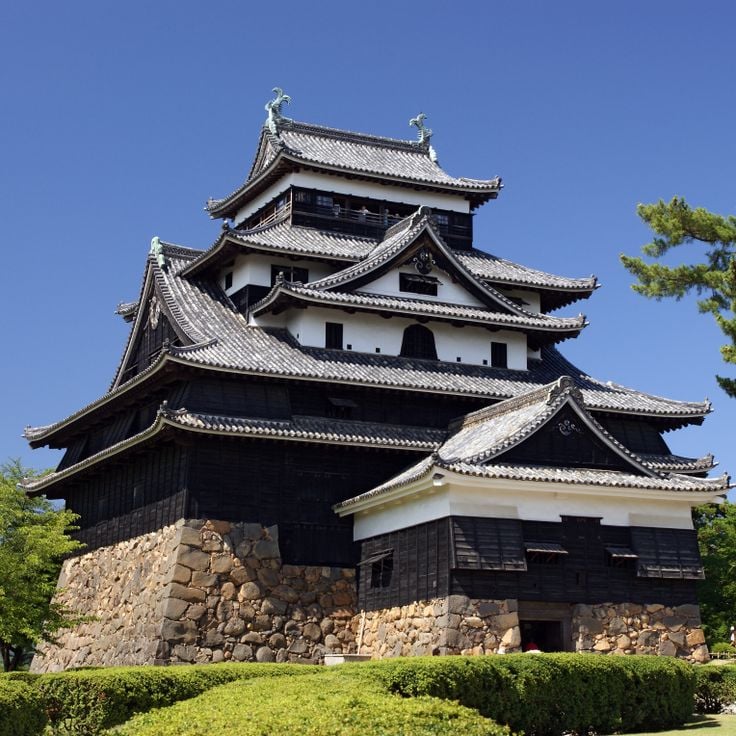
Matsue Castle is one of the few Japanese castles that still has its original keep tower from the feudal era. The dark wooden tower rises above the city of Matsue and Lake Shinji. Walking through it gives a real sense of how the castle was built to watch over the surrounding land and water.
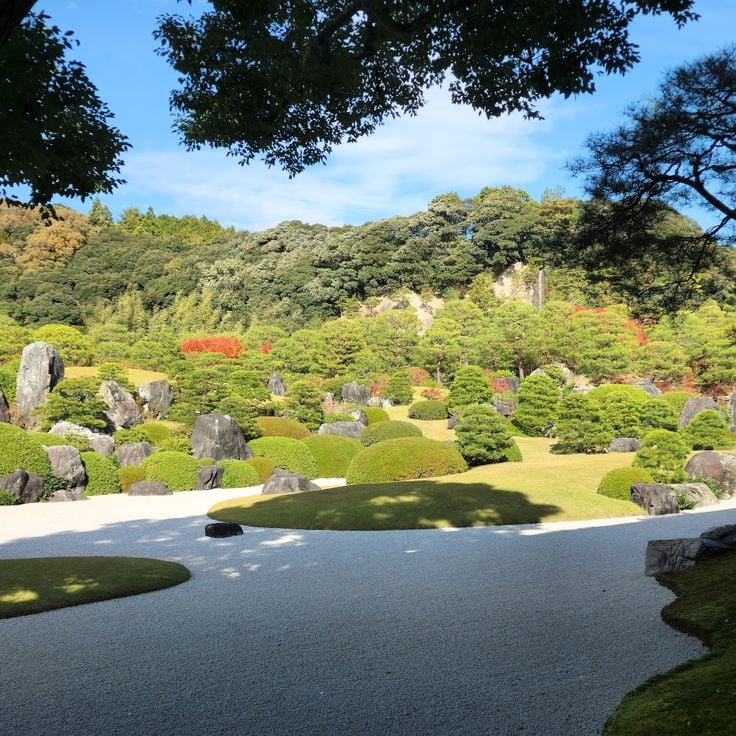
The Adachi Museum of Art in Shimane is known for its collection of Japanese paintings, but its garden is equally celebrated. Designed to be seen from inside the museum, the garden frames views through large windows like living paintings. The two elements, art and garden, are meant to be experienced together as one whole.
Iwami Ginzan Silver Mine in Shimane Prefecture was once one of the most productive silver mines in the world. During the 16th and 17th centuries, it supplied a large share of the silver traded globally. Today, visitors can walk through old tunnels, past mining villages, and along forested paths that connect the mine to the nearby coast. The site has been a UNESCO World Heritage Site since 2007.
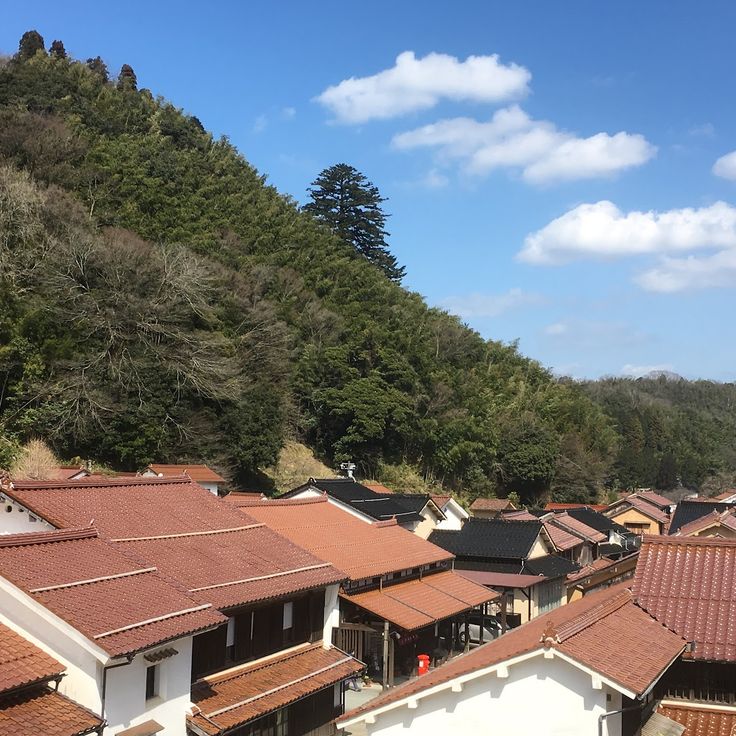
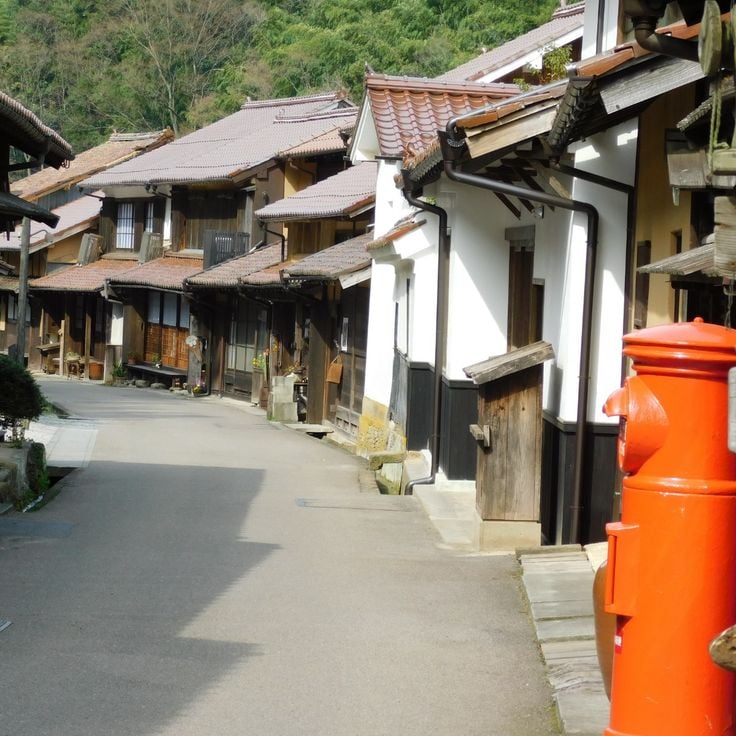
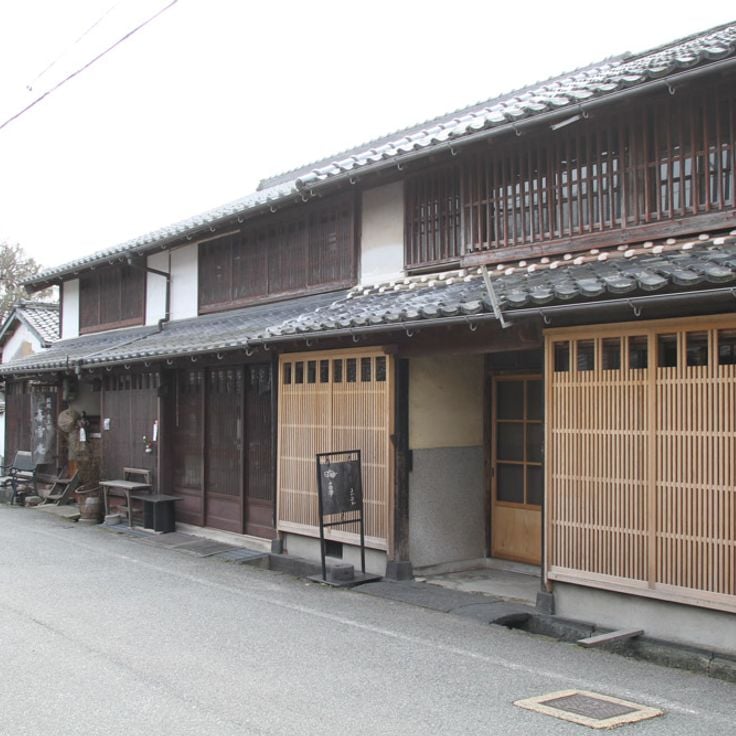
Omori is a small town in Shimane tied to the Iwami Ginzan silver mine. Old merchant and samurai houses line the main street, and the town moves at a slow pace that feels little changed from centuries past. Walking through it gives a clear sense of how people lived during the mining era.
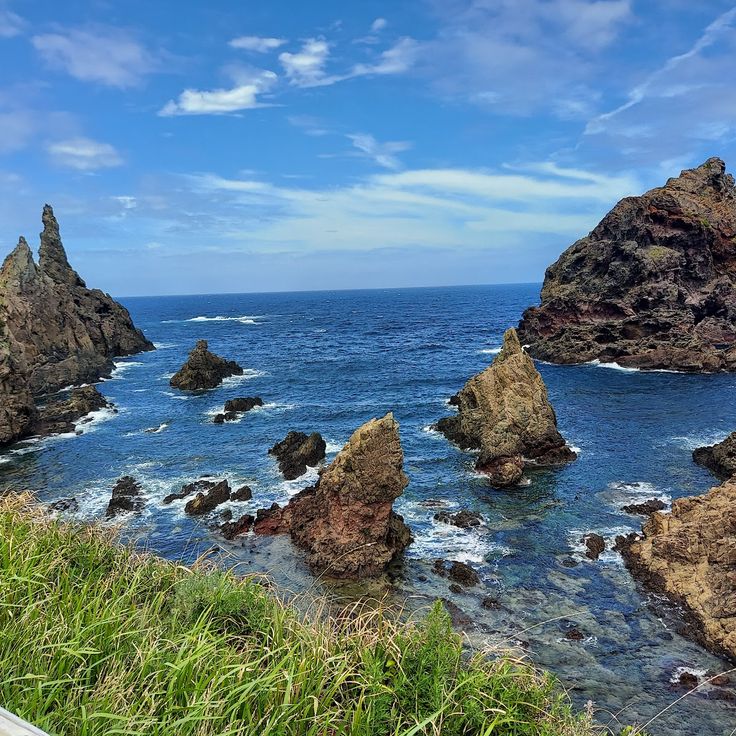
The Oki Islands sit off the coast of Shimane Prefecture, a remote archipelago shaped by volcanic rock, steep cliffs, and small fishing communities. Visitors come here to hike along coastal paths, paddle by sea caves, and experience a pace of life that feels far removed from mainland Japan.
Tsuwano is a small mountain town in Shimane that has kept much of its feudal character. Walking through its narrow streets, you pass old samurai houses, canals filled with carp, and a Shinto shrine set on a hill above the valley. The town is often compared to Kyoto for its historical feel, though it remains far less visited.
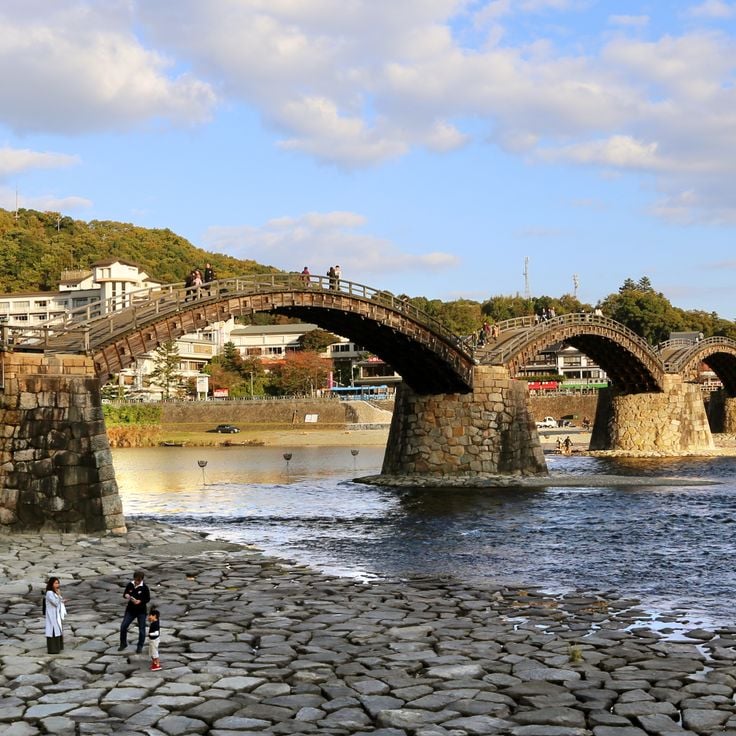
Kintaikyo Bridge crosses the Nishiki River in Iwakuni on five wooden arches built using a technique passed down for centuries. In spring, cherry trees along the banks frame the view, making this one of the most visited spots in the region.
Hagi Castle Town sits in Yamaguchi Prefecture and is one of the old samurai towns in western Japan where the streets and houses have changed little over the centuries. Walking through it, you pass clay walls, wooden gates, and residences that once belonged to samurai families. The town is also the home of Hagi-yaki, a style of ceramic pottery with a long local history that is still practiced today.
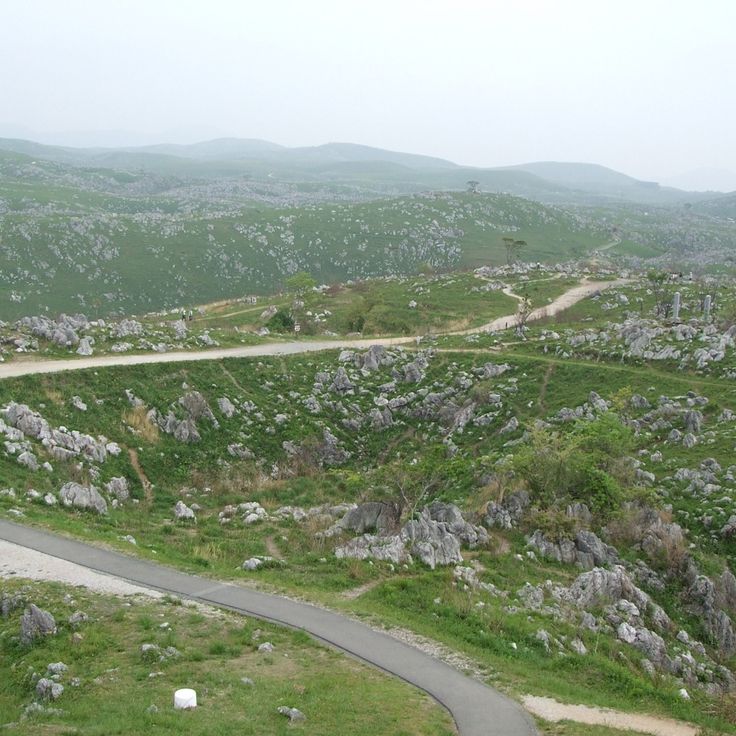
Akiyoshidai is a large karst plateau in Yamaguchi Prefecture, where hundreds of limestone rocks jut out from the grass across rolling hills. The surface feels open and spare, almost bare, with a sky that seems wide above it. Beneath the plateau, caves wind through the rock, and visitors can walk down into them while staying on easy paths along the top.
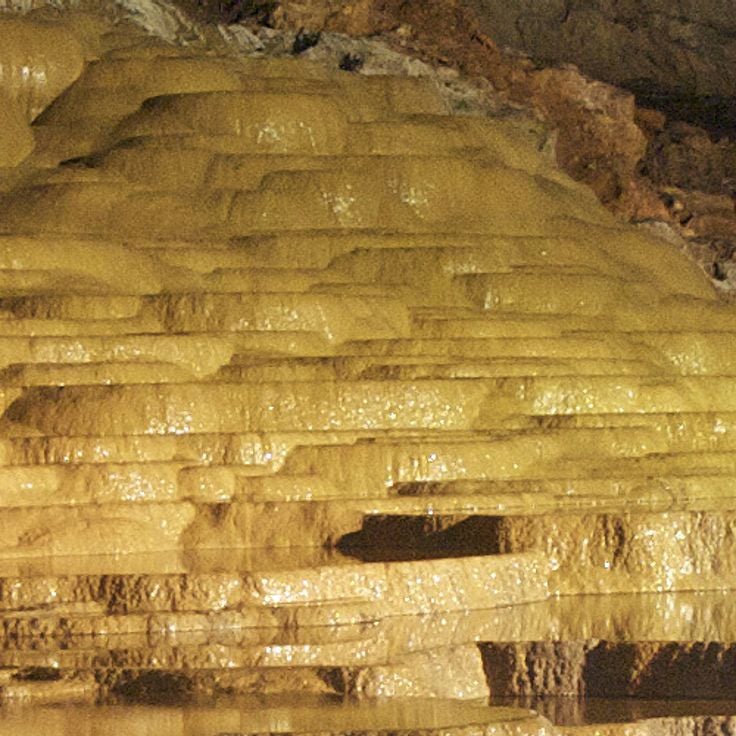
Akiyoshido Cave sits beneath the Akiyoshidai plateau in Yamaguchi Prefecture and is one of the largest limestone caves in Japan. Inside, a river runs through wide chambers, and stalactites hang from the ceiling while stalagmites rise from the floor. A lit path guides visitors through the cave, letting you see the rock formations up close.
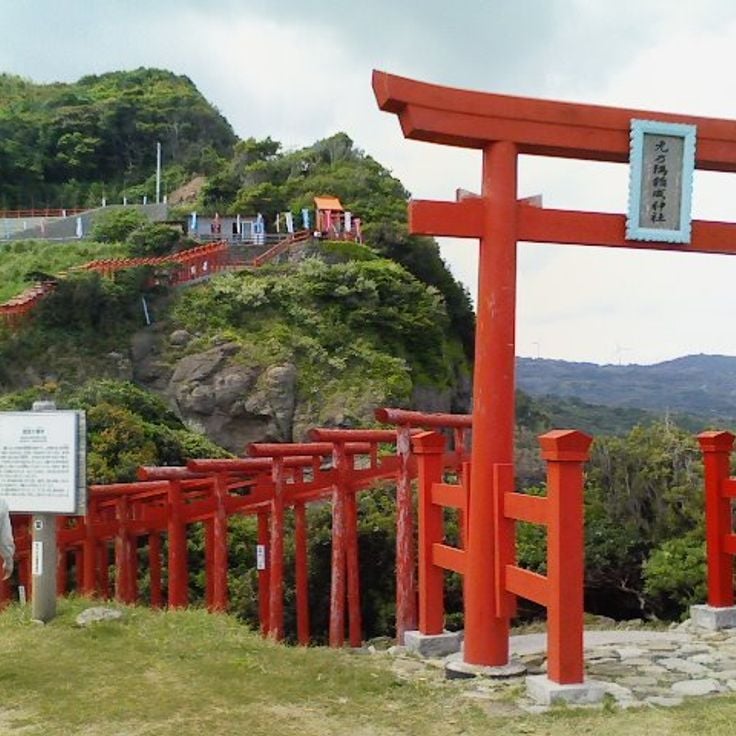
Motonosumi Inari Shrine sits along the coast of Yamaguchi and is known for a long row of red torii gates that lead down a steep hillside toward the cliffs above the Sea of Japan. The gates follow a narrow path that ends right at the water's edge. At the far end, an offering box sits high on top of one of the gates, making it a small challenge to toss a coin inside. The spot draws visitors who come for the combination of red gates, green slopes, and open sea views.
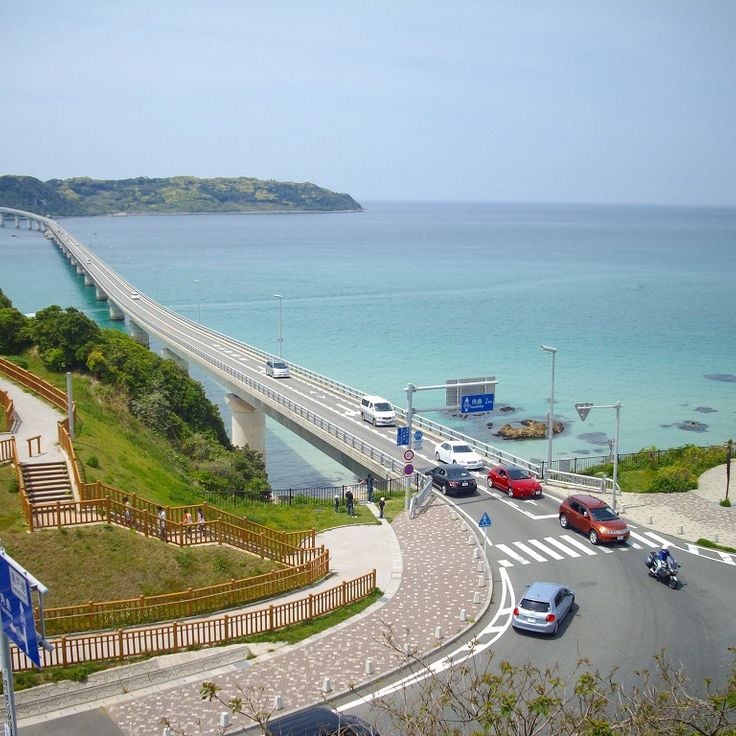
Tsunoshima Bridge connects the mainland to the small island of Tsunoshima in western Japan. It runs over shallow, blue-green water and gives an open view of the sea in every direction as you cross. Walking or driving across it feels like moving just above the surface of the water, with little else around you.
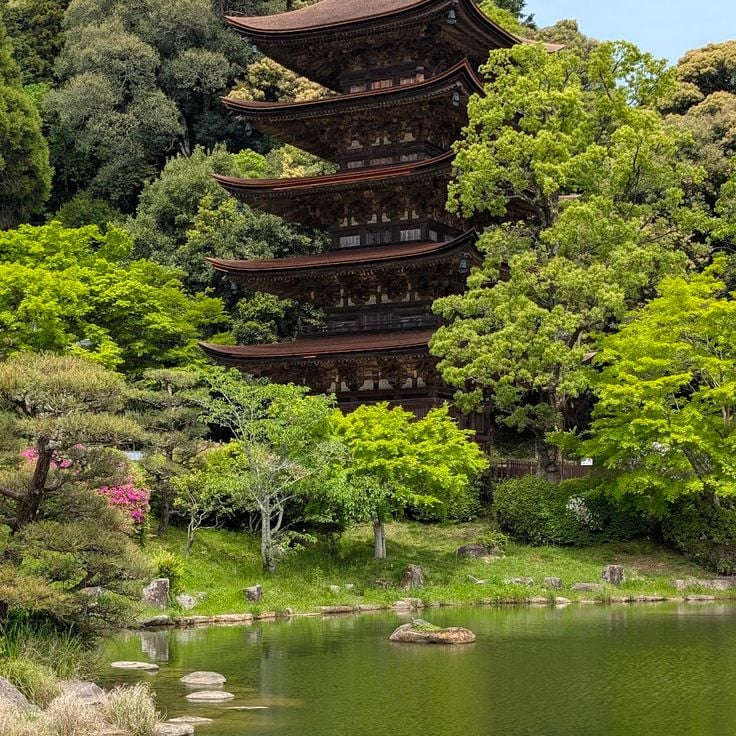
Ruriko-ji Temple is a Buddhist temple in Yamaguchi, best known for its five-story pagoda built in the 15th century. The pagoda is one of the finest surviving examples of its kind in Japan and stands at the center of a garden with old trees and stone paths. Walking through the grounds gives a clear sense of how religious architecture and nature come together in Japanese temple design.
Itsukushima Shrine stands on the island of Miyajima and is one of the most recognized shrines in Japan. Its large red torii gate appears to float on the water at high tide. The wooden pavilions and corridors of the shrine also extend over the water, creating a different view at each tide. This shrine is a centerpiece of this collection exploring Chugoku's temples, castles, and coastal paths.
Mount Misen is the highest peak on Miyajima island and has been considered sacred for centuries. The path to the top passes through dense forest, past old temples and rocks that pilgrims have long venerated. From the summit, you look out over the Seto Inland Sea and the islands scattered around it.
Daisho-in Temple sits on the slopes of Mount Misen on Miyajima island, a short walk from the busy ferry landing. The path up passes rows of small stone figures and spinning prayer wheels, and the temple grounds include several halls, cave shrines, and old stone lanterns. Fewer visitors come here compared to Itsukushima Shrine, so the pace is slower. In autumn, the trees around the temple turn red and orange.
The Hiroshima Peace Memorial and Genbaku Dome stand at the center of Hiroshima as a direct reminder of the atomic bombing of August 1945. The dome is the only structure near the hypocenter that survived partially standing. It has been a UNESCO World Heritage site since 1996. Visitors walk through a park with monuments and an eternal flame, and many come to leave paper cranes as a gesture of hope. The nearby museum tells the story of the city and its people with honesty and care.
The Hiroshima Peace Memorial Museum tells the story of August 6, 1945, the day an atomic bomb was dropped on the city. The exhibits show personal belongings, photographs, and survivor accounts that bring the human reality of that day close to the visitor. Walking through its halls is one of the most sobering experiences in the Chugoku region.
Shukkeien Garden sits in the heart of Hiroshima and is one of the oldest gardens in the region. Designed in the 17th century, it follows the classic style of Japanese landscape gardens, with a central pond, small bridges, and carefully placed stones. After the events of 1945, the garden was restored and has since become a place where city residents come to walk and rest. For visitors to Hiroshima, it offers a clear contrast to the modern city that surrounds it.
Onomichi is a small town in Hiroshima Prefecture, built along hillsides that face the Seto Inland Sea. Narrow streets wind between old wooden houses and temples, many of which sit high on the slopes with views over the water below. The town has a lived-in feel, with local cafes, small shops, and a slow daily pace that gives it a character unlike larger cities. It is also a starting point for cycling routes that cross the islands of the Seto Inland Sea.
Shimanami Kaido is a cycling route that links Hiroshima to the island of Shikoku by passing through a chain of islands in the Seto Inland Sea. The path crosses a series of bridges above the water, offering views of fishing villages, wooded hills, and the open sea. Along the way, riders can stop at small ports and explore corners of the islands that most travelers never reach.
Okunoshima is a small island in the Seto Inland Sea where hundreds of tame rabbits roam freely. The animals approach visitors without fear, making a walk across the island a genuinely unusual experience. The island also carries a darker chapter from World War II, documented in a small museum on site.
Tomonoura is a former port town on the coast of the Seto Inland Sea in Hiroshima Prefecture. Narrow lanes run past old storehouses and fishing boats, with views of the sea never far away. The town has kept much of its historical character, which sets it apart from many other coastal spots in Japan. Walking through Tomonoura feels like stepping into a place where time has moved slowly.
Korakuen Garden is one of three celebrated traditional landscape gardens in Japan. Located in the heart of Okayama, it invites visitors to walk through open lawns, ponds, tea fields, and small pavilions that reflect the garden design of the Edo period.
Okayama Castle stands on the bank of the Asahi River, its exterior covered in black lacquered wood panels that give it a dark and distinctive look. This is why locals have long called it the Crow Castle. The building visible today is a postwar reconstruction, but it reflects the original design closely. Just across the river sits Korakuen Garden, one of Japan's most celebrated traditional gardens, making the two easy to visit together.
The Kurashiki Bikan Historical Quarter sits in the center of Okayama and gives a clear picture of what a Japanese merchant town looked like during the Edo period. White-walled storehouses line the canals, willow trees hang over the water, and flat-bottomed boats drift slowly past old wooden merchant houses. The area is now home to small galleries, cafes, and museums set inside the original buildings, making it easy to spend a half day walking its stone-paved lanes.
Bitchu Matsuyama Castle sits on a mountain peak near the town of Takahashi in Okayama Prefecture. It is one of the few castles in Japan where the original wooden keep still stands. Getting there means a walk through forest, and the path ends with a wide view over the surrounding mountains and valleys. The castle dates to the 13th century and feels like very little has changed since then.
Kibitsu-jinja Shrine in Okayama is one of the oldest Shinto shrines in Japan and is tied to the legend of Momotaro, the folklore hero born from a peach. Its long covered corridor winding through the trees is one of the most recognizable features of the grounds, giving visitors a sense of stepping into an old story.
The Hiruzen Plateaus show a rural and mountainous side of Okayama Prefecture that most travelers never see. Open pastures, rolling hills, and wide mountain views give this area a calm, unhurried feel that contrasts with the better-known parts of the Chugoku region.
The Tottori Sand Dunes run along the Sea of Japan coast and offer a landscape that feels out of place in Japan. Wind shapes the dunes into rolling forms, leaving lines and ridges that shift from day to day. Visitors can walk across the sand, take camel rides, or climb to higher points for a wide view of the coast. This is one of the more surprising natural spots along the Chugoku region.
The Tottori Sand Museum sits close to the famous dunes and displays large sculptures carved entirely from sand. Each year, artists from around the world gather here to build works around a single theme, which changes annually. The sculptures are shown inside a covered building, so they are protected from rain and wind. A visit here pairs naturally with a walk through the dunes nearby.
Mount Daisen is the highest peak in the Chugoku region and one of the most recognizable mountains in western Japan. Its rounded volcanic shape has often been compared to Mount Fuji. From its slopes, you can see across Tottori and toward the coast. Hikers come here to reach the summit and to visit the old temple grounds at the base, which have drawn pilgrims for centuries.
Sanbutsu-ji Temple sits on the slopes of Mount Mitoku in Tottori Prefecture and is known for its Nageiredo, a small hall built directly into a hollow in the cliff face. Reaching it requires following a steep forest trail with chains and bare rock underfoot. At the top, the hall appears to hang in mid-air against the cliff.
The Uradome Coast is a stretch of shoreline in Tottori Prefecture where tall cliffs drop into the sea, rock arches frame the water, and small sandy coves sit between rocky headlands. The water here is notably clear, with shades of blue and green that change through the day. You can explore by boat or walk the coastal trail, which follows the edge of the cliffs and opens up views across the Sea of Japan.
Izumo Taisha Shrine is one of the oldest Shinto shrines in Japan, and it holds a central place in the country's religious life. It is dedicated to the deity of love and marriage, and people travel from across Japan to pray here. The wooden buildings are built in an ancient style, and the thick rope hangings at the entrances are unlike anything found at other shrines.
Matsue Castle is one of the few Japanese castles that still has its original keep tower from the feudal era. The dark wooden tower rises above the city of Matsue and Lake Shinji. Walking through it gives a real sense of how the castle was built to watch over the surrounding land and water.
The Adachi Museum of Art in Shimane is known for its collection of Japanese paintings, but its garden is equally celebrated. Designed to be seen from inside the museum, the garden frames views through large windows like living paintings. The two elements, art and garden, are meant to be experienced together as one whole.
Iwami Ginzan Silver Mine in Shimane Prefecture was once one of the most productive silver mines in the world. During the 16th and 17th centuries, it supplied a large share of the silver traded globally. Today, visitors can walk through old tunnels, past mining villages, and along forested paths that connect the mine to the nearby coast. The site has been a UNESCO World Heritage Site since 2007.
Omori is a small town in Shimane tied to the Iwami Ginzan silver mine. Old merchant and samurai houses line the main street, and the town moves at a slow pace that feels little changed from centuries past. Walking through it gives a clear sense of how people lived during the mining era.
The Oki Islands sit off the coast of Shimane Prefecture, a remote archipelago shaped by volcanic rock, steep cliffs, and small fishing communities. Visitors come here to hike along coastal paths, paddle by sea caves, and experience a pace of life that feels far removed from mainland Japan.
Tsuwano is a small mountain town in Shimane that has kept much of its feudal character. Walking through its narrow streets, you pass old samurai houses, canals filled with carp, and a Shinto shrine set on a hill above the valley. The town is often compared to Kyoto for its historical feel, though it remains far less visited.
Kintaikyo Bridge crosses the Nishiki River in Iwakuni on five wooden arches built using a technique passed down for centuries. In spring, cherry trees along the banks frame the view, making this one of the most visited spots in the region.
Hagi Castle Town sits in Yamaguchi Prefecture and is one of the old samurai towns in western Japan where the streets and houses have changed little over the centuries. Walking through it, you pass clay walls, wooden gates, and residences that once belonged to samurai families. The town is also the home of Hagi-yaki, a style of ceramic pottery with a long local history that is still practiced today.
Akiyoshidai is a large karst plateau in Yamaguchi Prefecture, where hundreds of limestone rocks jut out from the grass across rolling hills. The surface feels open and spare, almost bare, with a sky that seems wide above it. Beneath the plateau, caves wind through the rock, and visitors can walk down into them while staying on easy paths along the top.
Akiyoshido Cave sits beneath the Akiyoshidai plateau in Yamaguchi Prefecture and is one of the largest limestone caves in Japan. Inside, a river runs through wide chambers, and stalactites hang from the ceiling while stalagmites rise from the floor. A lit path guides visitors through the cave, letting you see the rock formations up close.
Motonosumi Inari Shrine sits along the coast of Yamaguchi and is known for a long row of red torii gates that lead down a steep hillside toward the cliffs above the Sea of Japan. The gates follow a narrow path that ends right at the water's edge. At the far end, an offering box sits high on top of one of the gates, making it a small challenge to toss a coin inside. The spot draws visitors who come for the combination of red gates, green slopes, and open sea views.
Tsunoshima Bridge connects the mainland to the small island of Tsunoshima in western Japan. It runs over shallow, blue-green water and gives an open view of the sea in every direction as you cross. Walking or driving across it feels like moving just above the surface of the water, with little else around you.
Ruriko-ji Temple is a Buddhist temple in Yamaguchi, best known for its five-story pagoda built in the 15th century. The pagoda is one of the finest surviving examples of its kind in Japan and stands at the center of a garden with old trees and stone paths. Walking through the grounds gives a clear sense of how religious architecture and nature come together in Japanese temple design.
Itsukushima Shrine stands on the island of Miyajima and is one of the most recognized shrines in Japan. Its large red torii gate appears to float on the water at high tide. The wooden pavilions and corridors of the shrine also extend over the water, creating a different view at each tide. This shrine is a centerpiece of this collection exploring Chugoku's temples, castles, and coastal paths.
Mount Misen is the highest peak on Miyajima island and has been considered sacred for centuries. The path to the top passes through dense forest, past old temples and rocks that pilgrims have long venerated. From the summit, you look out over the Seto Inland Sea and the islands scattered around it.
Daisho-in Temple sits on the slopes of Mount Misen on Miyajima island, a short walk from the busy ferry landing. The path up passes rows of small stone figures and spinning prayer wheels, and the temple grounds include several halls, cave shrines, and old stone lanterns. Fewer visitors come here compared to Itsukushima Shrine, so the pace is slower. In autumn, the trees around the temple turn red and orange.
The Hiroshima Peace Memorial and Genbaku Dome stand at the center of Hiroshima as a direct reminder of the atomic bombing of August 1945. The dome is the only structure near the hypocenter that survived partially standing. It has been a UNESCO World Heritage site since 1996. Visitors walk through a park with monuments and an eternal flame, and many come to leave paper cranes as a gesture of hope. The nearby museum tells the story of the city and its people with honesty and care.
The Hiroshima Peace Memorial Museum tells the story of August 6, 1945, the day an atomic bomb was dropped on the city. The exhibits show personal belongings, photographs, and survivor accounts that bring the human reality of that day close to the visitor. Walking through its halls is one of the most sobering experiences in the Chugoku region.
Shukkeien Garden sits in the heart of Hiroshima and is one of the oldest gardens in the region. Designed in the 17th century, it follows the classic style of Japanese landscape gardens, with a central pond, small bridges, and carefully placed stones. After the events of 1945, the garden was restored and has since become a place where city residents come to walk and rest. For visitors to Hiroshima, it offers a clear contrast to the modern city that surrounds it.
Onomichi is a small town in Hiroshima Prefecture, built along hillsides that face the Seto Inland Sea. Narrow streets wind between old wooden houses and temples, many of which sit high on the slopes with views over the water below. The town has a lived-in feel, with local cafes, small shops, and a slow daily pace that gives it a character unlike larger cities. It is also a starting point for cycling routes that cross the islands of the Seto Inland Sea.
Shimanami Kaido is a cycling route that links Hiroshima to the island of Shikoku by passing through a chain of islands in the Seto Inland Sea. The path crosses a series of bridges above the water, offering views of fishing villages, wooded hills, and the open sea. Along the way, riders can stop at small ports and explore corners of the islands that most travelers never reach.
Okunoshima is a small island in the Seto Inland Sea where hundreds of tame rabbits roam freely. The animals approach visitors without fear, making a walk across the island a genuinely unusual experience. The island also carries a darker chapter from World War II, documented in a small museum on site.
Tomonoura is a former port town on the coast of the Seto Inland Sea in Hiroshima Prefecture. Narrow lanes run past old storehouses and fishing boats, with views of the sea never far away. The town has kept much of its historical character, which sets it apart from many other coastal spots in Japan. Walking through Tomonoura feels like stepping into a place where time has moved slowly.
Korakuen Garden is one of three celebrated traditional landscape gardens in Japan. Located in the heart of Okayama, it invites visitors to walk through open lawns, ponds, tea fields, and small pavilions that reflect the garden design of the Edo period.
Okayama Castle stands on the bank of the Asahi River, its exterior covered in black lacquered wood panels that give it a dark and distinctive look. This is why locals have long called it the Crow Castle. The building visible today is a postwar reconstruction, but it reflects the original design closely. Just across the river sits Korakuen Garden, one of Japan's most celebrated traditional gardens, making the two easy to visit together.
The Kurashiki Bikan Historical Quarter sits in the center of Okayama and gives a clear picture of what a Japanese merchant town looked like during the Edo period. White-walled storehouses line the canals, willow trees hang over the water, and flat-bottomed boats drift slowly past old wooden merchant houses. The area is now home to small galleries, cafes, and museums set inside the original buildings, making it easy to spend a half day walking its stone-paved lanes.
Bitchu Matsuyama Castle sits on a mountain peak near the town of Takahashi in Okayama Prefecture. It is one of the few castles in Japan where the original wooden keep still stands. Getting there means a walk through forest, and the path ends with a wide view over the surrounding mountains and valleys. The castle dates to the 13th century and feels like very little has changed since then.
Kibitsu-jinja Shrine in Okayama is one of the oldest Shinto shrines in Japan and is tied to the legend of Momotaro, the folklore hero born from a peach. Its long covered corridor winding through the trees is one of the most recognizable features of the grounds, giving visitors a sense of stepping into an old story.
The Hiruzen Plateaus show a rural and mountainous side of Okayama Prefecture that most travelers never see. Open pastures, rolling hills, and wide mountain views give this area a calm, unhurried feel that contrasts with the better-known parts of the Chugoku region.
The Tottori Sand Dunes run along the Sea of Japan coast and offer a landscape that feels out of place in Japan. Wind shapes the dunes into rolling forms, leaving lines and ridges that shift from day to day. Visitors can walk across the sand, take camel rides, or climb to higher points for a wide view of the coast. This is one of the more surprising natural spots along the Chugoku region.
The Tottori Sand Museum sits close to the famous dunes and displays large sculptures carved entirely from sand. Each year, artists from around the world gather here to build works around a single theme, which changes annually. The sculptures are shown inside a covered building, so they are protected from rain and wind. A visit here pairs naturally with a walk through the dunes nearby.
Mount Daisen is the highest peak in the Chugoku region and one of the most recognizable mountains in western Japan. Its rounded volcanic shape has often been compared to Mount Fuji. From its slopes, you can see across Tottori and toward the coast. Hikers come here to reach the summit and to visit the old temple grounds at the base, which have drawn pilgrims for centuries.
Sanbutsu-ji Temple sits on the slopes of Mount Mitoku in Tottori Prefecture and is known for its Nageiredo, a small hall built directly into a hollow in the cliff face. Reaching it requires following a steep forest trail with chains and bare rock underfoot. At the top, the hall appears to hang in mid-air against the cliff.
The Uradome Coast is a stretch of shoreline in Tottori Prefecture where tall cliffs drop into the sea, rock arches frame the water, and small sandy coves sit between rocky headlands. The water here is notably clear, with shades of blue and green that change through the day. You can explore by boat or walk the coastal trail, which follows the edge of the cliffs and opens up views across the Sea of Japan.
Izumo Taisha Shrine is one of the oldest Shinto shrines in Japan, and it holds a central place in the country's religious life. It is dedicated to the deity of love and marriage, and people travel from across Japan to pray here. The wooden buildings are built in an ancient style, and the thick rope hangings at the entrances are unlike anything found at other shrines.
Matsue Castle is one of the few Japanese castles that still has its original keep tower from the feudal era. The dark wooden tower rises above the city of Matsue and Lake Shinji. Walking through it gives a real sense of how the castle was built to watch over the surrounding land and water.
The Adachi Museum of Art in Shimane is known for its collection of Japanese paintings, but its garden is equally celebrated. Designed to be seen from inside the museum, the garden frames views through large windows like living paintings. The two elements, art and garden, are meant to be experienced together as one whole.
Iwami Ginzan Silver Mine in Shimane Prefecture was once one of the most productive silver mines in the world. During the 16th and 17th centuries, it supplied a large share of the silver traded globally. Today, visitors can walk through old tunnels, past mining villages, and along forested paths that connect the mine to the nearby coast. The site has been a UNESCO World Heritage Site since 2007.
Omori is a small town in Shimane tied to the Iwami Ginzan silver mine. Old merchant and samurai houses line the main street, and the town moves at a slow pace that feels little changed from centuries past. Walking through it gives a clear sense of how people lived during the mining era.
The Oki Islands sit off the coast of Shimane Prefecture, a remote archipelago shaped by volcanic rock, steep cliffs, and small fishing communities. Visitors come here to hike along coastal paths, paddle by sea caves, and experience a pace of life that feels far removed from mainland Japan.
Tsuwano is a small mountain town in Shimane that has kept much of its feudal character. Walking through its narrow streets, you pass old samurai houses, canals filled with carp, and a Shinto shrine set on a hill above the valley. The town is often compared to Kyoto for its historical feel, though it remains far less visited.
Kintaikyo Bridge crosses the Nishiki River in Iwakuni on five wooden arches built using a technique passed down for centuries. In spring, cherry trees along the banks frame the view, making this one of the most visited spots in the region.
Hagi Castle Town sits in Yamaguchi Prefecture and is one of the old samurai towns in western Japan where the streets and houses have changed little over the centuries. Walking through it, you pass clay walls, wooden gates, and residences that once belonged to samurai families. The town is also the home of Hagi-yaki, a style of ceramic pottery with a long local history that is still practiced today.
Akiyoshidai is a large karst plateau in Yamaguchi Prefecture, where hundreds of limestone rocks jut out from the grass across rolling hills. The surface feels open and spare, almost bare, with a sky that seems wide above it. Beneath the plateau, caves wind through the rock, and visitors can walk down into them while staying on easy paths along the top.
Akiyoshido Cave sits beneath the Akiyoshidai plateau in Yamaguchi Prefecture and is one of the largest limestone caves in Japan. Inside, a river runs through wide chambers, and stalactites hang from the ceiling while stalagmites rise from the floor. A lit path guides visitors through the cave, letting you see the rock formations up close.
Motonosumi Inari Shrine sits along the coast of Yamaguchi and is known for a long row of red torii gates that lead down a steep hillside toward the cliffs above the Sea of Japan. The gates follow a narrow path that ends right at the water's edge. At the far end, an offering box sits high on top of one of the gates, making it a small challenge to toss a coin inside. The spot draws visitors who come for the combination of red gates, green slopes, and open sea views.
Tsunoshima Bridge connects the mainland to the small island of Tsunoshima in western Japan. It runs over shallow, blue-green water and gives an open view of the sea in every direction as you cross. Walking or driving across it feels like moving just above the surface of the water, with little else around you.
Ruriko-ji Temple is a Buddhist temple in Yamaguchi, best known for its five-story pagoda built in the 15th century. The pagoda is one of the finest surviving examples of its kind in Japan and stands at the center of a garden with old trees and stone paths. Walking through the grounds gives a clear sense of how religious architecture and nature come together in Japanese temple design.
Consider visiting in autumn when temple gardens show their best colors, but be prepared for crowds at popular spots like Miyajima. Spring brings cherry blossoms and is equally busy. Winter and summer offer quieter experiences if you prefer fewer visitors.