Slovenia covers some 7,800 square miles (20,000 square kilometers) between the Alps and the Adriatic, offering a concentration of different landscapes from the Julian Alps to the coast. The karst caves of Postojna and Škocjan rank among Europe's most extensive underground systems, while lakes such as Bled and Bohinj sit in glacial valleys. Medieval fortifications like Predjama Castle, built into a cliff face, and Ljubljana Old Town with its preserved architecture document the region's history. Triglav National Park encompasses Slovenia's highest mountain range and provides hiking routes through valleys like Soča, passes such as Vršič, and plateaus including Velika Planina. The Adriatic coastal town of Piran preserves Venetian architecture, while smaller places like Ptuj show Roman and medieval remains. Waterfalls such as Savica and Peričnik, springs like Zelenci, and gorges including Vintgar and Tolmin demonstrate the variety of Slovenian natural landscapes between mountains and Mediterranean.
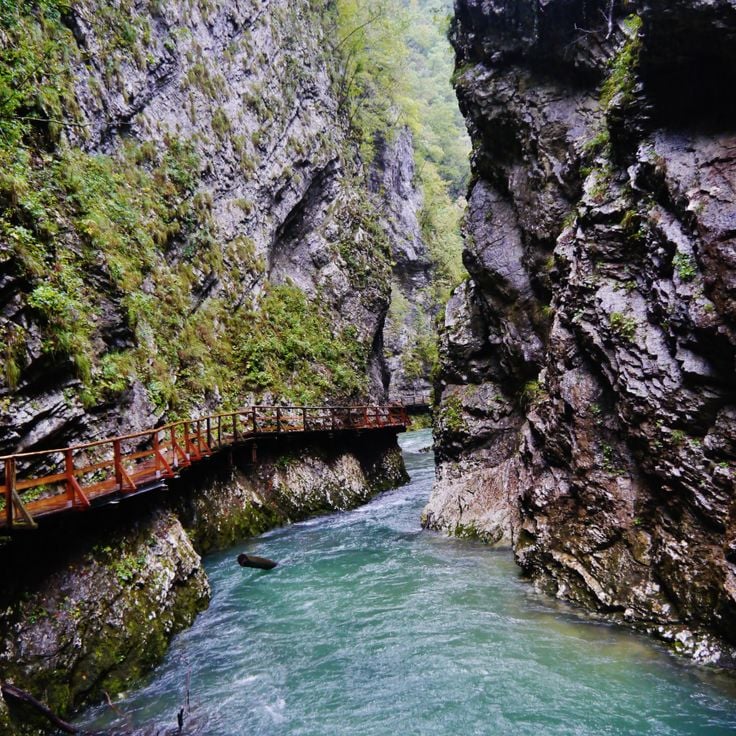
Bled, Slovenia
This gorge lies four kilometers from Bled town and follows a 1-mile (1.6 km) wooden walkway along the Radovna River. The rock walls rise up to 330 feet (100 m) as the river flows through narrow passages and forms waterfalls, including the 43-foot (13 m) Sum waterfall at the route's end.
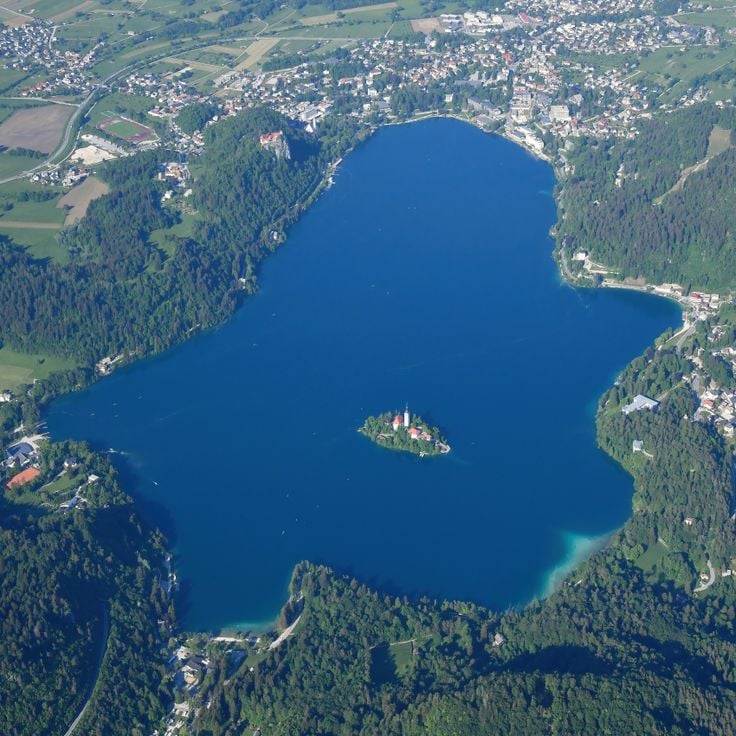
Bled, Slovenia
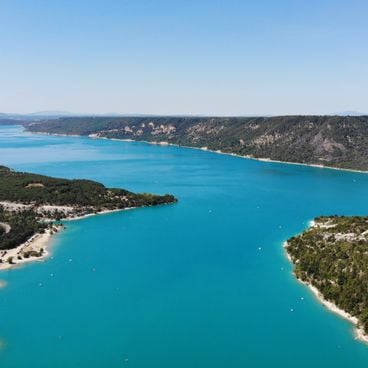
This glacial lake sits at the foot of the Julian Alps and contains a small island with a 17th-century baroque church at its center. Traditional wooden boats called pletnas ferry visitors to the island throughout the year. The lake measures approximately 1.2 miles (2 kilometers) in length and reaches depths of up to 100 feet (30 meters). Mountain springs feed the water, which warms to around 75 degrees Fahrenheit (24 degrees Celsius) in summer. A walking path circles the shoreline through forested sections and open areas with views of surrounding peaks.
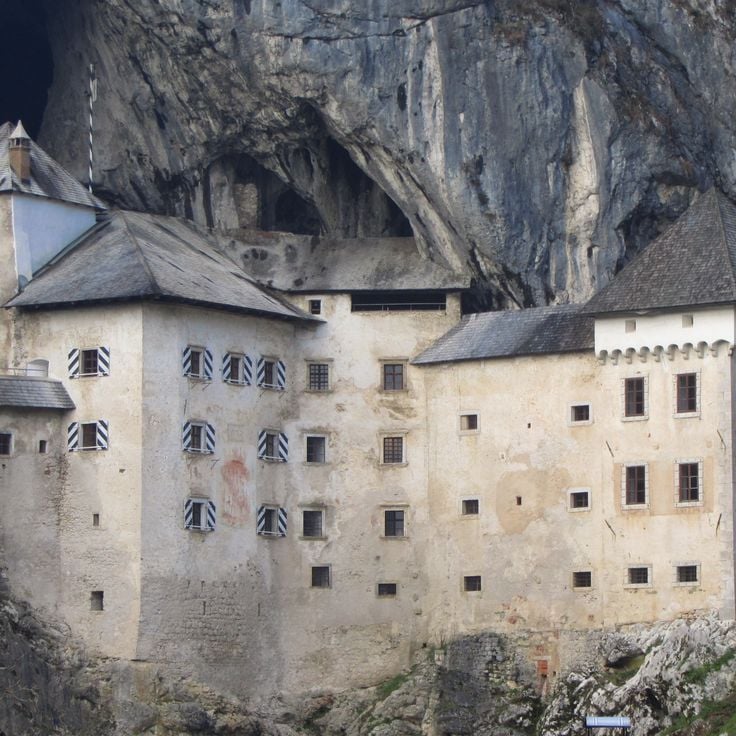
Predjama, Slovenia
This medieval fortification is built into a natural cave 400 feet (123 meters) up a limestone cliff. The karst cave system runs through the castle and historically provided protection and escape routes. Visitors explore rooms integrated into the rock and learn about the history of defensive engineering that makes this structure an example of medieval architecture in Slovenia.
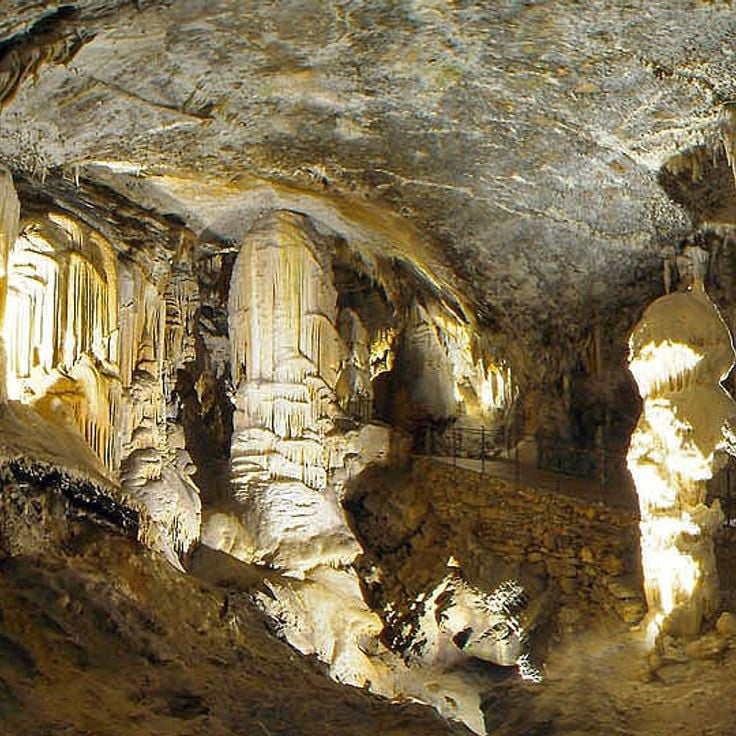
Postojna, Slovenia
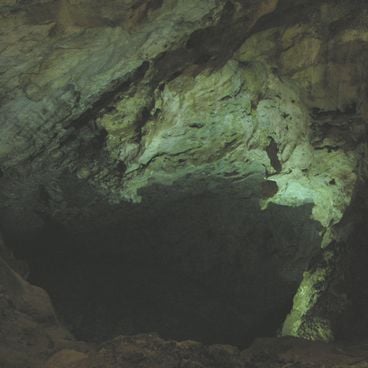
This extensive cave system extends 24 kilometers (15 miles) through limestone, shaped over millennia by the Pivka River. The cave presents stalactites, stalagmites and other mineral formations along galleries that visitors traverse partly by electric train. The system lies in Slovenia's classic karst region and ranks among the most visited underground sites in Europe. Tours combine the train ride with walking sections through illuminated chambers.
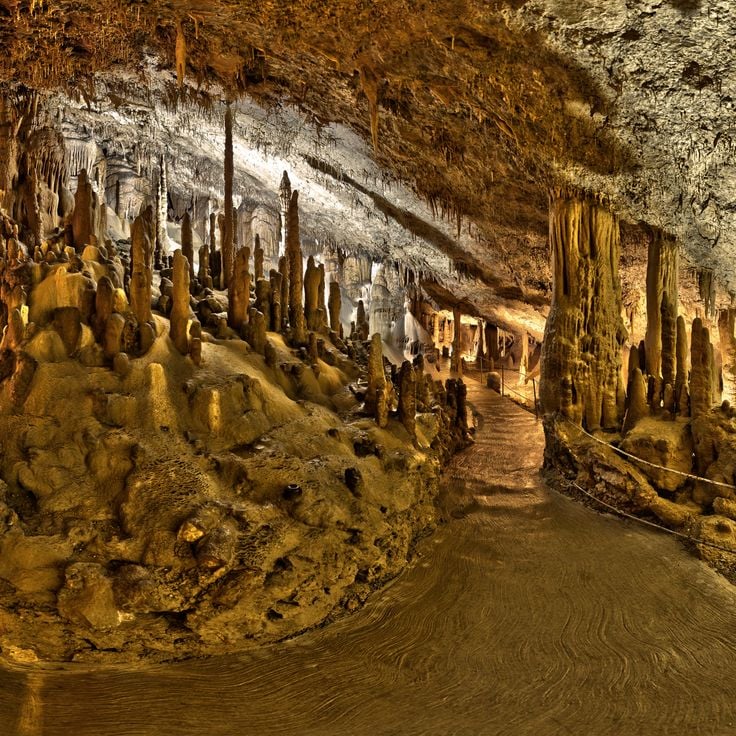
Divača, Slovenia
These caves form an extensive network of limestone galleries through which an underground river flows. The system includes natural bridges, deep sinkholes, and multiple levels containing stalactite and stalagmite formations. The Škocjan Caves rank among the most important karst phenomena in Slovenia and provide insight into the geological processes of the region.
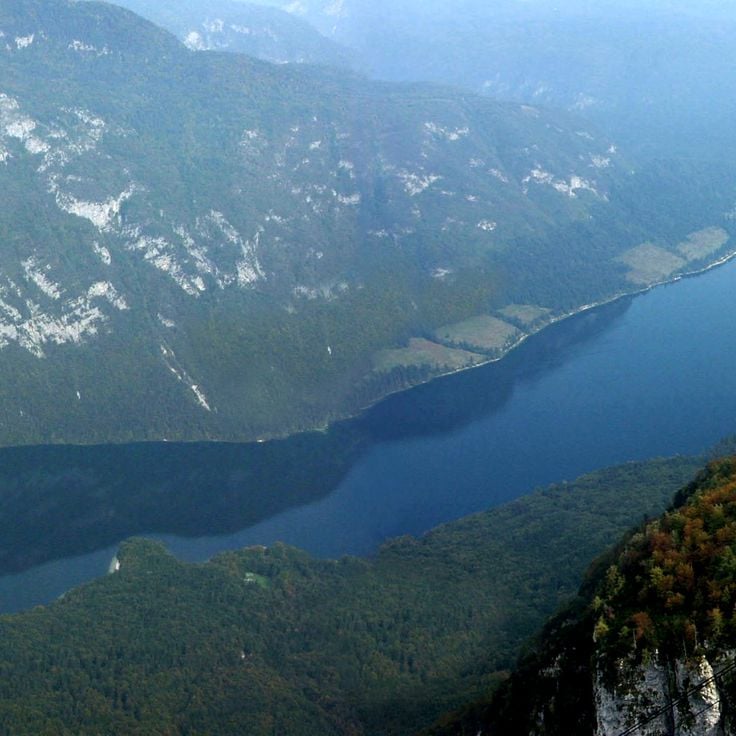
Bohinj, Slovenia
Lake Bohinj covers 318 hectares (786 acres) at 1,726 feet (526 meters) elevation in Triglav National Park, forming the largest natural lake in Slovenia. This glacial lake sits surrounded by the Julian Alps and provides access to hiking trails, water sports, and the surrounding mountains. The western shore leads to Savica Waterfall, while the eastern shore borders historic churches and villages. The lake's setting combines alpine landscapes with opportunities for swimming, kayaking, and mountain climbing in the adjacent valleys.
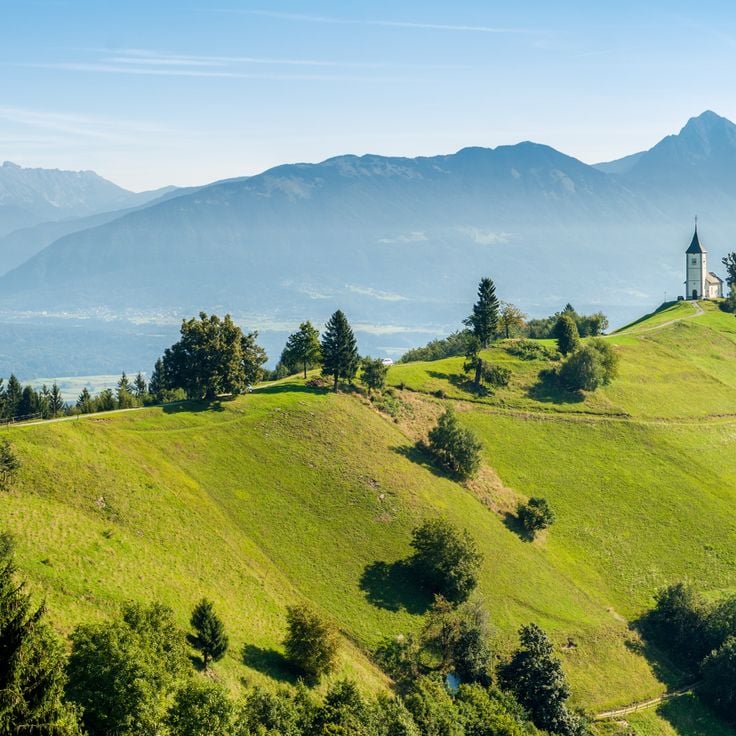
Jamnik, Slovenia
This church from the 15th century stands at 2,726 feet (831 meters) on Jamnik mountain and offers views across the Sava River valley toward the Julian Alps. The religious building has served as a pilgrimage site for centuries and displays architectural features of the late Gothic period in this part of Slovenia between the Alps and Adriatic.
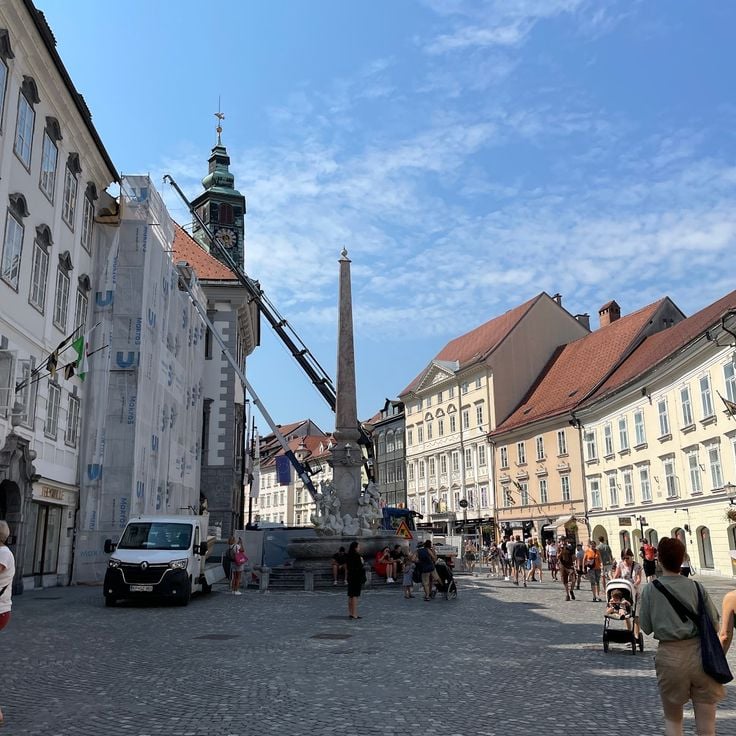
Ljubljana, Slovenia
The Old Town of Ljubljana extends along the Ljubljanica River with its medieval castle on the hill and presents several historic bridges, the baroque cathedral and numerous Art Nouveau buildings from the Austrian period as a center of Slovenian history and architecture.

Julian Alps, Slovenia
This 324-square-mile (840-square-kilometer) national park protects Mount Triglav, mountain lakes, and glacial valleys within Slovenia's Alpine region, offering hiking trails where chamois and marmots live among valleys and peaks that define this collection's exploration of the country's mountain landscapes.
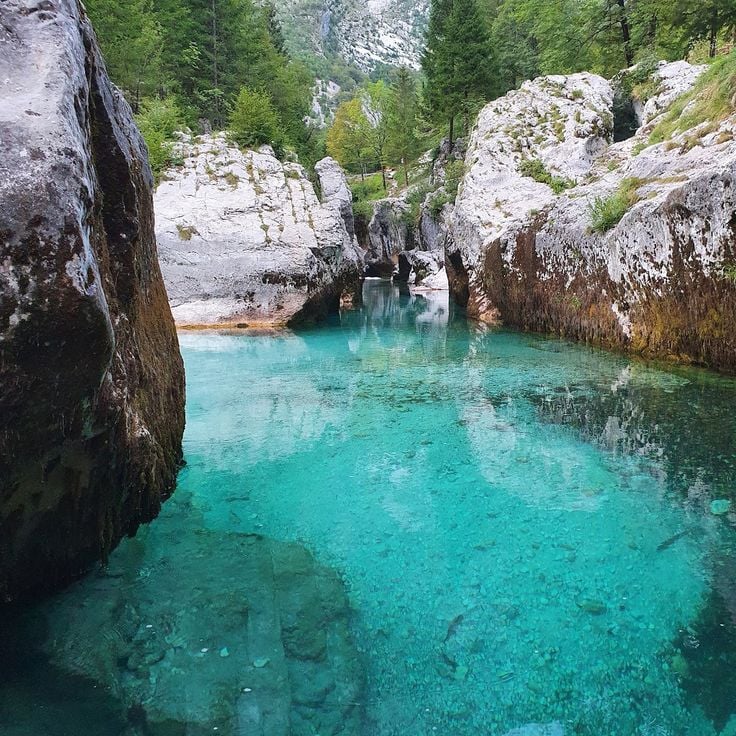
Julian Alps, Slovenia
This valley in the Julian Alps follows a turquoise river that winds between the mountains. The region displays fortifications and monuments from World War I, including trenches, bunkers and a museum documenting the Isonzo battles. Hiking trails lead through beech forests to former front lines on mountain slopes. The river provides opportunities for rafting, kayaking and fly fishing. Several settlements along the river serve as starting points for exploring the historical sites and surrounding mountain terrain.
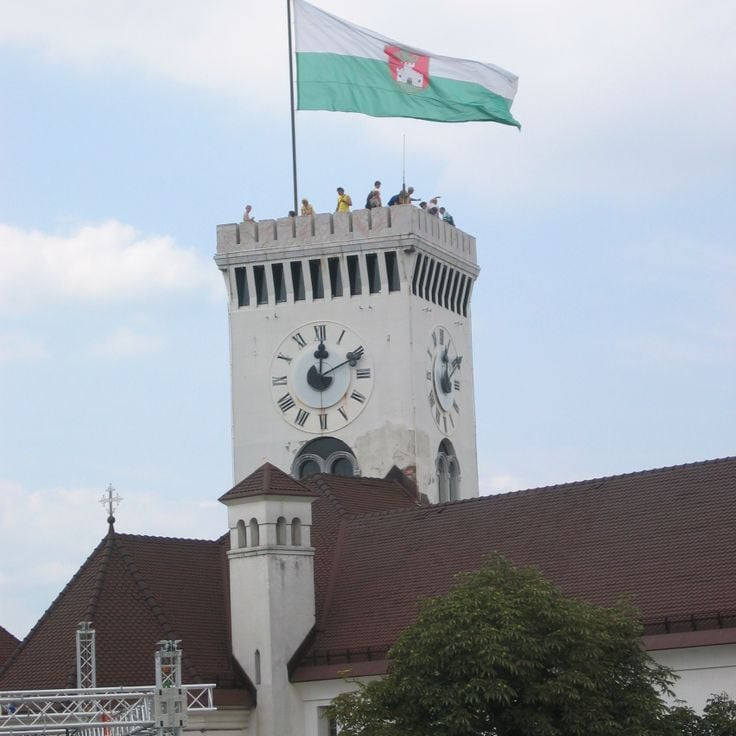
Ljubljana, Slovenia
This medieval fortress stands on a hill above Ljubljana's old town and provides views over the city, the Ljubljanica river valley and surrounding mountains. The castle dates from the 11th century, was expanded in the 15th and 16th centuries, and served as a noble residence, military garrison and later a prison. Visitors reach the hilltop via a walking path or funicular railway. The complex includes a watchtower with observation deck, exhibition rooms on Slovenian history, a courtyard and a restaurant. The castle sits within the historic center and forms part of sightseeing routes through Ljubljana.
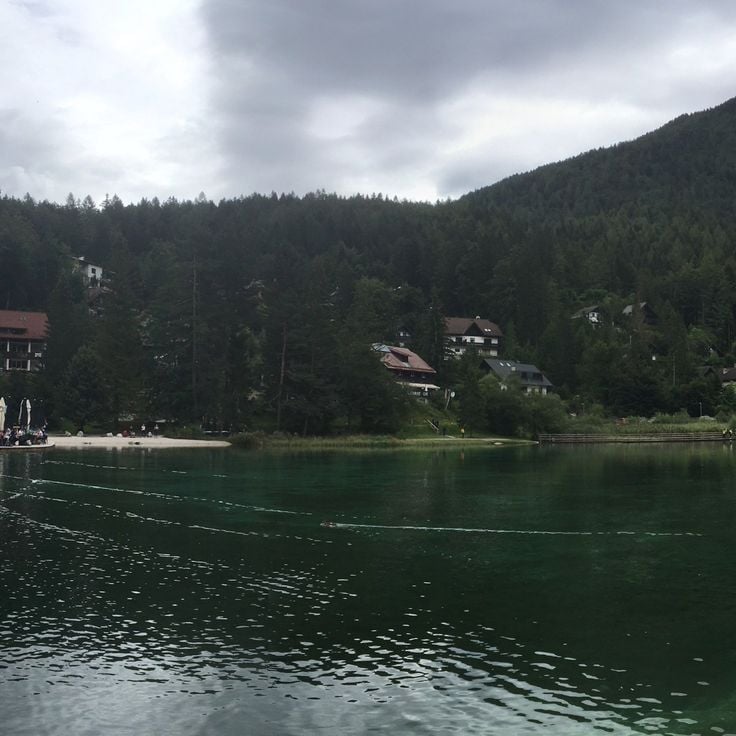
Kranjska Gora, Slovenia
Lake Jasna consists of two artificial basins at 800 feet (244 meters) elevation at the base of the Julian Alps, providing access to trails leading into the surrounding mountain regions. The clear water reflects the peaks of nearby mountains, creating a backdrop for outdoor activities throughout the year. The site includes shoreline paths and rest areas that make the area a starting point for exploring Slovenia's alpine landscape.
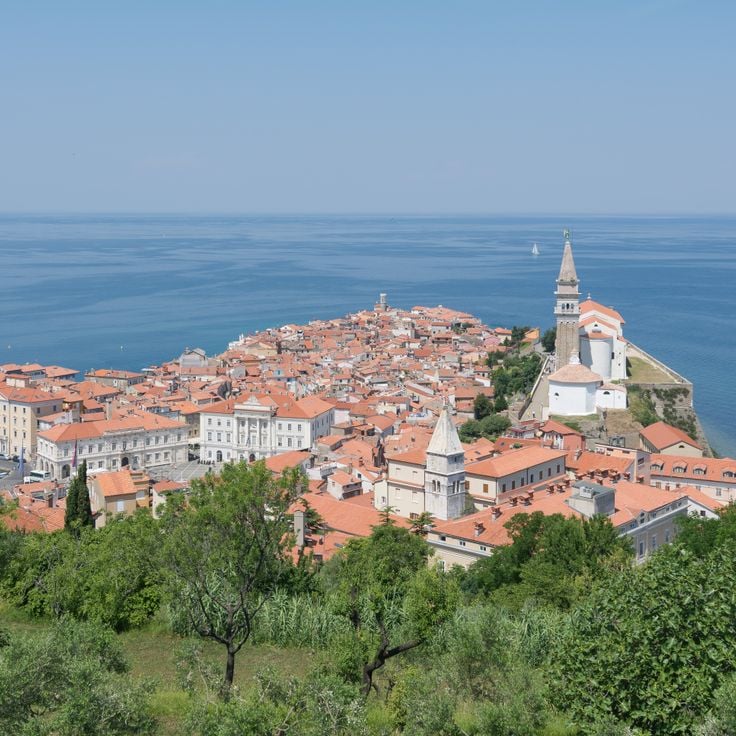
Piran, Slovenia
This historic coastal town on the northern Adriatic Sea represents a central example of Venetian architectural influence in Slovenia. The old town extends across a narrow peninsula with buildings from the 13th to 17th centuries, paved lanes and Tartini Square as the central plaza surrounded by period structures. The preserved urban layout demonstrates Piran's historical importance as a trading port under Venetian rule, with stone buildings, medieval church architecture and defensive walls along the coastline. The location provides access to other coastal settlements along the Slovenian Riviera.
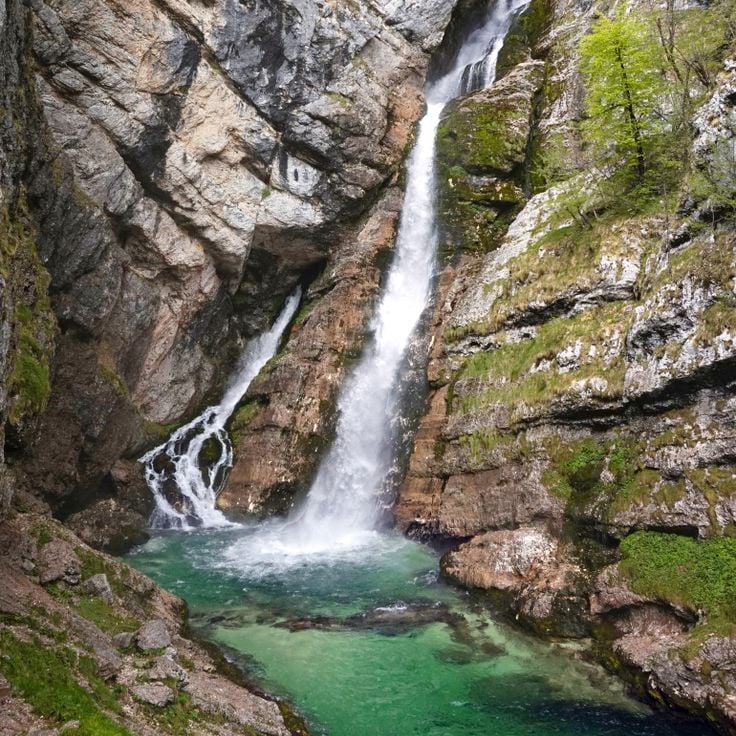
Bohinj, Slovenia
This waterfall forms the primary source of Lake Bohinj in Triglav National Park, dropping in two tiers over a total height of 256 feet (78 meters). The Savica Waterfall sits at the end of a forested valley in the Julian Alps, accessible by a 20-minute climb from the road. Water flows from the high elevations of the Triglav massif through a narrow rock cleft and collects in a basin before feeding into Lake Bohinj.
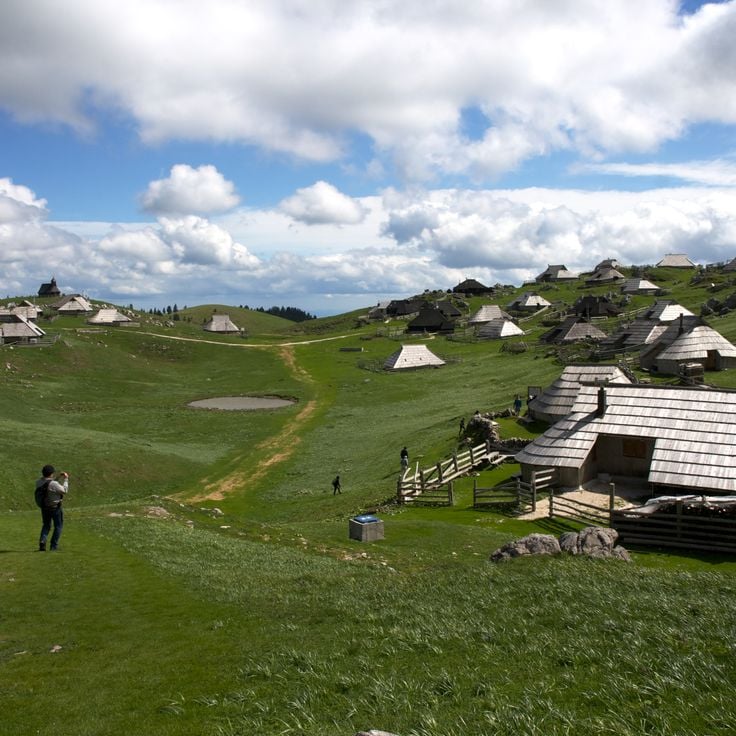
Kamnik, Slovenia
This mountain plateau sits at an elevation of 4,900 feet (1,500 meters) in the Kamnik-Savinja Alps, where shepherds occupy round wooden huts with conical roofs that are characteristic of Slovenian alpine herding traditions. Velika Planina preserves a pastoral practice dating back centuries, with about sixty traditional huts scattered across the highland pastures and serving as functional dwellings during the warm season.
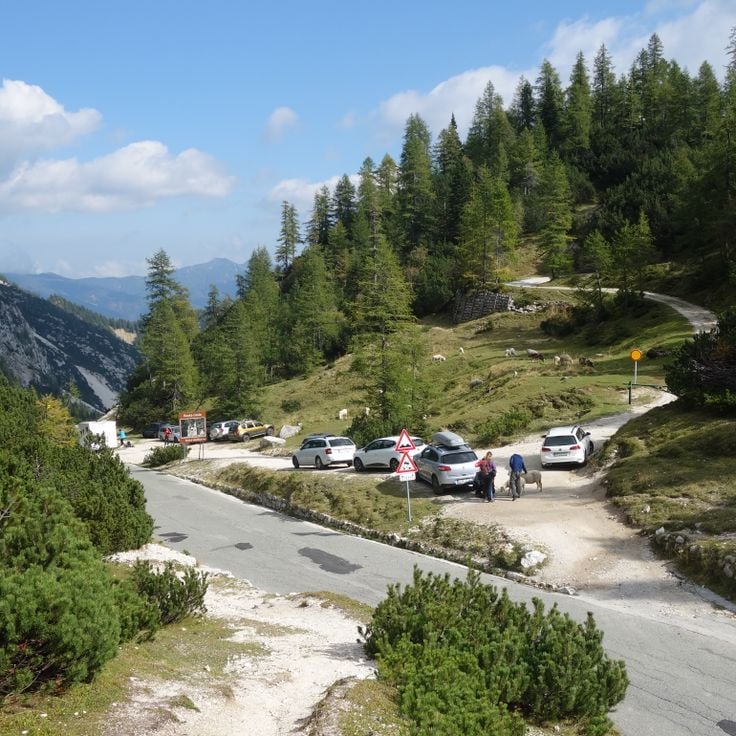
Julian Alps, Slovenia
This high mountain road in Triglav National Park sits at 5285 feet (1611 meters) elevation and connects the Soča Valley with the Sava Valley through 50 numbered hairpin turns. Vršič Pass runs through the Julian Alps and provides access to hiking trails and World War I historical sites along the former Isonzo Front.
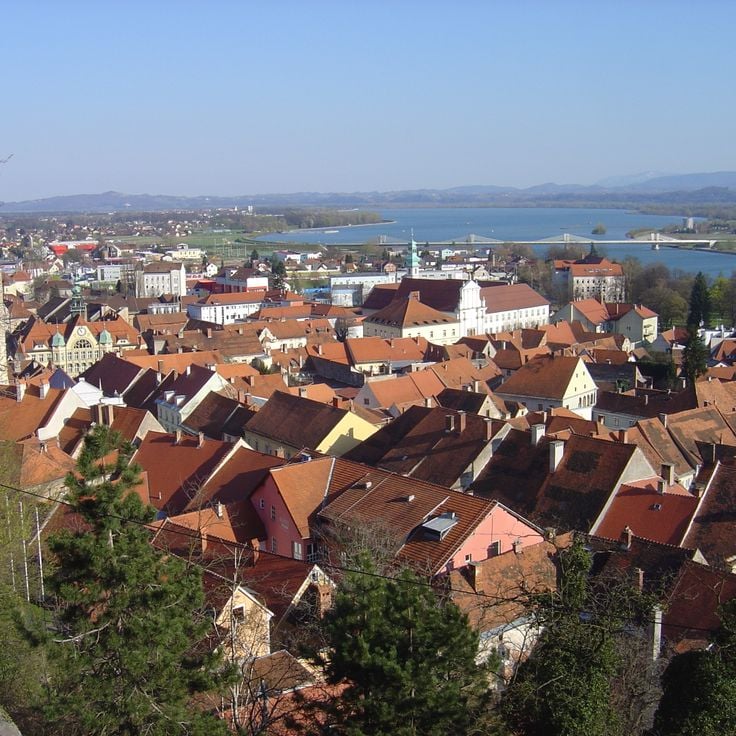
Ptuj, Slovenia
This medieval town on the Drava River was founded in the first century and preserves Roman monuments, cobblestone lanes and a castle positioned on the hill above the river. Ptuj ranks among Slovenia's oldest settlements, combining archaeological sites with medieval architecture. The collection presents this town as a historical center between the Alps and the Adriatic, with evidence of Roman and medieval periods.
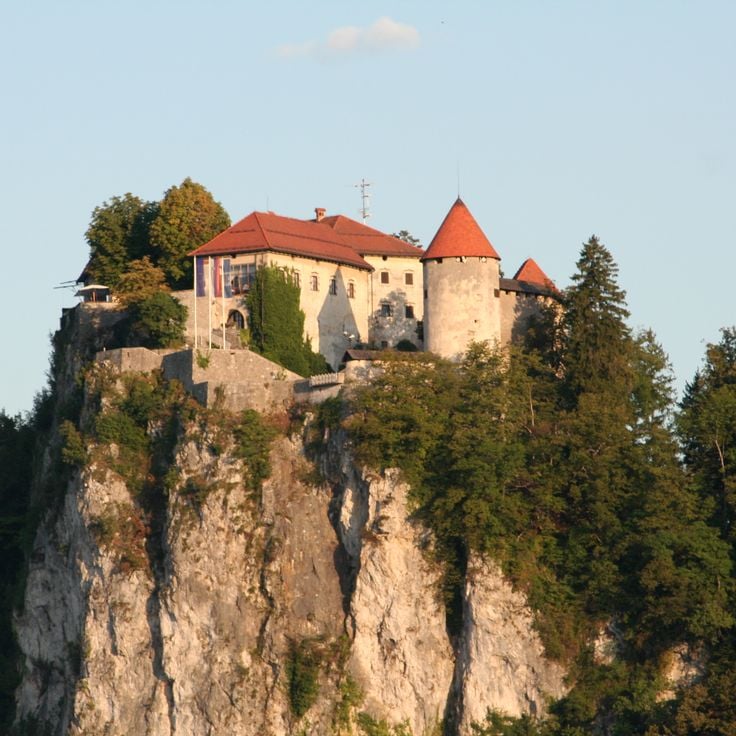
Bled, Slovenia
This medieval fortress rises on a cliff 425 feet (130 meters) above Lake Bled and houses a museum on regional history of Carniola, presenting collections from archaeological finds to ethnographic exhibits. The castle from the 11th century, with Romanesque and Gothic architectural elements, serves as a viewpoint over the alpine surroundings and documents the development of the Slovenian Alpine region from medieval times to the modern era. Visitors can tour the chapel, printing press and blacksmith's workshop.
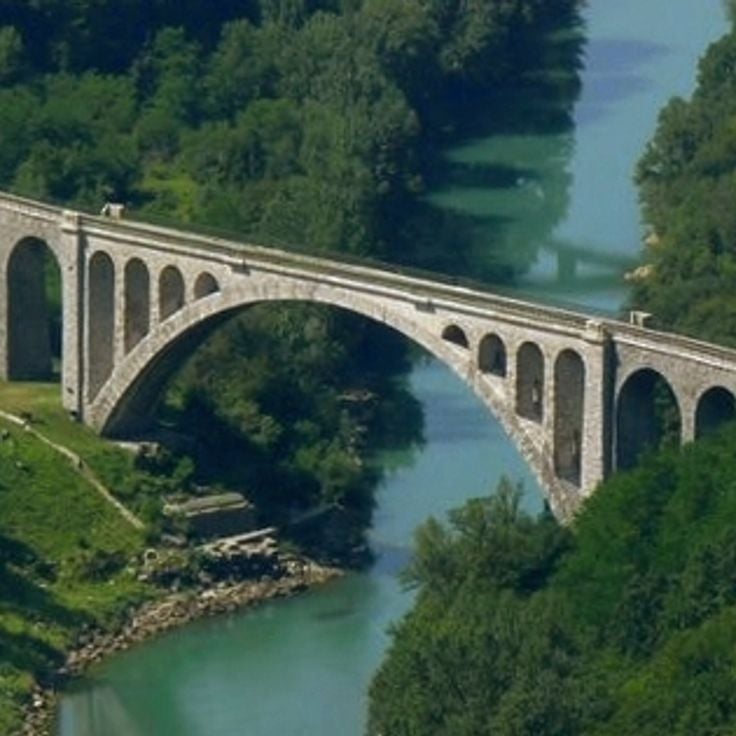
Nova Gorica, Slovenia
This railroad bridge from 1906 spans the Soča River with an 85-meter (279-foot) stone arch and remains the largest stone railroad arch in the world still in operation. The Solkan Bridge was built during the Austro-Hungarian Monarchy as part of the Bohinj Railway connecting Nova Gorica with northwestern Slovenia. The structure stands as an engineering monument from the early 20th century.
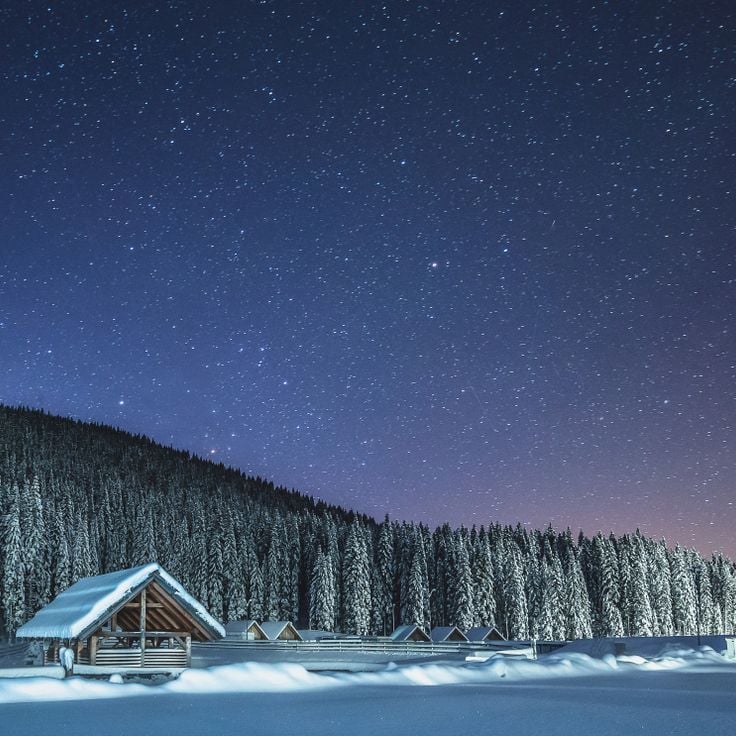
Julian Alps, Slovenia
This karst plateau in the Julian Alps sits at 4,265 feet (1,300 meters) elevation and features extensive conifer forests and mountain pastures. The area serves as a training center for cross-country skiing and biathlon during winter months, adding to Slovenia's mountain landscapes between the Alps and Adriatic with options for alpine activities.
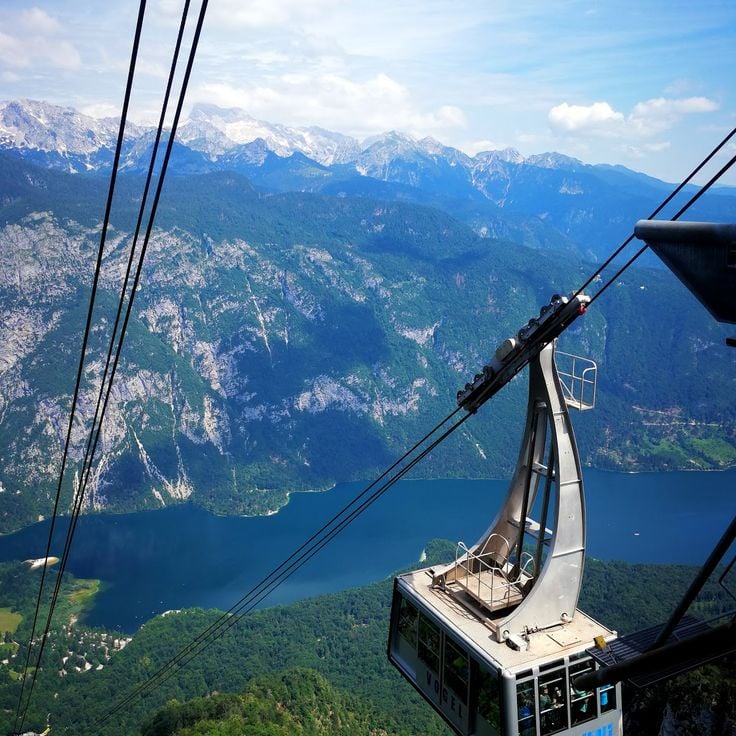
Bohinj, Slovenia
This ski resort sits at 5,036 feet (1,535 meters) in the Julian Alps above Lake Bohinj. Lifts access runs of varying difficulty with views across the lake and surrounding peaks, while summer brings hiking trails through the mountain terrain.
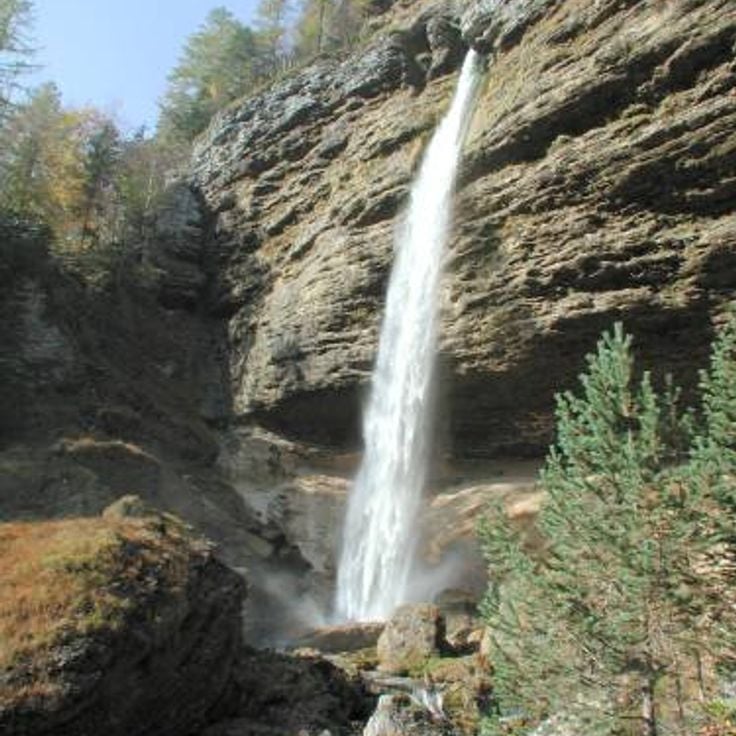
Mojstrana, Slovenia
This waterfall in the Vrata Valley drops 172 feet (52 meters) and is reached by a 15-minute trail from the parking area. Peričnik Waterfall sits at the base of the Triglav massif and forms an impressive ice formation during winter months. A second, upper waterfall measuring 52 feet (16 meters) is accessible via an additional trail. The path leads behind the main fall, allowing visitors to view the water curtain from inside. The site lies within Triglav National Park and serves as a starting point for hikes into the surrounding alpine regions.
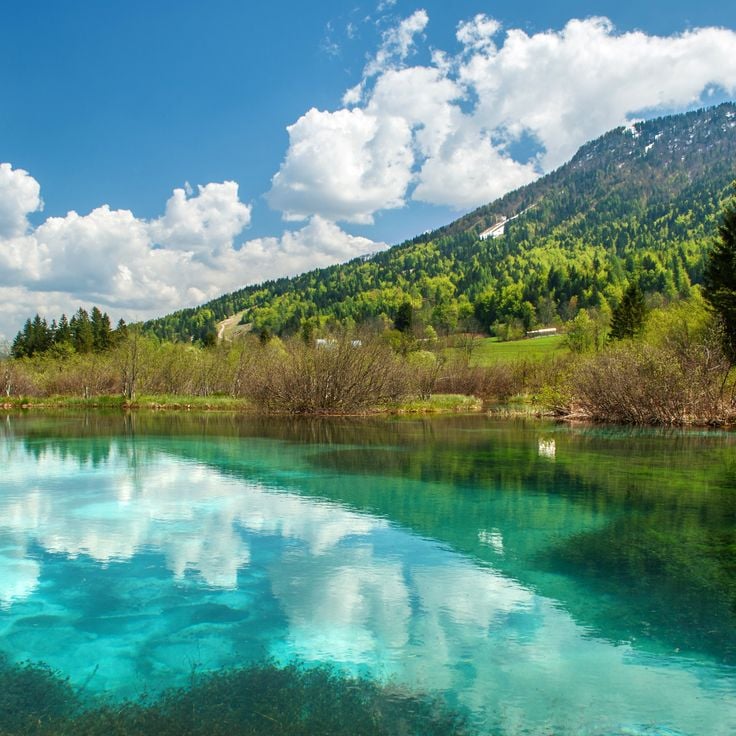
Kranjska Gora, Slovenia
This natural spring near Kranjska Gora marks the source of the Sava River and displays greenish water colored by surrounding wetland vegetation. A wooden boardwalk allows visitors to observe the pool surface and the surrounding marsh landscape. The spring sits within a protected wetland area close to the Italian and Austrian borders.
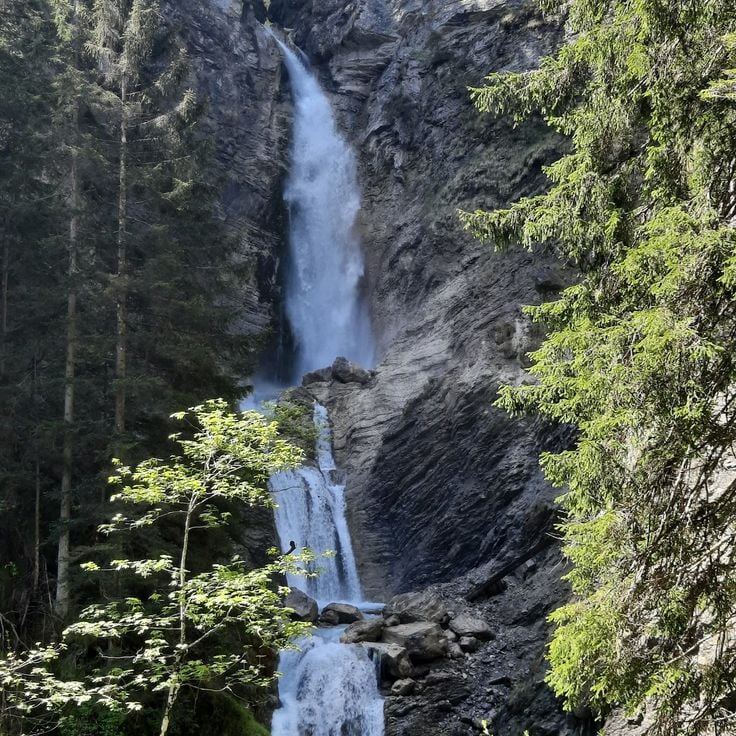
Gozd Martuljek, Slovenia
This mountain trail in Gozd Martuljek crosses a deep gorge to reach two consecutive waterfalls that drop from heights of 164 and 328 feet (50 and 100 meters) in the Julian Alps before continuing to an alpine pasture.
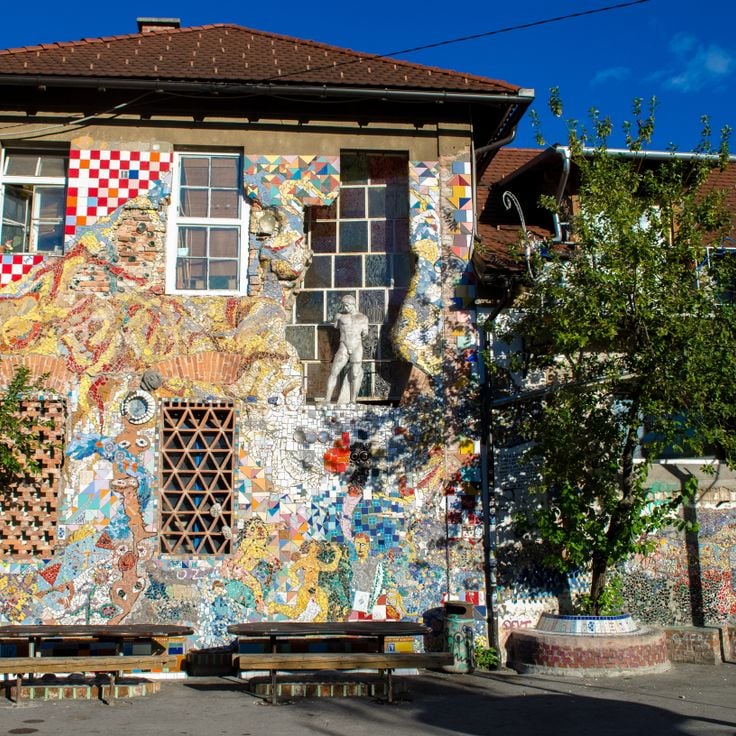
Ljubljana, Slovenia
This cultural center occupies a former Yugoslav People's Army barracks and now contains art galleries, bars, music studios, and event spaces. The buildings are covered with graffiti and street art. Metelkova attracts artists and visitors interested in alternative culture and nightlife. The site is located near the center of Ljubljana, within walking distance of the main train station.
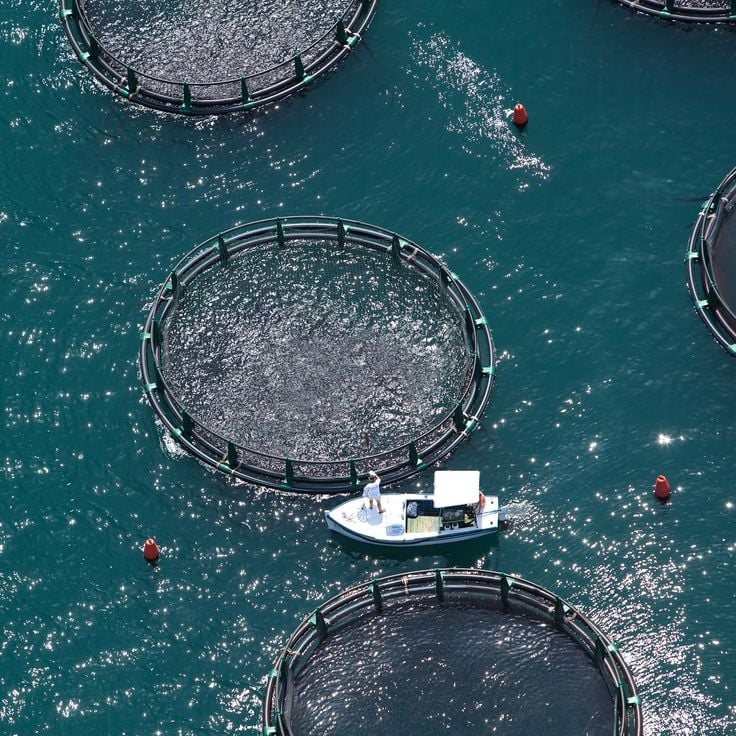
Piran, Slovenia
This fish farm breeds sea bass and gilthead bream in the Bay of Piran, offering guided visits that show the methods of marine aquaculture. The facility operates in the Adriatic Sea, where dolphins are occasionally spotted in surrounding waters. The farm runs commercial cultivation in net enclosures and demonstrates the techniques of modern fish production in Slovenia's coastal region. Tours explain the breeding process from juvenile fish to market size and the requirements for water quality and feeding schedules.
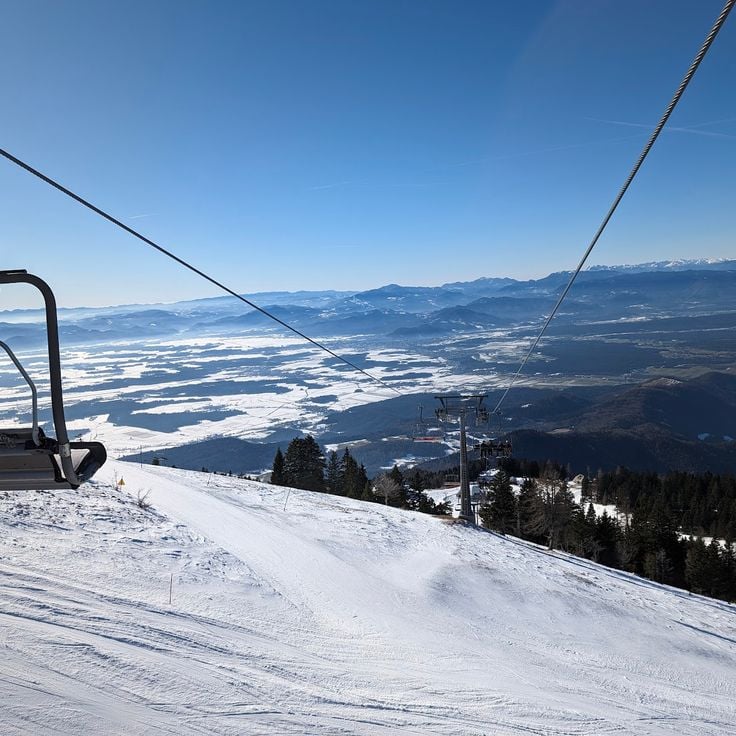
Cerklje na Gorenjskem, Slovenia
This ski center sits 25 kilometers from Ljubljana and offers 30 kilometers of slopes between 4760 and 6470 feet (1450 and 1971 meters) in altitude. The area features 11 ski lifts and ranks among the established winter sports facilities in the Gorenjska region, attracting day visitors from the capital as well as travelers exploring Slovenia's alpine skiing options between the Alps and the Adriatic.
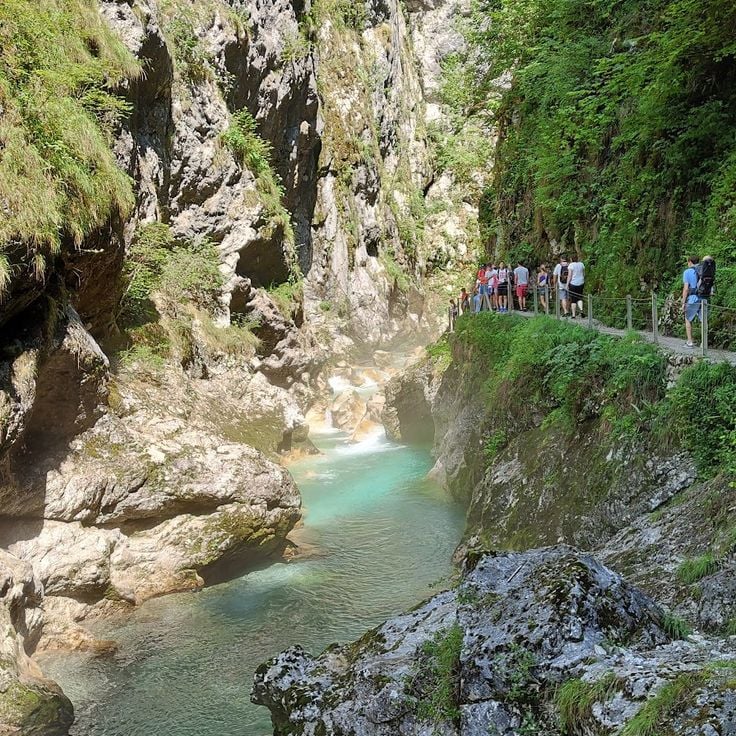
Tolmin, Slovenia
These limestone gorges cut up to 60 meters (195 feet) deep into the landscape and provide over 1.2 miles of maintained walkways along the Tolminka River. Bridges and paths lead through narrow passages between rock walls and over the clear water of the river that carved the gorges over thousands of years. The Tolmin Gorges serve as a gateway to Triglav National Park and demonstrate the geological processes that shaped the Slovenian Alps.

Ljubljana, Slovenia
This reinforced concrete bridge spans the Ljubljanica River in Slovenia's capital and was completed in 1901. The four copper dragon statues positioned at the bridge corners have become a recognized symbol of the city, combining Viennese Secession architecture with local mythology. The structure represents one of the earliest applications of reinforced concrete in Central Europe and demonstrates the engineering advances of the period.
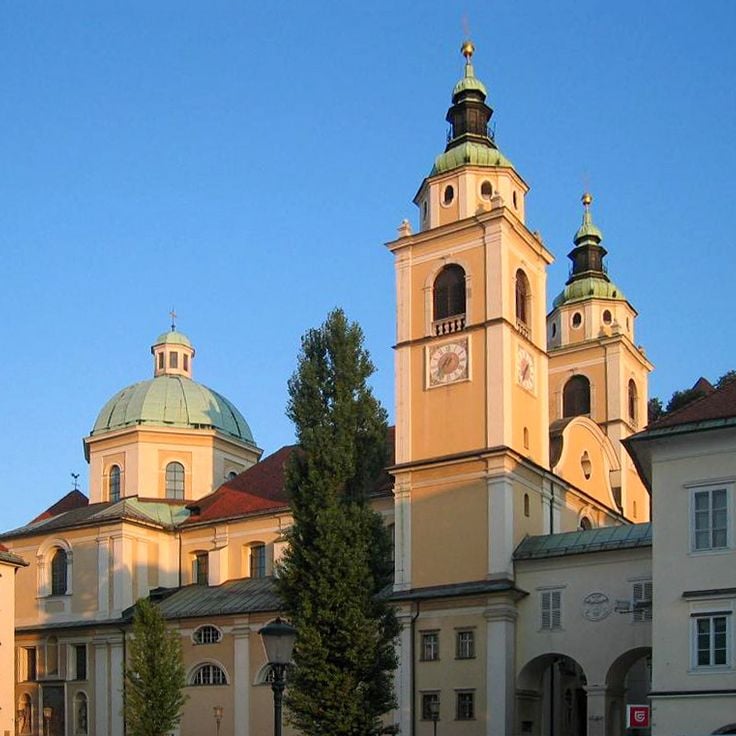
Ljubljana, Slovenia
This 18th-century baroque church in the city center has a green dome and interior frescoes that illustrate scenes from Slovenian history. The bronze doors were created in 1996 to commemorate the papal visit and feature reliefs depicting the history of the Slovenian church and Christianity in the region.
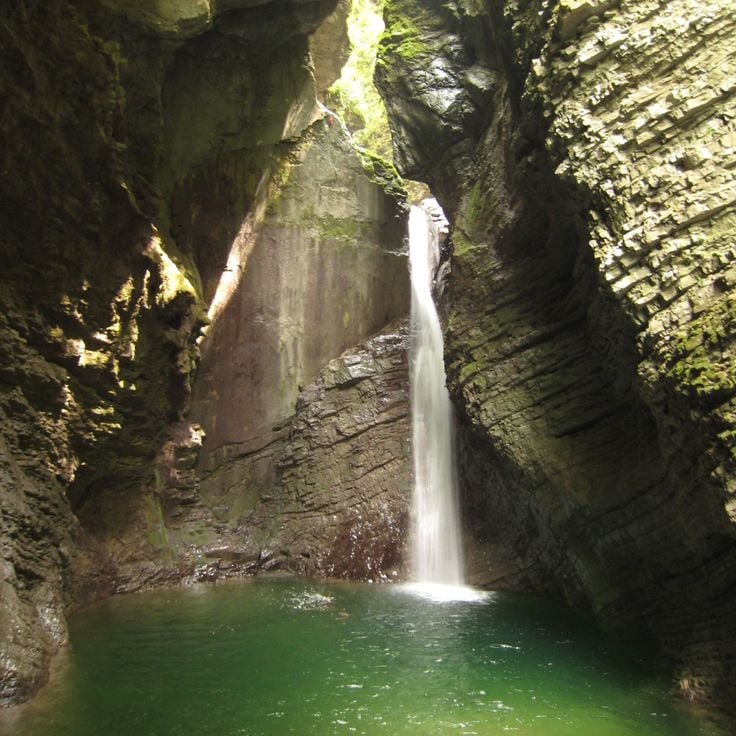
Kobarid, Slovenia
This 15-meter (49-foot) waterfall spills into a natural rock chamber and ranks among the notable natural features that characterize Slovenia's Alpine landscape. A marked 20-minute forest trail leads from the trailhead near Kobarid to the viewing platform, where visitors can observe the cascade. The chamber opens above the pool and creates a distinctive acoustic experience.