See the monuments around you in AROpen chests in the app
Around Us is built for your phone — point your camera at the streets and discover the monuments and places around you in augmented reality.Around Us is built for your phone — chests unlock when you walk, explore and capture nearby places.
Restaurants in Nancy: French cuisine, bistros and international dishes
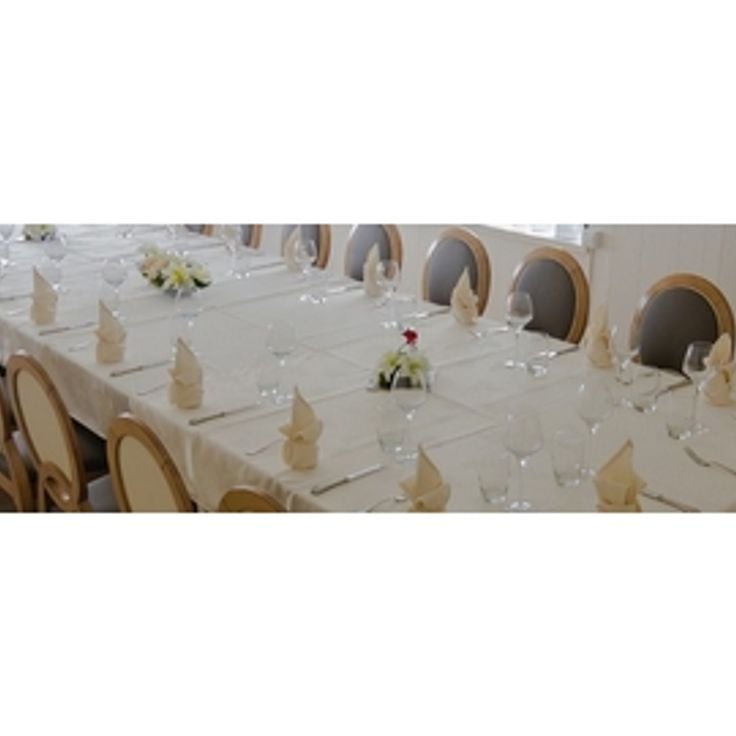
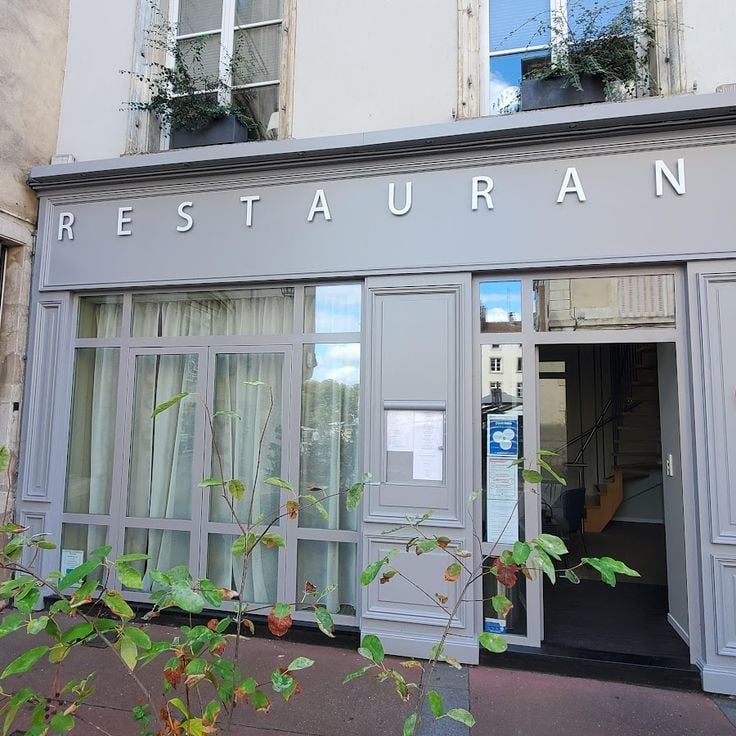
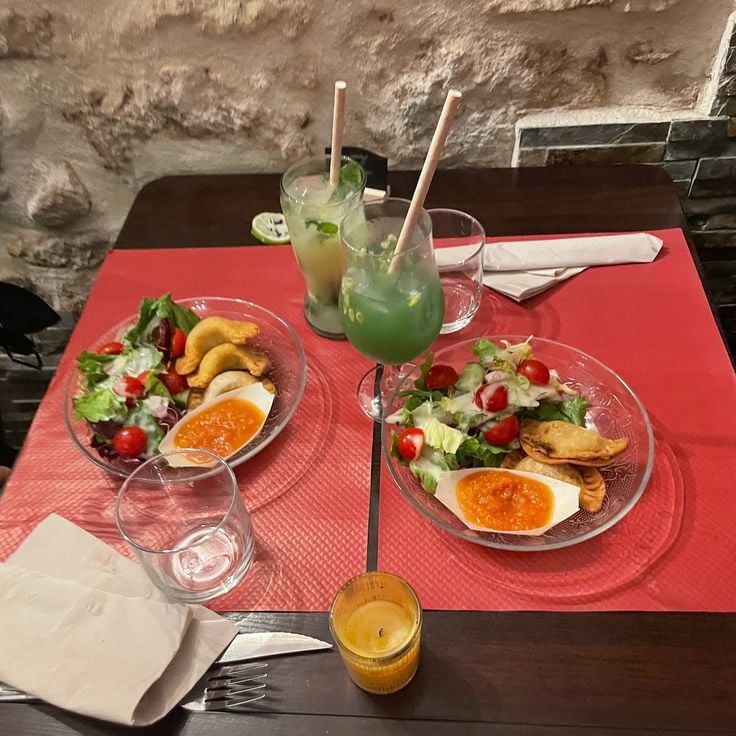
The dining scene in Nancy gives a glimpse of French cuisine in all its forms. You’ll find local bistros, restaurants in old houses, and some international spots from Italy, Japan, Thailand, or Lebanon. Some chefs work with Lorraine recipes, others put a fresh twist on French classics with modern techniques, and many create their menus around seasonal ingredients.
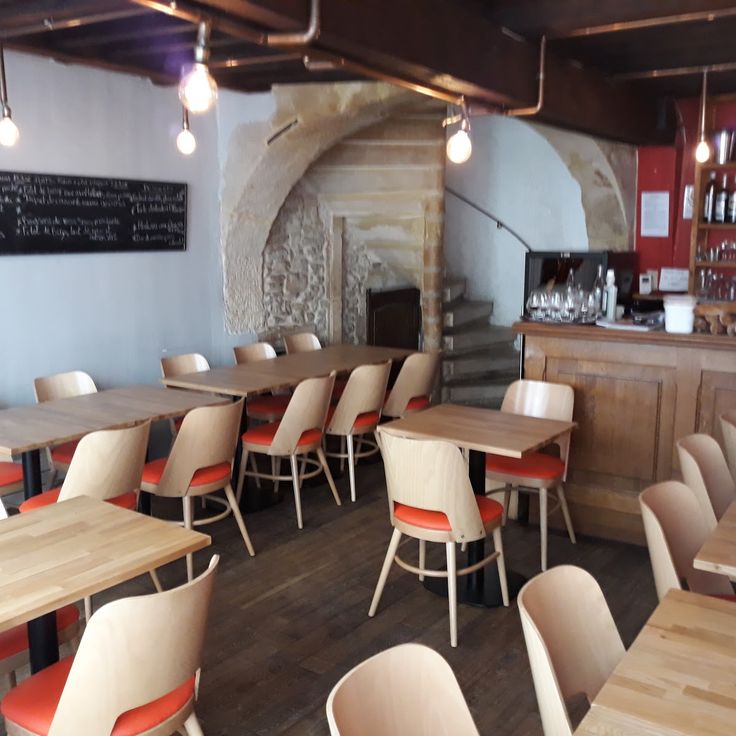
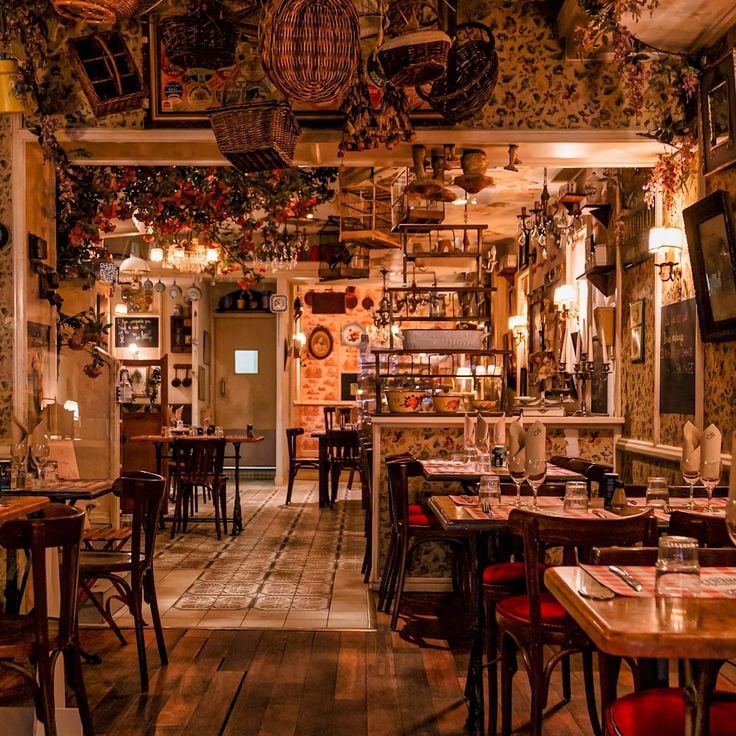
The tables are spread throughout Nancy’s city center, but also in nearby villages like Lunéville, Richardménil, or Ceintrey. Several restaurants are housed in old buildings, where stone walls and beams sit alongside simple dining rooms. Others focus on modern minimalism. Menus change often with the market’s rhythm, offering fixed-price options to taste the chefs’ work without spending too much.
Restaurants in Nancy: French cuisine, bistros and international dishes
The dining scene in Nancy gives a glimpse of French cuisine in all its forms. You’ll find local bistros, restaurants in old houses, and some international spots from Italy, Japan, Thailand, or Lebanon. Some chefs work with Lorraine recipes, others put a fresh twist on French classics with modern techniques, and many create their menus around seasonal ingredients.
The tables are spread throughout Nancy’s city center, but also in nearby villages like Lunéville, Richardménil, or Ceintrey. Several restaurants are housed in old buildings, where stone walls and beams sit alongside simple dining rooms. Others focus on modern minimalism. Menus change often with the market’s rhythm, offering fixed-price options to taste the chefs’ work without spending too much.
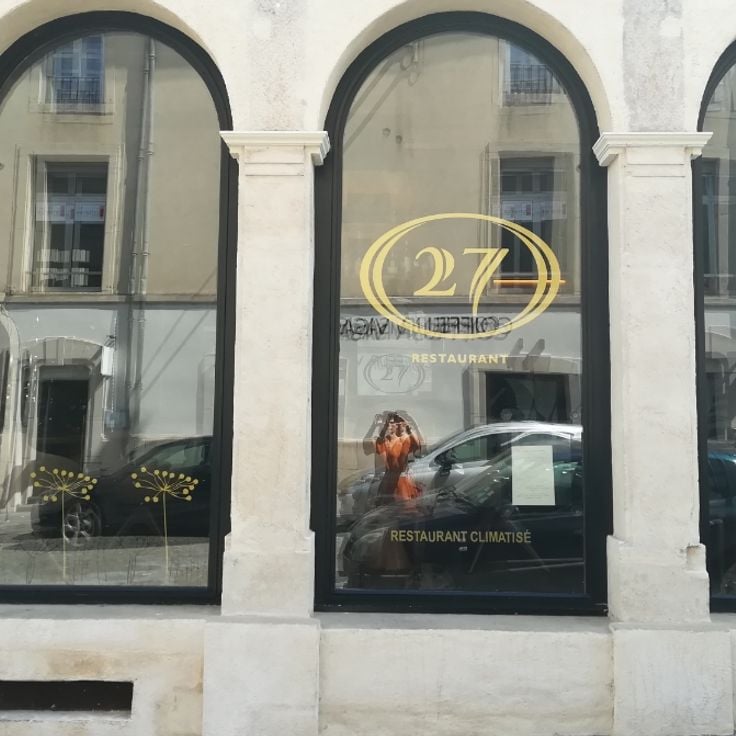
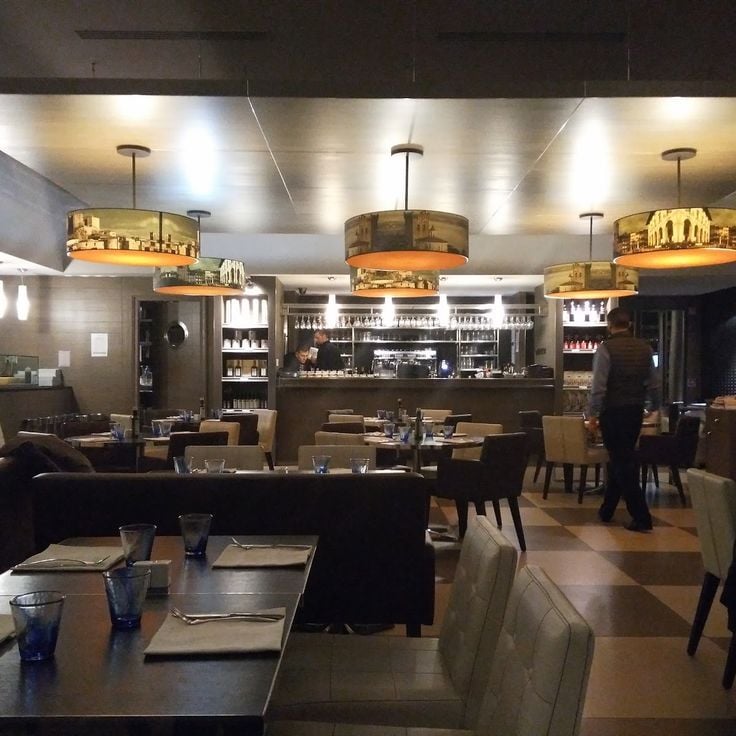
Le 27 Gambetta works with seasonal products and builds its menu around what the market offers. The dishes follow French recipes, with a clear focus on freshness. The dining room is contemporary, the atmosphere stays quiet. The fixed-price menus change depending on what comes in and let you discover the chef's work across several courses without spending too much.
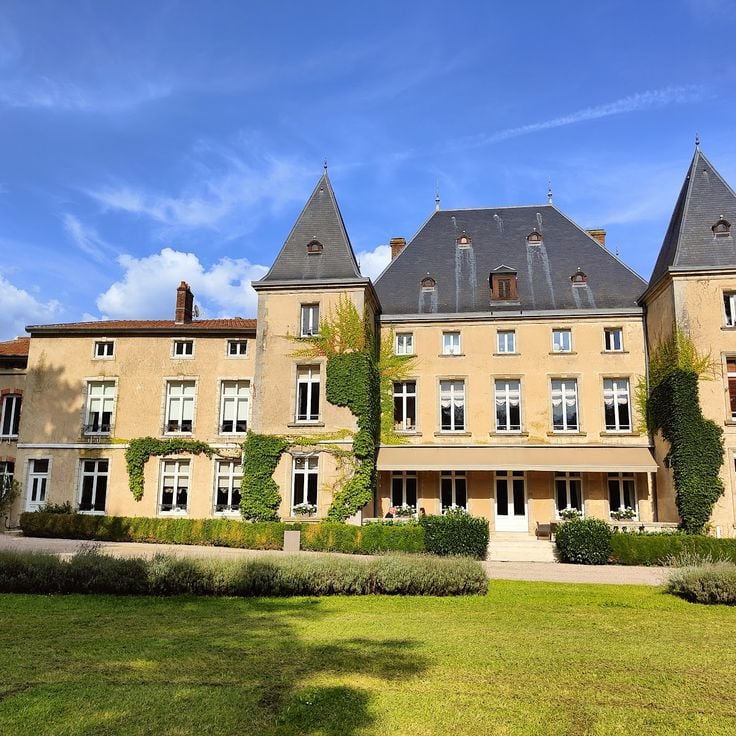
The restaurant at Château d'Adoménil blends French flavors with contemporary cooking methods inside an 18th-century building. Stone walls and period furniture frame dishes that follow the seasons and draw on regional products from Lorraine.
Racine builds its menu around what Nancy and the surrounding farms produce, shifting the dishes when the season brings different vegetables, meats or fish to market. The cooking follows French techniques without drifting into complicated presentations. The fixed price formulas organize the meal into several courses and let diners see how the chef works with seasonal ingredients. The dining room shows a contemporary interior that keeps focus on the plates, and the service explains where products come from and how they were prepared.
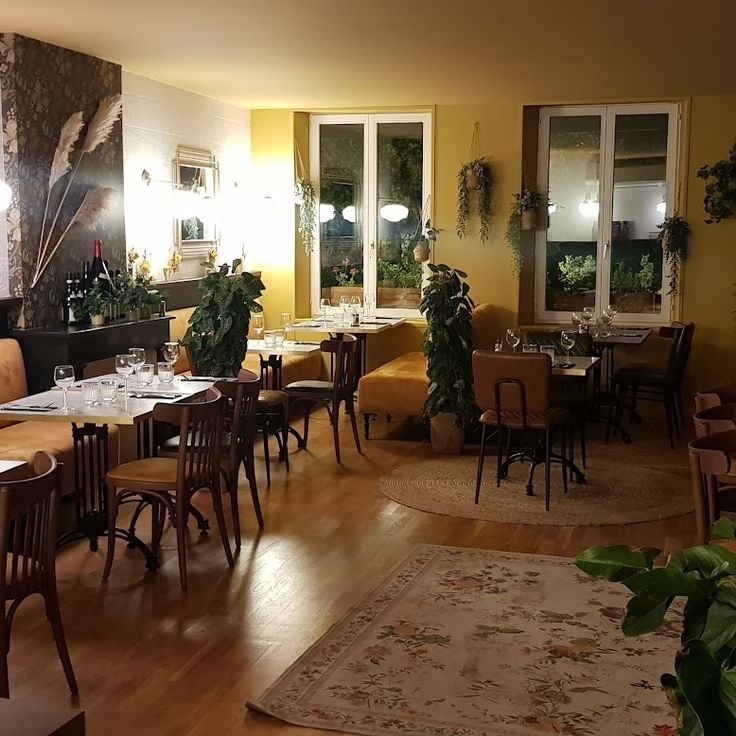
Patern is a French restaurant in Nancy that serves experimental dishes. The dining room is kept simple, without distraction. The menu changes often, depending on what is available at the market. The kitchen team tries new combinations and works with seasonal ingredients, without sticking to fixed recipes. You sit in a bright room where attention stays on the plate.
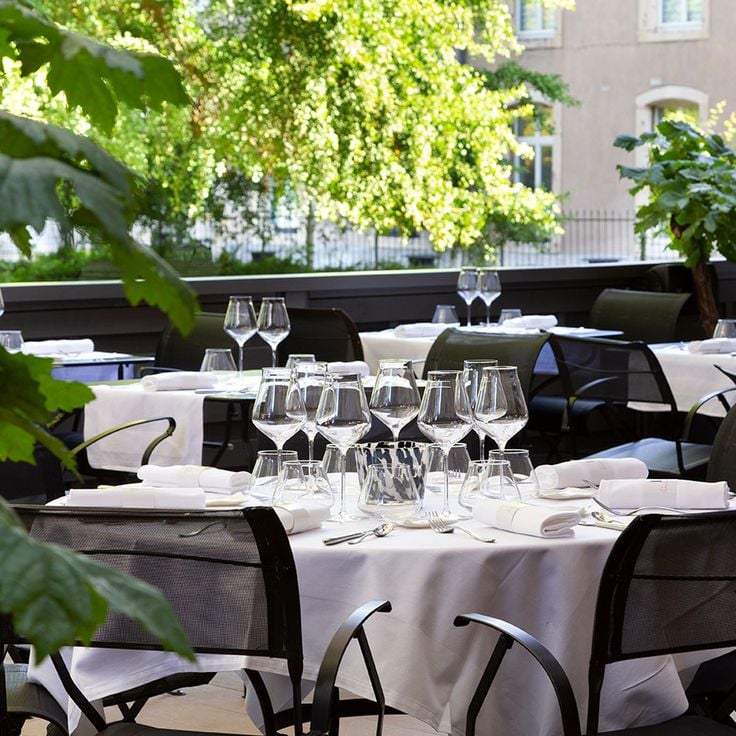
The restaurant serves French cooking with seasonal ingredients in a contemporary setting. The menu changes according to what is available at the market and contributes to Nancy's dining scene, which stretches from village addresses like this one to urban bistros. The dishes follow the rhythm of the seasons.
La Toq works with French recipes that often come from Lorraine. In this Nancy restaurant you find dishes made from regional ingredients, paired with wines from the area. The menu changes with the seasons and shows classic preparations alongside more contemporary ones. The setting is kept simple, the atmosphere relaxed. You eat French cuisine in its regional form here, without grand staging, with respect for the product and the traditions of the region.
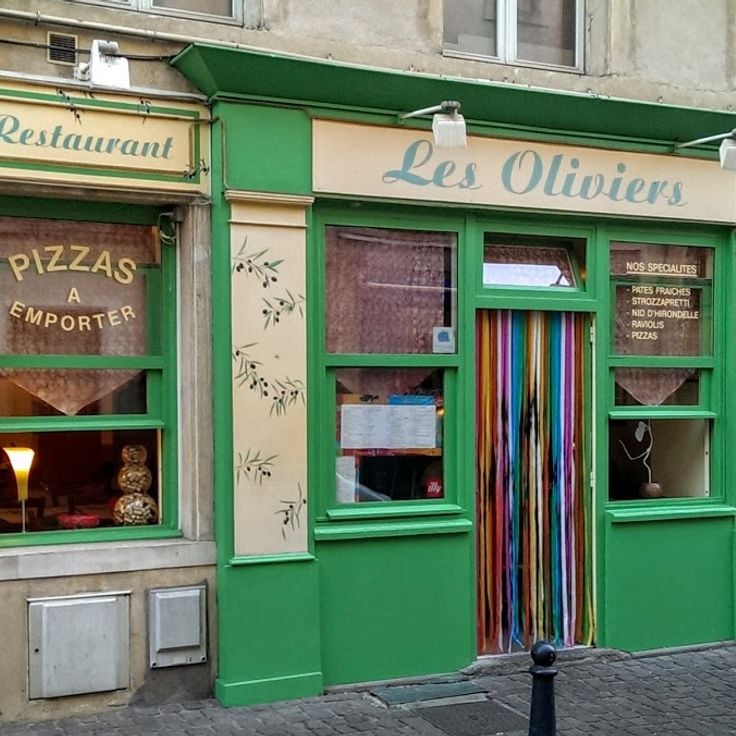
Les Oliviers serves pasta, pizza and other Italian dishes in a dining room located in central Nancy. The menu includes several recipes from different regions of Italy, using products partly imported from Italy. You find here antipasti, homemade pasta and grilled meat or fish. The wine list features several Italian appellations, from light whites to full-bodied reds. The place offers an atmosphere between trattoria and contemporary bistro, with service focused on speed and friendliness.
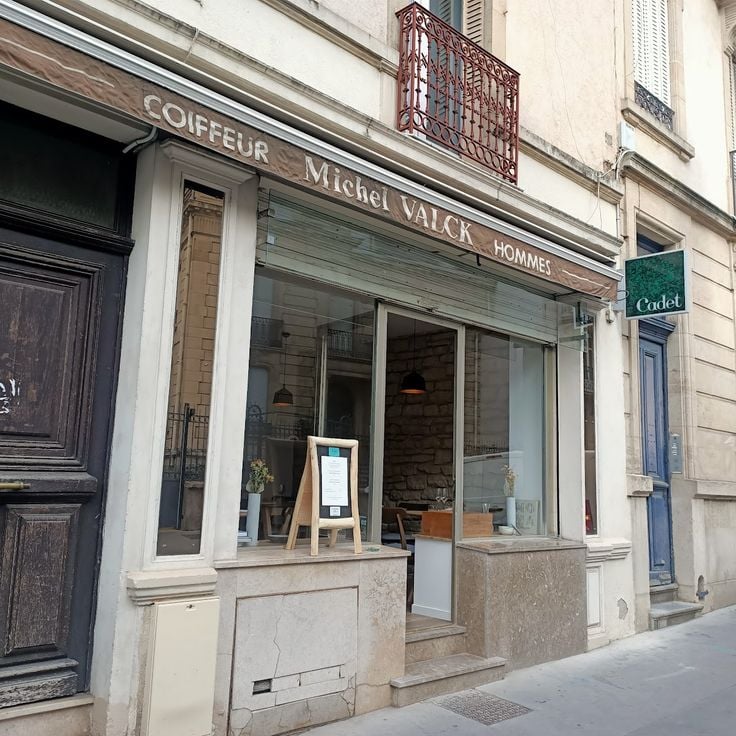
Cadet combines classic French recipes with contemporary cooking methods and seasonal ingredients. The menu changes regularly and presents traditional dishes in modern interpretations that follow what the market offers.
À la 12 interprets French classics with a contemporary approach. The kitchen works with local ingredients, prepares them with precision, and presents the dishes in a modern way. The menu changes and follows what the season offers.
La Cour des Sens works with French gastronomy through contemporary preparations, where the chef handles local products from Lorraine and applies modern cooking methods that bring out seasonal menus, served in a setting focused on current product quality rather than elaborate presentations.
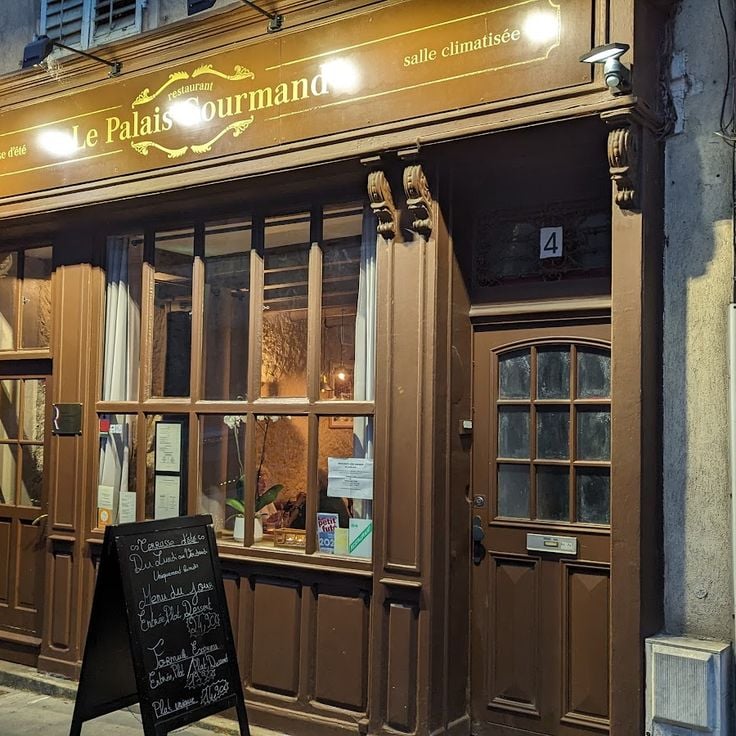
Le Palais Gourmand sources part of its ingredients from the region and offers a menu where lamb appears in several preparations. During the season, scallop dishes also figure on the menu. The dining room seats about 45 guests and lies in the heart of Nancy, where the restaurant contributes to the variety of French cooking in the city. You order à la carte or choose one of the daily menus. The atmosphere is calm, without special decoration, and suits a meal in a small group or as a couple.
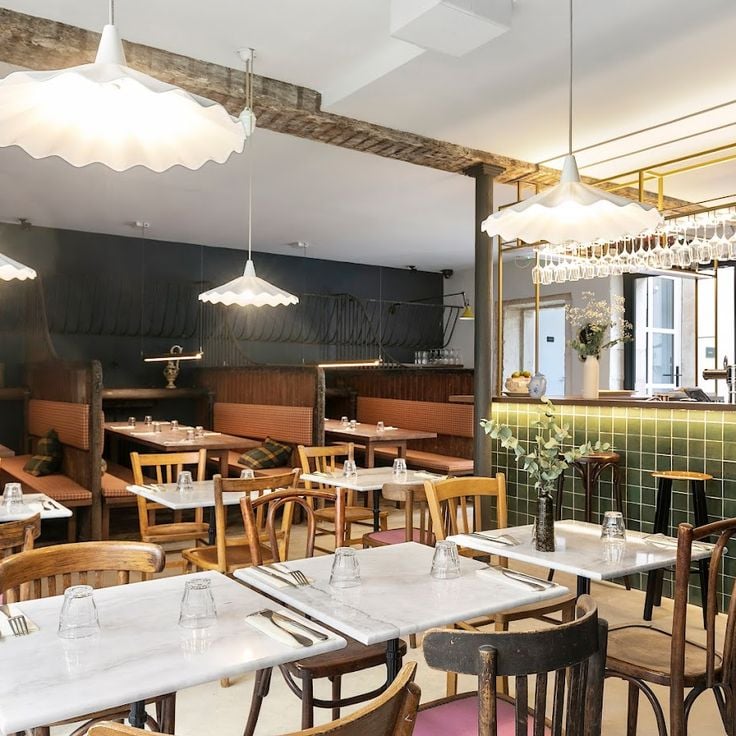
The Antoinette serves French cooking in a renovated 19th-century building. The menu changes with the seasons and features dishes made from local ingredients. The wine list includes regional bottles, and the food often follows traditional recipes with some modern touches. Inside the dining room you can see old ceiling beams and bright walls. The restaurant sits in the center of Nancy, where many other places offer similar cuisine.
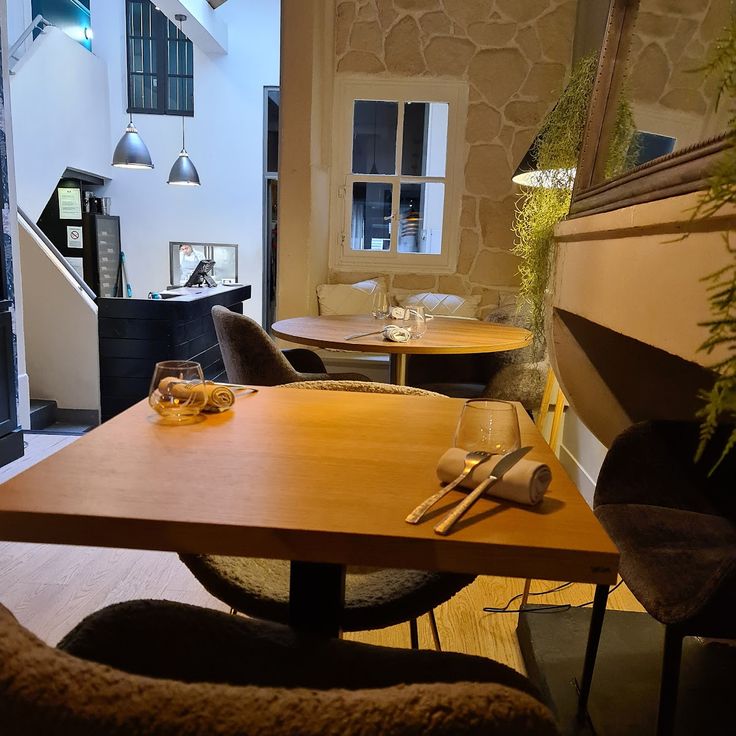
The Comptoir Saint-Michel stands a short walk from Place Stanislas and serves dishes rooted in the region. The dining room features wooden furniture and stone walls dating from the 1800s, which give the space a warm feel. The menu lists Lorraine specialties alongside French classics that shift with the seasons. This restaurant suits a meal after exploring the center of Nancy.
The restaurant works with a menu built around seasonal ingredients, mixing French cooking with touches from other cuisines. Dishes showcase products from Lorraine in contemporary preparations, and the plates change regularly depending on what the market offers. La Maison dans le Parc sits in a renovated house with several rooms where you can eat during the day or in the evening.
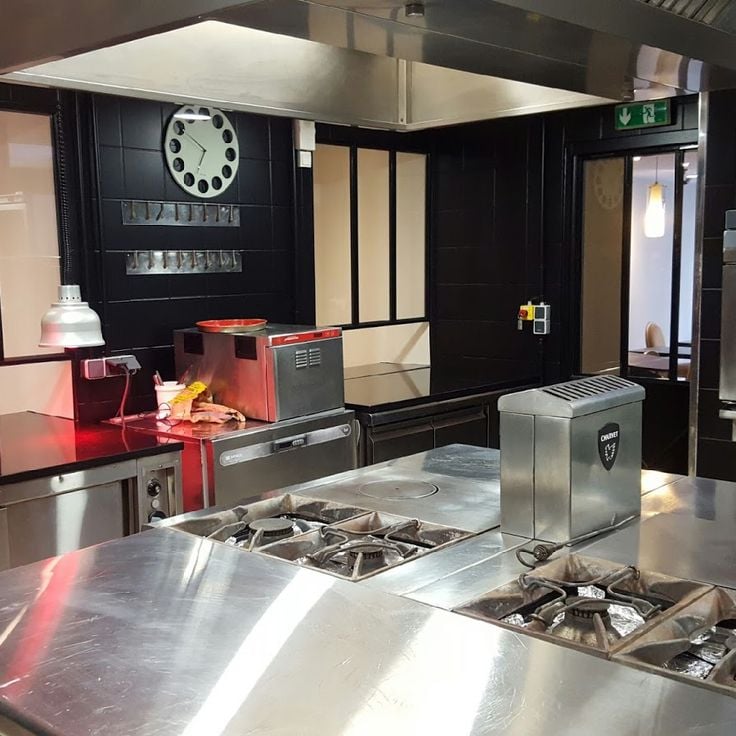
Osaka Street Food serves Japanese food meant to be eaten quickly and informally. You find ramen, gyoza and sushi on the menu. The kitchen is open and you watch the cooks prepare the dishes, which sometimes brings a bit of steam or noise into the room. The decor stays simple, without much decoration. If you want something other than French cooking, you come here and get served fairly quickly.
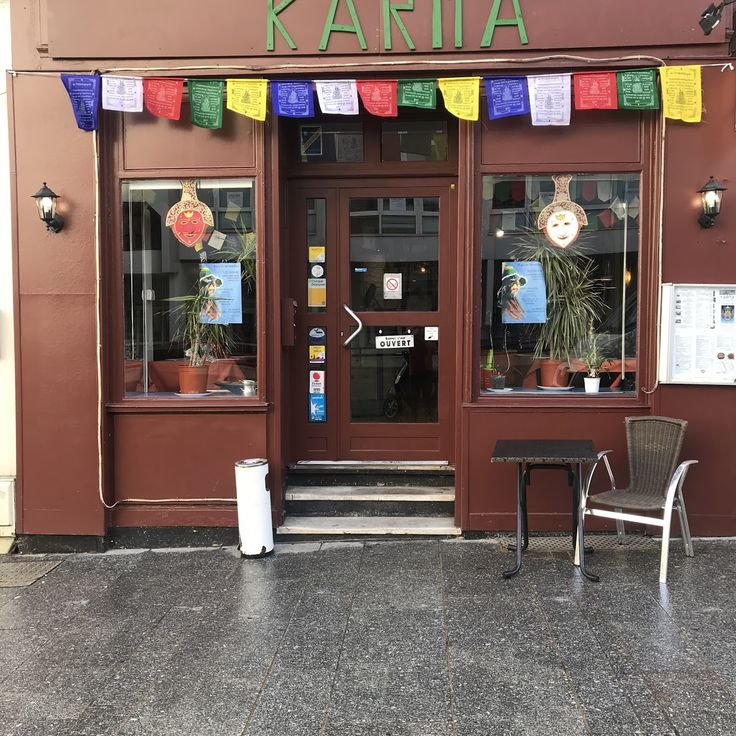
Karma works with seasonal produce and puts modern French cooking on the table. The menu changes depending on what the market offers, and the chef prepares vegetables, fish and meat so the flavors stay clear. There are also vegetarian dishes that fit into the menu without effort. The room is plainly furnished, with pale walls and few decorations, so you focus on the food. The atmosphere stays relaxed, portions are generous, and the staff explains the plates without too many words.
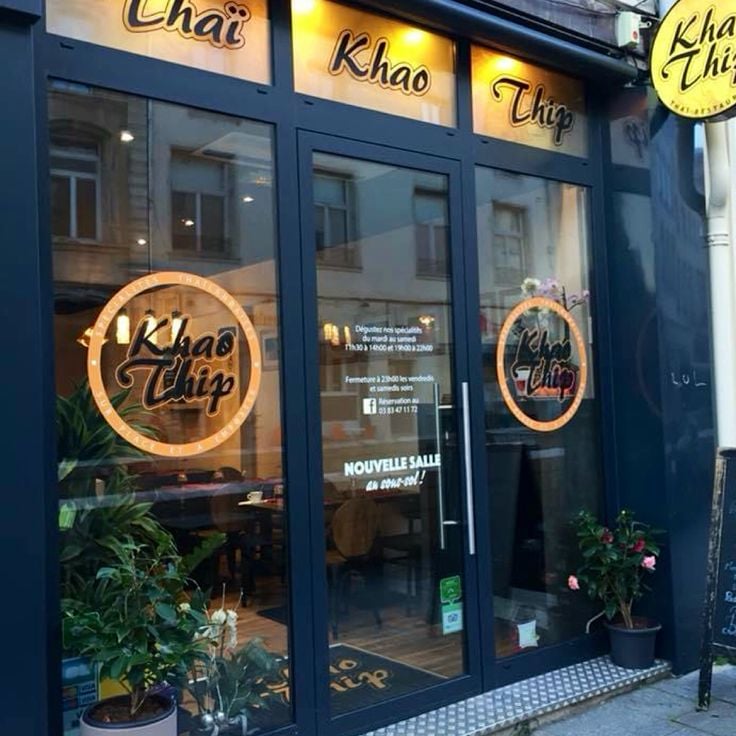
Thai Khao Thip prepares Thai soups, curries and stir-fried dishes, along with desserts from Southeast Asia. The dining room is furnished with wooden furniture. You'll find the classic flavors of Thai cooking in a calm setting that invites you to linger.
At Transparence, chef Patrick Fréchin prepares French dishes based on regional ingredients. The restaurant is located in Nancy and offers menus at fixed price. The carte changes with the seasons, and the recipes are carried out with contemporary techniques. You find here classic preparations alongside more creative interpretations. The dining room is kept simple, and the service explains gladly the origin of the products. The wine list contains mostly French bottles, including a few references from Lorraine. The restaurant attracts both locals and guests looking for careful cooking without unnecessary complications.
L'Eden works with seasonal ingredients and adjusts its menu according to market supplies. The kitchen follows classic lines of French gastronomy and adds daily suggestions that change weekly. The dining room shows stone walls and wooden beams that recall the original structure of the building. The atmosphere remains calm even when several tables are occupied. People come here to enjoy French recipes without fuss and observe the progress of a meal where main dish and side complement each other naturally.
Beaupré focuses on Lorraine classics and offers a window into how regional cooking is served in Nancy today. The menu follows the rhythm of the seasons, using produce from surrounding farms. The kitchen team makes all desserts in house. You often find dishes like quiche, baeckeoffe or wild game depending on the time of year. The cellar gathers bottles from Lorraine vineyards that can be paired with your plate. The atmosphere remains straightforward, with service that welcomes both newcomers and locals.
Le Village d'Afrotaste serves dishes from several African countries, adding flavors from another continent to Nancy's food scene. The menu lists grilled meats, stews and couscous, paired with spices and preparations you won't find in classic French restaurants. The dining room displays art objects and fabrics from Africa on the walls, giving the space a personal touch. The atmosphere is relaxed, the place attracts guests curious about kitchens from Mali, Senegal or Ivory Coast. Portions are generous, prices remain moderate. You sit at simple tables, the staff explains the dishes if needed. The restaurant is located in central Nancy, not far from the better known addresses in town.
Il Ristorante prepares Italian dishes using imported ingredients. The menu includes homemade pasta, wood-fired pizzas and a selection of Italian wines. The cooking follows the traditions of different Italian regions, from Emilia-Romagna to Tuscany. The atmosphere recalls a trattoria, with warm lighting and simple tables. The restaurant is located in Nancy, where many guests come to enjoy an Italian meal without leaving the city.
La Souris Verte occupies a quiet street in Nancy and serves French food with dishes rooted in the Lorraine tradition. The dining room features exposed stone walls and contemporary furniture with touches of green throughout. Desserts are made in house and the menu shifts depending on what ingredients are available. You'll find regional recipes prepared sometimes in a classical way, sometimes with a lighter hand, and the atmosphere remains casual.
Le Bouche à Oreille works with flammekueches in different versions, following the rhythm of seasonal products. The kitchen blends traditional recipes from Alsace with contemporary ingredients, changing the toppings regularly. The wine list gathers bottles from the region, including Rieslings and Gewürztraminers. The dining room shows clean lines and neutral colors, the atmosphere stays relaxed. You order at the table, the flammekueches come crispy from the oven and are served on wooden boards. The restaurant sits in the center of Nancy and draws guests looking for an uncomplicated meal.
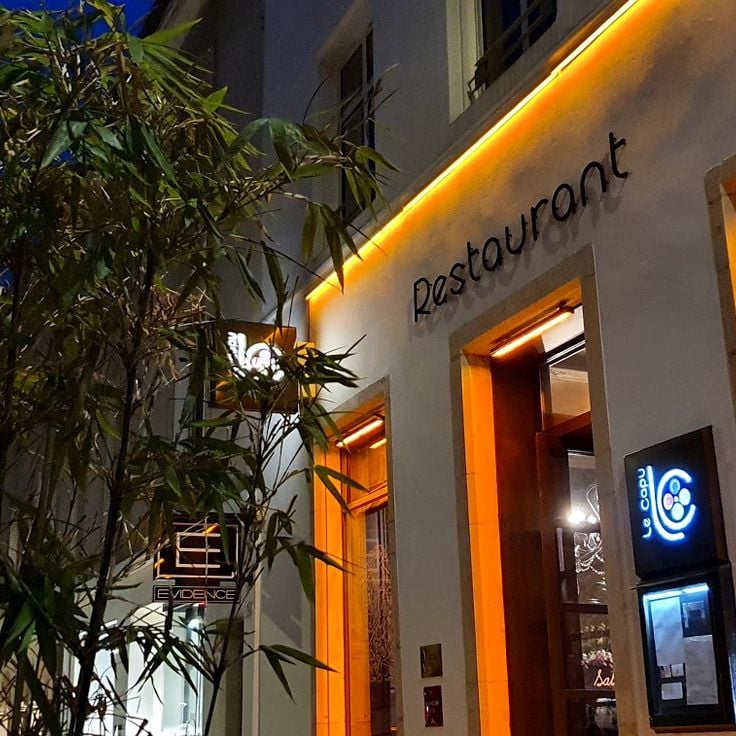
Le Capu is a restaurant in the heart of Nancy that serves French cuisine based on seasonal ingredients. The menu changes often, following what the chef finds at market and focusing on regional produce. The approach is contemporary, with careful preparation that respects Lorraine traditions without falling into folklore. The dining room is bright and simple, with a relaxed feel that works equally well for a quick lunch or a slower evening meal. The flavors are clean and the portions balanced, reflecting a commitment to quality over decoration.
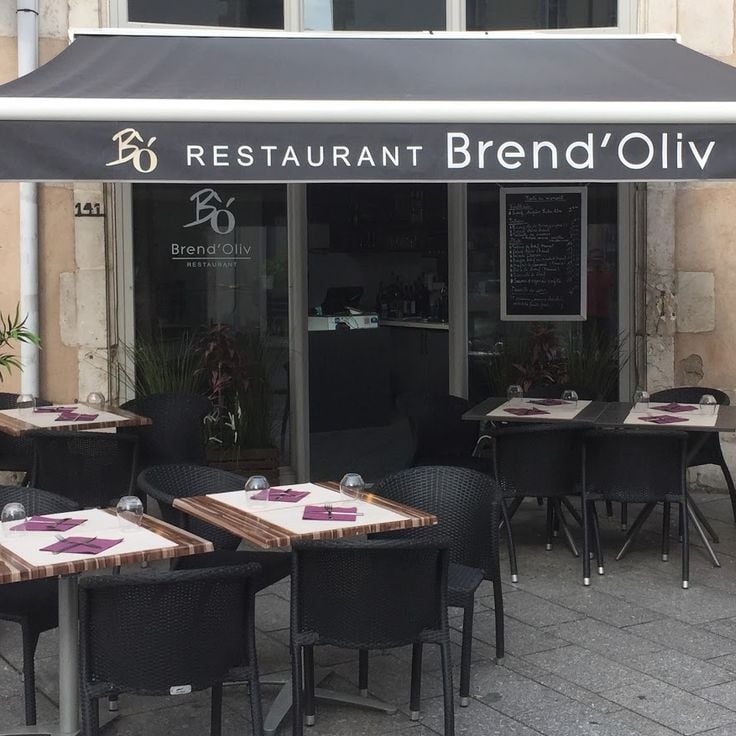
Brend'Oliv works with a French cuisine that changes with the seasons. The chef pairs produce from the area with techniques found in modern restaurants. The menu shows both traditional dishes from Lorraine and interpretations of classic French recipes. You eat in a room where the decor is kept simple and the flavors take center stage. The menus change regularly, depending on what the market offers at the moment.
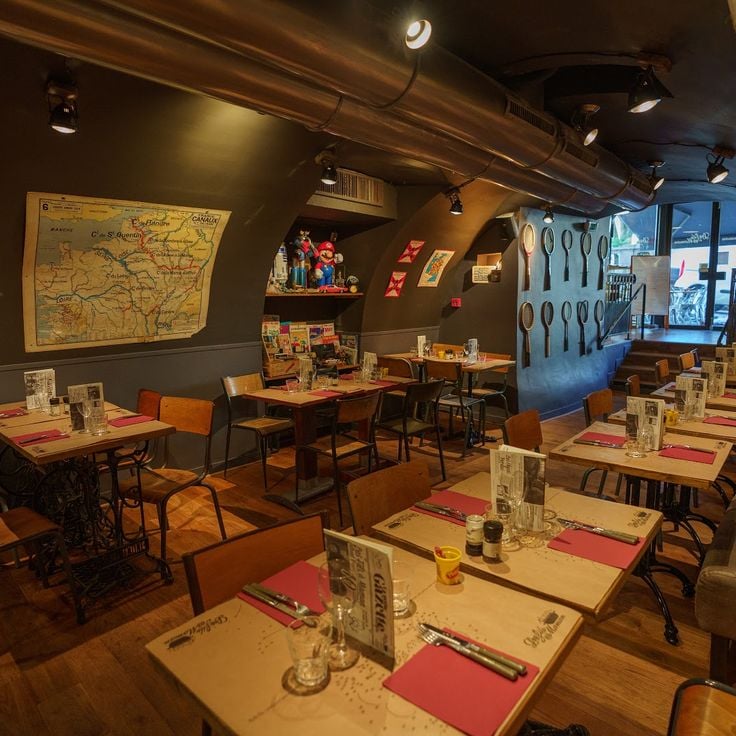
Les Fils à Maman serves French home cooking with a contemporary twist. The menu changes every month and highlights produce from Lorraine. The atmosphere recalls a busy family gathering, blending nostalgic touches with a relaxed, informal vibe. The menu shifts regularly to work with fresh ingredients and seasonal specialties. This restaurant is among the addresses in Nancy where classic French recipes meet modern techniques and a playful spirit.
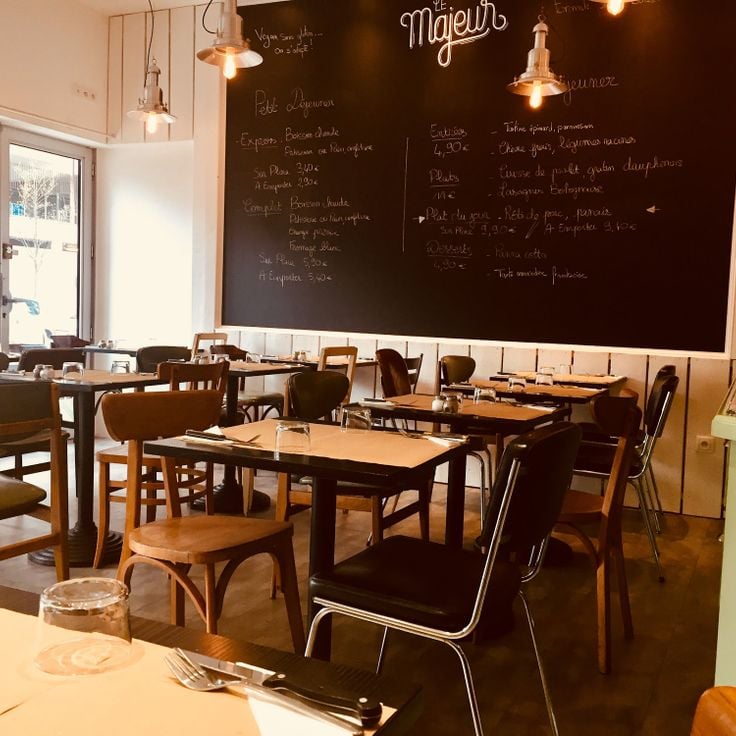
Le Majeur serves French dishes made with ingredients from nearby farms and markets. The menu follows the seasons, and daily suggestions appear on chalkboards along the walls. You find recipes from Lorraine here, prepared in a simple way that lets the produce speak. Fixed price menus make it easy to try several courses without spending too much. The dining room keeps things minimal, with wooden tables and plain walls. Service moves at a steady pace, friendly but not fussy.
La Gentilhommière works with French regional cooking that follows the seasons. The menu changes with what comes from the market, and the restaurant pairs dishes with wines from local producers. The recipes stay classic but follow the rhythm of harvest and availability in the area. You find Lorraine influences alongside French basics, cooked with fresh ingredients from nearby farms and suppliers.
The Brasserie L'Excelsior is an Art Nouveau brasserie that opened in 1911 and serves traditional French dishes and seafood platters. The dining room features stained glass windows that recall the era when the building was created. The atmosphere combines the elegance of the early 20th century with the operation of a classic brasserie, where visitors can try regional recipes or order oysters and other seafood. The interior contributes to the special mood and makes dining an experience that goes beyond the plate.
L'Arsenal brings contemporary French cooking into a converted military building from earlier centuries. The chef selects ingredients from Lorraine and builds a menu that shifts with the seasons. You sit in rooms where the old architecture still shows, between stone walls and high ceilings, while on the plate regional products appear in current form. The menu is short, the dishes change often, and the wine list shows bottles from France and some neighboring countries. On some evenings the restaurant is busy, on others you find a table more easily.
This restaurant in Nancy brings together French and Polish cooking in a straightforward way. The menu offers dishes from both countries, from pierogi to coq au vin, often using regional ingredients from Lorraine. The dining room is kept simple, with wooden tables and soft lighting. The name refers to Stanislas Leszczynski, the Polish king who ruled Nancy in the 18th century and shaped the city. You can try hearty Polish dumplings alongside classic French braised dishes, sometimes combined on a single plate.
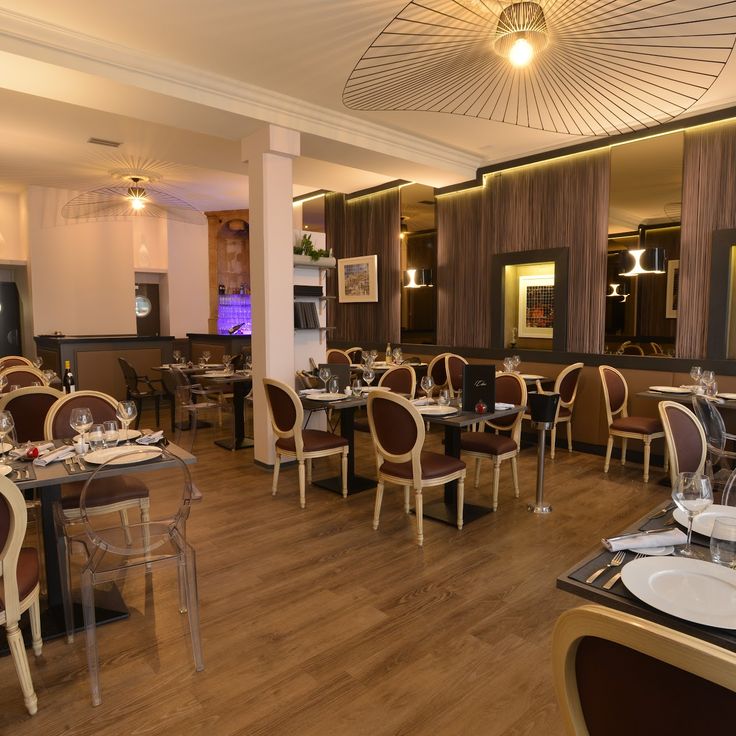
Suzette brings together French cooking with a modern interior that lets in plenty of daylight through large glass panels. The menu changes with the seasons and draws on regional products, moving between classic bistro dishes and contemporary preparations. The restaurant sits in the center of Nancy, just a short walk from Place Stanislas, which makes it convenient before or after exploring the city. The space feels bright and uncluttered, with wooden tables and simple chairs. The atmosphere stays relaxed, even when more guests arrive on weekends.
Le 27 Gambetta works with seasonal products and builds its menu around what the market offers. The dishes follow French recipes, with a clear focus on freshness. The dining room is contemporary, the atmosphere stays quiet. The fixed-price menus change depending on what comes in and let you discover the chef's work across several courses without spending too much.
The restaurant at Château d'Adoménil blends French flavors with contemporary cooking methods inside an 18th-century building. Stone walls and period furniture frame dishes that follow the seasons and draw on regional products from Lorraine.
Racine builds its menu around what Nancy and the surrounding farms produce, shifting the dishes when the season brings different vegetables, meats or fish to market. The cooking follows French techniques without drifting into complicated presentations. The fixed price formulas organize the meal into several courses and let diners see how the chef works with seasonal ingredients. The dining room shows a contemporary interior that keeps focus on the plates, and the service explains where products come from and how they were prepared.
Patern is a French restaurant in Nancy that serves experimental dishes. The dining room is kept simple, without distraction. The menu changes often, depending on what is available at the market. The kitchen team tries new combinations and works with seasonal ingredients, without sticking to fixed recipes. You sit in a bright room where attention stays on the plate.
The restaurant serves French cooking with seasonal ingredients in a contemporary setting. The menu changes according to what is available at the market and contributes to Nancy's dining scene, which stretches from village addresses like this one to urban bistros. The dishes follow the rhythm of the seasons.
La Toq works with French recipes that often come from Lorraine. In this Nancy restaurant you find dishes made from regional ingredients, paired with wines from the area. The menu changes with the seasons and shows classic preparations alongside more contemporary ones. The setting is kept simple, the atmosphere relaxed. You eat French cuisine in its regional form here, without grand staging, with respect for the product and the traditions of the region.
Les Oliviers serves pasta, pizza and other Italian dishes in a dining room located in central Nancy. The menu includes several recipes from different regions of Italy, using products partly imported from Italy. You find here antipasti, homemade pasta and grilled meat or fish. The wine list features several Italian appellations, from light whites to full-bodied reds. The place offers an atmosphere between trattoria and contemporary bistro, with service focused on speed and friendliness.
Cadet combines classic French recipes with contemporary cooking methods and seasonal ingredients. The menu changes regularly and presents traditional dishes in modern interpretations that follow what the market offers.
À la 12 interprets French classics with a contemporary approach. The kitchen works with local ingredients, prepares them with precision, and presents the dishes in a modern way. The menu changes and follows what the season offers.
La Cour des Sens works with French gastronomy through contemporary preparations, where the chef handles local products from Lorraine and applies modern cooking methods that bring out seasonal menus, served in a setting focused on current product quality rather than elaborate presentations.
Le Palais Gourmand sources part of its ingredients from the region and offers a menu where lamb appears in several preparations. During the season, scallop dishes also figure on the menu. The dining room seats about 45 guests and lies in the heart of Nancy, where the restaurant contributes to the variety of French cooking in the city. You order à la carte or choose one of the daily menus. The atmosphere is calm, without special decoration, and suits a meal in a small group or as a couple.
The Antoinette serves French cooking in a renovated 19th-century building. The menu changes with the seasons and features dishes made from local ingredients. The wine list includes regional bottles, and the food often follows traditional recipes with some modern touches. Inside the dining room you can see old ceiling beams and bright walls. The restaurant sits in the center of Nancy, where many other places offer similar cuisine.
The Comptoir Saint-Michel stands a short walk from Place Stanislas and serves dishes rooted in the region. The dining room features wooden furniture and stone walls dating from the 1800s, which give the space a warm feel. The menu lists Lorraine specialties alongside French classics that shift with the seasons. This restaurant suits a meal after exploring the center of Nancy.
The restaurant works with a menu built around seasonal ingredients, mixing French cooking with touches from other cuisines. Dishes showcase products from Lorraine in contemporary preparations, and the plates change regularly depending on what the market offers. La Maison dans le Parc sits in a renovated house with several rooms where you can eat during the day or in the evening.
Osaka Street Food serves Japanese food meant to be eaten quickly and informally. You find ramen, gyoza and sushi on the menu. The kitchen is open and you watch the cooks prepare the dishes, which sometimes brings a bit of steam or noise into the room. The decor stays simple, without much decoration. If you want something other than French cooking, you come here and get served fairly quickly.
Karma works with seasonal produce and puts modern French cooking on the table. The menu changes depending on what the market offers, and the chef prepares vegetables, fish and meat so the flavors stay clear. There are also vegetarian dishes that fit into the menu without effort. The room is plainly furnished, with pale walls and few decorations, so you focus on the food. The atmosphere stays relaxed, portions are generous, and the staff explains the plates without too many words.
Thai Khao Thip prepares Thai soups, curries and stir-fried dishes, along with desserts from Southeast Asia. The dining room is furnished with wooden furniture. You'll find the classic flavors of Thai cooking in a calm setting that invites you to linger.
At Transparence, chef Patrick Fréchin prepares French dishes based on regional ingredients. The restaurant is located in Nancy and offers menus at fixed price. The carte changes with the seasons, and the recipes are carried out with contemporary techniques. You find here classic preparations alongside more creative interpretations. The dining room is kept simple, and the service explains gladly the origin of the products. The wine list contains mostly French bottles, including a few references from Lorraine. The restaurant attracts both locals and guests looking for careful cooking without unnecessary complications.
L'Eden works with seasonal ingredients and adjusts its menu according to market supplies. The kitchen follows classic lines of French gastronomy and adds daily suggestions that change weekly. The dining room shows stone walls and wooden beams that recall the original structure of the building. The atmosphere remains calm even when several tables are occupied. People come here to enjoy French recipes without fuss and observe the progress of a meal where main dish and side complement each other naturally.
Beaupré focuses on Lorraine classics and offers a window into how regional cooking is served in Nancy today. The menu follows the rhythm of the seasons, using produce from surrounding farms. The kitchen team makes all desserts in house. You often find dishes like quiche, baeckeoffe or wild game depending on the time of year. The cellar gathers bottles from Lorraine vineyards that can be paired with your plate. The atmosphere remains straightforward, with service that welcomes both newcomers and locals.
Le Village d'Afrotaste serves dishes from several African countries, adding flavors from another continent to Nancy's food scene. The menu lists grilled meats, stews and couscous, paired with spices and preparations you won't find in classic French restaurants. The dining room displays art objects and fabrics from Africa on the walls, giving the space a personal touch. The atmosphere is relaxed, the place attracts guests curious about kitchens from Mali, Senegal or Ivory Coast. Portions are generous, prices remain moderate. You sit at simple tables, the staff explains the dishes if needed. The restaurant is located in central Nancy, not far from the better known addresses in town.
Il Ristorante prepares Italian dishes using imported ingredients. The menu includes homemade pasta, wood-fired pizzas and a selection of Italian wines. The cooking follows the traditions of different Italian regions, from Emilia-Romagna to Tuscany. The atmosphere recalls a trattoria, with warm lighting and simple tables. The restaurant is located in Nancy, where many guests come to enjoy an Italian meal without leaving the city.
La Souris Verte occupies a quiet street in Nancy and serves French food with dishes rooted in the Lorraine tradition. The dining room features exposed stone walls and contemporary furniture with touches of green throughout. Desserts are made in house and the menu shifts depending on what ingredients are available. You'll find regional recipes prepared sometimes in a classical way, sometimes with a lighter hand, and the atmosphere remains casual.
Le Bouche à Oreille works with flammekueches in different versions, following the rhythm of seasonal products. The kitchen blends traditional recipes from Alsace with contemporary ingredients, changing the toppings regularly. The wine list gathers bottles from the region, including Rieslings and Gewürztraminers. The dining room shows clean lines and neutral colors, the atmosphere stays relaxed. You order at the table, the flammekueches come crispy from the oven and are served on wooden boards. The restaurant sits in the center of Nancy and draws guests looking for an uncomplicated meal.
Le Capu is a restaurant in the heart of Nancy that serves French cuisine based on seasonal ingredients. The menu changes often, following what the chef finds at market and focusing on regional produce. The approach is contemporary, with careful preparation that respects Lorraine traditions without falling into folklore. The dining room is bright and simple, with a relaxed feel that works equally well for a quick lunch or a slower evening meal. The flavors are clean and the portions balanced, reflecting a commitment to quality over decoration.
Brend'Oliv works with a French cuisine that changes with the seasons. The chef pairs produce from the area with techniques found in modern restaurants. The menu shows both traditional dishes from Lorraine and interpretations of classic French recipes. You eat in a room where the decor is kept simple and the flavors take center stage. The menus change regularly, depending on what the market offers at the moment.
Les Fils à Maman serves French home cooking with a contemporary twist. The menu changes every month and highlights produce from Lorraine. The atmosphere recalls a busy family gathering, blending nostalgic touches with a relaxed, informal vibe. The menu shifts regularly to work with fresh ingredients and seasonal specialties. This restaurant is among the addresses in Nancy where classic French recipes meet modern techniques and a playful spirit.
Le Majeur serves French dishes made with ingredients from nearby farms and markets. The menu follows the seasons, and daily suggestions appear on chalkboards along the walls. You find recipes from Lorraine here, prepared in a simple way that lets the produce speak. Fixed price menus make it easy to try several courses without spending too much. The dining room keeps things minimal, with wooden tables and plain walls. Service moves at a steady pace, friendly but not fussy.
La Gentilhommière works with French regional cooking that follows the seasons. The menu changes with what comes from the market, and the restaurant pairs dishes with wines from local producers. The recipes stay classic but follow the rhythm of harvest and availability in the area. You find Lorraine influences alongside French basics, cooked with fresh ingredients from nearby farms and suppliers.
The Brasserie L'Excelsior is an Art Nouveau brasserie that opened in 1911 and serves traditional French dishes and seafood platters. The dining room features stained glass windows that recall the era when the building was created. The atmosphere combines the elegance of the early 20th century with the operation of a classic brasserie, where visitors can try regional recipes or order oysters and other seafood. The interior contributes to the special mood and makes dining an experience that goes beyond the plate.
L'Arsenal brings contemporary French cooking into a converted military building from earlier centuries. The chef selects ingredients from Lorraine and builds a menu that shifts with the seasons. You sit in rooms where the old architecture still shows, between stone walls and high ceilings, while on the plate regional products appear in current form. The menu is short, the dishes change often, and the wine list shows bottles from France and some neighboring countries. On some evenings the restaurant is busy, on others you find a table more easily.
This restaurant in Nancy brings together French and Polish cooking in a straightforward way. The menu offers dishes from both countries, from pierogi to coq au vin, often using regional ingredients from Lorraine. The dining room is kept simple, with wooden tables and soft lighting. The name refers to Stanislas Leszczynski, the Polish king who ruled Nancy in the 18th century and shaped the city. You can try hearty Polish dumplings alongside classic French braised dishes, sometimes combined on a single plate.
Suzette brings together French cooking with a modern interior that lets in plenty of daylight through large glass panels. The menu changes with the seasons and draws on regional products, moving between classic bistro dishes and contemporary preparations. The restaurant sits in the center of Nancy, just a short walk from Place Stanislas, which makes it convenient before or after exploring the city. The space feels bright and uncluttered, with wooden tables and simple chairs. The atmosphere stays relaxed, even when more guests arrive on weekends.
Le 27 Gambetta works with seasonal products and builds its menu around what the market offers. The dishes follow French recipes, with a clear focus on freshness. The dining room is contemporary, the atmosphere stays quiet. The fixed-price menus change depending on what comes in and let you discover the chef's work across several courses without spending too much.
The restaurant at Château d'Adoménil blends French flavors with contemporary cooking methods inside an 18th-century building. Stone walls and period furniture frame dishes that follow the seasons and draw on regional products from Lorraine.
Racine builds its menu around what Nancy and the surrounding farms produce, shifting the dishes when the season brings different vegetables, meats or fish to market. The cooking follows French techniques without drifting into complicated presentations. The fixed price formulas organize the meal into several courses and let diners see how the chef works with seasonal ingredients. The dining room shows a contemporary interior that keeps focus on the plates, and the service explains where products come from and how they were prepared.
Patern is a French restaurant in Nancy that serves experimental dishes. The dining room is kept simple, without distraction. The menu changes often, depending on what is available at the market. The kitchen team tries new combinations and works with seasonal ingredients, without sticking to fixed recipes. You sit in a bright room where attention stays on the plate.
The restaurant serves French cooking with seasonal ingredients in a contemporary setting. The menu changes according to what is available at the market and contributes to Nancy's dining scene, which stretches from village addresses like this one to urban bistros. The dishes follow the rhythm of the seasons.
La Toq works with French recipes that often come from Lorraine. In this Nancy restaurant you find dishes made from regional ingredients, paired with wines from the area. The menu changes with the seasons and shows classic preparations alongside more contemporary ones. The setting is kept simple, the atmosphere relaxed. You eat French cuisine in its regional form here, without grand staging, with respect for the product and the traditions of the region.
Les Oliviers serves pasta, pizza and other Italian dishes in a dining room located in central Nancy. The menu includes several recipes from different regions of Italy, using products partly imported from Italy. You find here antipasti, homemade pasta and grilled meat or fish. The wine list features several Italian appellations, from light whites to full-bodied reds. The place offers an atmosphere between trattoria and contemporary bistro, with service focused on speed and friendliness.
Cadet combines classic French recipes with contemporary cooking methods and seasonal ingredients. The menu changes regularly and presents traditional dishes in modern interpretations that follow what the market offers.
À la 12 interprets French classics with a contemporary approach. The kitchen works with local ingredients, prepares them with precision, and presents the dishes in a modern way. The menu changes and follows what the season offers.
La Cour des Sens works with French gastronomy through contemporary preparations, where the chef handles local products from Lorraine and applies modern cooking methods that bring out seasonal menus, served in a setting focused on current product quality rather than elaborate presentations.
Le Palais Gourmand sources part of its ingredients from the region and offers a menu where lamb appears in several preparations. During the season, scallop dishes also figure on the menu. The dining room seats about 45 guests and lies in the heart of Nancy, where the restaurant contributes to the variety of French cooking in the city. You order à la carte or choose one of the daily menus. The atmosphere is calm, without special decoration, and suits a meal in a small group or as a couple.
The Antoinette serves French cooking in a renovated 19th-century building. The menu changes with the seasons and features dishes made from local ingredients. The wine list includes regional bottles, and the food often follows traditional recipes with some modern touches. Inside the dining room you can see old ceiling beams and bright walls. The restaurant sits in the center of Nancy, where many other places offer similar cuisine.
The Comptoir Saint-Michel stands a short walk from Place Stanislas and serves dishes rooted in the region. The dining room features wooden furniture and stone walls dating from the 1800s, which give the space a warm feel. The menu lists Lorraine specialties alongside French classics that shift with the seasons. This restaurant suits a meal after exploring the center of Nancy.
The restaurant works with a menu built around seasonal ingredients, mixing French cooking with touches from other cuisines. Dishes showcase products from Lorraine in contemporary preparations, and the plates change regularly depending on what the market offers. La Maison dans le Parc sits in a renovated house with several rooms where you can eat during the day or in the evening.
Osaka Street Food serves Japanese food meant to be eaten quickly and informally. You find ramen, gyoza and sushi on the menu. The kitchen is open and you watch the cooks prepare the dishes, which sometimes brings a bit of steam or noise into the room. The decor stays simple, without much decoration. If you want something other than French cooking, you come here and get served fairly quickly.
Karma works with seasonal produce and puts modern French cooking on the table. The menu changes depending on what the market offers, and the chef prepares vegetables, fish and meat so the flavors stay clear. There are also vegetarian dishes that fit into the menu without effort. The room is plainly furnished, with pale walls and few decorations, so you focus on the food. The atmosphere stays relaxed, portions are generous, and the staff explains the plates without too many words.
Thai Khao Thip prepares Thai soups, curries and stir-fried dishes, along with desserts from Southeast Asia. The dining room is furnished with wooden furniture. You'll find the classic flavors of Thai cooking in a calm setting that invites you to linger.
At Transparence, chef Patrick Fréchin prepares French dishes based on regional ingredients. The restaurant is located in Nancy and offers menus at fixed price. The carte changes with the seasons, and the recipes are carried out with contemporary techniques. You find here classic preparations alongside more creative interpretations. The dining room is kept simple, and the service explains gladly the origin of the products. The wine list contains mostly French bottles, including a few references from Lorraine. The restaurant attracts both locals and guests looking for careful cooking without unnecessary complications.
L'Eden works with seasonal ingredients and adjusts its menu according to market supplies. The kitchen follows classic lines of French gastronomy and adds daily suggestions that change weekly. The dining room shows stone walls and wooden beams that recall the original structure of the building. The atmosphere remains calm even when several tables are occupied. People come here to enjoy French recipes without fuss and observe the progress of a meal where main dish and side complement each other naturally.
Beaupré focuses on Lorraine classics and offers a window into how regional cooking is served in Nancy today. The menu follows the rhythm of the seasons, using produce from surrounding farms. The kitchen team makes all desserts in house. You often find dishes like quiche, baeckeoffe or wild game depending on the time of year. The cellar gathers bottles from Lorraine vineyards that can be paired with your plate. The atmosphere remains straightforward, with service that welcomes both newcomers and locals.
Le Village d'Afrotaste serves dishes from several African countries, adding flavors from another continent to Nancy's food scene. The menu lists grilled meats, stews and couscous, paired with spices and preparations you won't find in classic French restaurants. The dining room displays art objects and fabrics from Africa on the walls, giving the space a personal touch. The atmosphere is relaxed, the place attracts guests curious about kitchens from Mali, Senegal or Ivory Coast. Portions are generous, prices remain moderate. You sit at simple tables, the staff explains the dishes if needed. The restaurant is located in central Nancy, not far from the better known addresses in town.
Il Ristorante prepares Italian dishes using imported ingredients. The menu includes homemade pasta, wood-fired pizzas and a selection of Italian wines. The cooking follows the traditions of different Italian regions, from Emilia-Romagna to Tuscany. The atmosphere recalls a trattoria, with warm lighting and simple tables. The restaurant is located in Nancy, where many guests come to enjoy an Italian meal without leaving the city.
La Souris Verte occupies a quiet street in Nancy and serves French food with dishes rooted in the Lorraine tradition. The dining room features exposed stone walls and contemporary furniture with touches of green throughout. Desserts are made in house and the menu shifts depending on what ingredients are available. You'll find regional recipes prepared sometimes in a classical way, sometimes with a lighter hand, and the atmosphere remains casual.
Le Bouche à Oreille works with flammekueches in different versions, following the rhythm of seasonal products. The kitchen blends traditional recipes from Alsace with contemporary ingredients, changing the toppings regularly. The wine list gathers bottles from the region, including Rieslings and Gewürztraminers. The dining room shows clean lines and neutral colors, the atmosphere stays relaxed. You order at the table, the flammekueches come crispy from the oven and are served on wooden boards. The restaurant sits in the center of Nancy and draws guests looking for an uncomplicated meal.
Le Capu is a restaurant in the heart of Nancy that serves French cuisine based on seasonal ingredients. The menu changes often, following what the chef finds at market and focusing on regional produce. The approach is contemporary, with careful preparation that respects Lorraine traditions without falling into folklore. The dining room is bright and simple, with a relaxed feel that works equally well for a quick lunch or a slower evening meal. The flavors are clean and the portions balanced, reflecting a commitment to quality over decoration.
Brend'Oliv works with a French cuisine that changes with the seasons. The chef pairs produce from the area with techniques found in modern restaurants. The menu shows both traditional dishes from Lorraine and interpretations of classic French recipes. You eat in a room where the decor is kept simple and the flavors take center stage. The menus change regularly, depending on what the market offers at the moment.
Les Fils à Maman serves French home cooking with a contemporary twist. The menu changes every month and highlights produce from Lorraine. The atmosphere recalls a busy family gathering, blending nostalgic touches with a relaxed, informal vibe. The menu shifts regularly to work with fresh ingredients and seasonal specialties. This restaurant is among the addresses in Nancy where classic French recipes meet modern techniques and a playful spirit.
Le Majeur serves French dishes made with ingredients from nearby farms and markets. The menu follows the seasons, and daily suggestions appear on chalkboards along the walls. You find recipes from Lorraine here, prepared in a simple way that lets the produce speak. Fixed price menus make it easy to try several courses without spending too much. The dining room keeps things minimal, with wooden tables and plain walls. Service moves at a steady pace, friendly but not fussy.
La Gentilhommière works with French regional cooking that follows the seasons. The menu changes with what comes from the market, and the restaurant pairs dishes with wines from local producers. The recipes stay classic but follow the rhythm of harvest and availability in the area. You find Lorraine influences alongside French basics, cooked with fresh ingredients from nearby farms and suppliers.
The Brasserie L'Excelsior is an Art Nouveau brasserie that opened in 1911 and serves traditional French dishes and seafood platters. The dining room features stained glass windows that recall the era when the building was created. The atmosphere combines the elegance of the early 20th century with the operation of a classic brasserie, where visitors can try regional recipes or order oysters and other seafood. The interior contributes to the special mood and makes dining an experience that goes beyond the plate.
L'Arsenal brings contemporary French cooking into a converted military building from earlier centuries. The chef selects ingredients from Lorraine and builds a menu that shifts with the seasons. You sit in rooms where the old architecture still shows, between stone walls and high ceilings, while on the plate regional products appear in current form. The menu is short, the dishes change often, and the wine list shows bottles from France and some neighboring countries. On some evenings the restaurant is busy, on others you find a table more easily.
This restaurant in Nancy brings together French and Polish cooking in a straightforward way. The menu offers dishes from both countries, from pierogi to coq au vin, often using regional ingredients from Lorraine. The dining room is kept simple, with wooden tables and soft lighting. The name refers to Stanislas Leszczynski, the Polish king who ruled Nancy in the 18th century and shaped the city. You can try hearty Polish dumplings alongside classic French braised dishes, sometimes combined on a single plate.
Suzette brings together French cooking with a modern interior that lets in plenty of daylight through large glass panels. The menu changes with the seasons and draws on regional products, moving between classic bistro dishes and contemporary preparations. The restaurant sits in the center of Nancy, just a short walk from Place Stanislas, which makes it convenient before or after exploring the city. The space feels bright and uncluttered, with wooden tables and simple chairs. The atmosphere stays relaxed, even when more guests arrive on weekends.