See the monuments around you in AROpen chests in the app
Around Us is built for your phone — point your camera at the streets and discover the monuments and places around you in augmented reality.Around Us is built for your phone — chests unlock when you walk, explore and capture nearby places.
The Philippines is an archipelago where nature shows off in every direction. Each island has its own character. You can find white sandy beaches that stretch for kilometers, coral reefs teeming with colorful fish, and lagoons where the water is so transparent you can see straight to the bottom. The islands also have something more dramatic to offer: towering limestone cliffs, underground caves, and volcanic peaks. When you travel between these islands, you discover places where people still farm rice on hillsides carved into terraces generations ago, and towns that blend Spanish colonial buildings with modern life. Marine parks protect the underwater world, while national parks safeguard dense forests, waterfalls, and geological wonders. Whether you visit Palawan with its limestone landscapes, Siargao with its famous waves, Boracay and Cebu with their developed beaches and resorts, or Bohol with its rolling cone-shaped hills, each destination offers something different. The archipelago tells the story of the Philippines through its landscapes, from the ocean floor to the highest peaks, and through the communities that have made their homes among these islands for centuries.
The Philippines is an archipelago where nature shows off in every direction. Each island has its own character. You can find white sandy beaches that stretch for kilometers, coral reefs teeming with colorful fish, and lagoons where the water is so transparent you can see straight to the bottom. The islands also have something more dramatic to offer: towering limestone cliffs, underground caves, and volcanic peaks. When you travel between these islands, you discover places where people still farm rice on hillsides carved into terraces generations ago, and towns that blend Spanish colonial buildings with modern life. Marine parks protect the underwater world, while national parks safeguard dense forests, waterfalls, and geological wonders. Whether you visit Palawan with its limestone landscapes, Siargao with its famous waves, Boracay and Cebu with their developed beaches and resorts, or Bohol with its rolling cone-shaped hills, each destination offers something different. The archipelago tells the story of the Philippines through its landscapes, from the ocean floor to the highest peaks, and through the communities that have made their homes among these islands for centuries.
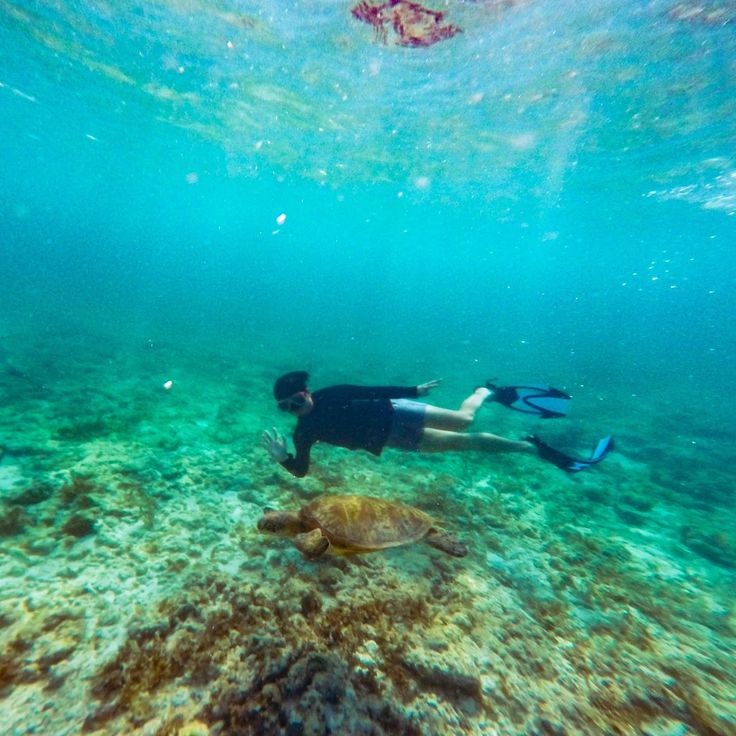
Coron in Palawan represents a destination in the Philippines collection that draws visitors with its coral reefs, turquoise lagoons, and sunken World War II Japanese shipwrecks. The island showcases the natural diversity of the archipelago through its clear waters and abundant marine life, while the historical wrecks beneath the surface tell stories of the past. Snorkeling and diving are popular activities for those who want to explore the underwater world.
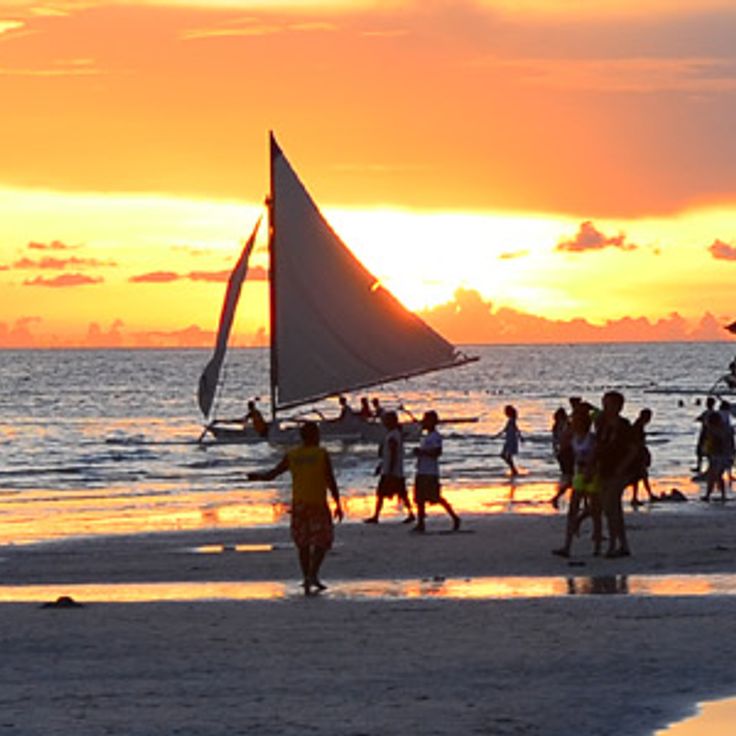
Boracay is an island in the Western Visayas with 13 beaches and shallow coral reefs that frame its shores. The clear water makes it easy to see the marine life below, and the sandy beaches draw visitors from around the world. The island has developed into a full resort destination with hotels, restaurants, and shops that serve the many tourists who arrive each day. The beaches fill with swimmers, sunbathers, and people trying water sports during the day. In the evenings, visitors gather to watch the sun drop below the horizon. Boracay shows how the Philippines blends natural beauty with modern tourism.
Hundred Islands National Park is a protected area of 124 coral islands in the South China Sea and shows how the Philippines preserves its natural treasures. The park features white sandy beaches, coral reefs, and distinctive rock formations. These islands are part of the larger picture of the Philippine archipelago, where nature works in every direction and each location tells its own story.
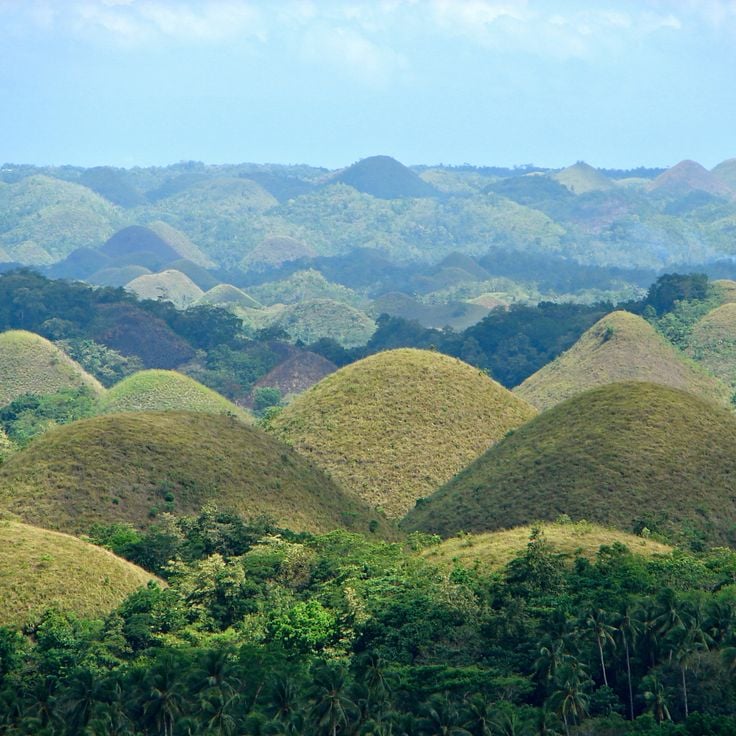
The Chocolate Hills form a distinctive natural landscape in Bohol that shapes how visitors see this island. Over a thousand cone-shaped hills rise from the terrain, their rounded forms creating an unusual rolling pattern across the countryside. During the rainy season, these hills turn bright green, then gradually shift to brown as the dry season approaches, giving them the appearance that inspired their name. This geological formation developed over millions of years through natural processes. From viewpoint platforms, you can take in the full scope of the landscape spreading across the island.
Siargao is an island in the Philippine Sea known for its coral reefs and famous surf spots like Cloud 9. This island embodies the natural diversity of the Philippine archipelago, where the ocean and nature reveal themselves from every angle. Visitors come to ride the waves, explore colorful fish in the reefs, and swim in lagoons where the water is so clear you can see to the bottom.
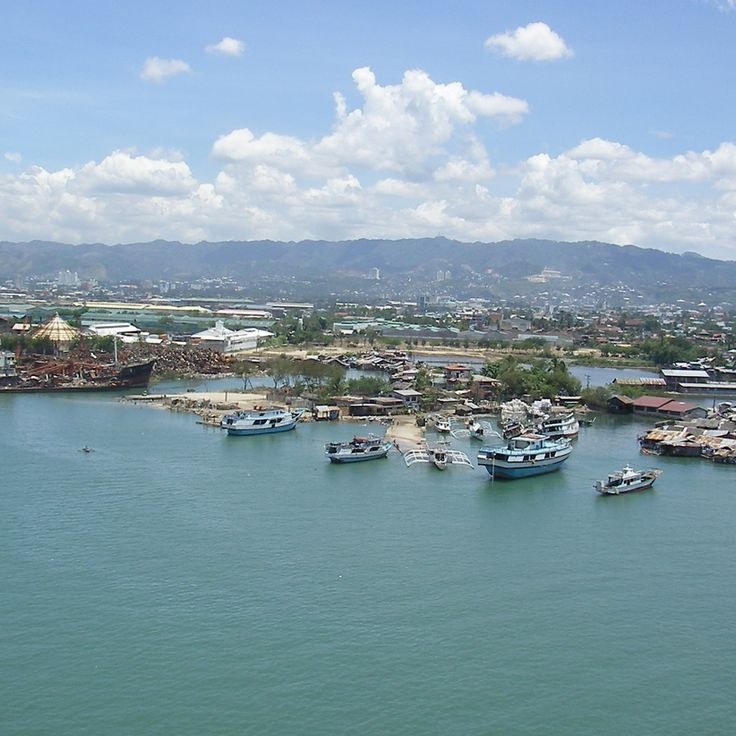
Cebu is the commercial and cultural center of the Visayas region. This island shows you how the Philippines has developed, with 16th-century Spanish colonial buildings that stand alongside modern life, and white sandy beaches that invite you to relax. Here you find the history of the archipelago in the streets and the natural beauty along the coasts.
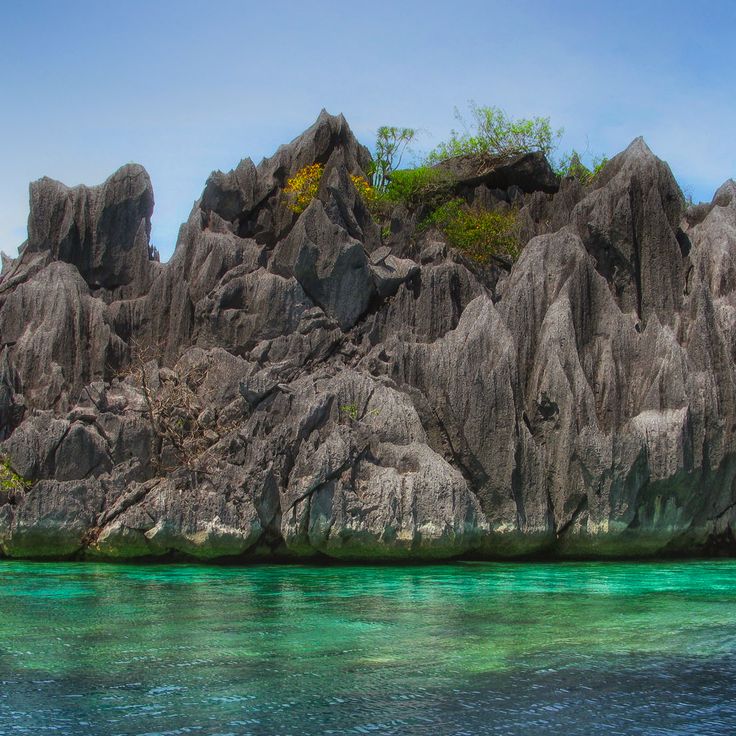
Palawan is a 450-kilometer-long island in the western Philippines that shows the natural variety found across the archipelago. The island displays dramatic landscapes that reach from coastal waters to inland peaks. Limestone cliffs rise from the sea, underground caves create hidden passages, and marine lakes dot the terrain with crystal-clear water. Coral reefs support colorful fish, and white sandy beaches curve along the coastline. Dense forests cover parts of the island, protecting geological formations and the communities that have settled here over time.
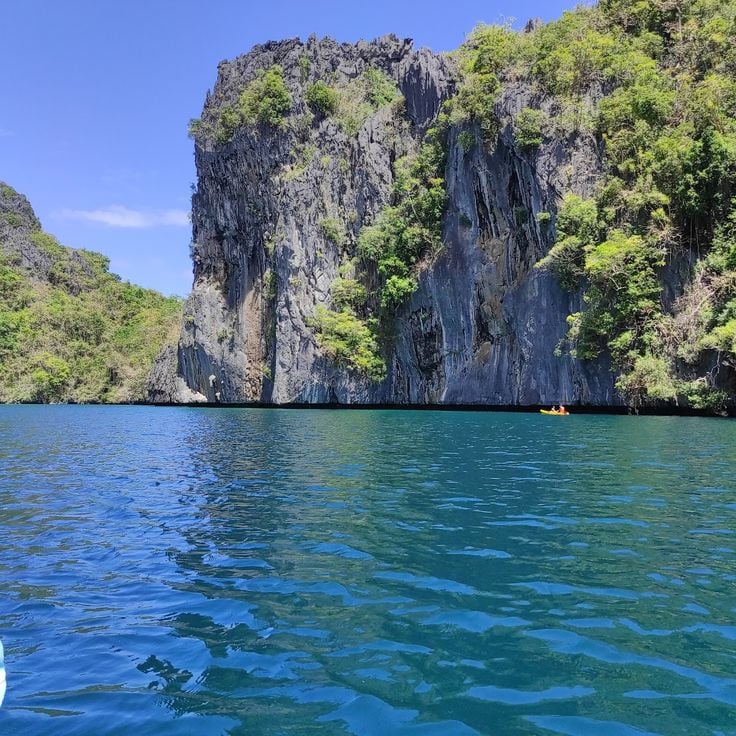
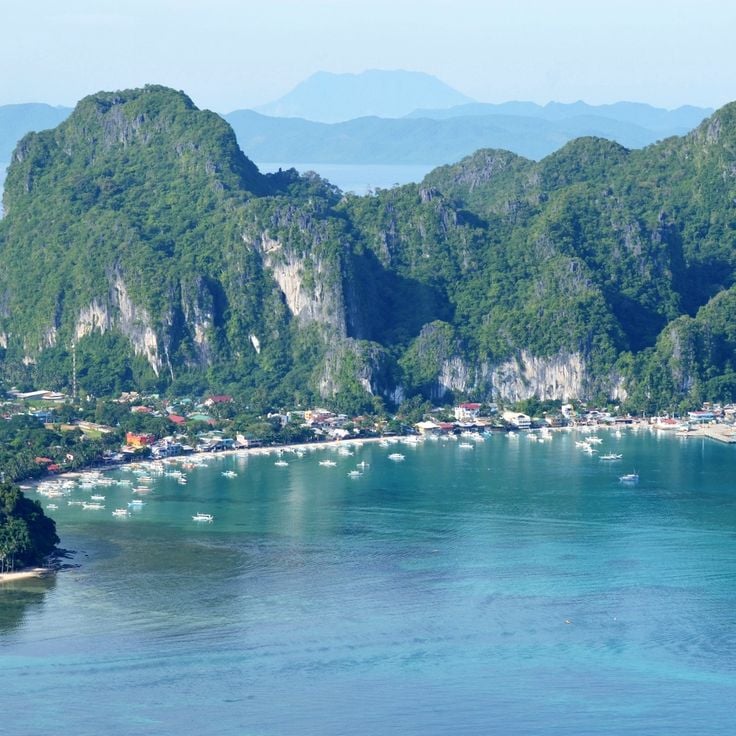
El Nido is a coastal municipality in Palawan that showcases the dramatic side of the Philippines. Limestone cliffs rise sharply from turquoise waters, while white sandy beaches and hidden coves line the shore. From here, boats take you to secluded lagoons where the water is so clear you can see straight to the bottom. The town combines the raw beauty of nature with the rhythm of daily life in a small coastal community, representing one of many different places the archipelago has to offer.
Bohol is an island in the Philippines known for its distinctive cone-shaped limestone hills that cover much of the landscape. The island features coral reefs where colorful fish swim and mangrove forests that line the shores. Bohol fits well within this collection of the Philippines' finest places, as it demonstrates how nature appears in different forms here: from the hills inland to the underwater gardens beyond. People have lived on this island for generations, making their homes and livelihoods from the land and sea.
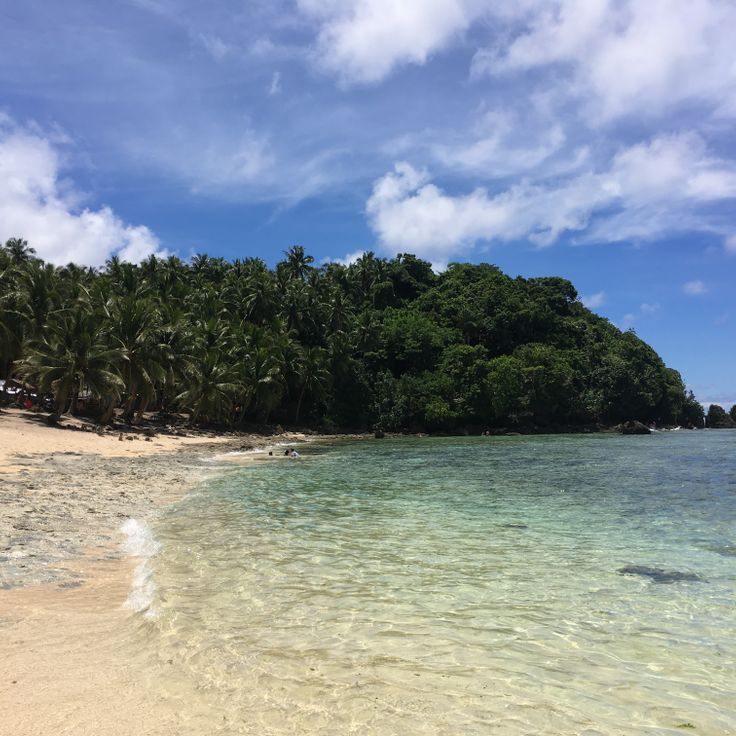
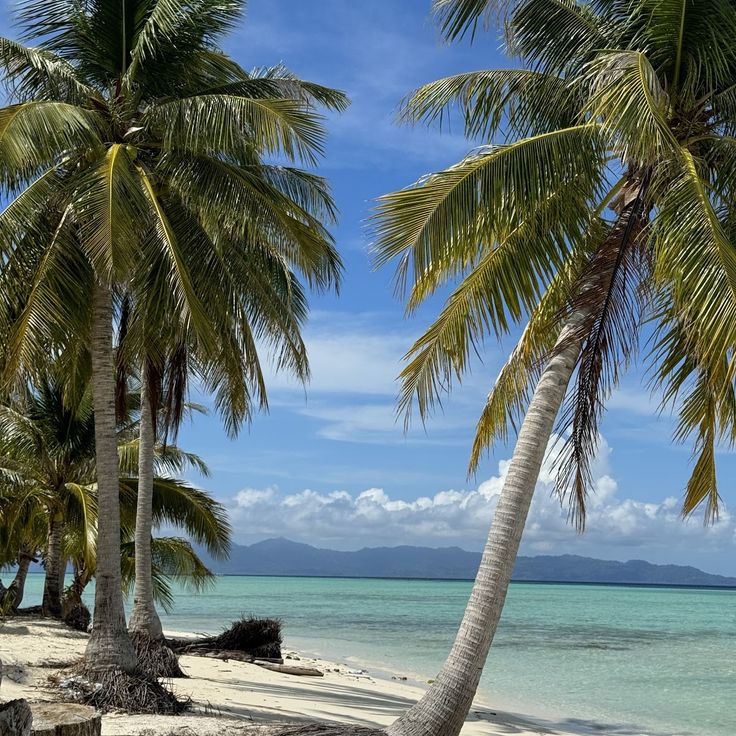
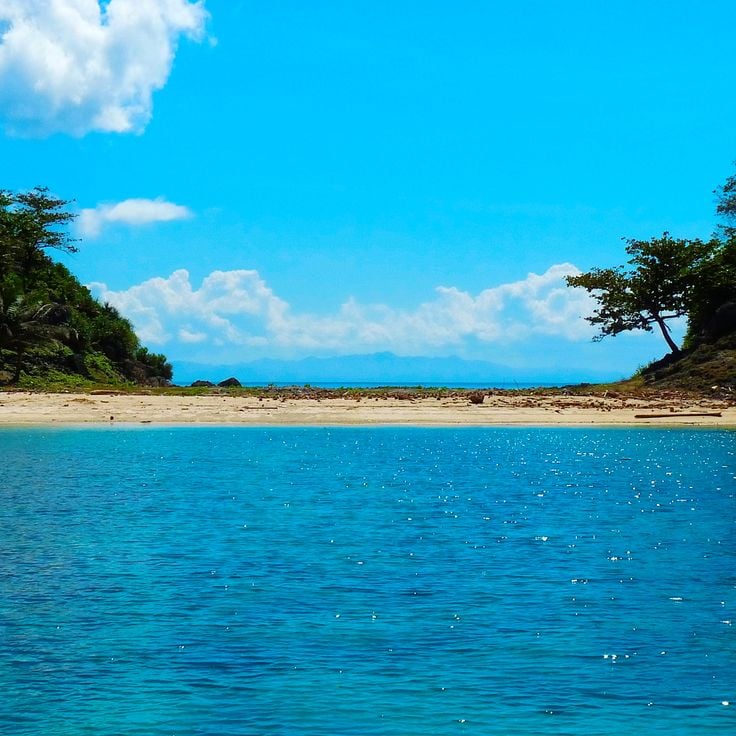
Onok Island is part of the Philippine archipelago, where nature displays itself in every direction. This small coral island in southern Philippines sits in the middle of a lagoon with transparent waters where colorful tropical fish swim. The beach has fine sand, and the shallow water lets you watch the fish and corals just below the surface. The island shows how the Philippines protects its underwater worlds, where coral reefs and fish populations still thrive.
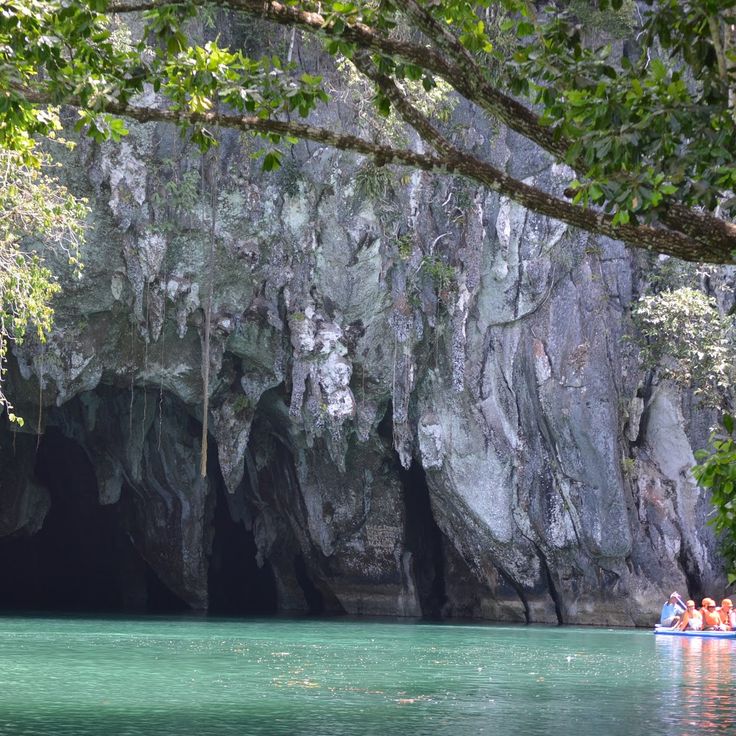
The Subterranean River of Puerto Princesa is an 8.2-kilometer underground river system that flows into the China Sea. In this corner of the Philippines where nature reveals itself in striking ways, this site offers something rare: a river flowing through darkness, inhabited by bats and swallows. As you travel by boat through the cave, you see limestone cliffs surrounding the water and hear the calls of animals that make their homes here. The river connects the island's landscapes in a way found nowhere else.
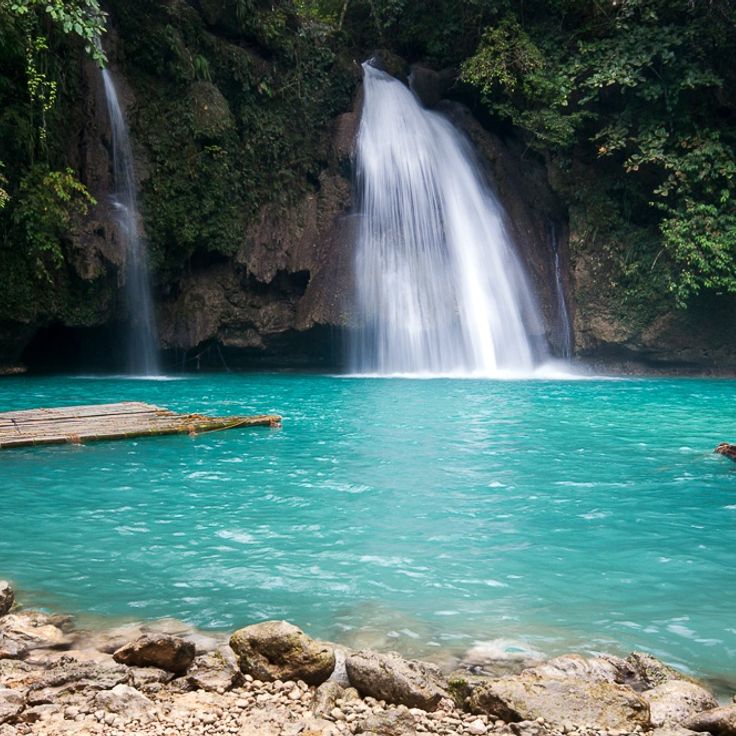
Kawasan Falls is a series of three natural waterfalls that showcases the nature found throughout this archipelago. The turquoise pools invite swimmers and those seeking canyoning adventures amidst the rainforest, offering a place to experience the diverse landscapes of the Philippines.
The Tubbataha Reefs Natural Park is a marine reserve that protects part of the archipelago's underwater world. This park covers more than 130,000 hectares of coral reefs and serves as home to over 360 species of corals and 600 species of fish. When you visit, you encounter a place where the ocean floor comes alive with color and movement. The reefs show how rich and diverse the waters around these islands truly are, supporting countless creatures that depend on these coral formations to survive.
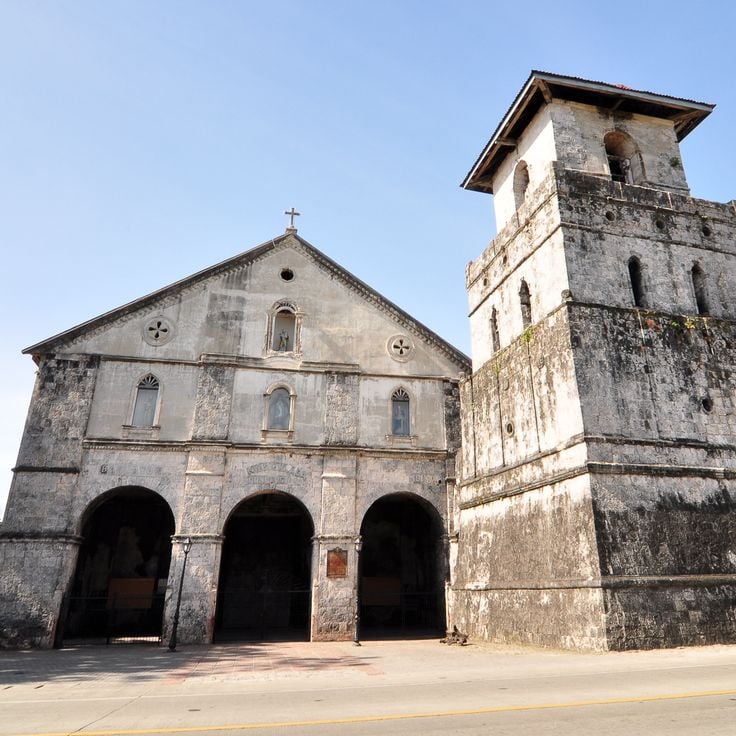
This Catholic church built in 1727 is the first coral stone religious structure in the Philippine archipelago. Standing on Bohol, the Baclayon Church connects the island to the spiritual history that has shaped its communities. Inside, a museum holds religious objects from different periods. The building itself shows the craftsmanship and faith that have defined these islands for generations.
Panglao is an island in Bohol where white sandy beaches meet coral reefs perfect for diving. This place showcases the natural diversity that defines the Philippines, with tropical fish moving through clear waters where you can see straight to the seafloor. The island represents one of many destinations across the archipelago, each with its own character and beauty.
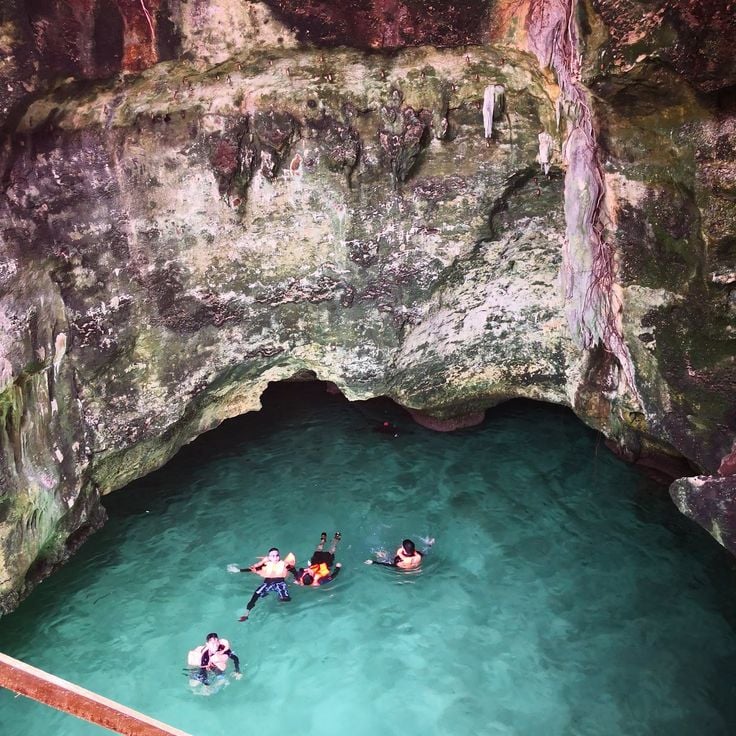
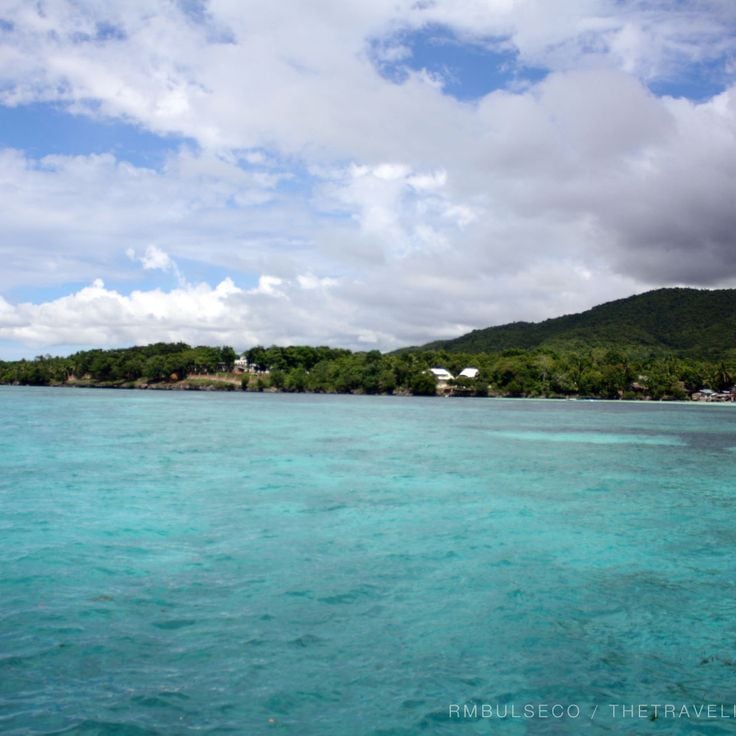
Siquijor is a small island in an archipelago blessed with natural treasures. The island features coral formations growing beneath the water's surface, natural caves carved into the rock, waterfalls cascading through lush vegetation, and white sandy beaches lining the coast. Siquijor represents the varied natural landscape of the Philippine islands and offers visitors a chance to explore different environments and water experiences.
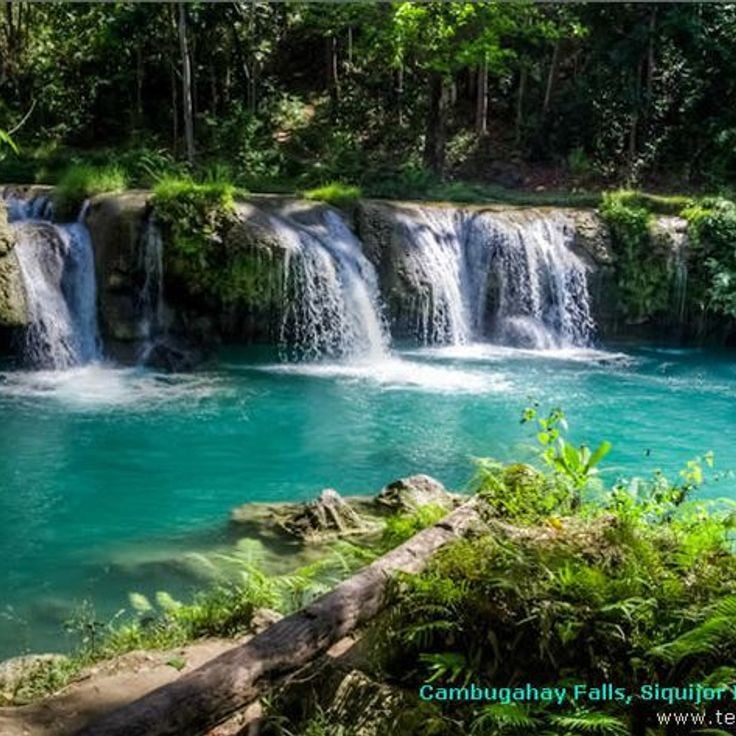
Cambugahay Falls is a system of three waterfalls surrounded by dense forest on the island of Siquijor. The turquoise water drops a total of 24 meters and forms natural pools where visitors can swim. This site reflects the natural diversity of the Philippine islands, where waterfalls and lush vegetation create distinctive landscapes.
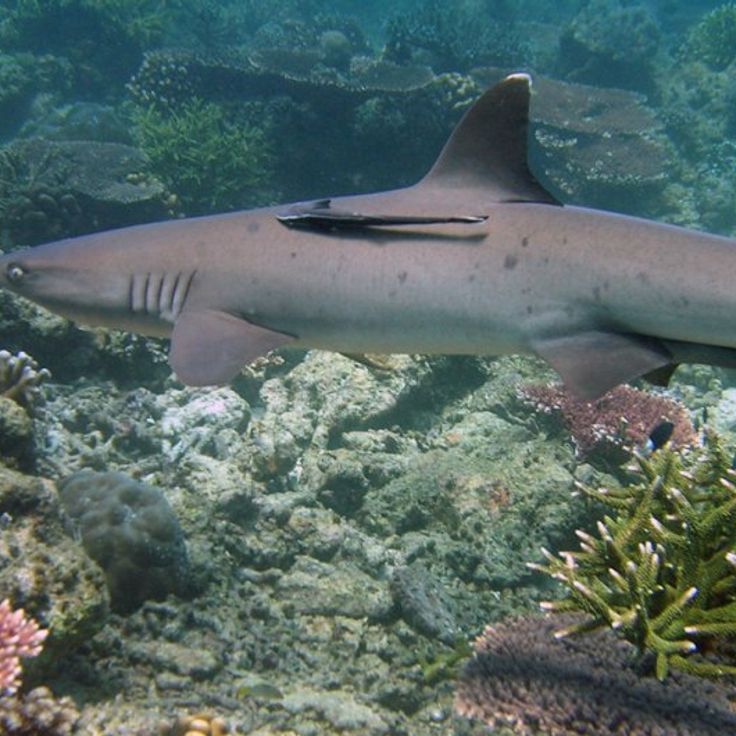
Malapascua is a small island north of Cebu where the ocean teems with life and coral gardens flourish beneath the surface. The island draws divers who come to observe thresher sharks in the early morning hours—large predators that hunt in the deeper waters surrounding the island. The seafloor around Malapascua displays the ocean's diversity that defines this archipelago.
Camiguin is an island in the Philippines shaped by volcanic forces. Seven volcanoes rise from its landscape, including the active Mount Hibok-Hibok. Hot springs bubble up from the ground, warming the water in certain areas. Below the surface, divers explore coral reefs and rock formations. The island demonstrates how volcanic activity has created a place where nature and adventure come together.
Barracuda Lake is a multilevel deep lake between limestone rocks where fresh and saltwater meet. As part of the Philippine archipelago's varied landscape, this lake shows how nature displays itself in every direction. The water shifts between different layers and temperatures, while steep limestone cliffs shape the surroundings. This lake is a place where you can experience the geological wonders of the islands firsthand.
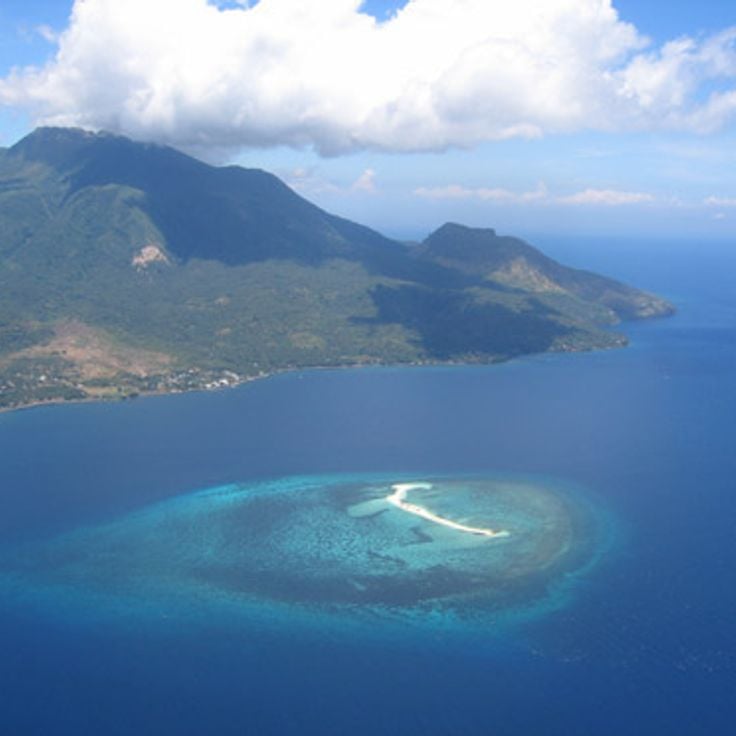
White Island is a bare sandbar with white sand in Camiguin, located about 2 kilometers from the coast. This island fits perfectly into the story of the archipelago: it shows the natural beauty of the Philippines with its untouched beaches and clear water. From here you can see the volcanoes of Camiguin, which shape the dramatic character of the islands. The place exemplifies the variety of landscapes that visitors can discover throughout this archipelago.
Moalboal, a fishing village on Cebu's west coast, shows you how nature performs in all directions across the Philippine archipelago. Each day brings a remarkable sight: thousands of sardines gather in shoals just 30 meters offshore. You can watch from the beach as these silver fish move together, nearly obscuring the water itself. This is a place where fishing remains a traditional way of life, and where you feel the rhythms of the ocean directly.
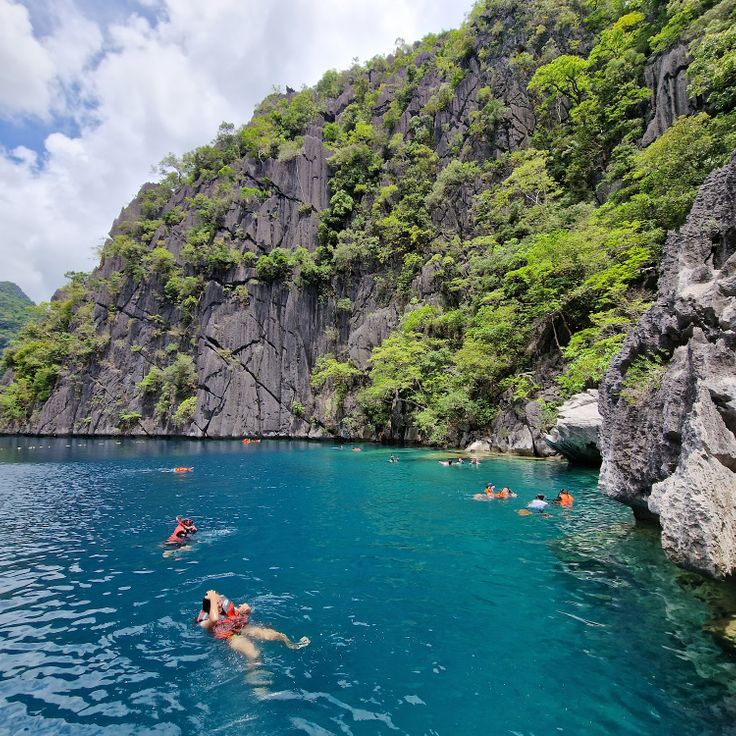
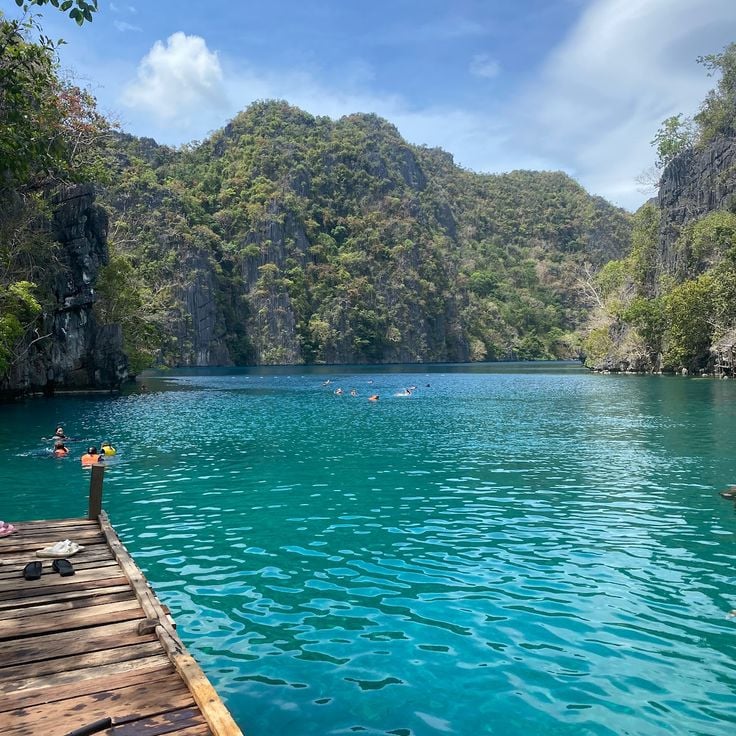
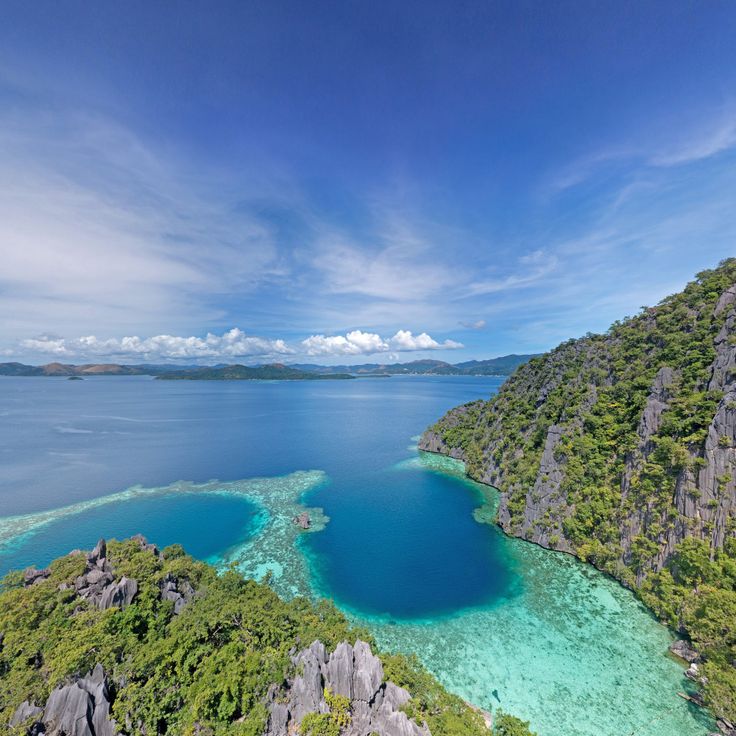
Kayangan Lake in Coron is a body of water where fresh and salty water mix, surrounded by sheer limestone cliffs that rise straight up. You reach it by climbing 300 steps. The water is so clear you can see to the bottom. This lake shows the dramatic geology of the Philippine islands, where towering rock faces and calm water create a place unlike anywhere else.
Twin Lagoon is a remarkable system of two connected lagoons set within the limestone landscapes of the Philippines. The two separate bodies of water are linked by a natural underwater passage where warm and cold waters meet. This natural feature makes it a striking destination within the archipelago, where nature displays its diversity in countless ways. Visitors can explore the clear waters and experience the interplay of different temperatures that give this place its distinctive character.
This island in Masbate province is part of the Philippine archipelago, where nature displays its variety at every turn. Ticao offers beaches with white sand and is known for its numerous diving sites where you can observe marine life. The island embodies the character of this region, where the sea and coastal communities have been deeply connected for generations.
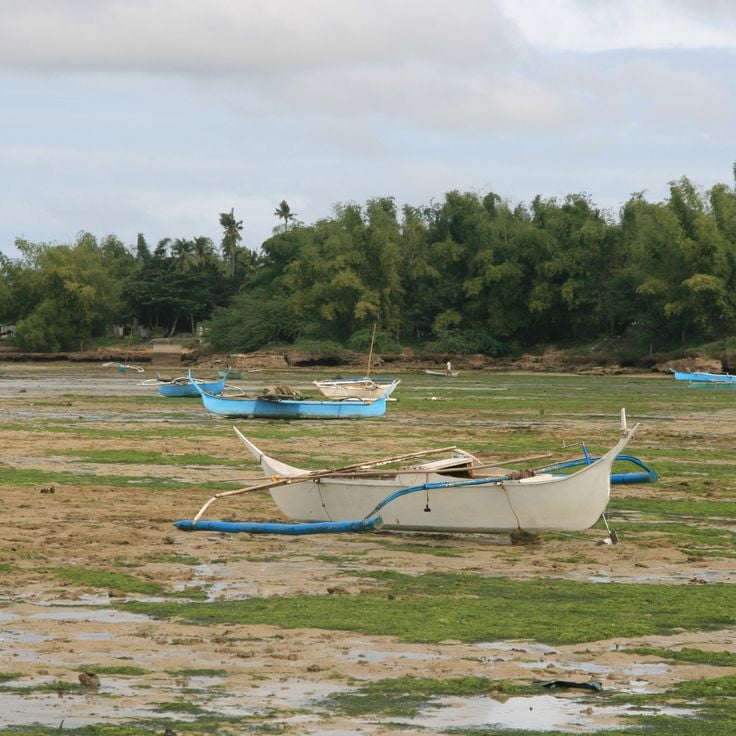
This tropical island north of Cebu represents the kind of place the Philippines offers throughout its archipelago. Bantayan features white sandy beaches and turquoise waters where fishing communities live and work as they have for generations. The shores stretch for kilometers, and the water is transparent enough to see the coral and marine life below, making it part of the larger story of how these islands and their people connect to the ocean.
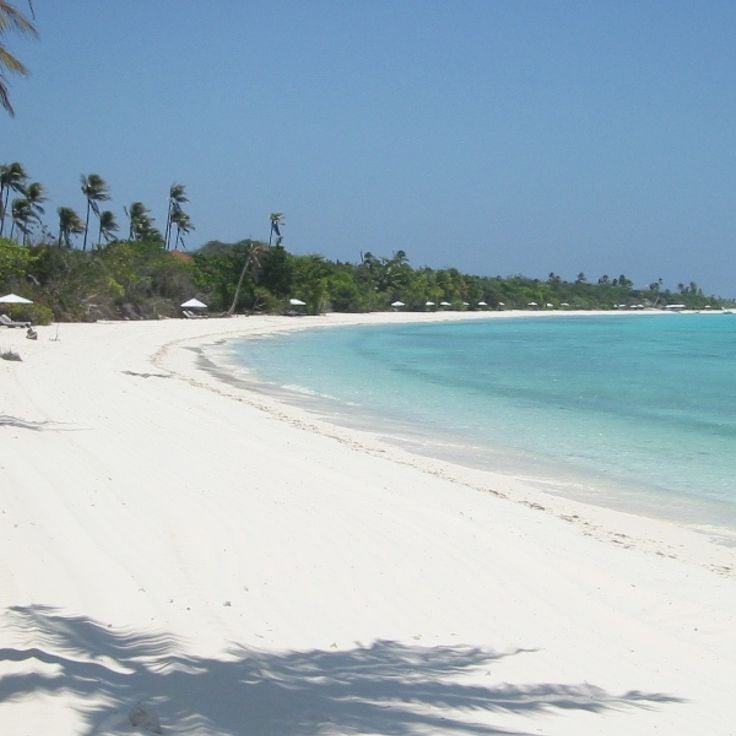
Pamalican is a private island in the Sulu Sea, part of the Philippine archipelago where nature displays its range in every direction. This island embodies the coastal landscapes and marine treasures that characterize the Philippines: white sandy beaches stretching for kilometers and coral reefs filled with colorful fish. Spanning three kilometers in length, Pamalican offers a self-contained world of natural diversity, where visitors can explore transparent waters and underwater ecosystems.
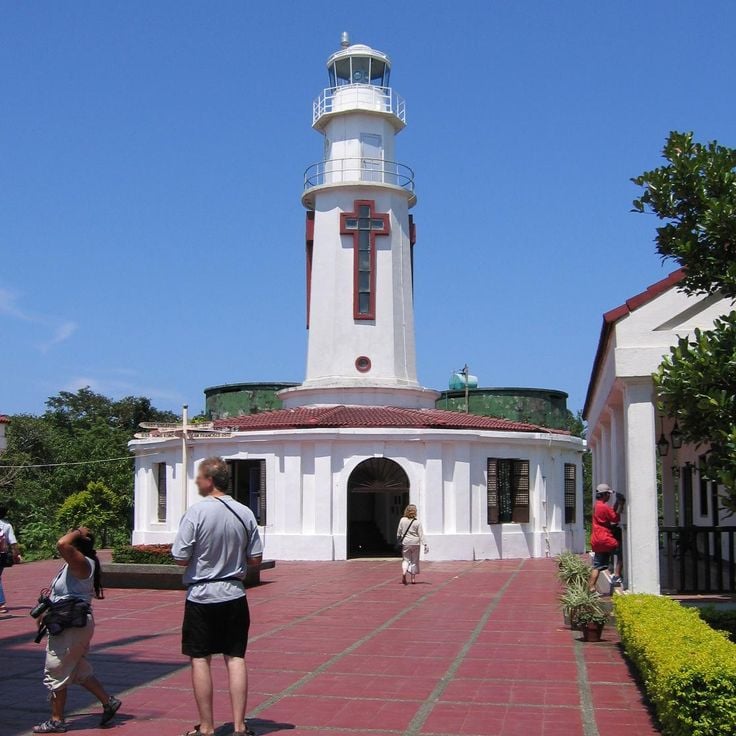
This fortified island in Manila Bay tells the story of the Philippines through its wartime structures. Bunkers, tunnels, and artillery batteries from World War II are embedded into the landscape. The island communicates its history through these remnants, showing an important moment in the archipelago's past. Visitors can explore the underground installations and understand how this place shaped the region.
This island in the Davao Gulf is part of the Philippines' most beautiful sites, where nature displays its diversity at every turn. Samal Island features sandy beaches, coral reefs filled with colorful fish, and diving sites. The island represents the character of this archipelago, where the sea and its marine life shape the landscape.
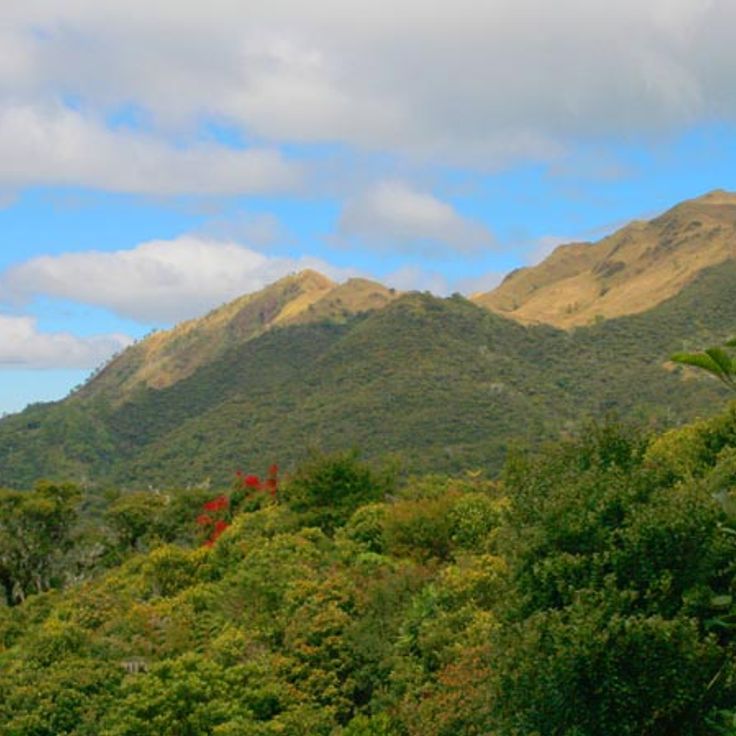
Mount Pulag stands at 2,926 meters and is the third-highest peak in the Philippines. Located in Luzon, this mountain offers hiking trails that wind through pine forests and open grasslands. At the summit, visitors can stand above the clouds and see the surrounding peaks stretching across the landscape. Mount Pulag represents the dramatic side of the Philippine archipelago, where volcanic and geological formations shape the terrain from sea level to mountain peaks. The hiking experience reveals how the landscape changes as you climb through different zones of vegetation.
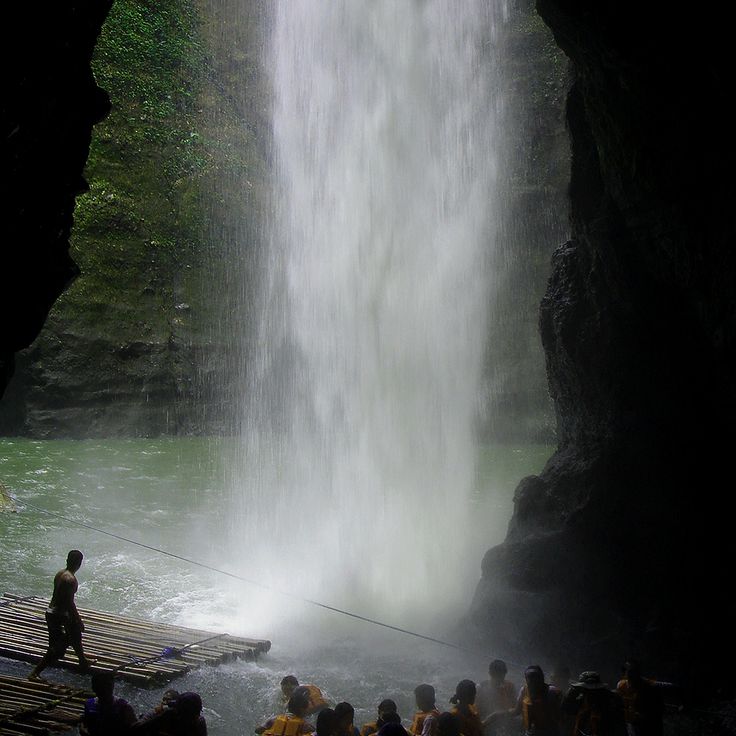
Pagsanjan Falls is a 120-meter-tall waterfall discovered by traditional canoe after navigating a river between cliffs. This cascade represents one of the dramatic natural wonders found throughout the Philippine archipelago, showcasing the geological forces that have shaped these islands and offering visitors an adventure into the heart of Luzon's landscape.
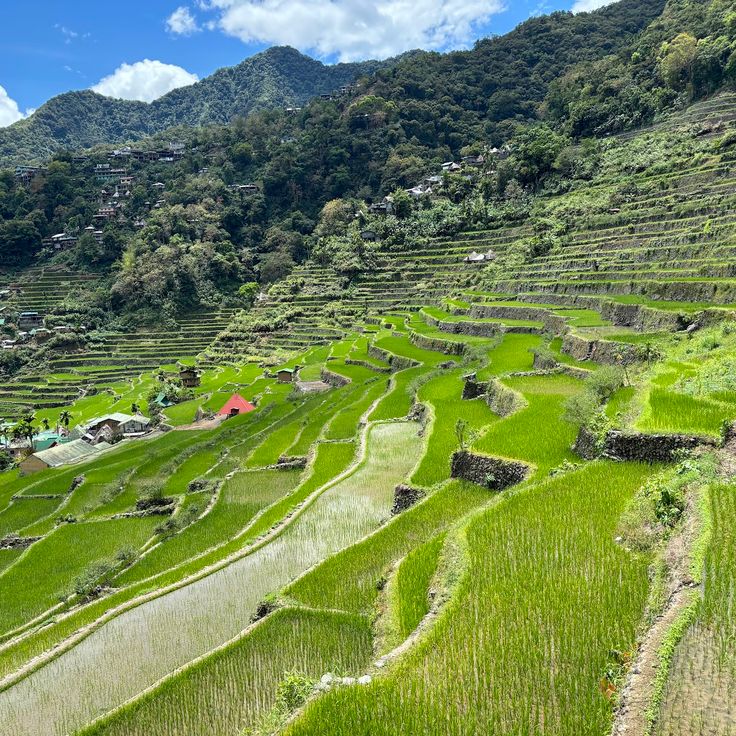
The Batad Rice Terraces show how the Ifugao people have grown rice in the mountains for 2000 years. These agricultural fields are carved into the mountainsides and follow the natural lines of the land. They are among the most significant examples of how communities adapt to and work with difficult landscapes. The terraces are part of the diverse landscapes of the Philippines, where nature and human effort come together.
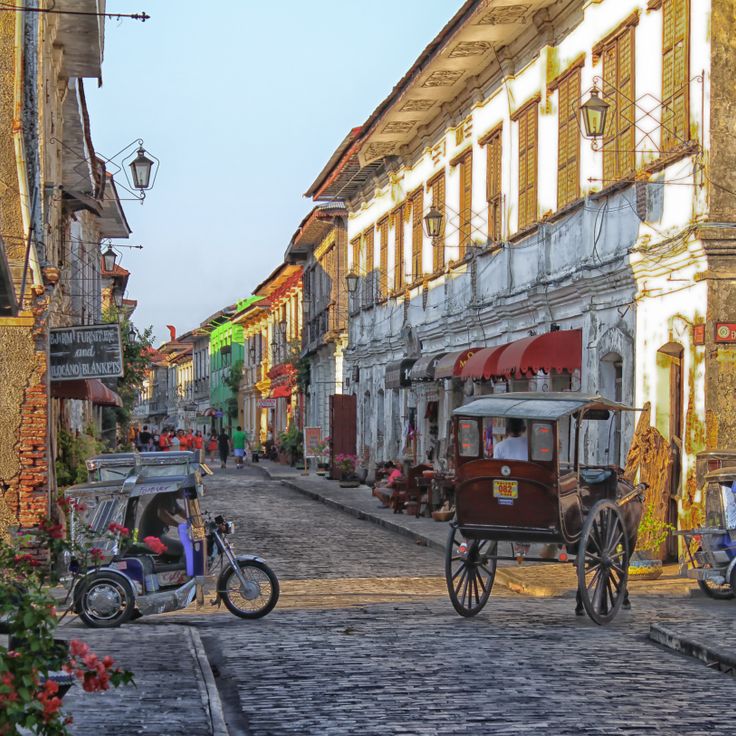
Vigan is a window into the Spanish colonial past of the Philippines. This city on Luzon preserves 16th-century architecture with cobblestone streets and Spanish-style houses that have survived for centuries. Buildings here mix colonial design with later additions, creating layers of history in a single structure. Recognized as a world heritage site, Vigan shows how European influence shaped Filipino culture and urban life. Walking through the city, you encounter old facades, narrow streets, and the courtyards that once defined daily life under colonial rule.
The Bacuit Archipelago is a group of 45 limestone islands and islets in Palawan, part of the Philippine island chain where nature reveals itself in every direction. These islands rise from turquoise waters with steep cliffs and are surrounded by lagoons, beaches, and coral reefs. The Bacuit Archipelago showcases the dramatic geology that defines these islands and allows visitors to travel between formations, discovering the underwater world and the communities that make their homes among these waters.
Coron in Palawan represents a destination in the Philippines collection that draws visitors with its coral reefs, turquoise lagoons, and sunken World War II Japanese shipwrecks. The island showcases the natural diversity of the archipelago through its clear waters and abundant marine life, while the historical wrecks beneath the surface tell stories of the past. Snorkeling and diving are popular activities for those who want to explore the underwater world.
Boracay is an island in the Western Visayas with 13 beaches and shallow coral reefs that frame its shores. The clear water makes it easy to see the marine life below, and the sandy beaches draw visitors from around the world. The island has developed into a full resort destination with hotels, restaurants, and shops that serve the many tourists who arrive each day. The beaches fill with swimmers, sunbathers, and people trying water sports during the day. In the evenings, visitors gather to watch the sun drop below the horizon. Boracay shows how the Philippines blends natural beauty with modern tourism.
Hundred Islands National Park is a protected area of 124 coral islands in the South China Sea and shows how the Philippines preserves its natural treasures. The park features white sandy beaches, coral reefs, and distinctive rock formations. These islands are part of the larger picture of the Philippine archipelago, where nature works in every direction and each location tells its own story.
The Chocolate Hills form a distinctive natural landscape in Bohol that shapes how visitors see this island. Over a thousand cone-shaped hills rise from the terrain, their rounded forms creating an unusual rolling pattern across the countryside. During the rainy season, these hills turn bright green, then gradually shift to brown as the dry season approaches, giving them the appearance that inspired their name. This geological formation developed over millions of years through natural processes. From viewpoint platforms, you can take in the full scope of the landscape spreading across the island.
Siargao is an island in the Philippine Sea known for its coral reefs and famous surf spots like Cloud 9. This island embodies the natural diversity of the Philippine archipelago, where the ocean and nature reveal themselves from every angle. Visitors come to ride the waves, explore colorful fish in the reefs, and swim in lagoons where the water is so clear you can see to the bottom.
Cebu is the commercial and cultural center of the Visayas region. This island shows you how the Philippines has developed, with 16th-century Spanish colonial buildings that stand alongside modern life, and white sandy beaches that invite you to relax. Here you find the history of the archipelago in the streets and the natural beauty along the coasts.
Palawan is a 450-kilometer-long island in the western Philippines that shows the natural variety found across the archipelago. The island displays dramatic landscapes that reach from coastal waters to inland peaks. Limestone cliffs rise from the sea, underground caves create hidden passages, and marine lakes dot the terrain with crystal-clear water. Coral reefs support colorful fish, and white sandy beaches curve along the coastline. Dense forests cover parts of the island, protecting geological formations and the communities that have settled here over time.
El Nido is a coastal municipality in Palawan that showcases the dramatic side of the Philippines. Limestone cliffs rise sharply from turquoise waters, while white sandy beaches and hidden coves line the shore. From here, boats take you to secluded lagoons where the water is so clear you can see straight to the bottom. The town combines the raw beauty of nature with the rhythm of daily life in a small coastal community, representing one of many different places the archipelago has to offer.
Bohol is an island in the Philippines known for its distinctive cone-shaped limestone hills that cover much of the landscape. The island features coral reefs where colorful fish swim and mangrove forests that line the shores. Bohol fits well within this collection of the Philippines' finest places, as it demonstrates how nature appears in different forms here: from the hills inland to the underwater gardens beyond. People have lived on this island for generations, making their homes and livelihoods from the land and sea.
Onok Island is part of the Philippine archipelago, where nature displays itself in every direction. This small coral island in southern Philippines sits in the middle of a lagoon with transparent waters where colorful tropical fish swim. The beach has fine sand, and the shallow water lets you watch the fish and corals just below the surface. The island shows how the Philippines protects its underwater worlds, where coral reefs and fish populations still thrive.
The Subterranean River of Puerto Princesa is an 8.2-kilometer underground river system that flows into the China Sea. In this corner of the Philippines where nature reveals itself in striking ways, this site offers something rare: a river flowing through darkness, inhabited by bats and swallows. As you travel by boat through the cave, you see limestone cliffs surrounding the water and hear the calls of animals that make their homes here. The river connects the island's landscapes in a way found nowhere else.
Kawasan Falls is a series of three natural waterfalls that showcases the nature found throughout this archipelago. The turquoise pools invite swimmers and those seeking canyoning adventures amidst the rainforest, offering a place to experience the diverse landscapes of the Philippines.
The Tubbataha Reefs Natural Park is a marine reserve that protects part of the archipelago's underwater world. This park covers more than 130,000 hectares of coral reefs and serves as home to over 360 species of corals and 600 species of fish. When you visit, you encounter a place where the ocean floor comes alive with color and movement. The reefs show how rich and diverse the waters around these islands truly are, supporting countless creatures that depend on these coral formations to survive.
This Catholic church built in 1727 is the first coral stone religious structure in the Philippine archipelago. Standing on Bohol, the Baclayon Church connects the island to the spiritual history that has shaped its communities. Inside, a museum holds religious objects from different periods. The building itself shows the craftsmanship and faith that have defined these islands for generations.
Panglao is an island in Bohol where white sandy beaches meet coral reefs perfect for diving. This place showcases the natural diversity that defines the Philippines, with tropical fish moving through clear waters where you can see straight to the seafloor. The island represents one of many destinations across the archipelago, each with its own character and beauty.
Siquijor is a small island in an archipelago blessed with natural treasures. The island features coral formations growing beneath the water's surface, natural caves carved into the rock, waterfalls cascading through lush vegetation, and white sandy beaches lining the coast. Siquijor represents the varied natural landscape of the Philippine islands and offers visitors a chance to explore different environments and water experiences.
Cambugahay Falls is a system of three waterfalls surrounded by dense forest on the island of Siquijor. The turquoise water drops a total of 24 meters and forms natural pools where visitors can swim. This site reflects the natural diversity of the Philippine islands, where waterfalls and lush vegetation create distinctive landscapes.
Malapascua is a small island north of Cebu where the ocean teems with life and coral gardens flourish beneath the surface. The island draws divers who come to observe thresher sharks in the early morning hours—large predators that hunt in the deeper waters surrounding the island. The seafloor around Malapascua displays the ocean's diversity that defines this archipelago.
Camiguin is an island in the Philippines shaped by volcanic forces. Seven volcanoes rise from its landscape, including the active Mount Hibok-Hibok. Hot springs bubble up from the ground, warming the water in certain areas. Below the surface, divers explore coral reefs and rock formations. The island demonstrates how volcanic activity has created a place where nature and adventure come together.
Barracuda Lake is a multilevel deep lake between limestone rocks where fresh and saltwater meet. As part of the Philippine archipelago's varied landscape, this lake shows how nature displays itself in every direction. The water shifts between different layers and temperatures, while steep limestone cliffs shape the surroundings. This lake is a place where you can experience the geological wonders of the islands firsthand.
White Island is a bare sandbar with white sand in Camiguin, located about 2 kilometers from the coast. This island fits perfectly into the story of the archipelago: it shows the natural beauty of the Philippines with its untouched beaches and clear water. From here you can see the volcanoes of Camiguin, which shape the dramatic character of the islands. The place exemplifies the variety of landscapes that visitors can discover throughout this archipelago.
Moalboal, a fishing village on Cebu's west coast, shows you how nature performs in all directions across the Philippine archipelago. Each day brings a remarkable sight: thousands of sardines gather in shoals just 30 meters offshore. You can watch from the beach as these silver fish move together, nearly obscuring the water itself. This is a place where fishing remains a traditional way of life, and where you feel the rhythms of the ocean directly.
Kayangan Lake in Coron is a body of water where fresh and salty water mix, surrounded by sheer limestone cliffs that rise straight up. You reach it by climbing 300 steps. The water is so clear you can see to the bottom. This lake shows the dramatic geology of the Philippine islands, where towering rock faces and calm water create a place unlike anywhere else.
Twin Lagoon is a remarkable system of two connected lagoons set within the limestone landscapes of the Philippines. The two separate bodies of water are linked by a natural underwater passage where warm and cold waters meet. This natural feature makes it a striking destination within the archipelago, where nature displays its diversity in countless ways. Visitors can explore the clear waters and experience the interplay of different temperatures that give this place its distinctive character.
This island in Masbate province is part of the Philippine archipelago, where nature displays its variety at every turn. Ticao offers beaches with white sand and is known for its numerous diving sites where you can observe marine life. The island embodies the character of this region, where the sea and coastal communities have been deeply connected for generations.
This tropical island north of Cebu represents the kind of place the Philippines offers throughout its archipelago. Bantayan features white sandy beaches and turquoise waters where fishing communities live and work as they have for generations. The shores stretch for kilometers, and the water is transparent enough to see the coral and marine life below, making it part of the larger story of how these islands and their people connect to the ocean.
Pamalican is a private island in the Sulu Sea, part of the Philippine archipelago where nature displays its range in every direction. This island embodies the coastal landscapes and marine treasures that characterize the Philippines: white sandy beaches stretching for kilometers and coral reefs filled with colorful fish. Spanning three kilometers in length, Pamalican offers a self-contained world of natural diversity, where visitors can explore transparent waters and underwater ecosystems.
This fortified island in Manila Bay tells the story of the Philippines through its wartime structures. Bunkers, tunnels, and artillery batteries from World War II are embedded into the landscape. The island communicates its history through these remnants, showing an important moment in the archipelago's past. Visitors can explore the underground installations and understand how this place shaped the region.
This island in the Davao Gulf is part of the Philippines' most beautiful sites, where nature displays its diversity at every turn. Samal Island features sandy beaches, coral reefs filled with colorful fish, and diving sites. The island represents the character of this archipelago, where the sea and its marine life shape the landscape.
Mount Pulag stands at 2,926 meters and is the third-highest peak in the Philippines. Located in Luzon, this mountain offers hiking trails that wind through pine forests and open grasslands. At the summit, visitors can stand above the clouds and see the surrounding peaks stretching across the landscape. Mount Pulag represents the dramatic side of the Philippine archipelago, where volcanic and geological formations shape the terrain from sea level to mountain peaks. The hiking experience reveals how the landscape changes as you climb through different zones of vegetation.
Pagsanjan Falls is a 120-meter-tall waterfall discovered by traditional canoe after navigating a river between cliffs. This cascade represents one of the dramatic natural wonders found throughout the Philippine archipelago, showcasing the geological forces that have shaped these islands and offering visitors an adventure into the heart of Luzon's landscape.
The Batad Rice Terraces show how the Ifugao people have grown rice in the mountains for 2000 years. These agricultural fields are carved into the mountainsides and follow the natural lines of the land. They are among the most significant examples of how communities adapt to and work with difficult landscapes. The terraces are part of the diverse landscapes of the Philippines, where nature and human effort come together.
Vigan is a window into the Spanish colonial past of the Philippines. This city on Luzon preserves 16th-century architecture with cobblestone streets and Spanish-style houses that have survived for centuries. Buildings here mix colonial design with later additions, creating layers of history in a single structure. Recognized as a world heritage site, Vigan shows how European influence shaped Filipino culture and urban life. Walking through the city, you encounter old facades, narrow streets, and the courtyards that once defined daily life under colonial rule.
The Bacuit Archipelago is a group of 45 limestone islands and islets in Palawan, part of the Philippine island chain where nature reveals itself in every direction. These islands rise from turquoise waters with steep cliffs and are surrounded by lagoons, beaches, and coral reefs. The Bacuit Archipelago showcases the dramatic geology that defines these islands and allows visitors to travel between formations, discovering the underwater world and the communities that make their homes among these waters.
Coron in Palawan represents a destination in the Philippines collection that draws visitors with its coral reefs, turquoise lagoons, and sunken World War II Japanese shipwrecks. The island showcases the natural diversity of the archipelago through its clear waters and abundant marine life, while the historical wrecks beneath the surface tell stories of the past. Snorkeling and diving are popular activities for those who want to explore the underwater world.
Boracay is an island in the Western Visayas with 13 beaches and shallow coral reefs that frame its shores. The clear water makes it easy to see the marine life below, and the sandy beaches draw visitors from around the world. The island has developed into a full resort destination with hotels, restaurants, and shops that serve the many tourists who arrive each day. The beaches fill with swimmers, sunbathers, and people trying water sports during the day. In the evenings, visitors gather to watch the sun drop below the horizon. Boracay shows how the Philippines blends natural beauty with modern tourism.
Hundred Islands National Park is a protected area of 124 coral islands in the South China Sea and shows how the Philippines preserves its natural treasures. The park features white sandy beaches, coral reefs, and distinctive rock formations. These islands are part of the larger picture of the Philippine archipelago, where nature works in every direction and each location tells its own story.
The Chocolate Hills form a distinctive natural landscape in Bohol that shapes how visitors see this island. Over a thousand cone-shaped hills rise from the terrain, their rounded forms creating an unusual rolling pattern across the countryside. During the rainy season, these hills turn bright green, then gradually shift to brown as the dry season approaches, giving them the appearance that inspired their name. This geological formation developed over millions of years through natural processes. From viewpoint platforms, you can take in the full scope of the landscape spreading across the island.
Siargao is an island in the Philippine Sea known for its coral reefs and famous surf spots like Cloud 9. This island embodies the natural diversity of the Philippine archipelago, where the ocean and nature reveal themselves from every angle. Visitors come to ride the waves, explore colorful fish in the reefs, and swim in lagoons where the water is so clear you can see to the bottom.
Cebu is the commercial and cultural center of the Visayas region. This island shows you how the Philippines has developed, with 16th-century Spanish colonial buildings that stand alongside modern life, and white sandy beaches that invite you to relax. Here you find the history of the archipelago in the streets and the natural beauty along the coasts.
Palawan is a 450-kilometer-long island in the western Philippines that shows the natural variety found across the archipelago. The island displays dramatic landscapes that reach from coastal waters to inland peaks. Limestone cliffs rise from the sea, underground caves create hidden passages, and marine lakes dot the terrain with crystal-clear water. Coral reefs support colorful fish, and white sandy beaches curve along the coastline. Dense forests cover parts of the island, protecting geological formations and the communities that have settled here over time.
El Nido is a coastal municipality in Palawan that showcases the dramatic side of the Philippines. Limestone cliffs rise sharply from turquoise waters, while white sandy beaches and hidden coves line the shore. From here, boats take you to secluded lagoons where the water is so clear you can see straight to the bottom. The town combines the raw beauty of nature with the rhythm of daily life in a small coastal community, representing one of many different places the archipelago has to offer.
Bohol is an island in the Philippines known for its distinctive cone-shaped limestone hills that cover much of the landscape. The island features coral reefs where colorful fish swim and mangrove forests that line the shores. Bohol fits well within this collection of the Philippines' finest places, as it demonstrates how nature appears in different forms here: from the hills inland to the underwater gardens beyond. People have lived on this island for generations, making their homes and livelihoods from the land and sea.
Onok Island is part of the Philippine archipelago, where nature displays itself in every direction. This small coral island in southern Philippines sits in the middle of a lagoon with transparent waters where colorful tropical fish swim. The beach has fine sand, and the shallow water lets you watch the fish and corals just below the surface. The island shows how the Philippines protects its underwater worlds, where coral reefs and fish populations still thrive.
The Subterranean River of Puerto Princesa is an 8.2-kilometer underground river system that flows into the China Sea. In this corner of the Philippines where nature reveals itself in striking ways, this site offers something rare: a river flowing through darkness, inhabited by bats and swallows. As you travel by boat through the cave, you see limestone cliffs surrounding the water and hear the calls of animals that make their homes here. The river connects the island's landscapes in a way found nowhere else.
Kawasan Falls is a series of three natural waterfalls that showcases the nature found throughout this archipelago. The turquoise pools invite swimmers and those seeking canyoning adventures amidst the rainforest, offering a place to experience the diverse landscapes of the Philippines.
The Tubbataha Reefs Natural Park is a marine reserve that protects part of the archipelago's underwater world. This park covers more than 130,000 hectares of coral reefs and serves as home to over 360 species of corals and 600 species of fish. When you visit, you encounter a place where the ocean floor comes alive with color and movement. The reefs show how rich and diverse the waters around these islands truly are, supporting countless creatures that depend on these coral formations to survive.
This Catholic church built in 1727 is the first coral stone religious structure in the Philippine archipelago. Standing on Bohol, the Baclayon Church connects the island to the spiritual history that has shaped its communities. Inside, a museum holds religious objects from different periods. The building itself shows the craftsmanship and faith that have defined these islands for generations.
Panglao is an island in Bohol where white sandy beaches meet coral reefs perfect for diving. This place showcases the natural diversity that defines the Philippines, with tropical fish moving through clear waters where you can see straight to the seafloor. The island represents one of many destinations across the archipelago, each with its own character and beauty.
Siquijor is a small island in an archipelago blessed with natural treasures. The island features coral formations growing beneath the water's surface, natural caves carved into the rock, waterfalls cascading through lush vegetation, and white sandy beaches lining the coast. Siquijor represents the varied natural landscape of the Philippine islands and offers visitors a chance to explore different environments and water experiences.
Cambugahay Falls is a system of three waterfalls surrounded by dense forest on the island of Siquijor. The turquoise water drops a total of 24 meters and forms natural pools where visitors can swim. This site reflects the natural diversity of the Philippine islands, where waterfalls and lush vegetation create distinctive landscapes.
Malapascua is a small island north of Cebu where the ocean teems with life and coral gardens flourish beneath the surface. The island draws divers who come to observe thresher sharks in the early morning hours—large predators that hunt in the deeper waters surrounding the island. The seafloor around Malapascua displays the ocean's diversity that defines this archipelago.
Camiguin is an island in the Philippines shaped by volcanic forces. Seven volcanoes rise from its landscape, including the active Mount Hibok-Hibok. Hot springs bubble up from the ground, warming the water in certain areas. Below the surface, divers explore coral reefs and rock formations. The island demonstrates how volcanic activity has created a place where nature and adventure come together.
Barracuda Lake is a multilevel deep lake between limestone rocks where fresh and saltwater meet. As part of the Philippine archipelago's varied landscape, this lake shows how nature displays itself in every direction. The water shifts between different layers and temperatures, while steep limestone cliffs shape the surroundings. This lake is a place where you can experience the geological wonders of the islands firsthand.
White Island is a bare sandbar with white sand in Camiguin, located about 2 kilometers from the coast. This island fits perfectly into the story of the archipelago: it shows the natural beauty of the Philippines with its untouched beaches and clear water. From here you can see the volcanoes of Camiguin, which shape the dramatic character of the islands. The place exemplifies the variety of landscapes that visitors can discover throughout this archipelago.
Moalboal, a fishing village on Cebu's west coast, shows you how nature performs in all directions across the Philippine archipelago. Each day brings a remarkable sight: thousands of sardines gather in shoals just 30 meters offshore. You can watch from the beach as these silver fish move together, nearly obscuring the water itself. This is a place where fishing remains a traditional way of life, and where you feel the rhythms of the ocean directly.
Kayangan Lake in Coron is a body of water where fresh and salty water mix, surrounded by sheer limestone cliffs that rise straight up. You reach it by climbing 300 steps. The water is so clear you can see to the bottom. This lake shows the dramatic geology of the Philippine islands, where towering rock faces and calm water create a place unlike anywhere else.
Twin Lagoon is a remarkable system of two connected lagoons set within the limestone landscapes of the Philippines. The two separate bodies of water are linked by a natural underwater passage where warm and cold waters meet. This natural feature makes it a striking destination within the archipelago, where nature displays its diversity in countless ways. Visitors can explore the clear waters and experience the interplay of different temperatures that give this place its distinctive character.
This island in Masbate province is part of the Philippine archipelago, where nature displays its variety at every turn. Ticao offers beaches with white sand and is known for its numerous diving sites where you can observe marine life. The island embodies the character of this region, where the sea and coastal communities have been deeply connected for generations.
This tropical island north of Cebu represents the kind of place the Philippines offers throughout its archipelago. Bantayan features white sandy beaches and turquoise waters where fishing communities live and work as they have for generations. The shores stretch for kilometers, and the water is transparent enough to see the coral and marine life below, making it part of the larger story of how these islands and their people connect to the ocean.
Pamalican is a private island in the Sulu Sea, part of the Philippine archipelago where nature displays its range in every direction. This island embodies the coastal landscapes and marine treasures that characterize the Philippines: white sandy beaches stretching for kilometers and coral reefs filled with colorful fish. Spanning three kilometers in length, Pamalican offers a self-contained world of natural diversity, where visitors can explore transparent waters and underwater ecosystems.
This fortified island in Manila Bay tells the story of the Philippines through its wartime structures. Bunkers, tunnels, and artillery batteries from World War II are embedded into the landscape. The island communicates its history through these remnants, showing an important moment in the archipelago's past. Visitors can explore the underground installations and understand how this place shaped the region.
This island in the Davao Gulf is part of the Philippines' most beautiful sites, where nature displays its diversity at every turn. Samal Island features sandy beaches, coral reefs filled with colorful fish, and diving sites. The island represents the character of this archipelago, where the sea and its marine life shape the landscape.
Mount Pulag stands at 2,926 meters and is the third-highest peak in the Philippines. Located in Luzon, this mountain offers hiking trails that wind through pine forests and open grasslands. At the summit, visitors can stand above the clouds and see the surrounding peaks stretching across the landscape. Mount Pulag represents the dramatic side of the Philippine archipelago, where volcanic and geological formations shape the terrain from sea level to mountain peaks. The hiking experience reveals how the landscape changes as you climb through different zones of vegetation.
Pagsanjan Falls is a 120-meter-tall waterfall discovered by traditional canoe after navigating a river between cliffs. This cascade represents one of the dramatic natural wonders found throughout the Philippine archipelago, showcasing the geological forces that have shaped these islands and offering visitors an adventure into the heart of Luzon's landscape.
The Batad Rice Terraces show how the Ifugao people have grown rice in the mountains for 2000 years. These agricultural fields are carved into the mountainsides and follow the natural lines of the land. They are among the most significant examples of how communities adapt to and work with difficult landscapes. The terraces are part of the diverse landscapes of the Philippines, where nature and human effort come together.
Vigan is a window into the Spanish colonial past of the Philippines. This city on Luzon preserves 16th-century architecture with cobblestone streets and Spanish-style houses that have survived for centuries. Buildings here mix colonial design with later additions, creating layers of history in a single structure. Recognized as a world heritage site, Vigan shows how European influence shaped Filipino culture and urban life. Walking through the city, you encounter old facades, narrow streets, and the courtyards that once defined daily life under colonial rule.
The Bacuit Archipelago is a group of 45 limestone islands and islets in Palawan, part of the Philippine island chain where nature reveals itself in every direction. These islands rise from turquoise waters with steep cliffs and are surrounded by lagoons, beaches, and coral reefs. The Bacuit Archipelago showcases the dramatic geology that defines these islands and allows visitors to travel between formations, discovering the underwater world and the communities that make their homes among these waters.