See the monuments around you in AROpen chests in the app
Around Us is built for your phone — point your camera at the streets and discover the monuments and places around you in augmented reality.Around Us is built for your phone — chests unlock when you walk, explore and capture nearby places.
Excursions in Alaska: natural sites, glaciers and wildlife encounters
Alaska offers landscapes that stretch far from the cities, in areas where nature is in control. You will find glaciers coming down from the mountains, large volcanoes, sandy dunes, hot springs emerging from the ground, and waterfalls rushing down the cliffs. Each area shows how the land was shaped over time, with its own geological features that tell stories from millions of years ago.
Those who explore Alaska also learn about its human past. Ghost towns recall the gold rush days and mining history. Villages and sites important to indigenous peoples show how people have lived here for many generations. Local museums add to the experience by sharing the region's history and culture.
Alaska's wildlife is also special. When visiting, you might see wild bears, whales swimming near the coast, and many other animals. These encounters happen in their natural surroundings, far from the noise of the city, making each moment special.
Excursions in Alaska: natural sites, glaciers and wildlife encounters
Alaska offers landscapes that stretch far from the cities, in areas where nature is in control. You will find glaciers coming down from the mountains, large volcanoes, sandy dunes, hot springs emerging from the ground, and waterfalls rushing down the cliffs. Each area shows how the land was shaped over time, with its own geological features that tell stories from millions of years ago.
Those who explore Alaska also learn about its human past. Ghost towns recall the gold rush days and mining history. Villages and sites important to indigenous peoples show how people have lived here for many generations. Local museums add to the experience by sharing the region's history and culture.
Alaska's wildlife is also special. When visiting, you might see wild bears, whales swimming near the coast, and many other animals. These encounters happen in their natural surroundings, far from the noise of the city, making each moment special.
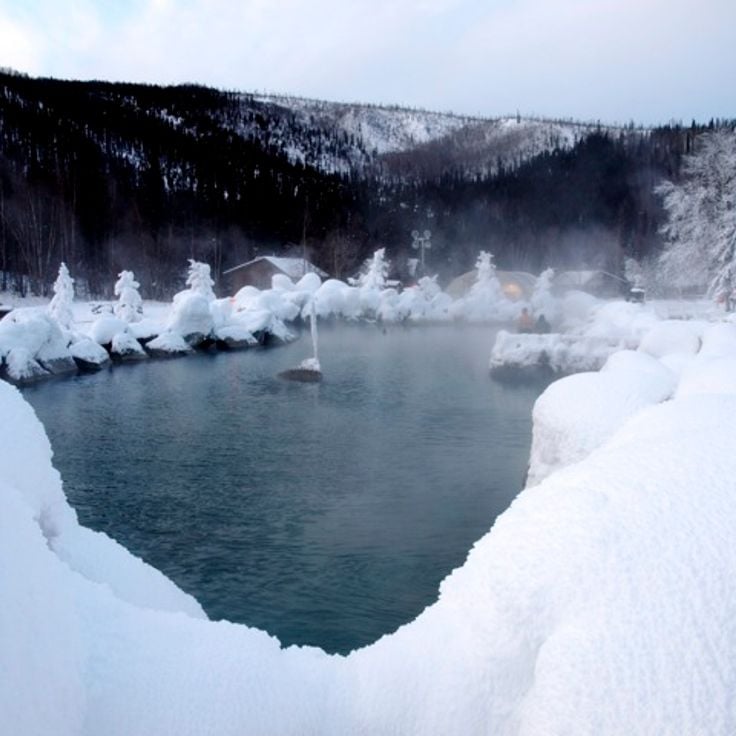
Chena Hot Springs lies about 90 kilometers from Fairbanks and features mineral-rich water that stays warm year-round. The site shows how geothermal energy heats the water from deep beneath the earth. Visitors can soak in warm pools while the surrounding wilderness and night sky shape the experience. This is a place where you can feel Alaska's geological forces directly and be surrounded by raw nature at the same time.
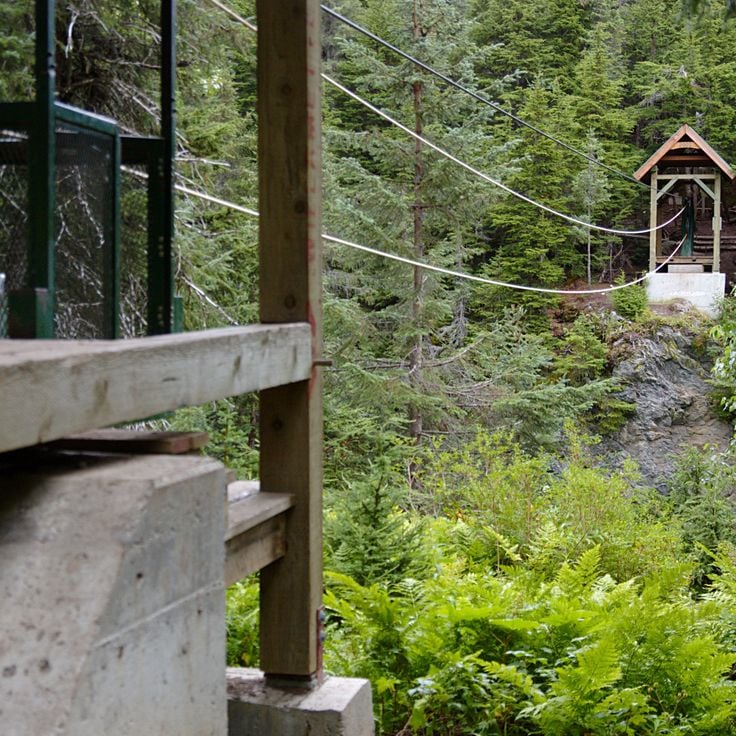
The hand-operated tramway at Winner Creek is an unusual crossing where hikers pull ropes to move themselves across a deep gorge. The journey over the chasm offers a different view of the landscape surrounding Girdwood. Visitors experience a singular adventure that requires physical effort and shows the area from a new angle.
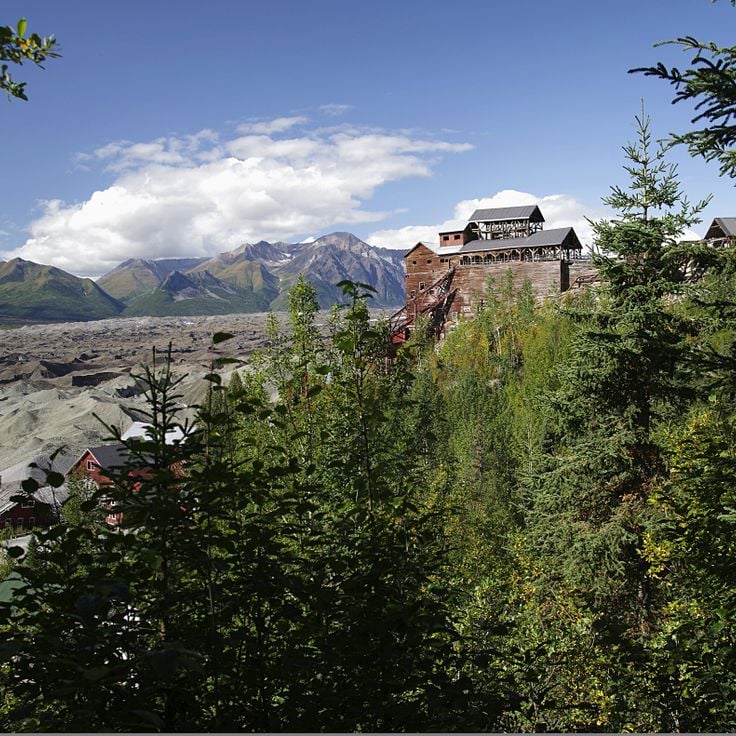
Kennicott was a mining town built in 1911 and operated as a major copper production center in Alaska until 1938. Today, this abandoned settlement sits within Wrangell-St. Elias National Park and shows how people lived and worked during the mining era. The distinctive red mill building and mining structures remain standing, offering visitors a window into the past. As you walk through the ruins, you can picture the daily life of workers who extracted copper under harsh conditions more than a century ago. The site tells the story of Alaska's mining heritage and the human effort behind resource extraction in the remote wilderness.
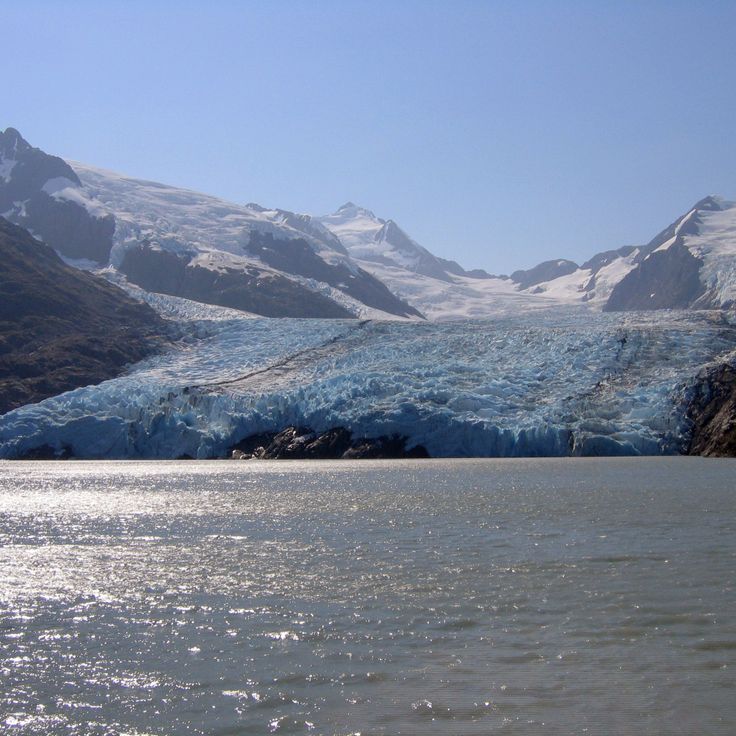
This glacier in the Chugach National Forest shows how ice shapes the landscape over time. It flows down into Portage Lake, creating a dramatic meeting of ice and water. A visitor center at the site explains the glacier's history and how these frozen masses continue to change the terrain around them.
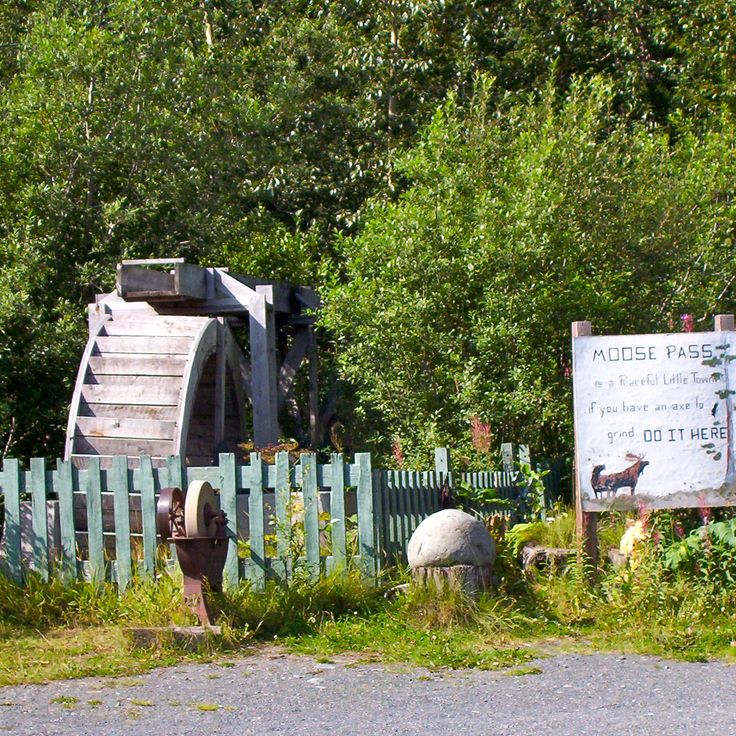
Moose Pass is a small village set in the Chugach National Forest region at 200 meters elevation. It sits nestled between mountains that rise around it. The village serves as a good base for exploring Alaska's wild spaces. From here, you can reach lakes and forests. The surroundings show how Alaska's landscape was shaped over time. You may see moose, bears, and other wildlife in their natural habitat. The area connects to Alaska's mining history, with traces of gold rush days still visible. It is a quiet place far from city noise.
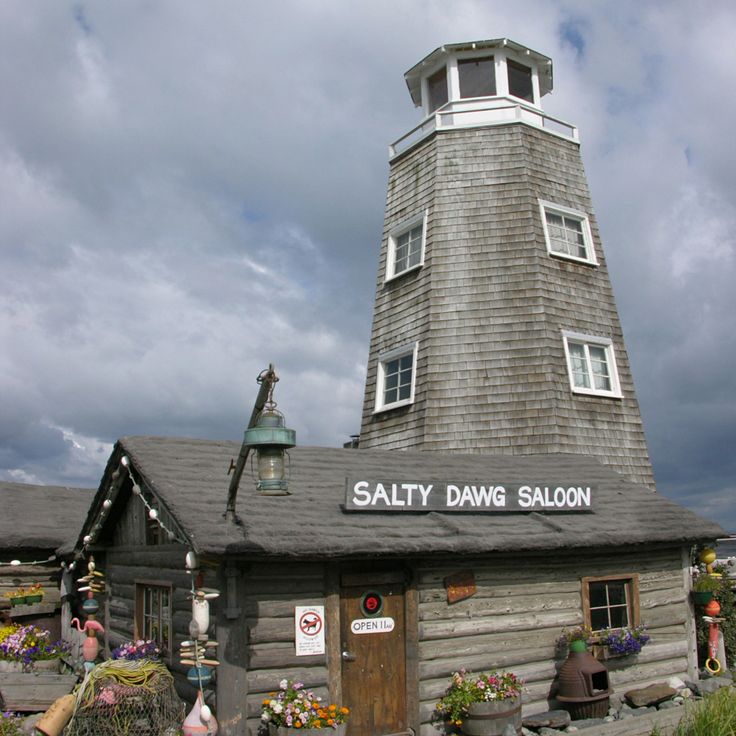
The Salty Dawg Saloon is a historic bar located in a log cabin built in 1897 in Homer. The walls of this establishment are covered with paper bills left behind by visitors from around the world. The building itself is a remnant from Alaska's early days and offers insight into the lives and customs of pioneers who settled in this region. The place has the feel of a living collection of memories, where each bill tells a story and visitors become part of a tradition that has spanned many decades.
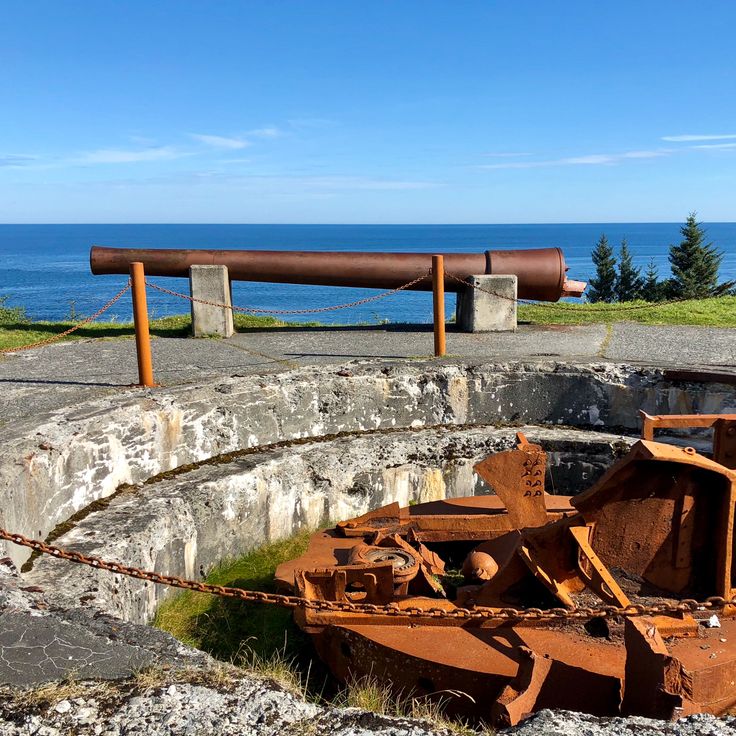
Fort Abercrombie State Park near Kodiak holds the remains of military buildings from 1941. The site sits among conifer forests, with trails cutting through the trees. From higher ground, visitors can see across the water. Walking here, you encounter old structures that speak to the past while moving through living forest. The park shows how human history and nature coexist in this part of Alaska.
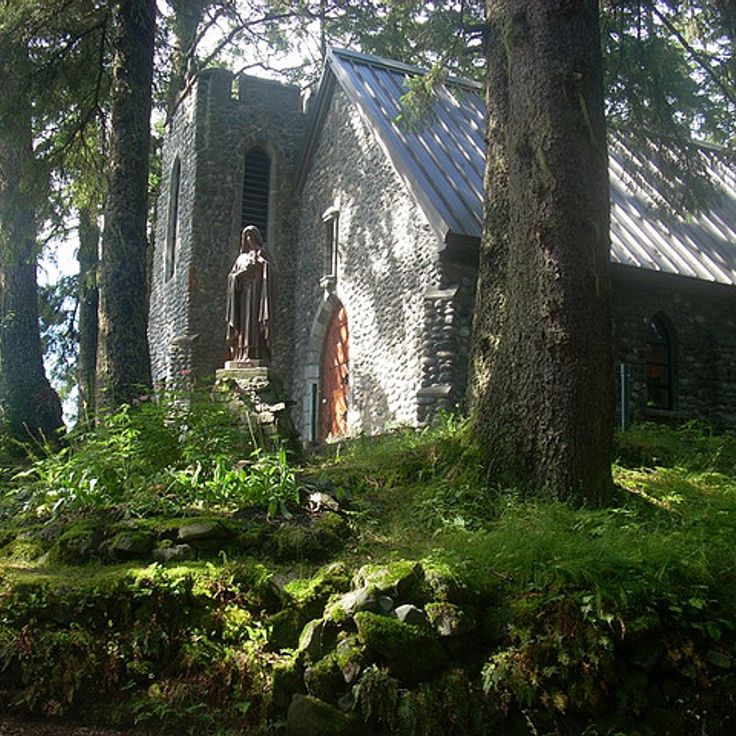
The Shrine of St. Therese is a Catholic chapel located on a small island near Juneau. A stone pathway crosses over the water to connect the island to the mainland. The shrine sits surrounded by Alaska's natural landscape and offers a quiet place for reflection. Visitors walk across the pathway and experience the ocean and mountains around them.
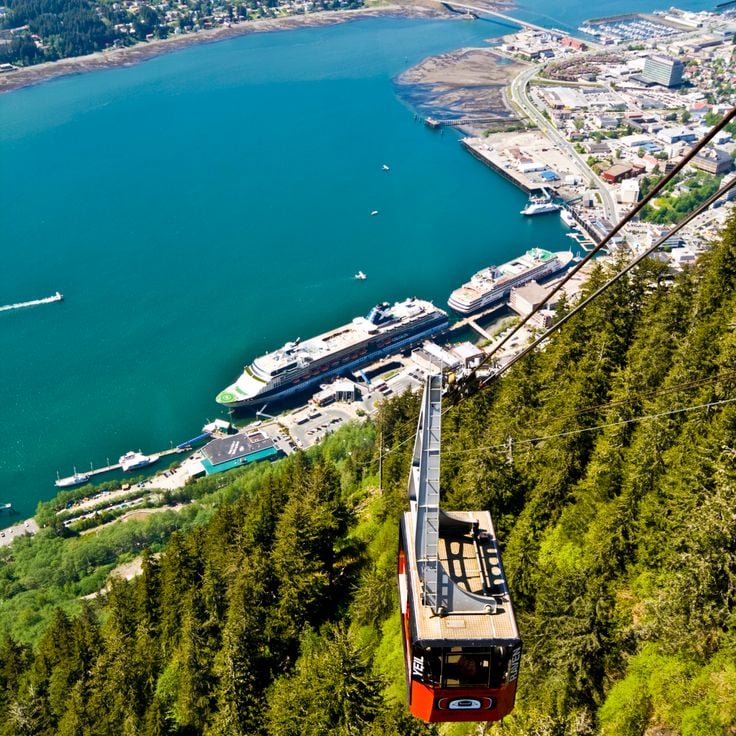
The Mt. Roberts tramway carries visitors up 550 meters (1,800 feet) and offers views of Gastineau Channel and the surrounding mountains. From the top, you can see across Juneau's coastal landscape and experience Alaska's nature from a different vantage point. On clear days, your view extends far across the water and forested areas. The ride itself becomes part of the experience as it slowly climbs above the city.
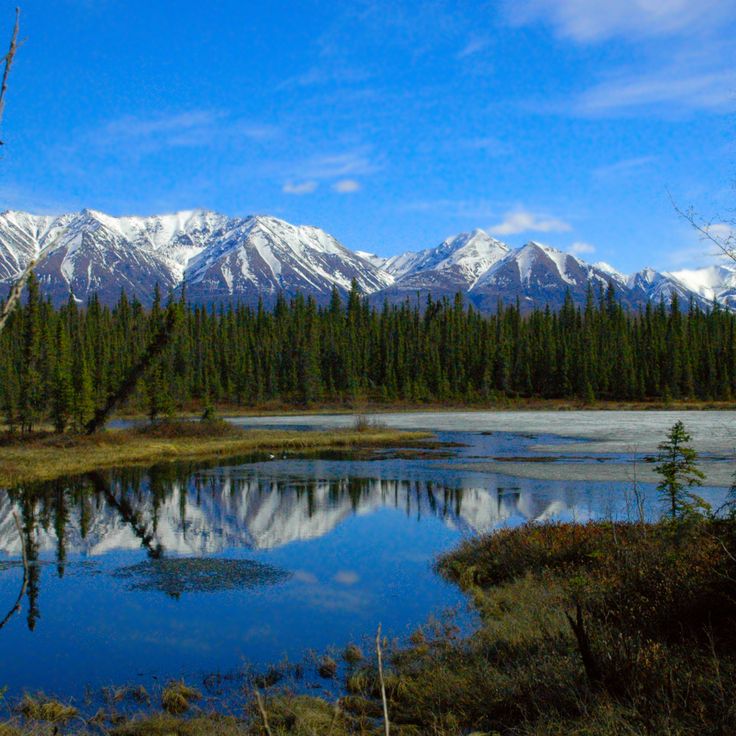
This gravel road connects Chitina to the remote settlement of McCarthy deep within Wrangell-St. Elias National Park. The route follows an abandoned railroad grade through landscapes shaped by glaciers, mountains, and wild terrain. Along the way, travelers can observe the geological formations that reveal how the earth has shifted over millions of years. The road passes through an area rich in mining history and leads to McCarthy, a historic settlement whose buildings reflect the gold rush era that brought people to this remote corner of Alaska.
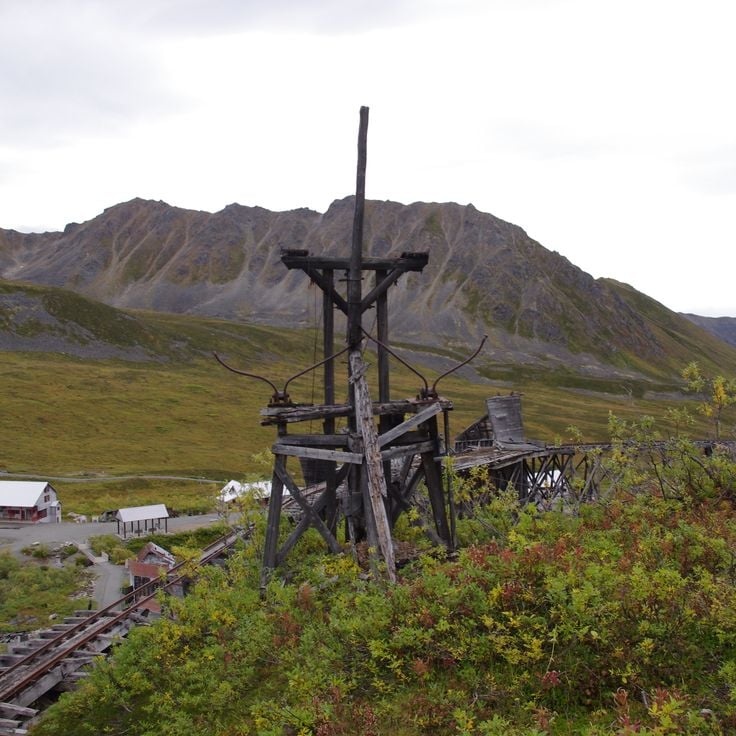
The Parc Historique d'État Mine d'Indépendance preserves a mining complex from the 1930s where you can walk through preserved buildings and see the equipment miners used. About 5 kilometers of marked trails wind through the site, allowing you to explore at your own pace. The structures and tools scattered across the grounds tell the story of how people worked and lived in this remote part of Alaska during the gold rush era. Walking through the park gives you a direct sense of what daily mining life was like in those years.
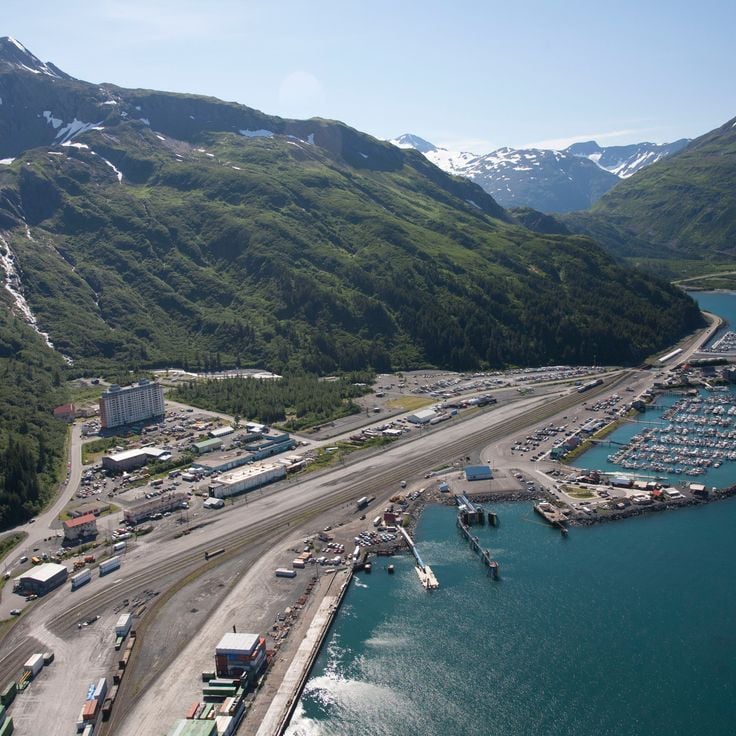
The Whale Fjord near Whittier is a marine area where glaciers reach down to the water and icebergs float in the sea. Whales pass through here regularly, and you can watch them up close. The water is cold and clear, and mountains rise steeply on both sides. The fjord shows how nature works in Alaska: ice, rock, and sea create a space that constantly changes. Those who come here experience the power of this landscape firsthand.
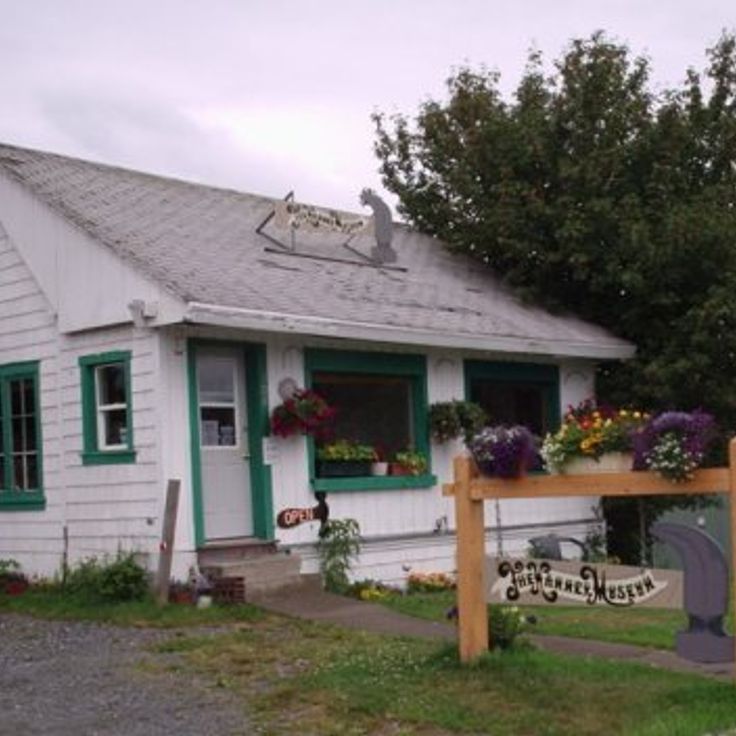
The Hammer Museum in Haines displays over 2000 hammers from different periods and cultures. This collection shows how one of humanity's oldest tools evolved over time. Each hammer tells a story about how people used this tool in their daily work and crafts. You can see the different designs and materials used throughout history. The museum reveals how the hammer was adapted for various tasks and trades. Walking through, you learn about the ingenuity behind everyday objects and the skills of craftspeople across generations.
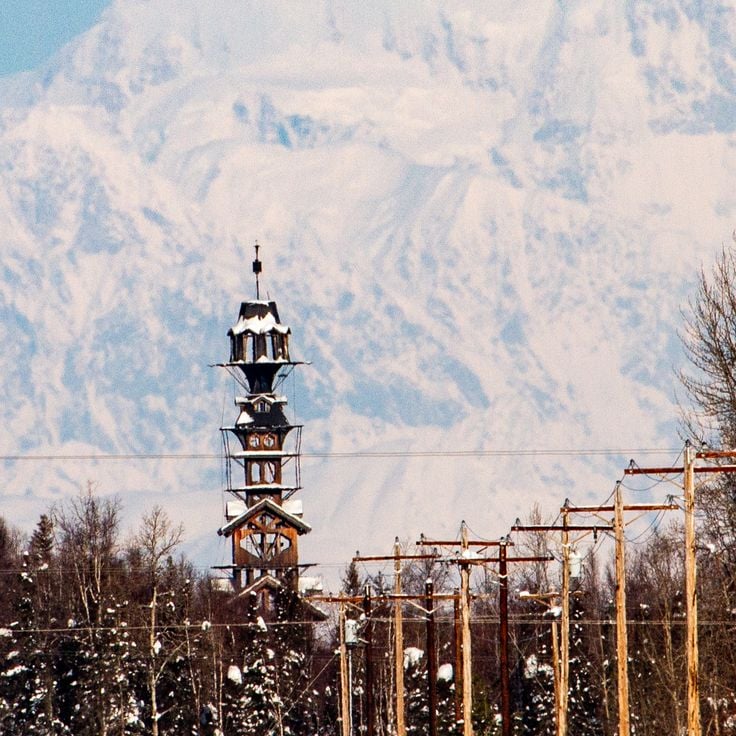
The Dr. Seuss House in Willow is an unconventional wooden structure with multiple ascending towers and irregular levels. Construction of this building took over a decade and reflects creative architecture reminiscent of Dr. Seuss illustrations. The house stands as a testament to human imagination and determination in Alaska's wilderness, offering visitors a glimpse of individualistic building practices far from urban conventions.
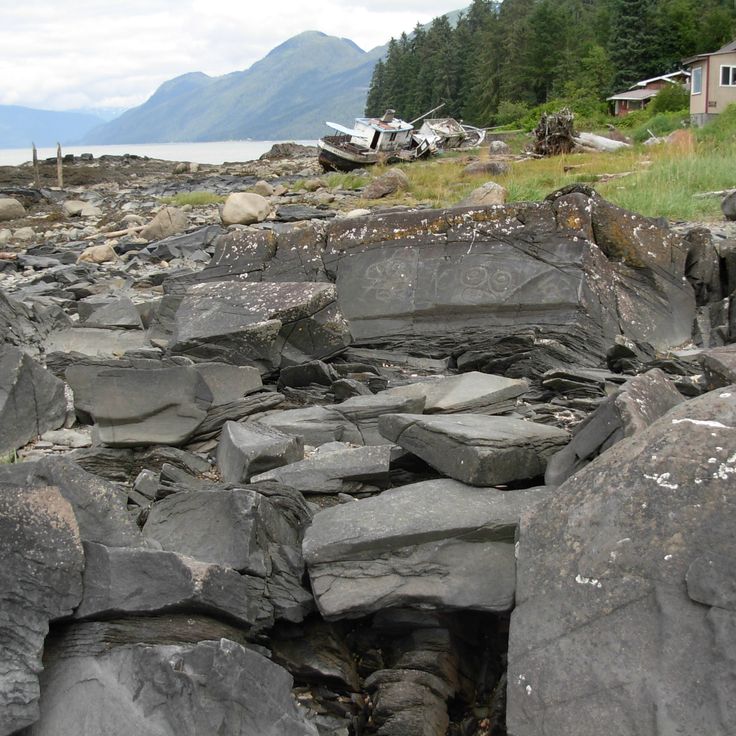
The Petroglyphic Beach in Wrangell holds over 40 rock carvings from ancient times, etched into stone by people long ago. The engravings show humans and animals, telling stories of the first inhabitants in this area. Walking along the shore, you can see these carvings directly on the rocks. The place brings together the coastal landscape with evidence of human presence stretching back through the centuries.
The archaeological district at Cape Krusenstern tells the story of human life along this Alaskan coast across many centuries. More than 100 archaeological sites spread across 70 beach ridges. The artifacts found here date back thousands of years, showing how people hunted, traded, and lived in one of Alaska's most remote regions. Walking through this landscape, you can see the different layers of human settlement and understand how communities adapted to survive in this harsh environment. Each ridge represents a different period in time, creating a record written in the sand and soil.
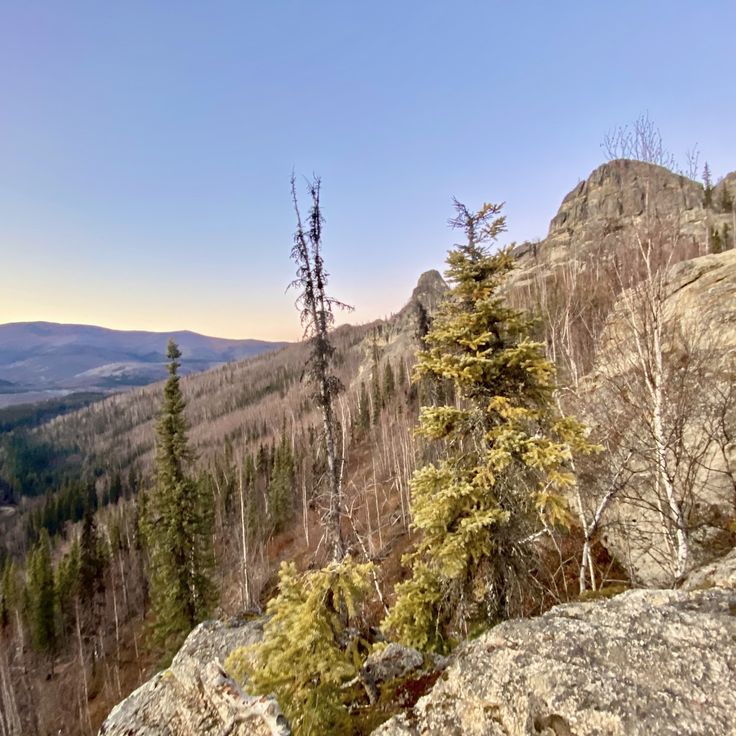
The Sentier des Rochers Angéliques near Fairbanks takes visitors on a walk through the Alaskan wilderness. The trail climbs through forests and across exposed granite formations that grow taller as you ascend. At the top, a wide view opens across the Chena River valley below. This place shows the geological story of Alaska, with rock formations that reveal how natural forces shaped the land over millions of years. Hikers experience the rugged character of the region and may see wildlife in their natural habitat.
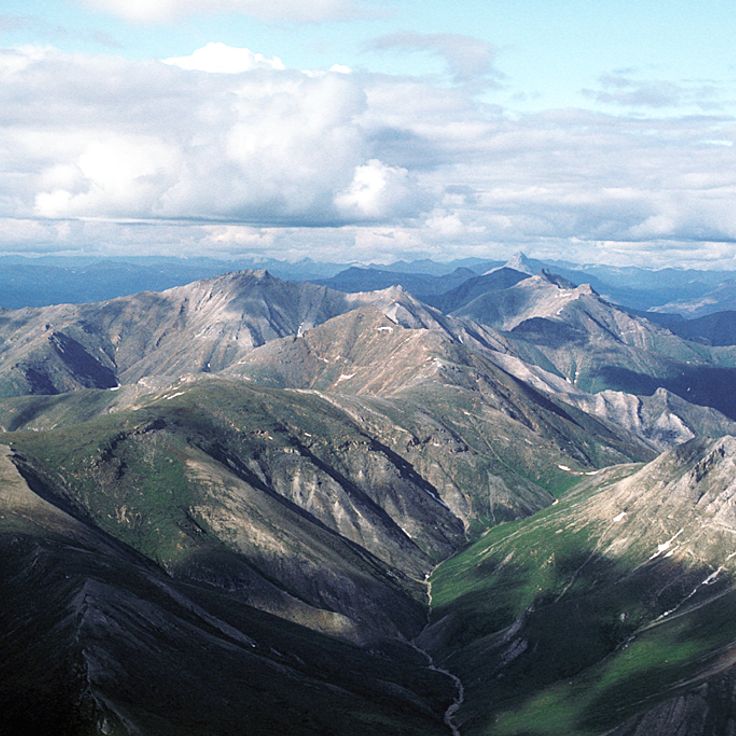
Gates of the Arctic National Park spreads across an enormous area far north of the Arctic Circle. This park shows the raw nature of Alaska with tall mountain ranges, wide valleys and endless tundra. There are no marked trails here and no visitor facilities - just wild nature as it has existed for thousands of years. Hikers and adventurers find true solitude and the chance to see grizzly bears, wolves and caribou herds.
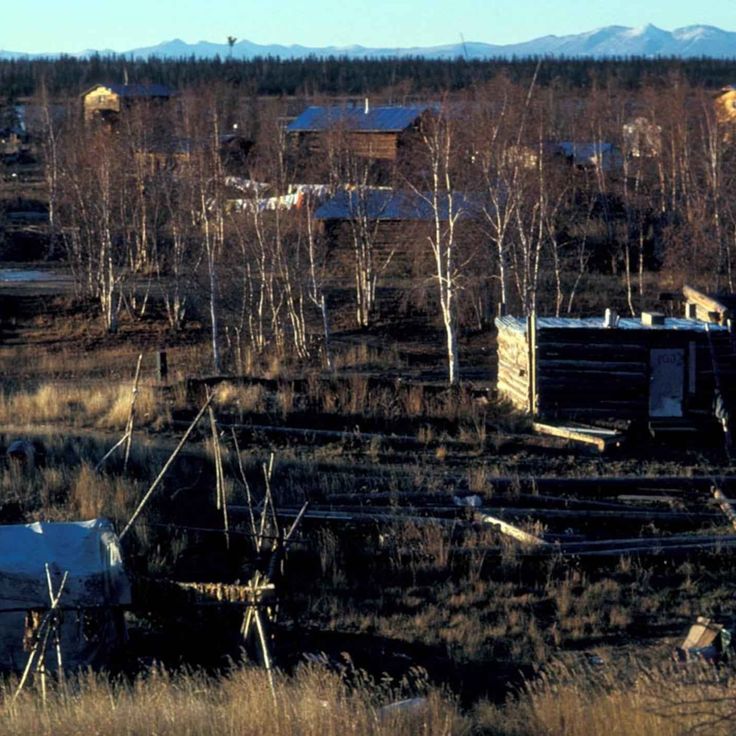
This village of Huslia sits in the interior of Alaska along the Koyukuk River and is home to about 275 people. The Koyukon Athabascans who live here continue to practice traditional hunting, fishing, and crafts that have been part of their way of life for many generations. Visitors can see how people maintain these practices in this remote location, living in close connection with the land and their heritage.
Lake Clark National Park and Preserve sits in southwestern Alaska and features two active volcanoes, glaciers, rainforests, and lakes that sustain salmon populations. The park reveals how the land took shape over millions of years through its distinct geological features. Visitors come here to see brown bears in their natural habitat and experience the raw beauty of Alaska's wilderness away from cities.
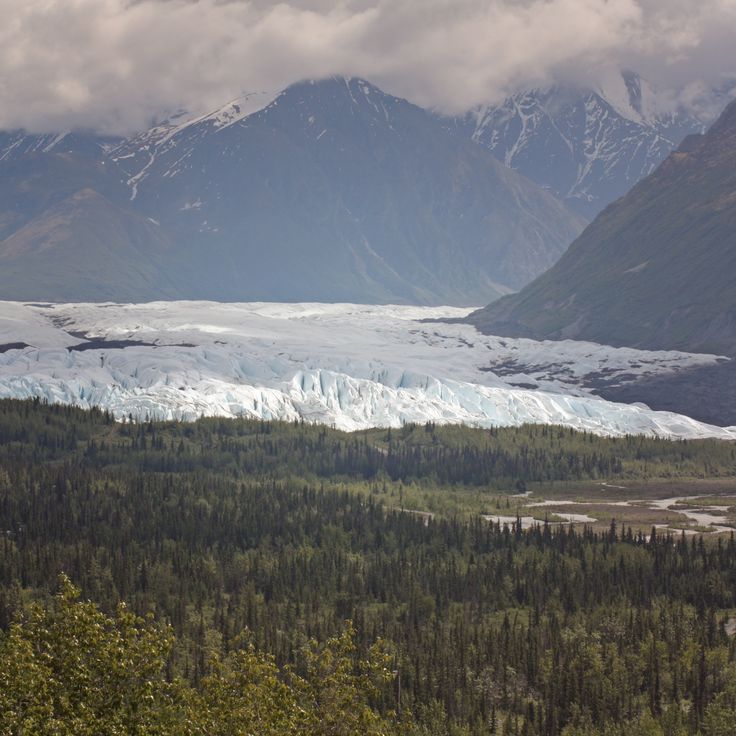
Matanuska Glacier State Recreation Site offers access to one of Alaska's largest glaciers that visitors can reach on foot. A trail from the parking area leads directly onto the ice, where you can walk among crevasses and see the turquoise-colored glacier up close. The site shows how glaciers move and shape the landscape over time. On clear days, the surrounding mountains frame this massive formation of ice.
Pilgrim Hot Springs near Nome features natural thermal pools fed by hot water rising from beneath the earth. The site holds remnants from the gold rush era, including the ruins of an old mission. Visitors can see how geothermal activity shapes this landscape and explore traces of the people who sought their fortune here generations ago.
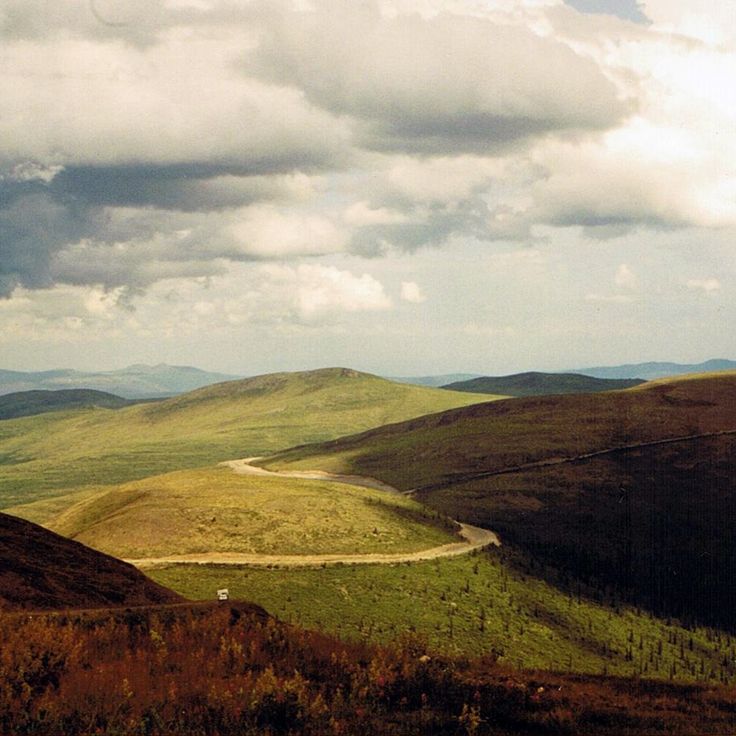
The Top of the World Highway crosses through wild mountain terrain in the north and connects Alaska to Canada's Yukon Territory. This road passes through remote regions where travelers experience the raw nature of the northern landscape directly. Along the way, wide valleys, rocky mountain ranges, and views of surrounding peaks come into view. The route gives visitors a chance to explore Alaska's interior while crossing into Canada, all while staying far from major towns.
The coastal trail at Point Tonsina winds through a thick forest of coniferous trees to reach a beach where seals and sea otters can be seen. This place displays the wildlife of Alaska in its natural habitat, far from cities. The forest and coastline form a home for many animals that have lived in this area for generations.
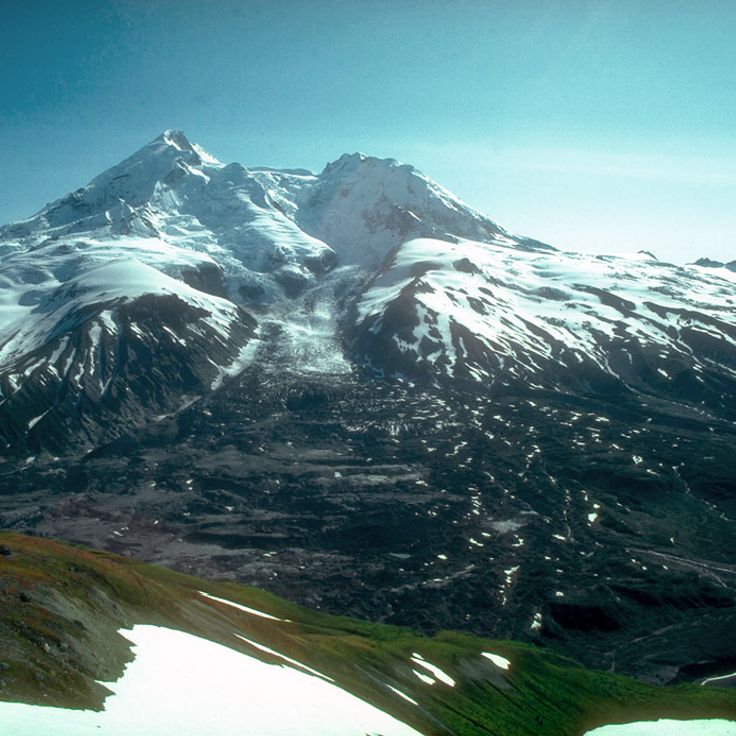
Redoubt Volcano in Lake Clark National Park is a stratovolcano that rises 10,200 feet (3108 meters) and shows signs of regular volcanic activity. Steam and ash clouds rise from the crater, revealing the forces that shape the land beneath. Several glaciers cover the summit and upper slopes, slowly carving the mountainside. This place tells the story of Alaska's geological history formed over millions of years.
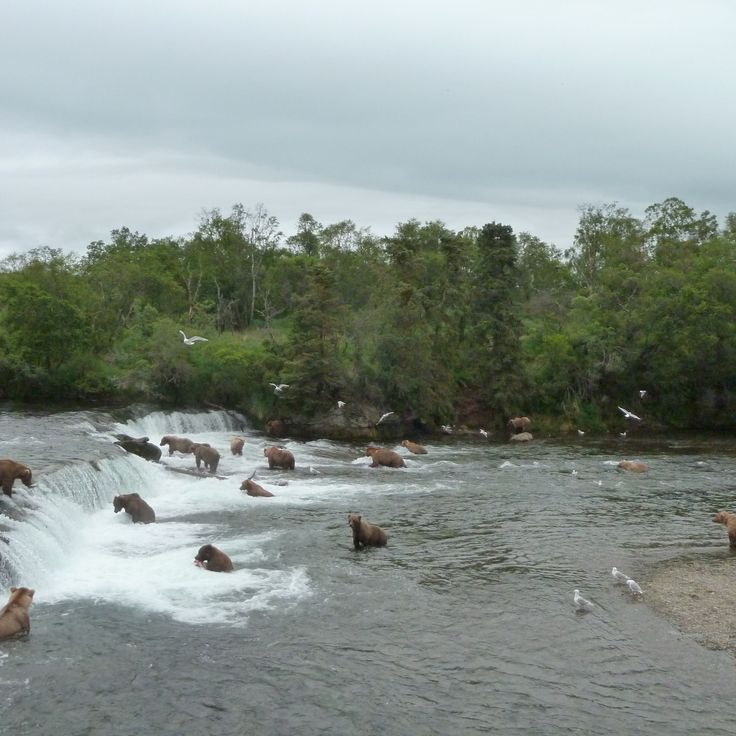
These waterfalls form a major salmon migration route where brown bears feed from June to September. An observation platform provides safe viewing. Chutes Brooks shows the power of flowing water and the close connection between river systems and Alaskan wildlife.
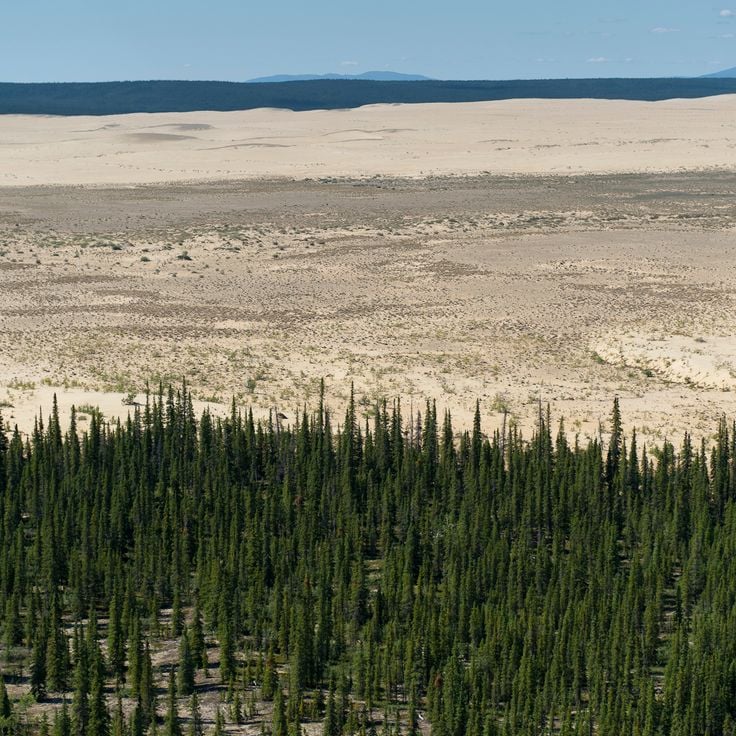
The sand dunes of Kobuk Valley were formed by deposits from ancient glaciers and now create a rare landscape. The dunes spread across vast areas and reach impressive heights. This natural display shows how the earth has been shaped over millions of years. Visitors can experience the power of nature firsthand and understand how glaciers and wind have molded the land.
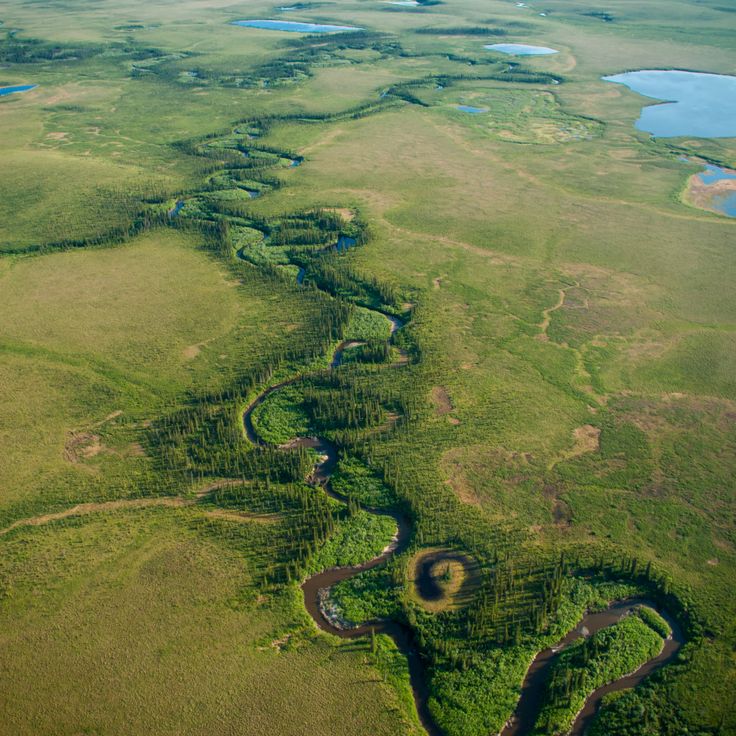
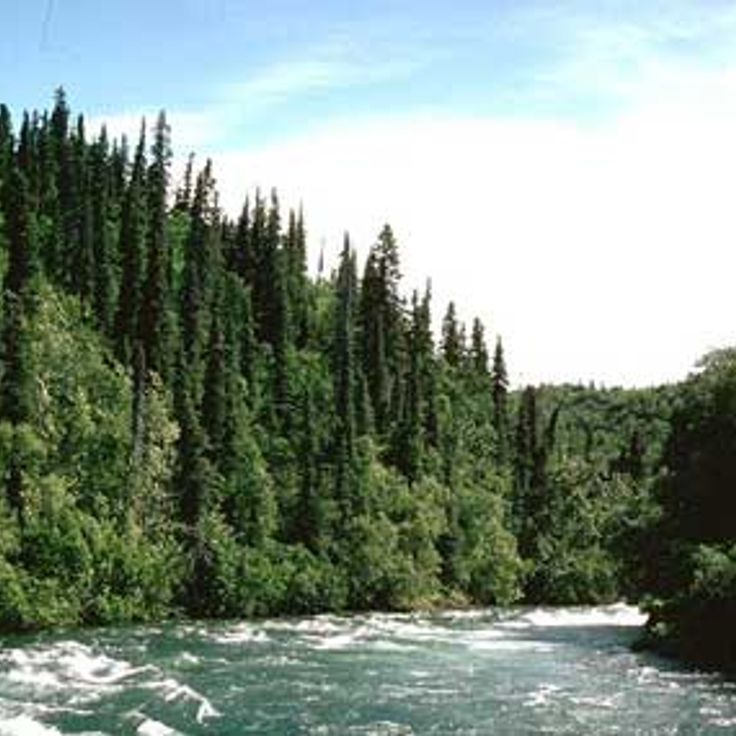
The Alagnak River is a wild waterway flowing through the Katmai National Park, cutting across untouched land for a considerable distance. Five species of salmon live in its waters, while moose and brown bears inhabit its banks. When you visit this river, you experience nature as it has existed for thousands of years: animals in their natural home, clear waters, and a landscape shaped by natural forces alone. This river shows what Alaska offers those who seek genuine wilderness encounters, places where the land and its creatures follow their own rhythms far from human settlements.
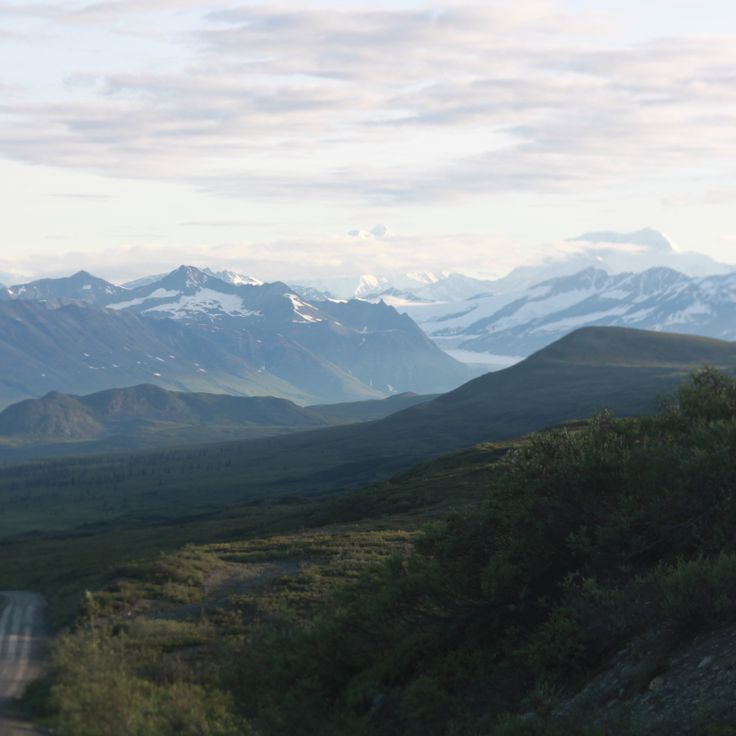
The Denali Road is a gravel route that winds through Alaska's wilderness, taking visitors into one of North America's last great natural areas. This road crosses alpine tundra and forest zones where travelers can see grizzly bears, wolves, moose, and caribou in their natural habitat. The route offers views of the Alaska Range with its snow-covered peaks and provides stops at various viewpoints where the geology and ecology of this region become clear. Along the way, visitors encounter traces of human history, from ancient settlement sites to remains from the gold rush era.
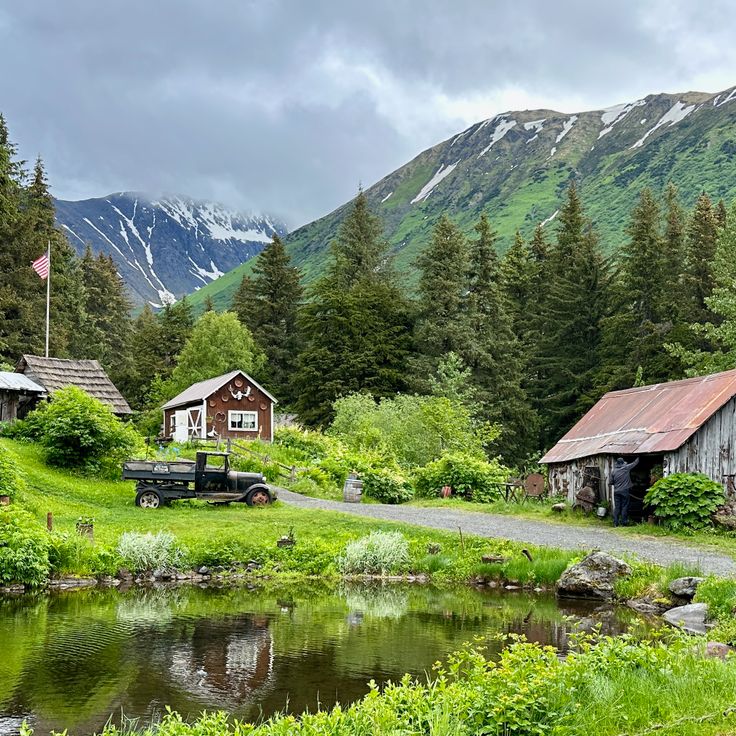
The Crow Creek Gold Mine near Girdwood preserves a working site from the 1890s gold rush era in Alaska. Original buildings and equipment still stand on the grounds, showing how miners lived and extracted gold during this period. Visitors can try gold panning themselves and walk through the remains of the operation. The site reveals the harsh realities of mining life in remote Alaska and the determination of those who came seeking fortune. Walking here connects you directly to a chapter of Alaska's past when gold fever shaped the territory.
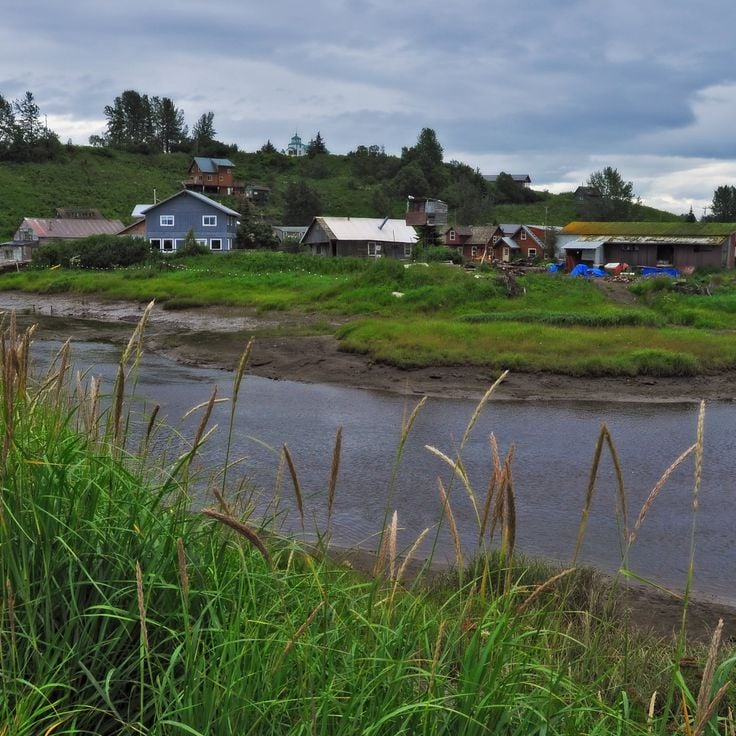
Ninilchik is a coastal village that brings together Russian heritage and traditional fishing practices. Situated along the shore, this settlement preserves the history of Russian settlement with its old Orthodox church that still stands as a focal point of the village. Residents and visitors experience how local fishing communities developed in this remote region and how they maintain their connection to the sea.
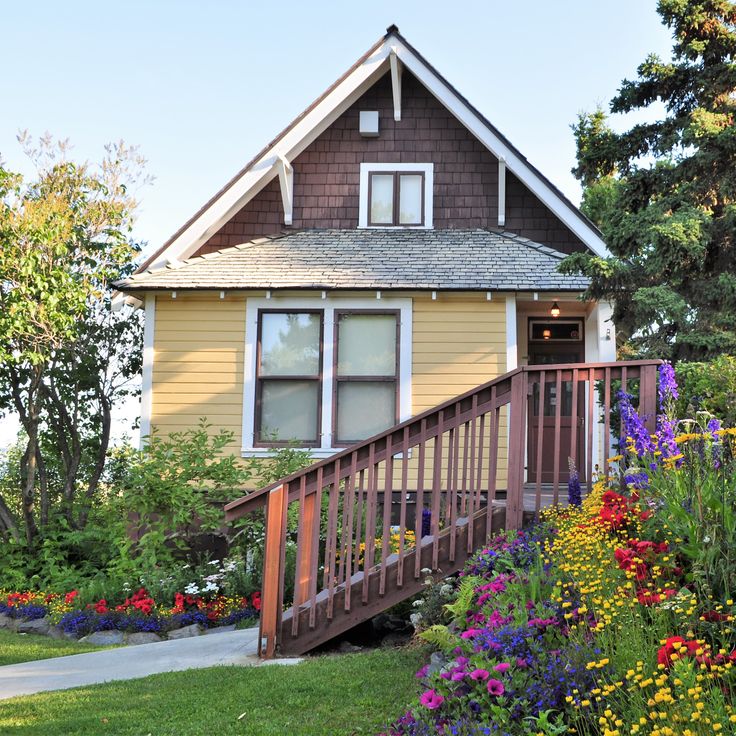
The Oscar Anderson House is a wooden dwelling built in 1915 that displays original furniture and belongings of Anchorage's first Swedish family. Visitors can walk through the rooms and see how early settlers lived and what they brought with them to Alaska. The house tells the story of Swedish pioneers who helped build the city and shows the cultural roots that shaped Anchorage's early community.
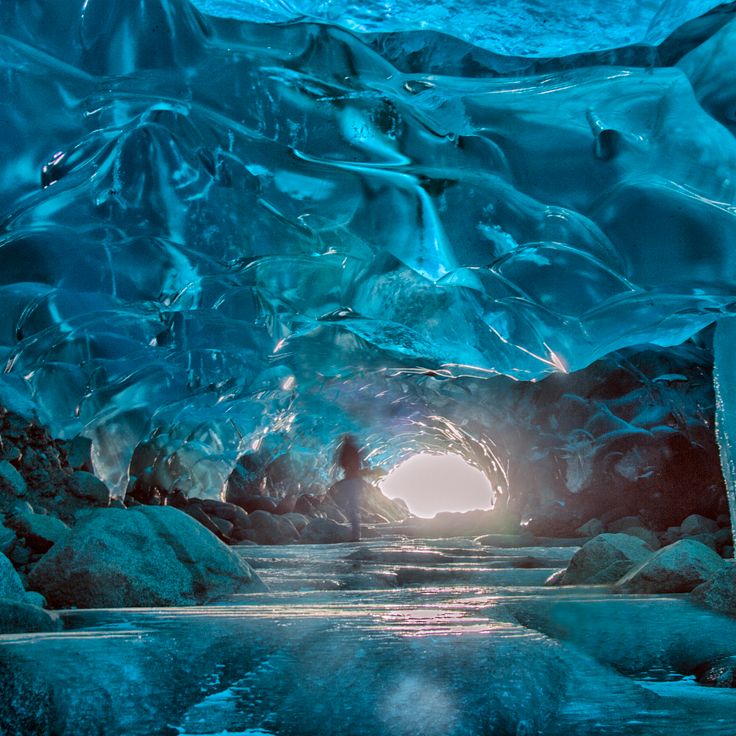
The Mendenhall Ice Caves are natural caves within the glacier that display striking blue ice formations. Visiting these caves requires a guided hike. Located within the Mendenhall Glacier near Juneau, the caves let visitors see the structure and beauty of ice up close. Light passes through the ice and creates intense blue colors that form only in natural ice caves like these.
Chena Hot Springs lies about 90 kilometers from Fairbanks and features mineral-rich water that stays warm year-round. The site shows how geothermal energy heats the water from deep beneath the earth. Visitors can soak in warm pools while the surrounding wilderness and night sky shape the experience. This is a place where you can feel Alaska's geological forces directly and be surrounded by raw nature at the same time.
The hand-operated tramway at Winner Creek is an unusual crossing where hikers pull ropes to move themselves across a deep gorge. The journey over the chasm offers a different view of the landscape surrounding Girdwood. Visitors experience a singular adventure that requires physical effort and shows the area from a new angle.
Kennicott was a mining town built in 1911 and operated as a major copper production center in Alaska until 1938. Today, this abandoned settlement sits within Wrangell-St. Elias National Park and shows how people lived and worked during the mining era. The distinctive red mill building and mining structures remain standing, offering visitors a window into the past. As you walk through the ruins, you can picture the daily life of workers who extracted copper under harsh conditions more than a century ago. The site tells the story of Alaska's mining heritage and the human effort behind resource extraction in the remote wilderness.
This glacier in the Chugach National Forest shows how ice shapes the landscape over time. It flows down into Portage Lake, creating a dramatic meeting of ice and water. A visitor center at the site explains the glacier's history and how these frozen masses continue to change the terrain around them.
Moose Pass is a small village set in the Chugach National Forest region at 200 meters elevation. It sits nestled between mountains that rise around it. The village serves as a good base for exploring Alaska's wild spaces. From here, you can reach lakes and forests. The surroundings show how Alaska's landscape was shaped over time. You may see moose, bears, and other wildlife in their natural habitat. The area connects to Alaska's mining history, with traces of gold rush days still visible. It is a quiet place far from city noise.
The Salty Dawg Saloon is a historic bar located in a log cabin built in 1897 in Homer. The walls of this establishment are covered with paper bills left behind by visitors from around the world. The building itself is a remnant from Alaska's early days and offers insight into the lives and customs of pioneers who settled in this region. The place has the feel of a living collection of memories, where each bill tells a story and visitors become part of a tradition that has spanned many decades.
Fort Abercrombie State Park near Kodiak holds the remains of military buildings from 1941. The site sits among conifer forests, with trails cutting through the trees. From higher ground, visitors can see across the water. Walking here, you encounter old structures that speak to the past while moving through living forest. The park shows how human history and nature coexist in this part of Alaska.
The Shrine of St. Therese is a Catholic chapel located on a small island near Juneau. A stone pathway crosses over the water to connect the island to the mainland. The shrine sits surrounded by Alaska's natural landscape and offers a quiet place for reflection. Visitors walk across the pathway and experience the ocean and mountains around them.
The Mt. Roberts tramway carries visitors up 550 meters (1,800 feet) and offers views of Gastineau Channel and the surrounding mountains. From the top, you can see across Juneau's coastal landscape and experience Alaska's nature from a different vantage point. On clear days, your view extends far across the water and forested areas. The ride itself becomes part of the experience as it slowly climbs above the city.
This gravel road connects Chitina to the remote settlement of McCarthy deep within Wrangell-St. Elias National Park. The route follows an abandoned railroad grade through landscapes shaped by glaciers, mountains, and wild terrain. Along the way, travelers can observe the geological formations that reveal how the earth has shifted over millions of years. The road passes through an area rich in mining history and leads to McCarthy, a historic settlement whose buildings reflect the gold rush era that brought people to this remote corner of Alaska.
The Parc Historique d'État Mine d'Indépendance preserves a mining complex from the 1930s where you can walk through preserved buildings and see the equipment miners used. About 5 kilometers of marked trails wind through the site, allowing you to explore at your own pace. The structures and tools scattered across the grounds tell the story of how people worked and lived in this remote part of Alaska during the gold rush era. Walking through the park gives you a direct sense of what daily mining life was like in those years.
The Whale Fjord near Whittier is a marine area where glaciers reach down to the water and icebergs float in the sea. Whales pass through here regularly, and you can watch them up close. The water is cold and clear, and mountains rise steeply on both sides. The fjord shows how nature works in Alaska: ice, rock, and sea create a space that constantly changes. Those who come here experience the power of this landscape firsthand.
The Hammer Museum in Haines displays over 2000 hammers from different periods and cultures. This collection shows how one of humanity's oldest tools evolved over time. Each hammer tells a story about how people used this tool in their daily work and crafts. You can see the different designs and materials used throughout history. The museum reveals how the hammer was adapted for various tasks and trades. Walking through, you learn about the ingenuity behind everyday objects and the skills of craftspeople across generations.
The Dr. Seuss House in Willow is an unconventional wooden structure with multiple ascending towers and irregular levels. Construction of this building took over a decade and reflects creative architecture reminiscent of Dr. Seuss illustrations. The house stands as a testament to human imagination and determination in Alaska's wilderness, offering visitors a glimpse of individualistic building practices far from urban conventions.
The Petroglyphic Beach in Wrangell holds over 40 rock carvings from ancient times, etched into stone by people long ago. The engravings show humans and animals, telling stories of the first inhabitants in this area. Walking along the shore, you can see these carvings directly on the rocks. The place brings together the coastal landscape with evidence of human presence stretching back through the centuries.
The archaeological district at Cape Krusenstern tells the story of human life along this Alaskan coast across many centuries. More than 100 archaeological sites spread across 70 beach ridges. The artifacts found here date back thousands of years, showing how people hunted, traded, and lived in one of Alaska's most remote regions. Walking through this landscape, you can see the different layers of human settlement and understand how communities adapted to survive in this harsh environment. Each ridge represents a different period in time, creating a record written in the sand and soil.
The Sentier des Rochers Angéliques near Fairbanks takes visitors on a walk through the Alaskan wilderness. The trail climbs through forests and across exposed granite formations that grow taller as you ascend. At the top, a wide view opens across the Chena River valley below. This place shows the geological story of Alaska, with rock formations that reveal how natural forces shaped the land over millions of years. Hikers experience the rugged character of the region and may see wildlife in their natural habitat.
Gates of the Arctic National Park spreads across an enormous area far north of the Arctic Circle. This park shows the raw nature of Alaska with tall mountain ranges, wide valleys and endless tundra. There are no marked trails here and no visitor facilities - just wild nature as it has existed for thousands of years. Hikers and adventurers find true solitude and the chance to see grizzly bears, wolves and caribou herds.
This village of Huslia sits in the interior of Alaska along the Koyukuk River and is home to about 275 people. The Koyukon Athabascans who live here continue to practice traditional hunting, fishing, and crafts that have been part of their way of life for many generations. Visitors can see how people maintain these practices in this remote location, living in close connection with the land and their heritage.
Lake Clark National Park and Preserve sits in southwestern Alaska and features two active volcanoes, glaciers, rainforests, and lakes that sustain salmon populations. The park reveals how the land took shape over millions of years through its distinct geological features. Visitors come here to see brown bears in their natural habitat and experience the raw beauty of Alaska's wilderness away from cities.
Matanuska Glacier State Recreation Site offers access to one of Alaska's largest glaciers that visitors can reach on foot. A trail from the parking area leads directly onto the ice, where you can walk among crevasses and see the turquoise-colored glacier up close. The site shows how glaciers move and shape the landscape over time. On clear days, the surrounding mountains frame this massive formation of ice.
Pilgrim Hot Springs near Nome features natural thermal pools fed by hot water rising from beneath the earth. The site holds remnants from the gold rush era, including the ruins of an old mission. Visitors can see how geothermal activity shapes this landscape and explore traces of the people who sought their fortune here generations ago.
The Top of the World Highway crosses through wild mountain terrain in the north and connects Alaska to Canada's Yukon Territory. This road passes through remote regions where travelers experience the raw nature of the northern landscape directly. Along the way, wide valleys, rocky mountain ranges, and views of surrounding peaks come into view. The route gives visitors a chance to explore Alaska's interior while crossing into Canada, all while staying far from major towns.
The coastal trail at Point Tonsina winds through a thick forest of coniferous trees to reach a beach where seals and sea otters can be seen. This place displays the wildlife of Alaska in its natural habitat, far from cities. The forest and coastline form a home for many animals that have lived in this area for generations.
Redoubt Volcano in Lake Clark National Park is a stratovolcano that rises 10,200 feet (3108 meters) and shows signs of regular volcanic activity. Steam and ash clouds rise from the crater, revealing the forces that shape the land beneath. Several glaciers cover the summit and upper slopes, slowly carving the mountainside. This place tells the story of Alaska's geological history formed over millions of years.
These waterfalls form a major salmon migration route where brown bears feed from June to September. An observation platform provides safe viewing. Chutes Brooks shows the power of flowing water and the close connection between river systems and Alaskan wildlife.
The sand dunes of Kobuk Valley were formed by deposits from ancient glaciers and now create a rare landscape. The dunes spread across vast areas and reach impressive heights. This natural display shows how the earth has been shaped over millions of years. Visitors can experience the power of nature firsthand and understand how glaciers and wind have molded the land.
The Alagnak River is a wild waterway flowing through the Katmai National Park, cutting across untouched land for a considerable distance. Five species of salmon live in its waters, while moose and brown bears inhabit its banks. When you visit this river, you experience nature as it has existed for thousands of years: animals in their natural home, clear waters, and a landscape shaped by natural forces alone. This river shows what Alaska offers those who seek genuine wilderness encounters, places where the land and its creatures follow their own rhythms far from human settlements.
The Denali Road is a gravel route that winds through Alaska's wilderness, taking visitors into one of North America's last great natural areas. This road crosses alpine tundra and forest zones where travelers can see grizzly bears, wolves, moose, and caribou in their natural habitat. The route offers views of the Alaska Range with its snow-covered peaks and provides stops at various viewpoints where the geology and ecology of this region become clear. Along the way, visitors encounter traces of human history, from ancient settlement sites to remains from the gold rush era.
The Crow Creek Gold Mine near Girdwood preserves a working site from the 1890s gold rush era in Alaska. Original buildings and equipment still stand on the grounds, showing how miners lived and extracted gold during this period. Visitors can try gold panning themselves and walk through the remains of the operation. The site reveals the harsh realities of mining life in remote Alaska and the determination of those who came seeking fortune. Walking here connects you directly to a chapter of Alaska's past when gold fever shaped the territory.
Ninilchik is a coastal village that brings together Russian heritage and traditional fishing practices. Situated along the shore, this settlement preserves the history of Russian settlement with its old Orthodox church that still stands as a focal point of the village. Residents and visitors experience how local fishing communities developed in this remote region and how they maintain their connection to the sea.
The Oscar Anderson House is a wooden dwelling built in 1915 that displays original furniture and belongings of Anchorage's first Swedish family. Visitors can walk through the rooms and see how early settlers lived and what they brought with them to Alaska. The house tells the story of Swedish pioneers who helped build the city and shows the cultural roots that shaped Anchorage's early community.
The Mendenhall Ice Caves are natural caves within the glacier that display striking blue ice formations. Visiting these caves requires a guided hike. Located within the Mendenhall Glacier near Juneau, the caves let visitors see the structure and beauty of ice up close. Light passes through the ice and creates intense blue colors that form only in natural ice caves like these.
Chena Hot Springs lies about 90 kilometers from Fairbanks and features mineral-rich water that stays warm year-round. The site shows how geothermal energy heats the water from deep beneath the earth. Visitors can soak in warm pools while the surrounding wilderness and night sky shape the experience. This is a place where you can feel Alaska's geological forces directly and be surrounded by raw nature at the same time.
The hand-operated tramway at Winner Creek is an unusual crossing where hikers pull ropes to move themselves across a deep gorge. The journey over the chasm offers a different view of the landscape surrounding Girdwood. Visitors experience a singular adventure that requires physical effort and shows the area from a new angle.
Kennicott was a mining town built in 1911 and operated as a major copper production center in Alaska until 1938. Today, this abandoned settlement sits within Wrangell-St. Elias National Park and shows how people lived and worked during the mining era. The distinctive red mill building and mining structures remain standing, offering visitors a window into the past. As you walk through the ruins, you can picture the daily life of workers who extracted copper under harsh conditions more than a century ago. The site tells the story of Alaska's mining heritage and the human effort behind resource extraction in the remote wilderness.
This glacier in the Chugach National Forest shows how ice shapes the landscape over time. It flows down into Portage Lake, creating a dramatic meeting of ice and water. A visitor center at the site explains the glacier's history and how these frozen masses continue to change the terrain around them.
Moose Pass is a small village set in the Chugach National Forest region at 200 meters elevation. It sits nestled between mountains that rise around it. The village serves as a good base for exploring Alaska's wild spaces. From here, you can reach lakes and forests. The surroundings show how Alaska's landscape was shaped over time. You may see moose, bears, and other wildlife in their natural habitat. The area connects to Alaska's mining history, with traces of gold rush days still visible. It is a quiet place far from city noise.
The Salty Dawg Saloon is a historic bar located in a log cabin built in 1897 in Homer. The walls of this establishment are covered with paper bills left behind by visitors from around the world. The building itself is a remnant from Alaska's early days and offers insight into the lives and customs of pioneers who settled in this region. The place has the feel of a living collection of memories, where each bill tells a story and visitors become part of a tradition that has spanned many decades.
Fort Abercrombie State Park near Kodiak holds the remains of military buildings from 1941. The site sits among conifer forests, with trails cutting through the trees. From higher ground, visitors can see across the water. Walking here, you encounter old structures that speak to the past while moving through living forest. The park shows how human history and nature coexist in this part of Alaska.
The Shrine of St. Therese is a Catholic chapel located on a small island near Juneau. A stone pathway crosses over the water to connect the island to the mainland. The shrine sits surrounded by Alaska's natural landscape and offers a quiet place for reflection. Visitors walk across the pathway and experience the ocean and mountains around them.
The Mt. Roberts tramway carries visitors up 550 meters (1,800 feet) and offers views of Gastineau Channel and the surrounding mountains. From the top, you can see across Juneau's coastal landscape and experience Alaska's nature from a different vantage point. On clear days, your view extends far across the water and forested areas. The ride itself becomes part of the experience as it slowly climbs above the city.
This gravel road connects Chitina to the remote settlement of McCarthy deep within Wrangell-St. Elias National Park. The route follows an abandoned railroad grade through landscapes shaped by glaciers, mountains, and wild terrain. Along the way, travelers can observe the geological formations that reveal how the earth has shifted over millions of years. The road passes through an area rich in mining history and leads to McCarthy, a historic settlement whose buildings reflect the gold rush era that brought people to this remote corner of Alaska.
The Parc Historique d'État Mine d'Indépendance preserves a mining complex from the 1930s where you can walk through preserved buildings and see the equipment miners used. About 5 kilometers of marked trails wind through the site, allowing you to explore at your own pace. The structures and tools scattered across the grounds tell the story of how people worked and lived in this remote part of Alaska during the gold rush era. Walking through the park gives you a direct sense of what daily mining life was like in those years.
The Whale Fjord near Whittier is a marine area where glaciers reach down to the water and icebergs float in the sea. Whales pass through here regularly, and you can watch them up close. The water is cold and clear, and mountains rise steeply on both sides. The fjord shows how nature works in Alaska: ice, rock, and sea create a space that constantly changes. Those who come here experience the power of this landscape firsthand.
The Hammer Museum in Haines displays over 2000 hammers from different periods and cultures. This collection shows how one of humanity's oldest tools evolved over time. Each hammer tells a story about how people used this tool in their daily work and crafts. You can see the different designs and materials used throughout history. The museum reveals how the hammer was adapted for various tasks and trades. Walking through, you learn about the ingenuity behind everyday objects and the skills of craftspeople across generations.
The Dr. Seuss House in Willow is an unconventional wooden structure with multiple ascending towers and irregular levels. Construction of this building took over a decade and reflects creative architecture reminiscent of Dr. Seuss illustrations. The house stands as a testament to human imagination and determination in Alaska's wilderness, offering visitors a glimpse of individualistic building practices far from urban conventions.
The Petroglyphic Beach in Wrangell holds over 40 rock carvings from ancient times, etched into stone by people long ago. The engravings show humans and animals, telling stories of the first inhabitants in this area. Walking along the shore, you can see these carvings directly on the rocks. The place brings together the coastal landscape with evidence of human presence stretching back through the centuries.
The archaeological district at Cape Krusenstern tells the story of human life along this Alaskan coast across many centuries. More than 100 archaeological sites spread across 70 beach ridges. The artifacts found here date back thousands of years, showing how people hunted, traded, and lived in one of Alaska's most remote regions. Walking through this landscape, you can see the different layers of human settlement and understand how communities adapted to survive in this harsh environment. Each ridge represents a different period in time, creating a record written in the sand and soil.
The Sentier des Rochers Angéliques near Fairbanks takes visitors on a walk through the Alaskan wilderness. The trail climbs through forests and across exposed granite formations that grow taller as you ascend. At the top, a wide view opens across the Chena River valley below. This place shows the geological story of Alaska, with rock formations that reveal how natural forces shaped the land over millions of years. Hikers experience the rugged character of the region and may see wildlife in their natural habitat.
Gates of the Arctic National Park spreads across an enormous area far north of the Arctic Circle. This park shows the raw nature of Alaska with tall mountain ranges, wide valleys and endless tundra. There are no marked trails here and no visitor facilities - just wild nature as it has existed for thousands of years. Hikers and adventurers find true solitude and the chance to see grizzly bears, wolves and caribou herds.
This village of Huslia sits in the interior of Alaska along the Koyukuk River and is home to about 275 people. The Koyukon Athabascans who live here continue to practice traditional hunting, fishing, and crafts that have been part of their way of life for many generations. Visitors can see how people maintain these practices in this remote location, living in close connection with the land and their heritage.
Lake Clark National Park and Preserve sits in southwestern Alaska and features two active volcanoes, glaciers, rainforests, and lakes that sustain salmon populations. The park reveals how the land took shape over millions of years through its distinct geological features. Visitors come here to see brown bears in their natural habitat and experience the raw beauty of Alaska's wilderness away from cities.
Matanuska Glacier State Recreation Site offers access to one of Alaska's largest glaciers that visitors can reach on foot. A trail from the parking area leads directly onto the ice, where you can walk among crevasses and see the turquoise-colored glacier up close. The site shows how glaciers move and shape the landscape over time. On clear days, the surrounding mountains frame this massive formation of ice.
Pilgrim Hot Springs near Nome features natural thermal pools fed by hot water rising from beneath the earth. The site holds remnants from the gold rush era, including the ruins of an old mission. Visitors can see how geothermal activity shapes this landscape and explore traces of the people who sought their fortune here generations ago.
The Top of the World Highway crosses through wild mountain terrain in the north and connects Alaska to Canada's Yukon Territory. This road passes through remote regions where travelers experience the raw nature of the northern landscape directly. Along the way, wide valleys, rocky mountain ranges, and views of surrounding peaks come into view. The route gives visitors a chance to explore Alaska's interior while crossing into Canada, all while staying far from major towns.
The coastal trail at Point Tonsina winds through a thick forest of coniferous trees to reach a beach where seals and sea otters can be seen. This place displays the wildlife of Alaska in its natural habitat, far from cities. The forest and coastline form a home for many animals that have lived in this area for generations.
Redoubt Volcano in Lake Clark National Park is a stratovolcano that rises 10,200 feet (3108 meters) and shows signs of regular volcanic activity. Steam and ash clouds rise from the crater, revealing the forces that shape the land beneath. Several glaciers cover the summit and upper slopes, slowly carving the mountainside. This place tells the story of Alaska's geological history formed over millions of years.
These waterfalls form a major salmon migration route where brown bears feed from June to September. An observation platform provides safe viewing. Chutes Brooks shows the power of flowing water and the close connection between river systems and Alaskan wildlife.
The sand dunes of Kobuk Valley were formed by deposits from ancient glaciers and now create a rare landscape. The dunes spread across vast areas and reach impressive heights. This natural display shows how the earth has been shaped over millions of years. Visitors can experience the power of nature firsthand and understand how glaciers and wind have molded the land.
The Alagnak River is a wild waterway flowing through the Katmai National Park, cutting across untouched land for a considerable distance. Five species of salmon live in its waters, while moose and brown bears inhabit its banks. When you visit this river, you experience nature as it has existed for thousands of years: animals in their natural home, clear waters, and a landscape shaped by natural forces alone. This river shows what Alaska offers those who seek genuine wilderness encounters, places where the land and its creatures follow their own rhythms far from human settlements.
The Denali Road is a gravel route that winds through Alaska's wilderness, taking visitors into one of North America's last great natural areas. This road crosses alpine tundra and forest zones where travelers can see grizzly bears, wolves, moose, and caribou in their natural habitat. The route offers views of the Alaska Range with its snow-covered peaks and provides stops at various viewpoints where the geology and ecology of this region become clear. Along the way, visitors encounter traces of human history, from ancient settlement sites to remains from the gold rush era.
The Crow Creek Gold Mine near Girdwood preserves a working site from the 1890s gold rush era in Alaska. Original buildings and equipment still stand on the grounds, showing how miners lived and extracted gold during this period. Visitors can try gold panning themselves and walk through the remains of the operation. The site reveals the harsh realities of mining life in remote Alaska and the determination of those who came seeking fortune. Walking here connects you directly to a chapter of Alaska's past when gold fever shaped the territory.
Ninilchik is a coastal village that brings together Russian heritage and traditional fishing practices. Situated along the shore, this settlement preserves the history of Russian settlement with its old Orthodox church that still stands as a focal point of the village. Residents and visitors experience how local fishing communities developed in this remote region and how they maintain their connection to the sea.
The Oscar Anderson House is a wooden dwelling built in 1915 that displays original furniture and belongings of Anchorage's first Swedish family. Visitors can walk through the rooms and see how early settlers lived and what they brought with them to Alaska. The house tells the story of Swedish pioneers who helped build the city and shows the cultural roots that shaped Anchorage's early community.
The Mendenhall Ice Caves are natural caves within the glacier that display striking blue ice formations. Visiting these caves requires a guided hike. Located within the Mendenhall Glacier near Juneau, the caves let visitors see the structure and beauty of ice up close. Light passes through the ice and creates intense blue colors that form only in natural ice caves like these.