See the monuments around you in AROpen chests in the app
Around Us is built for your phone — point your camera at the streets and discover the monuments and places around you in augmented reality.Around Us is built for your phone — chests unlock when you walk, explore and capture nearby places.
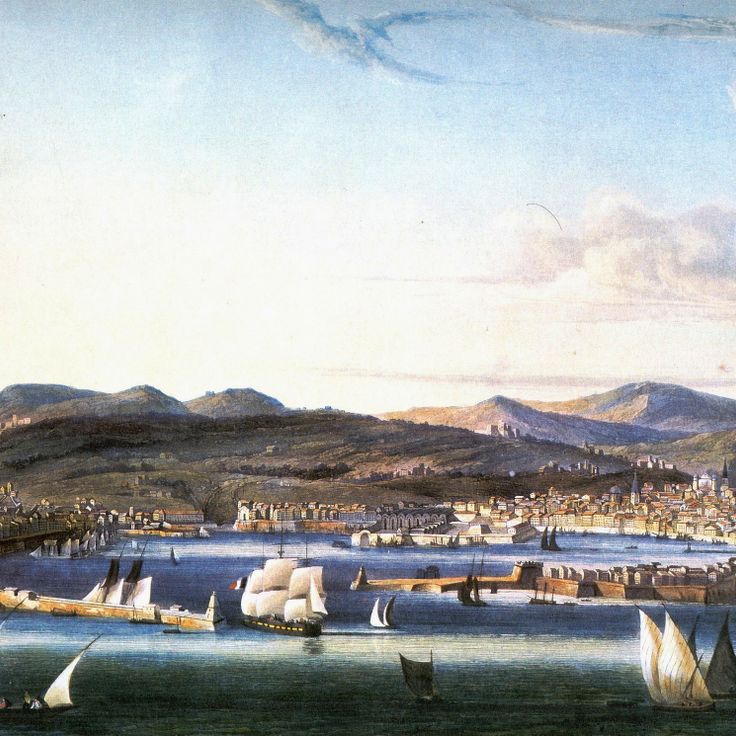
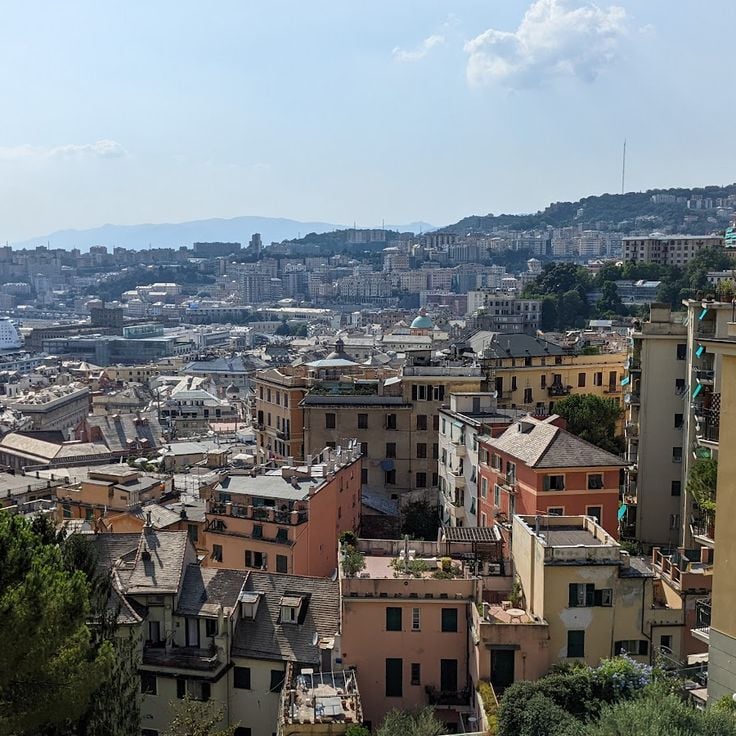
Genoa blends Renaissance architecture with views of the sea and mountains rising behind the city. In the streets of the old town, palaces from the 16th and 17th centuries stand with frescoed interiors and marble portals. The harbor stretches along the coast, where old cranes sit beside modern museums. From elevated points like Spianata di Castelletto, you see across the rooftops to the water, while the alleys of the center hold churches, squares, and covered galleries.
Genoa blends Renaissance architecture with views of the sea and mountains rising behind the city. In the streets of the old town, palaces from the 16th and 17th centuries stand with frescoed interiors and marble portals. The harbor stretches along the coast, where old cranes sit beside modern museums. From elevated points like Spianata di Castelletto, you see across the rooftops to the water, while the alleys of the center hold churches, squares, and covered galleries.
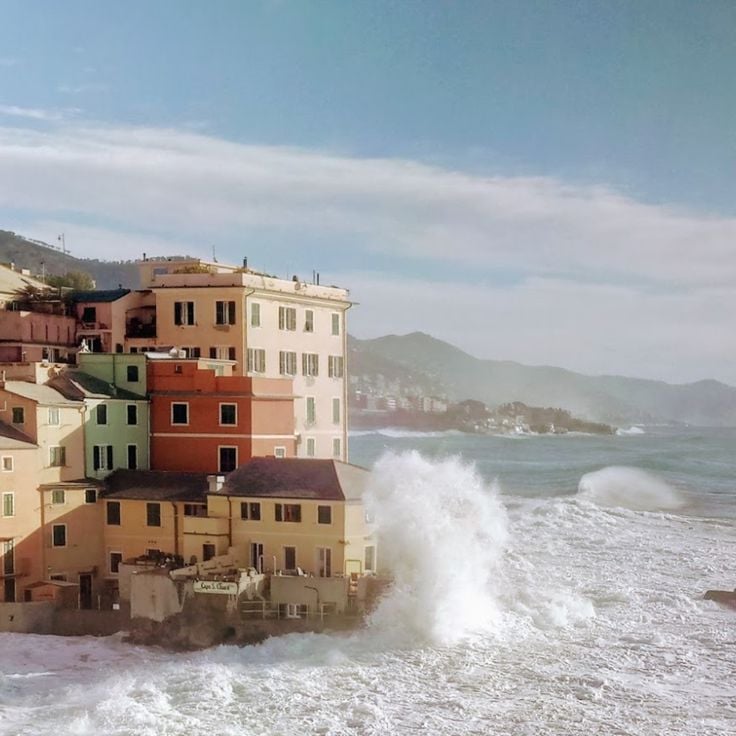
This former fishing village shows traditional Mediterranean houses in red and yellow, a small pebble beach, and restaurants along the waterfront. Low buildings line the bay, where small boats still rest at the shore. Narrow lanes run between the houses down to the water. Locals gather at the beach to walk and sit. The restaurants serve fresh fish with views of the waves. At sunset the facades glow warmly. This spot reveals how Genova once lived, when fishermen dried their nets here and families occupied the colored houses.
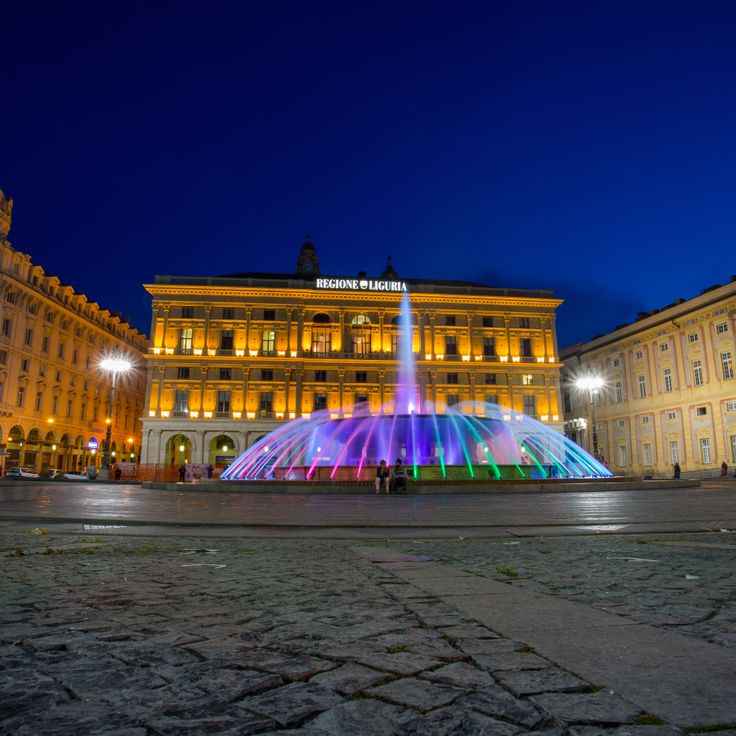
This central square in Genoa offers a large bronze fountain that serves as a focal point for photographs. Piazza De Ferrari is enclosed by the Doge's Palace, the Stock Exchange, and the Carlo Felice Opera House, whose facades create a backdrop of contrasting architectural styles. The play of water and light at the fountain changes throughout the day, while the paved square hosts city life as people rest on steps and benches around the perimeter.
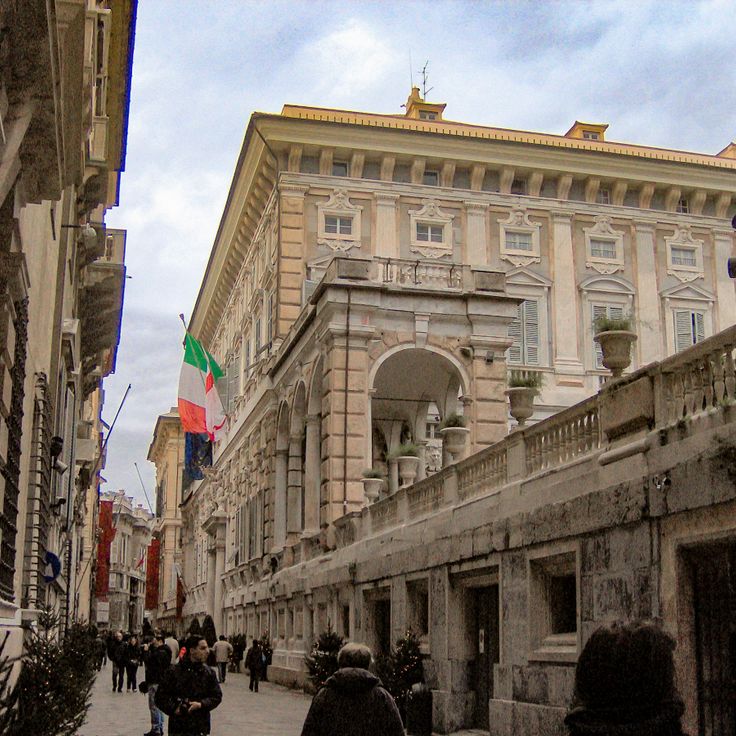
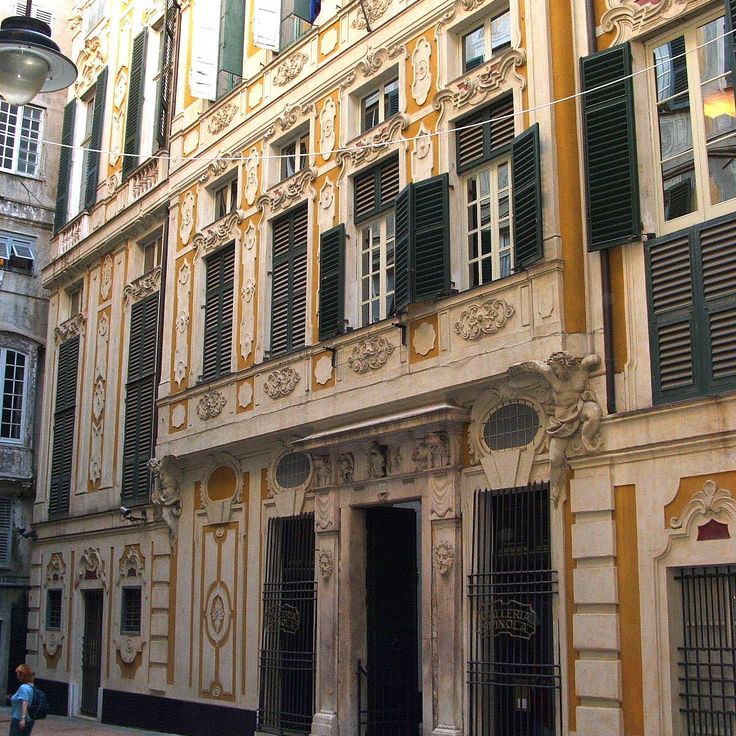
This Renaissance street shows palaces from the 16th century with painted facades and interior courtyards. The buildings now house museums and galleries. For photographers, Via Garibaldi offers a look at Genoa's urban architecture, with marble staircases and courtyards visible through open doorways. Morning light brings out the details of the facades best.
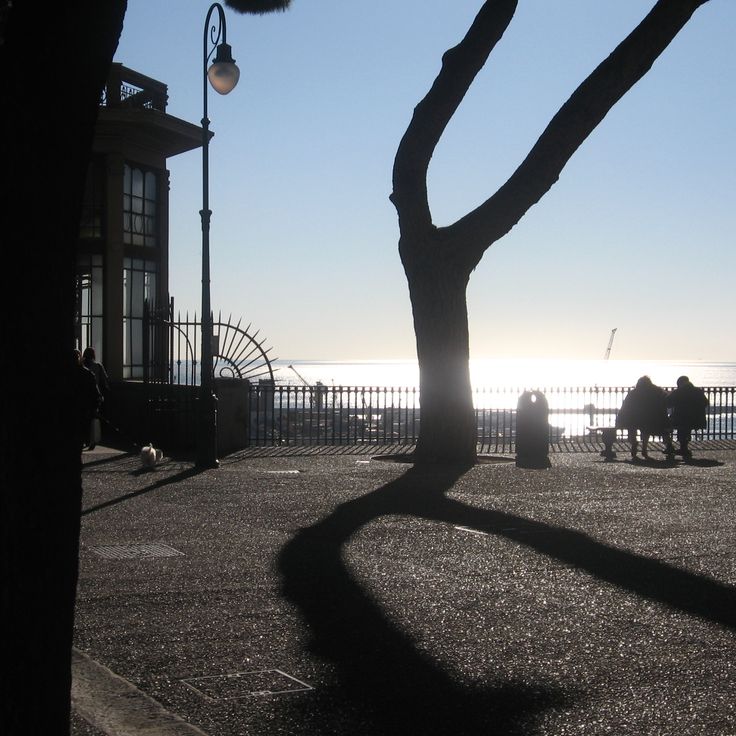
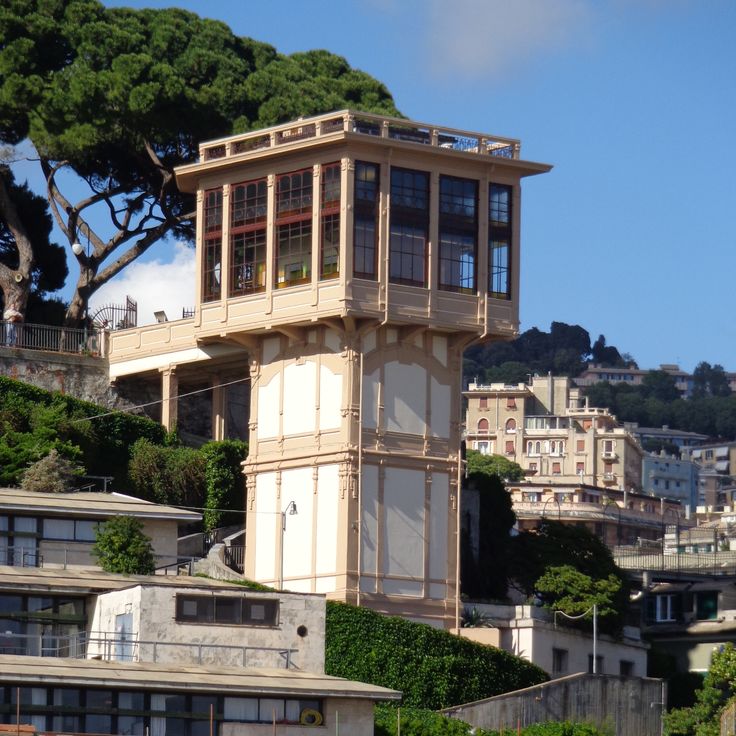
This terrace sits about 200 feet (60 meters) above sea level and offers views of the port, the old town, and the Ligurian Sea. You reach Spianata di Castelletto by a public elevator that runs from the city center. From up here you see the rooftops of the historic district, the lighthouse, the harbor basin, and on clear days the coastline. Locals often come here to take photos or simply enjoy the view. The terrace is surrounded by trees, has benches, and enough space to linger.
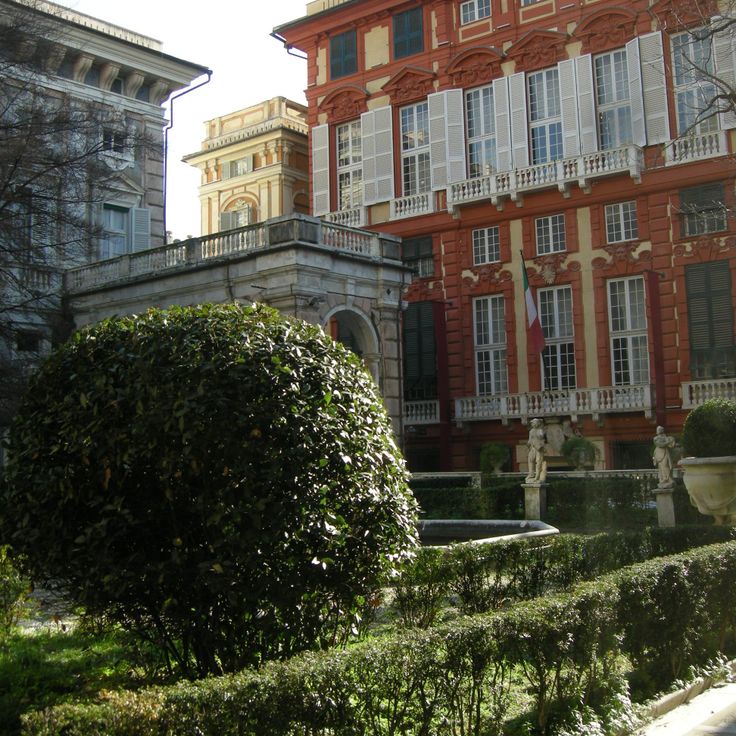
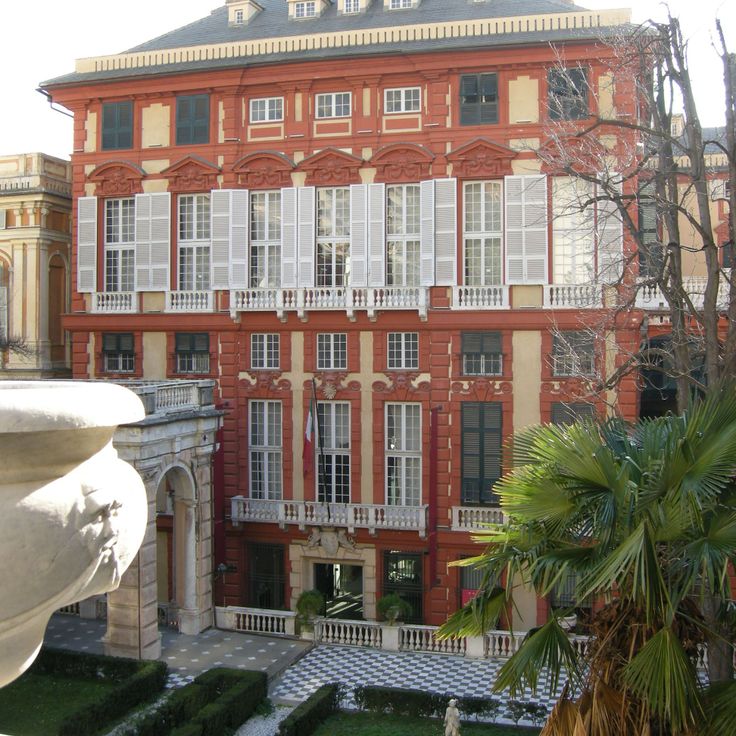
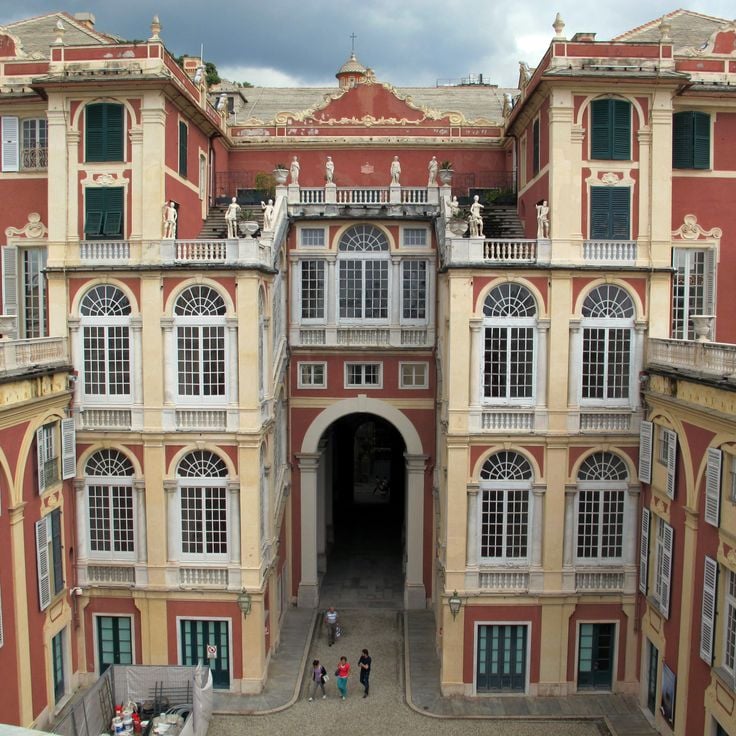
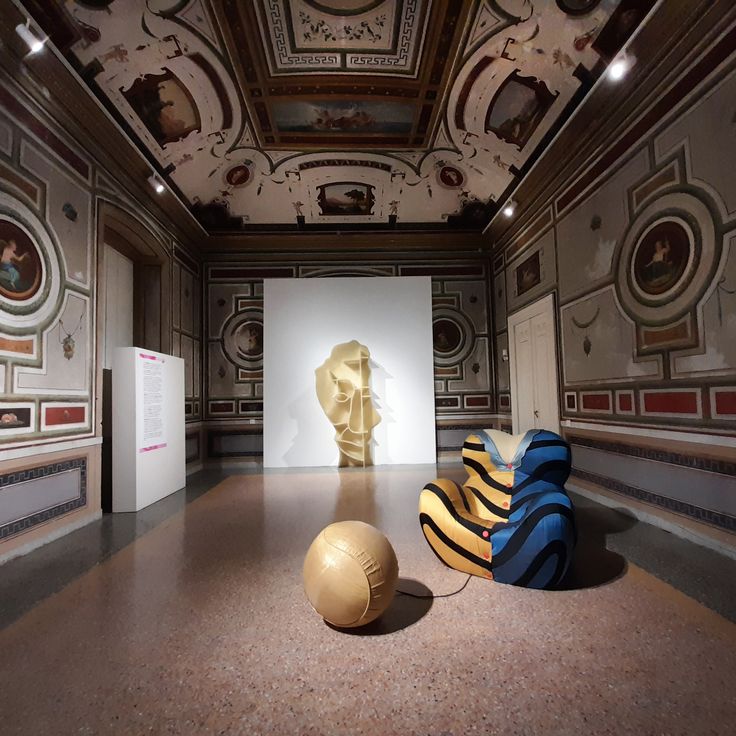
Palazzo Rosso displays European art from the 1400s to the 1700s inside the chambers of this 17th-century palace. The galleries hold paintings, sculptures and decorative objects arranged through the historical halls. Upper floors open to terraces with views over the old town and harbor.
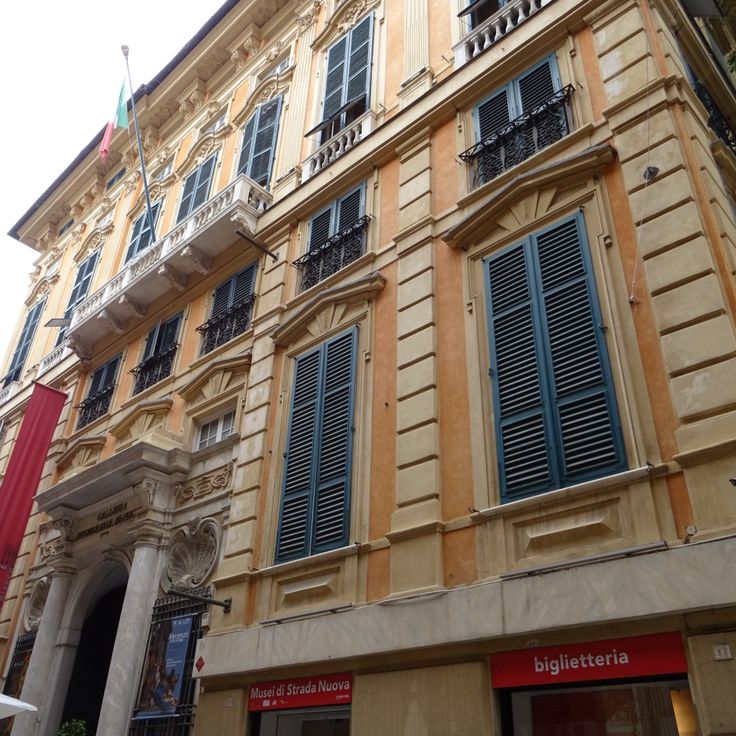
This palace displays European paintings from several centuries, including works by Van Dyck and Rubens. The rooms preserve the feeling of a patrician residence, while the paintings show scenes from religion, mythology and everyday life. High ceilings and decorated walls create a frame for the portraits and biblical depictions on display. Visitors can walk through halls where light from large windows falls on old masterpieces.
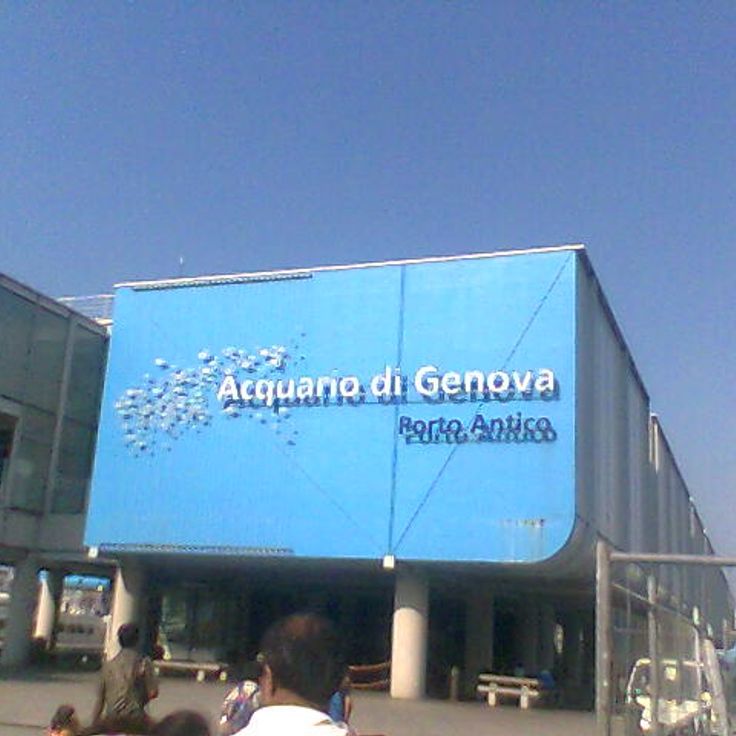
This aquarium in the old port shows more than 15,000 animals in 71 tanks. You find sharks, dolphins, penguins, jellyfish, and about 400 other species under a modern roof by the water. The tanks guide you through different marine environments, from the Mediterranean to tropical reefs, and the building stands right by the quay where ships dock.
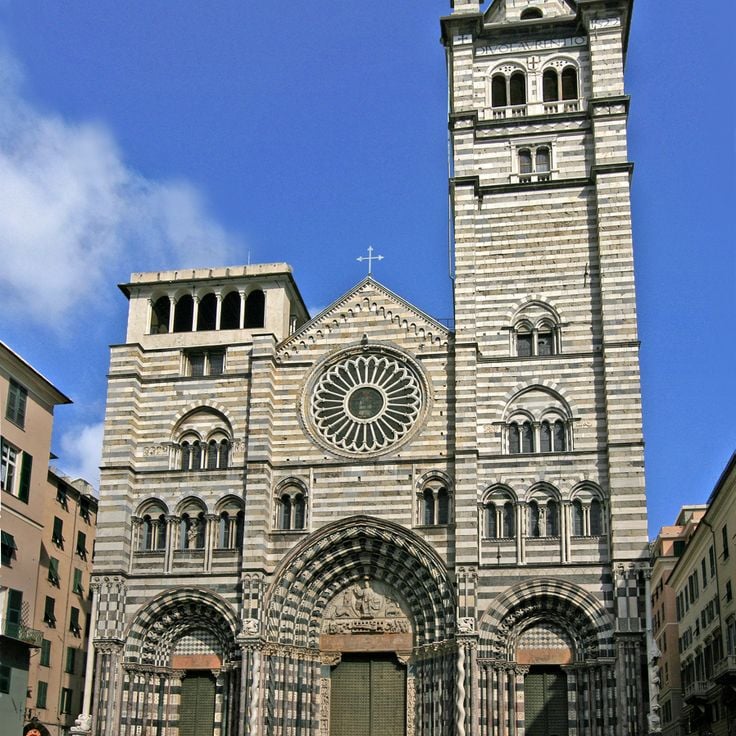
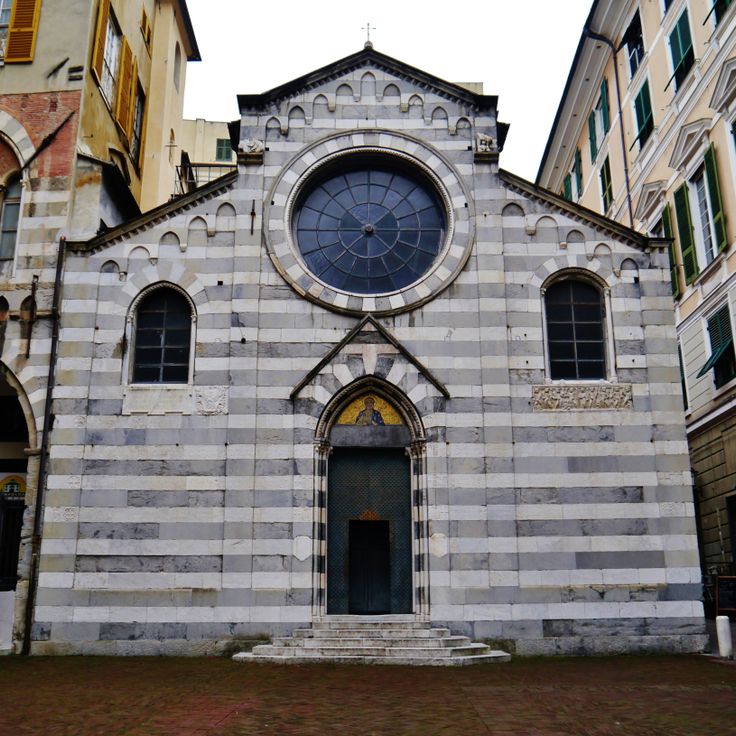
This cathedral stands in the old center and combines Romanesque architecture with Gothic elements and Renaissance chapels. The facade shows black and white marble stripes that have defined the building since the 12th century. Inside, you find vaults, columns, and artworks from different periods. The square in front of the church is a meeting point where locals and visitors gather. Light falls through tall windows and illuminates the stone walls. Photographers appreciate the contrasts of the facade and the details of the portals.
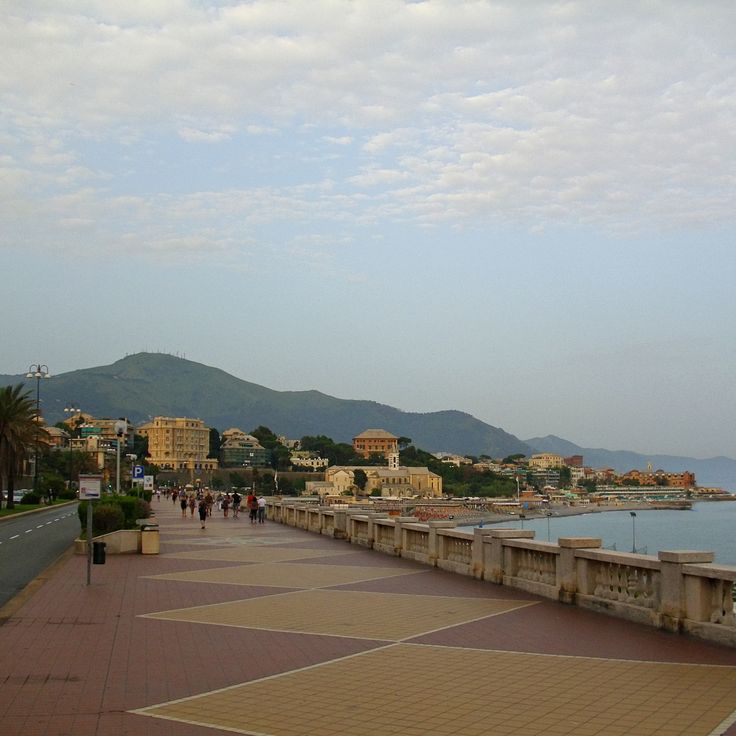
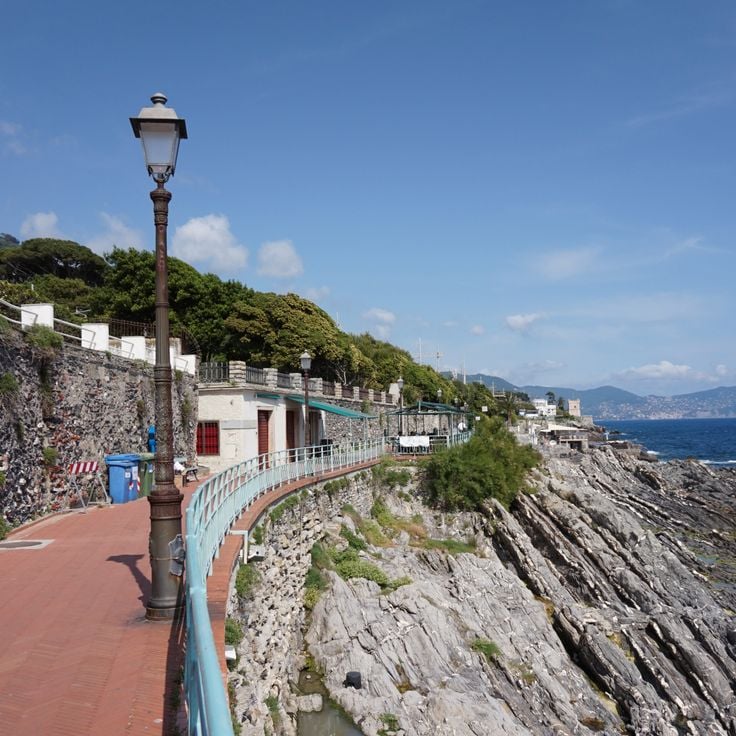
This 2.5-kilometer waterfront walk runs from the Foce district to Boccadasse, with the open sea on one side and residential facades on the other. The promenade follows the coastline, and photographers find changing light over the water, stone breakwaters, and palm trees lining the route. In the morning, sunlight casts long shadows across the pavement, while in the afternoon the water reflects different shades of blue. Corso Italia connects neighborhoods to the shoreline and offers a direct view of the sea, with Genoa's hills rising in the background.
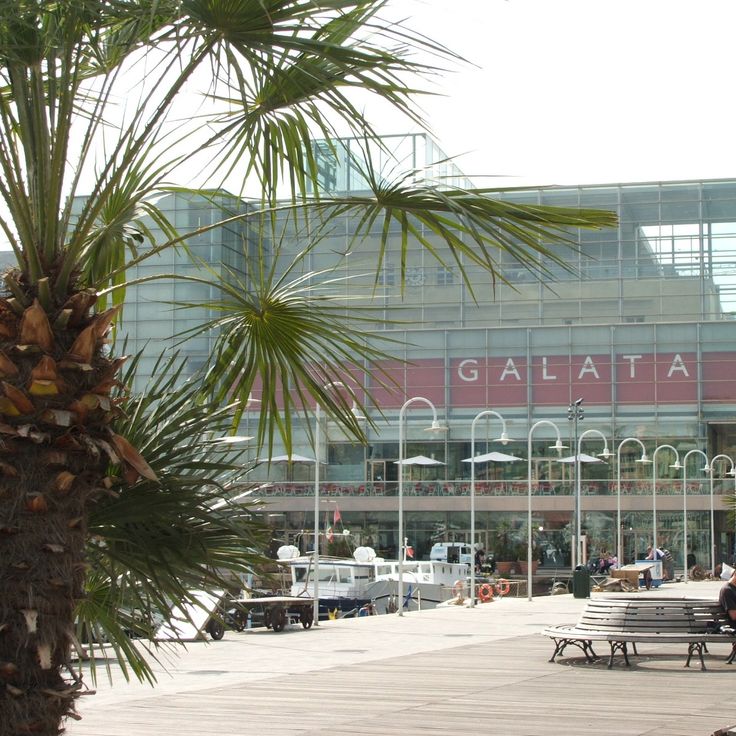
The Galata Museo del Mare displays ship models, historical navigation instruments, and objects from Genoa's maritime past. The four exhibition levels take you through centuries of seafaring, from galleys to modern steamships. The rooftop terrace offers views of the harbor and the sea.
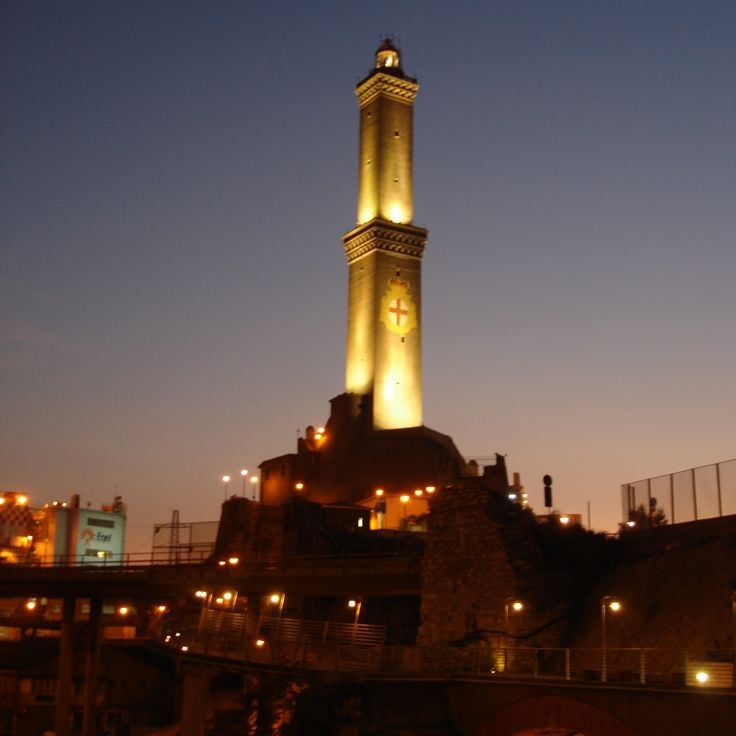
The Lanterna di Genova is a working lighthouse from 1543 that stands on a narrow peninsula near the port of Genoa. The tower sits on a rocky headland from which it can be seen across the water. Its stone walls are painted white and the upper section shows the bands that guide ships at night. From the base of the tower you look out onto harbor basins, cranes and container terminals. Behind them the hills of the city rise. A narrow path leads to the entrance, where a museum explains the history of seafaring and navigation along the Ligurian coast. The surroundings are open and windswept, and visitors sometimes catch the smell of salt in the air. The tower offers photographers a high point and frames the expanse of the Mediterranean Sea and the built-up neighborhoods of Genoa. On clear days the view reaches the coastline. This lighthouse is the oldest of its kind in the entire Mediterranean region.
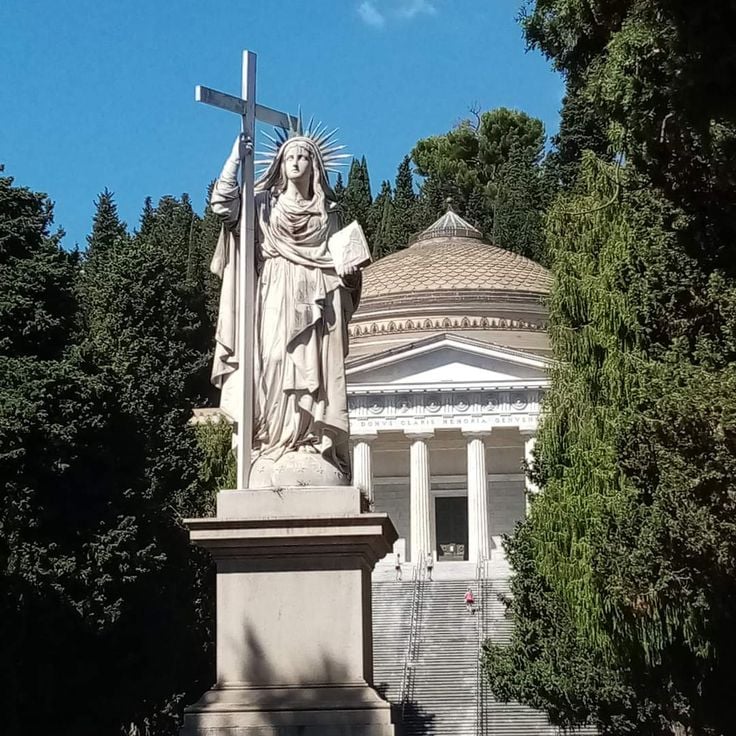
This cemetery opened in 1851 and covers a hillside on the edge of the city. Paths wind through terraces filled with tombs, chapels, and marble sculptures from the 19th and 20th centuries. Many monuments display angels, mourning figures, and architectural forms in neoclassical and Art Nouveau styles. Cypress trees and palms grow between the rows of graves. The upper levels offer views over the city and the sea.
This 16th century villa sits on a hillside above the port of Genoa. The interior rooms display frescoes, marble work, and furniture from the Renaissance period. The garden terraces rise in multiple levels and open toward the sea. From here you can photograph the harbor, the wharves, and the ships. On clear days the view stretches far across the water. The architecture connects the palace to the garden through loggias and staircases. The Villa del Principe was the residence of Andrea Doria, a 16th century admiral. Today it serves as a museum that offers insight into the life of the Genoese upper class.
This museum preserves royal rooms with paintings by European masters, 17th-century tapestries, and mirrors in gilded frames. The collection displays furniture from different periods and documents courtly life in Genova. A walk through the halls offers glimpses into the decor of a former residence, well suited for interior and detail photography.
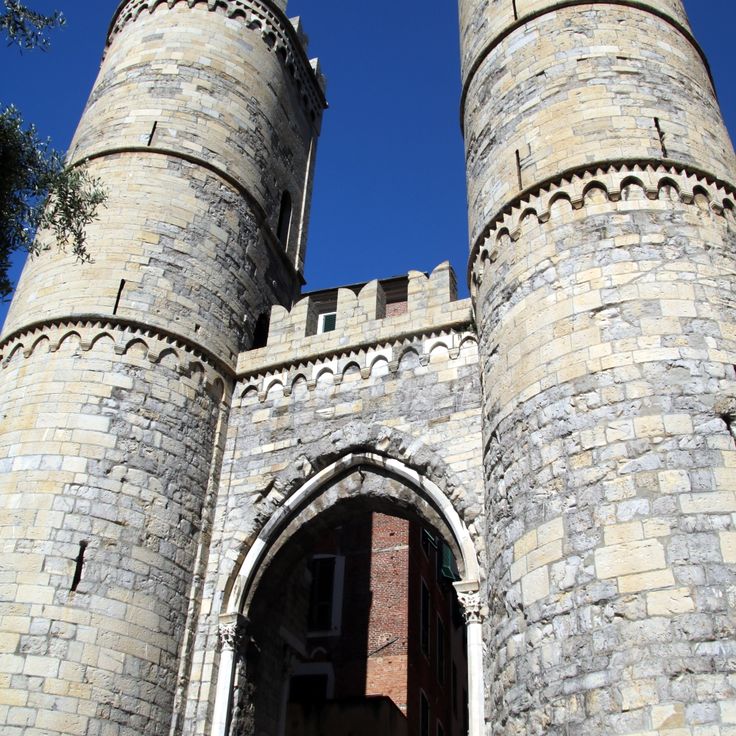
These stone towers from 1155 mark the former entrance to medieval Genova. Porta Soprana stands near the house of Christopher Columbus and offers a photo spot that shows the old fortifications of the city. The two towers of dark stone frame a passageway that was once part of the city walls. Today you can walk through the archway and see the massive walls up close. The area around the towers connects history with the everyday life of the city.
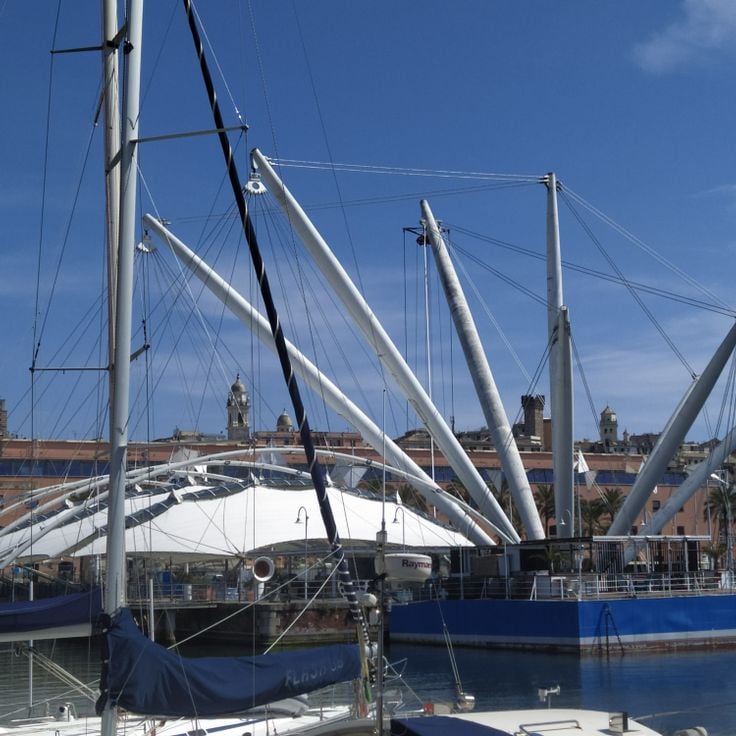
This harbor is the old maritime heart of the city and stretches along the seafront. The district sits where trading ships once docked. Today there is a large aquarium, a museum dedicated to seafaring history, a glass elevator offering views over the water, and restaurants housed in converted warehouses. Walkers move between historic cranes and modern wooden walkways. The smell of the sea is constant, along with gulls and the sound of water against the stone quays. In the background, the old palaces of the city center rise up. The transition from water to narrow streets is gradual. For photographers, the area combines harbor atmosphere, historical architecture, and Mediterranean light, especially in late afternoon.
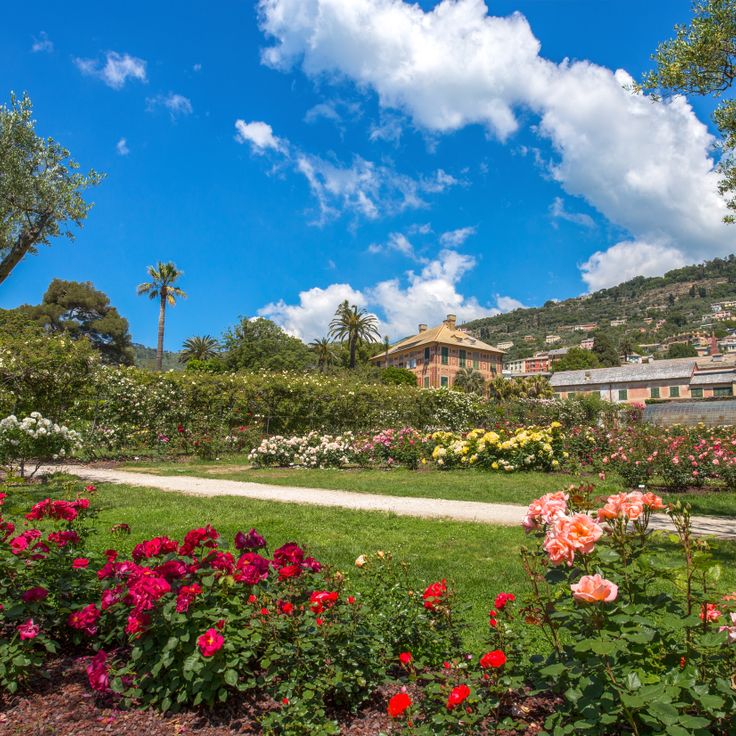
These parks stretch along the coast, where you can walk on wide paths next to the sea. There are three gardens that flow into each other, with palms, rose plants and old trees. Many people come here to watch the light over the water or sit between the flower beds. The paths go from one end to the other, about two kilometers, and on clear days you can see ships on the horizon.
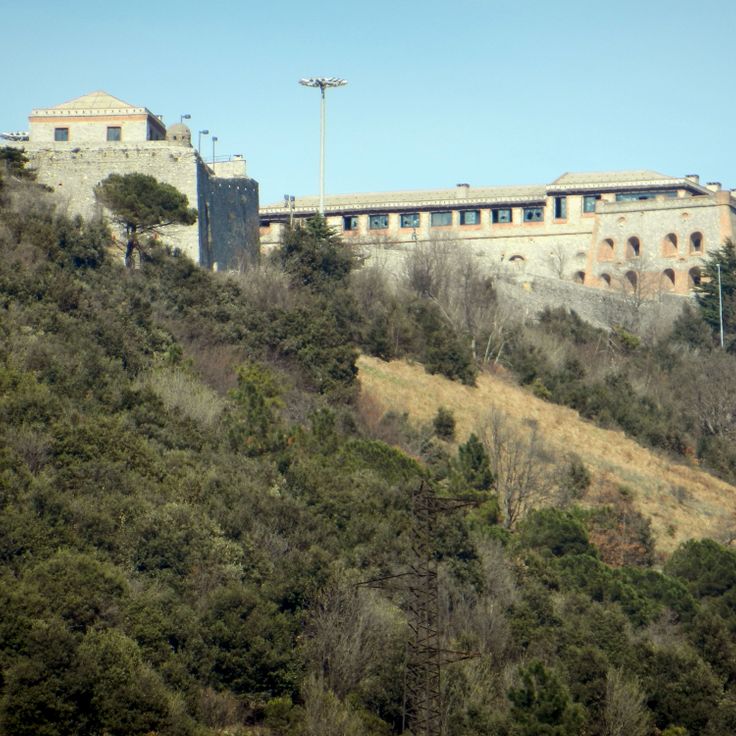
This 19th-century fortress stands at 1,575 feet (480 meters) elevation and offers views over the Ligurian Sea. The stone walls and lookout points of Forte Begato make the site a good subject for photographs of Genova's coastline and harbor. The military architecture stands out against the natural landscape.
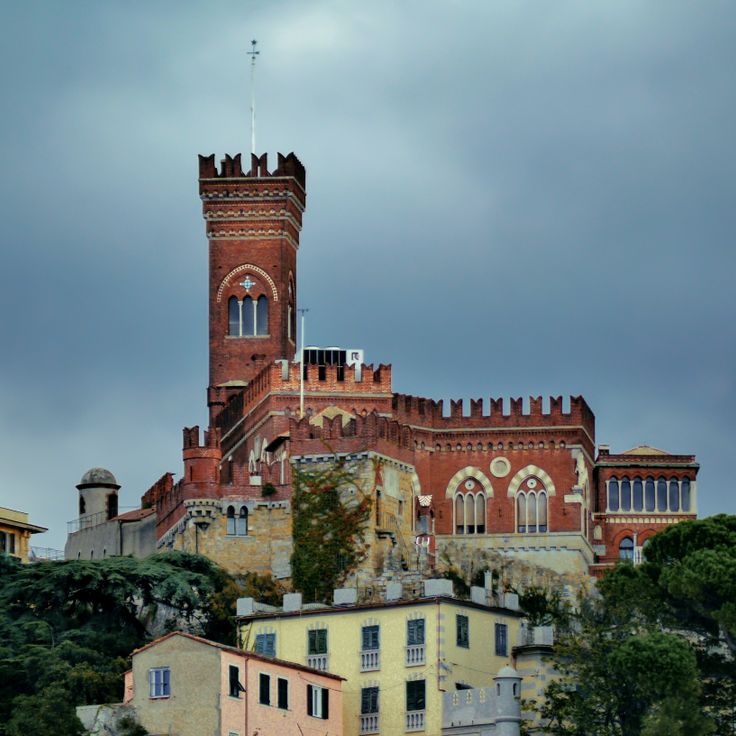
This nineteenth century castle sits on a hill overlooking the harbor and city center, housing Captain D'Albertis's ethnographic collections that display objects from his voyages around the world, while its terraces and towers offer views across the coastline and the medieval neighborhoods below the walls.
This villa sits on a hill in the western district of Pegli and looks out over the coast. The garden was designed in the mid-19th century as an English landscape park. You can walk among plants from different climates, pass small ponds and find fountains. Stone statues and columns stand between the trees. The paths lead through shaded areas and open to clearings. The estate shows how gardens were created as places of rest and reflection in the 19th century.
This 16th-century palace now serves as the city hall and holds art collections along with historical objects. Its marble courtyard shows classical architecture with arcades and arches. The tall rooms preserve paintings, furniture, and personal belongings of famous Genoese figures. Visitors find quiet corners here to photograph details on ceilings and walls. The location on Via Garibaldi makes this palace a good starting point for discovering other noble residences along the street.
This hilltop church preserves medieval frescoes and provides photo opportunities of the city below and the Ligurian coast. The position shows Genoa's streets extending down to the port, and on clear days you see far across the Mediterranean. The religious complex has served as a pilgrimage site for centuries and is reached through steep lanes. The surroundings remain quiet, and many visitors come here to capture the city panorama. The frescoes inside date from the Middle Ages and depict religious scenes in faded colors.
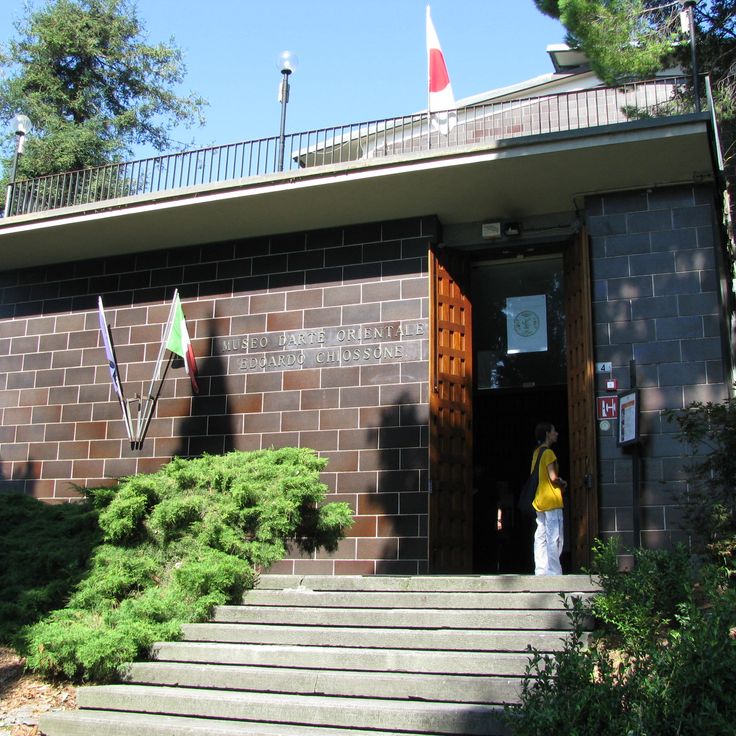
This museum displays Japanese and Chinese art from the collection of Edoardo Chiossone. The rooms hold armor from different periods, paintings on silk and paper, woodblock prints, and ceramic vessels. The exhibition sits within the gardens of Villetta Di Negro and provides a quiet setting for photographs of objects and architecture. The collection documents craft traditions and artistic techniques from East Asia.
This palace dates from the 16th century and holds furniture from different periods, decorative objects, and paintings by Italian and Flemish masters. The rooms show how a wealthy Genoese family once lived. Visitors walk through halls with frescoes, view collections of porcelain, and see works by artists such as Van Dyck. The building sits in a narrow lane near the old port and offers a look at Renaissance and Baroque interiors.
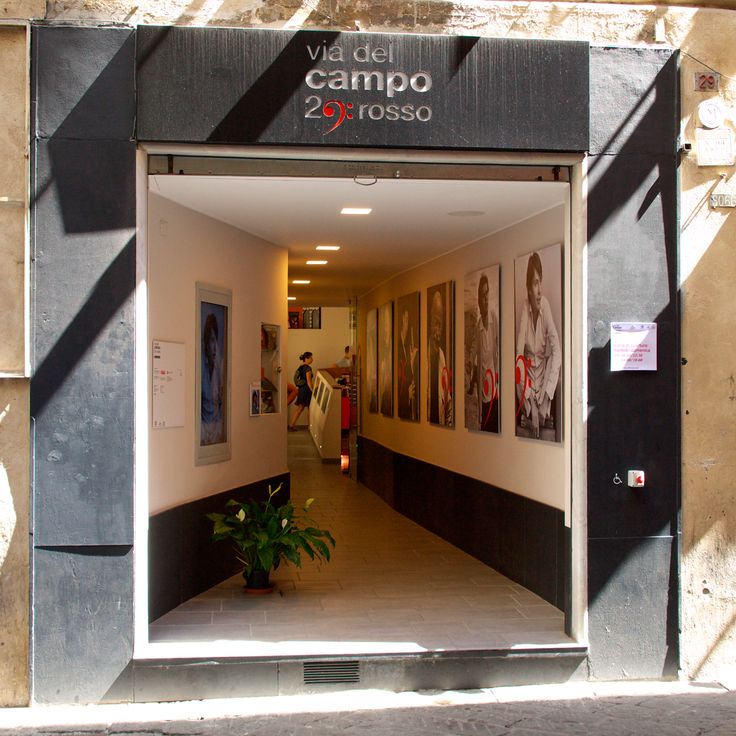
This museum displays photographs, records, and personal belongings of Italian musician Fabrizio De André. The rooms document the life and work of an artist who grew up in the streets of Genoa and turned the stories of the city into his songs. Visitors see handwritten lyrics, guitars, and stage clothing from different decades of his career. The house sits on Via del Campo, an alley that De André himself sang about in one of his best known songs and that has become a popular spot for photographs today.
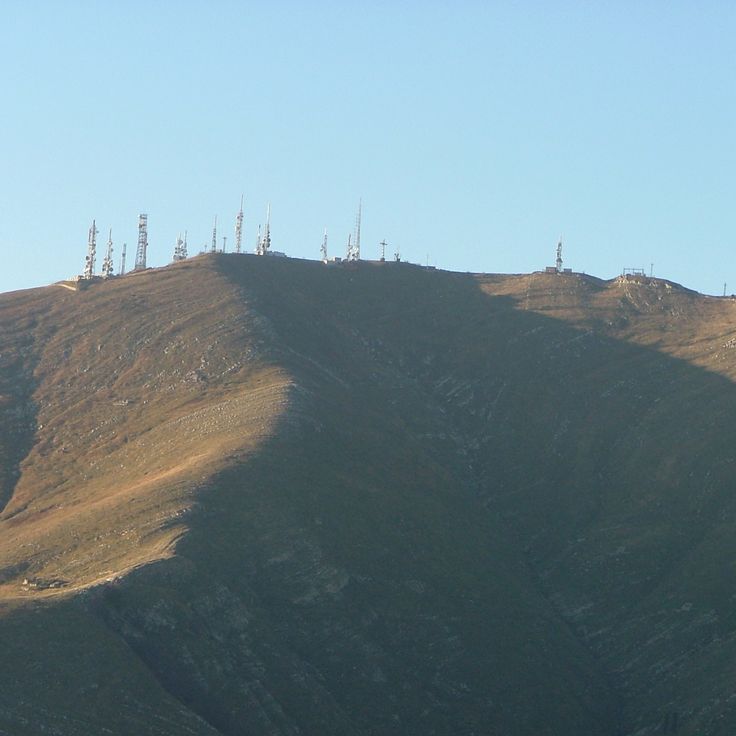
This mountain reaches an elevation of 834 meters (2,736 feet) and provides views over Genoa, the port, and the Mediterranean Sea. From here, the coastline stretches into the distance on clear days. The location works well for photographs that capture both the city and the water, especially when morning or evening light brings out the landscape.
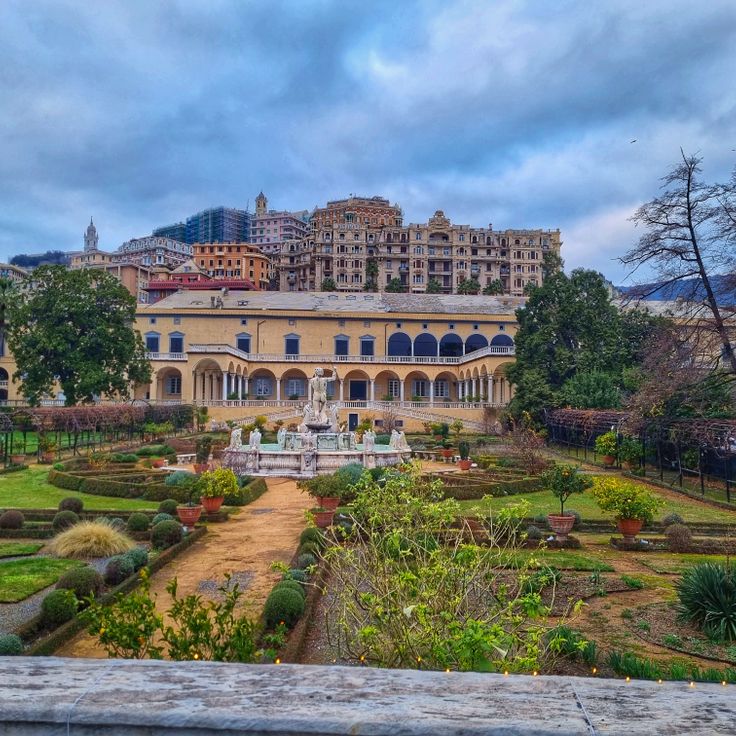
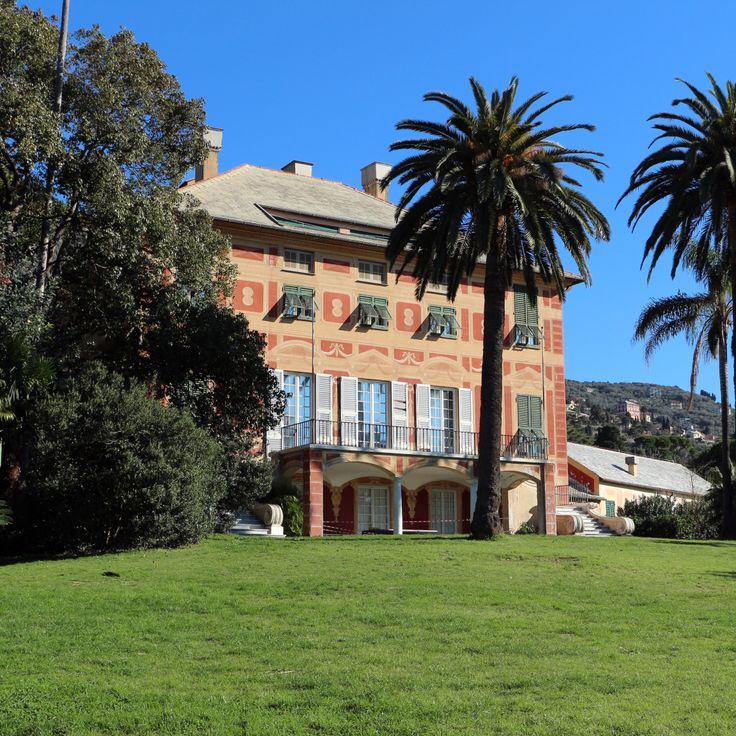
This villa from the 16th century holds rooms with wall paintings and furniture from different periods. The garden sits on several levels and contains Mediterranean plants, fountains, and stone sculptures. The terraces offer views of the sea and surrounding hills.
This observation point in Albaro offers views over the Gulf of Genoa, the harbor, and the city. The spot sits on high ground, where photographers can capture the expanse of the coastline and the structures of the maritime district. On clear days, the view extends far across the sea. The location works well for wide shots of the port facilities and the surrounding hills that reach down to the water.
This religious art museum displays stone sculptures, frescoes and architectural elements from the 12th to 18th centuries within a former monastery. The building itself was part of an Augustinian complex and now houses a collection of artifacts salvaged from demolished or restored churches across Genova. The rooms lead through cloisters and former chapels, where medieval tombs, portals and altar fragments document the history of the city's religious architecture. The Sant'Agostino Museum is well suited for photographing sculptures, Gothic details and the quiet courtyards.
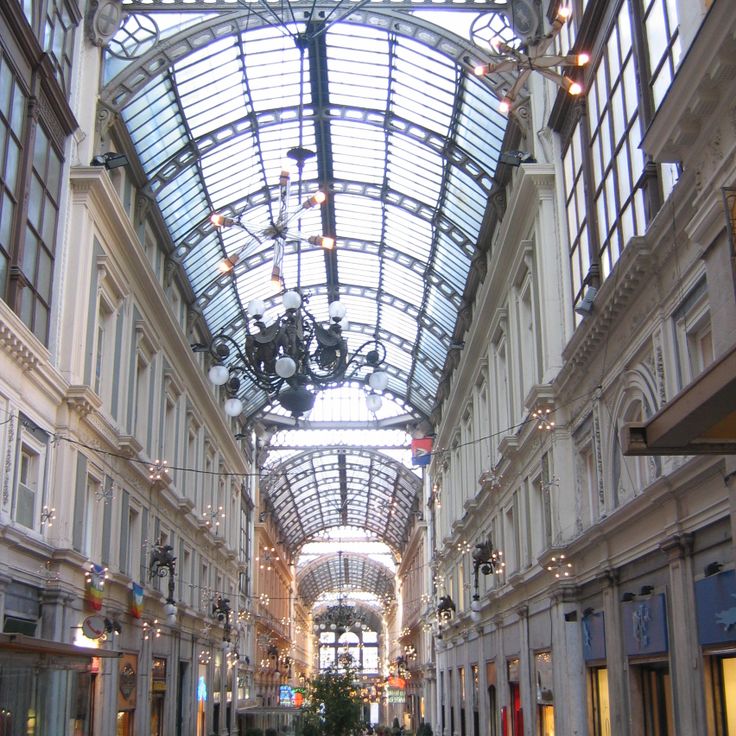
This covered shopping passage was built in 1870 and connects two streets in the city center. The glass roof spans a long corridor with marble floors and columns fitted with bronze lamps. The facades are decorated with stucco ornaments. Galleria Mazzini houses shops, cafes and small boutiques. The architecture follows the style of 19th-century European arcades. Light filters through the glass ceiling and illuminates the storefronts and polished stone pavement.
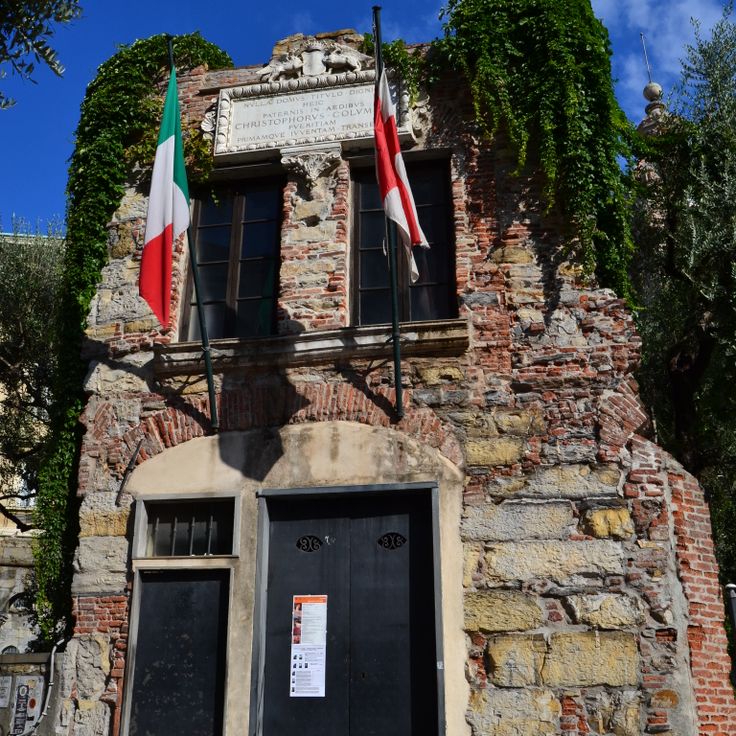
This building stands on the foundation of the house where Columbus once lived. The reconstruction dates from the 18th century and displays furniture and navigation instruments from the age of exploration. From the outside, you can see the typical Ligurian architecture with its simple forms and light facades, which photograph well in different lighting conditions.
This public elevator from 1909 travels upward through the hillside to reach an observation terrace overlooking the harbor and rooftops. The station connects the lower lanes of the old town with the elevated Castelletto district. Photographers appreciate the view across red tile roofs, narrow alleys, and the waterfront. The platform is accessible at different times of day, providing perspectives of the Gulf of Genoa and the surrounding hills. Light changes throughout the afternoon, shifting tones over the buildings and sea.
This promenade stretches along the water as a narrow path connecting several parks. From here, you can frame the sea in the foreground and the mountains in the background. Benches stand at the edge, mostly under trees, so light and shadow alternate on the pavement. Early in the morning or toward evening, joggers and walkers pass by. The shore consists of rocks where waves break, and spray sometimes rises to the height of the path. On clear nights, moonlight reflects on the dark water surface. The promenade works well for capturing the interplay of coastline, vegetation, and sea in a single frame.
This museum from the 19th century displays contemporary art in its rooms and gardens. Villa Croce presents Italian and international artists, connecting historical architecture with modern works. Visitors find rotating exhibitions in bright spaces that receive natural light through tall windows. The gardens around the building offer outdoor display areas and views over the city.
This medieval port crane from 1260 stands at the old harbor and shows the history of Genova's sea trade. The structure of wood and metal was built to lift heavy loads from the ships. The crane sits by the water, where fishing boats and small yachts pass by. From here you see the harbor walls and the mountains behind the city. Visitors walk along the quays and look at the old machinery, which is still visible today. The area is active with restaurants and bars in the old warehouses. The crane is a point where past and present meet, while the sea lies in the background.
This public library is a quiet place to read and study in the center of the city. The collection includes hundreds of old manuscripts and printed books from the 15th century, kept in climate-controlled rooms. The modern building offers long reading tables, work stations, and tall windows that let in natural light. Visitors can browse through the catalogs or sit in the reading rooms. The atmosphere is focused and silent, with students and researchers working on their projects. For photographers, the architecture of the interior spaces and the historical book collections behind glass make interesting subjects.
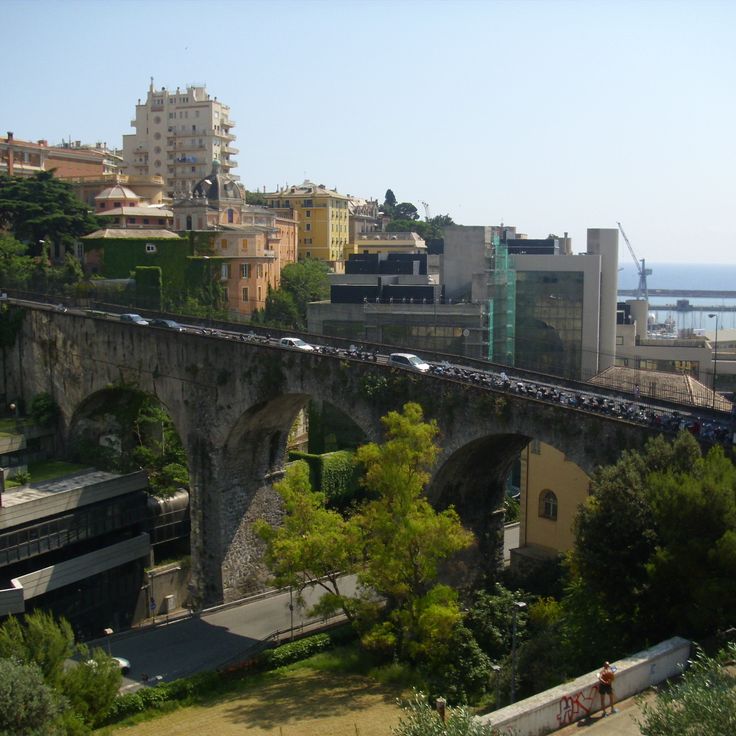
This early twentieth-century bridge connects the Carignano district to the center, crossing the street below. When photographing from here, the architecture of the surrounding buildings comes into view along with glimpses of the narrow streets leading to the old town.
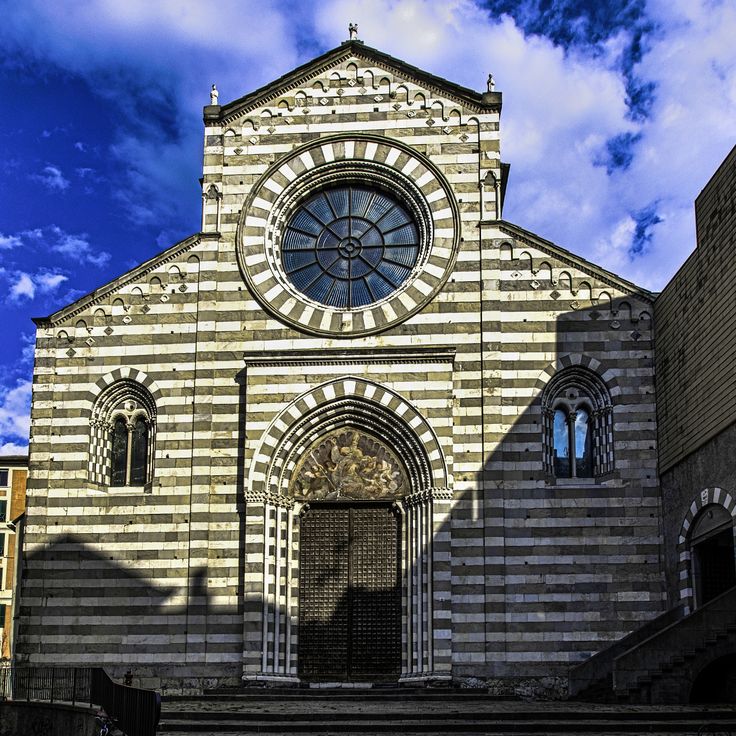
This Roman Catholic church dates to 1125 and offers photographers marble columns, frescoes from the 13th century, and tombs of the Doria family. The facade displays Gothic stripes of white and black marble, while inside the crypt and main altar provide details for close-up shots. The small square in front works well for exterior views of the church.
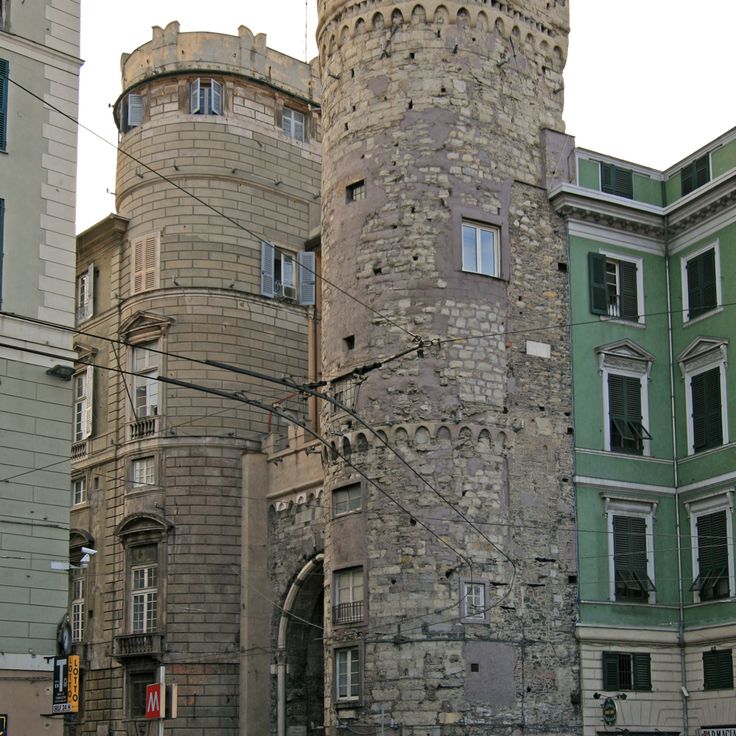
This medieval stone gate from 1155 formed part of the original city walls of Genova. The two towers rise to about 85 feet (26 meters) and mark one of the oldest entry points into the city. Photographers who visit here capture the architecture of the 12th century and show how this medieval fortification fits into the modern streets around it.
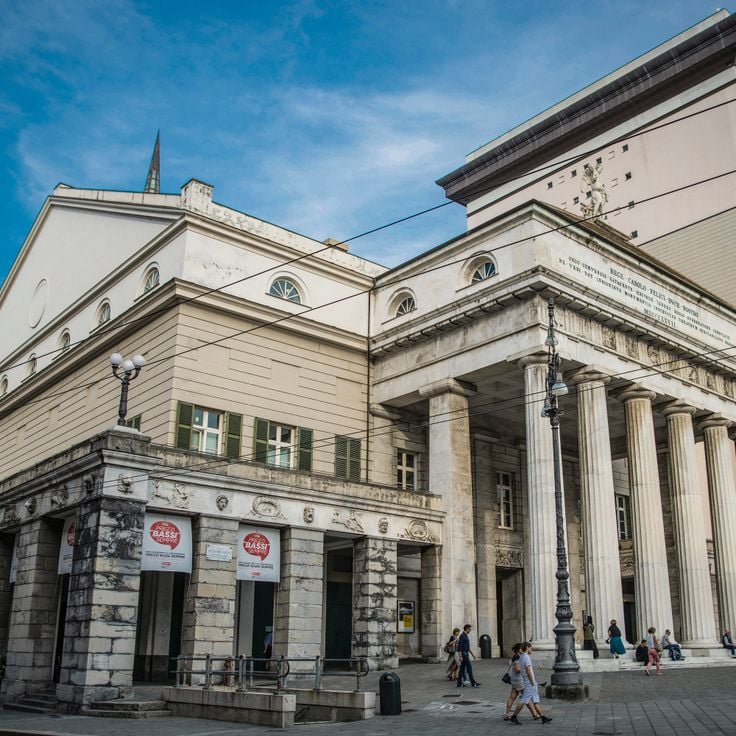
This opera house has stood in the city center since 1828 and today offers a space for classical performances and contemporary productions. The auditorium with its tiered architecture combines historical elements with modern fittings. The exterior facade shows features of the early 19th century, while the interior was redesigned after wartime damage. Large windows and an open forecourt allow the building to blend into the surrounding streets. Visitors find a place for opera, ballet and concerts in a setting that brings together tradition and the present.
This former fishing village shows traditional Mediterranean houses in red and yellow, a small pebble beach, and restaurants along the waterfront. Low buildings line the bay, where small boats still rest at the shore. Narrow lanes run between the houses down to the water. Locals gather at the beach to walk and sit. The restaurants serve fresh fish with views of the waves. At sunset the facades glow warmly. This spot reveals how Genova once lived, when fishermen dried their nets here and families occupied the colored houses.
This central square in Genoa offers a large bronze fountain that serves as a focal point for photographs. Piazza De Ferrari is enclosed by the Doge's Palace, the Stock Exchange, and the Carlo Felice Opera House, whose facades create a backdrop of contrasting architectural styles. The play of water and light at the fountain changes throughout the day, while the paved square hosts city life as people rest on steps and benches around the perimeter.
This Renaissance street shows palaces from the 16th century with painted facades and interior courtyards. The buildings now house museums and galleries. For photographers, Via Garibaldi offers a look at Genoa's urban architecture, with marble staircases and courtyards visible through open doorways. Morning light brings out the details of the facades best.
This terrace sits about 200 feet (60 meters) above sea level and offers views of the port, the old town, and the Ligurian Sea. You reach Spianata di Castelletto by a public elevator that runs from the city center. From up here you see the rooftops of the historic district, the lighthouse, the harbor basin, and on clear days the coastline. Locals often come here to take photos or simply enjoy the view. The terrace is surrounded by trees, has benches, and enough space to linger.
Palazzo Rosso displays European art from the 1400s to the 1700s inside the chambers of this 17th-century palace. The galleries hold paintings, sculptures and decorative objects arranged through the historical halls. Upper floors open to terraces with views over the old town and harbor.
This palace displays European paintings from several centuries, including works by Van Dyck and Rubens. The rooms preserve the feeling of a patrician residence, while the paintings show scenes from religion, mythology and everyday life. High ceilings and decorated walls create a frame for the portraits and biblical depictions on display. Visitors can walk through halls where light from large windows falls on old masterpieces.
This aquarium in the old port shows more than 15,000 animals in 71 tanks. You find sharks, dolphins, penguins, jellyfish, and about 400 other species under a modern roof by the water. The tanks guide you through different marine environments, from the Mediterranean to tropical reefs, and the building stands right by the quay where ships dock.
This cathedral stands in the old center and combines Romanesque architecture with Gothic elements and Renaissance chapels. The facade shows black and white marble stripes that have defined the building since the 12th century. Inside, you find vaults, columns, and artworks from different periods. The square in front of the church is a meeting point where locals and visitors gather. Light falls through tall windows and illuminates the stone walls. Photographers appreciate the contrasts of the facade and the details of the portals.
This 2.5-kilometer waterfront walk runs from the Foce district to Boccadasse, with the open sea on one side and residential facades on the other. The promenade follows the coastline, and photographers find changing light over the water, stone breakwaters, and palm trees lining the route. In the morning, sunlight casts long shadows across the pavement, while in the afternoon the water reflects different shades of blue. Corso Italia connects neighborhoods to the shoreline and offers a direct view of the sea, with Genoa's hills rising in the background.
The Galata Museo del Mare displays ship models, historical navigation instruments, and objects from Genoa's maritime past. The four exhibition levels take you through centuries of seafaring, from galleys to modern steamships. The rooftop terrace offers views of the harbor and the sea.
The Lanterna di Genova is a working lighthouse from 1543 that stands on a narrow peninsula near the port of Genoa. The tower sits on a rocky headland from which it can be seen across the water. Its stone walls are painted white and the upper section shows the bands that guide ships at night. From the base of the tower you look out onto harbor basins, cranes and container terminals. Behind them the hills of the city rise. A narrow path leads to the entrance, where a museum explains the history of seafaring and navigation along the Ligurian coast. The surroundings are open and windswept, and visitors sometimes catch the smell of salt in the air. The tower offers photographers a high point and frames the expanse of the Mediterranean Sea and the built-up neighborhoods of Genoa. On clear days the view reaches the coastline. This lighthouse is the oldest of its kind in the entire Mediterranean region.
This cemetery opened in 1851 and covers a hillside on the edge of the city. Paths wind through terraces filled with tombs, chapels, and marble sculptures from the 19th and 20th centuries. Many monuments display angels, mourning figures, and architectural forms in neoclassical and Art Nouveau styles. Cypress trees and palms grow between the rows of graves. The upper levels offer views over the city and the sea.
This 16th century villa sits on a hillside above the port of Genoa. The interior rooms display frescoes, marble work, and furniture from the Renaissance period. The garden terraces rise in multiple levels and open toward the sea. From here you can photograph the harbor, the wharves, and the ships. On clear days the view stretches far across the water. The architecture connects the palace to the garden through loggias and staircases. The Villa del Principe was the residence of Andrea Doria, a 16th century admiral. Today it serves as a museum that offers insight into the life of the Genoese upper class.
This museum preserves royal rooms with paintings by European masters, 17th-century tapestries, and mirrors in gilded frames. The collection displays furniture from different periods and documents courtly life in Genova. A walk through the halls offers glimpses into the decor of a former residence, well suited for interior and detail photography.
These stone towers from 1155 mark the former entrance to medieval Genova. Porta Soprana stands near the house of Christopher Columbus and offers a photo spot that shows the old fortifications of the city. The two towers of dark stone frame a passageway that was once part of the city walls. Today you can walk through the archway and see the massive walls up close. The area around the towers connects history with the everyday life of the city.
This harbor is the old maritime heart of the city and stretches along the seafront. The district sits where trading ships once docked. Today there is a large aquarium, a museum dedicated to seafaring history, a glass elevator offering views over the water, and restaurants housed in converted warehouses. Walkers move between historic cranes and modern wooden walkways. The smell of the sea is constant, along with gulls and the sound of water against the stone quays. In the background, the old palaces of the city center rise up. The transition from water to narrow streets is gradual. For photographers, the area combines harbor atmosphere, historical architecture, and Mediterranean light, especially in late afternoon.
These parks stretch along the coast, where you can walk on wide paths next to the sea. There are three gardens that flow into each other, with palms, rose plants and old trees. Many people come here to watch the light over the water or sit between the flower beds. The paths go from one end to the other, about two kilometers, and on clear days you can see ships on the horizon.
This 19th-century fortress stands at 1,575 feet (480 meters) elevation and offers views over the Ligurian Sea. The stone walls and lookout points of Forte Begato make the site a good subject for photographs of Genova's coastline and harbor. The military architecture stands out against the natural landscape.
This nineteenth century castle sits on a hill overlooking the harbor and city center, housing Captain D'Albertis's ethnographic collections that display objects from his voyages around the world, while its terraces and towers offer views across the coastline and the medieval neighborhoods below the walls.
This villa sits on a hill in the western district of Pegli and looks out over the coast. The garden was designed in the mid-19th century as an English landscape park. You can walk among plants from different climates, pass small ponds and find fountains. Stone statues and columns stand between the trees. The paths lead through shaded areas and open to clearings. The estate shows how gardens were created as places of rest and reflection in the 19th century.
This 16th-century palace now serves as the city hall and holds art collections along with historical objects. Its marble courtyard shows classical architecture with arcades and arches. The tall rooms preserve paintings, furniture, and personal belongings of famous Genoese figures. Visitors find quiet corners here to photograph details on ceilings and walls. The location on Via Garibaldi makes this palace a good starting point for discovering other noble residences along the street.
This hilltop church preserves medieval frescoes and provides photo opportunities of the city below and the Ligurian coast. The position shows Genoa's streets extending down to the port, and on clear days you see far across the Mediterranean. The religious complex has served as a pilgrimage site for centuries and is reached through steep lanes. The surroundings remain quiet, and many visitors come here to capture the city panorama. The frescoes inside date from the Middle Ages and depict religious scenes in faded colors.
This museum displays Japanese and Chinese art from the collection of Edoardo Chiossone. The rooms hold armor from different periods, paintings on silk and paper, woodblock prints, and ceramic vessels. The exhibition sits within the gardens of Villetta Di Negro and provides a quiet setting for photographs of objects and architecture. The collection documents craft traditions and artistic techniques from East Asia.
This palace dates from the 16th century and holds furniture from different periods, decorative objects, and paintings by Italian and Flemish masters. The rooms show how a wealthy Genoese family once lived. Visitors walk through halls with frescoes, view collections of porcelain, and see works by artists such as Van Dyck. The building sits in a narrow lane near the old port and offers a look at Renaissance and Baroque interiors.
This museum displays photographs, records, and personal belongings of Italian musician Fabrizio De André. The rooms document the life and work of an artist who grew up in the streets of Genoa and turned the stories of the city into his songs. Visitors see handwritten lyrics, guitars, and stage clothing from different decades of his career. The house sits on Via del Campo, an alley that De André himself sang about in one of his best known songs and that has become a popular spot for photographs today.
This mountain reaches an elevation of 834 meters (2,736 feet) and provides views over Genoa, the port, and the Mediterranean Sea. From here, the coastline stretches into the distance on clear days. The location works well for photographs that capture both the city and the water, especially when morning or evening light brings out the landscape.
This villa from the 16th century holds rooms with wall paintings and furniture from different periods. The garden sits on several levels and contains Mediterranean plants, fountains, and stone sculptures. The terraces offer views of the sea and surrounding hills.
This observation point in Albaro offers views over the Gulf of Genoa, the harbor, and the city. The spot sits on high ground, where photographers can capture the expanse of the coastline and the structures of the maritime district. On clear days, the view extends far across the sea. The location works well for wide shots of the port facilities and the surrounding hills that reach down to the water.
This religious art museum displays stone sculptures, frescoes and architectural elements from the 12th to 18th centuries within a former monastery. The building itself was part of an Augustinian complex and now houses a collection of artifacts salvaged from demolished or restored churches across Genova. The rooms lead through cloisters and former chapels, where medieval tombs, portals and altar fragments document the history of the city's religious architecture. The Sant'Agostino Museum is well suited for photographing sculptures, Gothic details and the quiet courtyards.
This covered shopping passage was built in 1870 and connects two streets in the city center. The glass roof spans a long corridor with marble floors and columns fitted with bronze lamps. The facades are decorated with stucco ornaments. Galleria Mazzini houses shops, cafes and small boutiques. The architecture follows the style of 19th-century European arcades. Light filters through the glass ceiling and illuminates the storefronts and polished stone pavement.
This building stands on the foundation of the house where Columbus once lived. The reconstruction dates from the 18th century and displays furniture and navigation instruments from the age of exploration. From the outside, you can see the typical Ligurian architecture with its simple forms and light facades, which photograph well in different lighting conditions.
This public elevator from 1909 travels upward through the hillside to reach an observation terrace overlooking the harbor and rooftops. The station connects the lower lanes of the old town with the elevated Castelletto district. Photographers appreciate the view across red tile roofs, narrow alleys, and the waterfront. The platform is accessible at different times of day, providing perspectives of the Gulf of Genoa and the surrounding hills. Light changes throughout the afternoon, shifting tones over the buildings and sea.
This promenade stretches along the water as a narrow path connecting several parks. From here, you can frame the sea in the foreground and the mountains in the background. Benches stand at the edge, mostly under trees, so light and shadow alternate on the pavement. Early in the morning or toward evening, joggers and walkers pass by. The shore consists of rocks where waves break, and spray sometimes rises to the height of the path. On clear nights, moonlight reflects on the dark water surface. The promenade works well for capturing the interplay of coastline, vegetation, and sea in a single frame.
This museum from the 19th century displays contemporary art in its rooms and gardens. Villa Croce presents Italian and international artists, connecting historical architecture with modern works. Visitors find rotating exhibitions in bright spaces that receive natural light through tall windows. The gardens around the building offer outdoor display areas and views over the city.
This medieval port crane from 1260 stands at the old harbor and shows the history of Genova's sea trade. The structure of wood and metal was built to lift heavy loads from the ships. The crane sits by the water, where fishing boats and small yachts pass by. From here you see the harbor walls and the mountains behind the city. Visitors walk along the quays and look at the old machinery, which is still visible today. The area is active with restaurants and bars in the old warehouses. The crane is a point where past and present meet, while the sea lies in the background.
This public library is a quiet place to read and study in the center of the city. The collection includes hundreds of old manuscripts and printed books from the 15th century, kept in climate-controlled rooms. The modern building offers long reading tables, work stations, and tall windows that let in natural light. Visitors can browse through the catalogs or sit in the reading rooms. The atmosphere is focused and silent, with students and researchers working on their projects. For photographers, the architecture of the interior spaces and the historical book collections behind glass make interesting subjects.
This early twentieth-century bridge connects the Carignano district to the center, crossing the street below. When photographing from here, the architecture of the surrounding buildings comes into view along with glimpses of the narrow streets leading to the old town.
This Roman Catholic church dates to 1125 and offers photographers marble columns, frescoes from the 13th century, and tombs of the Doria family. The facade displays Gothic stripes of white and black marble, while inside the crypt and main altar provide details for close-up shots. The small square in front works well for exterior views of the church.
This medieval stone gate from 1155 formed part of the original city walls of Genova. The two towers rise to about 85 feet (26 meters) and mark one of the oldest entry points into the city. Photographers who visit here capture the architecture of the 12th century and show how this medieval fortification fits into the modern streets around it.
This opera house has stood in the city center since 1828 and today offers a space for classical performances and contemporary productions. The auditorium with its tiered architecture combines historical elements with modern fittings. The exterior facade shows features of the early 19th century, while the interior was redesigned after wartime damage. Large windows and an open forecourt allow the building to blend into the surrounding streets. Visitors find a place for opera, ballet and concerts in a setting that brings together tradition and the present.
This former fishing village shows traditional Mediterranean houses in red and yellow, a small pebble beach, and restaurants along the waterfront. Low buildings line the bay, where small boats still rest at the shore. Narrow lanes run between the houses down to the water. Locals gather at the beach to walk and sit. The restaurants serve fresh fish with views of the waves. At sunset the facades glow warmly. This spot reveals how Genova once lived, when fishermen dried their nets here and families occupied the colored houses.
This central square in Genoa offers a large bronze fountain that serves as a focal point for photographs. Piazza De Ferrari is enclosed by the Doge's Palace, the Stock Exchange, and the Carlo Felice Opera House, whose facades create a backdrop of contrasting architectural styles. The play of water and light at the fountain changes throughout the day, while the paved square hosts city life as people rest on steps and benches around the perimeter.
This Renaissance street shows palaces from the 16th century with painted facades and interior courtyards. The buildings now house museums and galleries. For photographers, Via Garibaldi offers a look at Genoa's urban architecture, with marble staircases and courtyards visible through open doorways. Morning light brings out the details of the facades best.
This terrace sits about 200 feet (60 meters) above sea level and offers views of the port, the old town, and the Ligurian Sea. You reach Spianata di Castelletto by a public elevator that runs from the city center. From up here you see the rooftops of the historic district, the lighthouse, the harbor basin, and on clear days the coastline. Locals often come here to take photos or simply enjoy the view. The terrace is surrounded by trees, has benches, and enough space to linger.
Palazzo Rosso displays European art from the 1400s to the 1700s inside the chambers of this 17th-century palace. The galleries hold paintings, sculptures and decorative objects arranged through the historical halls. Upper floors open to terraces with views over the old town and harbor.
This palace displays European paintings from several centuries, including works by Van Dyck and Rubens. The rooms preserve the feeling of a patrician residence, while the paintings show scenes from religion, mythology and everyday life. High ceilings and decorated walls create a frame for the portraits and biblical depictions on display. Visitors can walk through halls where light from large windows falls on old masterpieces.
This aquarium in the old port shows more than 15,000 animals in 71 tanks. You find sharks, dolphins, penguins, jellyfish, and about 400 other species under a modern roof by the water. The tanks guide you through different marine environments, from the Mediterranean to tropical reefs, and the building stands right by the quay where ships dock.
This cathedral stands in the old center and combines Romanesque architecture with Gothic elements and Renaissance chapels. The facade shows black and white marble stripes that have defined the building since the 12th century. Inside, you find vaults, columns, and artworks from different periods. The square in front of the church is a meeting point where locals and visitors gather. Light falls through tall windows and illuminates the stone walls. Photographers appreciate the contrasts of the facade and the details of the portals.
This 2.5-kilometer waterfront walk runs from the Foce district to Boccadasse, with the open sea on one side and residential facades on the other. The promenade follows the coastline, and photographers find changing light over the water, stone breakwaters, and palm trees lining the route. In the morning, sunlight casts long shadows across the pavement, while in the afternoon the water reflects different shades of blue. Corso Italia connects neighborhoods to the shoreline and offers a direct view of the sea, with Genoa's hills rising in the background.
The Galata Museo del Mare displays ship models, historical navigation instruments, and objects from Genoa's maritime past. The four exhibition levels take you through centuries of seafaring, from galleys to modern steamships. The rooftop terrace offers views of the harbor and the sea.
The Lanterna di Genova is a working lighthouse from 1543 that stands on a narrow peninsula near the port of Genoa. The tower sits on a rocky headland from which it can be seen across the water. Its stone walls are painted white and the upper section shows the bands that guide ships at night. From the base of the tower you look out onto harbor basins, cranes and container terminals. Behind them the hills of the city rise. A narrow path leads to the entrance, where a museum explains the history of seafaring and navigation along the Ligurian coast. The surroundings are open and windswept, and visitors sometimes catch the smell of salt in the air. The tower offers photographers a high point and frames the expanse of the Mediterranean Sea and the built-up neighborhoods of Genoa. On clear days the view reaches the coastline. This lighthouse is the oldest of its kind in the entire Mediterranean region.
This cemetery opened in 1851 and covers a hillside on the edge of the city. Paths wind through terraces filled with tombs, chapels, and marble sculptures from the 19th and 20th centuries. Many monuments display angels, mourning figures, and architectural forms in neoclassical and Art Nouveau styles. Cypress trees and palms grow between the rows of graves. The upper levels offer views over the city and the sea.
This 16th century villa sits on a hillside above the port of Genoa. The interior rooms display frescoes, marble work, and furniture from the Renaissance period. The garden terraces rise in multiple levels and open toward the sea. From here you can photograph the harbor, the wharves, and the ships. On clear days the view stretches far across the water. The architecture connects the palace to the garden through loggias and staircases. The Villa del Principe was the residence of Andrea Doria, a 16th century admiral. Today it serves as a museum that offers insight into the life of the Genoese upper class.
This museum preserves royal rooms with paintings by European masters, 17th-century tapestries, and mirrors in gilded frames. The collection displays furniture from different periods and documents courtly life in Genova. A walk through the halls offers glimpses into the decor of a former residence, well suited for interior and detail photography.
These stone towers from 1155 mark the former entrance to medieval Genova. Porta Soprana stands near the house of Christopher Columbus and offers a photo spot that shows the old fortifications of the city. The two towers of dark stone frame a passageway that was once part of the city walls. Today you can walk through the archway and see the massive walls up close. The area around the towers connects history with the everyday life of the city.
This harbor is the old maritime heart of the city and stretches along the seafront. The district sits where trading ships once docked. Today there is a large aquarium, a museum dedicated to seafaring history, a glass elevator offering views over the water, and restaurants housed in converted warehouses. Walkers move between historic cranes and modern wooden walkways. The smell of the sea is constant, along with gulls and the sound of water against the stone quays. In the background, the old palaces of the city center rise up. The transition from water to narrow streets is gradual. For photographers, the area combines harbor atmosphere, historical architecture, and Mediterranean light, especially in late afternoon.
These parks stretch along the coast, where you can walk on wide paths next to the sea. There are three gardens that flow into each other, with palms, rose plants and old trees. Many people come here to watch the light over the water or sit between the flower beds. The paths go from one end to the other, about two kilometers, and on clear days you can see ships on the horizon.
This 19th-century fortress stands at 1,575 feet (480 meters) elevation and offers views over the Ligurian Sea. The stone walls and lookout points of Forte Begato make the site a good subject for photographs of Genova's coastline and harbor. The military architecture stands out against the natural landscape.
This nineteenth century castle sits on a hill overlooking the harbor and city center, housing Captain D'Albertis's ethnographic collections that display objects from his voyages around the world, while its terraces and towers offer views across the coastline and the medieval neighborhoods below the walls.
This villa sits on a hill in the western district of Pegli and looks out over the coast. The garden was designed in the mid-19th century as an English landscape park. You can walk among plants from different climates, pass small ponds and find fountains. Stone statues and columns stand between the trees. The paths lead through shaded areas and open to clearings. The estate shows how gardens were created as places of rest and reflection in the 19th century.
This 16th-century palace now serves as the city hall and holds art collections along with historical objects. Its marble courtyard shows classical architecture with arcades and arches. The tall rooms preserve paintings, furniture, and personal belongings of famous Genoese figures. Visitors find quiet corners here to photograph details on ceilings and walls. The location on Via Garibaldi makes this palace a good starting point for discovering other noble residences along the street.
This hilltop church preserves medieval frescoes and provides photo opportunities of the city below and the Ligurian coast. The position shows Genoa's streets extending down to the port, and on clear days you see far across the Mediterranean. The religious complex has served as a pilgrimage site for centuries and is reached through steep lanes. The surroundings remain quiet, and many visitors come here to capture the city panorama. The frescoes inside date from the Middle Ages and depict religious scenes in faded colors.
This museum displays Japanese and Chinese art from the collection of Edoardo Chiossone. The rooms hold armor from different periods, paintings on silk and paper, woodblock prints, and ceramic vessels. The exhibition sits within the gardens of Villetta Di Negro and provides a quiet setting for photographs of objects and architecture. The collection documents craft traditions and artistic techniques from East Asia.
This palace dates from the 16th century and holds furniture from different periods, decorative objects, and paintings by Italian and Flemish masters. The rooms show how a wealthy Genoese family once lived. Visitors walk through halls with frescoes, view collections of porcelain, and see works by artists such as Van Dyck. The building sits in a narrow lane near the old port and offers a look at Renaissance and Baroque interiors.
This museum displays photographs, records, and personal belongings of Italian musician Fabrizio De André. The rooms document the life and work of an artist who grew up in the streets of Genoa and turned the stories of the city into his songs. Visitors see handwritten lyrics, guitars, and stage clothing from different decades of his career. The house sits on Via del Campo, an alley that De André himself sang about in one of his best known songs and that has become a popular spot for photographs today.
This mountain reaches an elevation of 834 meters (2,736 feet) and provides views over Genoa, the port, and the Mediterranean Sea. From here, the coastline stretches into the distance on clear days. The location works well for photographs that capture both the city and the water, especially when morning or evening light brings out the landscape.
This villa from the 16th century holds rooms with wall paintings and furniture from different periods. The garden sits on several levels and contains Mediterranean plants, fountains, and stone sculptures. The terraces offer views of the sea and surrounding hills.
This observation point in Albaro offers views over the Gulf of Genoa, the harbor, and the city. The spot sits on high ground, where photographers can capture the expanse of the coastline and the structures of the maritime district. On clear days, the view extends far across the sea. The location works well for wide shots of the port facilities and the surrounding hills that reach down to the water.
This religious art museum displays stone sculptures, frescoes and architectural elements from the 12th to 18th centuries within a former monastery. The building itself was part of an Augustinian complex and now houses a collection of artifacts salvaged from demolished or restored churches across Genova. The rooms lead through cloisters and former chapels, where medieval tombs, portals and altar fragments document the history of the city's religious architecture. The Sant'Agostino Museum is well suited for photographing sculptures, Gothic details and the quiet courtyards.
This covered shopping passage was built in 1870 and connects two streets in the city center. The glass roof spans a long corridor with marble floors and columns fitted with bronze lamps. The facades are decorated with stucco ornaments. Galleria Mazzini houses shops, cafes and small boutiques. The architecture follows the style of 19th-century European arcades. Light filters through the glass ceiling and illuminates the storefronts and polished stone pavement.
This building stands on the foundation of the house where Columbus once lived. The reconstruction dates from the 18th century and displays furniture and navigation instruments from the age of exploration. From the outside, you can see the typical Ligurian architecture with its simple forms and light facades, which photograph well in different lighting conditions.
This public elevator from 1909 travels upward through the hillside to reach an observation terrace overlooking the harbor and rooftops. The station connects the lower lanes of the old town with the elevated Castelletto district. Photographers appreciate the view across red tile roofs, narrow alleys, and the waterfront. The platform is accessible at different times of day, providing perspectives of the Gulf of Genoa and the surrounding hills. Light changes throughout the afternoon, shifting tones over the buildings and sea.
This promenade stretches along the water as a narrow path connecting several parks. From here, you can frame the sea in the foreground and the mountains in the background. Benches stand at the edge, mostly under trees, so light and shadow alternate on the pavement. Early in the morning or toward evening, joggers and walkers pass by. The shore consists of rocks where waves break, and spray sometimes rises to the height of the path. On clear nights, moonlight reflects on the dark water surface. The promenade works well for capturing the interplay of coastline, vegetation, and sea in a single frame.
This museum from the 19th century displays contemporary art in its rooms and gardens. Villa Croce presents Italian and international artists, connecting historical architecture with modern works. Visitors find rotating exhibitions in bright spaces that receive natural light through tall windows. The gardens around the building offer outdoor display areas and views over the city.
This medieval port crane from 1260 stands at the old harbor and shows the history of Genova's sea trade. The structure of wood and metal was built to lift heavy loads from the ships. The crane sits by the water, where fishing boats and small yachts pass by. From here you see the harbor walls and the mountains behind the city. Visitors walk along the quays and look at the old machinery, which is still visible today. The area is active with restaurants and bars in the old warehouses. The crane is a point where past and present meet, while the sea lies in the background.
This public library is a quiet place to read and study in the center of the city. The collection includes hundreds of old manuscripts and printed books from the 15th century, kept in climate-controlled rooms. The modern building offers long reading tables, work stations, and tall windows that let in natural light. Visitors can browse through the catalogs or sit in the reading rooms. The atmosphere is focused and silent, with students and researchers working on their projects. For photographers, the architecture of the interior spaces and the historical book collections behind glass make interesting subjects.
This early twentieth-century bridge connects the Carignano district to the center, crossing the street below. When photographing from here, the architecture of the surrounding buildings comes into view along with glimpses of the narrow streets leading to the old town.
This Roman Catholic church dates to 1125 and offers photographers marble columns, frescoes from the 13th century, and tombs of the Doria family. The facade displays Gothic stripes of white and black marble, while inside the crypt and main altar provide details for close-up shots. The small square in front works well for exterior views of the church.
This medieval stone gate from 1155 formed part of the original city walls of Genova. The two towers rise to about 85 feet (26 meters) and mark one of the oldest entry points into the city. Photographers who visit here capture the architecture of the 12th century and show how this medieval fortification fits into the modern streets around it.
This opera house has stood in the city center since 1828 and today offers a space for classical performances and contemporary productions. The auditorium with its tiered architecture combines historical elements with modern fittings. The exterior facade shows features of the early 19th century, while the interior was redesigned after wartime damage. Large windows and an open forecourt allow the building to blend into the surrounding streets. Visitors find a place for opera, ballet and concerts in a setting that brings together tradition and the present.