See the monuments around you in AROpen chests in the app
Around Us is built for your phone — point your camera at the streets and discover the monuments and places around you in augmented reality.Around Us is built for your phone — chests unlock when you walk, explore and capture nearby places.
Castile-La Mancha: historic towns, castles, and natural parks in Spain
Castile-La Mancha covers a large highland area in the middle of Spain, between Madrid and Andalusia. This region includes towns with art and history, like Toledo, an old Spanish city with medieval streets and monuments that show the mixing of Christian, Jewish, and Muslim cultures. It also has Cuenca, known for houses hanging over the gorges of the Huécar. Castles and fortresses remind visitors of the area's past importance during the Reconquista. Small villages on hills keep their simple charm.
Beyond the towns, the landscape is varied. There are parks to walk in, with lakes and wetlands. Rocky formations shaped by natural forces, fields of grapevines, and olive trees stretch as far as you can see. You can also find old archaeological sites and religious places in the countryside. This collection of 40 sites lets visitors see many different parts of Castile-La Mancha, from historic buildings to open natural spaces.
Castile-La Mancha: historic towns, castles, and natural parks in Spain
Castile-La Mancha covers a large highland area in the middle of Spain, between Madrid and Andalusia. This region includes towns with art and history, like Toledo, an old Spanish city with medieval streets and monuments that show the mixing of Christian, Jewish, and Muslim cultures. It also has Cuenca, known for houses hanging over the gorges of the Huécar. Castles and fortresses remind visitors of the area's past importance during the Reconquista. Small villages on hills keep their simple charm.
Beyond the towns, the landscape is varied. There are parks to walk in, with lakes and wetlands. Rocky formations shaped by natural forces, fields of grapevines, and olive trees stretch as far as you can see. You can also find old archaeological sites and religious places in the countryside. This collection of 40 sites lets visitors see many different parts of Castile-La Mancha, from historic buildings to open natural spaces.
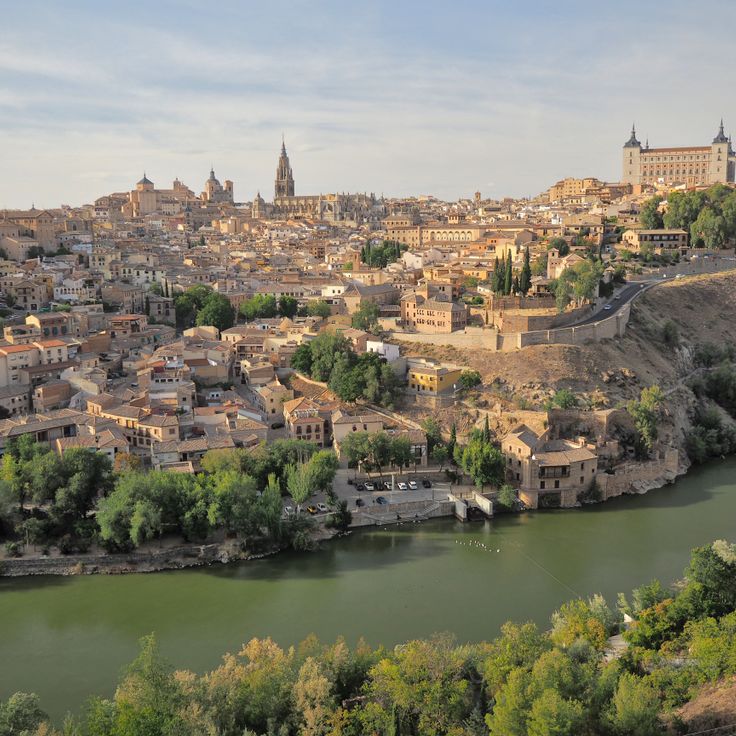
Toledo is a medieval city built on a hill surrounded by the Tagus River. It was once Spain's capital and its narrow, winding streets still feel ancient. Christians, Jews, and Muslims lived together here for centuries, leaving their mark on the architecture, art, and religion of the city. Walking through Toledo feels like stepping into another era. Historic buildings and monuments throughout the city tell stories of this shared past. UNESCO recognizes Toledo as a world heritage site.
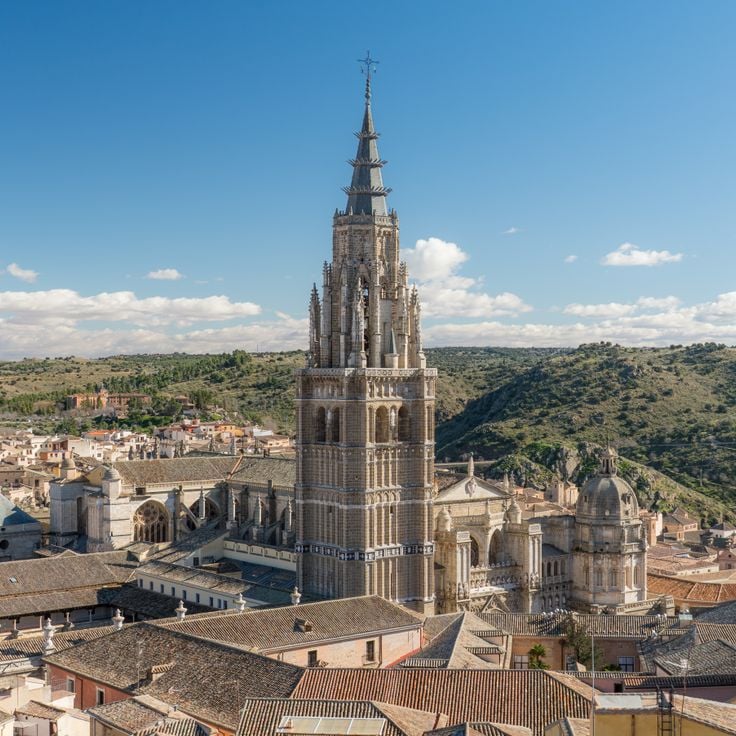
The Cathedral of Toledo stands at the heart of the old city and is a major religious building from the 13th century. It has shaped the appearance of the city for centuries and shows the architectural splendor of that time. The structure combines different styles and influences that reflect Toledo's history.
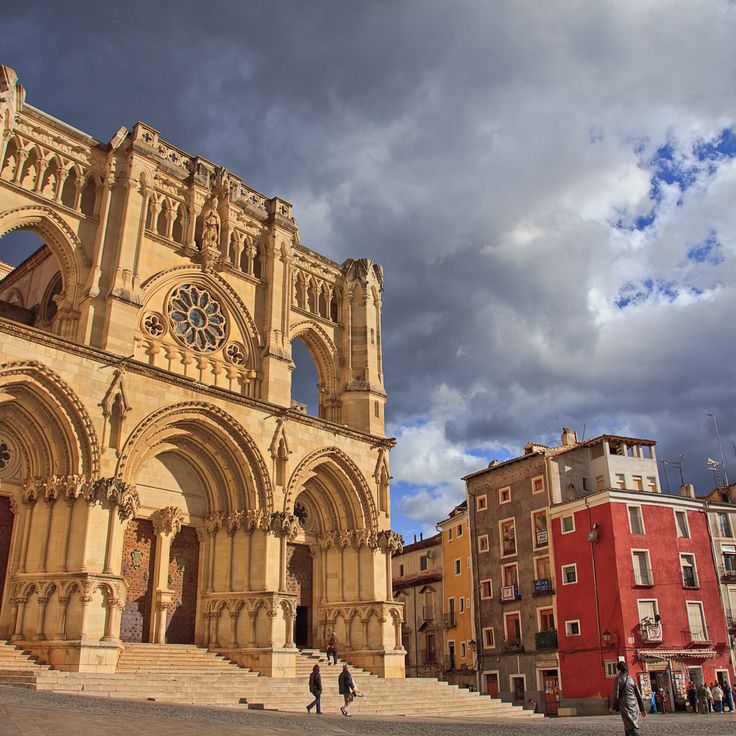
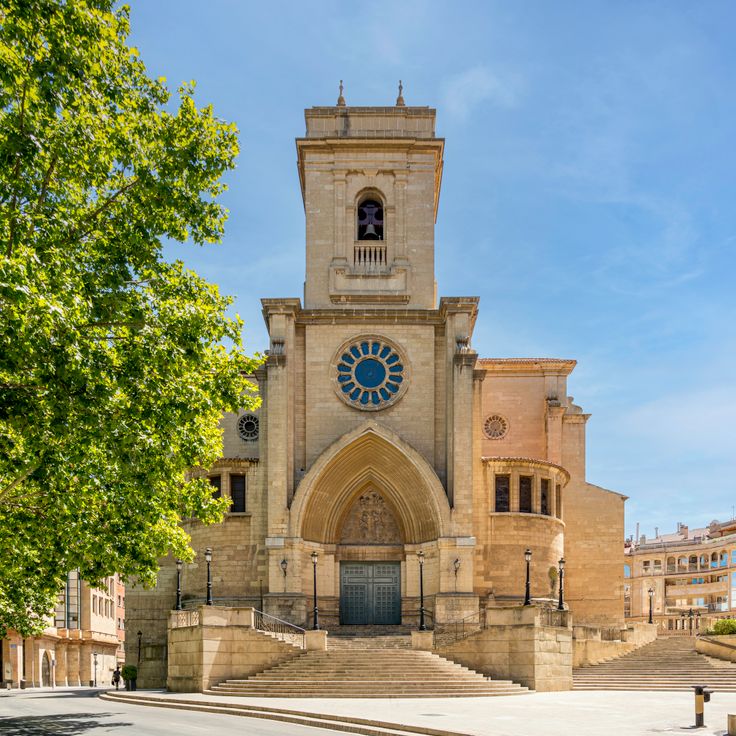
The Cathedral of Cuenca is a Gothic and Renaissance building that stands in the old town above the Huécar gorges. It bears witness to the religious and artistic history of this region, where Christian, Jewish, and Muslim cultures met. Its construction and interior reflect Cuenca's importance during the Middle Ages. Visiting this building combines with exploring the medieval streets and architecture of this hilltop town.
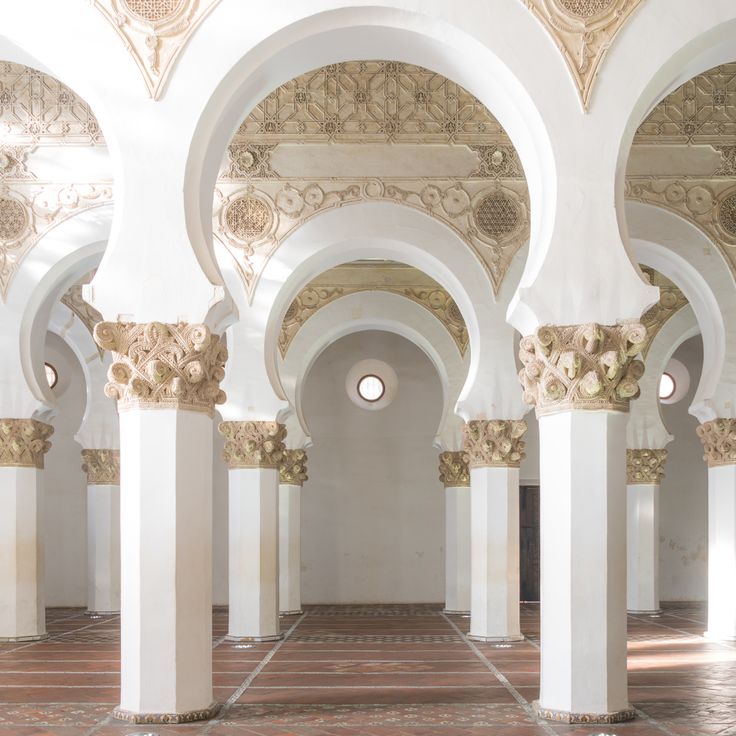
Santa Maria la Blanca Synagogue in Toledo is a medieval building that tells the story of Jewish life in this city. The structure shows the skilled architecture of its time with arches and decorative details. Today the synagogue functions as a museum, allowing visitors to learn about the religious and cultural past of the city. The building stands as evidence of the diverse cultures that once coexisted in Toledo.
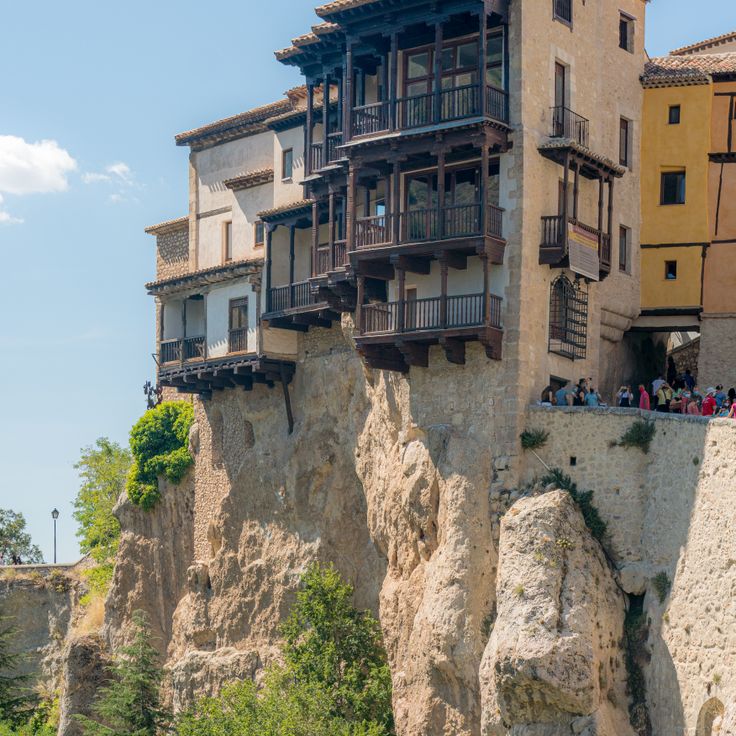
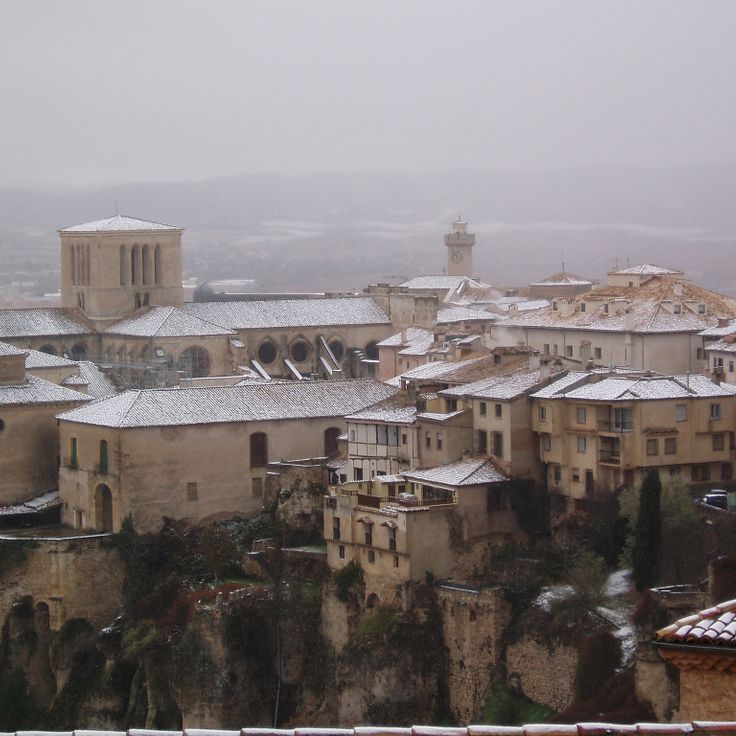
The Casas Colgadas are medieval houses built into the cliffs above the Huécar gorge in Cuenca. They show how people once lived in this dramatic setting, with homes that overhang the ravine below. The wooden balconies and walls seem to defy gravity as they cling to the rock face. From below, they look like nests embedded in the stone. Today, the houses function as a museum and restaurant, offering visitors a chance to experience life in such an unusual place and view the river far below.
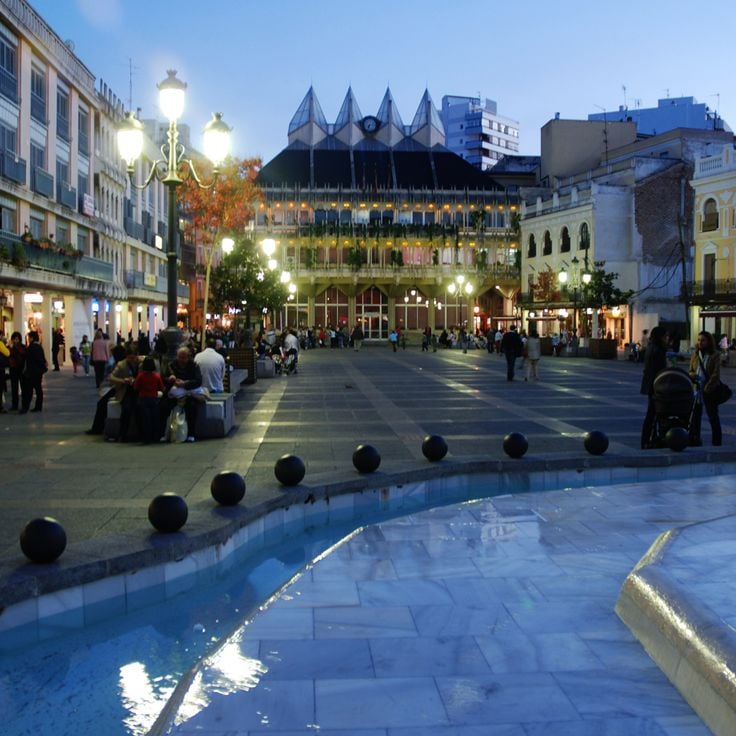
Albacete is the capital of its province and sits in the heart of Castilla-La-Mancha. The city has a vibrant center with historical buildings, museums, and plazas where daily life unfolds. Albacete is known for knife-making, a craft with deep roots in the city. The museums tell the story of the region and the people who live here.
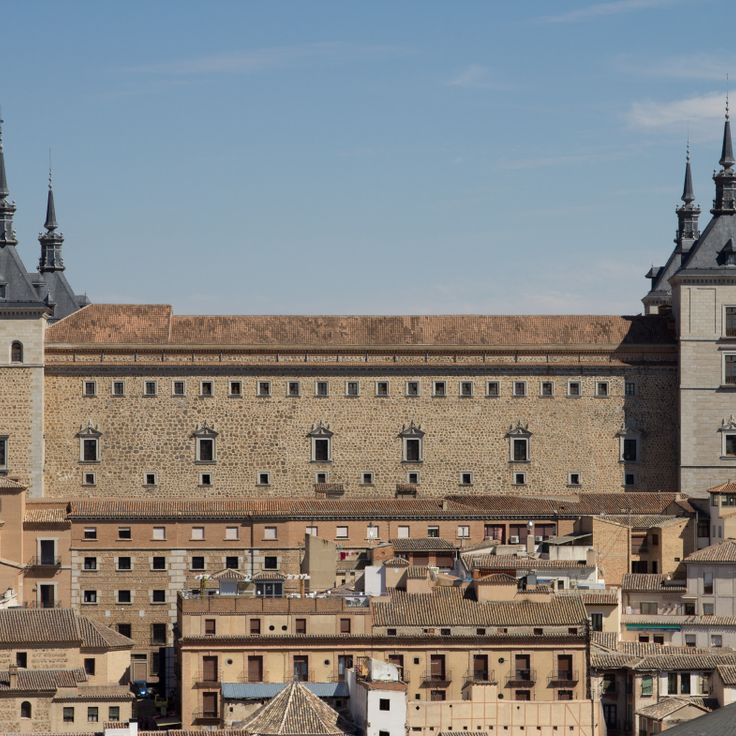
The Alcazar of Toledo is a massive fortress that dominates the city and now serves as an army museum. The building rises on a hill and shapes Toledo's skyline from afar. Inside, visitors can move through rooms displaying weapons, uniforms, and objects from different periods of Spanish military history. The structure itself tells of sieges and strategic battles that shaped this region.
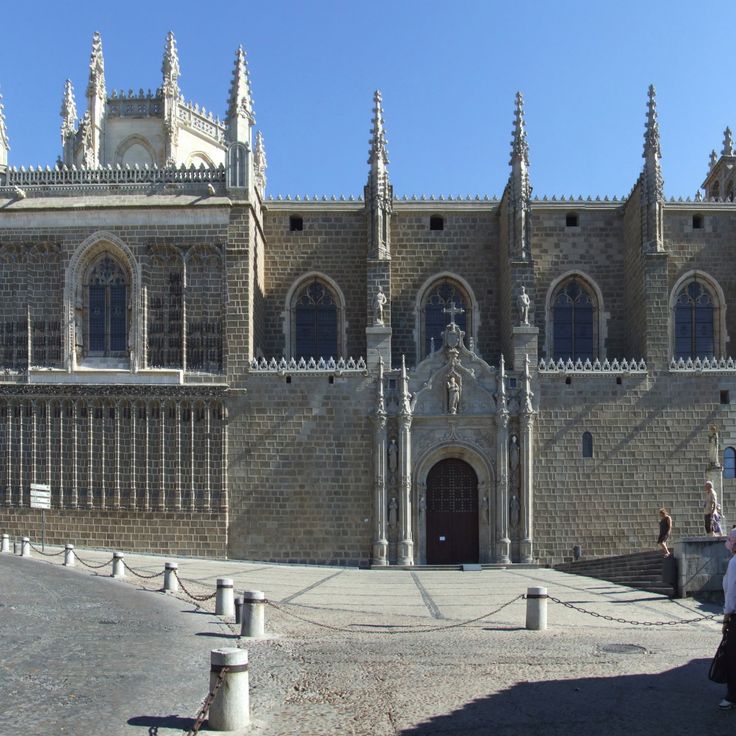
The Monastery of San Juan de los Reyes is located in Toledo and stands as an important 15th-century structure. Gothic architecture defines the building with its intricately designed cloister and carefully worked facade. The monastery reflects the religious and artistic traditions of the region and demonstrates the craftsmanship of its era. Visitors can understand the history through the stonework and spatial design.
Cuenca sits on a high plateau between Madrid and Andalusia. The city is known for its houses hanging over the cliffs above the Huécar river gorge. Medieval streets lead through the old town, where monuments tell of how Christian, Jewish, and Muslim cultures coexisted. This place shows the depth of history that defines the region.
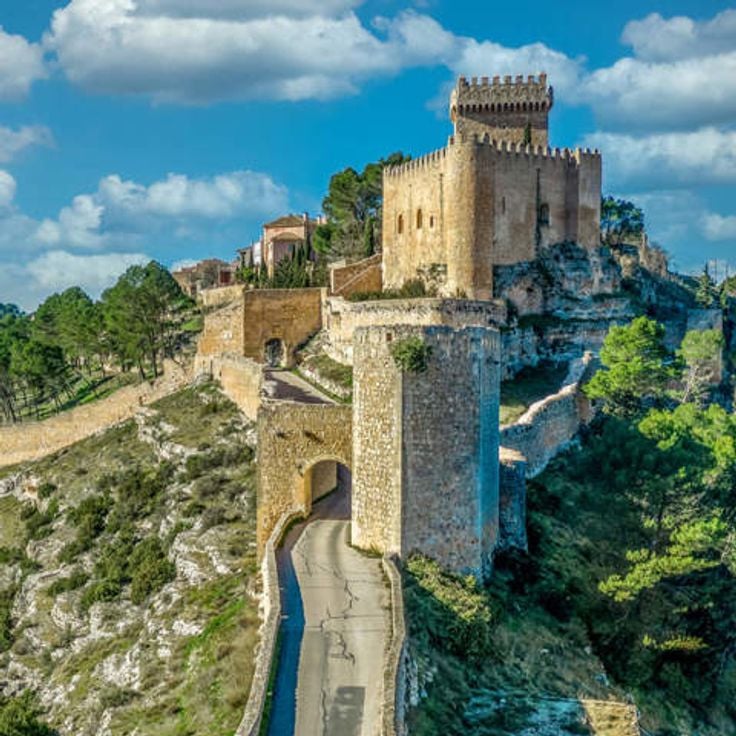
The castle of Alarcón is a medieval fortress that stands above the Júcar River and now serves as a parador. This stronghold reflects the strategic role these lands played during the Reconquista. From its position, visitors can take in views of the Castilla-La Mancha landscape and experience the region's history directly.
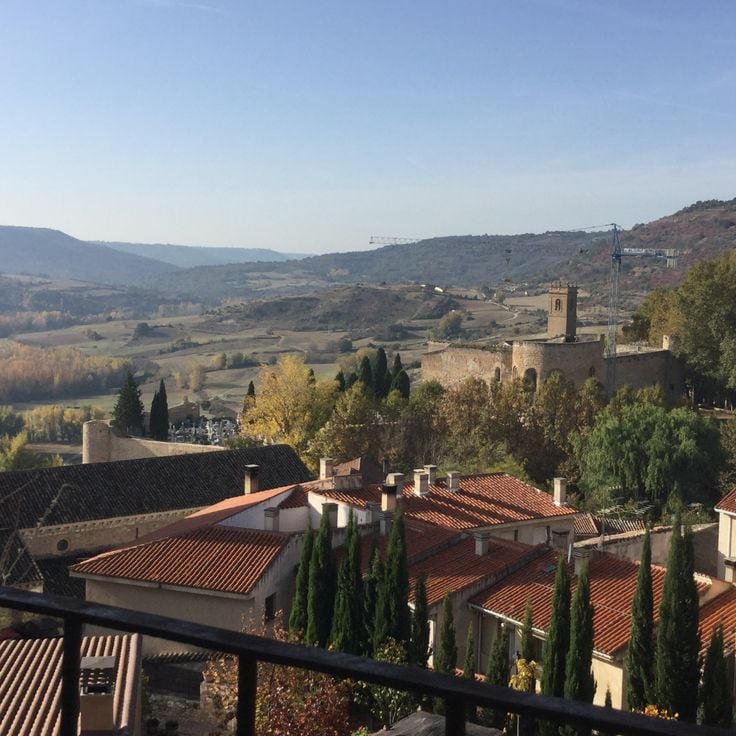
Brihuega is a village in Castilla-La-Mancha surrounded by lavender fields. The houses display typical regional architecture with white facades and red tile roofs. The settlement sits on a plateau with views across the extensive fields. Lavender cultivation shapes the landscape, especially during the summer months. The village preserves the character of a rural settlement with narrow streets and traditional buildings.
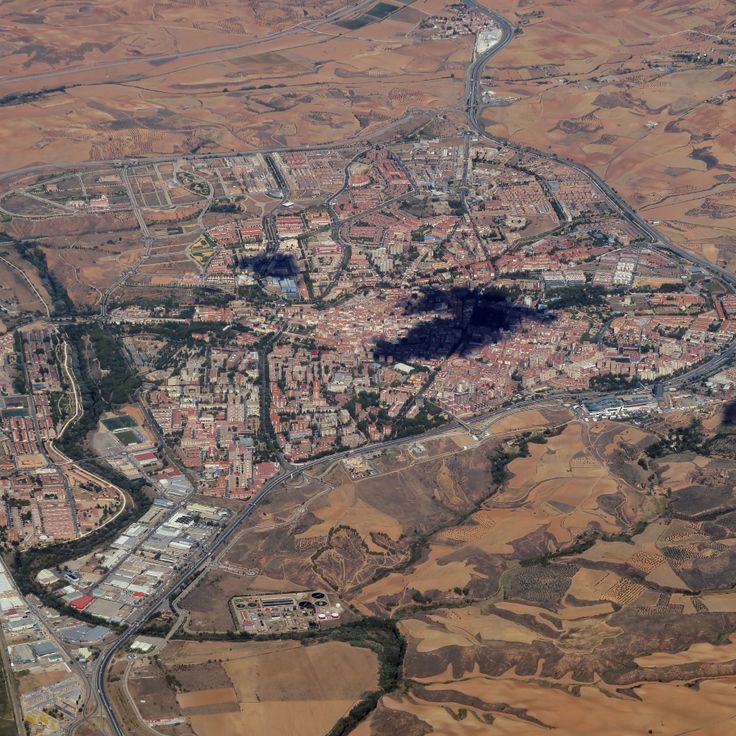
Ciudad Real sits in the heart of Castilla-La-Mancha with a historic center featuring characteristic squares and streets that reflect the region's past. The city shows the architectural development of an important inland settlement in Spain. Medieval and modern areas blend together to create a picture of everyday life and historical continuity.
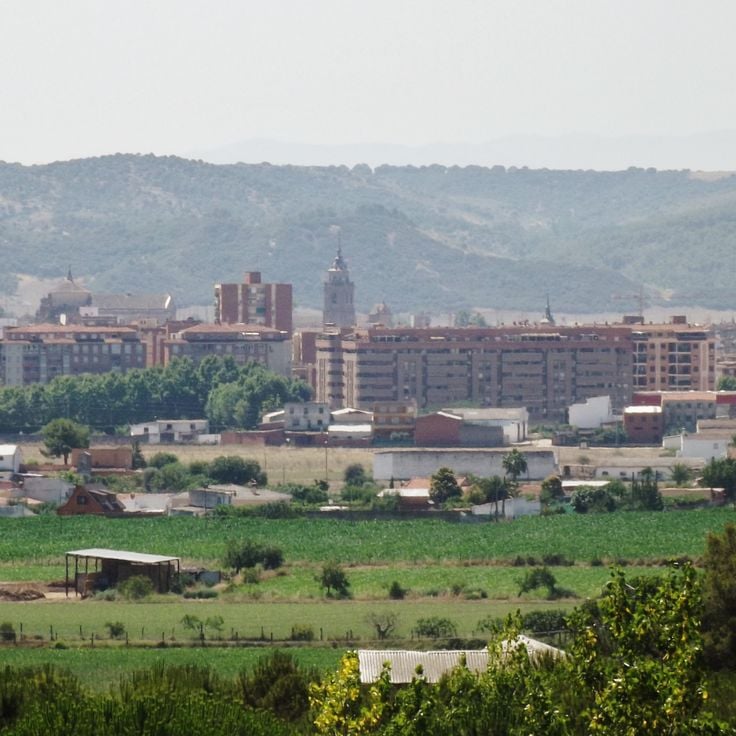
Guadalajara is an old city in the heart of Castille-La-Manche with a historic center marked by Renaissance palaces and noble mansions. Walking through its streets, you encounter the architectural legacy of the past, with buildings that reflect the city's importance during the Renaissance. The city serves as a cultural bridge between Madrid and the smaller villages of the region, offering visitors a chance to explore Spanish history through its monuments and urban layout.
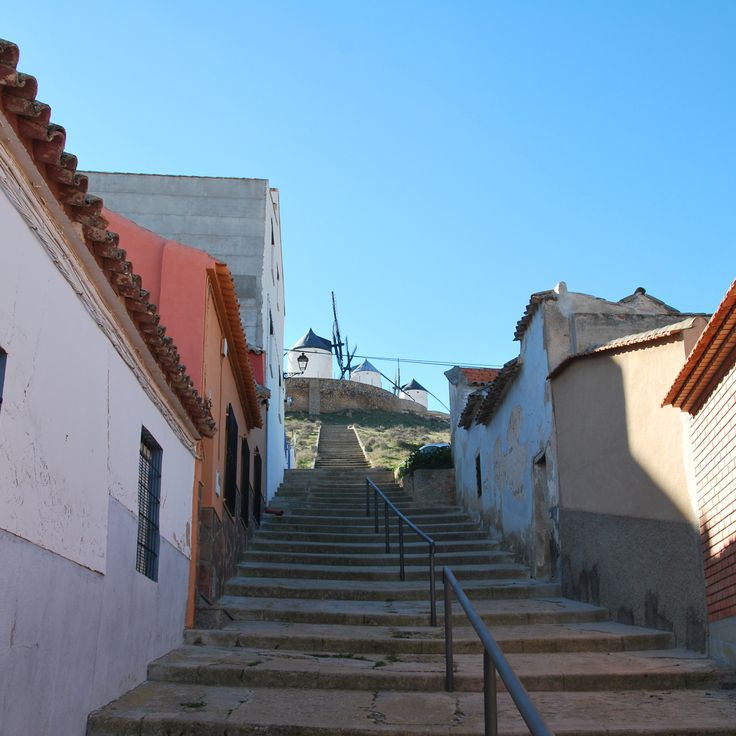
Consuegra is a village in Castile-La Mancha built on a hillside and defined by twelve traditional windmills. These mills date from the 16th century and shape the landscape. At the top of the hill stands a medieval castle that dominates the surroundings. The village itself keeps its historical character with narrow streets and whitewashed houses. From here, views stretch across the wide plain of the region, covered with fields and olive groves.
Talavera de la Reina is a city known for its ceramic craftsmanship, recognized as a UNESCO World Heritage site. The city lies in Castille-La Manche and preserves a centuries-old tradition of pottery and decorative tilework. Visitors can explore workshops where artisans continue to use traditional techniques, and museums display ceramic pieces from different periods. Walking through the old town, you see buildings adorned with colorful ceramic details. Talavera de la Reina offers a genuine sense of how this craft has shaped the city's identity and daily life.
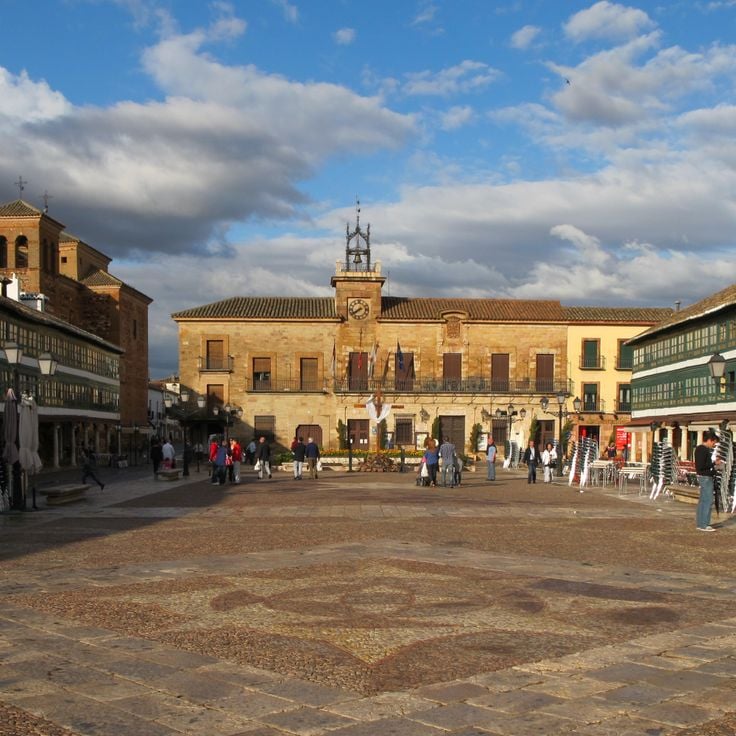
Almagro is a historic village in Castilla-La-Mancha, known for its rectangular main plaza. The Plaza Mayor is surrounded by arcades and buildings with green wooden railings that recall colonial architecture. The village shows construction from the Reconquista period and keeps its medieval layout. Visitors can walk through narrow streets and see traditional buildings built by noble families in the 16th and 17th centuries. The village is also known for theater and art events that take place on this plaza.
Campo de Criptana is a village known for its windmills that define the landscape of Don Quixote. These white mills stand on the hills and are part of the heritage of Castille-La-Manche. The village itself has narrow streets and traditional architecture. Visitors can tour the mills and understand how important these structures are to the history and culture of this region.
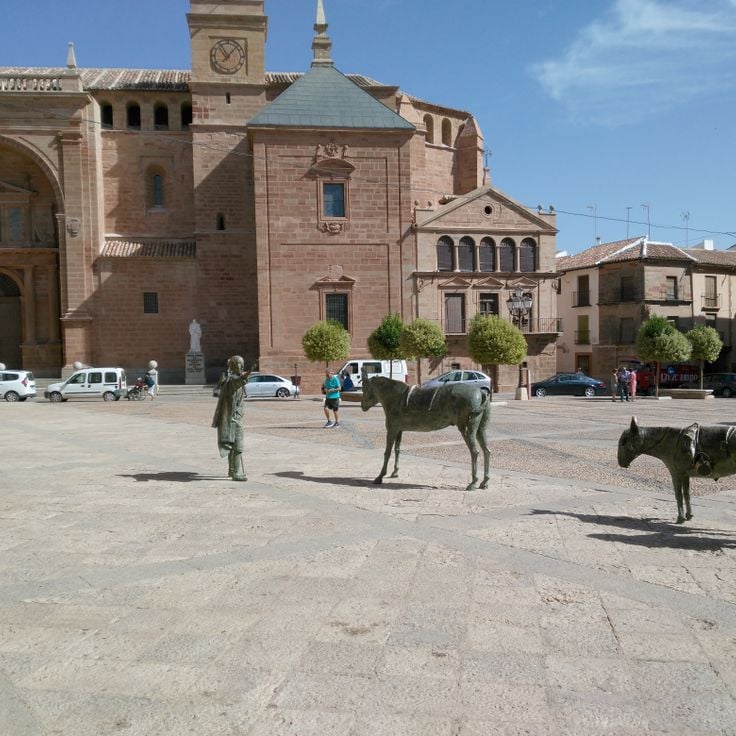
Villanueva de los Infantes is a Renaissance village with architecture typical of that era. The town features a grand plaza and traditional buildings that reflect the skill and prosperity of the period. Located in the heart of Castilla-La-Mancha, it shows how smaller settlements were shaped during the Renaissance.
Pastrana is a historic village with traditional architecture and grand palaces. Located on the plain of Castille-La-Manche, it shows how people lived in earlier centuries. The buildings tell stories from a time when the region had real importance. Walking through the streets, you can read history in the stones and facades.
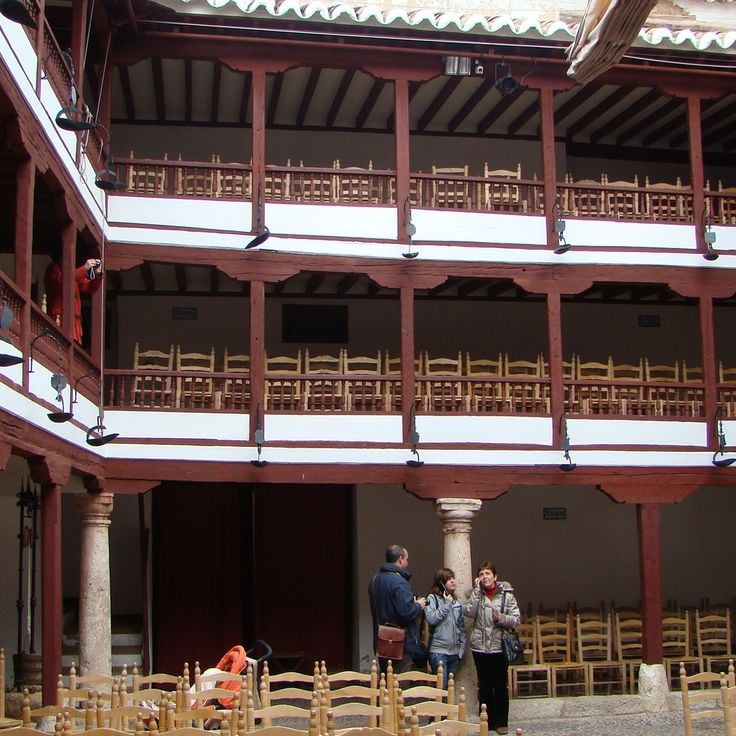
The Corral de Comedias de Almagro is a 17th-century theater that has survived in its original state. It shows how theatrical performances took place in the Spanish countryside during that time. The building keeps its original structure with wooden galleries and an open courtyard where spectators stood and sat. The walls still bear traces of the past. This theater is an important example of theatrical culture from that era.
Chinchilla de Monte Aragon is a fortified village set on a hilltop in the Castille-La Mancha plateau. Medieval walls surround the settlement and define its character. Narrow streets wind through the old town, passing stone buildings from different periods. From above, you can see across fields and distant hills that stretch out in all directions. The village preserves traces of its strategic past and shows how people in this region once lived, building their homes and defenses within these walls.
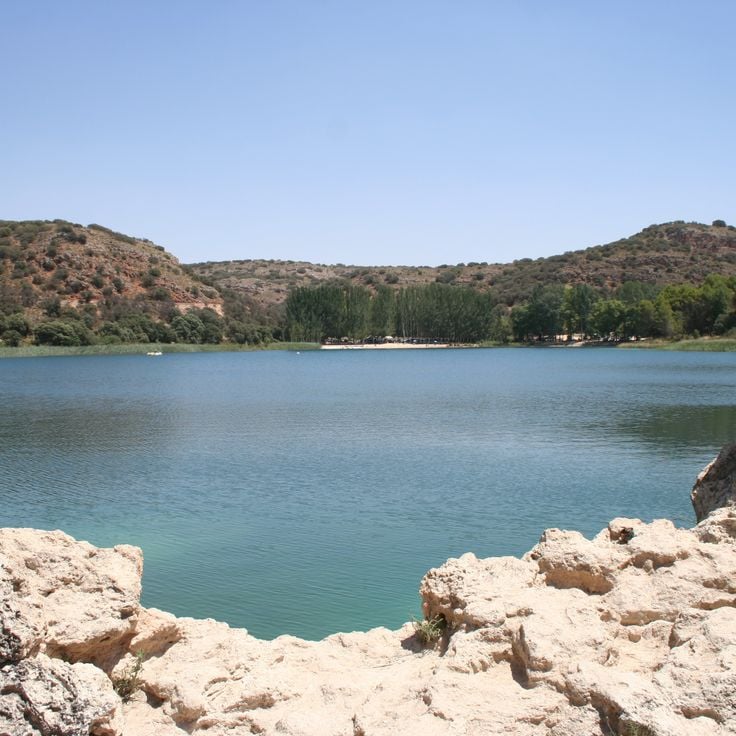
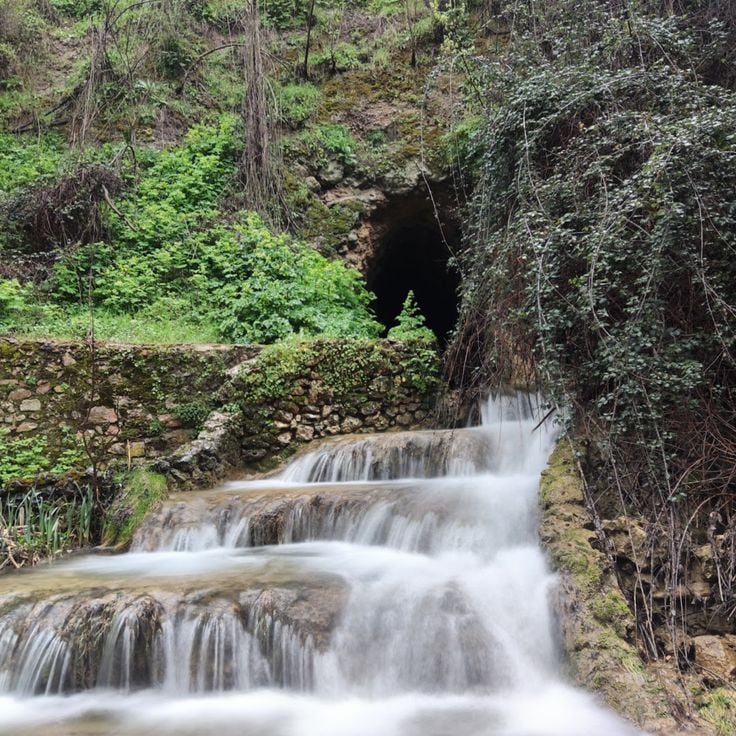
The natural park of Las Lagunas de Ruidera spreads across central Spain as a chain of lakes and waterfalls set within mountainous terrain. This protected zone contains different ecosystems with reed-lined shores and clean water. Visitors can view the lakes from higher points or walk along paths that connect the various water basins. Waterfalls form as water flows from one lake to the next, creating an ever-changing landscape. The park represents the natural diversity of Castilla-La Mancha and offers a glimpse of the region's natural treasures beyond its historic cities and castles.
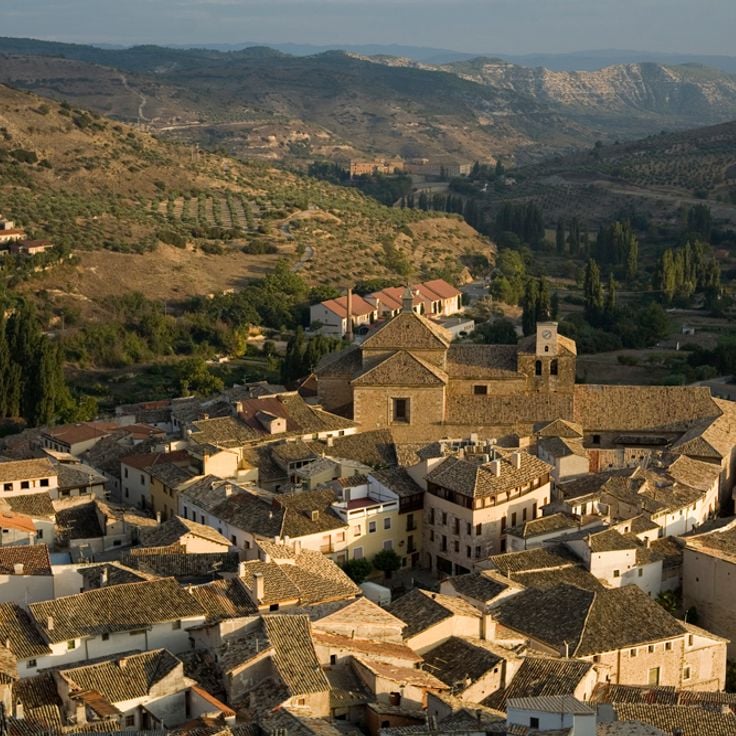
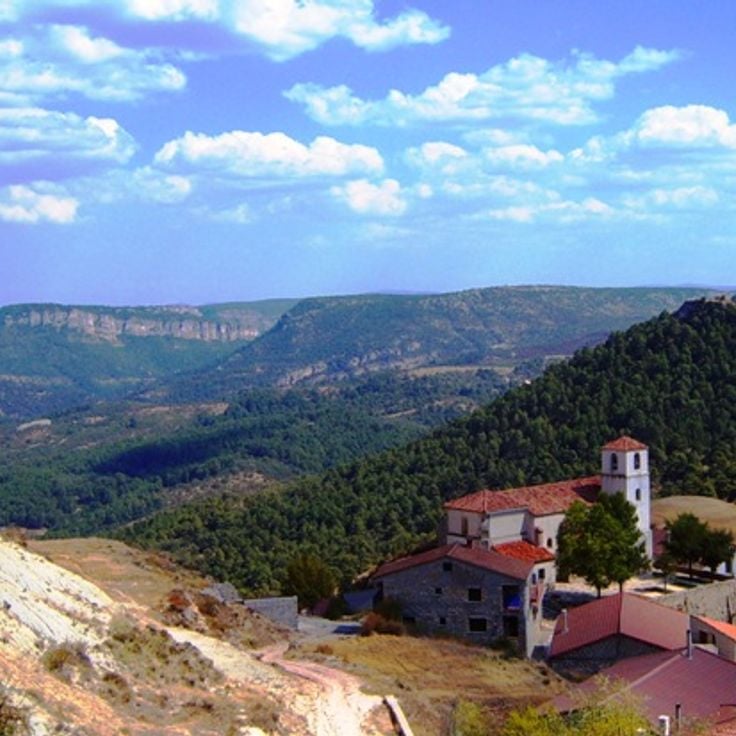
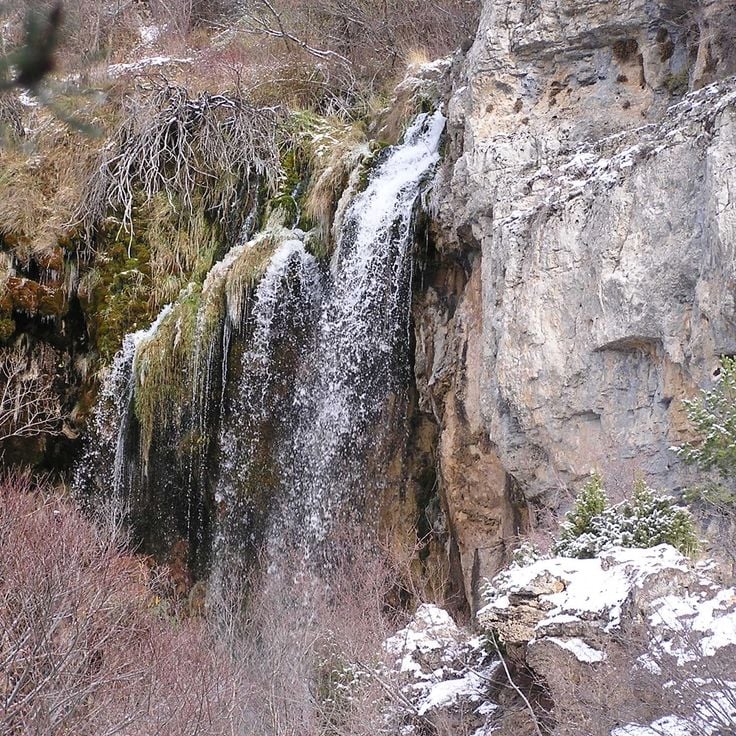
Letur is a mountain village in Castilla-La-Mancha set in a landscape of waterfalls and natural rock formations. The village sits on a slope with views across the surrounding mountains and canyons. The houses are traditionally built, following the natural terrain. Walkers find paths that lead through forests and alongside streams where water cascades over rocks.
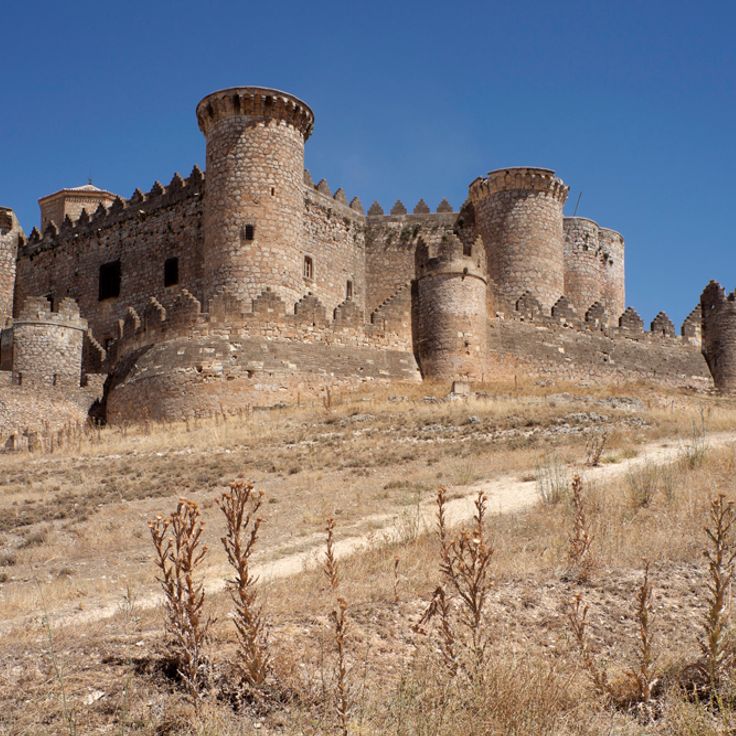
The castle of Belmonte is a medieval fortress with massive towers and walls that rise above the Mancha landscape. Built in the 15th century, it shows the architecture of a time when these lands played a key role during the Reconquest. The fortification impresses with its defensive structures and towers that once controlled the surrounding area. The castle gives a sense of the power and influence of the noble families who lived here.
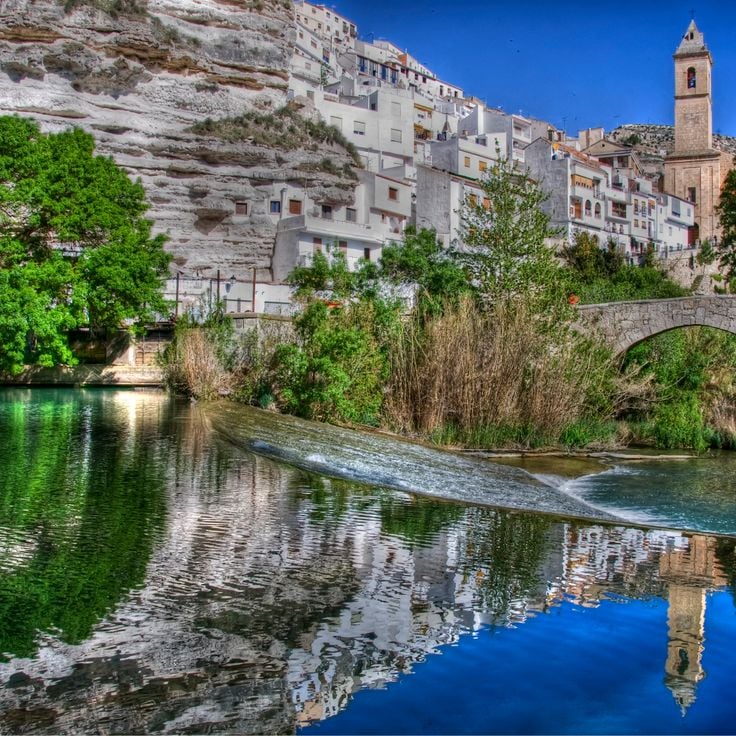
This village sits on a cliff above the Jucar river in a striking location. The houses appear to grow out of the rock itself, with windows and doors carved directly into the stone. Walking through the narrow streets between the old buildings, you catch glimpses of the river flowing far below. The place has the feel of somewhere that grew naturally over centuries without much alteration. The architecture shows how people adapted their homes to the steep landscape and rocky terrain.
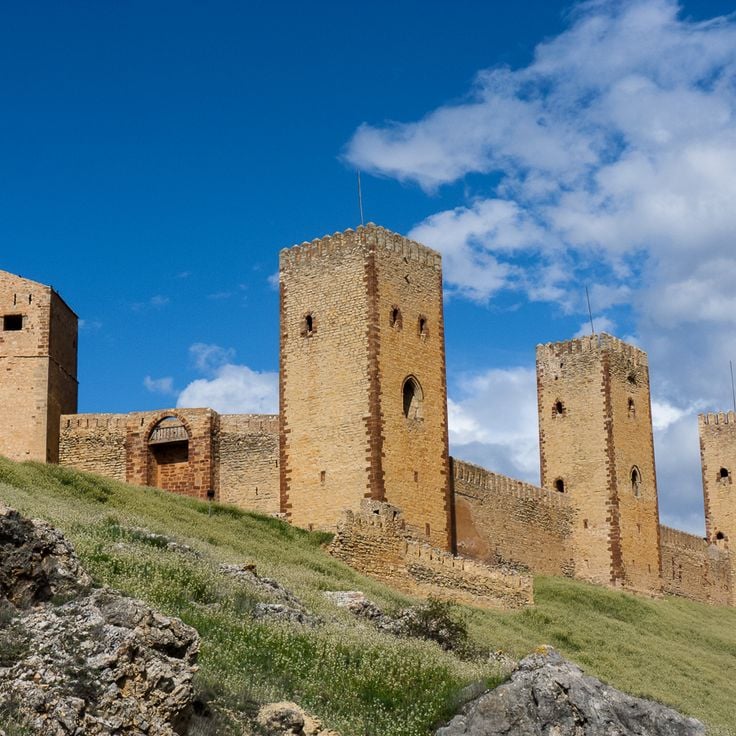
The Alcazar of Molina de Aragon is a medieval fortress that rises above the town. Built at a strategic location to protect the region during the Reconquest, it features sturdy towers and walls that reflect the military strength once needed to control these frontier lands. From the ruins, you can see across the surrounding countryside, and traces of the old fortifications remain visible. The castle shows how important Molina de Aragon was as a key point in the region's history.
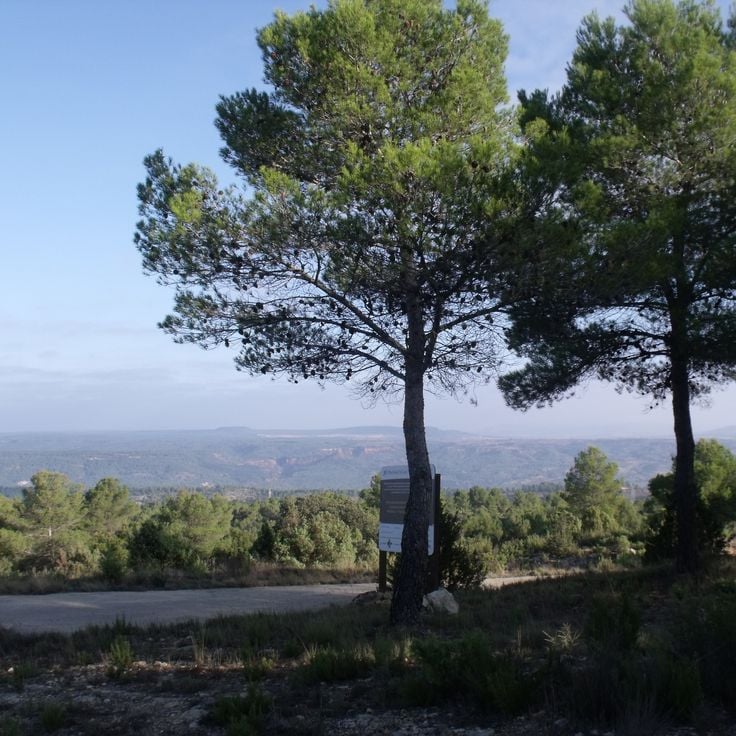
The Hoces del Cabriel are wild gorges carved by the Cabriel River through the landscape of Castilla-La Mancha. Over thousands of years, the river has cut deep canyons into the rock, creating a natural area where you can walk between steep cliff walls. The vegetation changes with elevation and soil type. You will find both oak and pine trees, and along the riverbanks grow shrubs adapted to dry climate. The river itself is home to birds and other wildlife. This area demonstrates the power of nature in one of Spain's most expansive regions.
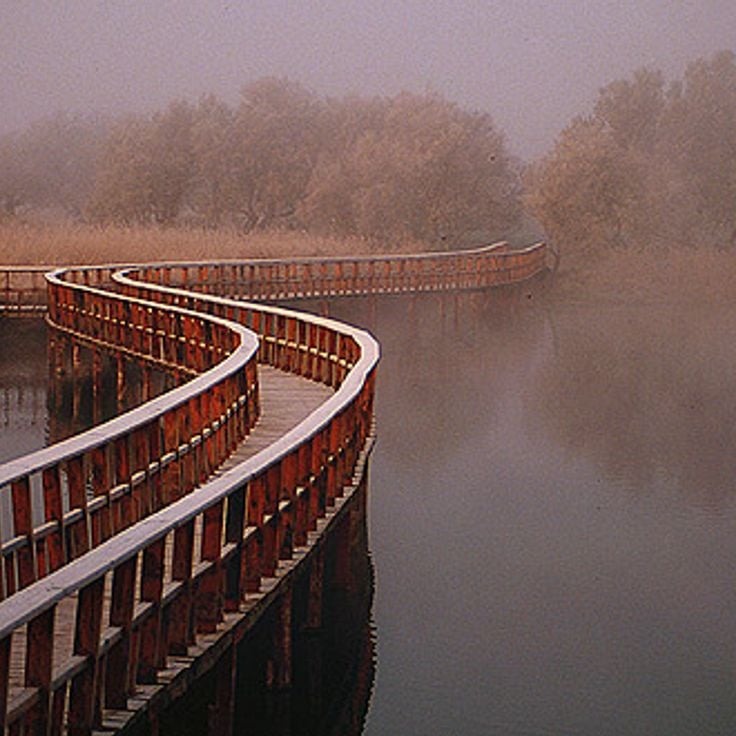
Las Tablas de Daimiel National Park in Daimiel is a wetland reserve with lakes and marshes that form a natural refuge across the Castilla-La-Mancha plateau. Each year, migratory birds stop here to rest and feed, making it an important waypoint on their long journeys. Visitors can spot herons, ducks, and other water birds moving through the reedy shores and shallow waters. The landscape is open and flat, with views that stretch across the wet grasslands. This place shows why wetlands matter for wildlife.
The castle of Sigüenza is a fortress that rises above the town of Sigüenza. Its walls date from the Middle Ages and shape the town's character. The castle demonstrates the strategic importance of this region during the Reconquista. From its walls, you can see the surrounding landscape of Castilla-La-Mancha. Today, the castle houses a hotel and welcomes visitors.
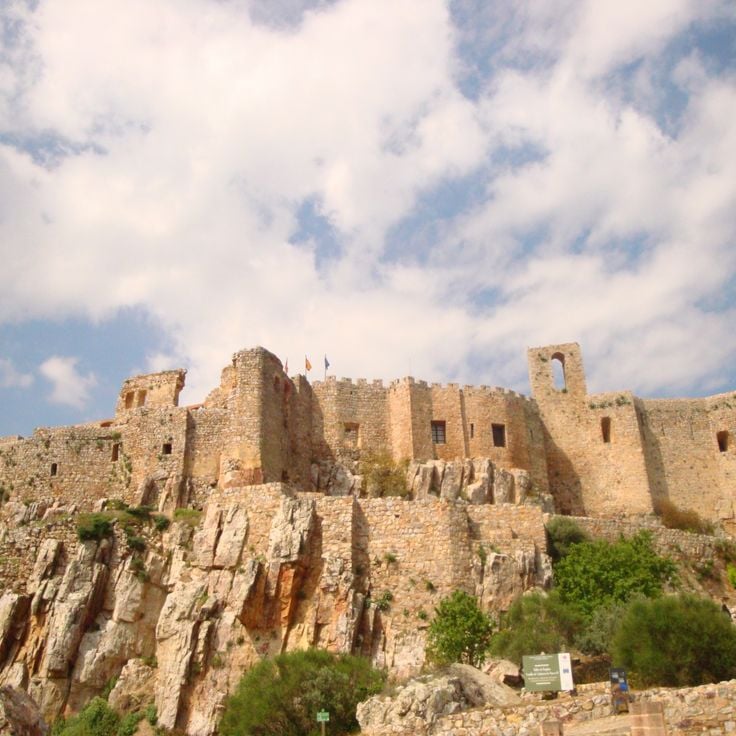
Castillo de Calatrava la Nueva is a fortress built by the Calatrava military order on a ridge overlooking the plains of Castilla-La-Mancha. Constructed in the 12th century, this stronghold demonstrates the strategic importance of these lands during the Reconquest, when the order defended Christian territories. The castle blends military architecture with religious spaces, reflecting the dual role of the knights as both warriors and monks. From its elevated position, the fortress commands views across the surrounding countryside with its fields and villages. Visitors can walk through the remains and discover the history of this significant outpost in medieval Spain.
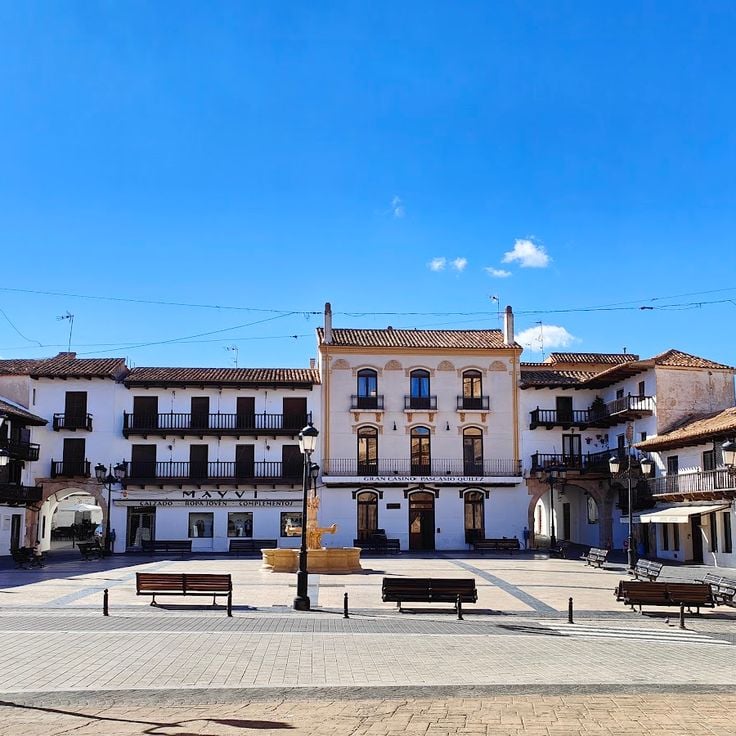
The Plaza Mayor de Albacete is the main square of the city and displays typical urban architecture. Located in the heart of Albacete, it reflects the region's urban development. This square serves as a center of public life where residents and visitors gather. The surrounding buildings shape the city's character and tell its story. The square connects different parts of the city and offers a window into daily life in Albacete.
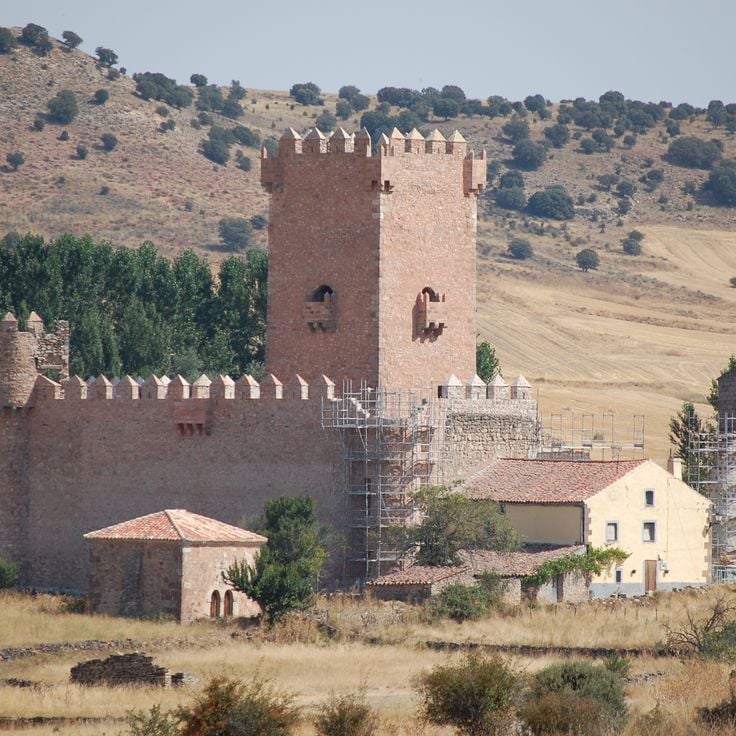
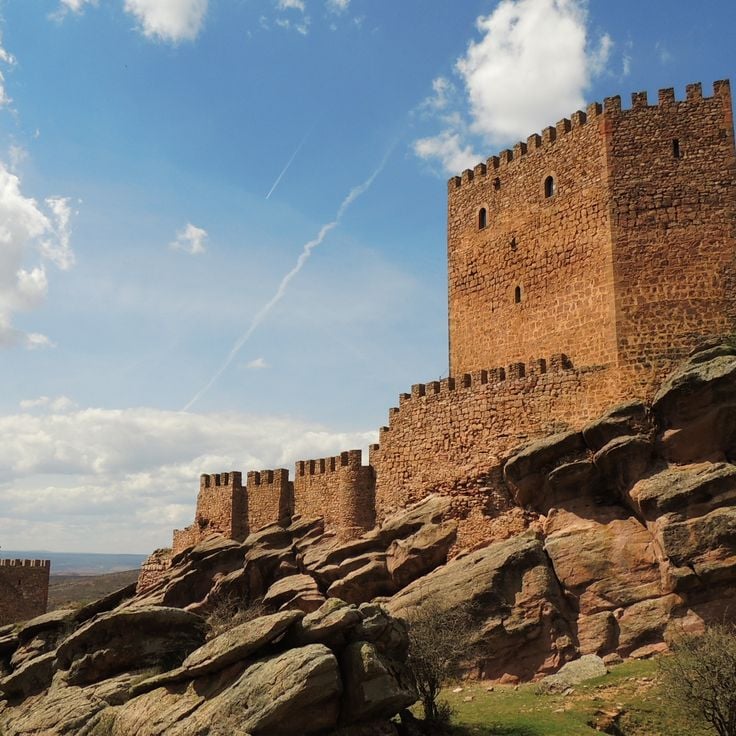
The castle of Zafra is a historical fortress in Guadalajara featuring massive towers and walls that reflect the strategic importance of the region during the Reconquista. This fortification sits in Castille-La Manche and contributes to the rich heritage of castles and strongholds found throughout the area. Visitors can observe the robust structures that once protected the territory.
Alto Tajo Natural Park is a protected area with deep gorges and mountain landscapes. It shapes the region around Molina de Aragón and displays geological formations created by centuries of erosion. The park offers trails through steep valleys and along riverbanks, where visitors can observe the power of water and the diversity of nature.
The Serrania de Cuenca Natural Park sits in the heart of Castille-La Mancha, showing the raw landscape that defines this central Spanish plateau. Rock formations rise from deep valleys and canyons, shaped by water flowing through the earth over countless ages. Pine and oak forests cover the hillsides, and eagles soar overhead. Visitors walk along trails that wind through gorges where stone walls tower on both sides. Deer and other wildlife roam freely. This park offers the natural counterpart to the medieval cities and castles found throughout the region.
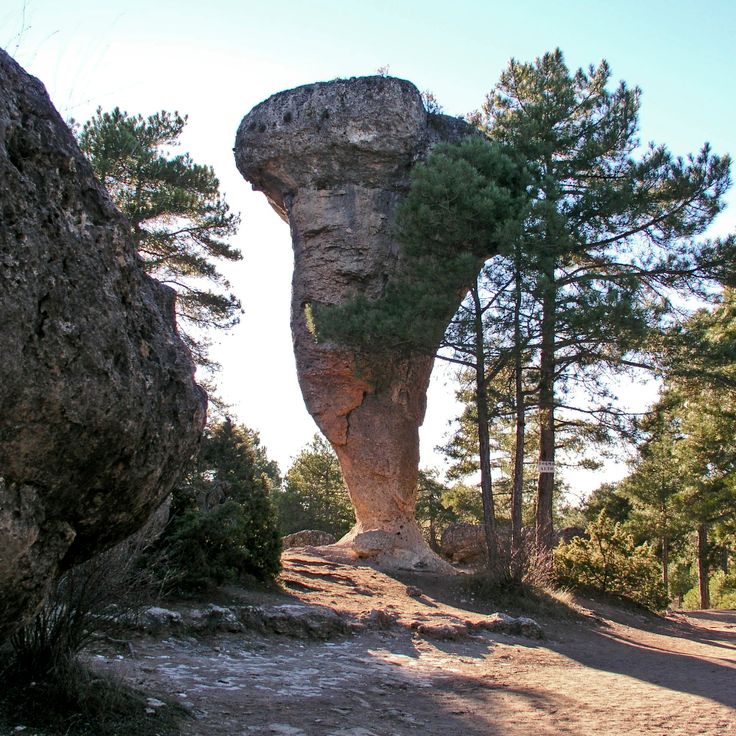
Ciudad Encantada near Cuenca features natural rock formations shaped by erosion into striking shapes. The landscape has a fantastic quality, with stone blocks arranged as if sculpted. Walking paths lead through the area, allowing visitors to move among the rocks and experience the formations up close.
The Hoces del Rio Jucar are river gorges carved by water over thousands of years, cutting deep into the landscape around Cuenca. Steep rock walls rise on either side, and several viewpoints allow visitors to look down into the canyon and watch the river flow below. The natural process of erosion shaped these formations, creating a dramatic setting in the heart of Castille-La-Manche.
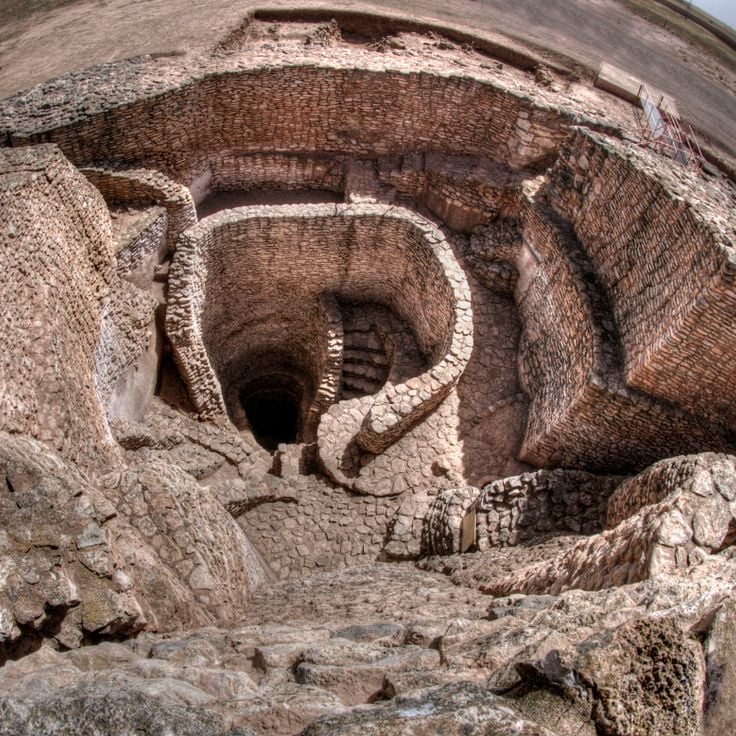
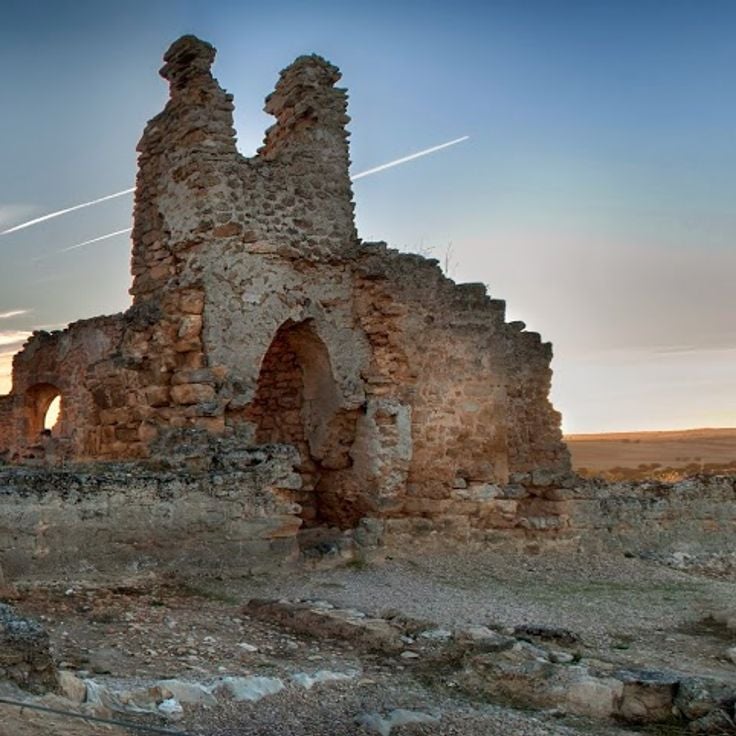
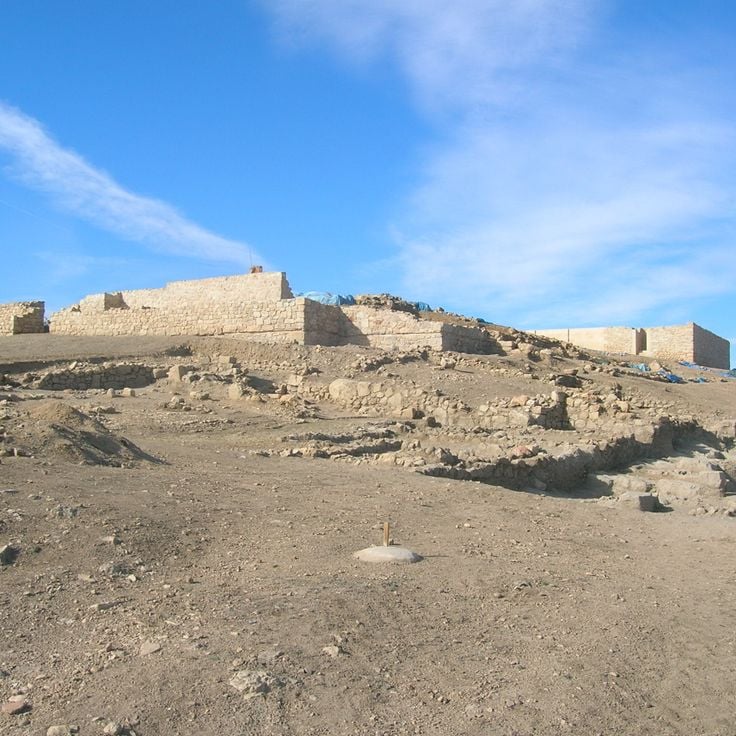
Recopolis is an archaeological site in Guadalajara containing remains from the Visigothic period. The site shows how people lived and built during this era. Excavations have uncovered foundations, pottery, and other objects that reveal daily life from that time. This place is part of the diverse history of Castilla-La-Mancha, where different cultures met and left their traces.
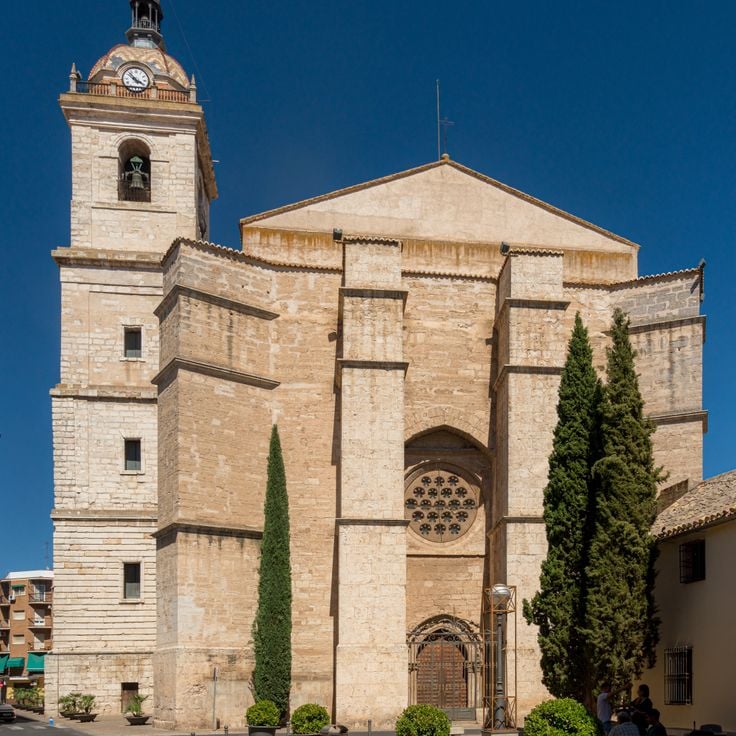
The Basilica Nuestra Señora del Prado in Ciudad Real is an important religious monument of the region. It stands as a testament to the religious history of Castille-La Mancha and shapes the city's character with its architecture.
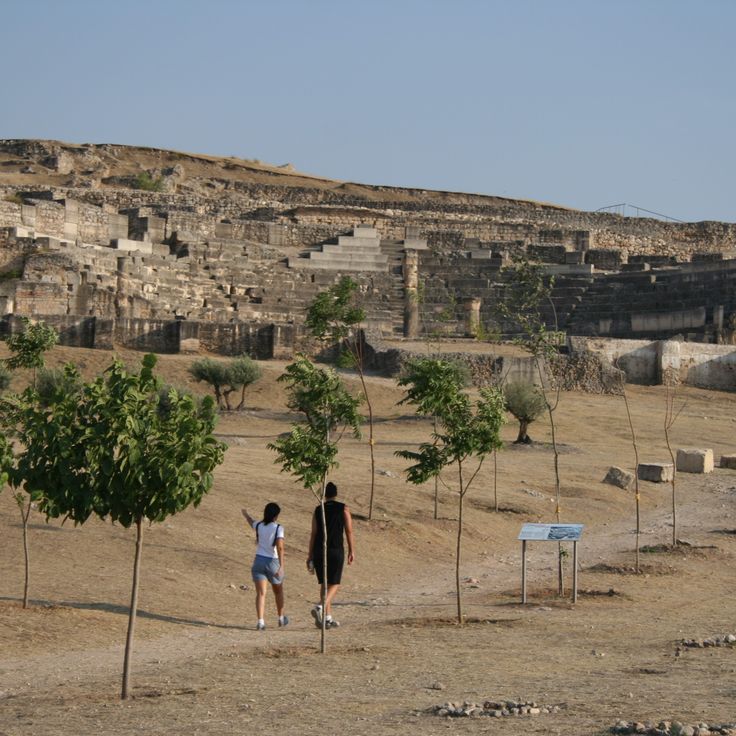
The Segobriga Archaeological Park is a site with Roman ruins and historical remains that show the importance of this ancient city. The park is located in the Castile-La Mancha region and allows visitors to walk among the remains of buildings, walls, and objects from Roman times. The location also offers views of the surrounding landscape of the region.
Libisosa is a Roman archaeological site in Albacete where ruins and historical remains tell the story of this ancient settlement. The excavations reveal how the Romans used this location and what structures they built. Visitors can see building foundations and artifacts that offer insight into daily life during Roman times.
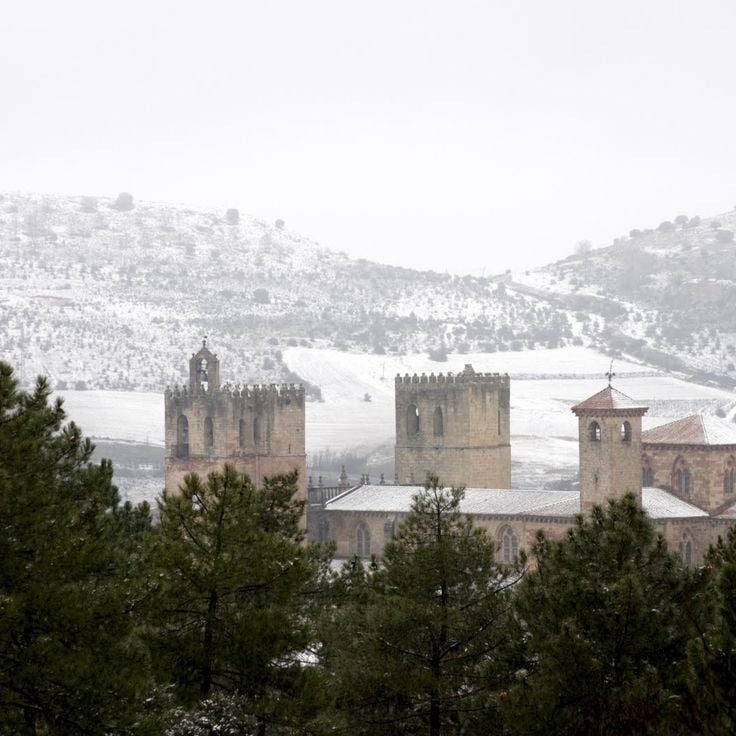
The Cathedral of Sigüenza is a Gothic building located in the heart of Castile-La-Mancha and known for its remarkable architecture. The structure shows the artistic skills of different periods and houses religious artworks inside that reflect centuries of development. Visitors can explore the details of the Gothic stonework and the design of the nave, which tell the story of this region.
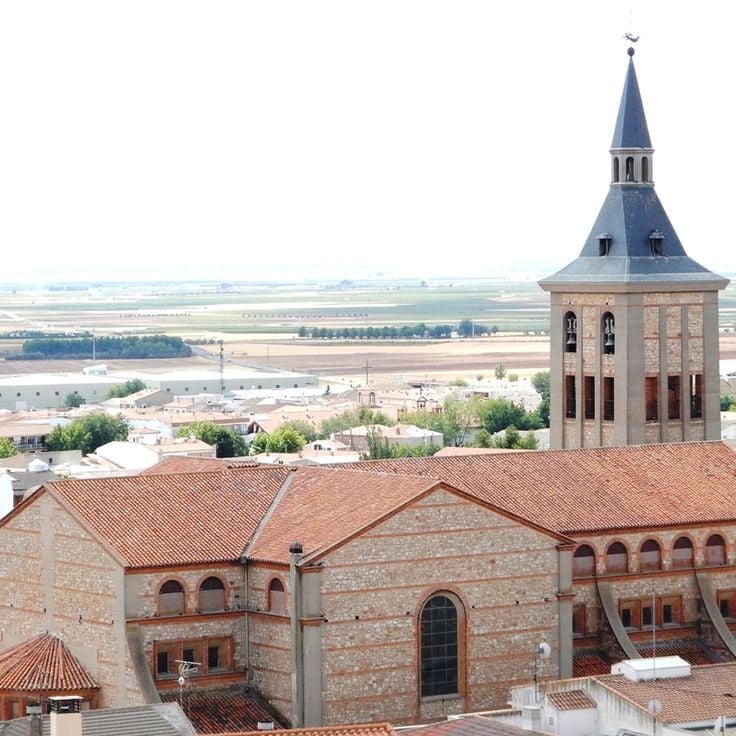
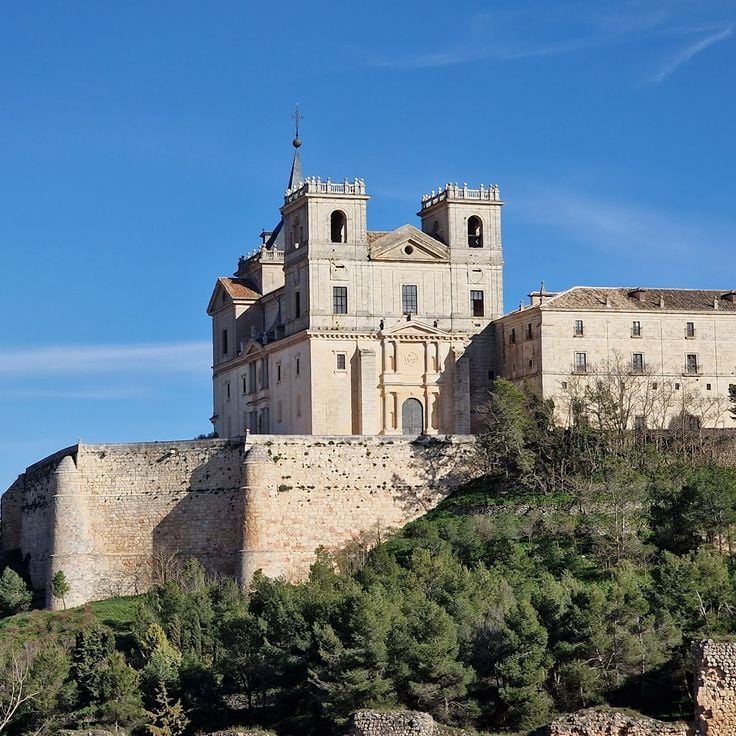
The Monastery of Uclés is a large complex built by the Order of Santiago, standing on the plains of Castilla-La-Mancha. The stone structure displays the architecture typical of the military-religious orders that shaped this region during the Reconquista. The monastery marks the landscape with its substantial presence and reflects the religious and strategic importance of these central Spanish lands.
Motilla del Azuer is an archaeological site near Daimiel that preserves the remains of a Bronze Age settlement. This location shows how people lived thousands of years ago, with traces of their dwellings and the objects they left behind. The excavations reveal how these early communities built their homes and adapted to their surroundings. The site sits in the flat landscape of La Mancha and offers visitors a window into daily life in ancient times.
Toledo is a medieval city built on a hill surrounded by the Tagus River. It was once Spain's capital and its narrow, winding streets still feel ancient. Christians, Jews, and Muslims lived together here for centuries, leaving their mark on the architecture, art, and religion of the city. Walking through Toledo feels like stepping into another era. Historic buildings and monuments throughout the city tell stories of this shared past. UNESCO recognizes Toledo as a world heritage site.
The Cathedral of Toledo stands at the heart of the old city and is a major religious building from the 13th century. It has shaped the appearance of the city for centuries and shows the architectural splendor of that time. The structure combines different styles and influences that reflect Toledo's history.
The Cathedral of Cuenca is a Gothic and Renaissance building that stands in the old town above the Huécar gorges. It bears witness to the religious and artistic history of this region, where Christian, Jewish, and Muslim cultures met. Its construction and interior reflect Cuenca's importance during the Middle Ages. Visiting this building combines with exploring the medieval streets and architecture of this hilltop town.
Santa Maria la Blanca Synagogue in Toledo is a medieval building that tells the story of Jewish life in this city. The structure shows the skilled architecture of its time with arches and decorative details. Today the synagogue functions as a museum, allowing visitors to learn about the religious and cultural past of the city. The building stands as evidence of the diverse cultures that once coexisted in Toledo.
The Casas Colgadas are medieval houses built into the cliffs above the Huécar gorge in Cuenca. They show how people once lived in this dramatic setting, with homes that overhang the ravine below. The wooden balconies and walls seem to defy gravity as they cling to the rock face. From below, they look like nests embedded in the stone. Today, the houses function as a museum and restaurant, offering visitors a chance to experience life in such an unusual place and view the river far below.
Albacete is the capital of its province and sits in the heart of Castilla-La-Mancha. The city has a vibrant center with historical buildings, museums, and plazas where daily life unfolds. Albacete is known for knife-making, a craft with deep roots in the city. The museums tell the story of the region and the people who live here.
The Alcazar of Toledo is a massive fortress that dominates the city and now serves as an army museum. The building rises on a hill and shapes Toledo's skyline from afar. Inside, visitors can move through rooms displaying weapons, uniforms, and objects from different periods of Spanish military history. The structure itself tells of sieges and strategic battles that shaped this region.
The Monastery of San Juan de los Reyes is located in Toledo and stands as an important 15th-century structure. Gothic architecture defines the building with its intricately designed cloister and carefully worked facade. The monastery reflects the religious and artistic traditions of the region and demonstrates the craftsmanship of its era. Visitors can understand the history through the stonework and spatial design.
Cuenca sits on a high plateau between Madrid and Andalusia. The city is known for its houses hanging over the cliffs above the Huécar river gorge. Medieval streets lead through the old town, where monuments tell of how Christian, Jewish, and Muslim cultures coexisted. This place shows the depth of history that defines the region.
The castle of Alarcón is a medieval fortress that stands above the Júcar River and now serves as a parador. This stronghold reflects the strategic role these lands played during the Reconquista. From its position, visitors can take in views of the Castilla-La Mancha landscape and experience the region's history directly.
Brihuega is a village in Castilla-La-Mancha surrounded by lavender fields. The houses display typical regional architecture with white facades and red tile roofs. The settlement sits on a plateau with views across the extensive fields. Lavender cultivation shapes the landscape, especially during the summer months. The village preserves the character of a rural settlement with narrow streets and traditional buildings.
Ciudad Real sits in the heart of Castilla-La-Mancha with a historic center featuring characteristic squares and streets that reflect the region's past. The city shows the architectural development of an important inland settlement in Spain. Medieval and modern areas blend together to create a picture of everyday life and historical continuity.
Guadalajara is an old city in the heart of Castille-La-Manche with a historic center marked by Renaissance palaces and noble mansions. Walking through its streets, you encounter the architectural legacy of the past, with buildings that reflect the city's importance during the Renaissance. The city serves as a cultural bridge between Madrid and the smaller villages of the region, offering visitors a chance to explore Spanish history through its monuments and urban layout.
Consuegra is a village in Castile-La Mancha built on a hillside and defined by twelve traditional windmills. These mills date from the 16th century and shape the landscape. At the top of the hill stands a medieval castle that dominates the surroundings. The village itself keeps its historical character with narrow streets and whitewashed houses. From here, views stretch across the wide plain of the region, covered with fields and olive groves.
Talavera de la Reina is a city known for its ceramic craftsmanship, recognized as a UNESCO World Heritage site. The city lies in Castille-La Manche and preserves a centuries-old tradition of pottery and decorative tilework. Visitors can explore workshops where artisans continue to use traditional techniques, and museums display ceramic pieces from different periods. Walking through the old town, you see buildings adorned with colorful ceramic details. Talavera de la Reina offers a genuine sense of how this craft has shaped the city's identity and daily life.
Almagro is a historic village in Castilla-La-Mancha, known for its rectangular main plaza. The Plaza Mayor is surrounded by arcades and buildings with green wooden railings that recall colonial architecture. The village shows construction from the Reconquista period and keeps its medieval layout. Visitors can walk through narrow streets and see traditional buildings built by noble families in the 16th and 17th centuries. The village is also known for theater and art events that take place on this plaza.
Campo de Criptana is a village known for its windmills that define the landscape of Don Quixote. These white mills stand on the hills and are part of the heritage of Castille-La-Manche. The village itself has narrow streets and traditional architecture. Visitors can tour the mills and understand how important these structures are to the history and culture of this region.
Villanueva de los Infantes is a Renaissance village with architecture typical of that era. The town features a grand plaza and traditional buildings that reflect the skill and prosperity of the period. Located in the heart of Castilla-La-Mancha, it shows how smaller settlements were shaped during the Renaissance.
Pastrana is a historic village with traditional architecture and grand palaces. Located on the plain of Castille-La-Manche, it shows how people lived in earlier centuries. The buildings tell stories from a time when the region had real importance. Walking through the streets, you can read history in the stones and facades.
The Corral de Comedias de Almagro is a 17th-century theater that has survived in its original state. It shows how theatrical performances took place in the Spanish countryside during that time. The building keeps its original structure with wooden galleries and an open courtyard where spectators stood and sat. The walls still bear traces of the past. This theater is an important example of theatrical culture from that era.
Chinchilla de Monte Aragon is a fortified village set on a hilltop in the Castille-La Mancha plateau. Medieval walls surround the settlement and define its character. Narrow streets wind through the old town, passing stone buildings from different periods. From above, you can see across fields and distant hills that stretch out in all directions. The village preserves traces of its strategic past and shows how people in this region once lived, building their homes and defenses within these walls.
The natural park of Las Lagunas de Ruidera spreads across central Spain as a chain of lakes and waterfalls set within mountainous terrain. This protected zone contains different ecosystems with reed-lined shores and clean water. Visitors can view the lakes from higher points or walk along paths that connect the various water basins. Waterfalls form as water flows from one lake to the next, creating an ever-changing landscape. The park represents the natural diversity of Castilla-La Mancha and offers a glimpse of the region's natural treasures beyond its historic cities and castles.
Letur is a mountain village in Castilla-La-Mancha set in a landscape of waterfalls and natural rock formations. The village sits on a slope with views across the surrounding mountains and canyons. The houses are traditionally built, following the natural terrain. Walkers find paths that lead through forests and alongside streams where water cascades over rocks.
The castle of Belmonte is a medieval fortress with massive towers and walls that rise above the Mancha landscape. Built in the 15th century, it shows the architecture of a time when these lands played a key role during the Reconquest. The fortification impresses with its defensive structures and towers that once controlled the surrounding area. The castle gives a sense of the power and influence of the noble families who lived here.
This village sits on a cliff above the Jucar river in a striking location. The houses appear to grow out of the rock itself, with windows and doors carved directly into the stone. Walking through the narrow streets between the old buildings, you catch glimpses of the river flowing far below. The place has the feel of somewhere that grew naturally over centuries without much alteration. The architecture shows how people adapted their homes to the steep landscape and rocky terrain.
The Alcazar of Molina de Aragon is a medieval fortress that rises above the town. Built at a strategic location to protect the region during the Reconquest, it features sturdy towers and walls that reflect the military strength once needed to control these frontier lands. From the ruins, you can see across the surrounding countryside, and traces of the old fortifications remain visible. The castle shows how important Molina de Aragon was as a key point in the region's history.
The Hoces del Cabriel are wild gorges carved by the Cabriel River through the landscape of Castilla-La Mancha. Over thousands of years, the river has cut deep canyons into the rock, creating a natural area where you can walk between steep cliff walls. The vegetation changes with elevation and soil type. You will find both oak and pine trees, and along the riverbanks grow shrubs adapted to dry climate. The river itself is home to birds and other wildlife. This area demonstrates the power of nature in one of Spain's most expansive regions.
Las Tablas de Daimiel National Park in Daimiel is a wetland reserve with lakes and marshes that form a natural refuge across the Castilla-La-Mancha plateau. Each year, migratory birds stop here to rest and feed, making it an important waypoint on their long journeys. Visitors can spot herons, ducks, and other water birds moving through the reedy shores and shallow waters. The landscape is open and flat, with views that stretch across the wet grasslands. This place shows why wetlands matter for wildlife.
The castle of Sigüenza is a fortress that rises above the town of Sigüenza. Its walls date from the Middle Ages and shape the town's character. The castle demonstrates the strategic importance of this region during the Reconquista. From its walls, you can see the surrounding landscape of Castilla-La-Mancha. Today, the castle houses a hotel and welcomes visitors.
Castillo de Calatrava la Nueva is a fortress built by the Calatrava military order on a ridge overlooking the plains of Castilla-La-Mancha. Constructed in the 12th century, this stronghold demonstrates the strategic importance of these lands during the Reconquest, when the order defended Christian territories. The castle blends military architecture with religious spaces, reflecting the dual role of the knights as both warriors and monks. From its elevated position, the fortress commands views across the surrounding countryside with its fields and villages. Visitors can walk through the remains and discover the history of this significant outpost in medieval Spain.
The Plaza Mayor de Albacete is the main square of the city and displays typical urban architecture. Located in the heart of Albacete, it reflects the region's urban development. This square serves as a center of public life where residents and visitors gather. The surrounding buildings shape the city's character and tell its story. The square connects different parts of the city and offers a window into daily life in Albacete.
The castle of Zafra is a historical fortress in Guadalajara featuring massive towers and walls that reflect the strategic importance of the region during the Reconquista. This fortification sits in Castille-La Manche and contributes to the rich heritage of castles and strongholds found throughout the area. Visitors can observe the robust structures that once protected the territory.
Alto Tajo Natural Park is a protected area with deep gorges and mountain landscapes. It shapes the region around Molina de Aragón and displays geological formations created by centuries of erosion. The park offers trails through steep valleys and along riverbanks, where visitors can observe the power of water and the diversity of nature.
The Serrania de Cuenca Natural Park sits in the heart of Castille-La Mancha, showing the raw landscape that defines this central Spanish plateau. Rock formations rise from deep valleys and canyons, shaped by water flowing through the earth over countless ages. Pine and oak forests cover the hillsides, and eagles soar overhead. Visitors walk along trails that wind through gorges where stone walls tower on both sides. Deer and other wildlife roam freely. This park offers the natural counterpart to the medieval cities and castles found throughout the region.
Ciudad Encantada near Cuenca features natural rock formations shaped by erosion into striking shapes. The landscape has a fantastic quality, with stone blocks arranged as if sculpted. Walking paths lead through the area, allowing visitors to move among the rocks and experience the formations up close.
The Hoces del Rio Jucar are river gorges carved by water over thousands of years, cutting deep into the landscape around Cuenca. Steep rock walls rise on either side, and several viewpoints allow visitors to look down into the canyon and watch the river flow below. The natural process of erosion shaped these formations, creating a dramatic setting in the heart of Castille-La-Manche.
Recopolis is an archaeological site in Guadalajara containing remains from the Visigothic period. The site shows how people lived and built during this era. Excavations have uncovered foundations, pottery, and other objects that reveal daily life from that time. This place is part of the diverse history of Castilla-La-Mancha, where different cultures met and left their traces.
The Basilica Nuestra Señora del Prado in Ciudad Real is an important religious monument of the region. It stands as a testament to the religious history of Castille-La Mancha and shapes the city's character with its architecture.
The Segobriga Archaeological Park is a site with Roman ruins and historical remains that show the importance of this ancient city. The park is located in the Castile-La Mancha region and allows visitors to walk among the remains of buildings, walls, and objects from Roman times. The location also offers views of the surrounding landscape of the region.
Libisosa is a Roman archaeological site in Albacete where ruins and historical remains tell the story of this ancient settlement. The excavations reveal how the Romans used this location and what structures they built. Visitors can see building foundations and artifacts that offer insight into daily life during Roman times.
The Cathedral of Sigüenza is a Gothic building located in the heart of Castile-La-Mancha and known for its remarkable architecture. The structure shows the artistic skills of different periods and houses religious artworks inside that reflect centuries of development. Visitors can explore the details of the Gothic stonework and the design of the nave, which tell the story of this region.
The Monastery of Uclés is a large complex built by the Order of Santiago, standing on the plains of Castilla-La-Mancha. The stone structure displays the architecture typical of the military-religious orders that shaped this region during the Reconquista. The monastery marks the landscape with its substantial presence and reflects the religious and strategic importance of these central Spanish lands.
Motilla del Azuer is an archaeological site near Daimiel that preserves the remains of a Bronze Age settlement. This location shows how people lived thousands of years ago, with traces of their dwellings and the objects they left behind. The excavations reveal how these early communities built their homes and adapted to their surroundings. The site sits in the flat landscape of La Mancha and offers visitors a window into daily life in ancient times.
Toledo is a medieval city built on a hill surrounded by the Tagus River. It was once Spain's capital and its narrow, winding streets still feel ancient. Christians, Jews, and Muslims lived together here for centuries, leaving their mark on the architecture, art, and religion of the city. Walking through Toledo feels like stepping into another era. Historic buildings and monuments throughout the city tell stories of this shared past. UNESCO recognizes Toledo as a world heritage site.
The Cathedral of Toledo stands at the heart of the old city and is a major religious building from the 13th century. It has shaped the appearance of the city for centuries and shows the architectural splendor of that time. The structure combines different styles and influences that reflect Toledo's history.
The Cathedral of Cuenca is a Gothic and Renaissance building that stands in the old town above the Huécar gorges. It bears witness to the religious and artistic history of this region, where Christian, Jewish, and Muslim cultures met. Its construction and interior reflect Cuenca's importance during the Middle Ages. Visiting this building combines with exploring the medieval streets and architecture of this hilltop town.
Santa Maria la Blanca Synagogue in Toledo is a medieval building that tells the story of Jewish life in this city. The structure shows the skilled architecture of its time with arches and decorative details. Today the synagogue functions as a museum, allowing visitors to learn about the religious and cultural past of the city. The building stands as evidence of the diverse cultures that once coexisted in Toledo.
The Casas Colgadas are medieval houses built into the cliffs above the Huécar gorge in Cuenca. They show how people once lived in this dramatic setting, with homes that overhang the ravine below. The wooden balconies and walls seem to defy gravity as they cling to the rock face. From below, they look like nests embedded in the stone. Today, the houses function as a museum and restaurant, offering visitors a chance to experience life in such an unusual place and view the river far below.
Albacete is the capital of its province and sits in the heart of Castilla-La-Mancha. The city has a vibrant center with historical buildings, museums, and plazas where daily life unfolds. Albacete is known for knife-making, a craft with deep roots in the city. The museums tell the story of the region and the people who live here.
The Alcazar of Toledo is a massive fortress that dominates the city and now serves as an army museum. The building rises on a hill and shapes Toledo's skyline from afar. Inside, visitors can move through rooms displaying weapons, uniforms, and objects from different periods of Spanish military history. The structure itself tells of sieges and strategic battles that shaped this region.
The Monastery of San Juan de los Reyes is located in Toledo and stands as an important 15th-century structure. Gothic architecture defines the building with its intricately designed cloister and carefully worked facade. The monastery reflects the religious and artistic traditions of the region and demonstrates the craftsmanship of its era. Visitors can understand the history through the stonework and spatial design.
Cuenca sits on a high plateau between Madrid and Andalusia. The city is known for its houses hanging over the cliffs above the Huécar river gorge. Medieval streets lead through the old town, where monuments tell of how Christian, Jewish, and Muslim cultures coexisted. This place shows the depth of history that defines the region.
The castle of Alarcón is a medieval fortress that stands above the Júcar River and now serves as a parador. This stronghold reflects the strategic role these lands played during the Reconquista. From its position, visitors can take in views of the Castilla-La Mancha landscape and experience the region's history directly.
Brihuega is a village in Castilla-La-Mancha surrounded by lavender fields. The houses display typical regional architecture with white facades and red tile roofs. The settlement sits on a plateau with views across the extensive fields. Lavender cultivation shapes the landscape, especially during the summer months. The village preserves the character of a rural settlement with narrow streets and traditional buildings.
Ciudad Real sits in the heart of Castilla-La-Mancha with a historic center featuring characteristic squares and streets that reflect the region's past. The city shows the architectural development of an important inland settlement in Spain. Medieval and modern areas blend together to create a picture of everyday life and historical continuity.
Guadalajara is an old city in the heart of Castille-La-Manche with a historic center marked by Renaissance palaces and noble mansions. Walking through its streets, you encounter the architectural legacy of the past, with buildings that reflect the city's importance during the Renaissance. The city serves as a cultural bridge between Madrid and the smaller villages of the region, offering visitors a chance to explore Spanish history through its monuments and urban layout.
Consuegra is a village in Castile-La Mancha built on a hillside and defined by twelve traditional windmills. These mills date from the 16th century and shape the landscape. At the top of the hill stands a medieval castle that dominates the surroundings. The village itself keeps its historical character with narrow streets and whitewashed houses. From here, views stretch across the wide plain of the region, covered with fields and olive groves.
Talavera de la Reina is a city known for its ceramic craftsmanship, recognized as a UNESCO World Heritage site. The city lies in Castille-La Manche and preserves a centuries-old tradition of pottery and decorative tilework. Visitors can explore workshops where artisans continue to use traditional techniques, and museums display ceramic pieces from different periods. Walking through the old town, you see buildings adorned with colorful ceramic details. Talavera de la Reina offers a genuine sense of how this craft has shaped the city's identity and daily life.
Almagro is a historic village in Castilla-La-Mancha, known for its rectangular main plaza. The Plaza Mayor is surrounded by arcades and buildings with green wooden railings that recall colonial architecture. The village shows construction from the Reconquista period and keeps its medieval layout. Visitors can walk through narrow streets and see traditional buildings built by noble families in the 16th and 17th centuries. The village is also known for theater and art events that take place on this plaza.
Campo de Criptana is a village known for its windmills that define the landscape of Don Quixote. These white mills stand on the hills and are part of the heritage of Castille-La-Manche. The village itself has narrow streets and traditional architecture. Visitors can tour the mills and understand how important these structures are to the history and culture of this region.
Villanueva de los Infantes is a Renaissance village with architecture typical of that era. The town features a grand plaza and traditional buildings that reflect the skill and prosperity of the period. Located in the heart of Castilla-La-Mancha, it shows how smaller settlements were shaped during the Renaissance.
Pastrana is a historic village with traditional architecture and grand palaces. Located on the plain of Castille-La-Manche, it shows how people lived in earlier centuries. The buildings tell stories from a time when the region had real importance. Walking through the streets, you can read history in the stones and facades.
The Corral de Comedias de Almagro is a 17th-century theater that has survived in its original state. It shows how theatrical performances took place in the Spanish countryside during that time. The building keeps its original structure with wooden galleries and an open courtyard where spectators stood and sat. The walls still bear traces of the past. This theater is an important example of theatrical culture from that era.
Chinchilla de Monte Aragon is a fortified village set on a hilltop in the Castille-La Mancha plateau. Medieval walls surround the settlement and define its character. Narrow streets wind through the old town, passing stone buildings from different periods. From above, you can see across fields and distant hills that stretch out in all directions. The village preserves traces of its strategic past and shows how people in this region once lived, building their homes and defenses within these walls.
The natural park of Las Lagunas de Ruidera spreads across central Spain as a chain of lakes and waterfalls set within mountainous terrain. This protected zone contains different ecosystems with reed-lined shores and clean water. Visitors can view the lakes from higher points or walk along paths that connect the various water basins. Waterfalls form as water flows from one lake to the next, creating an ever-changing landscape. The park represents the natural diversity of Castilla-La Mancha and offers a glimpse of the region's natural treasures beyond its historic cities and castles.
Letur is a mountain village in Castilla-La-Mancha set in a landscape of waterfalls and natural rock formations. The village sits on a slope with views across the surrounding mountains and canyons. The houses are traditionally built, following the natural terrain. Walkers find paths that lead through forests and alongside streams where water cascades over rocks.
The castle of Belmonte is a medieval fortress with massive towers and walls that rise above the Mancha landscape. Built in the 15th century, it shows the architecture of a time when these lands played a key role during the Reconquest. The fortification impresses with its defensive structures and towers that once controlled the surrounding area. The castle gives a sense of the power and influence of the noble families who lived here.
This village sits on a cliff above the Jucar river in a striking location. The houses appear to grow out of the rock itself, with windows and doors carved directly into the stone. Walking through the narrow streets between the old buildings, you catch glimpses of the river flowing far below. The place has the feel of somewhere that grew naturally over centuries without much alteration. The architecture shows how people adapted their homes to the steep landscape and rocky terrain.
The Alcazar of Molina de Aragon is a medieval fortress that rises above the town. Built at a strategic location to protect the region during the Reconquest, it features sturdy towers and walls that reflect the military strength once needed to control these frontier lands. From the ruins, you can see across the surrounding countryside, and traces of the old fortifications remain visible. The castle shows how important Molina de Aragon was as a key point in the region's history.
The Hoces del Cabriel are wild gorges carved by the Cabriel River through the landscape of Castilla-La Mancha. Over thousands of years, the river has cut deep canyons into the rock, creating a natural area where you can walk between steep cliff walls. The vegetation changes with elevation and soil type. You will find both oak and pine trees, and along the riverbanks grow shrubs adapted to dry climate. The river itself is home to birds and other wildlife. This area demonstrates the power of nature in one of Spain's most expansive regions.
Las Tablas de Daimiel National Park in Daimiel is a wetland reserve with lakes and marshes that form a natural refuge across the Castilla-La-Mancha plateau. Each year, migratory birds stop here to rest and feed, making it an important waypoint on their long journeys. Visitors can spot herons, ducks, and other water birds moving through the reedy shores and shallow waters. The landscape is open and flat, with views that stretch across the wet grasslands. This place shows why wetlands matter for wildlife.
The castle of Sigüenza is a fortress that rises above the town of Sigüenza. Its walls date from the Middle Ages and shape the town's character. The castle demonstrates the strategic importance of this region during the Reconquista. From its walls, you can see the surrounding landscape of Castilla-La-Mancha. Today, the castle houses a hotel and welcomes visitors.
Castillo de Calatrava la Nueva is a fortress built by the Calatrava military order on a ridge overlooking the plains of Castilla-La-Mancha. Constructed in the 12th century, this stronghold demonstrates the strategic importance of these lands during the Reconquest, when the order defended Christian territories. The castle blends military architecture with religious spaces, reflecting the dual role of the knights as both warriors and monks. From its elevated position, the fortress commands views across the surrounding countryside with its fields and villages. Visitors can walk through the remains and discover the history of this significant outpost in medieval Spain.
The Plaza Mayor de Albacete is the main square of the city and displays typical urban architecture. Located in the heart of Albacete, it reflects the region's urban development. This square serves as a center of public life where residents and visitors gather. The surrounding buildings shape the city's character and tell its story. The square connects different parts of the city and offers a window into daily life in Albacete.
The castle of Zafra is a historical fortress in Guadalajara featuring massive towers and walls that reflect the strategic importance of the region during the Reconquista. This fortification sits in Castille-La Manche and contributes to the rich heritage of castles and strongholds found throughout the area. Visitors can observe the robust structures that once protected the territory.
Alto Tajo Natural Park is a protected area with deep gorges and mountain landscapes. It shapes the region around Molina de Aragón and displays geological formations created by centuries of erosion. The park offers trails through steep valleys and along riverbanks, where visitors can observe the power of water and the diversity of nature.
The Serrania de Cuenca Natural Park sits in the heart of Castille-La Mancha, showing the raw landscape that defines this central Spanish plateau. Rock formations rise from deep valleys and canyons, shaped by water flowing through the earth over countless ages. Pine and oak forests cover the hillsides, and eagles soar overhead. Visitors walk along trails that wind through gorges where stone walls tower on both sides. Deer and other wildlife roam freely. This park offers the natural counterpart to the medieval cities and castles found throughout the region.
Ciudad Encantada near Cuenca features natural rock formations shaped by erosion into striking shapes. The landscape has a fantastic quality, with stone blocks arranged as if sculpted. Walking paths lead through the area, allowing visitors to move among the rocks and experience the formations up close.
The Hoces del Rio Jucar are river gorges carved by water over thousands of years, cutting deep into the landscape around Cuenca. Steep rock walls rise on either side, and several viewpoints allow visitors to look down into the canyon and watch the river flow below. The natural process of erosion shaped these formations, creating a dramatic setting in the heart of Castille-La-Manche.
Recopolis is an archaeological site in Guadalajara containing remains from the Visigothic period. The site shows how people lived and built during this era. Excavations have uncovered foundations, pottery, and other objects that reveal daily life from that time. This place is part of the diverse history of Castilla-La-Mancha, where different cultures met and left their traces.
The Basilica Nuestra Señora del Prado in Ciudad Real is an important religious monument of the region. It stands as a testament to the religious history of Castille-La Mancha and shapes the city's character with its architecture.
The Segobriga Archaeological Park is a site with Roman ruins and historical remains that show the importance of this ancient city. The park is located in the Castile-La Mancha region and allows visitors to walk among the remains of buildings, walls, and objects from Roman times. The location also offers views of the surrounding landscape of the region.
Libisosa is a Roman archaeological site in Albacete where ruins and historical remains tell the story of this ancient settlement. The excavations reveal how the Romans used this location and what structures they built. Visitors can see building foundations and artifacts that offer insight into daily life during Roman times.
The Cathedral of Sigüenza is a Gothic building located in the heart of Castile-La-Mancha and known for its remarkable architecture. The structure shows the artistic skills of different periods and houses religious artworks inside that reflect centuries of development. Visitors can explore the details of the Gothic stonework and the design of the nave, which tell the story of this region.
The Monastery of Uclés is a large complex built by the Order of Santiago, standing on the plains of Castilla-La-Mancha. The stone structure displays the architecture typical of the military-religious orders that shaped this region during the Reconquista. The monastery marks the landscape with its substantial presence and reflects the religious and strategic importance of these central Spanish lands.
Motilla del Azuer is an archaeological site near Daimiel that preserves the remains of a Bronze Age settlement. This location shows how people lived thousands of years ago, with traces of their dwellings and the objects they left behind. The excavations reveal how these early communities built their homes and adapted to their surroundings. The site sits in the flat landscape of La Mancha and offers visitors a window into daily life in ancient times.