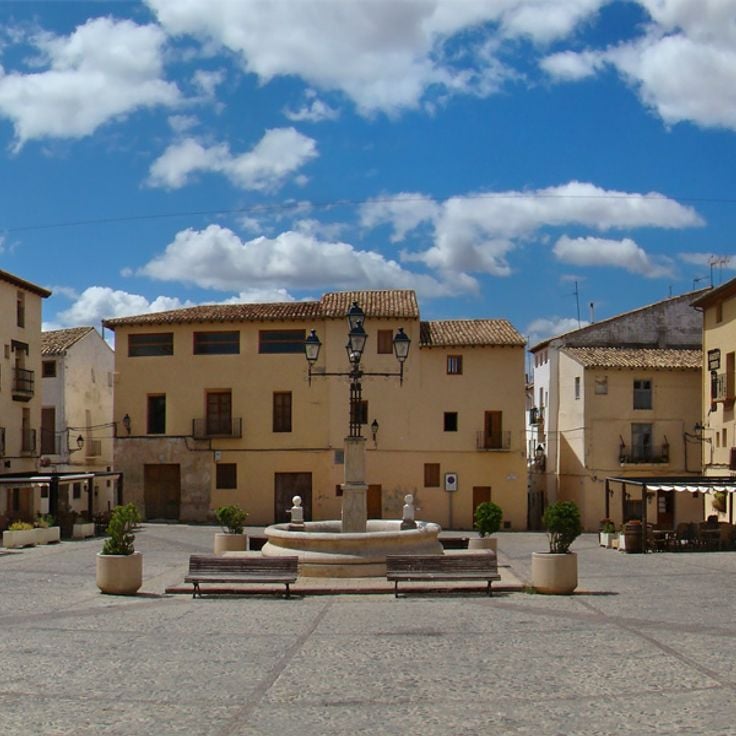
In the middle of the Mediterranean, the Valencian Community offers a series of villages on hills, white shores, and buildings that tell of many years of life.
The Valencian Community in Spain stretches along the Mediterranean, between the sea and the mountains. This region includes the city of Valencia with its Arts and Sciences complex, its historic center around the cathedral and the Silk Exchange, and the Turia Gardens that cross the city. To the north, the province of Castellón has villages such as Peñíscola and Morella, perched on cliffs, as well as the Espadán mountain park. To the south, the province of Alicante holds Alicante itself, Elche with its palm grove listed by UNESCO, and villages like Altea or Guadalest set in the countryside.
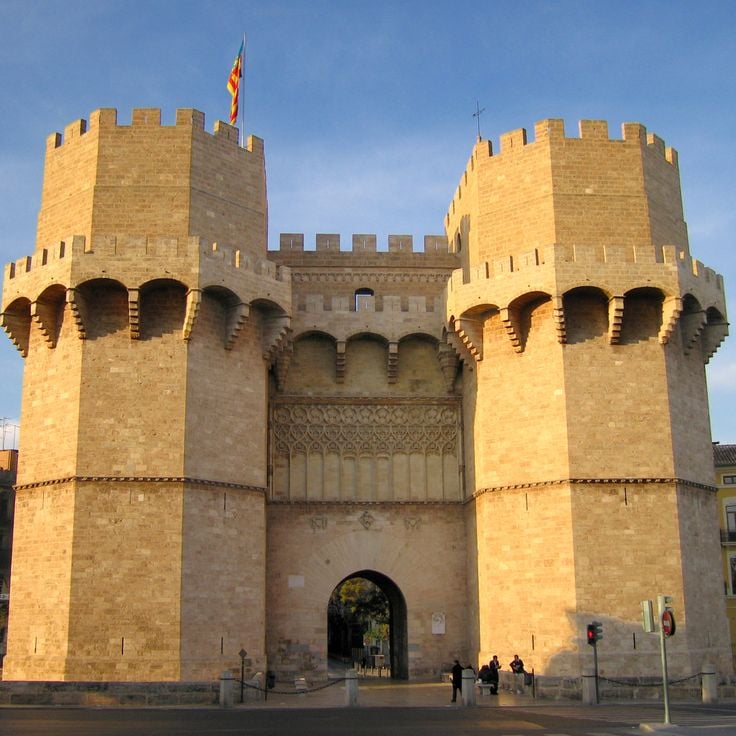
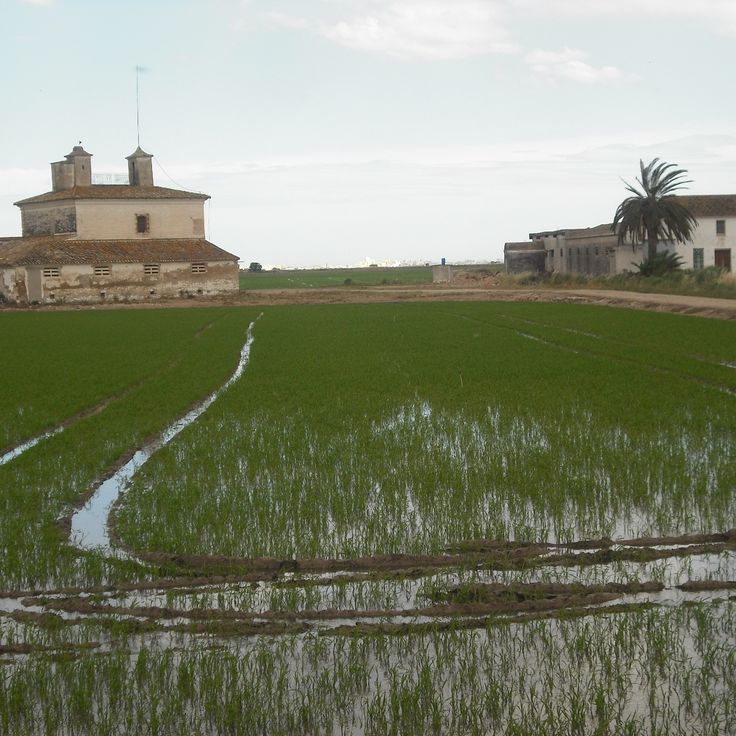
This selection takes you through these three provinces to show what defines the area: medieval monuments like the Serranos Towers in Valencia, baroque churches, Moorish castles, and natural places like the Albufera park where rice fields grow, or the cape of La Nau facing the sea. You will find lively neighborhoods like the Carmen district, markets like Valencia's Central Market, and beaches stretching from Costa del Azahar to Costa Blanca.
In the middle of the Mediterranean, the Valencian Community offers a series of villages on hills, white shores, and buildings that tell of many years of life.
The Valencian Community in Spain stretches along the Mediterranean, between the sea and the mountains. This region includes the city of Valencia with its Arts and Sciences complex, its historic center around the cathedral and the Silk Exchange, and the Turia Gardens that cross the city. To the north, the province of Castellón has villages such as Peñíscola and Morella, perched on cliffs, as well as the Espadán mountain park. To the south, the province of Alicante holds Alicante itself, Elche with its palm grove listed by UNESCO, and villages like Altea or Guadalest set in the countryside.
This selection takes you through these three provinces to show what defines the area: medieval monuments like the Serranos Towers in Valencia, baroque churches, Moorish castles, and natural places like the Albufera park where rice fields grow, or the cape of La Nau facing the sea. You will find lively neighborhoods like the Carmen district, markets like Valencia's Central Market, and beaches stretching from Costa del Azahar to Costa Blanca.
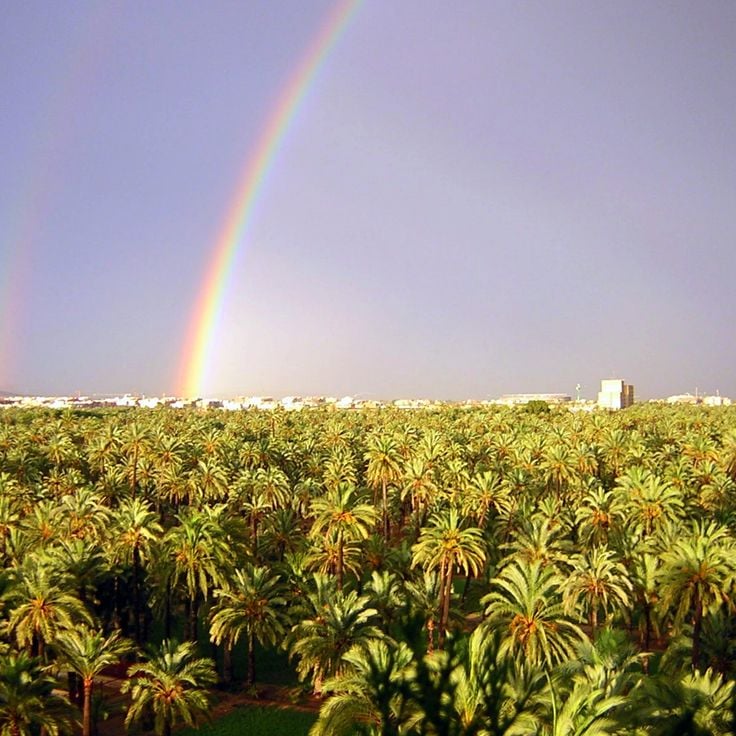
The Palmeral of Elche is a palm grove in the heart of the city, recognized as a UNESCO World Heritage Site. Thousands of date palms have shaped the landscape and daily life here since the Middle Ages. Walking through the gardens, you can see how an old irrigation system keeps the soil fertile in an otherwise dry area. The palms are part of everyday life in Elche and give the city a character found almost nowhere else in Europe.
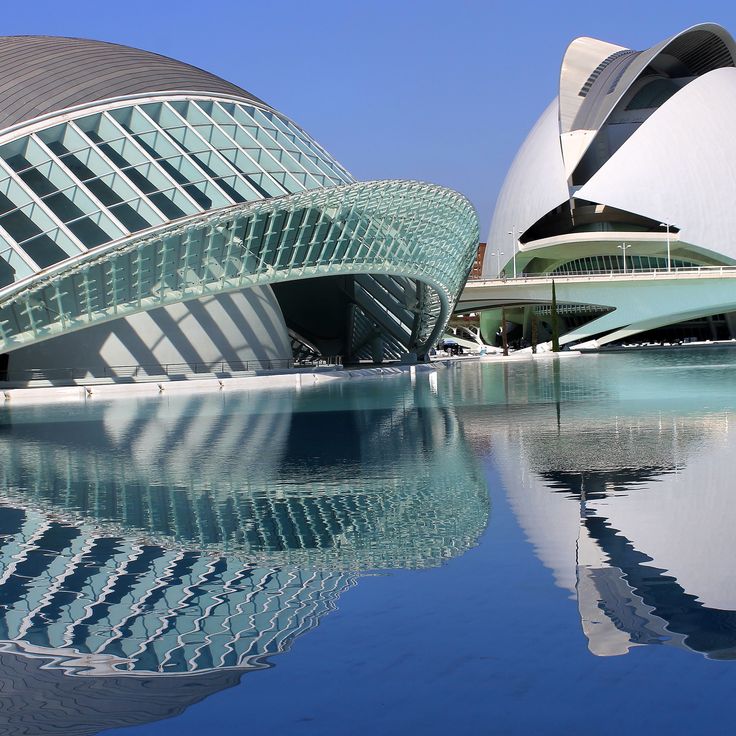
The City of Arts and Sciences is a modern building complex in Valencia that rises on the former riverbed. The complex houses an Oceanographic Museum where you can observe marine life, a geodesic building with its characteristic white form, and spaces dedicated to culture and exhibitions. The complex connects museums, gardens, and open plazas where people stroll, rest, and enjoy art. Here contemporary architecture coexists with green spaces, creating a place where history, nature, and modern creativity meet.
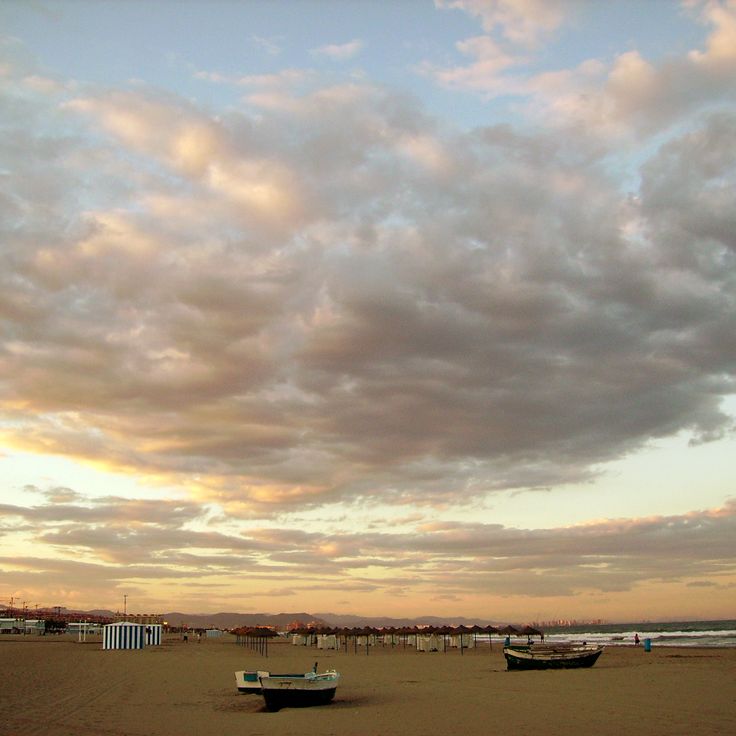
Malvarrosa Beach is the main beach of Valencia, running along the Mediterranean coast. A wide palm-lined promenade connects several beach sections and is dotted with restaurants and cafés where you can stop for a meal or a drink after a swim. The beach is popular with locals and visitors alike and is easy to reach from the city center by public transit.
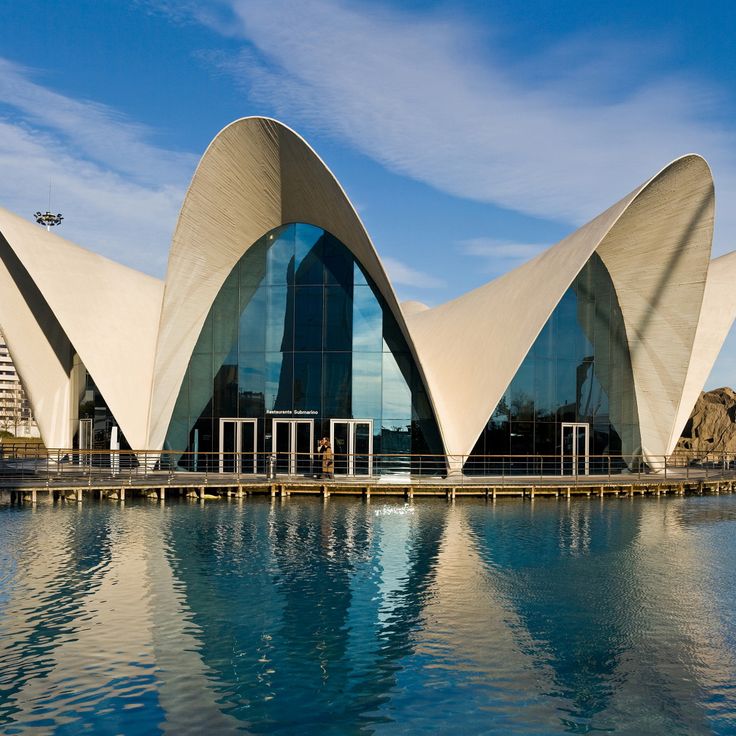
The Oceanografic is a large aquarium in Valencia, part of the City of Arts and Sciences. Here visitors can explore the diversity of marine life from different oceans and ecosystems. The building has an unusual shape and stands out as a landmark in the modern city. You move through different habitats and learn how sea creatures live in their natural environments.
The Barrio del Carmen is one of the oldest neighborhoods in Valencia. Its narrow streets still follow their medieval layout and are covered in murals and graffiti. Small shops, art galleries and cafes line the way. Walking through its winding lanes, you come across new works on the walls at every turn, and get a real sense of how people live and gather here day to day.
The Albufera Nature Reserve is a coastal lagoon south of Valencia that provides habitat for numerous bird species. The water and wetlands around the lagoon attract migratory birds and create a special environment. Reed beds surround the lagoon, and traditional fishing boats float on the water. Rice paddies in this region have shaped the landscape for centuries. At sunset, the sky over the lagoon fills with warm colors, and the quiet is broken only by the calls of water birds.
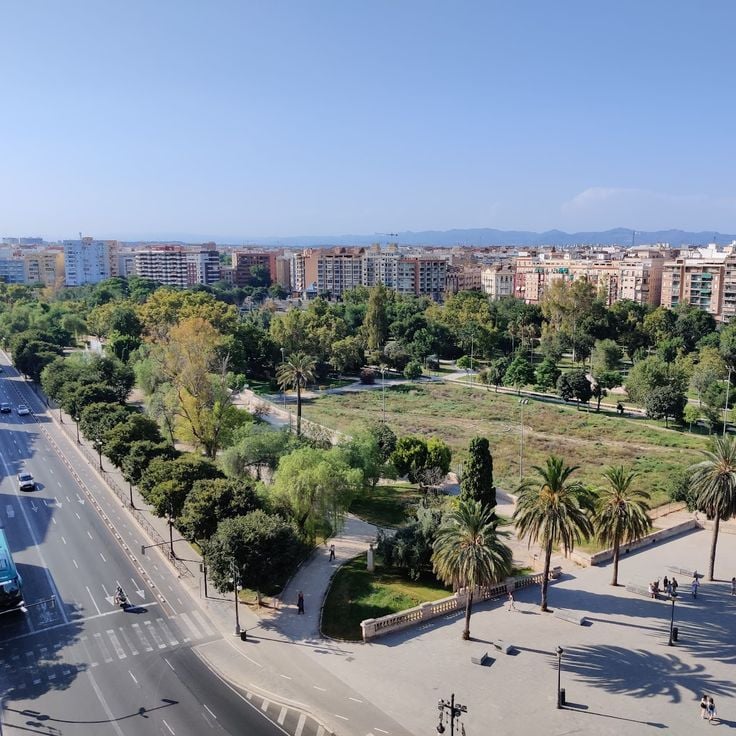
The Turia Gardens in Valencia occupy the site of a former riverbed and form a green ribbon running through the city. People use this park for walking and cycling, and it connects different neighborhoods together. The park is flat and easy to walk through, with trees and planted areas that stretch for several kilometers. It runs from the western outskirts to the City of Arts and Sciences in the east and is used daily by residents and visitors.
The Torres de Serranos are fortified gates from the 14th century that once served as the northern entrance to Valence's medieval walled city. These towers formed part of the city's defensive structure and display the architectural style of that period. The gates stand as a reminder of Valence's historical development during the Middle Ages and remain a focal point in the city center. They represent an important part of the city's past and the urban layout that defined medieval Valence.
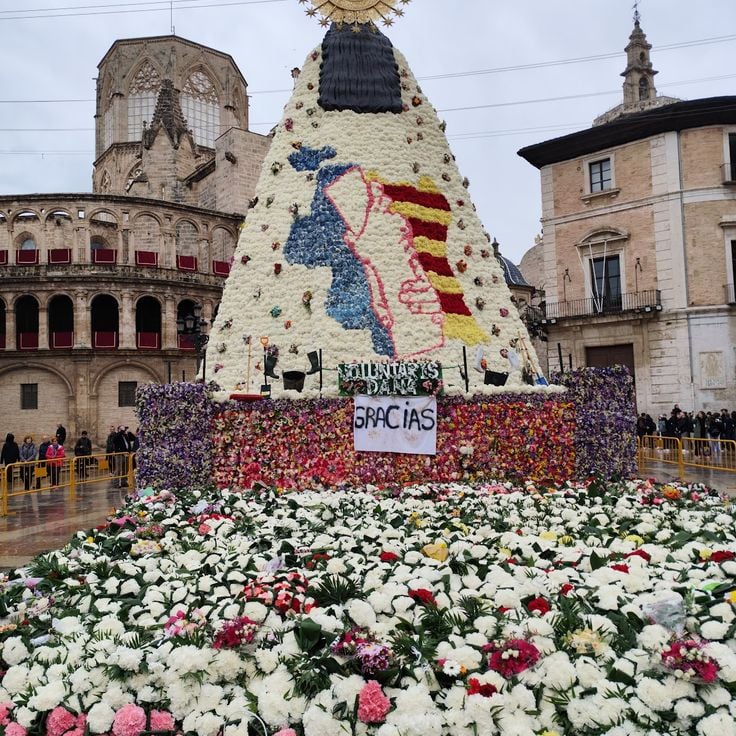
The Place of the Mother of God is a historic center in Valencia with old squares, traditional buildings and fountains. This location captures the character of medieval Valencia with its narrow streets and classic structures. The squares here invite you to linger, surrounded by facades that tell stories from different periods. Fountains and small green spaces shape the atmosphere and create a refuge within the city.
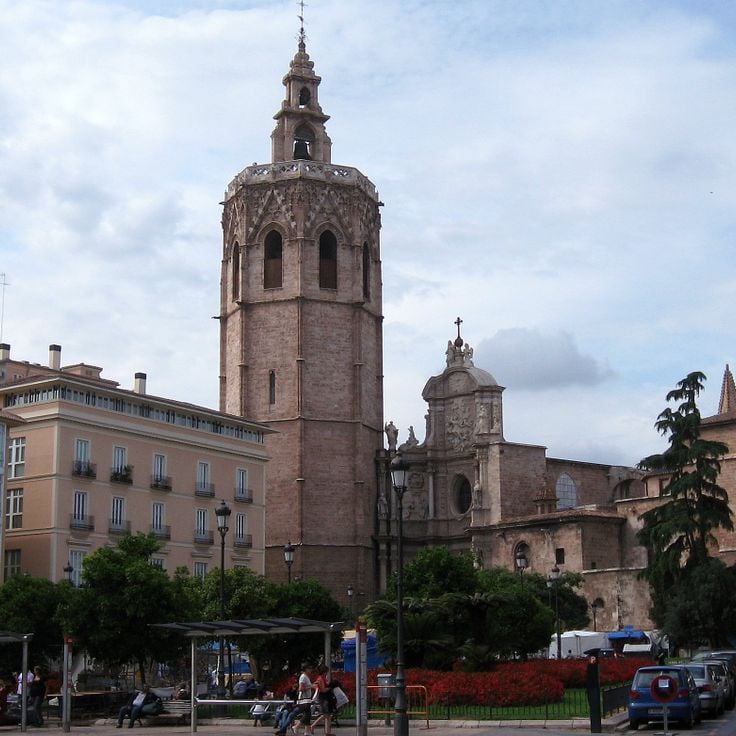
The Micalet is the distinctive bell tower of Valencia's Cathedral. This Gothic tower dates from the 13th century and defines the city's skyline. Climbing to the top offers views across the entire city. The tower blends Romanesque, Gothic, and Renaissance elements, reflecting the construction work of several periods. It stands next to the Cathedral itself, which is also from this era and serves as an important religious center in the city.
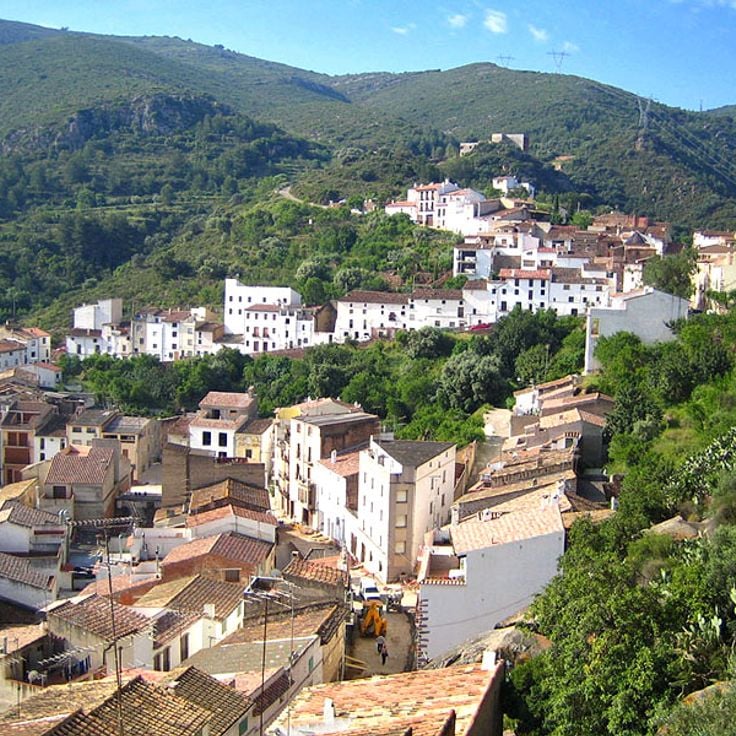
Vilafames is a village perched on a hill in the province of Castellón. Narrow streets and stone houses show typical medieval architecture. A local museum displays art and history from the area. From the top, you can see the surrounding plain and landscape. Vilafames belongs to the Valencian Community, where villages like this preserve the medieval past and connection to nature.
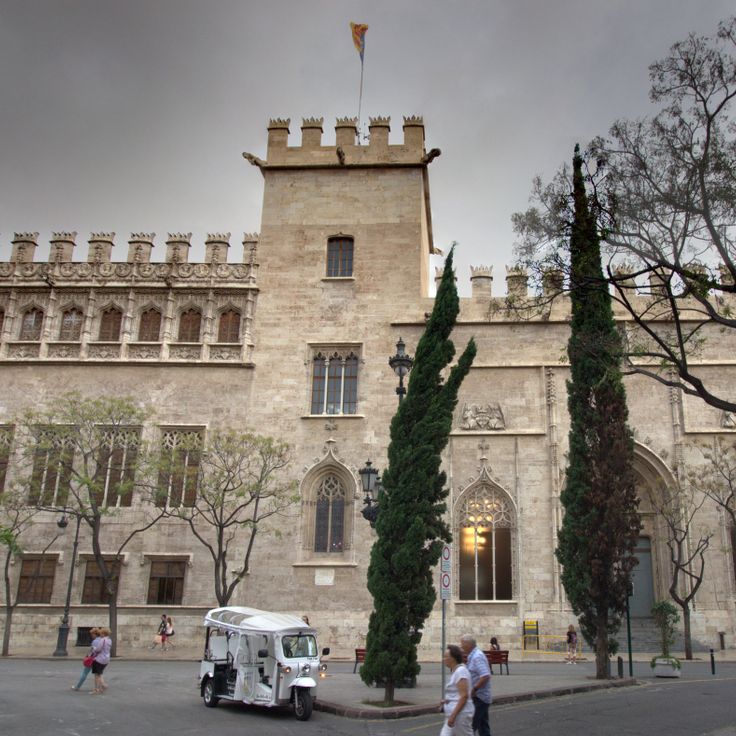
The Lonja de la Seda in Valencia is a 15th-century Gothic building that once served as a silk market. This structure reflects the region's economic importance during the Middle Ages. It is listed as a UNESCO World Heritage site and sits in the heart of Valencia's old town, near the Cathedral. The architecture tells the story of trade and craftsmanship in this Mediterranean region.
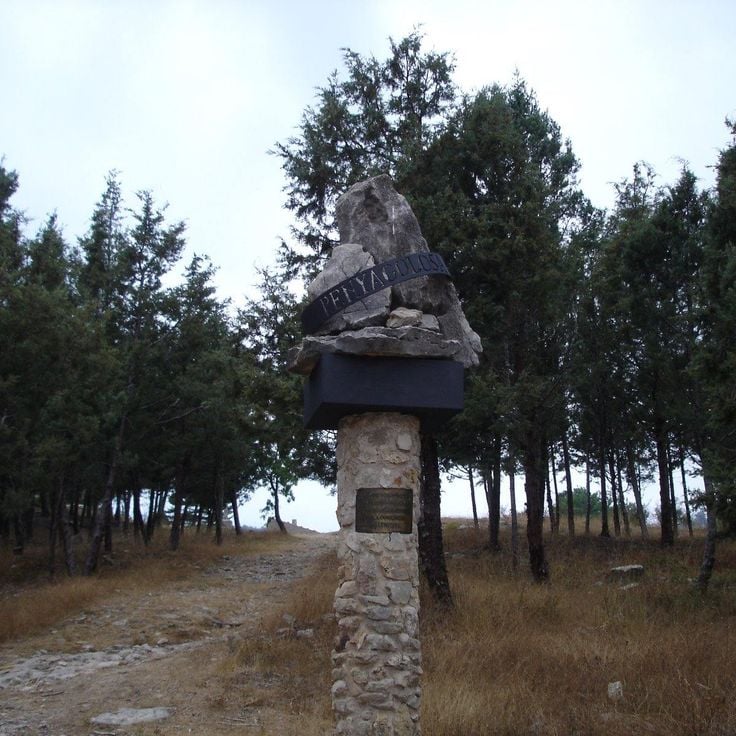
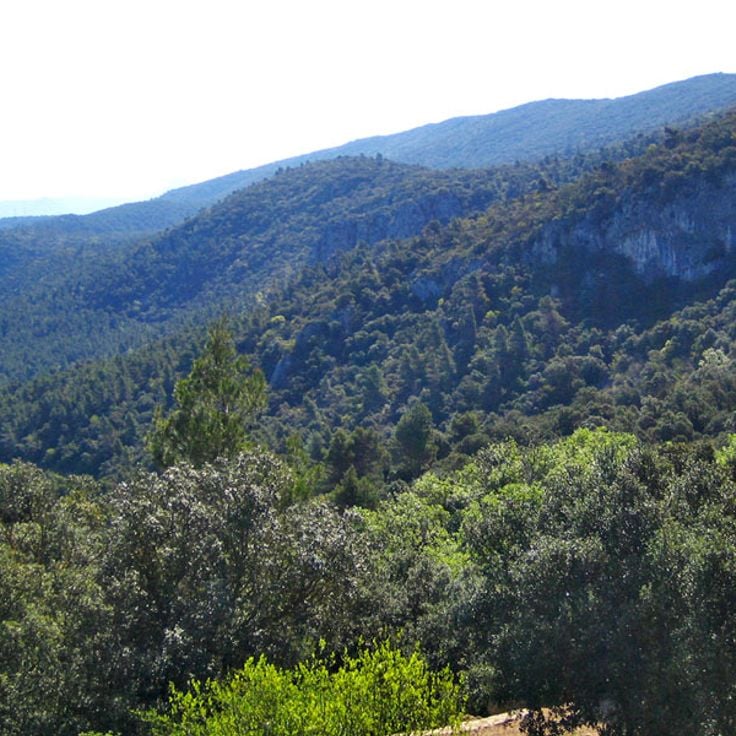
Penyagolosa Natural Park lies in Castellón province and offers walking trails through forests and elevated terrain. This park protects a natural area with varied plant and animal life. Visitors can walk through the landscape and enjoy views across the region from higher points. The park is part of the Valencian Community, which extends between the Mediterranean Sea and mountains, offering natural spaces like these forested hills alongside coastal areas and medieval villages.
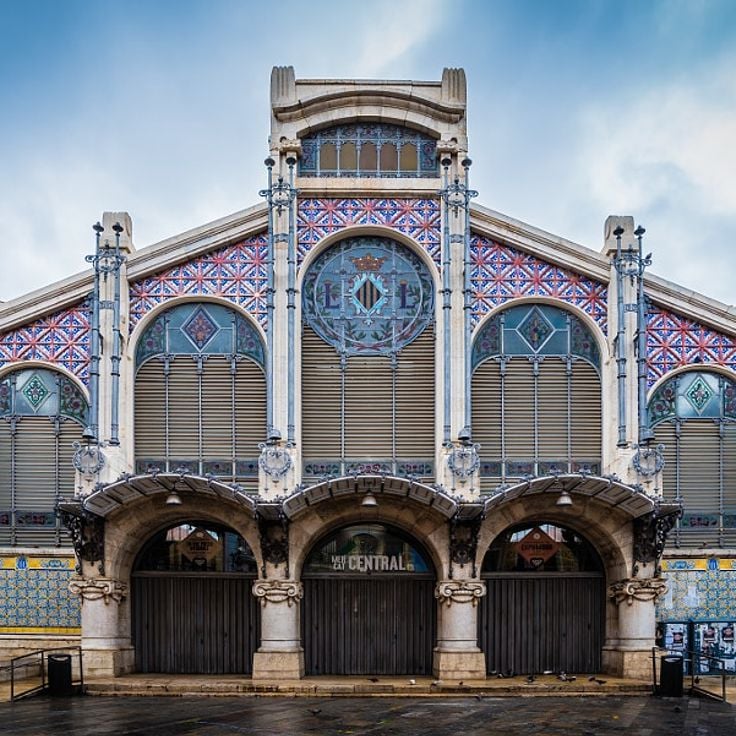
The Central Market of Valencia is a large covered marketplace in the heart of the city. You will find local products, fresh fruits and vegetables from the region here. The market is a lively place where city residents come to shop and gather. The building's architecture dates from the early 20th century and shows the importance that Valencia has always placed on trade and commerce.
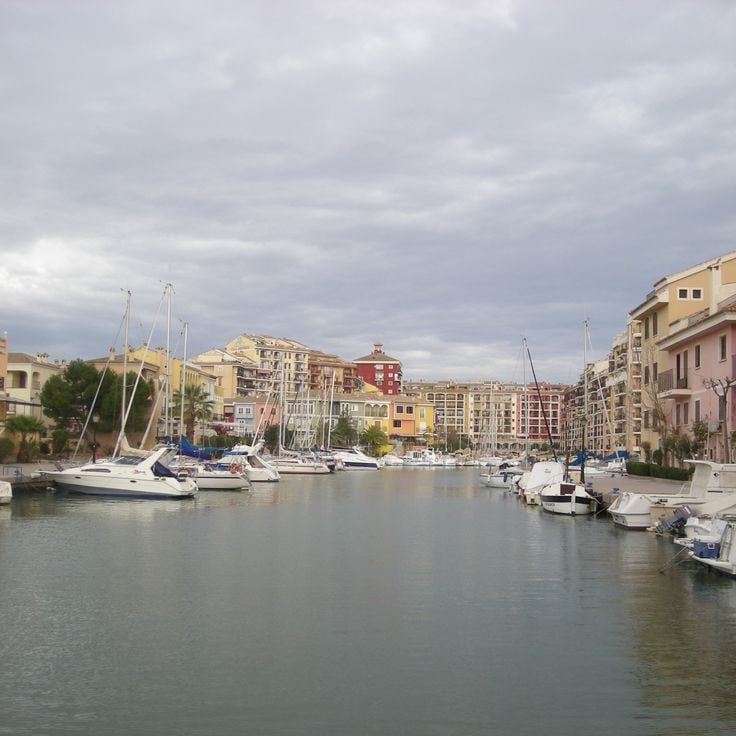
Port Saplaya in Alboraya is a small residential marina shaped by Venetian-style canals and walkways. Houses line the waterfront, and small bridges connect different areas. This place offers a quiet spot for strolling and enjoying the water close to Valencia.
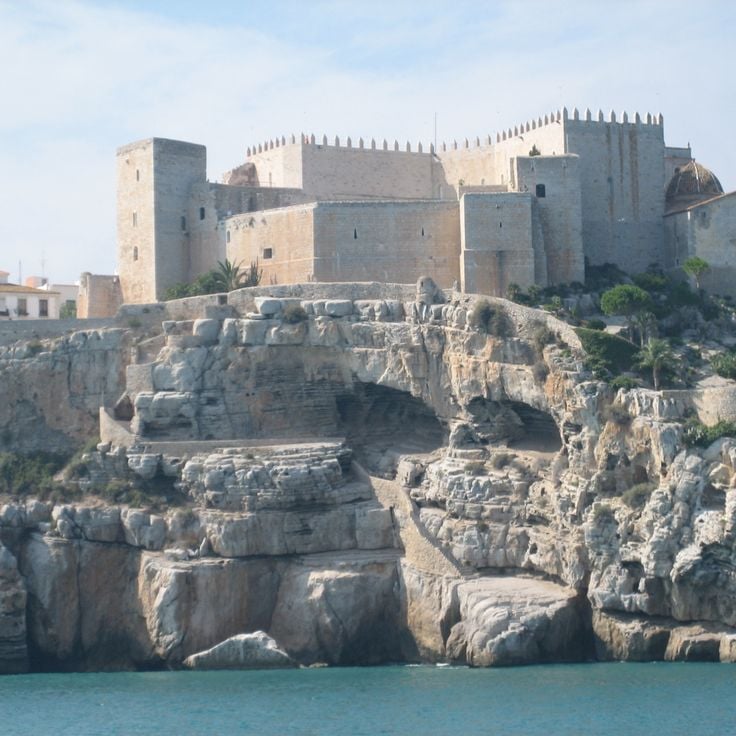
Peníscola is a coastal village in the Castellón province that sits on a rocky outcrop extending into the Mediterranean Sea. A fortress from the 14th century dominates the highest point of the village, commanding views of the surrounding landscape. Narrow streets wind through the old village toward the fort, passing white houses with small windows. Below, beaches stretch on both sides of the rock, forming several coves and pebble shores. The water here is particularly clear, and from the village you can see far out to sea. The fortress was built in the Middle Ages as a defensive structure and continues to shape Peníscola's character today.
Santa Barbara Castle rises above the city of Alicante and tells the story of this coastal region. This medieval fortress was built on a rock to protect the population from attacks from the sea. Visitors can walk through rooms that reveal the city's past. From the walls, you look down at Alicante, the port, and the sea stretching to the horizon. The castle shows how defense was crucial for this seaside settlement.
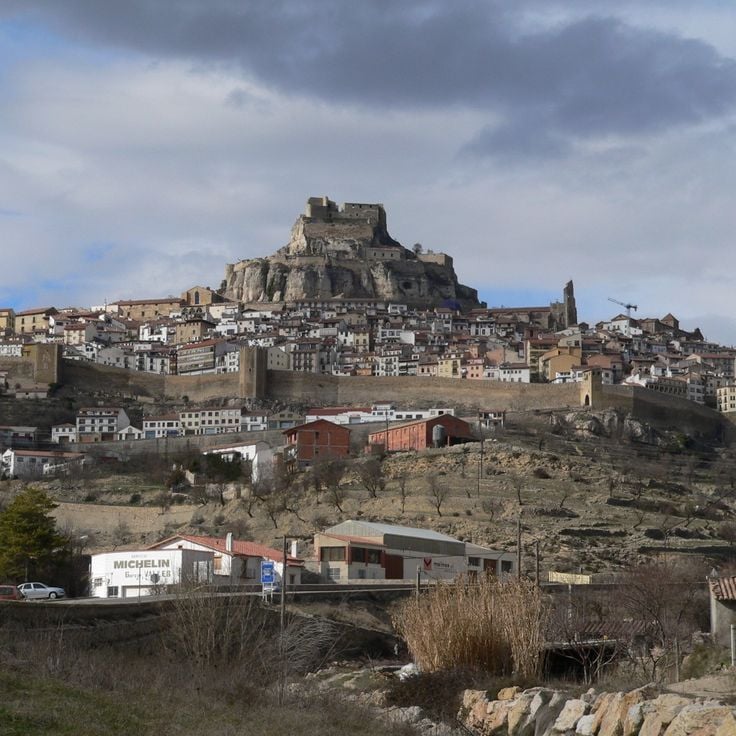
Morella Castle rises above this fortified city in the northern province of Castellón, part of the Valencian Community. This medieval fortress has shaped the appearance of the city from its summit for centuries. As you climb toward the castle, you see the walls and towers up close and understand how the city spreads below and how the surrounding mountain landscape appears. The castle reflects the history of this region, which lies between the sea and mountains and carries strong connections to its medieval past.
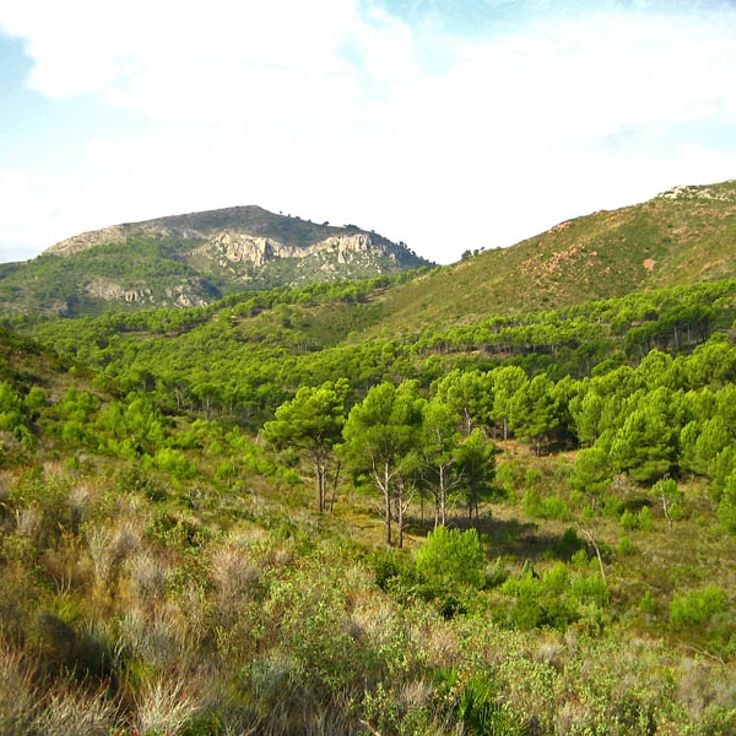
The Tinença de Benifassa Natural Park is located in northern Castellón and is a forested area crossed by hiking trails through mountainous terrain. Pines and oaks characterize this region, which extends between valleys and higher elevations. The park offers several pathways that wind through the landscape and provide views of the surrounding areas. At the Tinença de Benifassa Natural Park, you can explore nature and discover the inland areas of Castellón.
The Désert de les Palmes is a natural park near Benicàssim, in the province of Castellón. The terrain is hilly, with rocky outcrops, ravines, and viewpoints overlooking the Mediterranean coast. Walking trails wind through pine forests and open areas with low scrub vegetation. The park offers a good way to explore the landscape between the mountains and the sea on foot.
Oropesa del Mar is a coastal village on the Costa del Azahar with a historic watchtower that protected the coast for centuries. The village stretches along the shoreline with a pleasant seaside promenade where visitors can walk and watch the sea. The wide sandy beach invites swimming, while the old fortress forms the heart of the place and offers insight into its past as a fortified port.
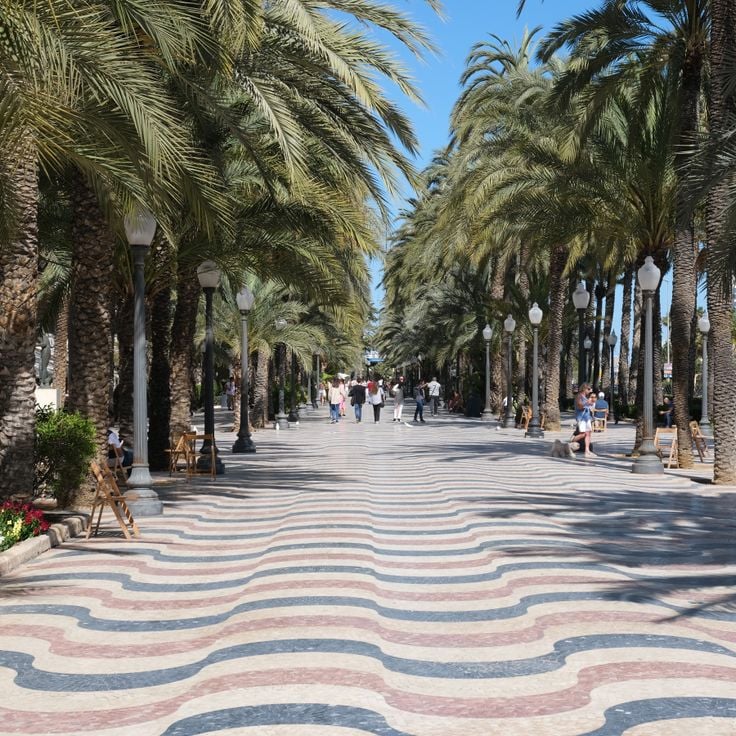
The Explanada de Espana is the main walkway in Alicante that runs along the Mediterranean. Rows of palm trees line the path and provide shade on hot days. Along the promenade, you will find cafes and restaurants where you can sit and watch the sea. The beaches along the coast are easy to reach. Locals and visitors come here to walk, meet friends, or just enjoy the sea.
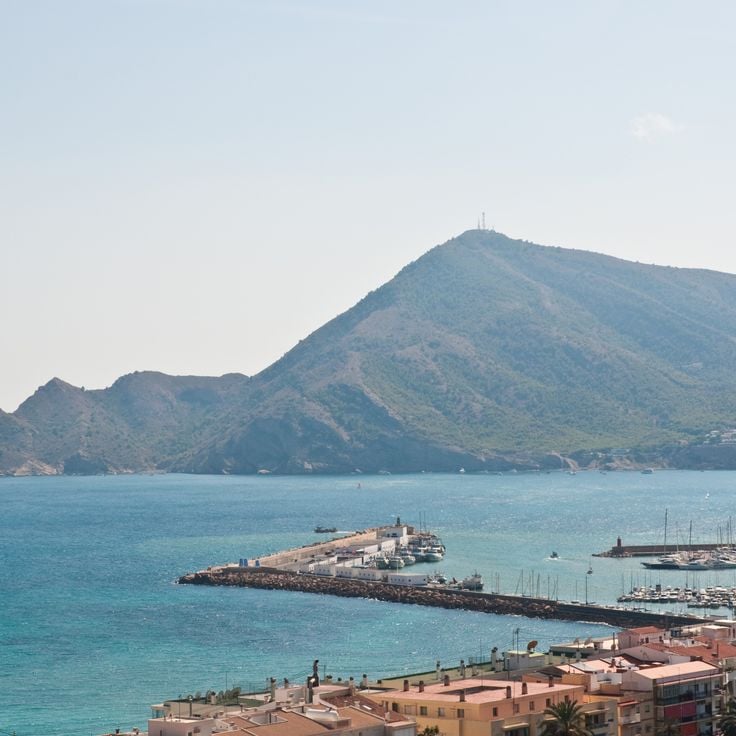
Sierra Helada is a coastal protected area near Benidorm featuring steep cliffs, hiking trails, and views over the bay. The territory spreads along the Mediterranean coast with rock formations and elevated viewpoints. Visitors can walk through the protected space, watch local bird species, and enjoy panoramic views of the coast and sea. This place represents the natural scenery that defines the diverse ecosystems of the Valencian Community.
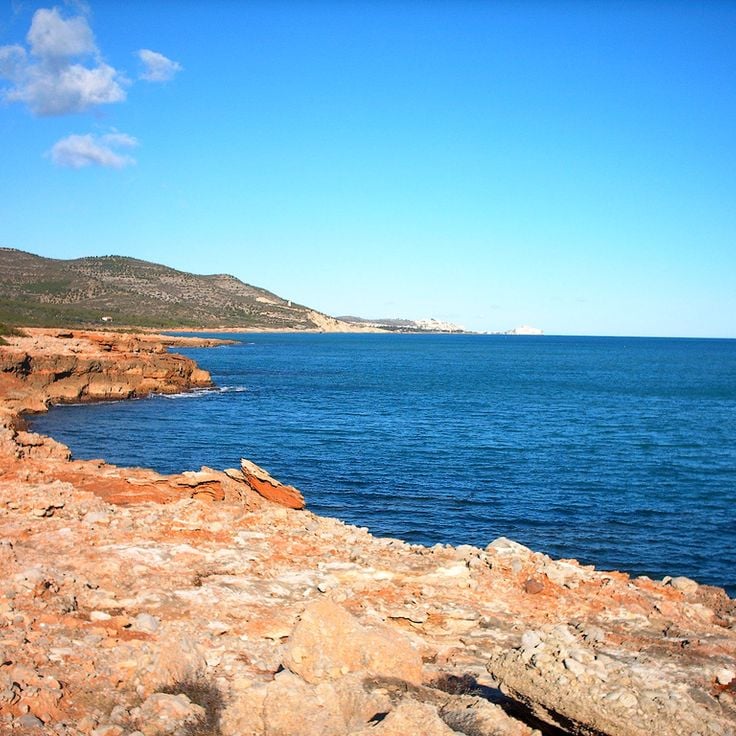
The Sierra d'Irta Natural Park is a coastal mountain range near Peníscola. Here you will find hiking trails that wind through pine forests and offer views of steep cliffs. The park stretches between the sea and the mountains. The paths are easy to walk and lead to viewpoints where you can see the water. It is a quiet place to spend time in nature.
Benicassim is a coastal town in Castellón province along the Costa del Azahar. Long sandy beaches and a seaside promenade invite visitors to stroll and relax. The town has grown as a beach destination with tourist services and amenities. Benicassim offers the combination of sea relaxation and modern coastal facilities that draw people seeking sun and sand.
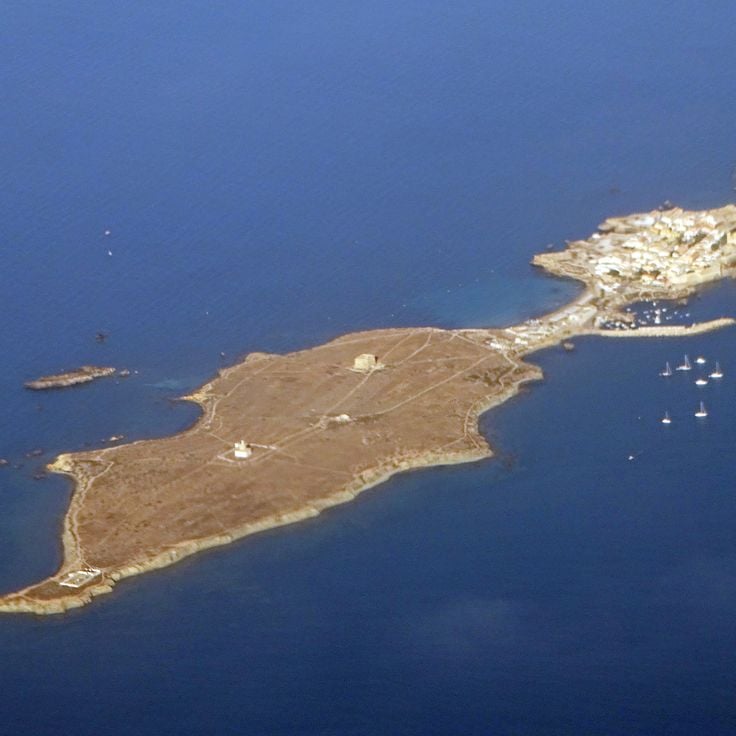
Tabarca Island is a small island off the coast of Alicante, notable for its marine reserve and fishing village. The village features narrow streets, traditional houses, and a harbor where fishing boats are moored. Beaches of pebbles surround the island, inviting swimming and snorkeling. The water is clear and full of marine life. You can observe how residents have lived from fishing for generations, a way of life that continues today.
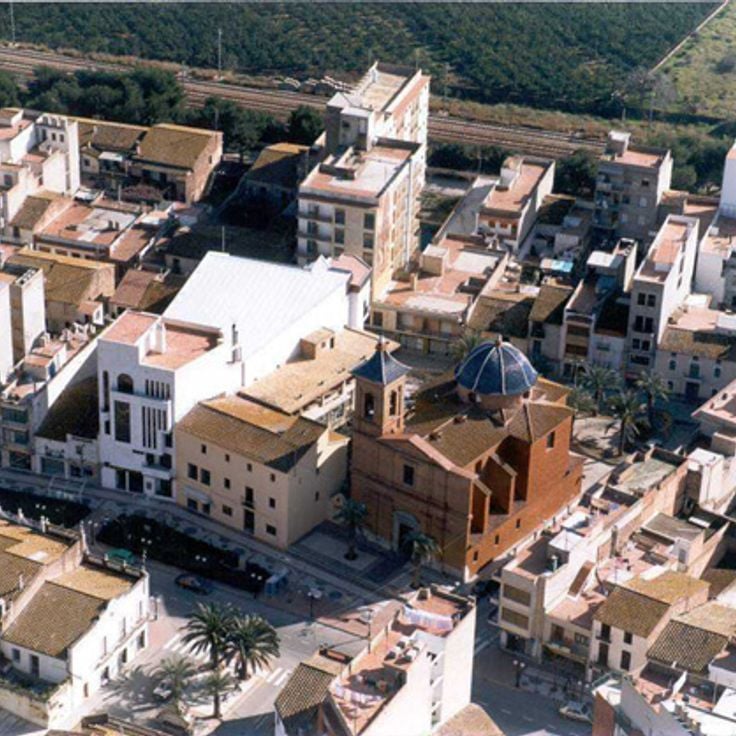
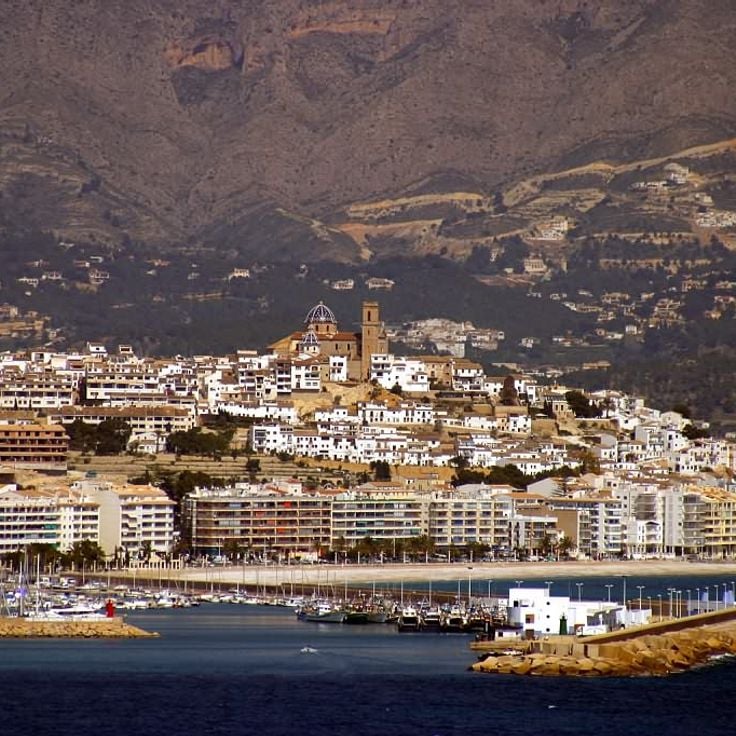
Altea is a white village in the Alicante province, built on a hillside with tightly clustered houses climbing up the slope. The church with its blue dome stands out above the rooflines. Walking through the narrow streets reveals glimpses of the Mediterranean at every turn. Artists and visitors move slowly through the quiet passages, pausing to enjoy the sea views from above.
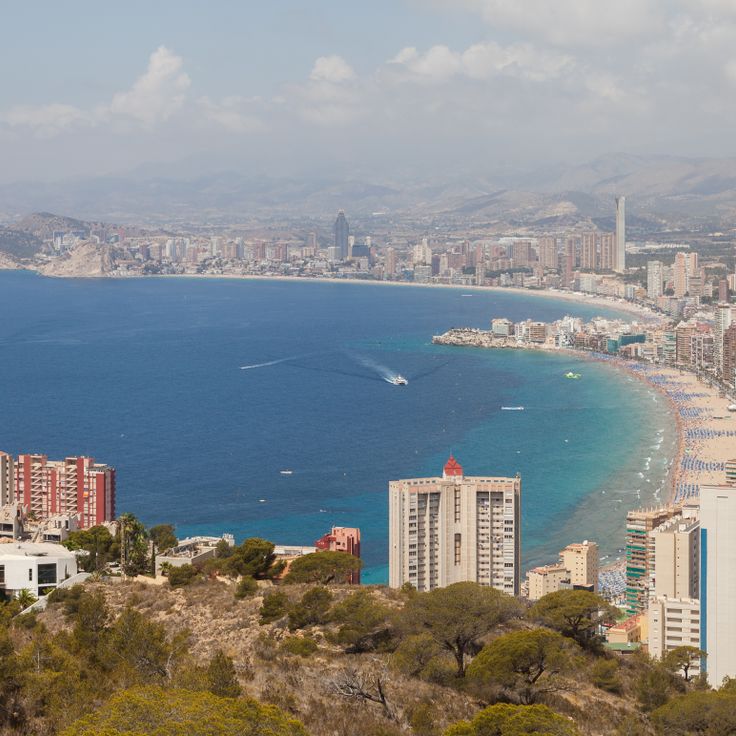
Benidorm is a seaside town on the Costa Blanca with wide sandy beaches and a modern boardwalk. The city is known for its tall buildings lining the coast. There are lively beaches where tourists and locals gather, as well as a busy nightlife. The area also offers access to nearby natural landscapes and small coves.
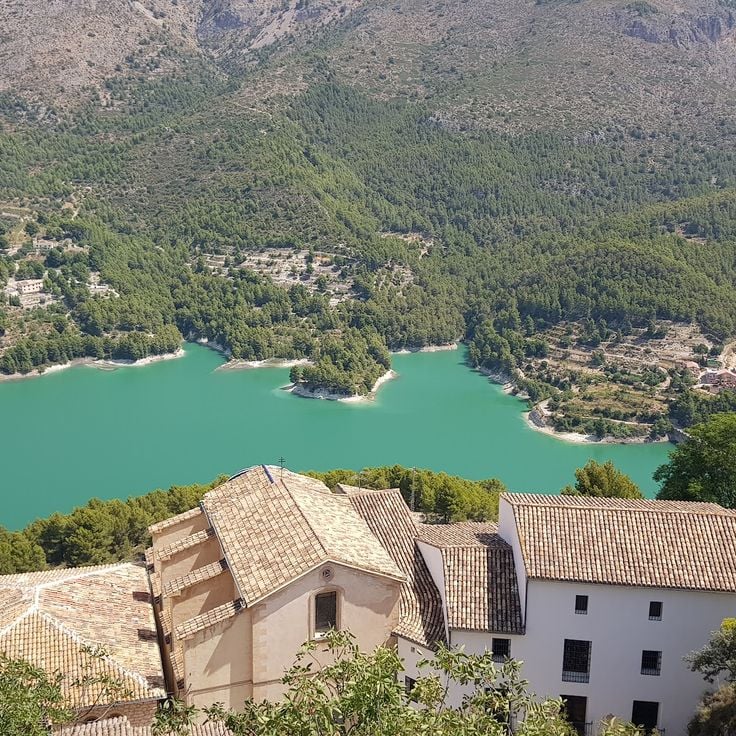
The Castle of Guadalest rises above a village built on a rock in the province of Alicante. This medieval fortress dominates the landscape and offers views over the surrounding valleys. The castle shows how, in earlier times, people built their settlements in elevated positions for defense. Today, the castle and village draw visitors who want to understand the history of this region and how communities adapted to this terrain.
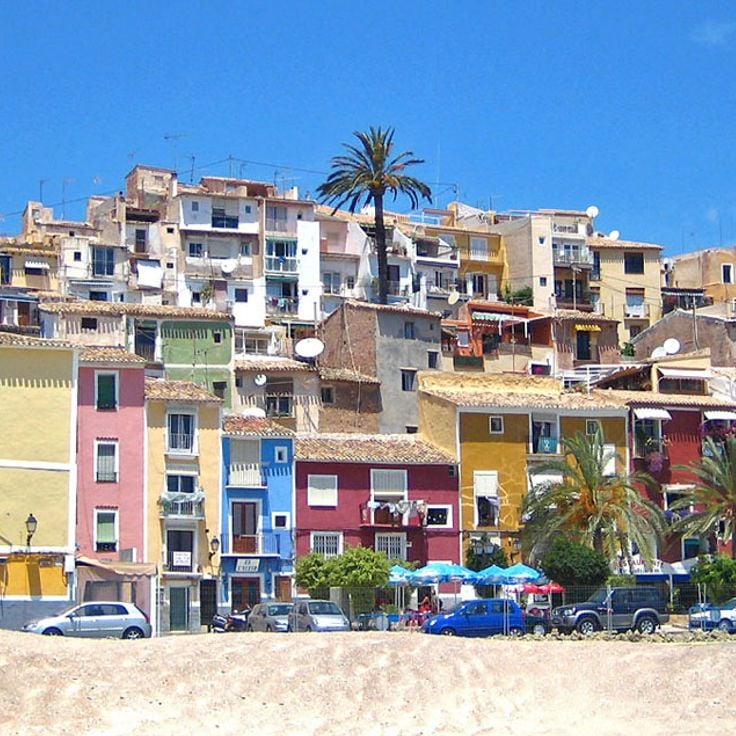
Villajoyosa is a coastal city in Alicante province where traditional houses with bright red, yellow and blue facades line the seafront. These colorful buildings reflect in the water and define the character of the old town. Narrow streets run through the center, while beaches and small coves offer swimming and leisure. The city blends its medieval past with vibrant beach life.
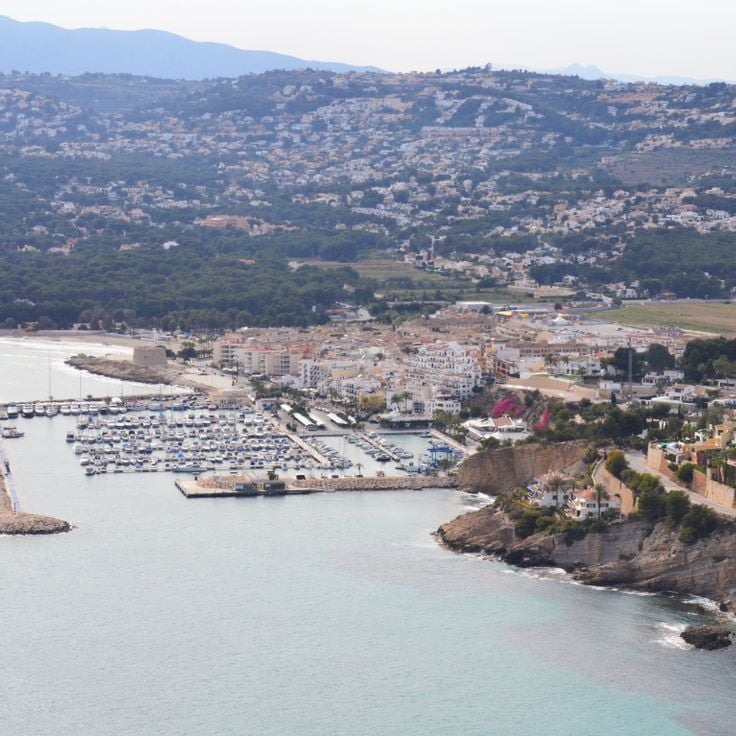
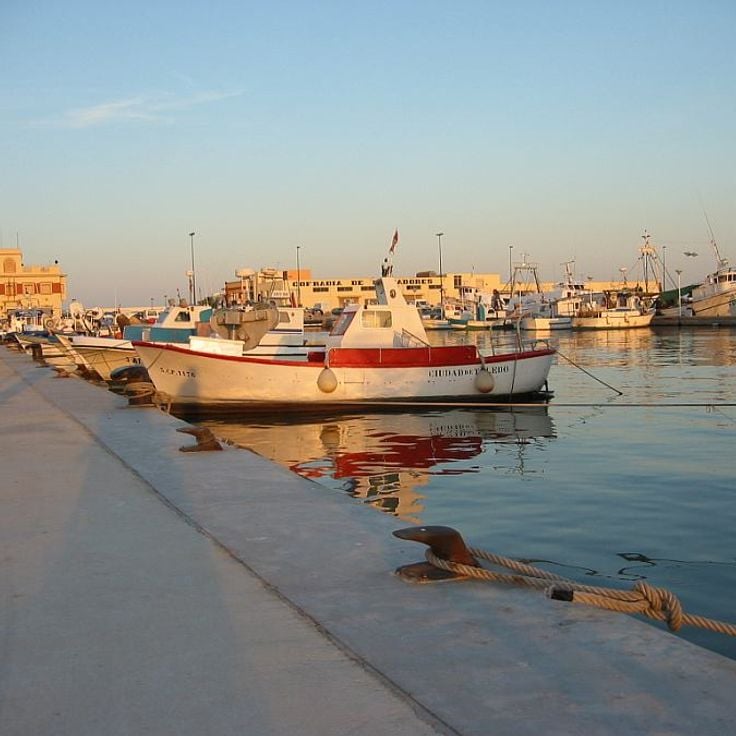
Moraira is a small coastal village on the Costa Blanca with coves and beaches that preserve the character of a fishing village. The port remains active and a walk along the waterfront invites exploration. Visitors come here for quiet days at the beach and to eat in local fish restaurants. The clear water and small coves offer good spots for swimming and exploring the coastline. This place in the Valencian Community shows the straightforward character of southern Alicante's coast.
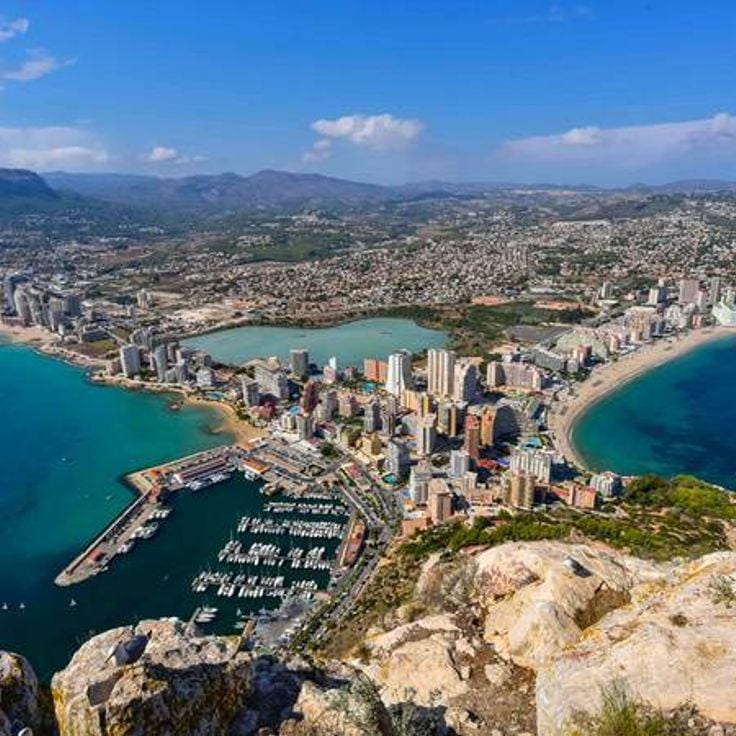
The Penon de Ifach near Calpe is a large rock that rises straight out of the Mediterranean Sea. A trail leads to the top, passing plants and birds that live in this protected nature reserve. The climb takes about 30 minutes and is manageable for most visitors. From the summit, the coastline opens up in both directions, with the sea stretching out in front of you. This spot sits at the heart of the Costa Blanca and gives a clear sense of how the Spanish Mediterranean coast looks from above.
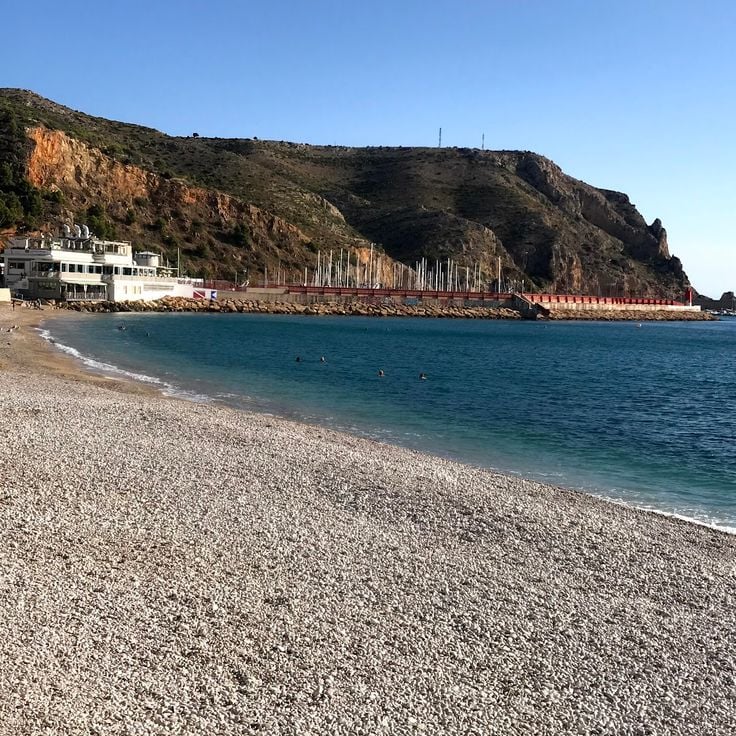
Jávea is a coastal town on the Costa Blanca nestled between rocky cliffs and small coves. The town offers coastal paths running along the cliffs with views over the sea. The center features narrow streets showing the traditional layout of an old town. An active harbor with fishing boats shapes daily life here. Beaches are tucked into sheltered coves. Jávea brings together the activity of a port town with quieter spots where you can watch the landscape.
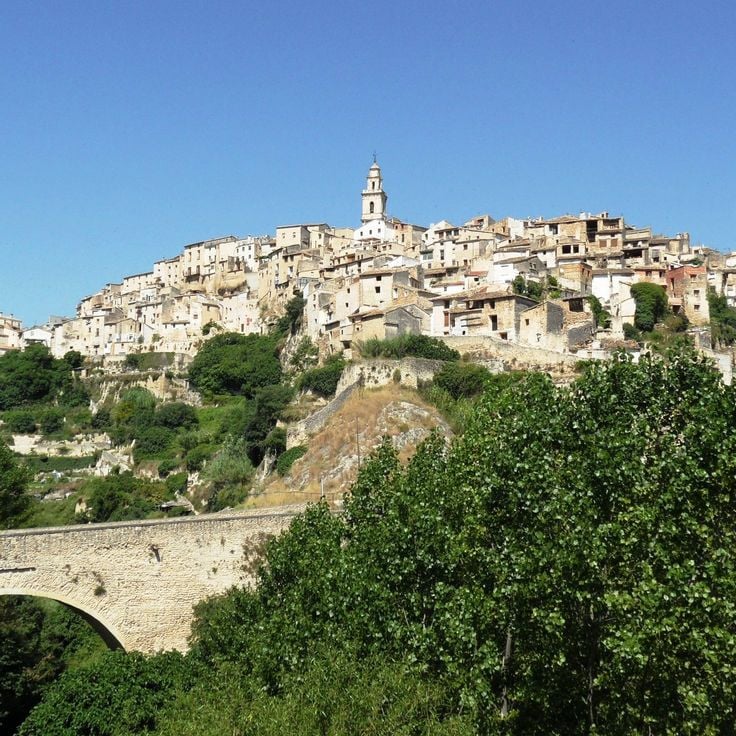
Bocairent is a mountain village in the Valencia region, marked by underground caves and traditional architecture. The village spreads across the hillsides and shows how people have lived in this area for generations. Houses cluster together densely, narrow streets wind through the settlement, and historical traces are visible everywhere. The caves beneath the village are especially noteworthy because they reveal how residents once quarried stone for their homes and used these spaces for storage and shelter.
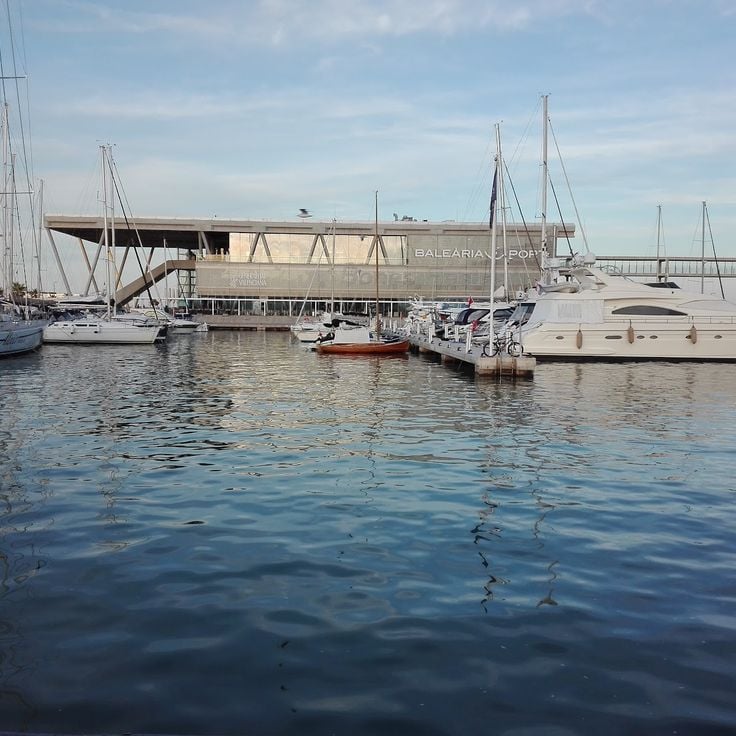
Denia is a port town on the Mediterranean coast dominated by a medieval castle that overlooks the sea. The harbor bustles with sailboats and fishing vessels. Ferries connect the town to the Balearic Islands from this port. Below the castle, the old town spreads through narrow streets where residents live and shops and restaurants gather. Beaches extend along the coast, and the waterfront promenade is where visitors and locals take their walks.
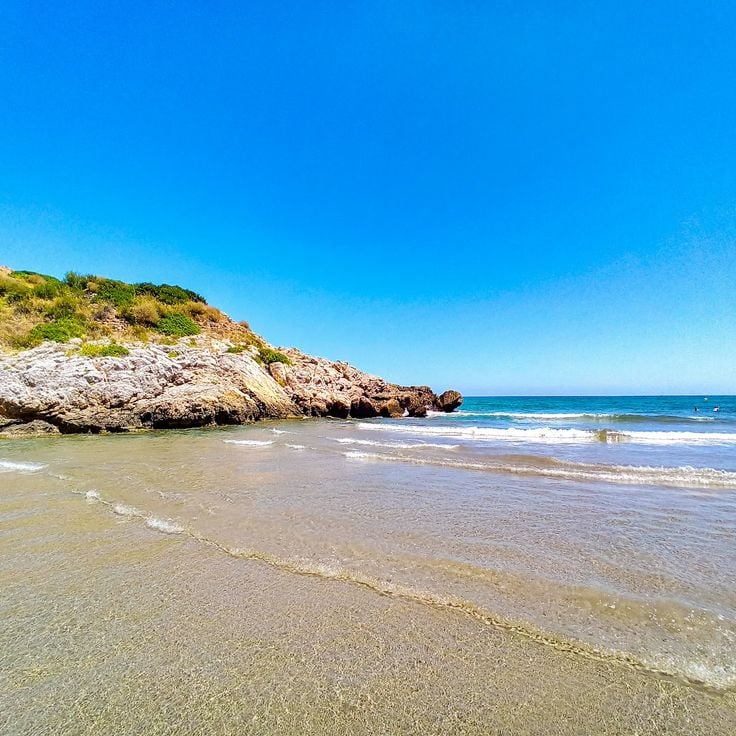
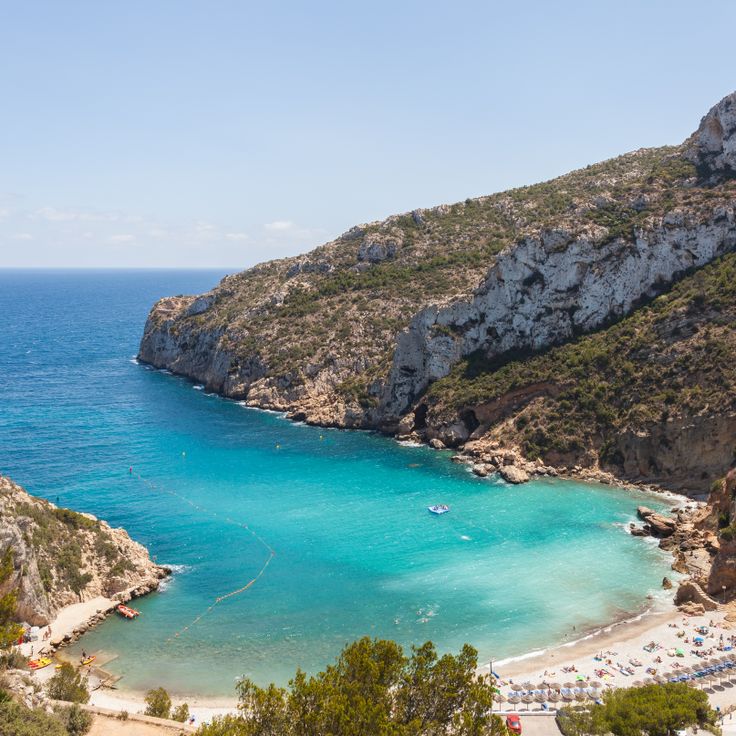
Cala Granadella in Jávea is a small cove with clear water and fine sand. A path winds through the landscape down to the beach. The cove sits between rocky cliffs and offers a quiet place to swim. The water is transparent and invites snorkeling. The beach stays uncrowded and keeps its natural character. This cove is one of the beautiful coastal spots in the Alicante region.
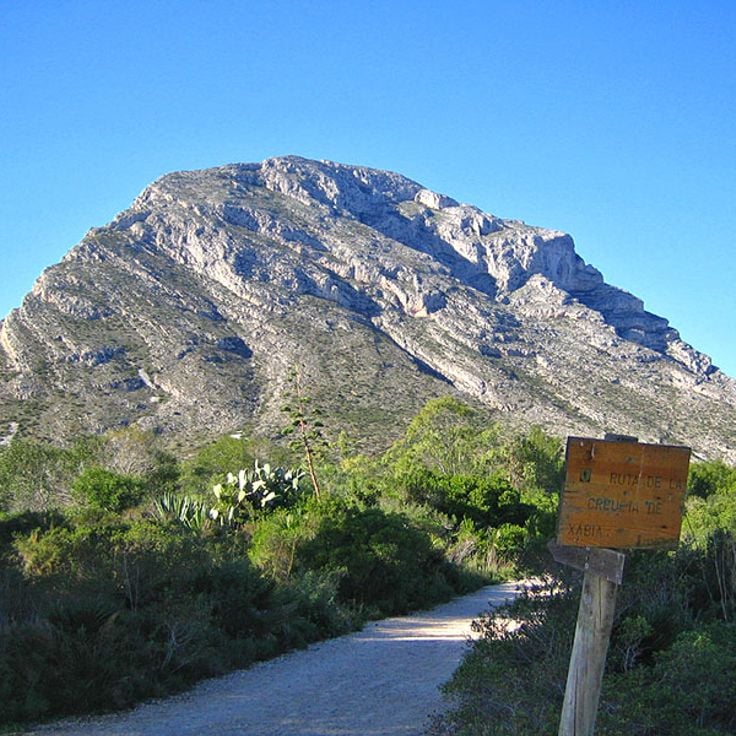
The Montgo Natural Park near Jávea is a protected area on the coast that offers hiking trails through mountainous slopes and cliffs overlooking the sea. The park is home to plants and animals adapted to the coastal environment. This natural space shows how nature and the sea meet here and forms part of the Valencia region's natural landscapes.
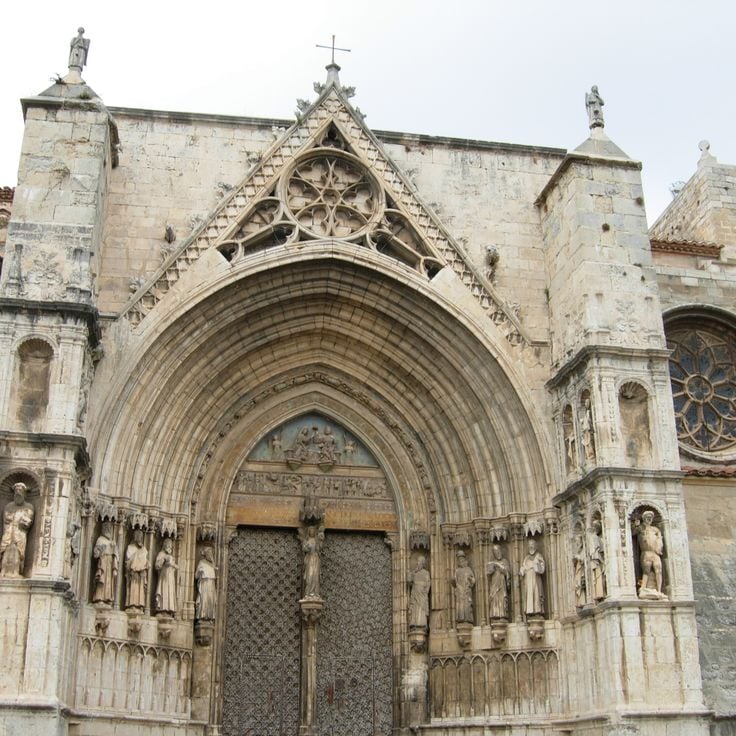
The Basilica of Santa Maria rises in the historic center of Elche, combining Gothic structures with a baroque facade. The building was constructed over several centuries, and the different phases of construction are visible as you walk through. The basilica is deeply tied to the religious life of the city and remains a natural gathering point for locals and visitors.
Santa Pola is a coastal town south of Alicante in the Valencian Community. This seaside city has been known for salt production for centuries, which you can explore at the salt museum. The town has wide sandy beaches for swimming and a busy harbor where fishing boats dock. The salt lagoons nearby attract birdwatchers. The old town preserves narrow streets and a small 16th century fortress.
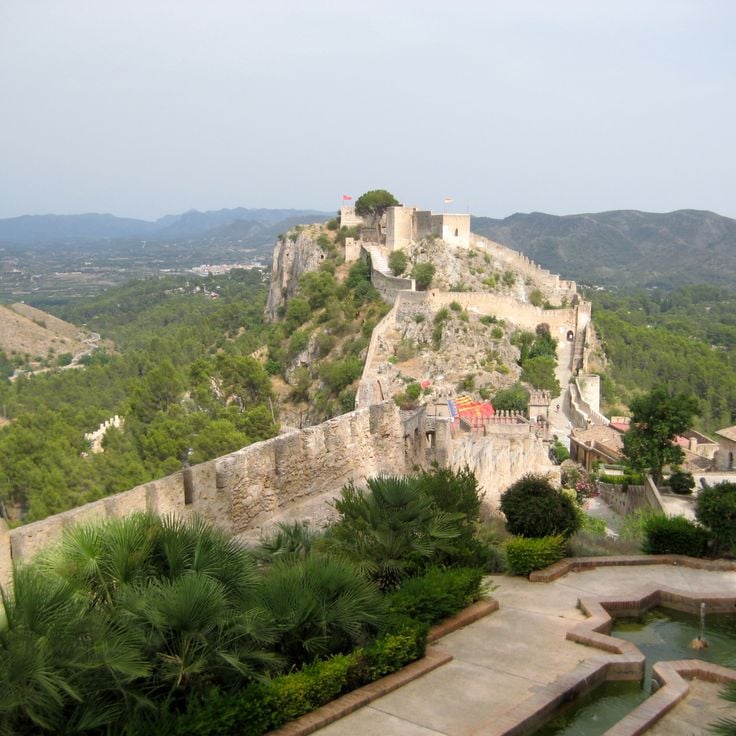
The castle of Xàtiva rises on a hill above this city, which has kept its importance through the centuries. The fortress spreads over the slopes with several defensive levels built in different periods. In the medieval town center below the castle, narrow streets and old buildings tell a complex past. This castle shows the shifts in power that shaped the region, from Moorish rulers to Christian kingdoms to local nobility.
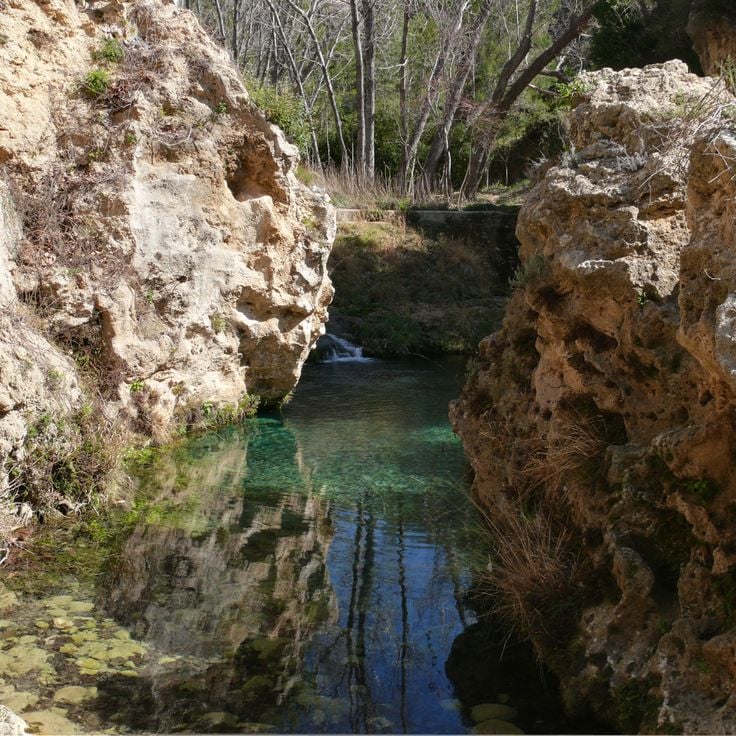
The Font Roja natural park near Alcoy is a protected forest area in the mountains where natural springs emerge. Trails wind through pine and oak forests filled with Mediterranean plants. The park sits near Valencia, in a region where mountains meet the coast and traditional villages nestle in the valleys. Visitors come here to walk among the trees and experience the quiet side of the region.
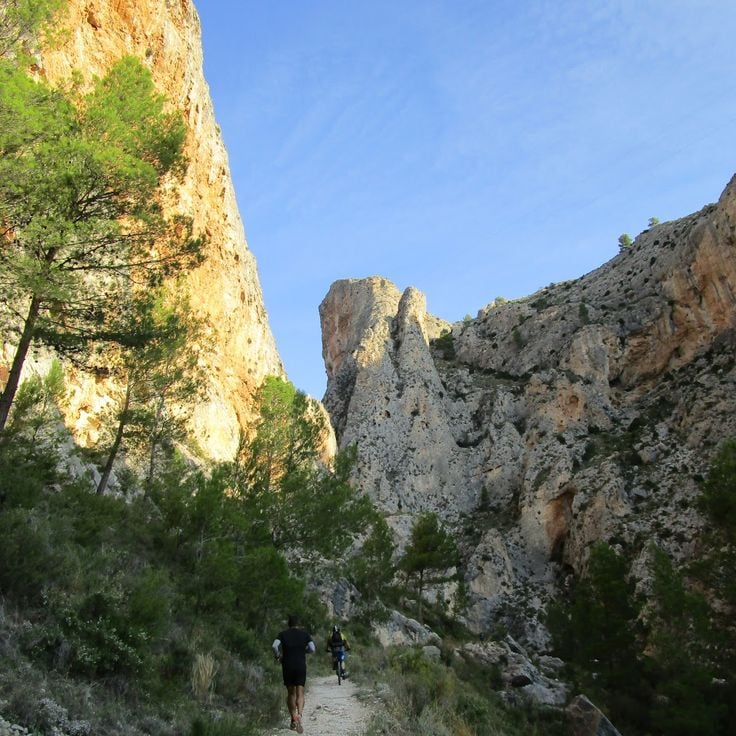
The Natural Park of Sierra de Mariola near Alicante spreads across mountain slopes with numerous hiking trails that wind through the landscape. Along the way, you encounter clear springs that emerge from limestone rock and white villages that blend naturally into the surroundings. The region is known for its medicinal plants and its history of nature cultivation. Here you find quiet moments among the mountains and the chance to explore on foot.
Requena is a town in the interior of the Valencian Community, known for its fortified old town, churches, and traditional wine cellars. The town shapes the region's identity through its medieval architecture and its deep winemaking tradition, rooted in local culture. Visitors can walk through narrow streets, explore historic buildings, and visit local wineries that have produced wine for generations.
The Natural Park of Salinas de Torrevieja y La Mata sits on the coast of Alicante province and protects two salt lagoons used for salt production for centuries. The park consists of shallow basins with varying salt concentrations, crossed by lakes and channels. Thousands of pink flamingos arrive here, particularly during the colder months. Marked trails lead to observation points where you can watch the birds and the activity in the water. The salinas create a distinctive landscape shaped by shades of pink, white, and blue.
The Palmeral of Elche is a palm grove in the heart of the city, recognized as a UNESCO World Heritage Site. Thousands of date palms have shaped the landscape and daily life here since the Middle Ages. Walking through the gardens, you can see how an old irrigation system keeps the soil fertile in an otherwise dry area. The palms are part of everyday life in Elche and give the city a character found almost nowhere else in Europe.
The City of Arts and Sciences is a modern building complex in Valencia that rises on the former riverbed. The complex houses an Oceanographic Museum where you can observe marine life, a geodesic building with its characteristic white form, and spaces dedicated to culture and exhibitions. The complex connects museums, gardens, and open plazas where people stroll, rest, and enjoy art. Here contemporary architecture coexists with green spaces, creating a place where history, nature, and modern creativity meet.
Malvarrosa Beach is the main beach of Valencia, running along the Mediterranean coast. A wide palm-lined promenade connects several beach sections and is dotted with restaurants and cafés where you can stop for a meal or a drink after a swim. The beach is popular with locals and visitors alike and is easy to reach from the city center by public transit.
The Oceanografic is a large aquarium in Valencia, part of the City of Arts and Sciences. Here visitors can explore the diversity of marine life from different oceans and ecosystems. The building has an unusual shape and stands out as a landmark in the modern city. You move through different habitats and learn how sea creatures live in their natural environments.
The Barrio del Carmen is one of the oldest neighborhoods in Valencia. Its narrow streets still follow their medieval layout and are covered in murals and graffiti. Small shops, art galleries and cafes line the way. Walking through its winding lanes, you come across new works on the walls at every turn, and get a real sense of how people live and gather here day to day.
The Albufera Nature Reserve is a coastal lagoon south of Valencia that provides habitat for numerous bird species. The water and wetlands around the lagoon attract migratory birds and create a special environment. Reed beds surround the lagoon, and traditional fishing boats float on the water. Rice paddies in this region have shaped the landscape for centuries. At sunset, the sky over the lagoon fills with warm colors, and the quiet is broken only by the calls of water birds.
The Turia Gardens in Valencia occupy the site of a former riverbed and form a green ribbon running through the city. People use this park for walking and cycling, and it connects different neighborhoods together. The park is flat and easy to walk through, with trees and planted areas that stretch for several kilometers. It runs from the western outskirts to the City of Arts and Sciences in the east and is used daily by residents and visitors.
The Torres de Serranos are fortified gates from the 14th century that once served as the northern entrance to Valence's medieval walled city. These towers formed part of the city's defensive structure and display the architectural style of that period. The gates stand as a reminder of Valence's historical development during the Middle Ages and remain a focal point in the city center. They represent an important part of the city's past and the urban layout that defined medieval Valence.
The Place of the Mother of God is a historic center in Valencia with old squares, traditional buildings and fountains. This location captures the character of medieval Valencia with its narrow streets and classic structures. The squares here invite you to linger, surrounded by facades that tell stories from different periods. Fountains and small green spaces shape the atmosphere and create a refuge within the city.
The Micalet is the distinctive bell tower of Valencia's Cathedral. This Gothic tower dates from the 13th century and defines the city's skyline. Climbing to the top offers views across the entire city. The tower blends Romanesque, Gothic, and Renaissance elements, reflecting the construction work of several periods. It stands next to the Cathedral itself, which is also from this era and serves as an important religious center in the city.
Vilafames is a village perched on a hill in the province of Castellón. Narrow streets and stone houses show typical medieval architecture. A local museum displays art and history from the area. From the top, you can see the surrounding plain and landscape. Vilafames belongs to the Valencian Community, where villages like this preserve the medieval past and connection to nature.
The Lonja de la Seda in Valencia is a 15th-century Gothic building that once served as a silk market. This structure reflects the region's economic importance during the Middle Ages. It is listed as a UNESCO World Heritage site and sits in the heart of Valencia's old town, near the Cathedral. The architecture tells the story of trade and craftsmanship in this Mediterranean region.
Penyagolosa Natural Park lies in Castellón province and offers walking trails through forests and elevated terrain. This park protects a natural area with varied plant and animal life. Visitors can walk through the landscape and enjoy views across the region from higher points. The park is part of the Valencian Community, which extends between the Mediterranean Sea and mountains, offering natural spaces like these forested hills alongside coastal areas and medieval villages.
The Central Market of Valencia is a large covered marketplace in the heart of the city. You will find local products, fresh fruits and vegetables from the region here. The market is a lively place where city residents come to shop and gather. The building's architecture dates from the early 20th century and shows the importance that Valencia has always placed on trade and commerce.
Port Saplaya in Alboraya is a small residential marina shaped by Venetian-style canals and walkways. Houses line the waterfront, and small bridges connect different areas. This place offers a quiet spot for strolling and enjoying the water close to Valencia.
Peníscola is a coastal village in the Castellón province that sits on a rocky outcrop extending into the Mediterranean Sea. A fortress from the 14th century dominates the highest point of the village, commanding views of the surrounding landscape. Narrow streets wind through the old village toward the fort, passing white houses with small windows. Below, beaches stretch on both sides of the rock, forming several coves and pebble shores. The water here is particularly clear, and from the village you can see far out to sea. The fortress was built in the Middle Ages as a defensive structure and continues to shape Peníscola's character today.
Santa Barbara Castle rises above the city of Alicante and tells the story of this coastal region. This medieval fortress was built on a rock to protect the population from attacks from the sea. Visitors can walk through rooms that reveal the city's past. From the walls, you look down at Alicante, the port, and the sea stretching to the horizon. The castle shows how defense was crucial for this seaside settlement.
Morella Castle rises above this fortified city in the northern province of Castellón, part of the Valencian Community. This medieval fortress has shaped the appearance of the city from its summit for centuries. As you climb toward the castle, you see the walls and towers up close and understand how the city spreads below and how the surrounding mountain landscape appears. The castle reflects the history of this region, which lies between the sea and mountains and carries strong connections to its medieval past.
The Tinença de Benifassa Natural Park is located in northern Castellón and is a forested area crossed by hiking trails through mountainous terrain. Pines and oaks characterize this region, which extends between valleys and higher elevations. The park offers several pathways that wind through the landscape and provide views of the surrounding areas. At the Tinença de Benifassa Natural Park, you can explore nature and discover the inland areas of Castellón.
The Désert de les Palmes is a natural park near Benicàssim, in the province of Castellón. The terrain is hilly, with rocky outcrops, ravines, and viewpoints overlooking the Mediterranean coast. Walking trails wind through pine forests and open areas with low scrub vegetation. The park offers a good way to explore the landscape between the mountains and the sea on foot.
Oropesa del Mar is a coastal village on the Costa del Azahar with a historic watchtower that protected the coast for centuries. The village stretches along the shoreline with a pleasant seaside promenade where visitors can walk and watch the sea. The wide sandy beach invites swimming, while the old fortress forms the heart of the place and offers insight into its past as a fortified port.
The Explanada de Espana is the main walkway in Alicante that runs along the Mediterranean. Rows of palm trees line the path and provide shade on hot days. Along the promenade, you will find cafes and restaurants where you can sit and watch the sea. The beaches along the coast are easy to reach. Locals and visitors come here to walk, meet friends, or just enjoy the sea.
Sierra Helada is a coastal protected area near Benidorm featuring steep cliffs, hiking trails, and views over the bay. The territory spreads along the Mediterranean coast with rock formations and elevated viewpoints. Visitors can walk through the protected space, watch local bird species, and enjoy panoramic views of the coast and sea. This place represents the natural scenery that defines the diverse ecosystems of the Valencian Community.
The Sierra d'Irta Natural Park is a coastal mountain range near Peníscola. Here you will find hiking trails that wind through pine forests and offer views of steep cliffs. The park stretches between the sea and the mountains. The paths are easy to walk and lead to viewpoints where you can see the water. It is a quiet place to spend time in nature.
Benicassim is a coastal town in Castellón province along the Costa del Azahar. Long sandy beaches and a seaside promenade invite visitors to stroll and relax. The town has grown as a beach destination with tourist services and amenities. Benicassim offers the combination of sea relaxation and modern coastal facilities that draw people seeking sun and sand.
Tabarca Island is a small island off the coast of Alicante, notable for its marine reserve and fishing village. The village features narrow streets, traditional houses, and a harbor where fishing boats are moored. Beaches of pebbles surround the island, inviting swimming and snorkeling. The water is clear and full of marine life. You can observe how residents have lived from fishing for generations, a way of life that continues today.
Altea is a white village in the Alicante province, built on a hillside with tightly clustered houses climbing up the slope. The church with its blue dome stands out above the rooflines. Walking through the narrow streets reveals glimpses of the Mediterranean at every turn. Artists and visitors move slowly through the quiet passages, pausing to enjoy the sea views from above.
Benidorm is a seaside town on the Costa Blanca with wide sandy beaches and a modern boardwalk. The city is known for its tall buildings lining the coast. There are lively beaches where tourists and locals gather, as well as a busy nightlife. The area also offers access to nearby natural landscapes and small coves.
The Castle of Guadalest rises above a village built on a rock in the province of Alicante. This medieval fortress dominates the landscape and offers views over the surrounding valleys. The castle shows how, in earlier times, people built their settlements in elevated positions for defense. Today, the castle and village draw visitors who want to understand the history of this region and how communities adapted to this terrain.
Villajoyosa is a coastal city in Alicante province where traditional houses with bright red, yellow and blue facades line the seafront. These colorful buildings reflect in the water and define the character of the old town. Narrow streets run through the center, while beaches and small coves offer swimming and leisure. The city blends its medieval past with vibrant beach life.
Moraira is a small coastal village on the Costa Blanca with coves and beaches that preserve the character of a fishing village. The port remains active and a walk along the waterfront invites exploration. Visitors come here for quiet days at the beach and to eat in local fish restaurants. The clear water and small coves offer good spots for swimming and exploring the coastline. This place in the Valencian Community shows the straightforward character of southern Alicante's coast.
The Penon de Ifach near Calpe is a large rock that rises straight out of the Mediterranean Sea. A trail leads to the top, passing plants and birds that live in this protected nature reserve. The climb takes about 30 minutes and is manageable for most visitors. From the summit, the coastline opens up in both directions, with the sea stretching out in front of you. This spot sits at the heart of the Costa Blanca and gives a clear sense of how the Spanish Mediterranean coast looks from above.
Jávea is a coastal town on the Costa Blanca nestled between rocky cliffs and small coves. The town offers coastal paths running along the cliffs with views over the sea. The center features narrow streets showing the traditional layout of an old town. An active harbor with fishing boats shapes daily life here. Beaches are tucked into sheltered coves. Jávea brings together the activity of a port town with quieter spots where you can watch the landscape.
Bocairent is a mountain village in the Valencia region, marked by underground caves and traditional architecture. The village spreads across the hillsides and shows how people have lived in this area for generations. Houses cluster together densely, narrow streets wind through the settlement, and historical traces are visible everywhere. The caves beneath the village are especially noteworthy because they reveal how residents once quarried stone for their homes and used these spaces for storage and shelter.
Denia is a port town on the Mediterranean coast dominated by a medieval castle that overlooks the sea. The harbor bustles with sailboats and fishing vessels. Ferries connect the town to the Balearic Islands from this port. Below the castle, the old town spreads through narrow streets where residents live and shops and restaurants gather. Beaches extend along the coast, and the waterfront promenade is where visitors and locals take their walks.
Cala Granadella in Jávea is a small cove with clear water and fine sand. A path winds through the landscape down to the beach. The cove sits between rocky cliffs and offers a quiet place to swim. The water is transparent and invites snorkeling. The beach stays uncrowded and keeps its natural character. This cove is one of the beautiful coastal spots in the Alicante region.
The Montgo Natural Park near Jávea is a protected area on the coast that offers hiking trails through mountainous slopes and cliffs overlooking the sea. The park is home to plants and animals adapted to the coastal environment. This natural space shows how nature and the sea meet here and forms part of the Valencia region's natural landscapes.
The Basilica of Santa Maria rises in the historic center of Elche, combining Gothic structures with a baroque facade. The building was constructed over several centuries, and the different phases of construction are visible as you walk through. The basilica is deeply tied to the religious life of the city and remains a natural gathering point for locals and visitors.
Santa Pola is a coastal town south of Alicante in the Valencian Community. This seaside city has been known for salt production for centuries, which you can explore at the salt museum. The town has wide sandy beaches for swimming and a busy harbor where fishing boats dock. The salt lagoons nearby attract birdwatchers. The old town preserves narrow streets and a small 16th century fortress.
The castle of Xàtiva rises on a hill above this city, which has kept its importance through the centuries. The fortress spreads over the slopes with several defensive levels built in different periods. In the medieval town center below the castle, narrow streets and old buildings tell a complex past. This castle shows the shifts in power that shaped the region, from Moorish rulers to Christian kingdoms to local nobility.
The Font Roja natural park near Alcoy is a protected forest area in the mountains where natural springs emerge. Trails wind through pine and oak forests filled with Mediterranean plants. The park sits near Valencia, in a region where mountains meet the coast and traditional villages nestle in the valleys. Visitors come here to walk among the trees and experience the quiet side of the region.
The Natural Park of Sierra de Mariola near Alicante spreads across mountain slopes with numerous hiking trails that wind through the landscape. Along the way, you encounter clear springs that emerge from limestone rock and white villages that blend naturally into the surroundings. The region is known for its medicinal plants and its history of nature cultivation. Here you find quiet moments among the mountains and the chance to explore on foot.
Requena is a town in the interior of the Valencian Community, known for its fortified old town, churches, and traditional wine cellars. The town shapes the region's identity through its medieval architecture and its deep winemaking tradition, rooted in local culture. Visitors can walk through narrow streets, explore historic buildings, and visit local wineries that have produced wine for generations.
The Natural Park of Salinas de Torrevieja y La Mata sits on the coast of Alicante province and protects two salt lagoons used for salt production for centuries. The park consists of shallow basins with varying salt concentrations, crossed by lakes and channels. Thousands of pink flamingos arrive here, particularly during the colder months. Marked trails lead to observation points where you can watch the birds and the activity in the water. The salinas create a distinctive landscape shaped by shades of pink, white, and blue.
The Palmeral of Elche is a palm grove in the heart of the city, recognized as a UNESCO World Heritage Site. Thousands of date palms have shaped the landscape and daily life here since the Middle Ages. Walking through the gardens, you can see how an old irrigation system keeps the soil fertile in an otherwise dry area. The palms are part of everyday life in Elche and give the city a character found almost nowhere else in Europe.
The City of Arts and Sciences is a modern building complex in Valencia that rises on the former riverbed. The complex houses an Oceanographic Museum where you can observe marine life, a geodesic building with its characteristic white form, and spaces dedicated to culture and exhibitions. The complex connects museums, gardens, and open plazas where people stroll, rest, and enjoy art. Here contemporary architecture coexists with green spaces, creating a place where history, nature, and modern creativity meet.
Malvarrosa Beach is the main beach of Valencia, running along the Mediterranean coast. A wide palm-lined promenade connects several beach sections and is dotted with restaurants and cafés where you can stop for a meal or a drink after a swim. The beach is popular with locals and visitors alike and is easy to reach from the city center by public transit.
The Oceanografic is a large aquarium in Valencia, part of the City of Arts and Sciences. Here visitors can explore the diversity of marine life from different oceans and ecosystems. The building has an unusual shape and stands out as a landmark in the modern city. You move through different habitats and learn how sea creatures live in their natural environments.
The Barrio del Carmen is one of the oldest neighborhoods in Valencia. Its narrow streets still follow their medieval layout and are covered in murals and graffiti. Small shops, art galleries and cafes line the way. Walking through its winding lanes, you come across new works on the walls at every turn, and get a real sense of how people live and gather here day to day.
The Albufera Nature Reserve is a coastal lagoon south of Valencia that provides habitat for numerous bird species. The water and wetlands around the lagoon attract migratory birds and create a special environment. Reed beds surround the lagoon, and traditional fishing boats float on the water. Rice paddies in this region have shaped the landscape for centuries. At sunset, the sky over the lagoon fills with warm colors, and the quiet is broken only by the calls of water birds.
The Turia Gardens in Valencia occupy the site of a former riverbed and form a green ribbon running through the city. People use this park for walking and cycling, and it connects different neighborhoods together. The park is flat and easy to walk through, with trees and planted areas that stretch for several kilometers. It runs from the western outskirts to the City of Arts and Sciences in the east and is used daily by residents and visitors.
The Torres de Serranos are fortified gates from the 14th century that once served as the northern entrance to Valence's medieval walled city. These towers formed part of the city's defensive structure and display the architectural style of that period. The gates stand as a reminder of Valence's historical development during the Middle Ages and remain a focal point in the city center. They represent an important part of the city's past and the urban layout that defined medieval Valence.
The Place of the Mother of God is a historic center in Valencia with old squares, traditional buildings and fountains. This location captures the character of medieval Valencia with its narrow streets and classic structures. The squares here invite you to linger, surrounded by facades that tell stories from different periods. Fountains and small green spaces shape the atmosphere and create a refuge within the city.
The Micalet is the distinctive bell tower of Valencia's Cathedral. This Gothic tower dates from the 13th century and defines the city's skyline. Climbing to the top offers views across the entire city. The tower blends Romanesque, Gothic, and Renaissance elements, reflecting the construction work of several periods. It stands next to the Cathedral itself, which is also from this era and serves as an important religious center in the city.
Vilafames is a village perched on a hill in the province of Castellón. Narrow streets and stone houses show typical medieval architecture. A local museum displays art and history from the area. From the top, you can see the surrounding plain and landscape. Vilafames belongs to the Valencian Community, where villages like this preserve the medieval past and connection to nature.
The Lonja de la Seda in Valencia is a 15th-century Gothic building that once served as a silk market. This structure reflects the region's economic importance during the Middle Ages. It is listed as a UNESCO World Heritage site and sits in the heart of Valencia's old town, near the Cathedral. The architecture tells the story of trade and craftsmanship in this Mediterranean region.
Penyagolosa Natural Park lies in Castellón province and offers walking trails through forests and elevated terrain. This park protects a natural area with varied plant and animal life. Visitors can walk through the landscape and enjoy views across the region from higher points. The park is part of the Valencian Community, which extends between the Mediterranean Sea and mountains, offering natural spaces like these forested hills alongside coastal areas and medieval villages.
The Central Market of Valencia is a large covered marketplace in the heart of the city. You will find local products, fresh fruits and vegetables from the region here. The market is a lively place where city residents come to shop and gather. The building's architecture dates from the early 20th century and shows the importance that Valencia has always placed on trade and commerce.
Port Saplaya in Alboraya is a small residential marina shaped by Venetian-style canals and walkways. Houses line the waterfront, and small bridges connect different areas. This place offers a quiet spot for strolling and enjoying the water close to Valencia.
Peníscola is a coastal village in the Castellón province that sits on a rocky outcrop extending into the Mediterranean Sea. A fortress from the 14th century dominates the highest point of the village, commanding views of the surrounding landscape. Narrow streets wind through the old village toward the fort, passing white houses with small windows. Below, beaches stretch on both sides of the rock, forming several coves and pebble shores. The water here is particularly clear, and from the village you can see far out to sea. The fortress was built in the Middle Ages as a defensive structure and continues to shape Peníscola's character today.
Santa Barbara Castle rises above the city of Alicante and tells the story of this coastal region. This medieval fortress was built on a rock to protect the population from attacks from the sea. Visitors can walk through rooms that reveal the city's past. From the walls, you look down at Alicante, the port, and the sea stretching to the horizon. The castle shows how defense was crucial for this seaside settlement.
Morella Castle rises above this fortified city in the northern province of Castellón, part of the Valencian Community. This medieval fortress has shaped the appearance of the city from its summit for centuries. As you climb toward the castle, you see the walls and towers up close and understand how the city spreads below and how the surrounding mountain landscape appears. The castle reflects the history of this region, which lies between the sea and mountains and carries strong connections to its medieval past.
The Tinença de Benifassa Natural Park is located in northern Castellón and is a forested area crossed by hiking trails through mountainous terrain. Pines and oaks characterize this region, which extends between valleys and higher elevations. The park offers several pathways that wind through the landscape and provide views of the surrounding areas. At the Tinença de Benifassa Natural Park, you can explore nature and discover the inland areas of Castellón.
The Désert de les Palmes is a natural park near Benicàssim, in the province of Castellón. The terrain is hilly, with rocky outcrops, ravines, and viewpoints overlooking the Mediterranean coast. Walking trails wind through pine forests and open areas with low scrub vegetation. The park offers a good way to explore the landscape between the mountains and the sea on foot.
Oropesa del Mar is a coastal village on the Costa del Azahar with a historic watchtower that protected the coast for centuries. The village stretches along the shoreline with a pleasant seaside promenade where visitors can walk and watch the sea. The wide sandy beach invites swimming, while the old fortress forms the heart of the place and offers insight into its past as a fortified port.
The Explanada de Espana is the main walkway in Alicante that runs along the Mediterranean. Rows of palm trees line the path and provide shade on hot days. Along the promenade, you will find cafes and restaurants where you can sit and watch the sea. The beaches along the coast are easy to reach. Locals and visitors come here to walk, meet friends, or just enjoy the sea.
Sierra Helada is a coastal protected area near Benidorm featuring steep cliffs, hiking trails, and views over the bay. The territory spreads along the Mediterranean coast with rock formations and elevated viewpoints. Visitors can walk through the protected space, watch local bird species, and enjoy panoramic views of the coast and sea. This place represents the natural scenery that defines the diverse ecosystems of the Valencian Community.
The Sierra d'Irta Natural Park is a coastal mountain range near Peníscola. Here you will find hiking trails that wind through pine forests and offer views of steep cliffs. The park stretches between the sea and the mountains. The paths are easy to walk and lead to viewpoints where you can see the water. It is a quiet place to spend time in nature.
Benicassim is a coastal town in Castellón province along the Costa del Azahar. Long sandy beaches and a seaside promenade invite visitors to stroll and relax. The town has grown as a beach destination with tourist services and amenities. Benicassim offers the combination of sea relaxation and modern coastal facilities that draw people seeking sun and sand.
Tabarca Island is a small island off the coast of Alicante, notable for its marine reserve and fishing village. The village features narrow streets, traditional houses, and a harbor where fishing boats are moored. Beaches of pebbles surround the island, inviting swimming and snorkeling. The water is clear and full of marine life. You can observe how residents have lived from fishing for generations, a way of life that continues today.
Altea is a white village in the Alicante province, built on a hillside with tightly clustered houses climbing up the slope. The church with its blue dome stands out above the rooflines. Walking through the narrow streets reveals glimpses of the Mediterranean at every turn. Artists and visitors move slowly through the quiet passages, pausing to enjoy the sea views from above.
Benidorm is a seaside town on the Costa Blanca with wide sandy beaches and a modern boardwalk. The city is known for its tall buildings lining the coast. There are lively beaches where tourists and locals gather, as well as a busy nightlife. The area also offers access to nearby natural landscapes and small coves.
The Castle of Guadalest rises above a village built on a rock in the province of Alicante. This medieval fortress dominates the landscape and offers views over the surrounding valleys. The castle shows how, in earlier times, people built their settlements in elevated positions for defense. Today, the castle and village draw visitors who want to understand the history of this region and how communities adapted to this terrain.
Villajoyosa is a coastal city in Alicante province where traditional houses with bright red, yellow and blue facades line the seafront. These colorful buildings reflect in the water and define the character of the old town. Narrow streets run through the center, while beaches and small coves offer swimming and leisure. The city blends its medieval past with vibrant beach life.
Moraira is a small coastal village on the Costa Blanca with coves and beaches that preserve the character of a fishing village. The port remains active and a walk along the waterfront invites exploration. Visitors come here for quiet days at the beach and to eat in local fish restaurants. The clear water and small coves offer good spots for swimming and exploring the coastline. This place in the Valencian Community shows the straightforward character of southern Alicante's coast.
The Penon de Ifach near Calpe is a large rock that rises straight out of the Mediterranean Sea. A trail leads to the top, passing plants and birds that live in this protected nature reserve. The climb takes about 30 minutes and is manageable for most visitors. From the summit, the coastline opens up in both directions, with the sea stretching out in front of you. This spot sits at the heart of the Costa Blanca and gives a clear sense of how the Spanish Mediterranean coast looks from above.
Jávea is a coastal town on the Costa Blanca nestled between rocky cliffs and small coves. The town offers coastal paths running along the cliffs with views over the sea. The center features narrow streets showing the traditional layout of an old town. An active harbor with fishing boats shapes daily life here. Beaches are tucked into sheltered coves. Jávea brings together the activity of a port town with quieter spots where you can watch the landscape.
Bocairent is a mountain village in the Valencia region, marked by underground caves and traditional architecture. The village spreads across the hillsides and shows how people have lived in this area for generations. Houses cluster together densely, narrow streets wind through the settlement, and historical traces are visible everywhere. The caves beneath the village are especially noteworthy because they reveal how residents once quarried stone for their homes and used these spaces for storage and shelter.
Denia is a port town on the Mediterranean coast dominated by a medieval castle that overlooks the sea. The harbor bustles with sailboats and fishing vessels. Ferries connect the town to the Balearic Islands from this port. Below the castle, the old town spreads through narrow streets where residents live and shops and restaurants gather. Beaches extend along the coast, and the waterfront promenade is where visitors and locals take their walks.
Cala Granadella in Jávea is a small cove with clear water and fine sand. A path winds through the landscape down to the beach. The cove sits between rocky cliffs and offers a quiet place to swim. The water is transparent and invites snorkeling. The beach stays uncrowded and keeps its natural character. This cove is one of the beautiful coastal spots in the Alicante region.
The Montgo Natural Park near Jávea is a protected area on the coast that offers hiking trails through mountainous slopes and cliffs overlooking the sea. The park is home to plants and animals adapted to the coastal environment. This natural space shows how nature and the sea meet here and forms part of the Valencia region's natural landscapes.
The Basilica of Santa Maria rises in the historic center of Elche, combining Gothic structures with a baroque facade. The building was constructed over several centuries, and the different phases of construction are visible as you walk through. The basilica is deeply tied to the religious life of the city and remains a natural gathering point for locals and visitors.
Santa Pola is a coastal town south of Alicante in the Valencian Community. This seaside city has been known for salt production for centuries, which you can explore at the salt museum. The town has wide sandy beaches for swimming and a busy harbor where fishing boats dock. The salt lagoons nearby attract birdwatchers. The old town preserves narrow streets and a small 16th century fortress.
The castle of Xàtiva rises on a hill above this city, which has kept its importance through the centuries. The fortress spreads over the slopes with several defensive levels built in different periods. In the medieval town center below the castle, narrow streets and old buildings tell a complex past. This castle shows the shifts in power that shaped the region, from Moorish rulers to Christian kingdoms to local nobility.
The Font Roja natural park near Alcoy is a protected forest area in the mountains where natural springs emerge. Trails wind through pine and oak forests filled with Mediterranean plants. The park sits near Valencia, in a region where mountains meet the coast and traditional villages nestle in the valleys. Visitors come here to walk among the trees and experience the quiet side of the region.
The Natural Park of Sierra de Mariola near Alicante spreads across mountain slopes with numerous hiking trails that wind through the landscape. Along the way, you encounter clear springs that emerge from limestone rock and white villages that blend naturally into the surroundings. The region is known for its medicinal plants and its history of nature cultivation. Here you find quiet moments among the mountains and the chance to explore on foot.
Requena is a town in the interior of the Valencian Community, known for its fortified old town, churches, and traditional wine cellars. The town shapes the region's identity through its medieval architecture and its deep winemaking tradition, rooted in local culture. Visitors can walk through narrow streets, explore historic buildings, and visit local wineries that have produced wine for generations.
The Natural Park of Salinas de Torrevieja y La Mata sits on the coast of Alicante province and protects two salt lagoons used for salt production for centuries. The park consists of shallow basins with varying salt concentrations, crossed by lakes and channels. Thousands of pink flamingos arrive here, particularly during the colder months. Marked trails lead to observation points where you can watch the birds and the activity in the water. The salinas create a distinctive landscape shaped by shades of pink, white, and blue.
During your time in the Valencian Community, take the time to stroll through the small streets of villages like Altea or Moraira in the late afternoon when the light turns soft and the locals go out for fresh air. Try the local paella at a restaurant near the port instead of the tourist area, and sit on the steps of the baroque churches to watch the daily life around you.