See the monuments around you in AROpen chests in the app
Around Us is built for your phone — point your camera at the streets and discover the monuments and places around you in augmented reality.Around Us is built for your phone — chests unlock when you walk, explore and capture nearby places.
What to do in Kerala: backwaters, sandy beaches, and Hindu temples
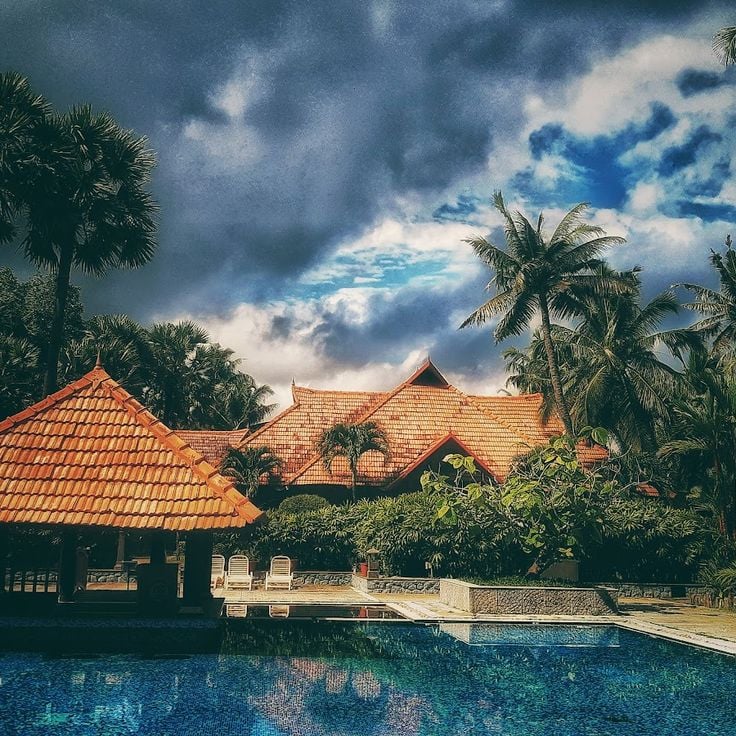
Kerala stretches along the southwest coast of India, between the Arabian Sea and the Western Ghats. This area has sandy beaches, inland canals lined with palm trees, hills with tea plantations, and forests where elephants and tigers hide. Visitors take boat trips on the backwaters, walk through the streets of Fort Kochi with traces of Portuguese and Dutch influence, or go birdwatching in natural reserves.
What to do in Kerala: backwaters, sandy beaches, and Hindu temples
Kerala stretches along the southwest coast of India, between the Arabian Sea and the Western Ghats. This area has sandy beaches, inland canals lined with palm trees, hills with tea plantations, and forests where elephants and tigers hide. Visitors take boat trips on the backwaters, walk through the streets of Fort Kochi with traces of Portuguese and Dutch influence, or go birdwatching in natural reserves.
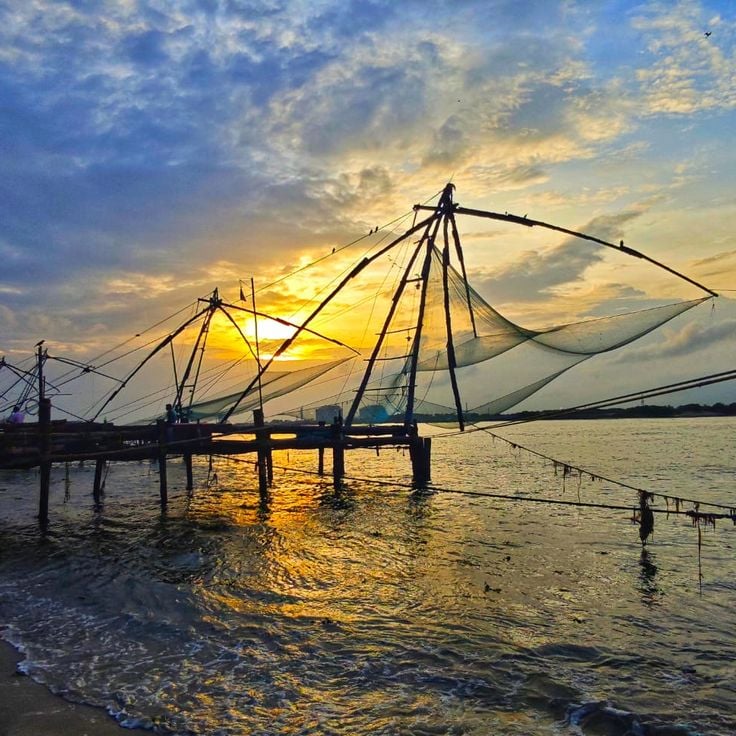
The Chinese Fishing Nets of Kochi are traditional wooden structures dating from the 14th century that have been used for fishing for generations. They are a defining feature of Fort Kochi and tell the story of this port city's trading history. The nets work on a simple principle: long wooden arms lower large nets into the water and lift them back up. Along the shore you can watch fishermen operate the nets and place their catches into baskets. These structures stand at the waterside among old buildings and show how people here have long connected their lives to the sea.
Fort Kochi is a historic neighborhood in the city of Kochi, shaped by Portuguese and Dutch settlers. You will find narrow lanes with old buildings where past and present mix together. The architecture still bears traces of these periods. Along the waterfront, traditional Chinese fishing nets stand in the water, which fishermen use daily. The area is active, but not loud. People sit in small cafes, craftspeople work in their shops, and everywhere you look there are signs of history in the stones and walls.
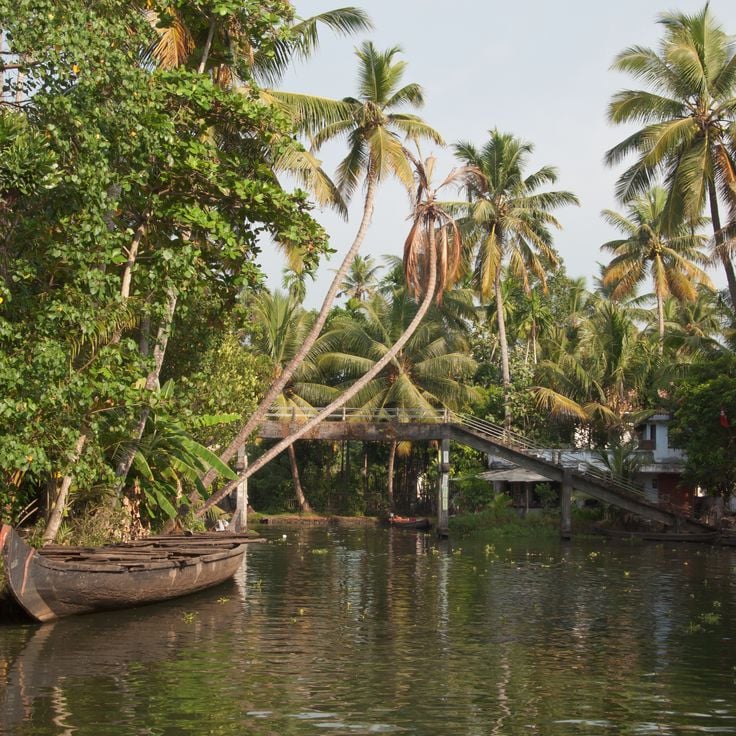
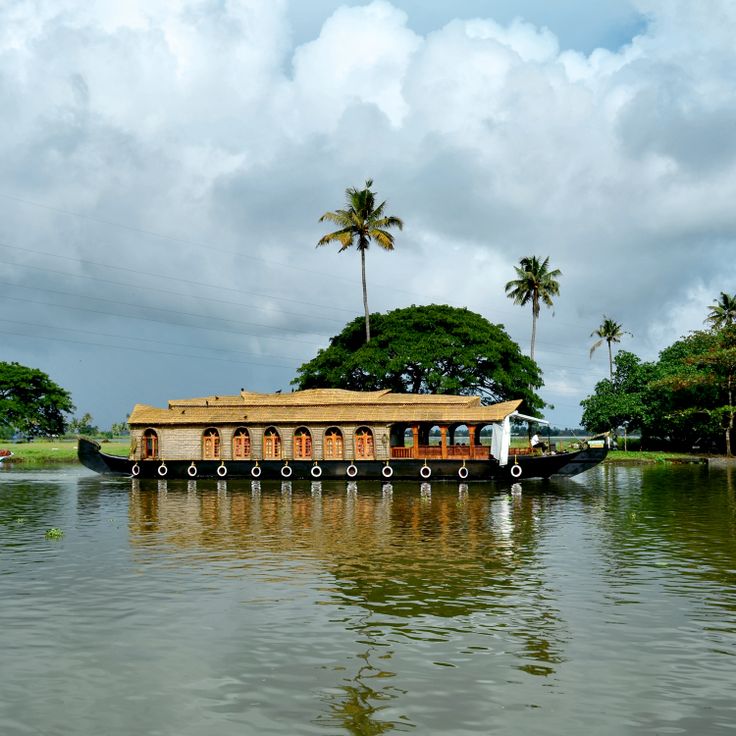
The Alappuzha Backwaters form a network of lakes and coastal canals where traditional houseboats travel. Visitors glide through palm-lined waters and observe daily life along the banks. In the mornings, you see fishermen at work with their nets, and boats move slowly through these quiet channels. The landscape shifts between open water and thick vegetation. This is where you experience the rhythm of Kerala's water-based life firsthand.
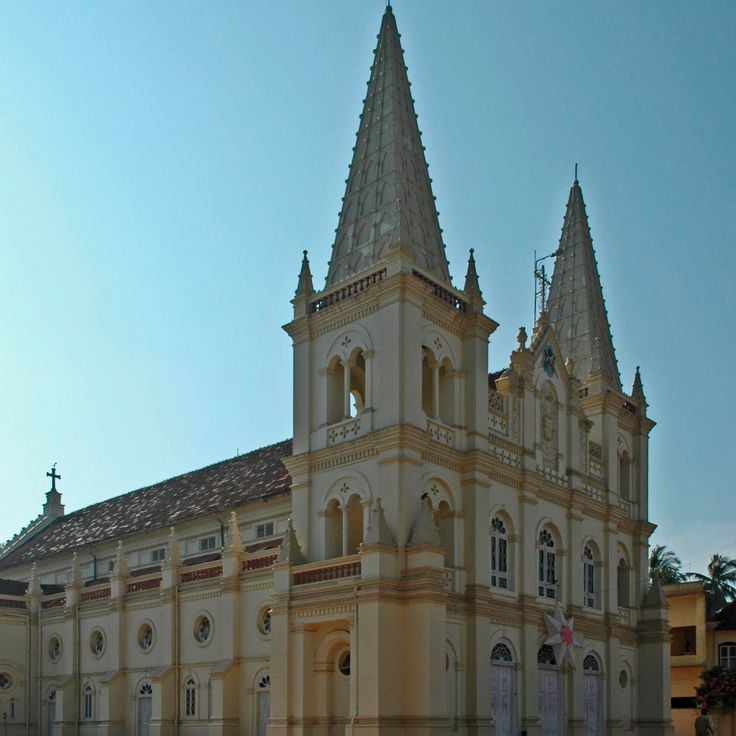
This basilica in Kochi dates to the 16th century and stands as a testament to Kerala's Christian history. Built when the Portuguese ruled the coast, it once served as a beacon for sailors and merchants arriving by sea. Inside, the walls and ceilings display bright colors and intricate decorations that reflect the lives of the early Christian community here. Today, pilgrims visit to pray, and travelers come to understand the layers of faith and culture that shape this port city.
Munroe Island sits within the backwaters of Kollam, surrounded by coconut and cashew plantations that shape the landscape. The best way to explore the island is by canoe or boat, moving through narrow waterways. You will see fishing nets, palm trees, and the quiet water of the canals. It is a place where you can watch the work of local people and experience daily life along the waterways.
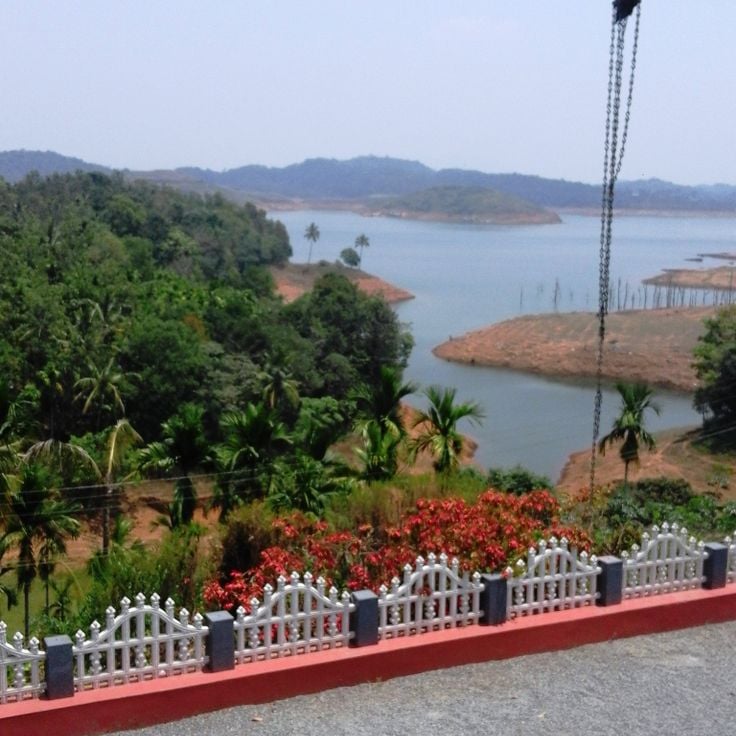
Vembanad Lake is the largest lake in Kerala's backwaters. It stretches across a wide area and provides habitat for many bird species and aquatic animals. Visitors travel by traditional boat across the water to observe nature. The lake is surrounded by coconut palms and green banks. You can see fishermen working with their nets and experience the rhythm of life on the water.
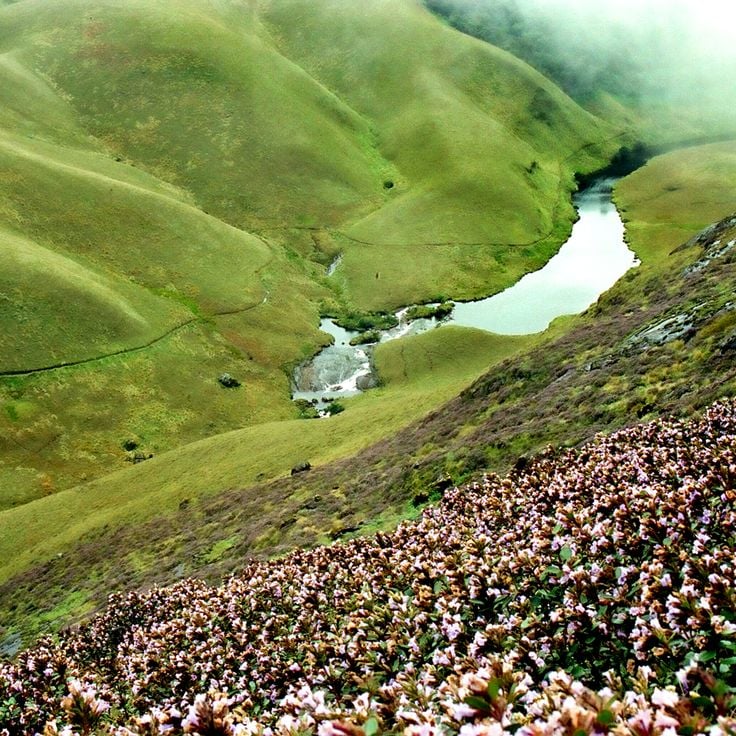
Eravikulam National Park sits high in the Munnar hills and protects rare animals like the Nilgiri tahr. Visitors walk through tropical forests on marked trails, where mountain views open up between the trees. The forest here feels different from the lowland parts of Kerala, and people come to spend time on foot exploring the landscape and watching for wildlife.
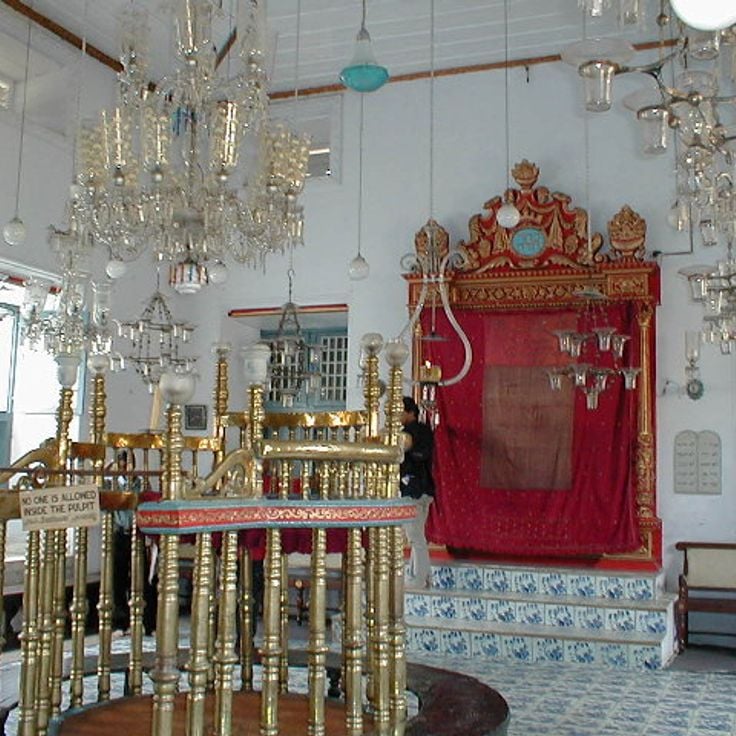
The Paradesi Synagogue in Kochi dates to the 16th century and is among the oldest synagogues in South Asia. Its hand-painted blue and white floor tiles catch the eye as you walk through the prayer hall. The building tells the story of the Jewish community that settled here centuries ago. Visitors can see how faith and daily life intertwined in this port city.
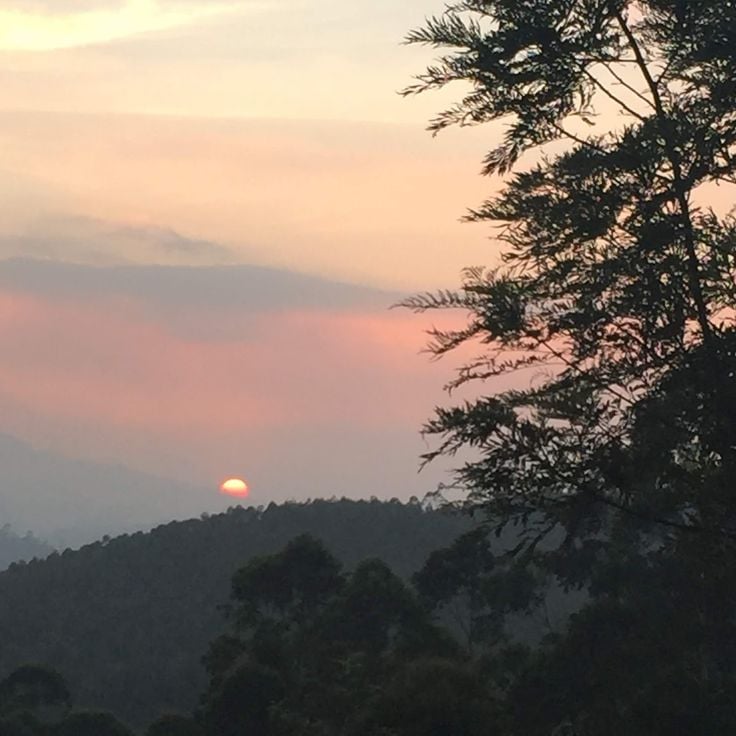
Top Station in Munnar is a high-altitude viewpoint where the landscape opens up in all directions. From here, visitors see the green tea plantations that cover the hills and the Western Ghats stretching across the horizon. The spot sits at the end of a winding mountain road and draws walkers and photographers who come for the views. On clear days, the sight extends far across the valleys below, and the cool mountain air makes it a refreshing place to spend time. Forests surround the area, and simple cafes nearby serve local drinks and snacks.
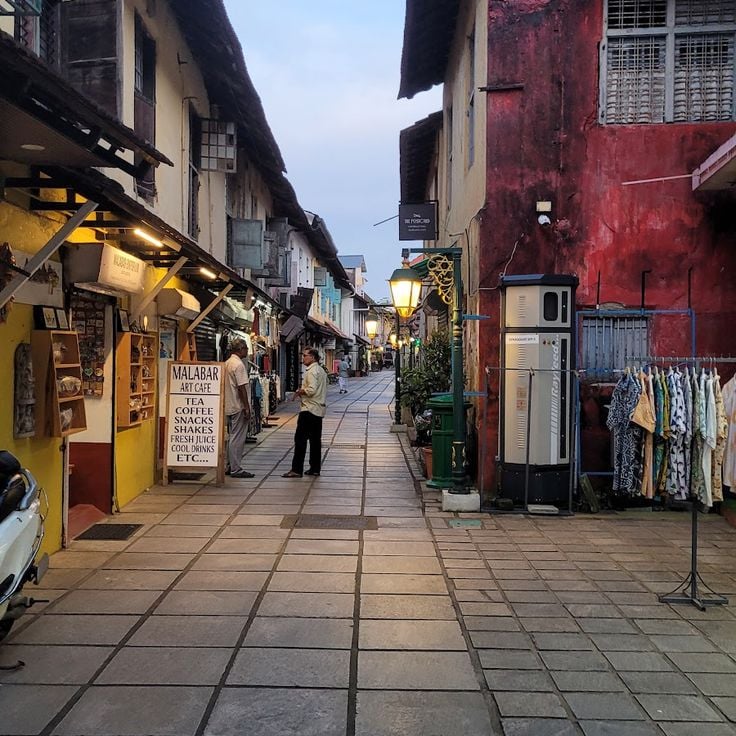
Jew Town in Kochi is an old quarter where narrow streets lead past antique shops and historic houses. The area carries layers of history: Portuguese and Dutch traces from colonial times, later Indian and Jewish influences. Walking through these streets, you notice old facades, small workshops, and local shops that are part of everyday life in this part of the city.
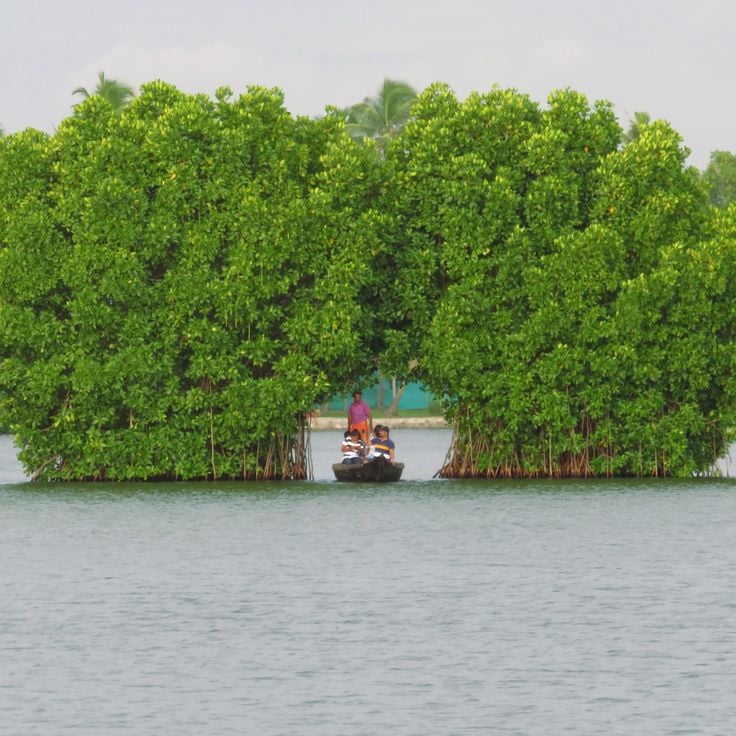
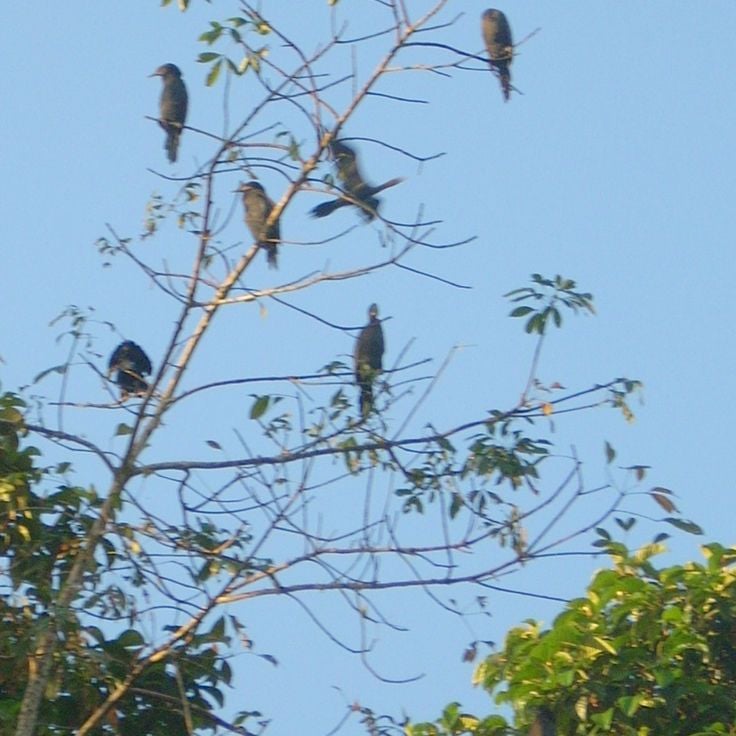
Kumarakom Bird Sanctuary is a refuge for birds in Kerala's backwaters. More than 50 bird species nest here among wetlands and mangrove forests. Visitors arrive by boat to move through the waterways and watch birds in their natural habitat. The landscape combines water, thick vegetation, and wildlife activity.
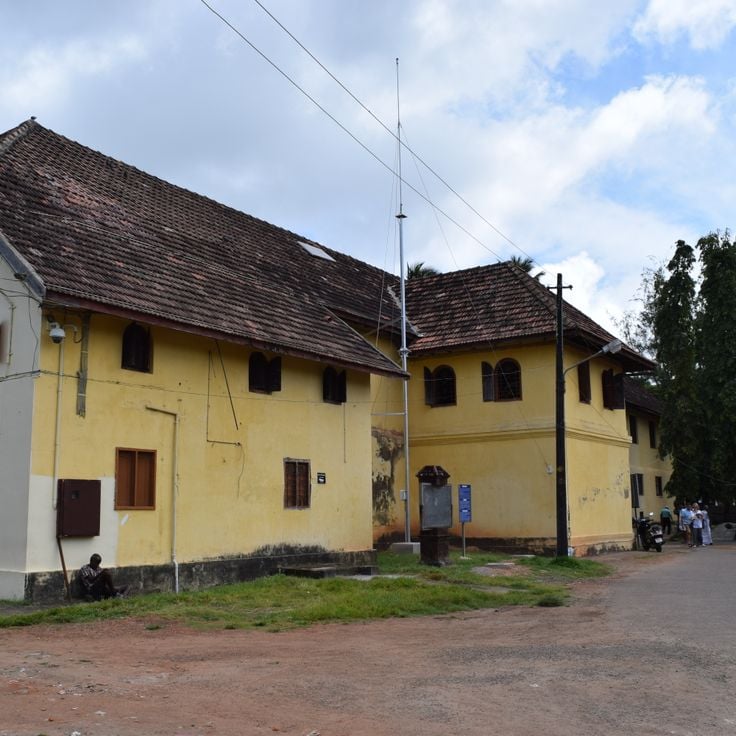
Mattancherry Palace was built by the Portuguese in the 16th century and still stands in Kochi as a window into that era. Inside, wall paintings and decorated rooms reveal the history of the region. The palace sits in an older neighborhood where narrow streets hold traces of colonial times. Visitors walk through the rooms and see how people once lived and what art forms they created. The building itself shows how the Portuguese and other peoples shaped Kerala.
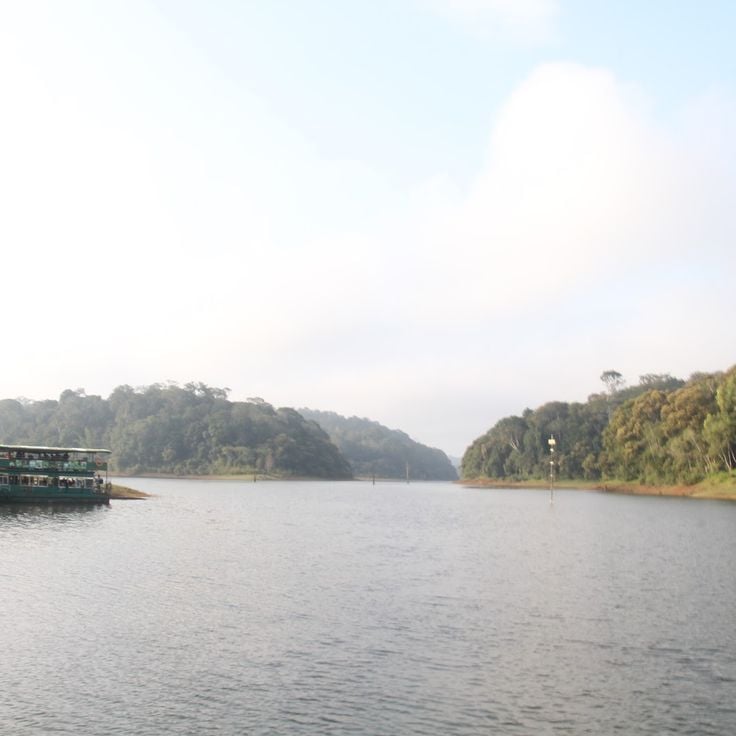
The Periyar Tiger Reserve sits in the Western Ghats and protects a landscape of lakes and forests. The reserve is home to tigers, leopards, and elephants that roam through dense vegetation. Visitors take boat rides on the lake to spot wildlife and experience the surrounding nature. This reserve is one of the major protected areas in southern India.
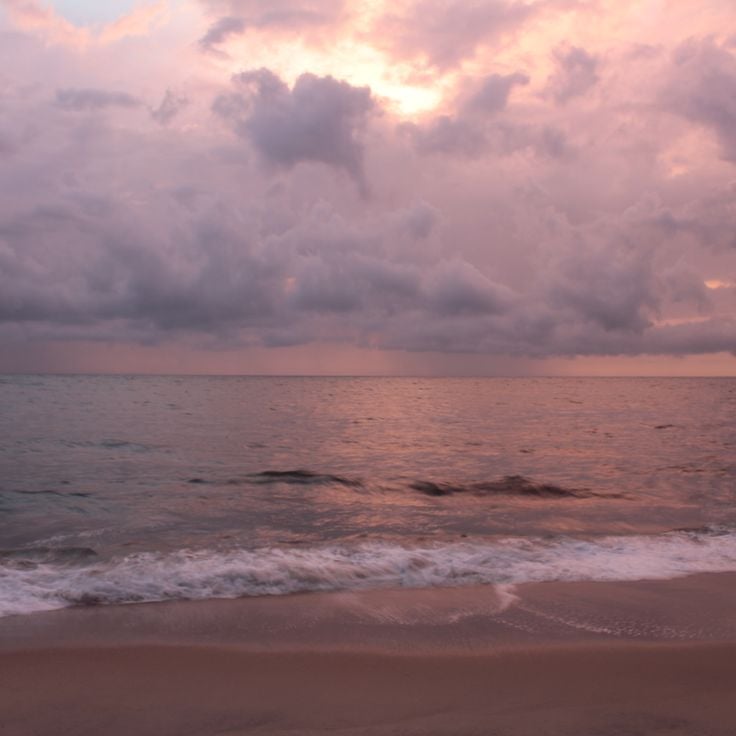
Marari Beach is a quiet stretch of coast in Kerala where palm trees line the shore and fishing boats dot the water. The sand is light and gentle, sloping gradually into the Arabian Sea. Fishermen work here every day, casting their nets in the morning and sorting their catch in the evening. Their wooden boats are painted in bright colors. Simple houses and shops sit just behind the beach. In the late afternoon, the light turns golden and the sky fills with orange as the sun drops toward the horizon. This beach shows the rhythm of daily life in a Kerala fishing village: boats arriving and departing, nets being mended, fish being cleaned and dried, and people going about their work by the water.
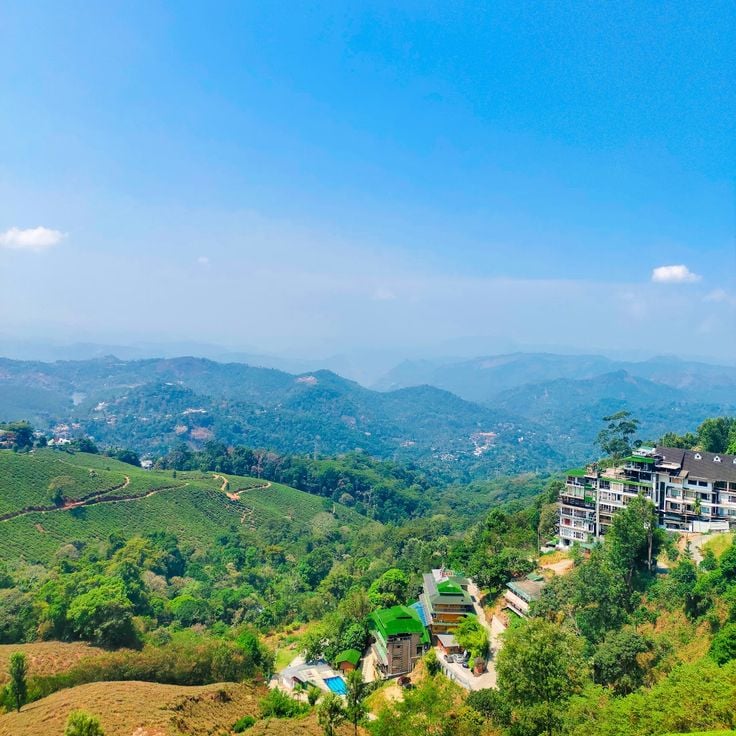
Munnar is a hill station in the Western Ghats where tea plantations stretch across the landscape. Roads wind through the hills, and the air is cool and crisp. Visitors walk through the estates, encounter workers harvesting tea, and take in views of the green hills. The town itself is small and laid-back, with shops and restaurants for travelers. From here you can hike to nearby waterfalls, explore the surrounding forests, or simply enjoy the mountain setting.
Wayanad Wildlife Sanctuary is a protected forest area in the hills of Kerala where dense woodlands shelter elephants, bisons, and many other animals. Visitors walk through the forest on marked trails and watch for wildlife in their natural habitat. The sanctuary reveals the wild side of Kerala, away from the backwaters and beaches. It shows how the region maintains spaces where nature and animals thrive in the mountains.
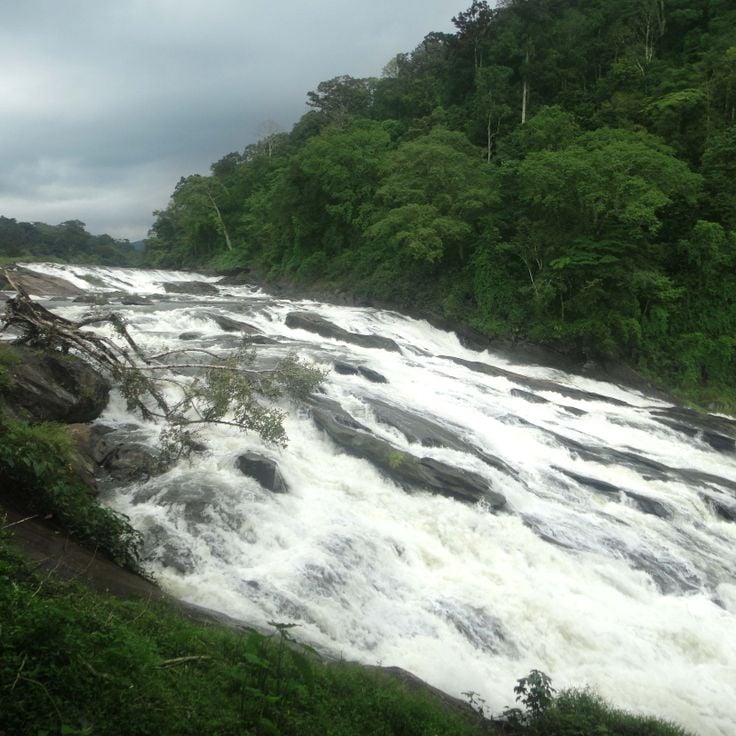
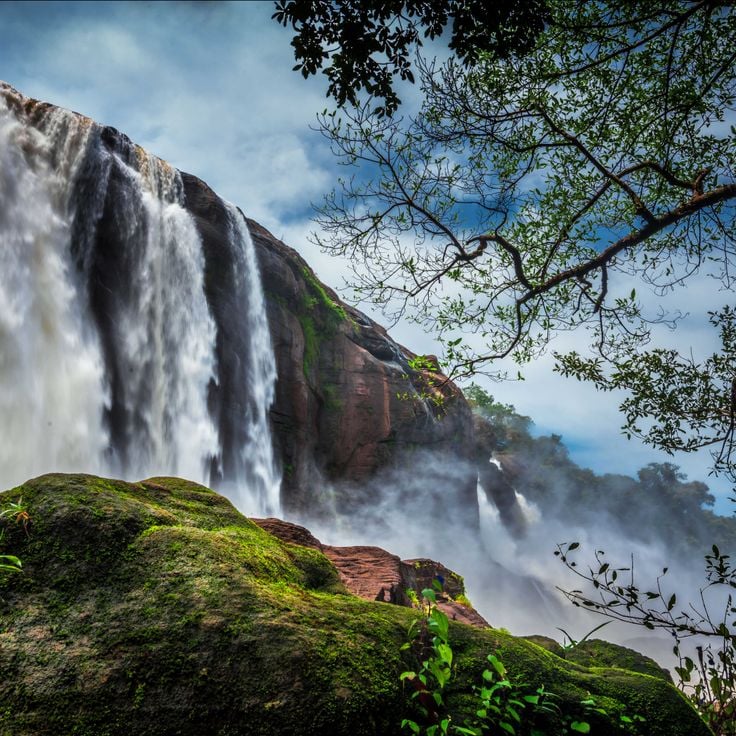
Vazhachal Waterfalls sits near Athirappilly, surrounded by thick forests. Water cascades over rocks in a setting where green vegetation dominates the landscape. The area hosts a variety of plants and animals that live in and around the water. This falls offers a view of Kerala's natural side, where water and forest meet.
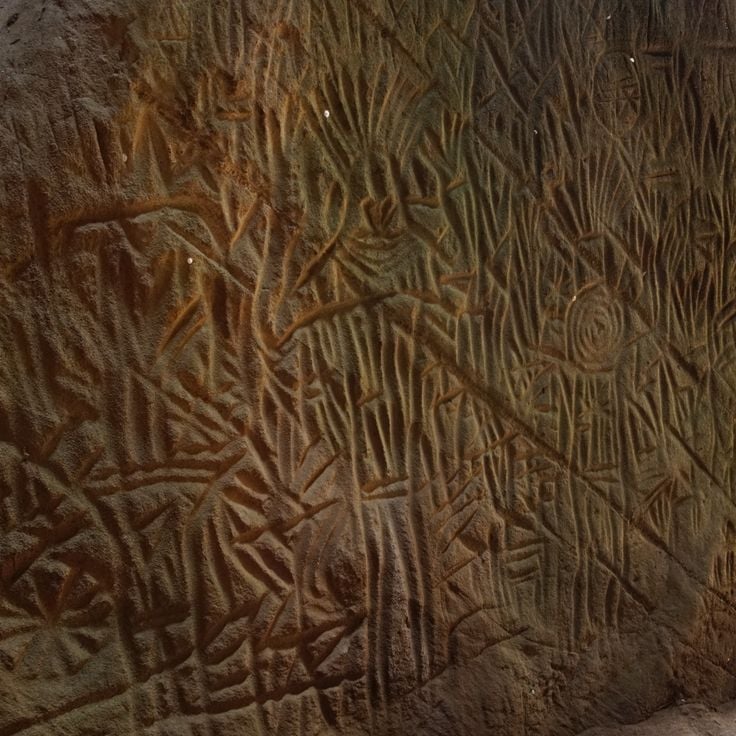
The Edakkal Caves sit in the hills of Wayanad and hold rock inscriptions that are thousands of years old. Visitors reach them by climbing a natural stone stairway carved between two large rock faces. The cave walls carry engravings left by early people who lived in this region. The path up passes through green hills and reveals layers of history. For travelers interested in Kerala's past, these caves offer a window into ancient cultures and the lives of those who came before.
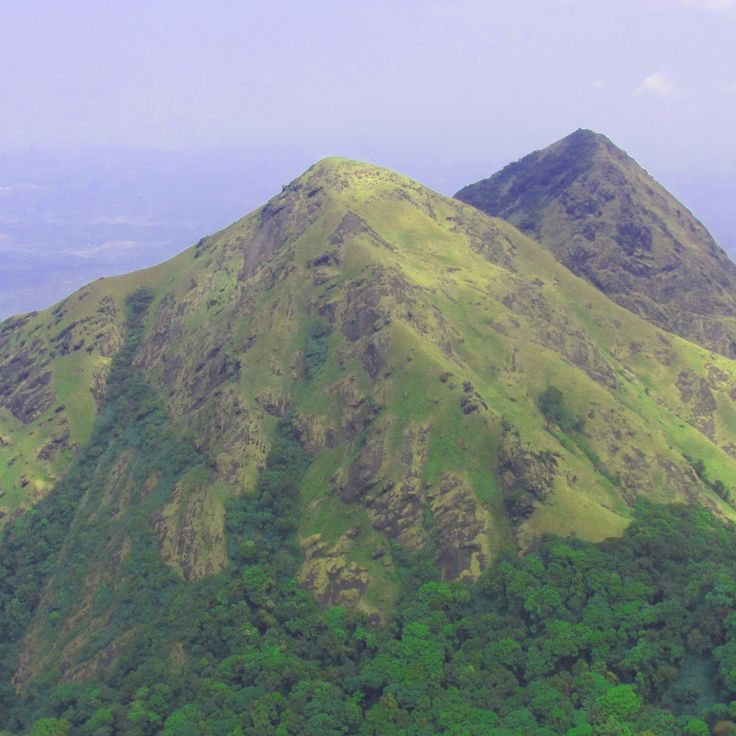
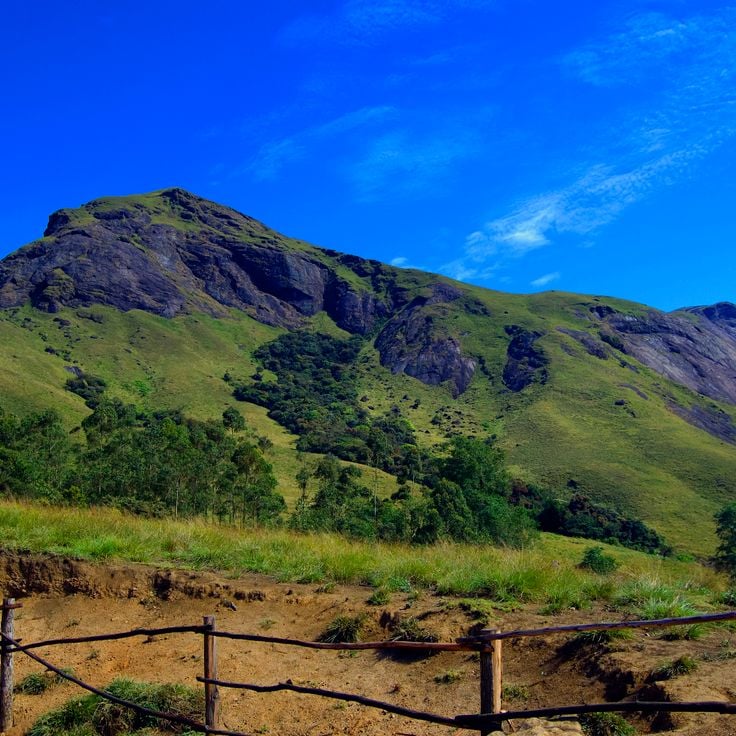
Chembra Peak is a mountain in Wayanad where hikers climb to a summit with a lake at the top. The trek takes several hours and passes through forests and grasslands. Once you reach the peak, you can see across the surrounding landscape and find a heart-shaped lake. Many people come here to hike, drawn by the views and the sense of reaching a real mountain.
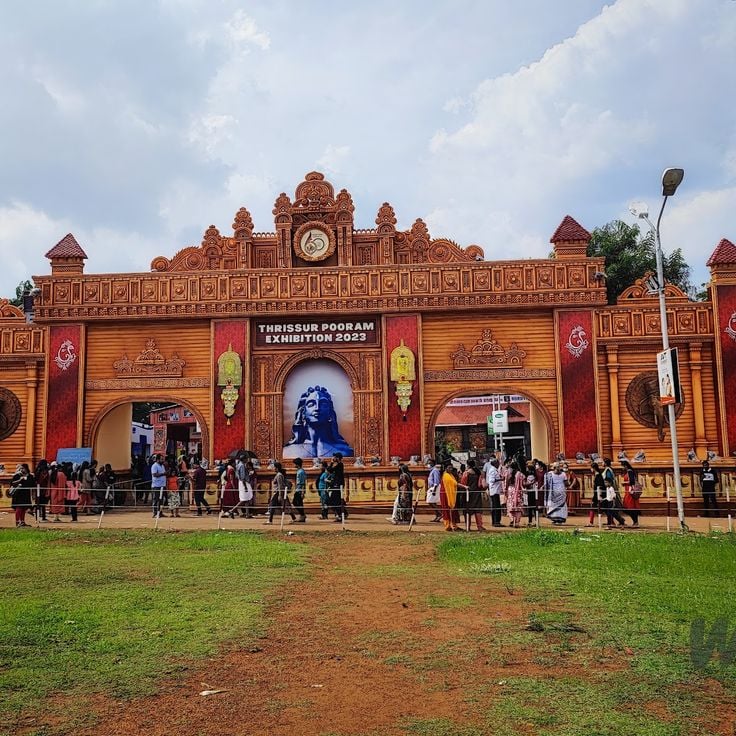
The Thrissur Pooram is an annual festival in Thrissur that is central to Kerala's cultural life. The highlight is the decorated elephants that parade through the streets in ceremonial processions. Traditional music groups perform, and fireworks light up the sky in the evening. Thousands of people gather to celebrate this festival, which reflects the religious devotion and artistic talents of the region.
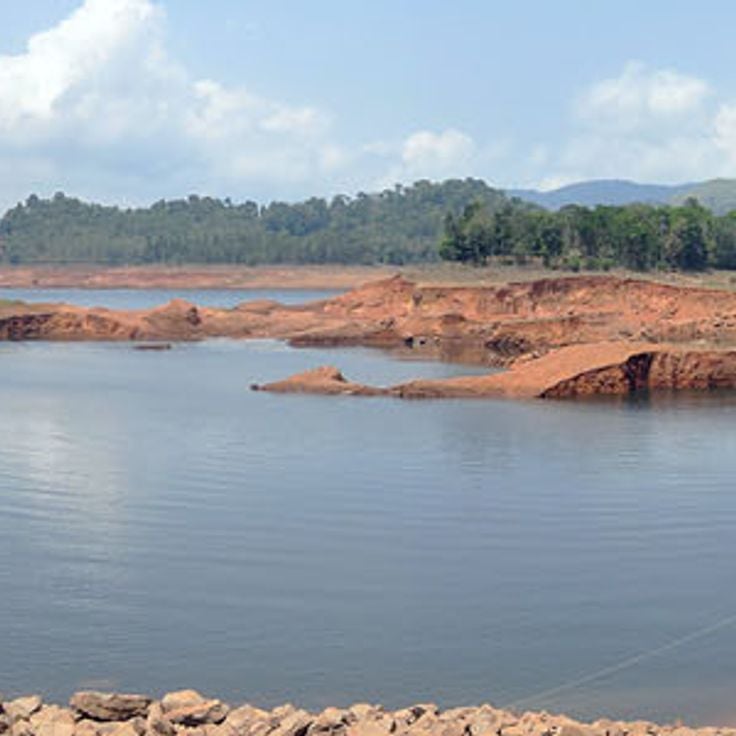
The Banasura Sagar Dam is one of India's tallest dams and creates a large reservoir surrounded by forested hills. The site offers pathways with views over the water and the surrounding mountains. Visitors can boat across the lake or walk along the dam structure. This place shows how water and landscape come together in Kerala, providing views that few other spots in the region offer. It is a quiet location where you can see the scale of the natural environment.
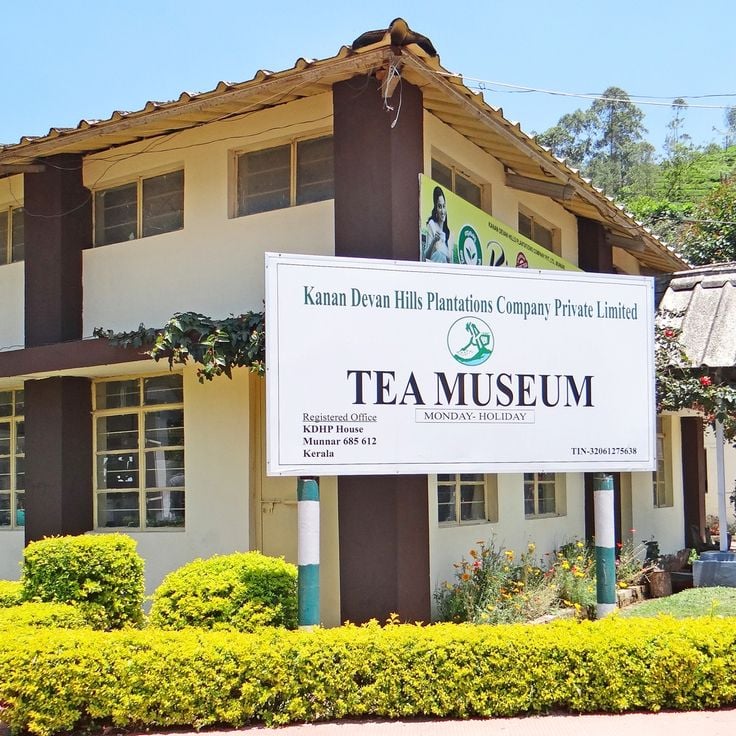
The Tea Museum in Munnar tells the story of tea growing and production in Kerala's mountains. Visitors learn how the tea estates were built, which varieties grow here, and how tea moves from plant to cup. The museum displays old machinery, historical photographs, and objects from colonial times. Walking through the exhibits, you get a sense of how central tea is to the region's identity. At the end, there is a chance to taste fresh tea.
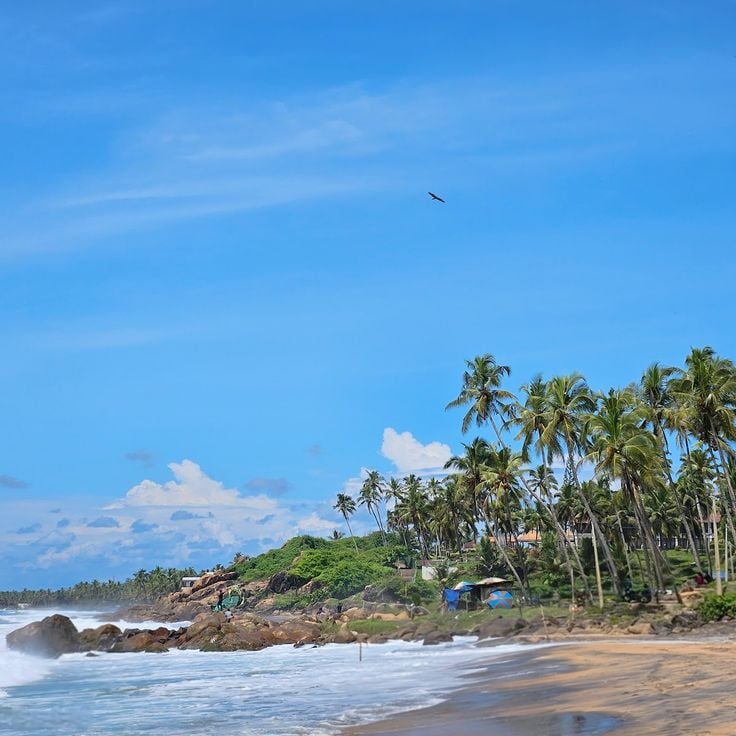
Kovalam Beach stretches along the southwest coast of Kerala as a wide bay with golden sand backed by coconut palms. The water is warm and inviting for swimming. Along the shoreline, you will find hotels, restaurants and small shops where visitors can rest and watch the daily rhythm of the place. Fishermen work here each day, and mornings are the best time to see local life unfold along the water's edge.
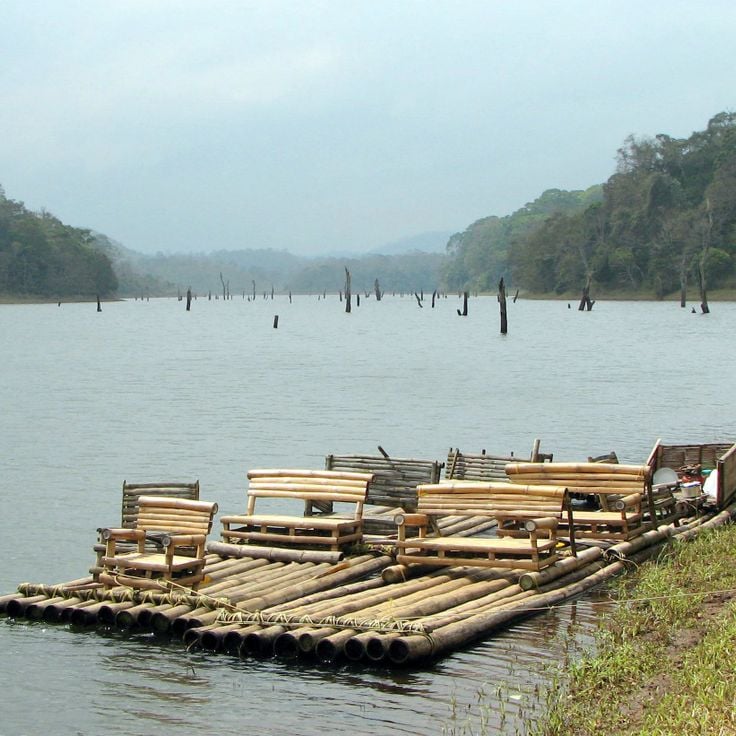
Periyar Lake is an artificial lake at the heart of the Periyar Wildlife Sanctuary, where visitors can observe elephants, bison, wild boar, and deer from boats on the water. The lake reflects the dense forests surrounding it, and cruising across it offers a way to see Kerala's wildlife up close. Situated in the mountains, the lake provides a different experience from Kerala's backwaters and beaches. Many visitors come here to connect with nature and hear the sounds of the forest.
Athirappilly Waterfalls drops from the hills into dense jungle in Thrissur district. The water flows down in powerful cascades, creating pools below where visitors can swim. The surrounding forest is thick with vegetation and wildlife sounds fill the air. The path to the waterfall is easy to walk, making it accessible for most people. The water is cold and refreshing, especially welcome on hot days. This is a place where you feel the raw power of nature in the forest.
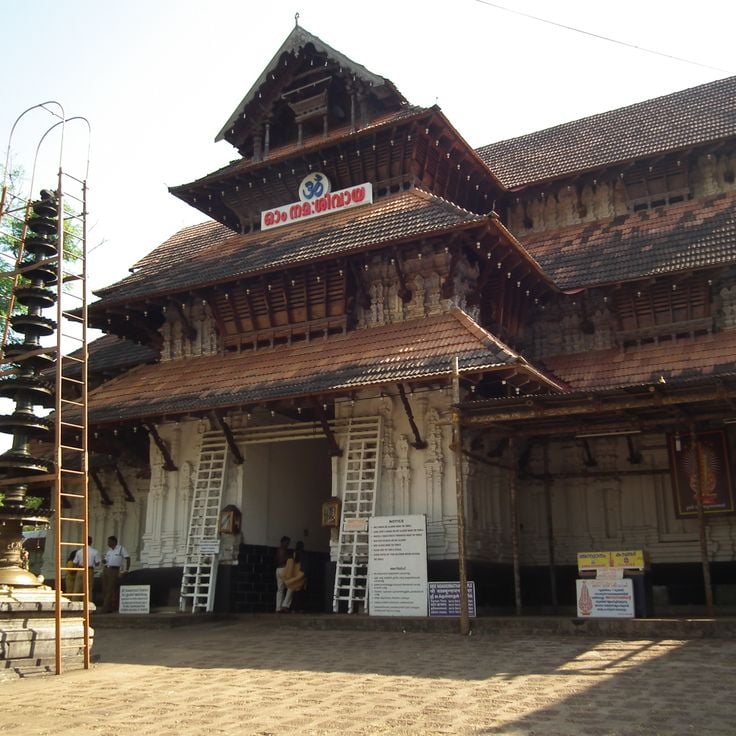
Vadakkunnathan Temple stands in the heart of Thrissur as one of Kerala's oldest temples. Its wooden architecture features the sloping roofs typical of the region, with a main sanctuary at its core. Devotees gather here to worship, and the temple is surrounded by large trees that create a quiet space. Visiting this temple gives you a sense of Kerala's spiritual traditions and daily religious life.
Guruvayur Temple is one of Kerala's most important Hindu temples and a major pilgrimage destination that draws visitors from across the region. The shrine is dedicated to Lord Krishna and features the traditional wooden architecture and steep roofs characteristic of Kerala temples. This temple serves as both a spiritual center and the heart of daily religious life, where rituals shape the rhythm of the place and visitors witness the devotion of worshippers.
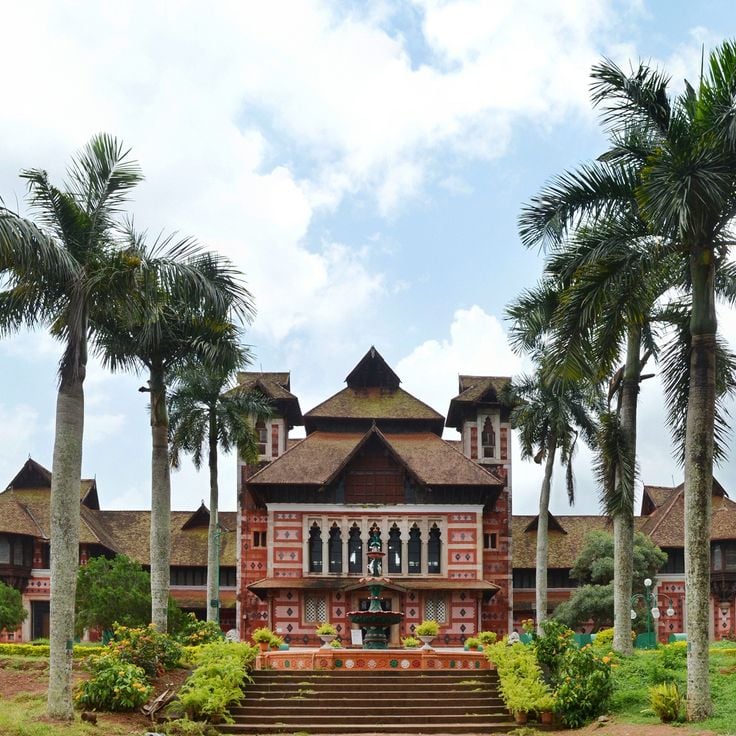
The Napier Museum in Thiruvananthapuram holds historical objects, sculptures, and artifacts from the Kerala region. The museum displays collections that tell the story of this area in southwestern India. Visitors can see pieces that reflect the life and traditions of people who have lived along the backwaters and beaches.
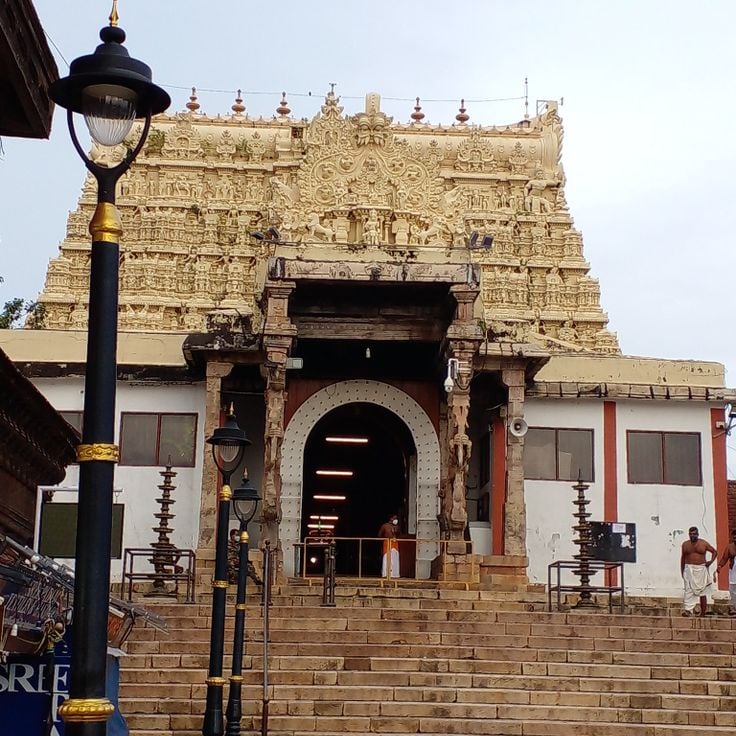
The Padmanabhaswamy Temple in Thiruvananthapuram is a Hindu shrine dedicated to the god Vishnu. The temple displays the traditional wooden architecture of Kerala, with its steeply pitched roofs and detailed carvings. Inside are multiple sanctuaries and chambers decorated with intricate woodwork. The temple attracts Hindu devotees and visitors who come to see the craftsmanship and experience the spiritual life of the place. The courtyards are filled with religious activities and daily rituals.
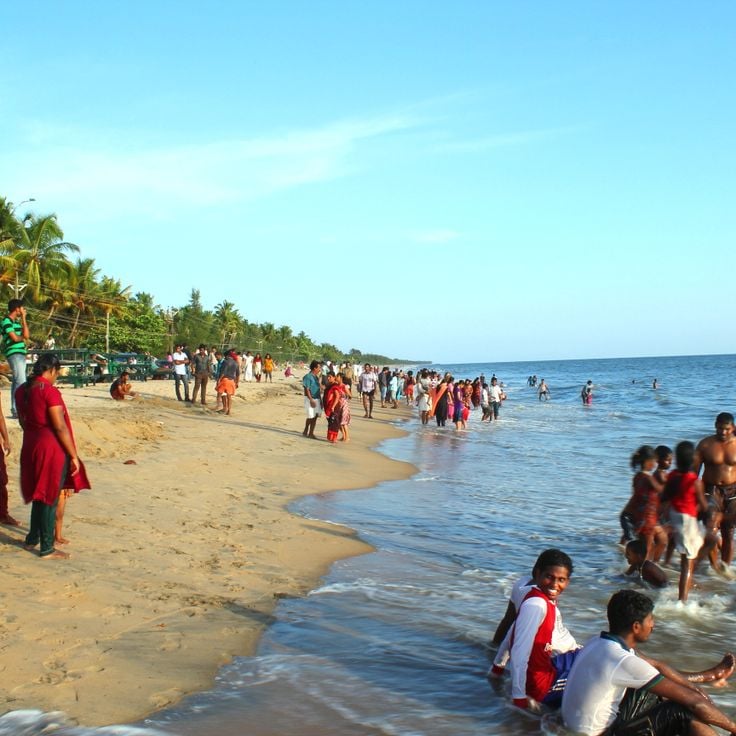
Cherai Beach is a coastal stretch near Kochi where fishing remains part of daily life. At this beach, traditional fishermen work with their nets while small villages along the shore keep their everyday rhythms. The sand and water are part of how people here make their living and spend their time.
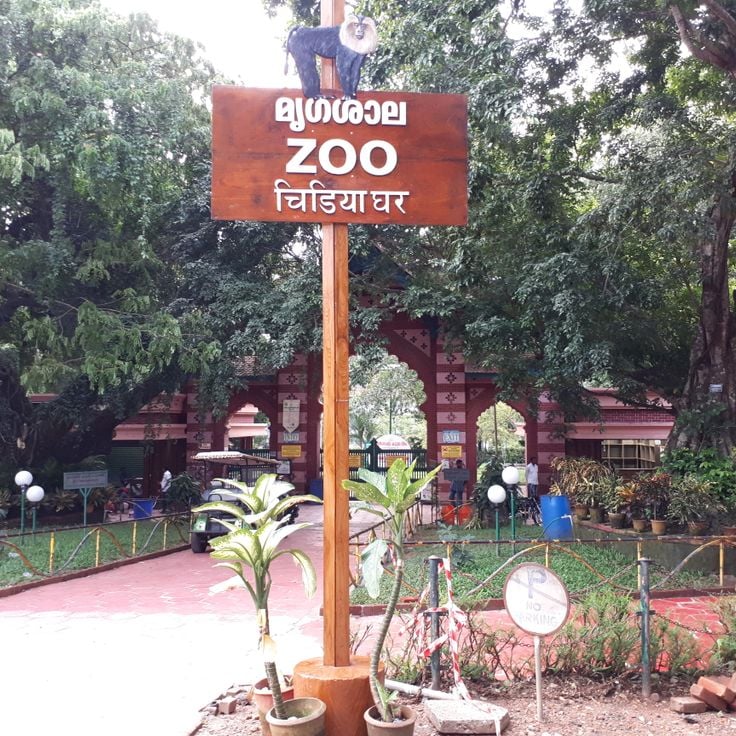
Thiruvananthapuram's Zoological Park displays animals from Kerala and across the world in settings that resemble their natural homes. Visitors walk through spaces where they can watch elephants, tigers, and birds up close. The park includes areas designed for learning about wildlife and nature, making it a place where families come to spend time outdoors and discover how different creatures live.
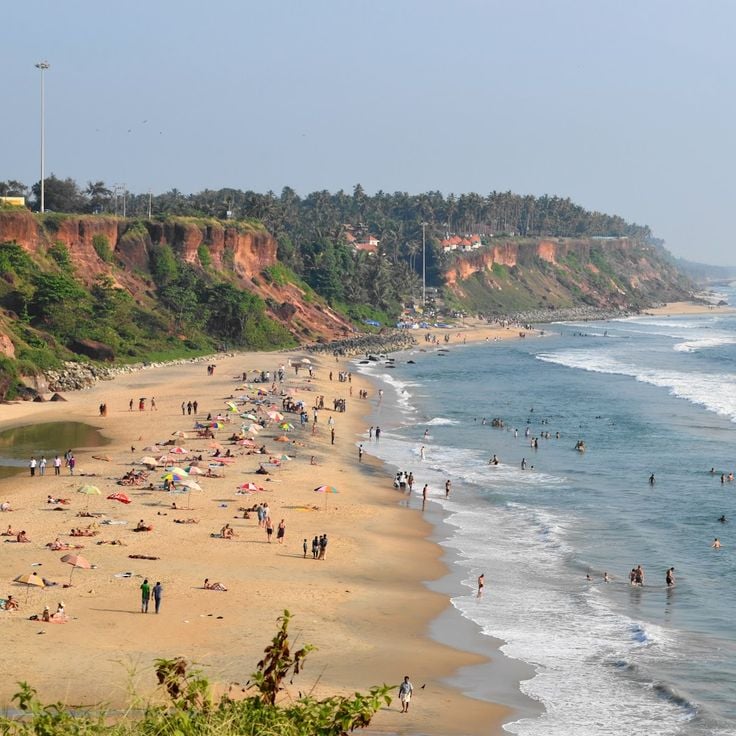
Varkala Cliff rises about 40 meters (130 feet) above the Arabian Sea with a sandy beach at its base. Along the top of the cliff, shops, spas, and cafes line the edge. Visitors come to watch the sunset, swim in the water, or simply rest while looking out over the sea. The cliff combines nature with practical amenities and attracts people seeking relaxation without sacrificing comfort. This natural formation is a distinctive feature of Kerala's coastline, standing apart from the region's other beaches.
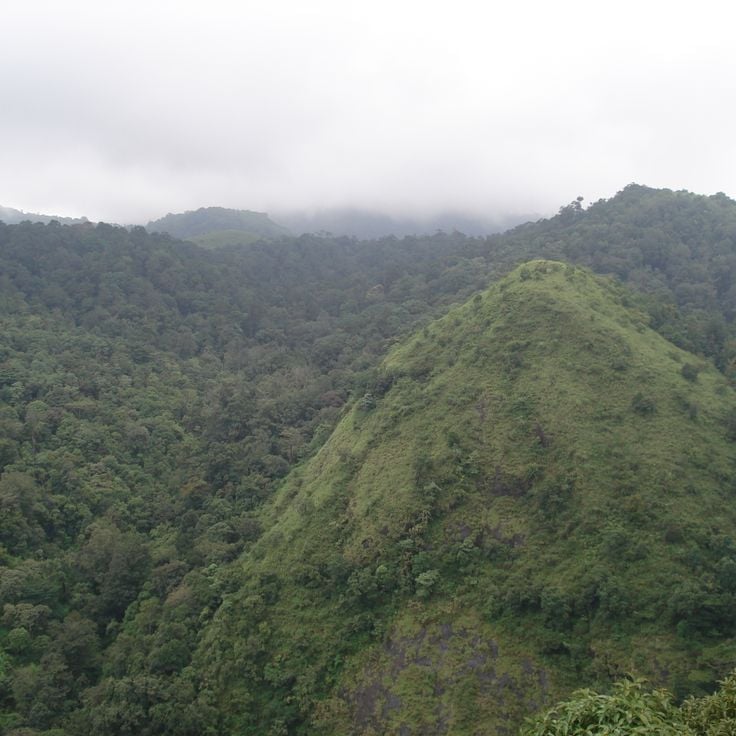
The Western Ghats are a mountain range running along Kerala's western coast and represent one of the most biodiverse regions on Earth. Dense tropical forests cover the slopes and shelter rare plants and animals including elephants and tigers. The monsoon brings heavy rainfall that feeds waterfalls cascading from high peaks. Tea and spice plantations dot the higher elevations. Recognized as a UNESCO World Natural Heritage site, the Western Ghats draw hikers and birdwatchers seeking to explore pristine forests and encounter rich wildlife.
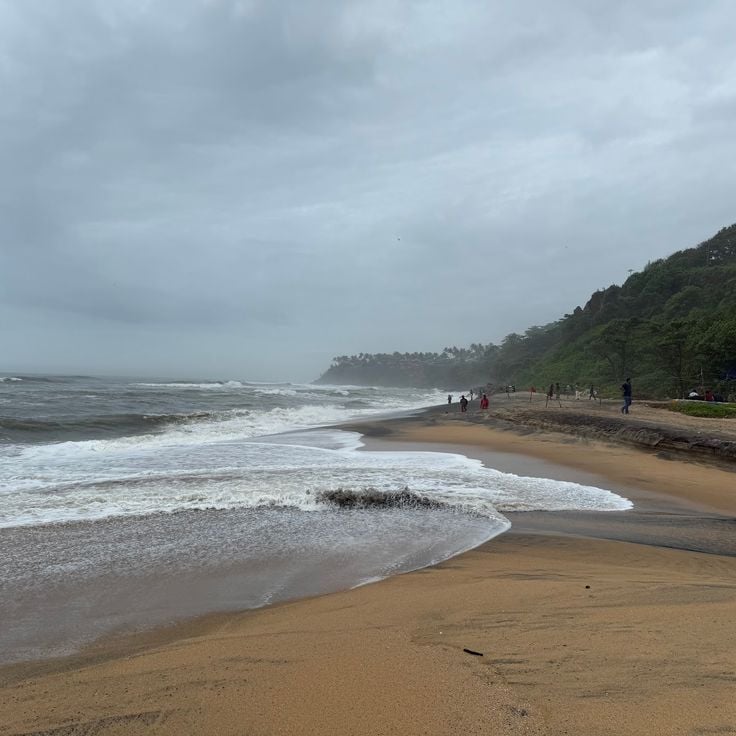
Papanasam Beach near Varkala is known for its black sand and warm mineral waters that flow from the cliffs. Visitors come here to swim in the sea and walk along the shoreline. The beach attracts both tourists and pilgrims who seek out the sacred springs.
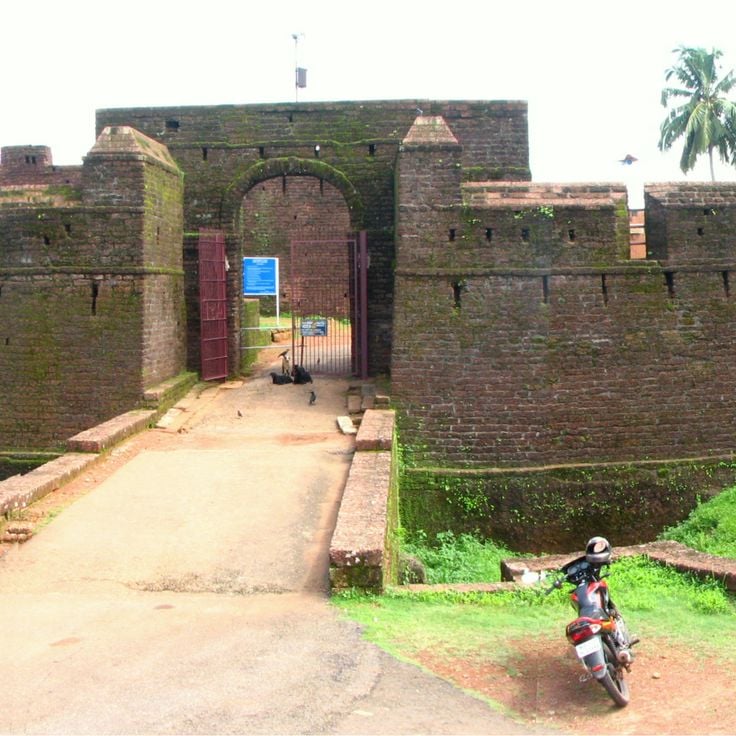
Bekal Fort is a coastal fortress from the 17th century located in Kasaragod. Built along the shore, it features star-shaped bastions that overlook the Arabian Sea. The fort sits within Kerala's landscape where history and nature exist side by side. From the walls, you can see across the water toward distant horizons. Bekal Fort shows how people in this region connected trade and defense in their design. Today, the site allows visitors to explore the past while discovering the natural surroundings that make Kerala distinctive.
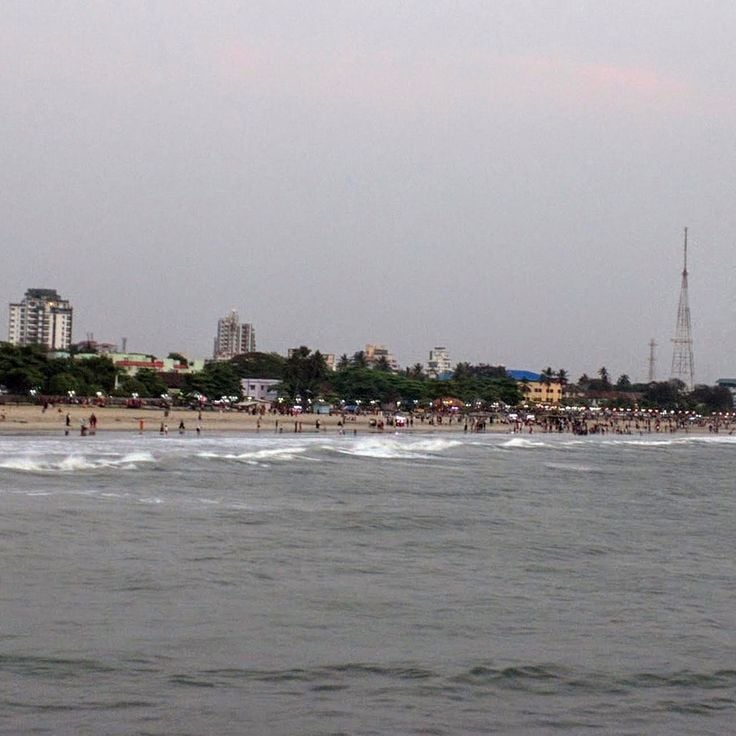
Kozhikode Beach is an urban waterfront with walking paths, seaside cafes, and the character of a historic port. Daily life and tourism blend here. Fishermen still work nearby, and visitors stroll along the promenade where small eateries serve snacks and drinks. The beach draws locals and travelers who want to experience the rhythm of port life.
Silent Valley National Park near Palakkad protects a stretch of intact rainforest rarely touched by people. A river flows through the valley, and the thick vegetation is home to elephants, tigers, and many bird species. The park receives few visitors, which keeps the natural quiet intact. Those who come here experience untouched landscape and the sounds of the forest, far from crowds.
Parambikulam Tiger Reserve protects a stretch of dense forest and several lakes in Kerala's hilly region. Tigers, elephants, deer, and many other animals live here, hidden among the trees and along the waterways. Visitors come to boat across the lakes, walk through the forest paths, and watch wildlife from observation points. The reserve offers a chance to see how the Kerala landscape looks when left largely untouched, with the rhythm of nature and the calls of birds filling the air.
Poovar Island is situated within the backwaters of Thiruvananthapuram. It combines sandy beaches, palm-lined waterways, and the life of a traditional village. Visitors reach the island by canoe and encounter the daily work of fishermen, small houses along the water, and the quietness of this remote location. The island demonstrates how people in Kerala have lived and worked with these waters for generations.
The Chinese Fishing Nets of Kochi are traditional wooden structures dating from the 14th century that have been used for fishing for generations. They are a defining feature of Fort Kochi and tell the story of this port city's trading history. The nets work on a simple principle: long wooden arms lower large nets into the water and lift them back up. Along the shore you can watch fishermen operate the nets and place their catches into baskets. These structures stand at the waterside among old buildings and show how people here have long connected their lives to the sea.
Fort Kochi is a historic neighborhood in the city of Kochi, shaped by Portuguese and Dutch settlers. You will find narrow lanes with old buildings where past and present mix together. The architecture still bears traces of these periods. Along the waterfront, traditional Chinese fishing nets stand in the water, which fishermen use daily. The area is active, but not loud. People sit in small cafes, craftspeople work in their shops, and everywhere you look there are signs of history in the stones and walls.
The Alappuzha Backwaters form a network of lakes and coastal canals where traditional houseboats travel. Visitors glide through palm-lined waters and observe daily life along the banks. In the mornings, you see fishermen at work with their nets, and boats move slowly through these quiet channels. The landscape shifts between open water and thick vegetation. This is where you experience the rhythm of Kerala's water-based life firsthand.
This basilica in Kochi dates to the 16th century and stands as a testament to Kerala's Christian history. Built when the Portuguese ruled the coast, it once served as a beacon for sailors and merchants arriving by sea. Inside, the walls and ceilings display bright colors and intricate decorations that reflect the lives of the early Christian community here. Today, pilgrims visit to pray, and travelers come to understand the layers of faith and culture that shape this port city.
Munroe Island sits within the backwaters of Kollam, surrounded by coconut and cashew plantations that shape the landscape. The best way to explore the island is by canoe or boat, moving through narrow waterways. You will see fishing nets, palm trees, and the quiet water of the canals. It is a place where you can watch the work of local people and experience daily life along the waterways.
Vembanad Lake is the largest lake in Kerala's backwaters. It stretches across a wide area and provides habitat for many bird species and aquatic animals. Visitors travel by traditional boat across the water to observe nature. The lake is surrounded by coconut palms and green banks. You can see fishermen working with their nets and experience the rhythm of life on the water.
Eravikulam National Park sits high in the Munnar hills and protects rare animals like the Nilgiri tahr. Visitors walk through tropical forests on marked trails, where mountain views open up between the trees. The forest here feels different from the lowland parts of Kerala, and people come to spend time on foot exploring the landscape and watching for wildlife.
The Paradesi Synagogue in Kochi dates to the 16th century and is among the oldest synagogues in South Asia. Its hand-painted blue and white floor tiles catch the eye as you walk through the prayer hall. The building tells the story of the Jewish community that settled here centuries ago. Visitors can see how faith and daily life intertwined in this port city.
Top Station in Munnar is a high-altitude viewpoint where the landscape opens up in all directions. From here, visitors see the green tea plantations that cover the hills and the Western Ghats stretching across the horizon. The spot sits at the end of a winding mountain road and draws walkers and photographers who come for the views. On clear days, the sight extends far across the valleys below, and the cool mountain air makes it a refreshing place to spend time. Forests surround the area, and simple cafes nearby serve local drinks and snacks.
Jew Town in Kochi is an old quarter where narrow streets lead past antique shops and historic houses. The area carries layers of history: Portuguese and Dutch traces from colonial times, later Indian and Jewish influences. Walking through these streets, you notice old facades, small workshops, and local shops that are part of everyday life in this part of the city.
Kumarakom Bird Sanctuary is a refuge for birds in Kerala's backwaters. More than 50 bird species nest here among wetlands and mangrove forests. Visitors arrive by boat to move through the waterways and watch birds in their natural habitat. The landscape combines water, thick vegetation, and wildlife activity.
Mattancherry Palace was built by the Portuguese in the 16th century and still stands in Kochi as a window into that era. Inside, wall paintings and decorated rooms reveal the history of the region. The palace sits in an older neighborhood where narrow streets hold traces of colonial times. Visitors walk through the rooms and see how people once lived and what art forms they created. The building itself shows how the Portuguese and other peoples shaped Kerala.
The Periyar Tiger Reserve sits in the Western Ghats and protects a landscape of lakes and forests. The reserve is home to tigers, leopards, and elephants that roam through dense vegetation. Visitors take boat rides on the lake to spot wildlife and experience the surrounding nature. This reserve is one of the major protected areas in southern India.
Marari Beach is a quiet stretch of coast in Kerala where palm trees line the shore and fishing boats dot the water. The sand is light and gentle, sloping gradually into the Arabian Sea. Fishermen work here every day, casting their nets in the morning and sorting their catch in the evening. Their wooden boats are painted in bright colors. Simple houses and shops sit just behind the beach. In the late afternoon, the light turns golden and the sky fills with orange as the sun drops toward the horizon. This beach shows the rhythm of daily life in a Kerala fishing village: boats arriving and departing, nets being mended, fish being cleaned and dried, and people going about their work by the water.
Munnar is a hill station in the Western Ghats where tea plantations stretch across the landscape. Roads wind through the hills, and the air is cool and crisp. Visitors walk through the estates, encounter workers harvesting tea, and take in views of the green hills. The town itself is small and laid-back, with shops and restaurants for travelers. From here you can hike to nearby waterfalls, explore the surrounding forests, or simply enjoy the mountain setting.
Wayanad Wildlife Sanctuary is a protected forest area in the hills of Kerala where dense woodlands shelter elephants, bisons, and many other animals. Visitors walk through the forest on marked trails and watch for wildlife in their natural habitat. The sanctuary reveals the wild side of Kerala, away from the backwaters and beaches. It shows how the region maintains spaces where nature and animals thrive in the mountains.
Vazhachal Waterfalls sits near Athirappilly, surrounded by thick forests. Water cascades over rocks in a setting where green vegetation dominates the landscape. The area hosts a variety of plants and animals that live in and around the water. This falls offers a view of Kerala's natural side, where water and forest meet.
The Edakkal Caves sit in the hills of Wayanad and hold rock inscriptions that are thousands of years old. Visitors reach them by climbing a natural stone stairway carved between two large rock faces. The cave walls carry engravings left by early people who lived in this region. The path up passes through green hills and reveals layers of history. For travelers interested in Kerala's past, these caves offer a window into ancient cultures and the lives of those who came before.
Chembra Peak is a mountain in Wayanad where hikers climb to a summit with a lake at the top. The trek takes several hours and passes through forests and grasslands. Once you reach the peak, you can see across the surrounding landscape and find a heart-shaped lake. Many people come here to hike, drawn by the views and the sense of reaching a real mountain.
The Thrissur Pooram is an annual festival in Thrissur that is central to Kerala's cultural life. The highlight is the decorated elephants that parade through the streets in ceremonial processions. Traditional music groups perform, and fireworks light up the sky in the evening. Thousands of people gather to celebrate this festival, which reflects the religious devotion and artistic talents of the region.
The Banasura Sagar Dam is one of India's tallest dams and creates a large reservoir surrounded by forested hills. The site offers pathways with views over the water and the surrounding mountains. Visitors can boat across the lake or walk along the dam structure. This place shows how water and landscape come together in Kerala, providing views that few other spots in the region offer. It is a quiet location where you can see the scale of the natural environment.
The Tea Museum in Munnar tells the story of tea growing and production in Kerala's mountains. Visitors learn how the tea estates were built, which varieties grow here, and how tea moves from plant to cup. The museum displays old machinery, historical photographs, and objects from colonial times. Walking through the exhibits, you get a sense of how central tea is to the region's identity. At the end, there is a chance to taste fresh tea.
Kovalam Beach stretches along the southwest coast of Kerala as a wide bay with golden sand backed by coconut palms. The water is warm and inviting for swimming. Along the shoreline, you will find hotels, restaurants and small shops where visitors can rest and watch the daily rhythm of the place. Fishermen work here each day, and mornings are the best time to see local life unfold along the water's edge.
Periyar Lake is an artificial lake at the heart of the Periyar Wildlife Sanctuary, where visitors can observe elephants, bison, wild boar, and deer from boats on the water. The lake reflects the dense forests surrounding it, and cruising across it offers a way to see Kerala's wildlife up close. Situated in the mountains, the lake provides a different experience from Kerala's backwaters and beaches. Many visitors come here to connect with nature and hear the sounds of the forest.
Athirappilly Waterfalls drops from the hills into dense jungle in Thrissur district. The water flows down in powerful cascades, creating pools below where visitors can swim. The surrounding forest is thick with vegetation and wildlife sounds fill the air. The path to the waterfall is easy to walk, making it accessible for most people. The water is cold and refreshing, especially welcome on hot days. This is a place where you feel the raw power of nature in the forest.
Vadakkunnathan Temple stands in the heart of Thrissur as one of Kerala's oldest temples. Its wooden architecture features the sloping roofs typical of the region, with a main sanctuary at its core. Devotees gather here to worship, and the temple is surrounded by large trees that create a quiet space. Visiting this temple gives you a sense of Kerala's spiritual traditions and daily religious life.
Guruvayur Temple is one of Kerala's most important Hindu temples and a major pilgrimage destination that draws visitors from across the region. The shrine is dedicated to Lord Krishna and features the traditional wooden architecture and steep roofs characteristic of Kerala temples. This temple serves as both a spiritual center and the heart of daily religious life, where rituals shape the rhythm of the place and visitors witness the devotion of worshippers.
The Napier Museum in Thiruvananthapuram holds historical objects, sculptures, and artifacts from the Kerala region. The museum displays collections that tell the story of this area in southwestern India. Visitors can see pieces that reflect the life and traditions of people who have lived along the backwaters and beaches.
The Padmanabhaswamy Temple in Thiruvananthapuram is a Hindu shrine dedicated to the god Vishnu. The temple displays the traditional wooden architecture of Kerala, with its steeply pitched roofs and detailed carvings. Inside are multiple sanctuaries and chambers decorated with intricate woodwork. The temple attracts Hindu devotees and visitors who come to see the craftsmanship and experience the spiritual life of the place. The courtyards are filled with religious activities and daily rituals.
Cherai Beach is a coastal stretch near Kochi where fishing remains part of daily life. At this beach, traditional fishermen work with their nets while small villages along the shore keep their everyday rhythms. The sand and water are part of how people here make their living and spend their time.
Thiruvananthapuram's Zoological Park displays animals from Kerala and across the world in settings that resemble their natural homes. Visitors walk through spaces where they can watch elephants, tigers, and birds up close. The park includes areas designed for learning about wildlife and nature, making it a place where families come to spend time outdoors and discover how different creatures live.
Varkala Cliff rises about 40 meters (130 feet) above the Arabian Sea with a sandy beach at its base. Along the top of the cliff, shops, spas, and cafes line the edge. Visitors come to watch the sunset, swim in the water, or simply rest while looking out over the sea. The cliff combines nature with practical amenities and attracts people seeking relaxation without sacrificing comfort. This natural formation is a distinctive feature of Kerala's coastline, standing apart from the region's other beaches.
The Western Ghats are a mountain range running along Kerala's western coast and represent one of the most biodiverse regions on Earth. Dense tropical forests cover the slopes and shelter rare plants and animals including elephants and tigers. The monsoon brings heavy rainfall that feeds waterfalls cascading from high peaks. Tea and spice plantations dot the higher elevations. Recognized as a UNESCO World Natural Heritage site, the Western Ghats draw hikers and birdwatchers seeking to explore pristine forests and encounter rich wildlife.
Papanasam Beach near Varkala is known for its black sand and warm mineral waters that flow from the cliffs. Visitors come here to swim in the sea and walk along the shoreline. The beach attracts both tourists and pilgrims who seek out the sacred springs.
Bekal Fort is a coastal fortress from the 17th century located in Kasaragod. Built along the shore, it features star-shaped bastions that overlook the Arabian Sea. The fort sits within Kerala's landscape where history and nature exist side by side. From the walls, you can see across the water toward distant horizons. Bekal Fort shows how people in this region connected trade and defense in their design. Today, the site allows visitors to explore the past while discovering the natural surroundings that make Kerala distinctive.
Kozhikode Beach is an urban waterfront with walking paths, seaside cafes, and the character of a historic port. Daily life and tourism blend here. Fishermen still work nearby, and visitors stroll along the promenade where small eateries serve snacks and drinks. The beach draws locals and travelers who want to experience the rhythm of port life.
Silent Valley National Park near Palakkad protects a stretch of intact rainforest rarely touched by people. A river flows through the valley, and the thick vegetation is home to elephants, tigers, and many bird species. The park receives few visitors, which keeps the natural quiet intact. Those who come here experience untouched landscape and the sounds of the forest, far from crowds.
Parambikulam Tiger Reserve protects a stretch of dense forest and several lakes in Kerala's hilly region. Tigers, elephants, deer, and many other animals live here, hidden among the trees and along the waterways. Visitors come to boat across the lakes, walk through the forest paths, and watch wildlife from observation points. The reserve offers a chance to see how the Kerala landscape looks when left largely untouched, with the rhythm of nature and the calls of birds filling the air.
Poovar Island is situated within the backwaters of Thiruvananthapuram. It combines sandy beaches, palm-lined waterways, and the life of a traditional village. Visitors reach the island by canoe and encounter the daily work of fishermen, small houses along the water, and the quietness of this remote location. The island demonstrates how people in Kerala have lived and worked with these waters for generations.
The Chinese Fishing Nets of Kochi are traditional wooden structures dating from the 14th century that have been used for fishing for generations. They are a defining feature of Fort Kochi and tell the story of this port city's trading history. The nets work on a simple principle: long wooden arms lower large nets into the water and lift them back up. Along the shore you can watch fishermen operate the nets and place their catches into baskets. These structures stand at the waterside among old buildings and show how people here have long connected their lives to the sea.
Fort Kochi is a historic neighborhood in the city of Kochi, shaped by Portuguese and Dutch settlers. You will find narrow lanes with old buildings where past and present mix together. The architecture still bears traces of these periods. Along the waterfront, traditional Chinese fishing nets stand in the water, which fishermen use daily. The area is active, but not loud. People sit in small cafes, craftspeople work in their shops, and everywhere you look there are signs of history in the stones and walls.
The Alappuzha Backwaters form a network of lakes and coastal canals where traditional houseboats travel. Visitors glide through palm-lined waters and observe daily life along the banks. In the mornings, you see fishermen at work with their nets, and boats move slowly through these quiet channels. The landscape shifts between open water and thick vegetation. This is where you experience the rhythm of Kerala's water-based life firsthand.
This basilica in Kochi dates to the 16th century and stands as a testament to Kerala's Christian history. Built when the Portuguese ruled the coast, it once served as a beacon for sailors and merchants arriving by sea. Inside, the walls and ceilings display bright colors and intricate decorations that reflect the lives of the early Christian community here. Today, pilgrims visit to pray, and travelers come to understand the layers of faith and culture that shape this port city.
Munroe Island sits within the backwaters of Kollam, surrounded by coconut and cashew plantations that shape the landscape. The best way to explore the island is by canoe or boat, moving through narrow waterways. You will see fishing nets, palm trees, and the quiet water of the canals. It is a place where you can watch the work of local people and experience daily life along the waterways.
Vembanad Lake is the largest lake in Kerala's backwaters. It stretches across a wide area and provides habitat for many bird species and aquatic animals. Visitors travel by traditional boat across the water to observe nature. The lake is surrounded by coconut palms and green banks. You can see fishermen working with their nets and experience the rhythm of life on the water.
Eravikulam National Park sits high in the Munnar hills and protects rare animals like the Nilgiri tahr. Visitors walk through tropical forests on marked trails, where mountain views open up between the trees. The forest here feels different from the lowland parts of Kerala, and people come to spend time on foot exploring the landscape and watching for wildlife.
The Paradesi Synagogue in Kochi dates to the 16th century and is among the oldest synagogues in South Asia. Its hand-painted blue and white floor tiles catch the eye as you walk through the prayer hall. The building tells the story of the Jewish community that settled here centuries ago. Visitors can see how faith and daily life intertwined in this port city.
Top Station in Munnar is a high-altitude viewpoint where the landscape opens up in all directions. From here, visitors see the green tea plantations that cover the hills and the Western Ghats stretching across the horizon. The spot sits at the end of a winding mountain road and draws walkers and photographers who come for the views. On clear days, the sight extends far across the valleys below, and the cool mountain air makes it a refreshing place to spend time. Forests surround the area, and simple cafes nearby serve local drinks and snacks.
Jew Town in Kochi is an old quarter where narrow streets lead past antique shops and historic houses. The area carries layers of history: Portuguese and Dutch traces from colonial times, later Indian and Jewish influences. Walking through these streets, you notice old facades, small workshops, and local shops that are part of everyday life in this part of the city.
Kumarakom Bird Sanctuary is a refuge for birds in Kerala's backwaters. More than 50 bird species nest here among wetlands and mangrove forests. Visitors arrive by boat to move through the waterways and watch birds in their natural habitat. The landscape combines water, thick vegetation, and wildlife activity.
Mattancherry Palace was built by the Portuguese in the 16th century and still stands in Kochi as a window into that era. Inside, wall paintings and decorated rooms reveal the history of the region. The palace sits in an older neighborhood where narrow streets hold traces of colonial times. Visitors walk through the rooms and see how people once lived and what art forms they created. The building itself shows how the Portuguese and other peoples shaped Kerala.
The Periyar Tiger Reserve sits in the Western Ghats and protects a landscape of lakes and forests. The reserve is home to tigers, leopards, and elephants that roam through dense vegetation. Visitors take boat rides on the lake to spot wildlife and experience the surrounding nature. This reserve is one of the major protected areas in southern India.
Marari Beach is a quiet stretch of coast in Kerala where palm trees line the shore and fishing boats dot the water. The sand is light and gentle, sloping gradually into the Arabian Sea. Fishermen work here every day, casting their nets in the morning and sorting their catch in the evening. Their wooden boats are painted in bright colors. Simple houses and shops sit just behind the beach. In the late afternoon, the light turns golden and the sky fills with orange as the sun drops toward the horizon. This beach shows the rhythm of daily life in a Kerala fishing village: boats arriving and departing, nets being mended, fish being cleaned and dried, and people going about their work by the water.
Munnar is a hill station in the Western Ghats where tea plantations stretch across the landscape. Roads wind through the hills, and the air is cool and crisp. Visitors walk through the estates, encounter workers harvesting tea, and take in views of the green hills. The town itself is small and laid-back, with shops and restaurants for travelers. From here you can hike to nearby waterfalls, explore the surrounding forests, or simply enjoy the mountain setting.
Wayanad Wildlife Sanctuary is a protected forest area in the hills of Kerala where dense woodlands shelter elephants, bisons, and many other animals. Visitors walk through the forest on marked trails and watch for wildlife in their natural habitat. The sanctuary reveals the wild side of Kerala, away from the backwaters and beaches. It shows how the region maintains spaces where nature and animals thrive in the mountains.
Vazhachal Waterfalls sits near Athirappilly, surrounded by thick forests. Water cascades over rocks in a setting where green vegetation dominates the landscape. The area hosts a variety of plants and animals that live in and around the water. This falls offers a view of Kerala's natural side, where water and forest meet.
The Edakkal Caves sit in the hills of Wayanad and hold rock inscriptions that are thousands of years old. Visitors reach them by climbing a natural stone stairway carved between two large rock faces. The cave walls carry engravings left by early people who lived in this region. The path up passes through green hills and reveals layers of history. For travelers interested in Kerala's past, these caves offer a window into ancient cultures and the lives of those who came before.
Chembra Peak is a mountain in Wayanad where hikers climb to a summit with a lake at the top. The trek takes several hours and passes through forests and grasslands. Once you reach the peak, you can see across the surrounding landscape and find a heart-shaped lake. Many people come here to hike, drawn by the views and the sense of reaching a real mountain.
The Thrissur Pooram is an annual festival in Thrissur that is central to Kerala's cultural life. The highlight is the decorated elephants that parade through the streets in ceremonial processions. Traditional music groups perform, and fireworks light up the sky in the evening. Thousands of people gather to celebrate this festival, which reflects the religious devotion and artistic talents of the region.
The Banasura Sagar Dam is one of India's tallest dams and creates a large reservoir surrounded by forested hills. The site offers pathways with views over the water and the surrounding mountains. Visitors can boat across the lake or walk along the dam structure. This place shows how water and landscape come together in Kerala, providing views that few other spots in the region offer. It is a quiet location where you can see the scale of the natural environment.
The Tea Museum in Munnar tells the story of tea growing and production in Kerala's mountains. Visitors learn how the tea estates were built, which varieties grow here, and how tea moves from plant to cup. The museum displays old machinery, historical photographs, and objects from colonial times. Walking through the exhibits, you get a sense of how central tea is to the region's identity. At the end, there is a chance to taste fresh tea.
Kovalam Beach stretches along the southwest coast of Kerala as a wide bay with golden sand backed by coconut palms. The water is warm and inviting for swimming. Along the shoreline, you will find hotels, restaurants and small shops where visitors can rest and watch the daily rhythm of the place. Fishermen work here each day, and mornings are the best time to see local life unfold along the water's edge.
Periyar Lake is an artificial lake at the heart of the Periyar Wildlife Sanctuary, where visitors can observe elephants, bison, wild boar, and deer from boats on the water. The lake reflects the dense forests surrounding it, and cruising across it offers a way to see Kerala's wildlife up close. Situated in the mountains, the lake provides a different experience from Kerala's backwaters and beaches. Many visitors come here to connect with nature and hear the sounds of the forest.
Athirappilly Waterfalls drops from the hills into dense jungle in Thrissur district. The water flows down in powerful cascades, creating pools below where visitors can swim. The surrounding forest is thick with vegetation and wildlife sounds fill the air. The path to the waterfall is easy to walk, making it accessible for most people. The water is cold and refreshing, especially welcome on hot days. This is a place where you feel the raw power of nature in the forest.
Vadakkunnathan Temple stands in the heart of Thrissur as one of Kerala's oldest temples. Its wooden architecture features the sloping roofs typical of the region, with a main sanctuary at its core. Devotees gather here to worship, and the temple is surrounded by large trees that create a quiet space. Visiting this temple gives you a sense of Kerala's spiritual traditions and daily religious life.
Guruvayur Temple is one of Kerala's most important Hindu temples and a major pilgrimage destination that draws visitors from across the region. The shrine is dedicated to Lord Krishna and features the traditional wooden architecture and steep roofs characteristic of Kerala temples. This temple serves as both a spiritual center and the heart of daily religious life, where rituals shape the rhythm of the place and visitors witness the devotion of worshippers.
The Napier Museum in Thiruvananthapuram holds historical objects, sculptures, and artifacts from the Kerala region. The museum displays collections that tell the story of this area in southwestern India. Visitors can see pieces that reflect the life and traditions of people who have lived along the backwaters and beaches.
The Padmanabhaswamy Temple in Thiruvananthapuram is a Hindu shrine dedicated to the god Vishnu. The temple displays the traditional wooden architecture of Kerala, with its steeply pitched roofs and detailed carvings. Inside are multiple sanctuaries and chambers decorated with intricate woodwork. The temple attracts Hindu devotees and visitors who come to see the craftsmanship and experience the spiritual life of the place. The courtyards are filled with religious activities and daily rituals.
Cherai Beach is a coastal stretch near Kochi where fishing remains part of daily life. At this beach, traditional fishermen work with their nets while small villages along the shore keep their everyday rhythms. The sand and water are part of how people here make their living and spend their time.
Thiruvananthapuram's Zoological Park displays animals from Kerala and across the world in settings that resemble their natural homes. Visitors walk through spaces where they can watch elephants, tigers, and birds up close. The park includes areas designed for learning about wildlife and nature, making it a place where families come to spend time outdoors and discover how different creatures live.
Varkala Cliff rises about 40 meters (130 feet) above the Arabian Sea with a sandy beach at its base. Along the top of the cliff, shops, spas, and cafes line the edge. Visitors come to watch the sunset, swim in the water, or simply rest while looking out over the sea. The cliff combines nature with practical amenities and attracts people seeking relaxation without sacrificing comfort. This natural formation is a distinctive feature of Kerala's coastline, standing apart from the region's other beaches.
The Western Ghats are a mountain range running along Kerala's western coast and represent one of the most biodiverse regions on Earth. Dense tropical forests cover the slopes and shelter rare plants and animals including elephants and tigers. The monsoon brings heavy rainfall that feeds waterfalls cascading from high peaks. Tea and spice plantations dot the higher elevations. Recognized as a UNESCO World Natural Heritage site, the Western Ghats draw hikers and birdwatchers seeking to explore pristine forests and encounter rich wildlife.
Papanasam Beach near Varkala is known for its black sand and warm mineral waters that flow from the cliffs. Visitors come here to swim in the sea and walk along the shoreline. The beach attracts both tourists and pilgrims who seek out the sacred springs.
Bekal Fort is a coastal fortress from the 17th century located in Kasaragod. Built along the shore, it features star-shaped bastions that overlook the Arabian Sea. The fort sits within Kerala's landscape where history and nature exist side by side. From the walls, you can see across the water toward distant horizons. Bekal Fort shows how people in this region connected trade and defense in their design. Today, the site allows visitors to explore the past while discovering the natural surroundings that make Kerala distinctive.
Kozhikode Beach is an urban waterfront with walking paths, seaside cafes, and the character of a historic port. Daily life and tourism blend here. Fishermen still work nearby, and visitors stroll along the promenade where small eateries serve snacks and drinks. The beach draws locals and travelers who want to experience the rhythm of port life.
Silent Valley National Park near Palakkad protects a stretch of intact rainforest rarely touched by people. A river flows through the valley, and the thick vegetation is home to elephants, tigers, and many bird species. The park receives few visitors, which keeps the natural quiet intact. Those who come here experience untouched landscape and the sounds of the forest, far from crowds.
Parambikulam Tiger Reserve protects a stretch of dense forest and several lakes in Kerala's hilly region. Tigers, elephants, deer, and many other animals live here, hidden among the trees and along the waterways. Visitors come to boat across the lakes, walk through the forest paths, and watch wildlife from observation points. The reserve offers a chance to see how the Kerala landscape looks when left largely untouched, with the rhythm of nature and the calls of birds filling the air.
Poovar Island is situated within the backwaters of Thiruvananthapuram. It combines sandy beaches, palm-lined waterways, and the life of a traditional village. Visitors reach the island by canoe and encounter the daily work of fishermen, small houses along the water, and the quietness of this remote location. The island demonstrates how people in Kerala have lived and worked with these waters for generations.