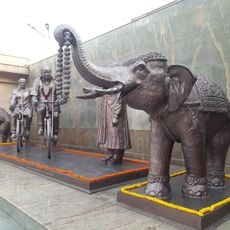
Delhi Metro, Rapid transit system in National Capital Region, India
The network runs over 350 kilometers (218 miles) across the capital and surrounding cities, serving more than 250 stations on ten color-coded lines. Several lines are partly or fully automated, and most trains operate both above ground and underground.
Construction started in the late 1990s following years of planning, with the first line opening to passengers in late 2002. The network has expanded steadily since then and now ranks among the largest metro systems in Asia.
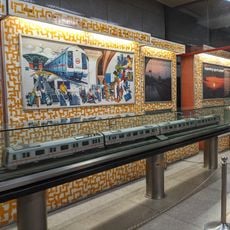
Many stations display rotating art exhibitions featuring work from local painters and sculptors on the platforms and in the connecting hallways. The air-conditioned interiors also serve as informal gathering spaces for families and students, especially during hot afternoons and weekends.
Ticket machines and rechargeable smart cards are available at every station, along with contactless tokens for single journeys. Most trains are air-conditioned, and there are designated sections for women as well as lifts and ramps for wheelchair users.
The system received recognition from the United Nations for reducing greenhouse gas emissions through energy-saving trains and regenerative braking technology. Solar panels have also been installed on depot rooftops to generate part of the electricity needed for daily operations.
The community of curious travelers
AroundUs brings together thousands of curated places, local tips, and hidden gems, enriched daily by 60,000 contributors worldwide.