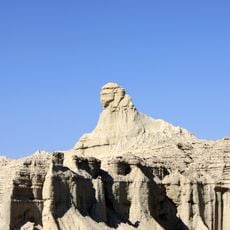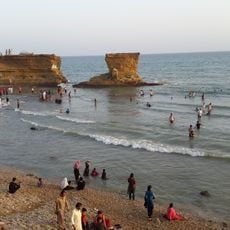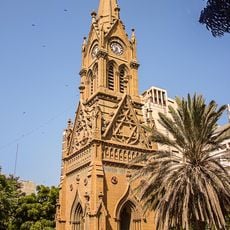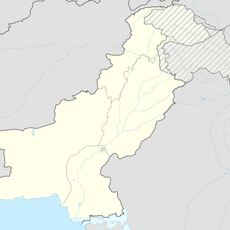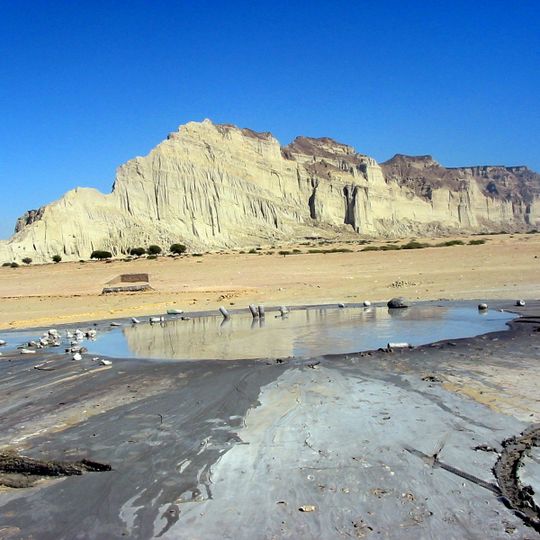
Hingol mud volcano, Volcanic group in Lasbela District, Balochistan, Pakistan.
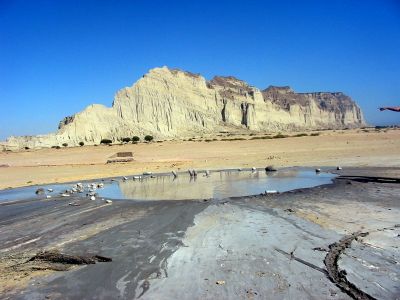
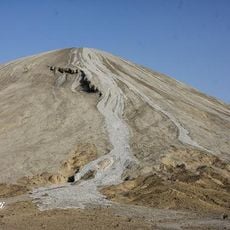
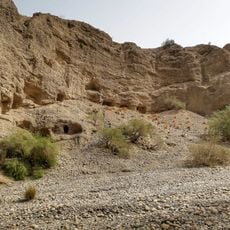
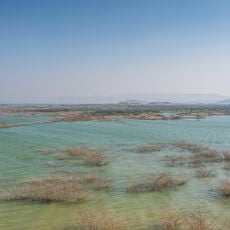
Hingol mud volcano is a group of geological formations in Lasbela district, Balochistan, where mud and gases escape through multiple craters spread across a bare landscape. The craters vary in size and level of activity, with some releasing a steady flow of mud while others appear dormant for long periods.
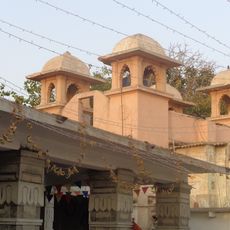
The area around the mud volcanoes shows traces of ancient settlements, suggesting people have lived nearby for thousands of years. Over time, the formations became part of local religious traditions, particularly among Hindu communities traveling through the region.
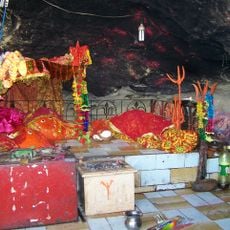
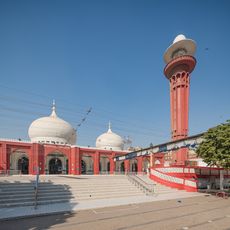
Hindu pilgrims visit the Chandragup volcano throughout the year, offering coconuts and traditional roti bread into the craters as acts of devotion. The site is closely tied to the nearby Hinglaj shrine, one of the most visited Hindu pilgrimage destinations in Pakistan.
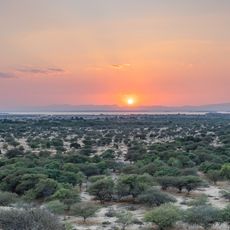
The site sits within Hingol National Park, so visitors should come prepared with water, sun protection, and sturdy footwear as the terrain is uneven and exposed. The months between October and March tend to offer the most comfortable conditions for walking around the craters.
Among the three main formations, known as Chandragup 1, 2, and 3, one rises to about 90 meters and looks from a distance more like a hill than a volcanic feature. Despite their solid appearance, all three regularly push fresh mud to the surface, meaning the ground around them can shift unexpectedly.
The community of curious travelers
AroundUs brings together thousands of curated places, local tips, and hidden gems, enriched daily by 92,483 contributors worldwide.