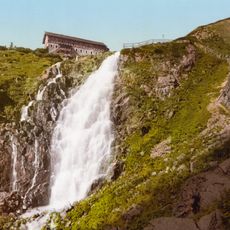
Krkonoše National Park, National park in northern Czech Republic
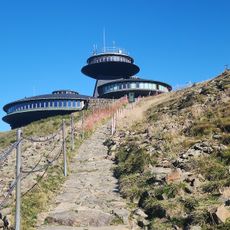
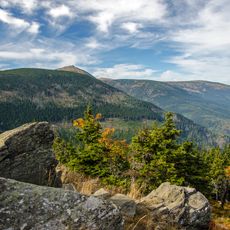
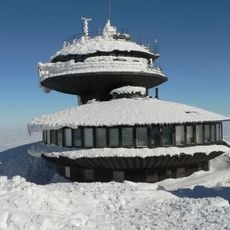
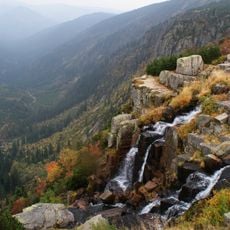
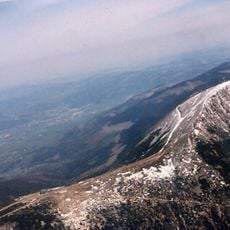
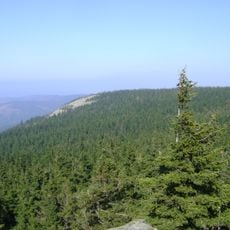
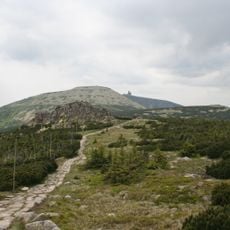
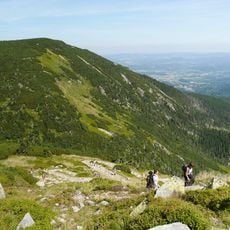
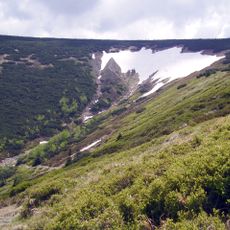
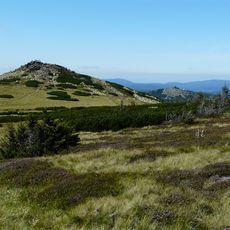
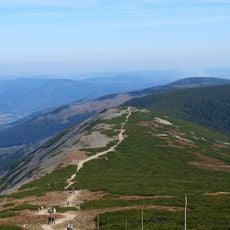
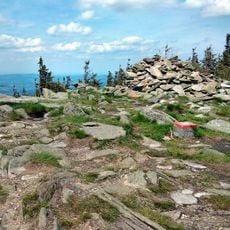
Krkonoše National Park is a protected mountain area in northern Czechia covering three districts, with meadows, forests, and rocky summits. The highest point rises at Sněžka on the Polish border, surrounded by rounded ridges and deep valleys carved by streams.
State nature reserves such as Kotelní jámy, Pančavská louka and Labský důl were declared in 1952, watched over by conservationists Zdeněk Pilous, Jindřich Ambrož and Josef Šourek. The park itself was proclaimed by government decree No. 41/1963 on 17 May 1963, four years after the Polish Karkonosze park of 16 January 1959. A protective zone followed in 1986, the area shrank from 385 to 364 km² in 1991, and in 1992 both parks joined the UNESCO biosphere reserve network.
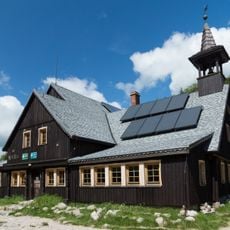
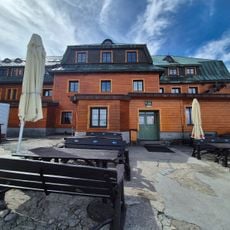
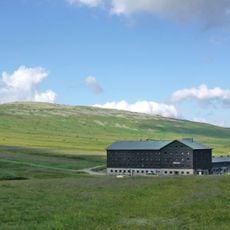
The name Krkonoše comes from old Slavic roots and appears today on trail markers and signposts throughout the mountains. Many paths follow routes once used by shepherds and woodcutters, now leading visitors to mountain huts and viewpoints scattered across the ridges.
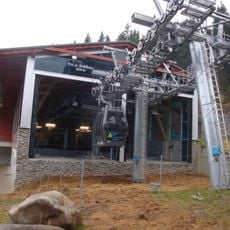
Trails connect mountain villages and remain open year-round, with spring and autumn offering quieter times to walk. Cable cars ease the climb to higher slopes, and many routes suit experienced walkers with proper gear.
The park's granite bedrock forms the main ridge from Mužské kameny to the western foot of Sněžka; this Krkonoše-Jizera pluton is the geological base under much of the protected area. Around Albeřice in the east, karst phenomena appear in the Albeřice quarries.
The community of curious travelers
AroundUs brings together thousands of curated places, local tips, and hidden gems, enriched daily by 93,348 contributors worldwide.