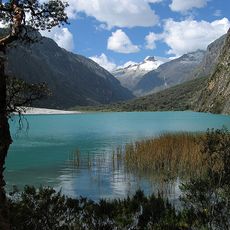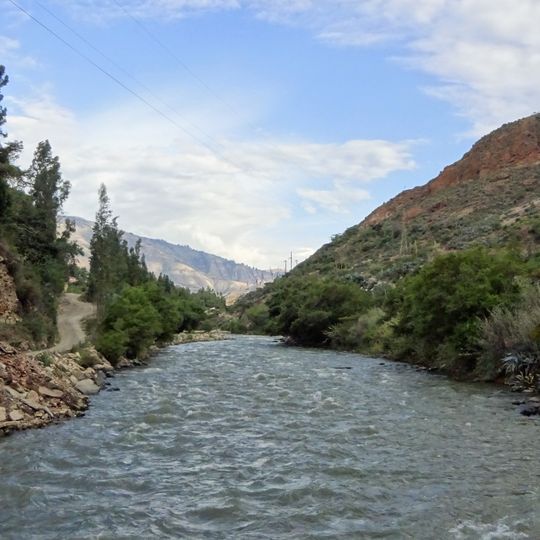
Santa River, River system in Ancash Region, Peru.
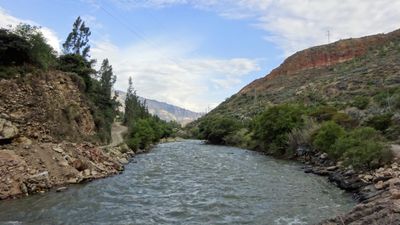
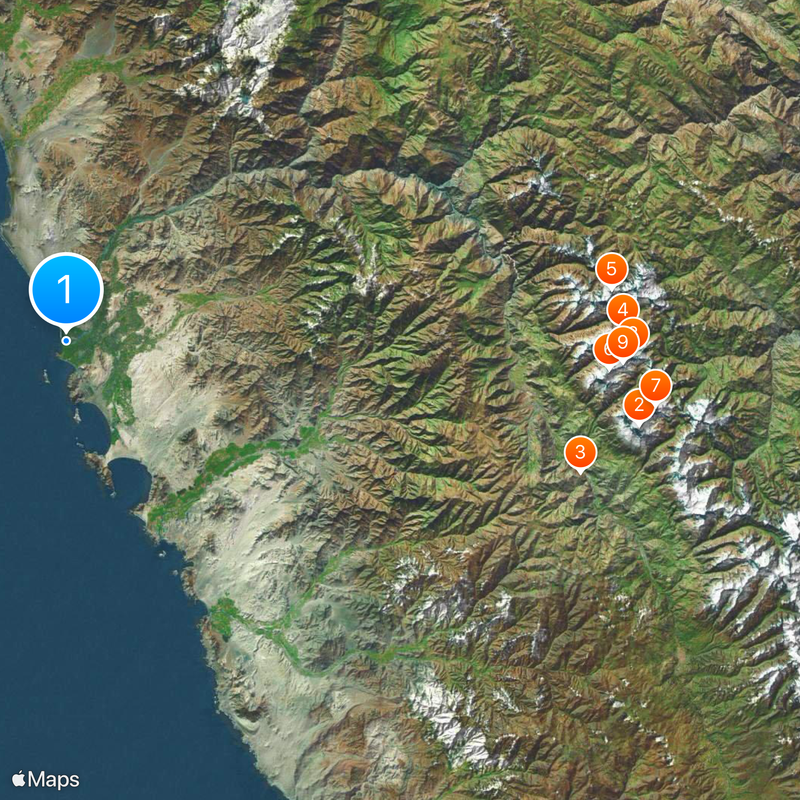
The Santa River flows 347 kilometers from Lake Conococha through a valley between two mountain ranges and reaches the Pacific Ocean. The system provides water for irrigation and drinking while powering four hydroelectric stations across the region.
The river system developed through the formation of the Andean ranges and has been used by local populations for centuries. The discovery of gold dust at its mouth in the 1980s introduced mining as a new economic activity for rural communities.
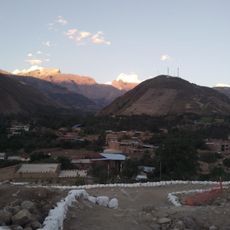
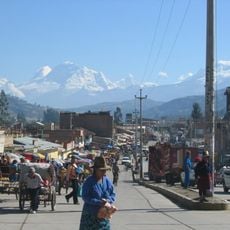
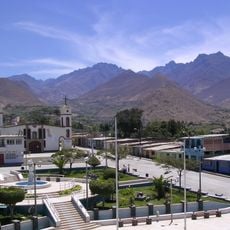
The river sustains communities like Recuay, Huaraz, Carhuaz, and Yungay scattered along its course, where residents depend on its water for farming and daily life. The waterway has shaped settlement patterns and local livelihoods across the region for generations.
A paved road runs alongside the river valley and connects the main towns, making it easy to explore the waterway and surrounding areas. Travel is most comfortable during the dry season when water levels are more manageable and roads are in better condition.
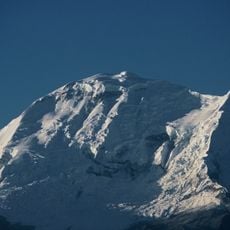
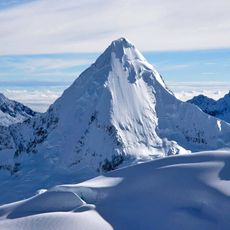
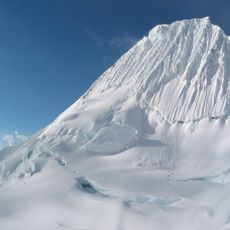
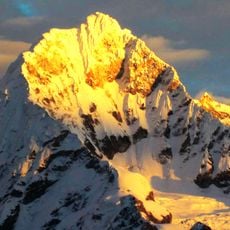
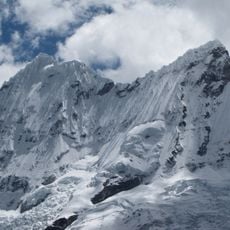
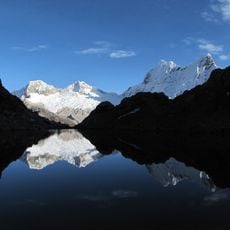
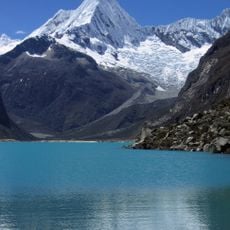
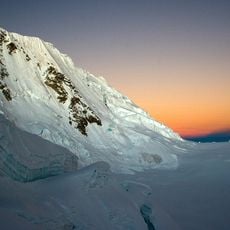
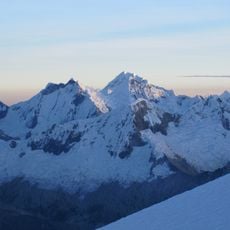
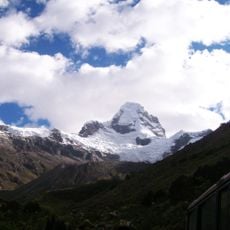
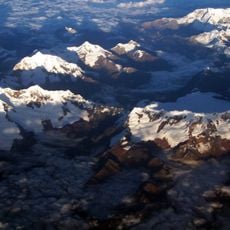
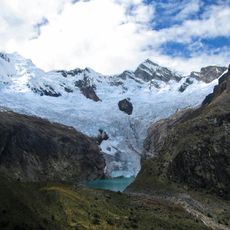
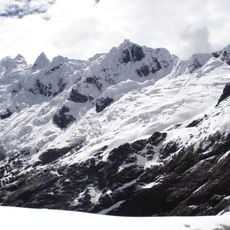
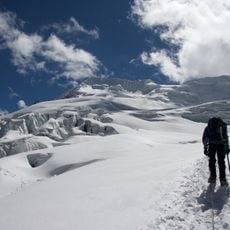
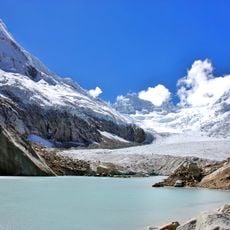
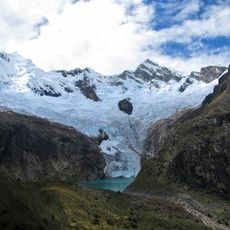
From June through November during the dry season, the river depends almost entirely on glacial meltwater from the Cordillera Blanca mountains. This seasonal shift reveals how the river's water supply follows the mountain glaciers rather than regular rainfall patterns.
The community of curious travelers
AroundUs brings together thousands of curated places, local tips, and hidden gems, enriched daily by 92,606 contributors worldwide.