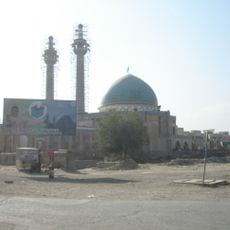
Tepe Narenj, Buddhist monastery archaeological site in Zanburak Mountains, Afghanistan
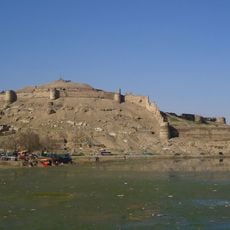
Tepe Narenj is a Buddhist monastery site near Kabul with the remains of one large stupa, several smaller stupas, and meditation cells spread across a hillside. The structures show the layout of a working religious community from more than 1,000 years ago.
The monastery developed during a golden age of Buddhism in Central Asia and served for centuries as a place where scholars and pilgrims gathered. A Chinese monk named Xuanzang visited in the seventh century and left written records about what he found there.
The site shows meditation cells and small stupas that reveal how Buddhism spread across Central Asia. Visitors can still see the layout of these religious buildings and understand how monks lived and practiced here.
Access to the site is easiest during warmer months when the paths and slopes are more manageable. Wear sturdy footwear since the terrain is steep and hilly with areas that remain active dig sites.
The sculptures here were made using an unusual method where clay pieces were covered with fabric and then finished with layers of stucco. This technique was uncommon in the region and made the artwork more long-lasting.
The community of curious travelers
AroundUs brings together thousands of curated places, local tips, and hidden gems, enriched daily by 90,752 contributors worldwide.