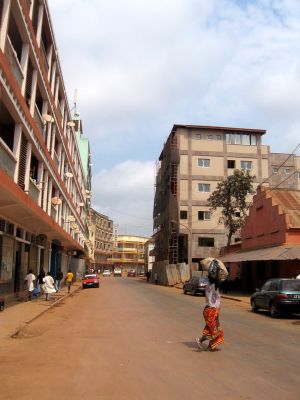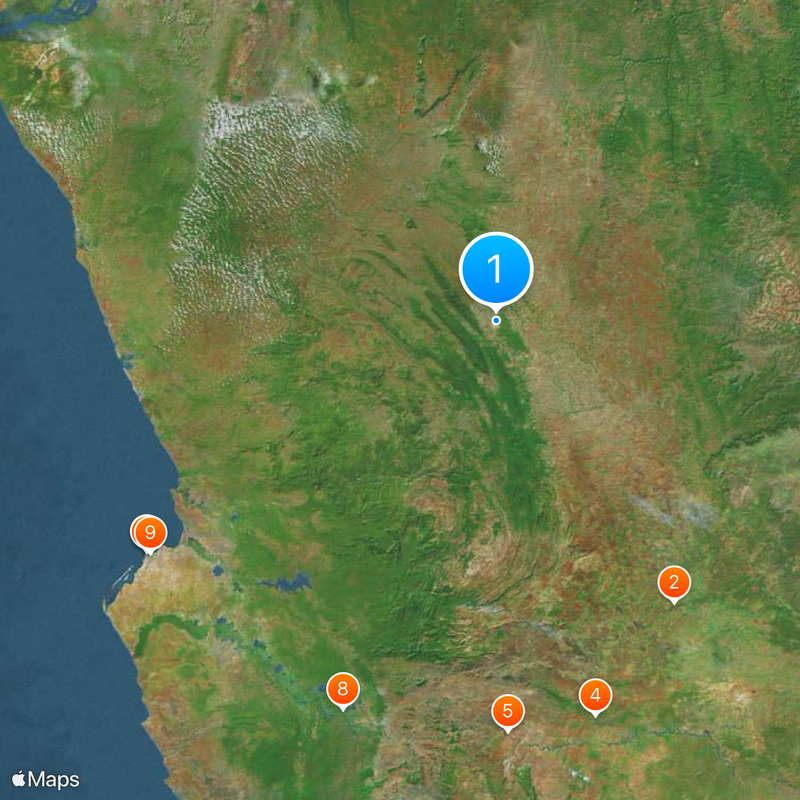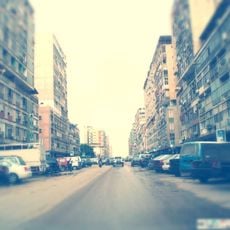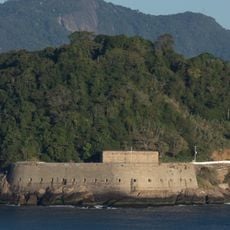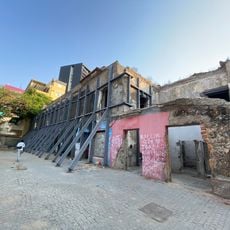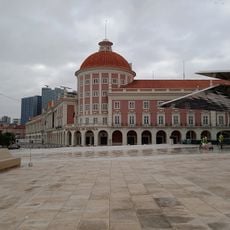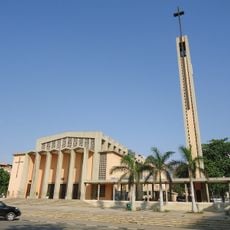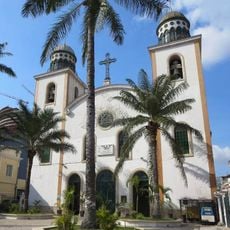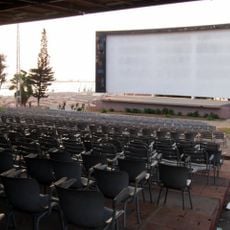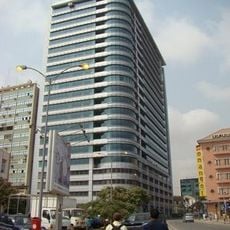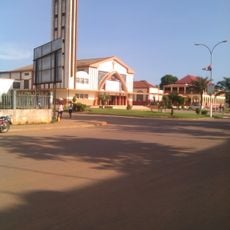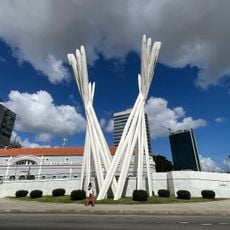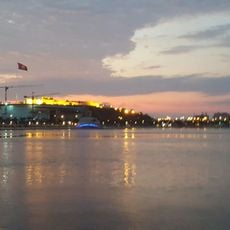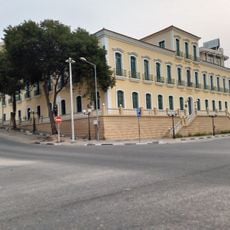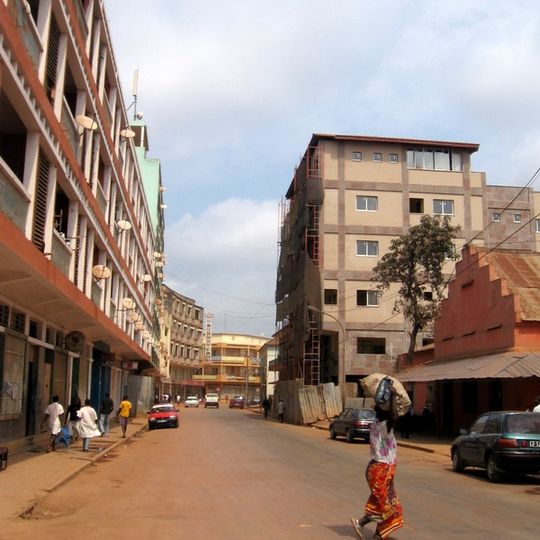
Uíge, Provincial capital in northwestern Angola
Uíge is a municipality in northwestern Angola situated at about 825 meters elevation across a landscape of around 1,188 square kilometers. The settlement functions as a regional trading center with airport connections and road networks linking it to surrounding areas.
The settlement was established in 1946 as a trading post and became a major coffee-producing center during the 1950s under Portuguese colonial rule. This period shaped the region's economy and infrastructure significantly.
The area is primarily home to Bakongo people who continue traditional ways of life, particularly in farming and everyday conversation in the Kikongo language. You can observe these customs in local markets and agricultural lands surrounding the municipality.
The municipality has an airport with regular flights to the capital, making it the primary arrival point for visitors coming from outside the region. Road connections exist to surrounding areas, though travel times can be lengthy depending on destination and road conditions.
In 2005, the region experienced a severe outbreak of Marburg virus, leading to improvements in health monitoring systems and medical response protocols. This event left a lasting mark on local public health infrastructure and awareness.
The community of curious travelers
AroundUs brings together thousands of curated places, local tips, and hidden gems, enriched daily by 92,964 contributors worldwide.