Ahu Tongariki, Archaeological ceremonial site in Easter Island, Chile
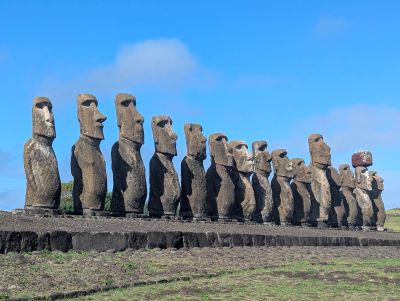
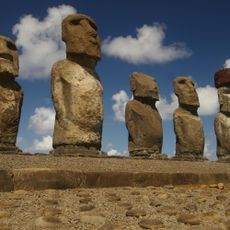
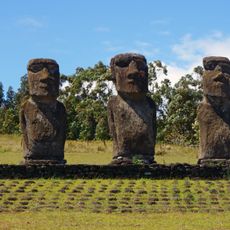
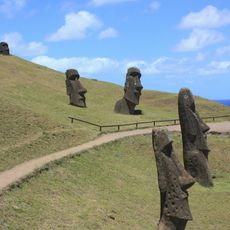
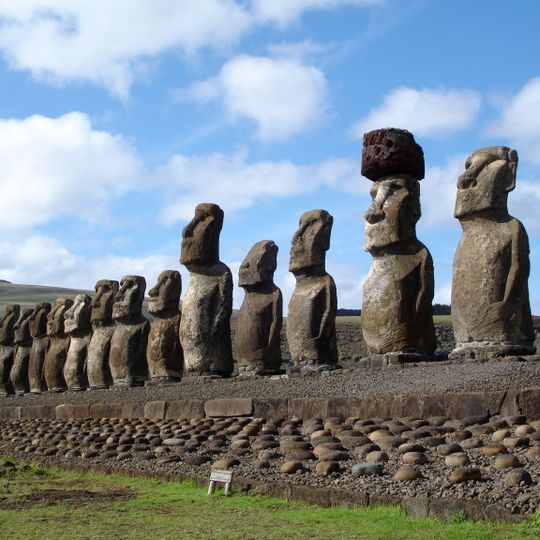
Ahu Tongariki is a ceremonial platform on Easter Island featuring fifteen monumental moai statues arranged in a single row spanning roughly 220 meters. The structure stretches along the Pacific coast with statues of varying sizes all facing inland from the ocean.
The platform suffered major damage when a 1960 tsunami from the Valdivia earthquake swept the moai inland several hundred meters. The site was later reconstructed and now stands as one of the island's most important archaeological records of Rapa Nui civilization.
Ahu Tongariki was the main centre and capital of the Hotu-iti, the eastern confederation of the Rapa Nui people. The fifteen moai stand with their backs to the Pacific and face sunset during the winter solstice. The site lies in the Hotu-iti area of Rapa Nui National Park, now administered by the Ma'u Henua indigenous community.
Arriving before sunrise gives visitors the best light for photographing the moai against the sky, and the site is generally quiet at this hour. The location is open and accessible year-round, though the island's weather can change quickly.
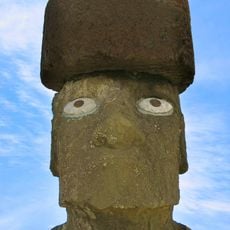
The 86-tonne moai is not the only heavy figure here: the platform also holds a moai wearing a red stone pukao, a cylindrical topknot quarried at Puna Pau. The row was re-erected in the 1990s by a team led by Claudio Cristino and Patricia Vargas, with a crane supplied by the Japanese manufacturer Tadano.
The community of curious travelers
AroundUs brings together thousands of curated places, local tips, and hidden gems, enriched daily by 92,628 contributors worldwide.