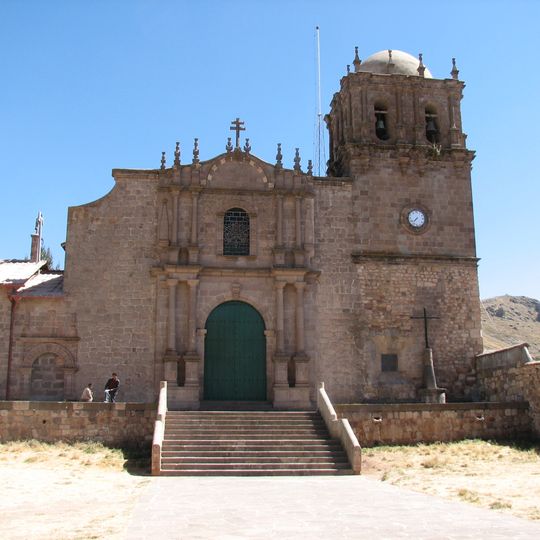
Juli, City of Peru
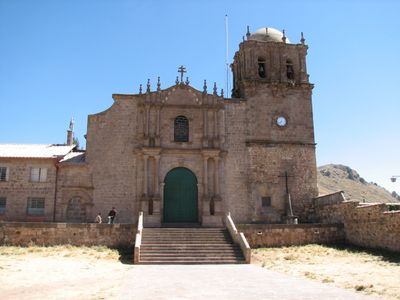
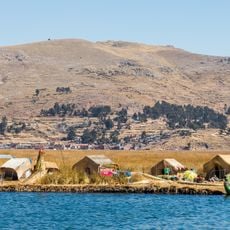
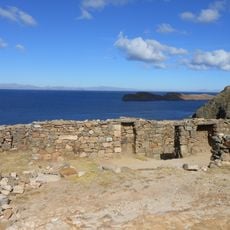
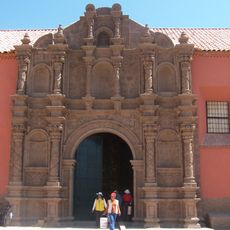
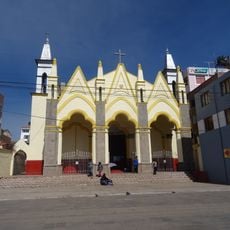
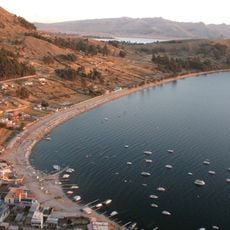
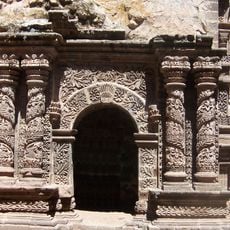
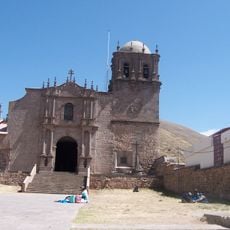
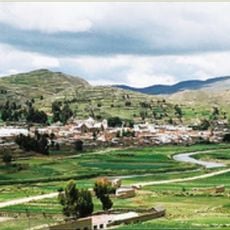
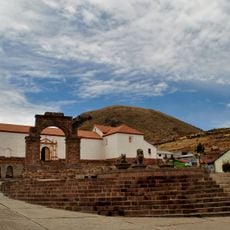
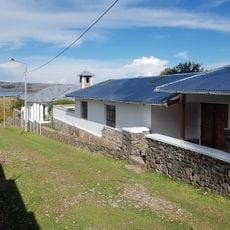
Juli is a town on the shore of Lake Titicaca in the Puno region of southern Peru, known for its colonial churches dating from the 16th and 17th centuries. Its streets are wide and calm, its small squares lined with historic stone buildings that give the town a consistent and unhurried character.
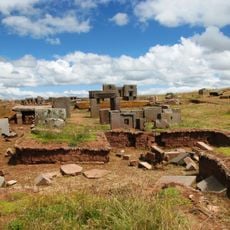
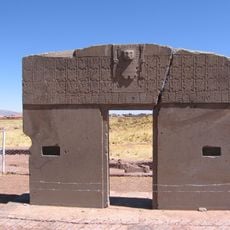
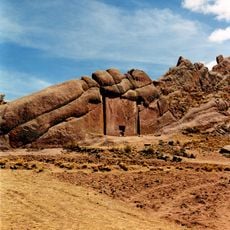
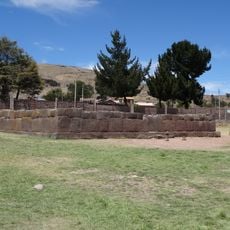
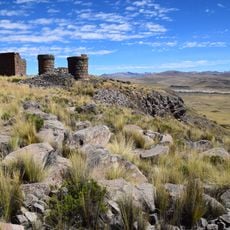
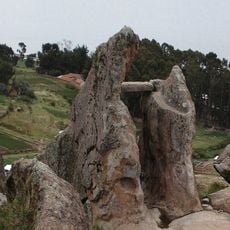
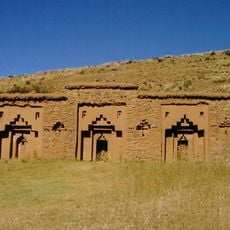
The area around Juli has been inhabited for thousands of years, as shown by ancient monoliths and burial sites found nearby. Dominican and then Jesuit missionaries arrived in the 16th century, built churches, and taught local communities in Aymara and Quechua until the Jesuits were expelled in 1767.
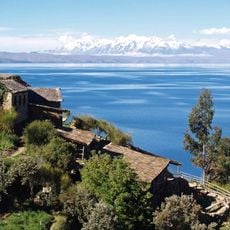
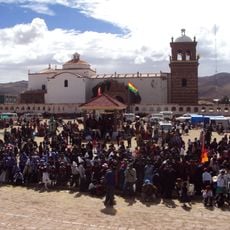
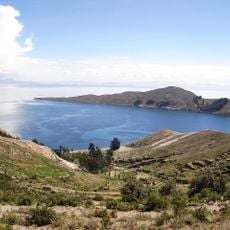
The name Juli comes from an Aymara word meaning 'place of water', a reference to the town's position beside Lake Titicaca. On religious feast days, processions move through the streets with traditional music and local dress, making these moments easy to witness for anyone passing through.
Visiting during the dry season makes walking through town easier and gives clearer views of the lake and surrounding hills. The town sits at nearly 3900 meters above sea level, so take your time, drink plenty of water, and protect yourself from the sun.
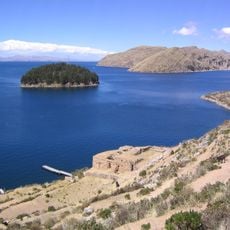
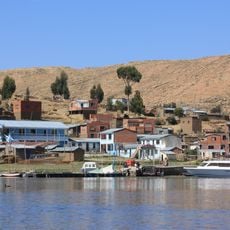
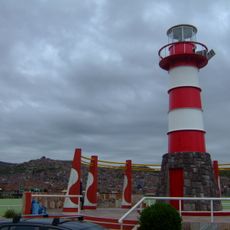
Just outside town lies Playas San Juan, a sandy stretch along the edge of Lake Titicaca that most visitors never find. A small pier marks the spot, and on local feast days, music is played there by the water.
The community of curious travelers
AroundUs brings together thousands of curated places, local tips, and hidden gems, enriched daily by 92,213 contributors worldwide.